Best Bass Fishing Lakes in Indiana
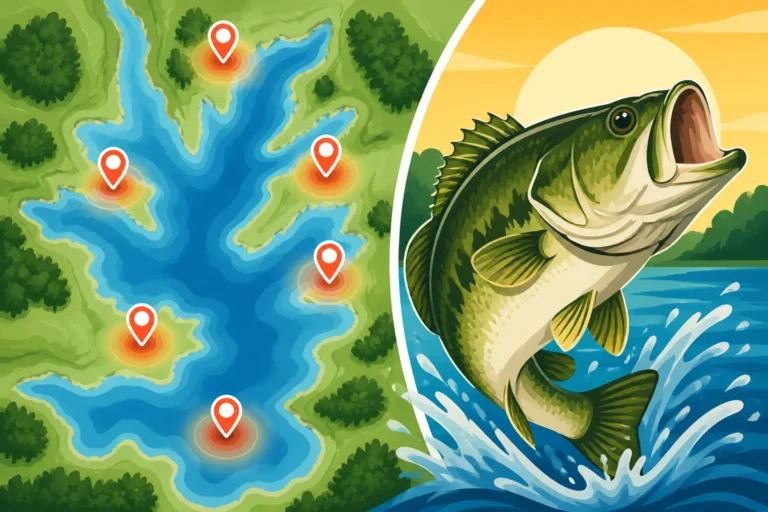
If you've ever found yourself staring at a map of Indiana, wondering where to drop your line for that next trophy bass, you're certainly not alone. With so many lakes, rivers, and reservoirs dotting our Hoosier landscape, it can feel overwhelming to pinpoint the real hotspots for largemouth and smallmouth bass. This guide is going to cut through the guesswork, diving deep into Indiana's best bass fishing lakes, so you can spend less time searching and more time reeling in those lunkers.
Why Indiana Bass Fishing is a Big Deal
Indiana might not always be the first state that comes to mind when you think of world-class bass fishing, but let me tell you, we have some incredible fisheries that consistently produce big, healthy bass. From our natural glacial lakes in the north to the sprawling flood control reservoirs in the central and southern regions, there's a unique challenge and reward waiting for every bass angler. It’s not just about the size of the fish, though we certainly have our share of giants, but also about the diverse environments and fishing experiences available.
The Allure of Indiana's Largemouth Bass
Ah, the largemouth bass. For many of us, this is the quintessential sportfish, known for its aggressive strikes and powerful fights. Indiana's lakes and ponds offer fantastic opportunities to target largemouth, especially during the spring spawn and throughout the warmer months. You'll find them lurking around submerged vegetation, fallen timber, rock piles, and points, always ready to ambush unsuspecting prey. The sheer variety of structure in our lakes means you can experiment with countless techniques, from flipping jigs into heavy cover to burning spinnerbaits across open water. It's truly a thrilling experience when a big bucketmouth absolutely demolishes your presentation. To really dig into the specifics, check out our guide on Largemouth Bass Fishing in Indiana: The Complete Guide.
The Thrill of Smallmouth Bass in Rivers and Lakes
While largemouth often steal the spotlight, let's not forget about their equally exciting cousin, the smallmouth bass. These bronze beauties are absolute fighters, known for their acrobatic jumps and hard runs. While more commonly associated with rocky rivers and clear, cool streams, several of Indiana's larger reservoirs and northern glacial lakes also hold respectable populations of smallmouth. They prefer cleaner, rockier environments and will often be found deeper than largemouth, especially during the heat of summer. Targeting smallmouth requires a slightly different approach, often favoring small crankbaits, tubes, and finesse presentations. The reward, however, is a fight you won't soon forget.
Northern Indiana: Glacial Lakes and Trophy Opportunities
Northern Indiana is characterized by its numerous natural lakes, many of them formed by glaciers, offering clear waters and diverse structures. This region is a true gem for bass anglers, with some of the state's most pristine and productive fisheries. The unique geology provides varied habitats that support robust populations of both largemouth and, in some cases, smallmouth bass.
Lake Wawasee: Indiana's Largest Natural Bass Haven
If you're looking for sheer size and variety in a natural lake, Lake Wawasee: Indiana's Largest Natural Lake in Kosciusko County is a must-visit. Covering over 3,000 acres, Wawasee is a sprawling network of channels, bays, and open water, offering endless bass habitat. The lake is especially known for its healthy population of largemouth bass, with many anglers reporting catches in the 3-5 pound range and the occasional lunker exceeding that.
The lake's clear water means bass can be a bit finicky at times, but if you master finesse techniques like drop-shotting or wacky rigging around weed lines and docks, you'll be handsomely rewarded. Don't overlook the ample weed beds, lily pads, and reeds that line many of its shorelines and channels; these are prime ambush points for hungry bass. Early morning or late evening topwater action around these areas can be explosive, especially during the warmer months when bass are actively feeding. Focus on areas with submerged vegetation breaks and transition lines for consistent action.
The Barbee Chain of Lakes: Hidden Gems for Largemouth
Just southwest of Lake Wawasee, also in Kosciusko County, lies the Barbee Chain of Lakes. This chain, comprised of seven interconnected lakes (Little Barbee, Big Barbee, Irish, Kuhn, Sechrist, Sawmill, and Banning), offers a slightly different, often more intimate, bass fishing experience. While perhaps not as famous as Wawasee, these lakes consistently produce excellent numbers of largemouth bass, with many healthy fish in the 2-4 pound class.
The Barbee Chain is generally shallower and features abundant weed growth, making it a fantastic playground for flipping jigs, throwing spinnerbaits, and working topwater frogs over thick mats. Access between the lakes is typically through channels, allowing you to explore different environments without pulling your boat out of the water. Each lake in the chain has its own unique character, so spending a day exploring them all can lead to some incredible discoveries and tight lines. Remember, fishing docks and seawalls can also be highly productive, particularly on the more developed lakes.
James Lake: Where Records Swim
While James Lake and Indiana's State Muskie Record often gets attention for its elusive muskellunge, this glacial lake in Steuben County, part of the Lake James chain, is also home to a very respectable population of largemouth and even some smallmouth bass. It’s one of the deeper, clearer lakes in the region, providing excellent habitat for bass that prefer cooler, oxygenated water. Anglers here can expect to find bass relating to rocky points, steep breaks, and deeper weed lines.
Fishing James Lake can be a bit more challenging than shallower, weedier lakes, but the reward can be substantial. Carolina rigs, deep diving crankbaits, and football jigs fished along structural elements can be very effective. During the early morning or late evening, bass will often move shallower, providing opportunities for topwater lures or jerkbaits. If you’re looking to combine your bass hunt with a chance at a legendary muskie, James Lake offers a unique dual opportunity.
Central Indiana: Reservoir Giants and Diverse Fisheries
Moving south into the heart of Indiana, the fishing landscape shifts to larger, man-made reservoirs. These massive bodies of water, often originally created for flood control and water supply, have developed into some of the state's most popular and productive bass fishing destinations. They offer expansive waters with plenty of cover, from standing timber to submerged creek channels.
Monroe Lake: A Bass Fishing Powerhouse
Ah, Monroe Lake. Indiana's largest inland lake, clocking in at over 10,750 acres, is undeniably a bass fishing powerhouse. Located near Bloomington, Monroe Lake: Indiana's Largest Lake for Bass Fishing lives up to its reputation, consistently producing both quantity and quality largemouth bass. Its vastness means there's always a new cove, point, or creek arm to explore, and the sheer amount of standing timber provides endless cover for bass.
Spring and fall are particularly productive seasons on Monroe, as bass move shallower to spawn or feed aggressively before winter. Jig-and-pig combinations, creature baits, and spinnerbaits are staples for working the timber, especially on the west side of the lake. During the summer, bass tend to move deeper to main lake points, ledges, and submerged humps, making deep crankbaits, drop-shots, and football jigs excellent choices. Monroe Lake offers diverse fishing, from shallow stump fields to deep water structures, making it a favorite for many serious bass anglers. If you're looking for Best Fishing Spots Near Bloomington, Indiana, Monroe Lake should be at the top of your list.
Eagle Creek Reservoir: Urban Angling for Quality Bass
Right on the doorstep of Indianapolis, you'll find Eagle Creek Reservoir. While it might seem counterintuitive to find great bass fishing so close to a major city, Eagle Creek defies expectations. This 1,350-acre reservoir offers surprisingly good largemouth bass fishing, making it a perfect spot for quick trips or after-work outings for anglers in the central Indiana area.
The reservoir features a mix of shallow flats, submerged creek channels, and plenty of standing timber, especially in its upper reaches. Docks and bridge pilings also provide excellent cover. Early spring can be fantastic here, with bass moving into the warming shallow coves. Finesse techniques work well in the clearer sections, while flipping jigs or Texas-rigged plastics into the timber or along weed edges can be highly effective. It’s a great example of how quality bass fishing can thrive even in an urban environment. For general Best Fishing Spots Near Indianapolis, Indiana, Eagle Creek is a local favorite.
Geist Reservoir: Challenging but Rewarding Bass Waters
Another popular central Indiana impoundment, Geist Reservoir in northeast Indianapolis, is a beautiful, sprawling lake covering around 1,900 acres. While often considered a playground for pleasure boaters, Geist also holds a strong population of largemouth bass, though they can be a bit more challenging to locate due to heavy boat traffic and clearer water conditions.
Bass on Geist tend to relate closely to the abundance of docks, seawalls, and boat lifts, as well as the deeper main lake points and humps. During the colder months, bass will often school up on deep structure. When the bite is tough, try scaled-down baits like shaky heads, small jigs, or drop-shots. Early mornings, before the recreational boat traffic picks up, or late evenings are often the most productive times. Persistence and careful observation of sonar are key to unlocking Geist's bass potential.
Southern Indiana: Scenic Lakes and Abundant Bass
Southern Indiana is home to rolling hills, limestone bluffs, and several large, beautiful reservoirs that offer fantastic bass fishing opportunities. These lakes often have a more rugged, natural feel, providing stunning backdrops to your fishing adventures.
Patoka Lake: Premier Largemouth Habitat
Heading south, you simply cannot talk about Indiana bass fishing without mentioning Patoka Lake Fishing Guide for Bass and Crappie. Located in Dubois, Orange, and Crawford counties, Patoka is Indiana's second-largest reservoir, boasting over 8,800 acres of prime bass habitat. This lake is consistently ranked among the top bass fisheries in the state and even the Midwest, known for both the numbers and size of its largemouth.
Patoka Lake offers incredibly diverse cover: extensive standing timber, submerged creek channels, rock bluffs, points, and coves filled with laydowns and aquatic vegetation. Anglers can employ almost any bass fishing technique with success here. Flipping and pitching jigs or creature baits into the standing timber is a classic Patoka strategy, often producing explosive strikes. Deep diving crankbaits and spoons can be deadly on offshore structure. During the spawn, countless shallow coves offer prime bedding areas. It's a lake that truly keeps you guessing, which is part of its endless appeal.
Brookville Lake: Smallmouth and Largemouth Opportunities
Brookville Lake, nestled in the scenic hills of Franklin and Union counties, is another excellent choice for bass anglers, particularly those who enjoy targeting both largemouth and smallmouth. This 5,260-acre reservoir features clear, deep waters and abundant rock, providing ideal habitat for smallmouth, especially in the main lake and near the dam. However, the numerous coves and timbered areas also hold plenty of largemouth.
For smallmouth, focus on rocky points, bluff walls, and transition areas using tube jigs, grubs, or small crankbaits. Largemouth will be found deeper in the coves, around fallen trees, and along the edges of weed beds. Like many reservoirs, the bite can be tough during the dog days of summer, but early mornings and late evenings or fishing at night can yield great results. Spring and fall offer the most consistent action as bass move shallower. Detailed Brookville Lake Fishing Spots and Access Points can help you plan your visit.
Hardy Lake: A Quieter Option for Consistent Action
If you're looking for a slightly smaller, less pressured lake with reliable bass fishing, Hardy Lake in Scott County is an excellent option. This 741-acre lake might not have the trophy potential of a Patoka or Monroe, but it consistently produces good numbers of healthy largemouth bass, making it a fantastic spot for a fun day on the water, especially for families or beginners.
Hardy Lake has a good mix of shallow coves with stumps and laydowns, as well as some deeper main lake points and channels. Standard bass techniques like Texas-rigged worms, spinnerbaits, and shallow crankbaits are often very effective. The lack of extensive standing timber like larger reservoirs means bass often relate more to shoreline cover, making it a great lake for shore fishing or kayak angling. It's a peaceful spot where you can enjoy consistent bites without the intense competition found on some other lakes.
Essential Tips for Maximizing Your Indiana Bass Trip
Successfully targeting bass in Indiana's diverse waters often comes down to understanding seasonal patterns, using the right gear, and sometimes, knowing when to get a little help.
Timing Your Visit for Peak Bass Activity
Understanding the bass calendar is crucial. The spring, particularly from April to June, is often considered the prime time for bass fishing in Indiana. This is when the bass move into shallower waters for their Best Time to Bass Spawn in Indiana, making them more accessible and aggressive. During the post-spawn, they'll often feed heavily to recover.
Summer fishing can be excellent, but bass often retreat to deeper, cooler waters during the day, requiring different techniques like deep cranking or drop-shotting. Early mornings and late evenings offer great topwater action when bass are active in low light. Fall sees bass again becoming very active as they feed up for winter, often schooling on baitfish. Winter fishing is possible, but slower, often requiring vertical presentations in deeper water. Knowing these seasonal shifts will dramatically improve your success.
The Right Gear and Techniques for Indiana Bass
Having the right equipment can make all the difference. For largemouth bass, a medium-heavy to heavy action casting rod with a baitcasting reel spooled with 15-20 lb fluorocarbon or braided line is a versatile setup for throwing jigs, Texas rigs, and spinnerbaits. For finesse presentations, a medium action spinning rod with a spinning reel and 8-12 lb fluorocarbon is ideal. Don't forget a selection of baits, from soft plastics (worms, creature baits, senkos) to crankbaits, spinnerbaits, and topwater lures. Our guide on Best Rods and Reels for Indiana Largemouth Bass offers a deeper dive into gear.
For smallmouth, a slightly lighter setup is often preferred, though a medium-heavy casting rod can still work for larger baits. Smaller crankbaits, tube jigs, and finesse worms are excellent choices. Always have a good pair of polarized sunglasses to spot structure, and consider a quality fish finder to locate submerged cover and fish on larger reservoirs. You'll also want to read up on Bass Fishing Techniques for Beginners if you're just starting out. And, of course, knowing the Best Bait for Largemouth Bass in Indiana Lakes will give you an edge.
Hiring a Guide for an Edge
Sometimes, the best way to learn a new lake or to break a fishing slump is to go with someone who knows the water inside and out. A local fishing guide can provide invaluable insight into current patterns, hot spots, and effective techniques. They have years of experience on specific bodies of water and can quickly put you on fish, teaching you subtle nuances that would take many trips to figure out on your own. It's an investment that can significantly shorten your learning curve and make your trip far more productive and enjoyable.
Platforms like FishingBooker make it incredibly easy to find and book experienced bass guides across Indiana. Whether you're targeting largemouth on Monroe or smallmouth on Brookville, you can find a local expert to lead the way. A good guide isn't just about catching fish; it's about learning the lake, understanding the fish behavior, and refining your own angling skills. Many anglers use FishingBooker to scout out prime locations and connect with guides who can share their deep knowledge of places like Patoka Lake or Lake Wawasee, ensuring a memorable and successful outing. There are fantastic opportunities to secure a top-rated guide through FishingBooker, providing all the necessary gear and expertise.
Top Indiana Bass Lakes at a Glance
To help you visualize and plan your next trip, here’s a quick overview of some of Indiana's top bass fishing destinations. This table highlights what makes each lake special for bass anglers, giving you a snapshot of what to expect.
| Lake Name | Primary Bass Species | Typical Size Range (lbs) | Key Features for Bass | Best Time to Visit | Notes |
|---|---|---|---|---|---|
| Monroe Lake | Largemouth | 2-5, potential for 7+ | Standing timber, points, creek channels, vast size | Spring & Fall | Indiana's largest, diverse habitat |
| Patoka Lake | Largemouth | 2-5, potential for 6+ | Standing timber, coves, rock bluffs, excellent forage | Spring & Fall | Consistently top-ranked, very popular |
| Lake Wawasee | Largemouth | 2-4, potential for 5+ | Weed lines, docks, channels, clear water | Spring & Summer | Largest natural lake, finesse often key |
| Brookville Lake | Largemouth, Smallmouth | 1-4, potential for 5+ | Rocky points, bluffs, submerged timber, clear water | Spring & Fall | Good mixed fishery, scenic |
| Eagle Creek Res. | Largemouth | 1-3, potential for 4+ | Timber, docks, urban access, creek channels | Spring & Summer | Convenient for Indy anglers |
| Geist Reservoir | Largemouth | 1-3, potential for 4+ | Docks, seawalls, deep humps, clearer water | Spring | Early mornings best, challenging |
| Barbee Chain | Largemouth | 2-4, potential for 5+ | Heavy weeds, interconnected lakes, diverse cover | Spring & Summer | Good numbers, less pressure |
| Hardy Lake | Largemouth | 1-3, consistent action | Stumps, laydowns, coves, easy access | Spring & Summer | Good for beginners and casual trips |
| James Lake | Largemouth, Smallmouth | 1-4, potential for 5+ | Rocky breaks, deep water, clear, muskie potential | Spring & Fall | Can be challenging, but rewarding |
As you can see, Indiana offers a fantastic array of bass fishing opportunities, from shallow, weedy natural lakes to deep, timber-filled reservoirs. Each spot presents its own unique challenges and rewards, ensuring that every angler, no matter their skill level or preferred technique, can find a great place to cast a line. So grab your gear, check the local conditions, and get out there to experience some of the Hoosier State's incredible bass fishing! And don't forget to explore more about Indiana's Best Lakes for Fishing to expand your horizons even further. If you're planning a trip from out of state or just want to learn some new tricks, browsing guides on FishingBooker for Indiana lakes could truly elevate your experience.
Disclaimer
Please remember that fishing regulations, including bag limits and length restrictions, can change. Always consult the latest Indiana Department of Natural Resources (DNR) fishing guide before heading out on the water to ensure you are compliant with all current rules and regulations. Fishing conditions can vary significantly based on weather, season, and water levels, so local knowledge or a quick check with bait shops can also be invaluable.