Where to Catch Bass on the Tippecanoe River
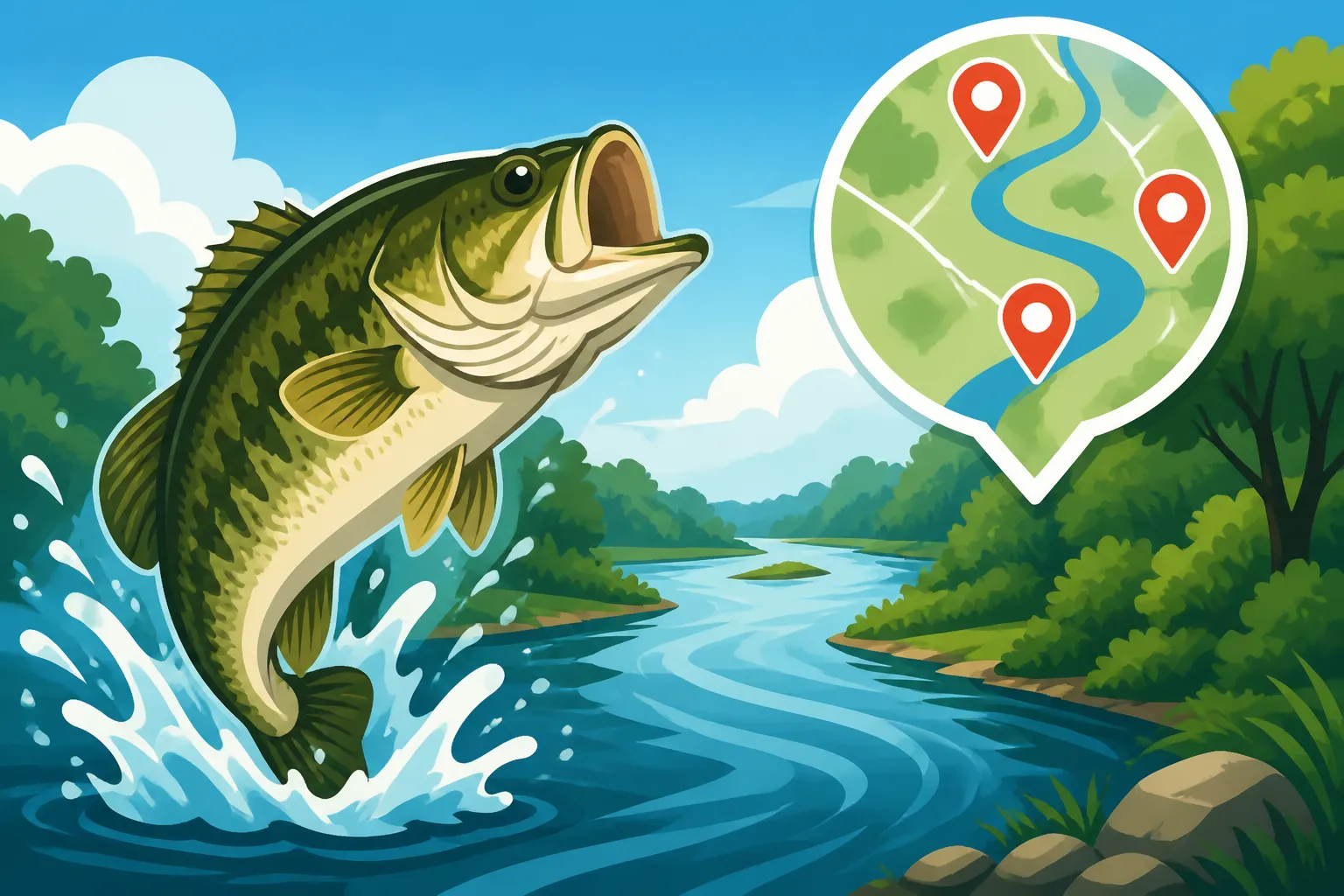
Trying to pinpoint the best bass fishing spots on a river as long and diverse as Indiana's Tippecanoe can feel like searching for a needle in a haystack, especially when you're itching to feel that tell-tale tug on your line. It's frustrating to spend precious fishing time wondering if you're even in the right area, casting endlessly without a bite. This guide is here to cut through that uncertainty, offering you a detailed breakdown of where to find both smallmouth and largemouth bass on the Tippecanoe River, along with the tactics that will help you land them.
Understanding the Tippecanoe River's Bass Habitat
The Tippecanoe River is a gem in Indiana's fishing landscape, renowned for its diverse aquatic environment that caters to several species, but especially bass. What makes it so special for bass anglers is the incredible variety of habitat types you'll encounter along its meandering course. From its northern reaches in Kosciusko County, flowing southwest through lakes and marshlands, to its confluence with the Wabash River, the Tippecanoe offers a mix of slower, wider pools and swift, rocky runs. This varied terrain means you need to adjust your approach based on where you are on the river and what kind of bass you're hoping to target.
The Mix of Largemouth and Smallmouth
When we talk about bass on the Tippecanoe, we're primarily looking at two main contenders: largemouth bass and smallmouth bass. While they're both "bass," their preferred hangouts and feeding habits can differ significantly.
Largemouth bass, for instance, are the classic ambush predators often associated with still or slow-moving water. On the Tippecanoe, you'll typically find them tucked away in the calmer sections, especially in oxbow lakes, backwater channels, or broader, slower pools where current is minimal. They love heavy cover – think dense lily pads, thick submerged weeds, fallen trees, and brush piles. These areas provide them with excellent camouflage to surprise unsuspecting prey. If you're exploring the more lake-like sections or calmer stretches of the river, especially downstream from Monticello, chances are you'll encounter more largemouth. They’re often less aggressive in current and will seek out the quietest corners of the river system.
Smallmouth bass, on the other hand, are river warriors. They thrive in moving water and are often found in the faster, rockier sections of the Tippecanoe. They love current seams, eddies behind boulders, gravel bars, and areas with plenty of submerged rocks and ledges. These feisty fish are known for their strong fights and acrobatic jumps, making them a favorite target for many river anglers. You'll find the best smallmouth action upstream, particularly in the clearer, swifter stretches closer to the river's source, like around the Rochester area and points north. They’re built for the chase, using the current to their advantage, and will often hold tight to structure, darting out to snatch a meal as it washes by. Understanding this fundamental difference is your first step to narrowing down productive areas on the river.
Key Structural Elements to Target
Regardless of whether you're chasing largemouth or smallmouth, bass are inherently structure-oriented fish. They use structure for ambush points, protection from predators, and to escape strong currents. Learning to read the river and identify these key structural elements is crucial for consistent success on the Tippecanoe.
For smallmouth bass, look for anything that breaks the current. Boulders, rock piles, ledges, and submerged logs create natural current breaks and eddies where smallmouth will sit, conserving energy while waiting for food. The deeper holes downstream from riffles or rapids are also prime spots, as are the seams where fast water meets slower water. Undercut banks, especially those with exposed tree roots, offer excellent overhead cover and a hiding spot for these bronze beauties. In the clearer sections, you might even be able to spot these ambush points if the water isn't too stained. Remember that smallmouth will often hold tight to the bottom in these areas, so getting your lure down to them is key.
When targeting largemouth bass in the Tippecanoe's calmer stretches, focus on dense vegetation, like lily pad fields, cattail stands, and thick weed beds. These areas provide not only cover but also a rich ecosystem for baitfish and insects, making them prime feeding grounds. Fallen trees that extend into the water, particularly those with a complex network of branches, are also irresistible to largemouth. These "laydowns" offer shade, cover, and a perfect spot for bass to ambush prey. Docks, bridges, and other man-made structures can also hold largemouth, especially if they offer shade or access to deeper water nearby. The key is to present your lure right into, or on the edges of, these dense cover areas, as largemouth are not afraid to bury themselves deep within the vegetation.
Top Tippecanoe River Bass Fishing Locations
The Tippecanoe River stretches over 160 miles, offering an incredible variety of landscapes and fishing opportunities. Knowing where to put in your boat or cast from the bank can make all the difference. While the river has many fantastic spots, some areas are particularly well-known for their bass populations and accessibility.
Access Points and Public Lands
One of the great things about fishing the Tippecanoe is the number of public access points available, thanks to Indiana's Department of Natural Resources (DNR) and local parks. These sites often provide boat ramps, parking, and sometimes even primitive camping.
A prime example is Tippecanoe River State Park near Winamac. This park offers fantastic access, particularly for paddlers and those looking to fish from shore. While it's a great spot to launch a canoe or kayak and drift downstream, don't overlook the bank fishing opportunities around the bridges and deeper bends. The river here can be quite diverse, with both faster currents and calmer pools, providing a good mix for both smallmouth and largemouth. It's a great base for an extended fishing trip, and you can learn more about general access in our guide on Canoe and Fishing Access Points on the Tippecanoe River.
Further north, in counties like Kosciusko and Fulton, you'll find numerous county parks and small DNR access sites. For instance, areas around Rochester and Mentone often provide put-in points for small boats or kayaks, allowing you to float through some of the river's clearer, rockier sections, which are ideal for smallmouth bass. These upstream stretches are less developed and offer a more natural, wild fishing experience. Always check with the local county parks department or the Indiana DNR website for the most up-to-date information on access points, as conditions can change.
As you move downstream, toward Monticello and the broader sections near the lakes (Lake Shafer and Lake Freeman), public boat ramps become more common. These areas, particularly the slow-moving river above the dams, tend to hold more largemouth bass due to the lake-like conditions and abundance of submerged timber and aquatic vegetation. Local marinas often provide launch facilities, but always be sure to check their operational hours and any associated fees. Even further south, as the river approaches Lafayette and its confluence with the Wabash, the river becomes wider and slower, with more sediment, but still offers excellent opportunities, particularly for largemouth and sometimes hybrid bass near deeper structure.
Productive River Sections and Pools
Beyond specific access points, certain characteristics define the most productive stretches of the Tippecanoe for bass. It’s not just about getting on the water, but knowing where to direct your efforts once you’re there.
The upper and middle sections of the Tippecanoe, particularly from Rochester downstream to Winamac, are widely considered premier smallmouth bass fisheries. Here, the river maintains a moderate current, flowing over gravel and rock bottoms. Look for stretches where the river narrows and quickens, creating riffles and runs, which invariably lead to deeper pools. These pools, often carved out by years of water flow, are magnets for smallmouth. Targeting the transition zones — where a fast run slows into a pool, or where a channel swings against an undercut bank — is highly effective. These areas offer smallmouth the perfect combination of current to ambush food and depth for security.
For those targeting largemouth, the areas immediately above Lake Shafer and Lake Freeman near Monticello are excellent. Here, the river begins to slow considerably, creating wider, deeper sections that resemble small lakes. These parts of the river are characterized by extensive weed beds, lily pads, and plenty of fallen timber along the banks. Backwater sloughs and oxbows, which are essentially old river channels cut off from the main flow, are absolute goldmines for largemouth. They offer calm, food-rich environments where big bass can grow. The key here is to fish these dense cover areas thoroughly, pitching jigs or soft plastics into the thickest parts where bass are likely hiding.
Anglers often find success by focusing on the river's bends. The outside bend of a river often features deeper water and stronger currents, creating prime habitat for smallmouth. The inside bend, conversely, tends to be shallower and slower, often accumulating silt and fallen logs, making it ideal for largemouth. When you’re looking for Tippecanoe River Smallmouth Bass Fishing Spots, remember that those sharp turns and the structure they create are often the most overlooked by casual anglers. Consider scouting potential spots using satellite imagery or even hiring a local guide through services like FishingBooker who can show you the ropes and point out those honey holes.
| Species | Preferred Habitat (Tippecanoe River) | Key Lures/Baits | Best Season |
|---|---|---|---|
| Smallmouth Bass | Faster current, rocky bottoms, eddies, current breaks, riffles, undercut banks | Jigs, crankbaits, tubes, swimbaits, spinners | Spring, Fall, Summer (early/late) |
| Largemouth Bass | Slower pools, backwater sloughs, dense vegetation, fallen timber, docks | Soft plastics (worms, creature baits), jigs, topwater, spinnerbaits | Spring, Summer, Fall |
Effective Baits and Techniques for Tippecanoe Bass
Having found the right spots on the Tippecanoe, your next step is to choose the right tools and techniques to entice a strike. Bass fishing is an art as much as a science, and understanding what works best in different situations on this diverse river is crucial. What might slay smallmouth in a rocky run might not even get a sniff from a largemouth in a weed bed.
Lures That Lure Them In
The Tippecanoe River offers a playground for a variety of lures, and success often comes down to matching the hatch and adapting to the conditions.
For the hard-fighting smallmouth bass in the river’s current, jigs with soft plastic trailers are often irresistible. A tube jig, in particular, mimicks crawfish and baitfish perfectly and can be bounced along the bottom of rocky areas. Colors like green pumpkin, brown, or black and blue are consistent producers. Small crankbaits, especially those with a square bill that deflects off rocks, are also excellent for covering water and triggering reaction strikes in rocky stretches. Don't forget inline spinners or small swimbaits, which are great for enticing strikes in moderate current. During low light conditions or if the water is a bit stained, a spinnerbait with a thumping blade can be very effective due to the vibration and flash it creates.
When you're targeting largemouth bass in the calmer, weedier sections, soft plastics become your best friend. Texas-rigged or Carolina-rigged worms, creature baits, or even senkos pitched into heavy cover are often the ticket. These presentations allow you to penetrate dense vegetation without snagging, putting your bait right in the bass's face. Topwater lures, such as frogs or poppers, are incredibly exciting to use during early morning or late evening, especially over lily pads or near fallen logs. Watching a largemouth blow up on a surface lure is an unforgettable experience! Spinnerbaits, with their flash and vibration, can also be worked along weed lines or through scattered timber to draw out aggressive largemouth. For more general advice, consider reading up on Best Bait for Spring Bass Fishing or Best Lures for Summer Fishing to get a broader understanding of seasonal lure choices.
Seasonal Strategies and Timing
Just like anywhere else, bass behavior on the Tippecanoe River is heavily influenced by the seasons and water temperature. What works in spring won't necessarily be effective in the dead of summer.
In spring, as the water temperatures begin to rise, bass move out of their deeper wintering holes and into shallower areas, preparing for the spawn. This pre-spawn period is often one of the best times to catch aggressive bass. Smallmouth will congregate near rocky spawning grounds in current-protected areas, while largemouth will move into shallow coves and flats. During this time, slow-moving baits like jigs, lipless crankbaits, and even jerkbaits can be very effective. Once the actual spawn begins, typically when water temperatures are consistently in the mid-60s Fahrenheit, bass become very territorial. They're focused on protecting their nests, and a well-placed jig or soft plastic can often trigger a strike from a defending parent.
Summer fishing on the Tippecanoe can be fantastic, but it often requires adjusting your timing. As the water warms, bass activity tends to peak during the cooler parts of the day – early morning and late evening. During the heat of midday, bass will often retreat to deeper, cooler water or seek out dense shade and cover. Topwater lures shine during low light hours, while pitching jigs or Texas-rigged plastics into heavy cover or deeper holes becomes crucial during the brighter, hotter periods. Understanding Best Time of Day to Catch Bass can help you plan your summer trips effectively.
Fall is another phenomenal time for bass fishing on the Tippecanoe. As water temperatures drop, bass go on a feeding frenzy, bulking up for winter. They become more aggressive and will often chase down a wider variety of lures. Smallmouth will aggressively hit crankbaits, spinnerbaits, and jigs in rocky runs, while largemouth will often be found transitioning to deeper water but still feeding heavily along weed lines and timber. This is a great time to cover a lot of water with search baits to locate active schools. For specific strategies, our guide on Best Season to Catch Smallmouth Bass can provide more in-depth insights for river fishing.
Bank, Wading, and Boat Fishing Approaches
The Tippecanoe River is accessible to anglers using various methods, each with its own advantages and challenges. Your chosen approach will dictate which areas you can effectively target.
Bank fishing is a great option, especially for beginners or those without a boat. Many public access points, bridges, and state park areas offer decent bank access. When bank fishing, focus on areas where the current slows, or where there's visible structure like fallen trees, rock piles, or eddy lines within casting distance. A medium-action spinning rod with jigs, Texas-rigged worms, or even simple live bait can be very effective. The key is to be mobile and cover ground until you find active fish. For more tips, check out Bank Fishing Techniques for Beginners.
Wading is arguably one of the most effective ways to fish the Tippecanoe for smallmouth bass, particularly in its shallower, rockier upper and middle sections. It allows you to move silently and get into prime casting positions that are inaccessible from the bank or even a larger boat. Invest in a good pair of waders and sturdy wading boots with felt or rubber soles for grip on slippery rocks. When wading, focus on casting upstream and working your lure back downstream, mimicking natural baitfish movement. Always be mindful of the current and your footing, especially in deeper stretches.
Boat fishing, whether from a jon boat, bass boat, or even a canoe or kayak, provides the most versatility on the Tippecanoe. Small boats like canoes and kayaks are excellent for drifting long stretches of the river, allowing you to quietly approach prime fishing spots and cover a lot of water. Power boats are best suited for the wider, deeper sections, particularly near the Monticello lakes, where you can cover vast areas more quickly. When using a boat, pay close attention to depth changes, submerged structure revealed by your fish finder, and current breaks. Remember to be courteous to other anglers and paddlers, especially in narrower sections. A good tip for boaters looking to hire a guide who knows the specific intricacies of the Tippecanoe River might be to look for options on platforms like FishingBooker, which lists local guides specializing in river bass.
Essential Gear and Local Knowledge for Success
Successfully fishing for bass on the Tippecanoe River isn't just about knowing where to go and what lures to throw; it's also about being properly equipped and tapping into the invaluable resource of local knowledge. The right gear can make your day more comfortable and productive, while insights from those who fish the river regularly can dramatically shorten your learning curve.
Rods, Reels, and Line Choices
Having the right rod and reel setup is foundational for effective bass fishing. For the Tippecanoe, you'll generally want versatile setups that can handle both the feisty fights of smallmouth in current and the power of largemouth around heavy cover.
A medium-heavy power spinning or casting rod, typically in the 6'6" to 7'6" range, is a great all-around choice. Longer rods can help with casting distance from the bank or when wading, while shorter rods can be more precise for pitching into tight cover from a boat or kayak. Pair your rod with a reliable spinning reel (size 2500-3000) or a baitcasting reel (with a moderate to fast retrieve ratio) that balances well. The choice between spinning and baitcasting often comes down to personal preference and the specific techniques you're using; spinning reels are generally easier for lighter lures and finesse techniques, while baitcasters excel with heavier baits and provide more power for pulling fish out of thick cover.
When it comes to fishing line, abrasion resistance is key on a river with lots of rocks, logs, and vegetation. Fluorocarbon line (10-15 lb test) is an excellent choice for its low visibility and sensitivity, making it ideal for clear water and feeling subtle bites. If you're fishing extremely heavy cover or need more pulling power, a braided line (20-40 lb test) with a fluorocarbon or monofilament leader can be highly effective. Braid offers incredible strength and sensitivity with no stretch, allowing you to muscle fish out of snags. A monofilament line (10-14 lb test) can also be a good all-rounder, offering good knot strength and shock absorption, which can be useful when fighting hard-charging smallmouth. Always check your line regularly for nicks and abrasions, especially after fishing around rocks or timber, and re-tie your knots if necessary.
Utilizing Local Guides and Resources
While guides like this one provide a great starting point, nothing beats firsthand, up-to-the-minute local knowledge. The Tippecanoe River can change with water levels, seasonal flows, and even pressure from other anglers, and a local expert will be aware of these nuances.
One of the best ways to gain this insider perspective, especially if you're visiting the area or new to river fishing, is to hire a local fishing guide. Platforms like FishingBooker allow you to connect with experienced guides who specialize in bass fishing on the Tippecanoe River. A good guide will not only put you on fish but also teach you specific techniques for river bass, help you understand current conditions, and navigate tricky sections of the river safely. This can be an invaluable investment for a productive and educational trip, saving you countless hours of trial and error.
Beyond guides, local bait and tackle shops are a treasure trove of information. The staff at places like the Monticello Bait & Tackle, or smaller shops near Winamac or Rochester, often fish the river themselves and know what's biting, where, and on what. Don't be shy about asking for advice on current water conditions, hot baits, or recent success stories. They can also point you to lesser-known access points or tell you about any specific regulations that might be temporarily in place.
Finally, consider joining local online fishing forums or social media groups dedicated to Indiana fishing. These communities are often filled with passionate anglers who are willing to share tips, reports, and even photos of their catches. Just remember to be respectful and contribute positively to the community. By combining your preparation with local insights, you'll significantly increase your chances of a successful and enjoyable bass fishing experience on the magnificent Tippecanoe River.
Disclaimer
Fishing conditions and regulations can change. Always consult the latest Indiana Department of Natural Resources (DNR) fishing regulations before heading out. The information provided in this guide is for general informational purposes only and does not constitute professional advice. Fish at your own risk and always prioritize safety on the water.