Shore Fishing Access on the St. Joseph River
It's a common struggle for anglers across Indiana: you know a river holds incredible fishing opportunities, but actually finding a good, legal spot to cast your line from shore can feel like searching for a hidden treasure. The St. Joseph River, especially in northern Indiana, is legendary for its diverse fishery, including incredible runs of salmon and steelhead, but public shore access often seems elusive. This guide aims to pull back the curtain, revealing prime locations and crucial tips to make your St. Joe shore fishing dreams a reality.
The Allure and Challenge of St. Joseph River Shore Fishing
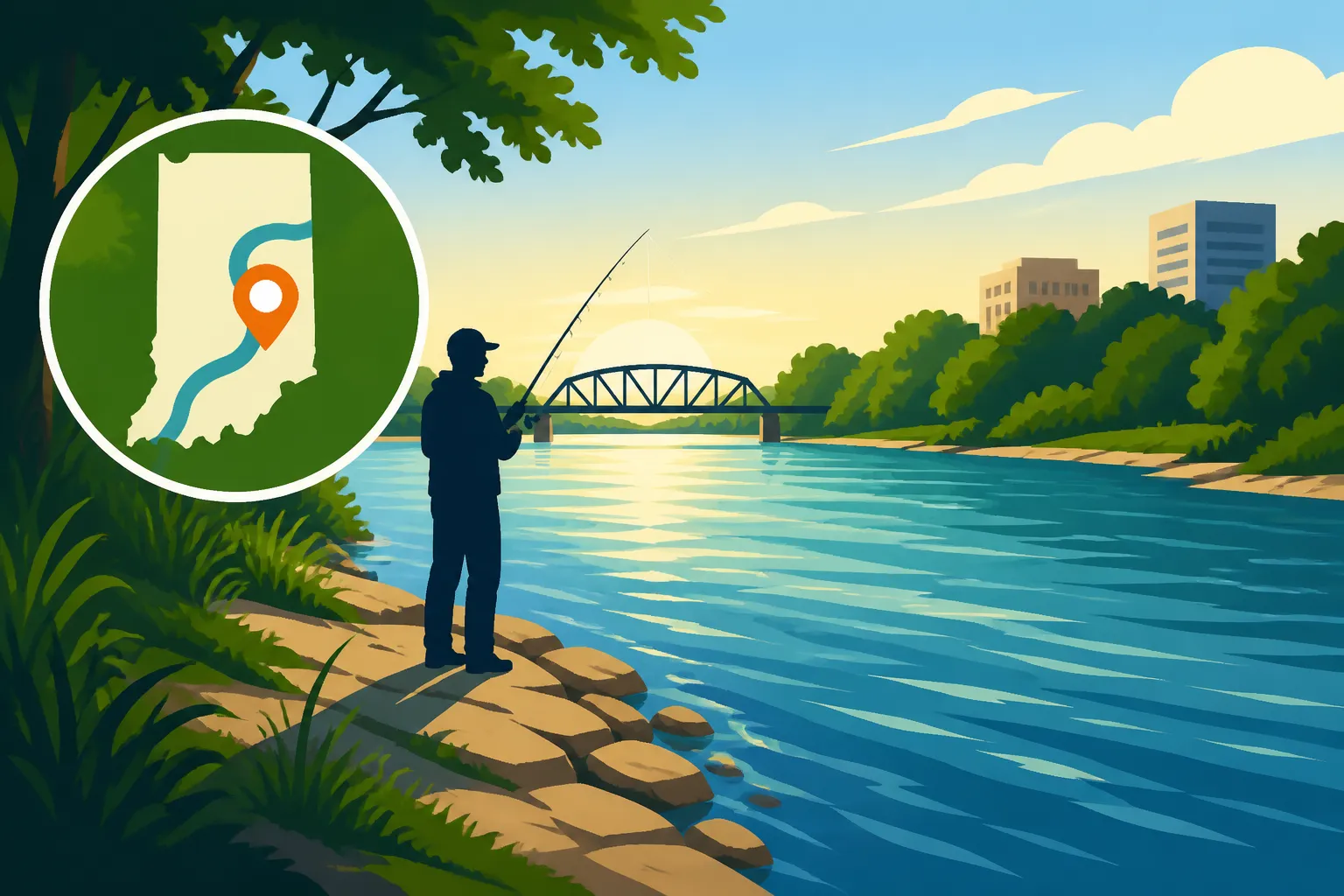
The St. Joseph River, often affectionately called the "St. Joe," is a majestic waterway that meanders through northern Indiana before emptying into Lake Michigan. Its unique position as a major tributary means it offers a truly exceptional angling experience, particularly for those targeting migratory species like Chinook and Coho salmon, and hard-fighting steelhead (rainbow trout). These fish ascend the river from Lake Michigan, providing spectacular fishing opportunities, especially during the fall and spring runs. Beyond the anadromous species, the St. Joe is also a fantastic fishery for resident species like smallmouth bass, largemouth bass, walleye, northern pike, and a variety of panfish and catfish.
However, the very nature of a flowing river like the St. Joe presents challenges for shore anglers. Much of the riverfront property is privately owned, meaning vast stretches are inaccessible to the public. Additionally, the river's banks can be steep, overgrown, or muddy, making safe and comfortable casting difficult. Finding parking close to the water, especially in urban areas like South Bend and Mishawaka, can also be a significant hurdle. These factors often lead aspiring shore anglers to frustration, assuming that boat access is the only viable option. But with a little knowledge and patience, some truly productive and beautiful spots can be found.
The thrill of hooking into a powerful salmon or a leaping steelhead directly from the bank, feeling the current tug at your line, is an experience unlike any other. It’s also often more accessible and affordable than boat fishing, requiring less specialized gear and no boat ramp fees. Understanding where to go and what to expect is the first step in unlocking these incredible opportunities that the St. Joe has to offer to diligent shore anglers.
Prime Shore Fishing Access Points Along the St. Joseph River
While private property lines many stretches of the St. Joseph River, several dedicated parks and public access points provide fantastic opportunities for shore anglers. These spots vary in amenities and the types of fish you're most likely to encounter, so it's good to know your options before you head out. Whether you're in the bustling heart of South Bend or looking for a quieter bend in the river, there's a spot waiting for you.
South Bend and Mishawaka Hotspots
In the South Bend and Mishawaka area, several well-maintained parks offer excellent shore access. These urban parks often boast paved trails, restrooms, and ample parking, making them convenient choices for a quick trip or a full day of fishing.
- Pinhook Park (South Bend): Located on the north side of South Bend, Pinhook Park offers decent access to the St. Joseph River. While it's a popular spot, anglers can find some good bank fishing, particularly for bass and panfish. During the migratory runs, salmon and steelhead can also be caught here, especially near any deeper holes or current breaks. The park has walking trails, making it easy to scout for promising locations.
- Merrifield Park (Mishawaka): Downstream in Mishawaka, Merrifield Park is another excellent choice. It features a beautiful riverwalk that provides extensive access to the St. Joseph. This is a highly productive area, especially during the salmon and steelhead runs in fall and spring. Anglers frequently target these powerful fish from the riverwalk and adjacent grassy areas. You'll find plenty of space to spread out, and the river here offers a good mix of deeper pockets and faster currents. For more details on catching these incredible fish, check out our guide on Where to Catch Salmon on the St. Joseph River.
- Central Park (Mishawaka): Adjacent to Merrifield Park, Central Park in Mishawaka also offers fantastic access. Its riverfront promenade is perfect for shore fishing, providing anglers with a stable platform to cast. The water quality here is generally good, and the river structure, including submerged logs and rock formations, creates excellent holding lies for various species. Both Merrifield and Central Parks are also great spots for families, offering playgrounds and picnic areas to enjoy alongside your fishing adventure.
Elkhart and Eastern River Access
Further upstream, as the St. Joseph River flows through Elkhart and towards the Michigan border, you'll find additional public access points, often with a slightly different character than the urban parks.
- Island Park (Elkhart): Situated in the heart of Elkhart, Island Park lives up to its name, offering a unique fishing experience. The park is surrounded by the river, providing extensive shore access from various angles. This spot is known for good smallmouth bass fishing, especially around the rocky structures and bridge abutments. Walleye can also be found here, particularly in deeper pools. The park itself is beautiful, with walking paths and bridges, making it a pleasant destination for anglers and their families.
- Ox Bow Park (Elkhart County near Goshen): A bit further east, Ox Bow Park, managed by Elkhart County Parks, provides a more natural, sprawling river access. While not directly in Elkhart, it's a short drive and offers a different kind of shore fishing. Anglers can explore various stretches of the riverbank, looking for quiet eddies or current seams that hold fish. This park is an excellent option for those looking for a more secluded experience away from urban bustle, and you can expect to find bass, catfish, and panfish. Remember to always respect park rules and local regulations while fishing.
Here's a quick overview of some of the best shore fishing spots on the St. Joseph River:
| Access Point | Location | Primary Species Targeted | Key Features & Tips |
|---|---|---|---|
| Pinhook Park | South Bend | Bass, Panfish, Salmon, Steelhead | Walking trails, good for scouting, can be busy. |
| Merrifield Park | Mishawaka | Salmon, Steelhead, Bass | Extensive riverwalk, popular during runs, good current. |
| Central Park | Mishawaka | Salmon, Steelhead, Bass, Walleye | Promenade access, close to amenities, deeper water access. |
| Island Park | Elkhart | Smallmouth Bass, Walleye, Catfish | Unique island setting, excellent structure, family-friendly. |
| Ox Bow Park | Elkhart County | Bass, Catfish, Panfish | More natural setting, less crowded, explore different bank stretches. |
If you're finding it tough to pinpoint the absolute best spots or want to maximize your chances, especially during the peak migratory runs, considering a guided trip can be a game-changer. Many experienced local guides list their services on platforms like FishingBooker, offering unique insights and access to prime locations on the St. Joe, whether from a boat or by taking you to lesser-known shore spots.
Essential Tips for Successful Shore Angling on the St. Joe
Shore fishing on the St. Joseph River, especially when targeting its famous migratory species or its abundant resident fish, requires a bit more than just showing up with a rod. The river's dynamics, coupled with the need to cast from fixed positions, mean that certain techniques and gear choices will significantly increase your chances of success. It's about working smarter, not just harder, to put fish on the bank.
Gear Up for River Conditions
When you're fishing a river with a strong current like the St. Joe, your gear needs to be up to the task. Forget the ultralight setups you might use for panfish in a calm pond; here, you'll want something with a bit more backbone.
- Rods and Reels: A medium-heavy to heavy spinning rod, 7 to 9 feet in length, is ideal. The extra length helps with longer casts, navigating bankside brush, and managing line in the current. Pair this with a sturdy spinning reel (size 3000-4000) spooled with 10-20 lb monofilament or braided line. Braided line, with its lack of stretch, offers excellent sensitivity and hook-setting power, crucial for detecting subtle bites in current. For leader material, a 8-12 lb fluorocarbon leader is often preferred for its invisibility and abrasion resistance. If you're looking for general advice on setups, our guide to Best Rods and Reels for Indiana Largemouth Bass might offer some transferable tips, though for salmon and steelhead, you'll want something even more robust.
- Terminal Tackle: You'll need an assortment of weights, from split shots to pencil leads or slinky weights, to get your bait down in the current. Hooks should be sharp and strong, sized appropriate for your bait and target species (e.g., #4 to 2/0 for salmon/steelhead, smaller for panfish). Swivels are also helpful to prevent line twist.
- Waders (Optional but Recommended): While not always necessary, a good pair of waders can open up more casting angles and allow you to get closer to optimal fishing lanes, especially during lower water conditions. Always exercise extreme caution when wading in a river with strong currents and never wade alone.
- Landing Net: A long-handled, large hoop landing net is absolutely essential, particularly if you're targeting big salmon or steelhead. Trying to hoist a large, thrashing fish up a steep bank with just your line is a recipe for a lost fish and broken tackle.
Master Your Casting and Presentation
From the bank, you can't reposition your boat to get the perfect drift. This means your casting and presentation techniques are paramount.
- Fan Casting: Since you're often limited to one spot, learn to fan cast, covering as much water as possible by casting to your left, then gradually moving your casts to your right, working your way around your position.
- Reading the Water: Look for changes in current speed, seams where fast water meets slow water, eddies behind rocks or fallen trees, and deeper pools. These are prime holding areas for fish. Pay attention to structure like submerged logs or rock piles; these provide cover and ambush points.
- Drifting Baits: For salmon and steelhead, a natural drift is key. Use a float (bobber) or a bottom-bouncing rig to present your bait naturally with the current. This mimics free-drifting eggs or insects. Common baits include cured salmon eggs, egg sacs, beads, or small live baits like minnows. When it comes to species like catfish, a simple bottom rig with a stinky bait can be incredibly effective, and you can learn more about Best Bait for Channel Catfish in Indiana Rivers.
- Lure Selection: For bass and walleye, inline spinners, crankbaits, jigs with soft plastics, and even spinnerbaits can be highly effective. Match the lure size and color to the prevailing water conditions and forage. Bright colors work well in murky water, while natural patterns are better in clear conditions.
Timing and Regulations
The St. Joe is a dynamic river, and timing your visit can make all the difference.
- Seasonal Fishing: The fall (September-November) sees the main run of Chinook and Coho salmon, followed closely by steelhead. Steelhead continue to be present through the winter and have a significant spring run (March-May). Bass and walleye fishing is excellent from spring through fall, and catfish are active all summer. Understanding Indiana Fishing Seasons: A Month-by-Month Guide can help you plan your trips effectively.
- Checking Regulations: Always check the current Indiana fishing regulations. Bag limits, size limits (like the Walleye Minimum Length North of State Road 26), and specific rules for certain species or stretches of river can change. And, of course, ensure you have your Indiana Fishing License Requirements Explained and any necessary stamps, such as the Do You Need a Trout and Salmon Stamp to Fish for Trout? for salmon and steelhead, before you cast a line.
- Safety First: River fishing can be dangerous. Be aware of swift currents, slippery banks, and changing water levels. Always let someone know where you're going and when you expect to return. Wear appropriate footwear with good grip.
For anglers looking to gain a deeper understanding of the river's secrets, or for those who prefer a guided experience, platforms like FishingBooker offer numerous options. You can find local guides who specialize in St. Joseph River fishing, ready to put you on the fish and share their invaluable knowledge.
What You Can Expect to Catch from the Bank
The St. Joseph River is a true angler's paradise, boasting an incredible diversity of fish species. From the feisty resident game fish to the powerful, migratory giants, there's always something exciting to target. Understanding what you're likely to encounter from the bank can help you tailor your gear and techniques for maximum enjoyment and success.
The Migratory Marvels: Salmon and Steelhead
Without a doubt, the St. Joseph River is most famous for its incredible runs of Pacific salmon and steelhead. These are the fish that draw anglers from all over the Midwest, and for good reason—they provide some of the most thrilling battles an Indiana shore angler can experience.
- Chinook Salmon (King Salmon): These are the largest of the salmon species, with some individuals reaching impressive sizes in the St. Joe. They begin their upstream migration from Lake Michigan in late summer and early fall, primarily to spawn. They are powerful fighters, known for their strong runs and deep dives. You'll often find them in deeper pools and undercuts, especially after a fresh rain brings up the water levels. Our guide on Fall Salmon Run Timing on Lake Michigan in Indiana offers more insight into their movements.
- Coho Salmon (Silver Salmon): Slightly smaller than Chinooks but equally aggressive, Coho salmon also make a strong run in the fall. They are renowned for their acrobatic jumps and spirited fights. Both Coho and Chinook are eagerly pursued by anglers using spawn bags, inline spinners, or artificial egg patterns.
- Steelhead (Rainbow Trout): These lake-run rainbow trout are perhaps the most popular target for many St. Joe anglers. They enter the river in the fall, follow the salmon, and then make a significant spawning run in the spring. Steelhead are known for their incredible strength, speed, and aerial displays once hooked. They'll often hold in current seams, behind structure, or in tailouts of deeper pools. If you're passionate about these chrome beauties, diving into Steelhead Fishing in Indiana: A Fall Run Guide will give you even more specialized knowledge.
Catching these migratory fish from the bank requires patience, a good understanding of river dynamics, and sometimes, a little competitive spirit due to the popularity of certain access points during peak runs.
Resident Game Fish: Bass, Walleye, and Pike
Beyond the migratory species, the St. Joe holds a robust population of popular resident game fish that offer excellent year-round opportunities.
- Smallmouth Bass: Known as "bronzebacks," smallmouth bass thrive in the St. Joe's rocky, current-swept sections. They are aggressive feeders and fantastic fighters, often found near submerged logs, rock piles, and current breaks. Targeting them with crankbaits, jigs, or soft plastics can yield consistent action.
- Largemouth Bass: While smallmouth prefer the moving water, largemouth bass can be found in the slower, weedier backwaters and oxbows of the St. Joe. Flipping jigs or casting spinnerbaits into thick cover can be very effective for these bucketmouths.
- Walleye: The St. Joseph River is an excellent walleye fishery, particularly in the deeper sections and near current breaks. Walleye are often caught by drifting jigs or live bait (like minnows) along the bottom, or by casting crankbaits. They are most active during low light conditions, so dawn, dusk, and even night fishing can be highly productive.
- Northern Pike: These toothy predators are present in slower, weed-choked areas of the river. They'll readily strike large spoons, spinnerbaits, or even live bait. If you're interested in learning more about these aggressive fish, our Northern Pike Fishing in Indiana: A Complete Guide can provide detailed information.
Panfish and Catfish: Accessible and Abundant
For a more relaxed outing or for introducing new anglers to the sport, the St. Joseph River also offers excellent fishing for panfish and catfish.
- Channel Catfish: Abundant throughout the river, channel catfish are strong fighters and excellent table fare. They can be caught year-round, but summer and early fall are prime times. A simple bottom rig with cut bait, chicken liver, or shrimp fished in deeper holes or near logjams is often all it takes.
- Panfish (Bluegill, Crappie, Sunfish): Various panfish species can be found in the quieter sections of the river, especially around submerged brush or docks. They provide consistent action for anglers of all ages, readily biting on worms, crickets, or small jigs.
The St. Joseph River truly offers something for everyone, regardless of your fishing preference. Whether you're chasing the thrill of a steelhead on light tackle or simply enjoying a relaxing afternoon catching catfish, the shore access points along this magnificent river provide a gateway to countless memorable angling experiences. And if you're looking to refine your skills or explore new techniques, considering a local guide through platforms like FishingBooker can provide personalized instruction and lead you to some of the river's most productive spots.
Disclaimer
Fishing conditions and regulations in Indiana, including those for the St. Joseph River, can change. Always consult the latest rules and guidelines from the Indiana Department of Natural Resources (IDNR) before heading out. The information provided in this guide is for general informational purposes only and does not constitute legal advice. Stay safe on the water, respect private property, and practice responsible angling.