What to Check Before Launching a Boat
There's nothing quite like the excitement of getting your boat ready for a day on the beautiful waters of Indiana, whether it's a placid lake or a bustling river. But that excitement can quickly turn into frustration, or worse, danger, if you rush the pre-launch process. This comprehensive guide will walk you through every critical check you need to perform before you ever hit the boat ramp, ensuring a safe, enjoyable, and hassle-free fishing or boating adventure.
Essential Pre-Launch Checks for Your Boat and Trailer
Before you even think about backing down a ramp, a thorough inspection of your boat and its trailer is non-negotiable. Skipping these crucial steps can lead to anything from minor inconveniences to serious accidents, impacting not only your day but potentially others around you. It’s all about being prepared and responsible on the water.
Trailer Inspection: The Often-Overlooked Foundation
Your trailer is what gets your prized possession to the water, so it deserves just as much attention as the boat itself. A faulty trailer can cause delays, road hazards, or even damage to your boat before you've even launched. Think of it as the unsung hero of your boating trip – make sure it's in top shape.
First, check your trailer tires. Are they properly inflated? Look for any visible cracks, bulges, or excessive wear. Don't forget the spare tire, either; a flat on the side of the road with no backup is a nightmare nobody wants. Next, move to your trailer lights. Test the brake lights, turn signals, and running lights. You'll need a buddy to help with this, or you can use a wall at dusk. It's not only a legal requirement but a safety essential, especially when driving early morning or late evening. Make sure the electrical connection is snug and free of corrosion. I’ve seen countless folks get pulled over right outside the ramp because a simple tail light wasn’t working, and that really puts a damper on the start of a trip.
Finally, inspect your hitch and safety chains. The hitch ball should match the coupler size, and the coupler should be securely latched onto the ball. Cross your safety chains underneath the hitch to form a cradle, which can prevent the trailer from detaching completely if the coupler fails. Check the winch strap or cable for fraying and ensure the winch mechanism works smoothly. Don't forget the transom straps that hold the boat securely to the trailer; they should be tight and in good condition. You wouldn't want your boat bouncing around on the highway! For any trailer maintenance parts, you can often find a good selection at Bass Pro Shops or browse various options on Amazon.
Boat Hull, Engine, and Battery Readiness
Once the trailer is good to go, it's time to focus on the boat itself. This is where most of the critical operational checks come into play.
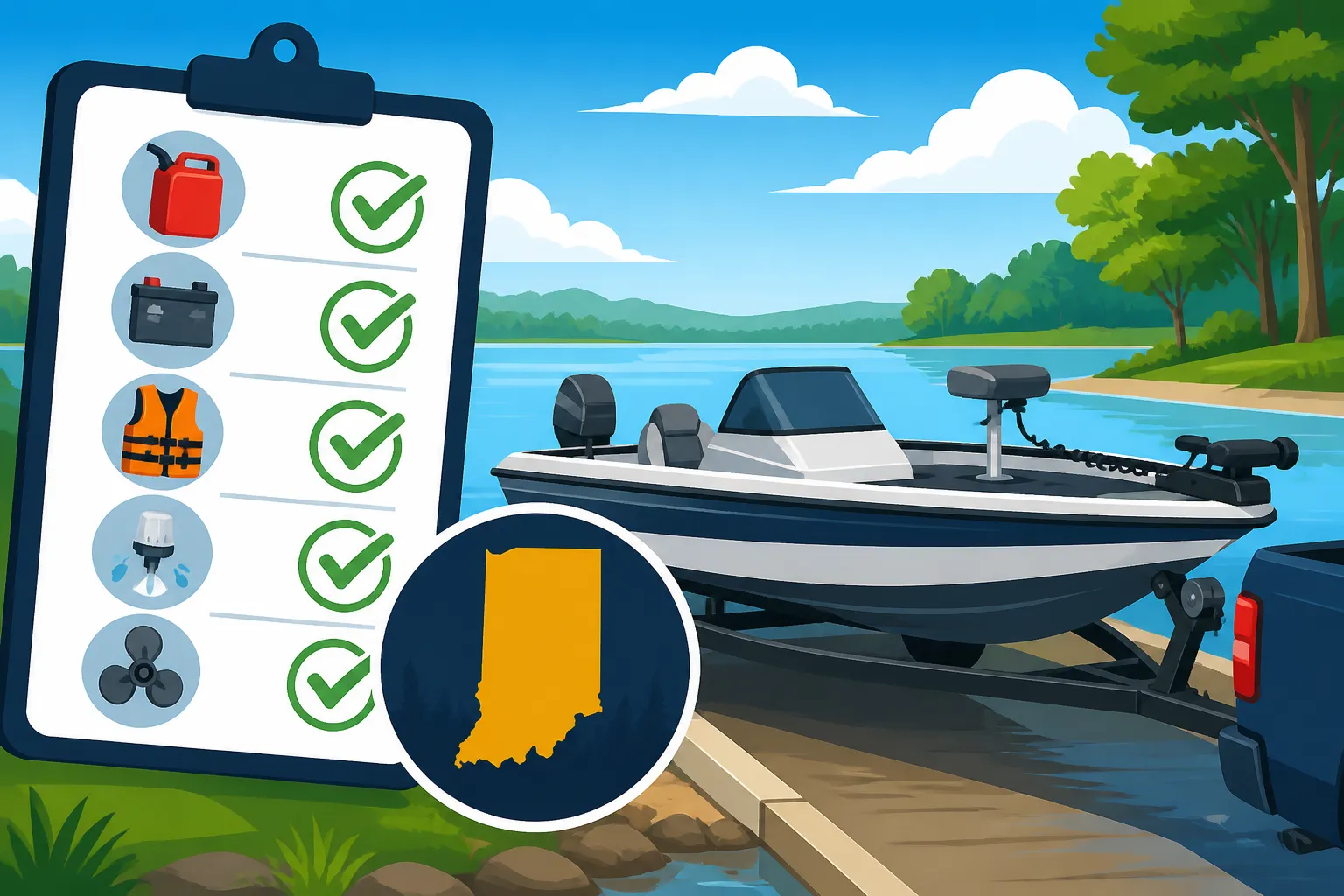
The absolute first thing you should check before backing down the ramp is the drain plug. Yes, it sounds simple, but you'd be amazed how many times anglers forget this tiny, yet vital, piece. A boat full of water sinking at the ramp is a scene you never want to be a part of. Double-check it. Triple-check it. Make it a habit.
Next, take a look at your propeller. Is it free of any fishing line, weeds, or damage? Even a small nick can affect performance and potentially lead to bigger issues down the line. If you're running an outboard, check your fuel level. Is there enough for your planned trip, plus a little extra for emergencies? It's always a good idea to top off before leaving home, especially if you're heading to a remote lake. While you're at it, check your engine oil and other fluid levels if your engine type requires it. Just like your car, proper lubrication and cooling are key.
Finally, give your battery a quick once-over. Are the terminals clean and tight? Is the battery fully charged? There’s nothing worse than getting to the middle of Monroe Lake only to find your engine won’t crank. Carry a small set of tools and a fully charged spare battery if you have one, or at least a portable jump starter. You might also want to look into Best Boat Batteries for Trolling Motors if you have an electric motor on board.
Critical Safety Gear Checklist
This is perhaps the most important section, as it directly relates to your safety and the safety of anyone else on your boat. Indiana has specific regulations regarding safety equipment, and knowing them can save you from fines and, more importantly, save lives.
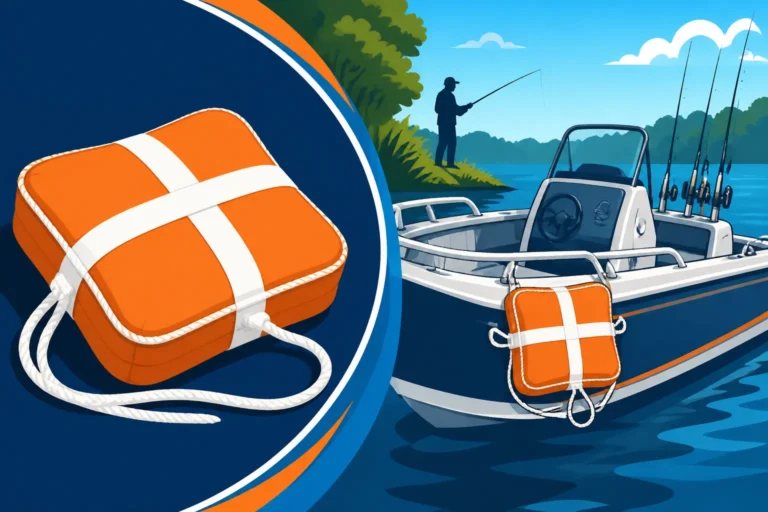
Every boat, regardless of size, must have enough Coast Guard-approved life jackets for every person on board. Make sure they are easily accessible and fit properly. For children, specialized sizes are critical. If your boat is 16 feet or longer, you also need a Type IV throwable device like a ring buoy or a seat cushion. These are essential for quick rescue if someone goes overboard. I always keep my throwable cushion right by the helm, ready to grab. Need to stock up on life jackets? Life Jacket Rules for Personal Watercraft in Indiana can give you more specific guidance, and you can find a variety of options at Bass Pro Shops.
A fire extinguisher is another must-have, especially on boats with enclosed fuel compartments or engines. Make sure it's charged and readily accessible. You'll also need an audible signaling device, like a horn or whistle, to alert other boaters or signal for help. If you're out past sunset or before sunrise, your navigation lights must be operational. Test them before you leave the dock, even if you plan to be back before dark. Weather can change quickly, and getting caught in low light without working lights is a dangerous situation.
A first aid kit is not legally required but is absolutely essential. Minor cuts, scrapes, or stings are common on the water, and having basic medical supplies can make a big difference. Sunscreen, bug spray, and plenty of water also fall under the "stay safe and comfortable" category. For a deeper dive into boat safety, you might want to read Indiana Boater Safety Gear Checklist.
Navigating the Ramp: Etiquette and Practicalities
The boat ramp can be a chaotic place, especially on a sunny Saturday afternoon. But with a little preparation and courtesy, you can make your launch experience smooth for everyone. It’s about being efficient and considerate of others who are also eager to get on the water.
Staging Area Preparation: Get Ready Before You Go
One of the biggest frustrations at a busy boat ramp is the angler who pulls their boat directly onto the ramp and then takes forever to get ready. Don't be that person! The staging area is your best friend. This is the designated space away from the actual ramp where you can perform all your final preparations.
Before you even get in line for the ramp, make sure your lines and fenders are ready. Dock lines should be coiled and easily deployable, and fenders should be attached and hanging at the proper height to protect your hull. Get your gear loaded into the boat – fishing rods, tackle boxes, coolers, and anything else you need for the day. Make sure it’s stowed securely so it won’t shift during transport or launch.
Take this time to perform your final personal checks: put on your life vest, get your keys ready, and make sure your boat battery switch is on. If you plan to fish a specific area, have your GPS or charts ready. The more you do in the staging area, the quicker your actual launch will be, which makes everyone at the ramp happier. It’s common courtesy, and it keeps things flowing smoothly.
Launch and Retrieve Strategy: Teamwork Makes the Dream Work
Launching and retrieving your boat can be a seamless process or a frustrating spectacle, largely depending on your strategy and communication. If you're boating with a partner, establish clear communication beforehand. Who’s backing the trailer? Who’s handling the boat? What are the hand signals?
When backing down the ramp, take your time. There’s no rush, and rushing often leads to mistakes. Angle your trailer straight, allowing the boat to float off easily. Once the boat is floating, gently push it clear of the trailer, either by hand or with minimal power from the motor, and have your partner guide it to a nearby dock or safe holding area. Then, quickly pull your vehicle and trailer out of the ramp area to allow the next boater to launch.
Retrieval works in reverse. Your boat should be ready and waiting while your partner backs the trailer down. Once the trailer is properly submerged, guide the boat onto the trailer with precision, using the motor gently or hand-cranking the winch. Secure the bow and then the transom straps after you’ve pulled clear of the ramp. Again, speed and efficiency here show respect for other anglers. It's a dance, and everyone wants to get on and off the floor smoothly. For more tips on launching, check out How to Back a Boat Trailer Down a Boat Ramp.
Parking and Securing Your Rig
Once your boat is launched or retrieved, don’t just leave your truck and trailer in the middle of the parking lot. Find a designated parking spot for trailers, usually away from the main car parking. These spots are often longer to accommodate the full length of your rig.
Park your trailer responsibly, ensuring it doesn't block other vehicles or access points. Always lock your hitch and consider wheel chocks if you're on an incline. Secure your gear in the boat or truck, especially if you're leaving it unattended for any length of time. This prevents opportunistic theft and keeps your valuables safe. A little extra care here goes a long way in protecting your investment and ensuring you have a stress-free day.
Paperwork and Legalities: Stay Compliant in Indiana
Navigating the waters isn't just about knowing how to drive a boat; it's also about understanding the legal requirements. Indiana has specific rules that boaters and anglers must follow, and ignorance is no excuse. A quick check of your documentation before you leave home can prevent costly fines and delays.
Boat Registration and Decals: Current and Visible
Every motorized boat operating in Indiana waters must be registered with the Bureau of Motor Vehicles (BMV). This includes boats with trolling motors. Your registration should be current, and the registration numbers and validation decals must be properly displayed on your boat's bow. The numbers should be block letters, at least three inches high, in a contrasting color to the hull. The current validation decal should be displayed within six inches of the registration number.
Make sure to carry your boat registration card on board at all times. This is your proof of ownership and compliance. Imagine getting stopped for a routine check by an Indiana Conservation Officer and not having your paperwork – that’s a guaranteed headache. Even kayaks and canoes, if they're motorized, have specific decal rules. For non-motorized vessels, while registration might not be required, understanding the nuances of Do Kayaks Need to Be Registered in Indiana? is important. Always double-check your current registration before heading out; it’s a simple glance that can save you a lot of trouble.
Fishing Licenses: Personal and Valid
If you plan to cast a line in Indiana, you’ll need a valid Indiana fishing license. This is separate from your boat registration. Every angler aged 18 or older needs one, and specific stamps might be required for certain species, like trout and salmon. Ensure your license is current for the fishing year, which runs from April 1st to March 31st.
Keep your physical or electronic license readily available. Conservation Officers frequently patrol Indiana lakes and rivers, and they will ask to see your license. Fishing without one can lead to fines and penalties. You can easily purchase or renew your license online through the Indiana Department of Natural Resources (DNR) website. It takes just a few minutes, so there’s really no excuse not to have it. You can find out more about what you need to legally fish in Indiana by reading Indiana Fishing License Requirements Explained. For specifics on who needs what, check out Do Indiana Residents Under 18 Need a Fishing License? or Indiana Trout and Salmon Stamp Requirements.
Boater Education Requirements
Depending on your age and the type of vessel you operate, you might need to have completed a boater education course and carry a boater education card. In Indiana, anyone born after December 31, 1985, must complete an approved boater education course to operate a motorboat or personal watercraft (PWC) with an engine of 10 horsepower or more.
If this applies to you, ensure you have your Boater ID Card on board. This verifies that you've met the educational requirements. Even if you're not legally required to have one, taking a boater education course is a fantastic idea for any boater. It provides valuable knowledge about navigation, safety, and rules of the water, making you a more confident and responsible operator. It’s all about continuous learning to ensure everyone has a safe experience. For information on getting your certification, refer to Getting Your Boater ID Card From the Indiana BMV.
Waterway Readiness: Local Conditions and Navigation
Finally, before you embark, it's vital to consider the conditions of the specific waterway you're heading to. Lakes and rivers in Indiana can vary wildly, and what's safe for one might be dangerous for another. Being aware of your environment is key to a successful outing.
Checking Water Levels and Potential Hazards
Indiana waterways can be dynamic, with water levels fluctuating due to rainfall or dam operations. Low water levels can expose submerged hazards like stumps, rocks, or sandbars that might otherwise be hidden. Before you launch, especially if you're visiting a new lake or river, check local conditions. Many DNR properties or local bait shops will have information on current water levels and any reported hazards.
Familiarize yourself with any no-wake zones or restricted areas. These are often around marinas, swimming beaches, or residential areas and are clearly marked with buoys. Respecting these zones is not just about avoiding fines; it's about safety and courtesy to others. Always keep an eye out for debris in the water, especially after heavy rains or strong winds. Floating logs or garbage can cause serious damage to your prop and hull. Knowing your specific lake or river's peculiarities, perhaps by reading a guide like Fishing the Wabash River in Indiana, can be incredibly beneficial.
Weather Awareness: Don't Get Caught Off Guard
The weather in Indiana can be notoriously unpredictable. A sunny morning can quickly turn into a stormy afternoon. Always check the weather forecast before you leave home and throughout the day using a marine weather app or a VHF radio. Pay close attention to wind advisories, chances of thunderstorms, and sudden temperature drops.
If you see dark clouds gathering or hear thunder in the distance, it’s time to head for shore. Lightning on the water is incredibly dangerous, and high winds can quickly turn calm waters into treacherous waves. Having a contingency plan for bad weather, including knowing nearby safe harbors or exit points, is crucial. Your safety and the safety of your passengers should always be your top priority. You can learn more about how weather affects fish behavior in How Weather Affects Fish Feeding Patterns.
Navigation Lights for Low Light Conditions
If your boating plans extend into dawn, dusk, or nighttime hours, verifying your navigation lights are fully functional is not optional. It's a fundamental safety requirement. Your boat needs a white all-around light, visible for two miles, and red and green sidelights, visible for one mile, unless specific exceptions apply to very small vessels.
Before you even leave the dock, turn on your lights and walk around your boat to confirm they are all working correctly. Check for blown bulbs, loose connections, or corrosion. Being visible to other boaters in low light conditions is paramount to preventing collisions. Don't assume they see you; ensure your boat is brightly lit and easily identifiable. If you're going to be out late fishing for walleye, for instance, a reliable set of navigation lights is essential. Some anglers even use Best Headlamps for Night Fishing on Indiana Lakes to augment their visibility on deck.
By thoroughly checking these areas before every launch, you're not just adhering to rules; you're actively ensuring a safe, enjoyable, and successful day on the Indiana waters for yourself, your companions, and everyone else sharing the water with you.
Pre-Launch Checklist Summary
To help you keep track of all these important steps, here's a quick summary of what to check before you launch your boat:
| Category | Item to Check | Why It's Important |
|---|---|---|
| Trailer | Tires (pressure, condition, spare) | Prevents roadside breakdowns, ensures safe towing |
| Lights (brake, turn, running) | Legal requirement, prevents accidents, visibility | |
| Hitch & Safety Chains | Secure connection to tow vehicle, prevents detachment | |
| Winch & Transom Straps | Secures boat to trailer, prevents shifting | |
| Boat Exterior | Drain Plug | Prevents sinking at launch, common oversight |
| Propeller | Ensures efficient propulsion, prevents damage | |
| Hull Condition | Checks for damage that could affect buoyancy or performance | |
| Engine/Power | Fuel Level | Prevents running out of gas on the water |
| Battery Charge & Connections | Ensures engine starts, powers electronics | |
| Fluids (oil, coolant, etc.) | Proper engine function, prevents overheating | |
| Safety Gear | Life Jackets (count, condition) | Legal requirement, saves lives |
| Throwable Device (Type IV) | Quick rescue for overboard situations | |
| Fire Extinguisher (charged) | Essential for fire safety, often required | |
| Audible Signaling Device (horn/whistle) | Alerts others, signals for help | |
| Navigation Lights | Visibility during low light conditions | |
| First Aid Kit | Addresses minor injuries, essential preparedness | |
| Paperwork | Boat Registration & Decals | Legal compliance, avoids fines |
| Fishing License | Legal requirement for angling | |
| Boater ID Card (if applicable) | Proof of boater education | |
| Waterway | Weather Forecast | Avoids dangerous conditions (storms, high winds) |
| Water Levels & Hazards | Prevents damage from submerged obstacles | |
| No-Wake Zones & Restrictions | Legal compliance, courtesy, safety |
Disclaimer
This article is for general informational purposes only and does not constitute professional advice. Laws, prices and regulations vary by location and change over time. Consult a qualified professional for guidance on your specific situation.