Best Trailer-Friendly Launch Points on Patoka Lake
There's nothing quite like the excitement of hitting the water on Patoka Lake, your boat loaded, fishing gear prepped, and the promise of a great day ahead. But that excitement can quickly turn into pure frustration if you arrive at a boat ramp only to find it's a nightmare for anything larger than a canoe. Uneven surfaces, limited parking, shallow water, or steep grades can make launching a full-sized fishing boat with a trailer feel like a high-stakes puzzle. This guide is here to walk you through the best, most reliable trailer-friendly launch points on Patoka Lake, ensuring your trip starts and ends with ease, not exasperation.
The Frustration of Unsuitable Ramps: Why Trailer-Friendly Access Matters on Patoka Lake
Picture this: you've spent hours meticulously preparing your boat for a prime fishing trip to Patoka Lake. You've got your rods rigged, tackle boxes organized, and a cooler full of snacks. You've driven for an hour or two, towing your prized fishing rig, anticipating that first cast. Then you pull into a public access site, only to be greeted by a single, narrow ramp with a steep incline, crumbling concrete, and barely enough room to turn around, let alone park your truck and trailer. Sound familiar? It’s a common scenario for many anglers, and it can sour a perfectly good day before you even get your boat wet.
The reality is that not all boat ramps are created equal, especially when you're dealing with larger bass boats, walleye boats, or even pontoon boats that require a substantial trailer. A truly trailer-friendly ramp isn't just about having a concrete slab that goes into the water. It's about the entire experience: the approach, the turnaround space, the number of launch lanes, the depth of the water at the end of the ramp, and crucially, the availability of adequate, well-maintained parking for your truck and trailer. Trying to force a large rig into a small, ill-equipped ramp can lead to damaged trailers, scratched boats, frayed nerves, and even dangerous situations. It’s not just an inconvenience; it can be a significant barrier to enjoying our beautiful Indiana waters. That's why knowing where to go for reliable access is so important, particularly on a large and popular lake like Patoka.
Key Trailer-Friendly Launch Points on Patoka Lake: Your Go-To Access
Patoka Lake, being one of Indiana's largest and most popular reservoirs, offers several excellent options for anglers with boats and trailers. These ramps are designed to accommodate a range of watercraft, from hefty bass boats to family-sized pontoons, ensuring a smoother start to your day on the water. Each has its own nuances, so let's break down the best ones.
Newton-Stewart SRA Boat Ramps
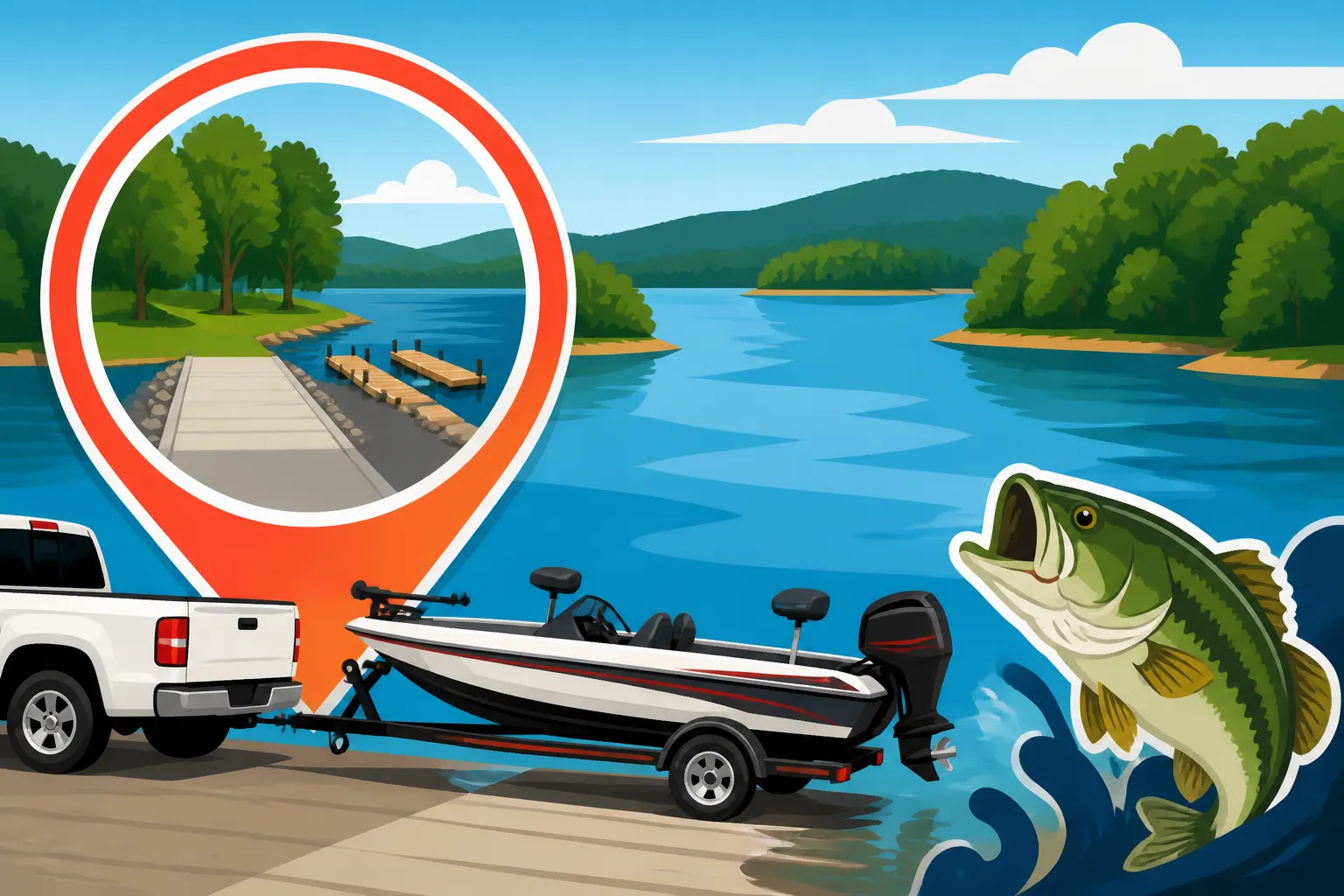
When most people think of boating on Patoka Lake, the Newton-Stewart State Recreation Area (SRA) ramps often come to mind first, and for good reason. This is arguably the most robust and trailer-friendly access point on the entire lake. It's often referred to as the "main entrance" to Patoka Lake for boaters because of its extensive facilities.
You’ll typically find multiple concrete lanes here, which is a huge bonus, especially on busy weekends or during popular fishing tournaments. More lanes mean less waiting, reducing the stress and impatience that can build up during peak times. The ramp itself is wide and usually well-maintained, offering a consistent grade into the water. Critically, the parking area here is massive. You'll find ample paved spaces specifically designed to accommodate truck-and-trailer combinations, meaning you won't be circling endlessly or trying to squeeze into a spot meant for a single car. The depth at the end of these ramps is generally sufficient even during lower water levels, although it's always wise to check current lake conditions. Additionally, Newton-Stewart SRA offers other amenities like restrooms and often has staff on site, adding to the overall convenience and safety. This spot is a prime choice for serious anglers and families alike, serving as a popular launch point for events like the Patoka Lake Bass Tournament Launch Points in Indiana.
Lick Fork SRA Boat Ramps
Another fantastic option for trailer access on Patoka Lake is the Lick Fork State Recreation Area. Located on a different arm of the lake compared to Newton-Stewart, Lick Fork also provides excellent facilities designed with trailer boaters in mind. This ramp area is generally less congested than Newton-Stewart, making it a great alternative if you're looking to avoid the biggest crowds, particularly during summer weekends.
Lick Fork typically features multiple launch lanes, similar to Newton-Stewart, ensuring a decent flow of traffic. The ramps are wide, well-constructed, and extend far enough into the water to handle larger boats. What truly makes Lick Fork stand out for trailer owners is its generous parking. The expansive, paved parking lots offer plenty of room to maneuver your truck and trailer, and there's often less competition for prime spots. This makes the launching and retrieval process much less stressful. You'll often find amenities like picnic areas and restrooms nearby, making it a comfortable place to start your day on the water. If you're targeting specific areas of the lake or just prefer a slightly quieter launch, Lick Fork is an outstanding choice.
Walls Lake Boat Ramp
While perhaps not as sprawling as the SRA ramps, the Walls Lake boat ramp is another solid, trailer-friendly option on Patoka Lake, particularly for those looking to access a specific segment of the lake or avoid some of the heavier traffic found at the larger SRA entrances. This ramp might feature fewer lanes than Newton-Stewart or Lick Fork, but it’s still designed to handle trailers effectively.
The key considerations for Walls Lake are typically good ramp condition and sufficient water depth for most trailer boats. The parking area, while perhaps not as vast as the SRAs, is usually adequate for trailer parking and offers enough space for careful maneuvering. It’s less likely to be overwhelmed during non-tournament times, providing a more relaxed launch experience. Before heading to Walls Lake, especially if you have a very large rig, it's a good idea to check local conditions or recent angler reports, just to ensure the water level is optimal for your specific boat. For those exploring Patoka Lake Fishing Guide for Bass and Crappie and wanting to hit specific coves in that area, Walls Lake offers convenient access.
Here's a quick comparison of these top trailer-friendly Patoka Lake boat ramps:
| Ramp Name | Number of Lanes (Typical) | Parking Availability | Overall Condition | Best For | Common Amenities |
|---|---|---|---|---|---|
| Newton-Stewart SRA | 3-4+ | Excellent (Large Paved) | Very Good | All boats, busy days, tournaments | Restrooms, Staff, Info |
| Lick Fork SRA | 2-3 | Excellent (Large Paved) | Very Good | All boats, avoiding crowds, family trips | Restrooms, Picnic Areas |
| Walls Lake | 1-2 | Good (Paved) | Good | Smaller to medium rigs, quieter access | Minimal, sometimes restrooms |
Navigating Patoka Lake's Ramps Like a Pro: Tips for Smooth Launching and Retrieval
Even with the best trailer-friendly ramps, there’s an art to launching and retrieving a boat smoothly. A little preparation and good etiquette can go a long way in making your experience, and everyone else’s, much more pleasant. Nobody wants to be the person holding up the line, struggling with their trailer, or worse, having a mishap on the ramp.
Pre-Launch Preparation is Key
Before you even back your trailer down the ramp, pull off to the side in a designated prep area if available, or find a wide spot in the parking lot. This is where you do all your final checks and preparations. Think of it as a pit stop before the race. First, unstrap your boat from the trailer and remove any tie-downs or transom savers. Make sure your drain plug is securely in place – this is a critical one that gets forgotten all too often! Next, load all your essential gear into the boat: rods, tackle, cooler, life jackets, and safety equipment. Don't forget your Indiana Boat Registration Rules Explained documents. Connect your boat's battery, lower your motor, and test your trim. Have your lines ready and accessible, one on the bow and one on the stern, so you can easily guide the boat once it’s in the water. Having a spare set of boat keys clipped to your life vest is also a smart move, just in case. You can find everything from drain plugs to extra lines at stores like Bass Pro Shops or even online at Amazon. Doing all this before you're on the ramp keeps the line moving and reduces stress for everyone.
Mastering the Backing Maneuver
Backing a boat trailer can be intimidating, especially with an audience. The key is to take it slow and make small corrections. Look in your mirrors constantly, or better yet, get out and walk around your rig to check your alignment before you start backing. When you start to back, place your hand at the bottom of the steering wheel. Whichever way you move your hand, that's the way the trailer will go. If the trailer starts to go too far one way, pull forward to straighten out and try again. Don't be afraid to pull forward and reset if you get off track. It's much better to take a few extra seconds to straighten up than to end up in a ditch or blocking another lane. If you have a partner, communicate clearly with hand signals – one signal for "back up," one for "stop," and signals for "turn left" or "turn right." Practice in an empty parking lot if you're new to it; it really helps build confidence. Remember the general advice on How to Back a Boat Trailer Down a Boat Ramp for more in-depth techniques.
Retrieval: The Reverse of the Launch
Retrieving your boat uses many of the same principles as launching. First, bring your boat to the designated courtesy dock or a clear area away from the ramp entrance. Your partner (if you have one) can then bring the truck and trailer to the ramp. Again, make sure your trailer is backed down to the correct depth; you want just enough water to float the boat onto the bunks without submerging your vehicle too deeply. Drive the boat slowly and carefully onto the trailer, aiming for the center bunks. Many boaters find it helpful to power the boat on most of the way and then winch it the last foot or two to ensure it's fully seated. Once the boat is securely on the trailer, pull forward and immediately move to a prep area away from the ramp to finish securing your boat. This includes strapping it down, raising your motor, removing the drain plug (don't forget this one before hitting the road!), and disconnecting the battery.
Essential Gear and Pre-Launch Checks for a Patoka Lake Adventure
Having the right gear and doing a thorough pre-launch check are vital for a safe and enjoyable day on Patoka Lake, especially when you’re relying on your trailer and boat to perform flawlessly. Skipping steps or forgetting crucial items can lead to delays, safety hazards, or even needing to cut your fishing trip short.
Trailer Maintenance and Safety Checks
Your boat trailer is often overlooked, but it's just as important as your boat itself. Before every trip to Patoka Lake, give your trailer a quick once-over. Check your tire pressure, including the spare. Inspect your wheel bearings – are they running cool after a drive, or are they heating up? Look at your trailer lights to ensure they're all functioning properly: brake lights, turn signals, and running lights. Corrosion from saltwater or even frequent freshwater immersion can cause electrical issues, so it's a good habit to check. Make sure your hitch is properly seated and locked onto your tow ball, and that your safety chains are crossed and connected. Verify that your boat is securely attached to the trailer with the bow strap and transom tie-downs. You can find replacement parts or upgrades for your trailer at a variety of retailers, from local marine shops to online giants like Amazon, which offers a wide selection of trailer accessories and components.
Essential Boat Safety Gear
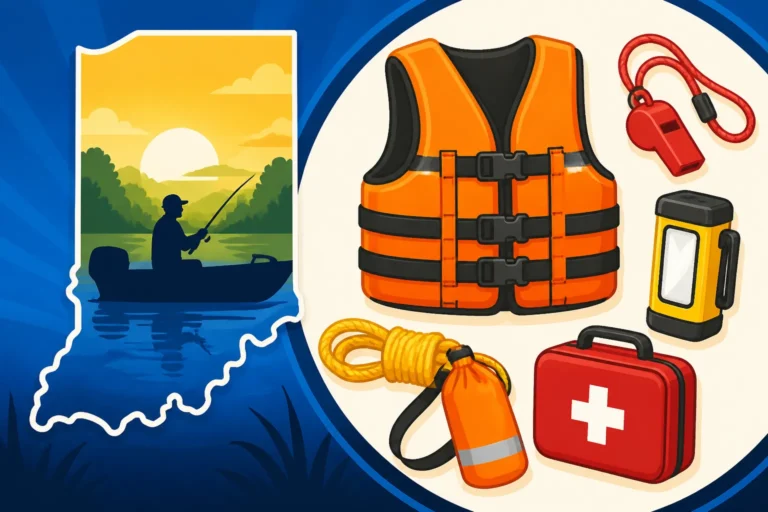
Beyond your fishing rods and tackle, safety gear is non-negotiable. What to Check Before Launching a Boat always includes a review of your safety equipment. For Patoka Lake, like any public waterway, you'll need:
- Life Jackets: Ensure you have enough Coast Guard-approved life jackets for everyone on board, and that they are the correct size. Kids under a certain age often have specific wearing requirements. For more details, see Best Life Jackets for Indiana Boaters.
- Throwable Flotation Device: A buoyant cushion or ring buoy is required for boats over a certain length.
- Sound-Producing Device: A whistle, horn, or bell is necessary to signal in emergencies or to warn other boaters.
- Fire Extinguisher: For motorized boats, a readily accessible, marine-approved fire extinguisher is a must.
- Navigation Lights: If you plan on being on the water before sunrise or after sunset, ensure your red, green, and white navigation lights are working.
- First-Aid Kit: A basic first-aid kit for minor cuts, scrapes, or other injuries.
- Anchor and Line: Essential for holding position, especially if you have engine trouble.
Communication and Weather Preparedness
While cell phone service might be decent in many areas of Patoka Lake, it's not always guaranteed, especially in more remote coves. Consider having a fully charged marine radio, especially if you plan on covering large expanses of the lake. Always check the weather forecast before heading out. Patoka Lake can get rough quickly with sudden storms, and you want to be prepared for changing conditions. Pack rain gear, extra layers, and plenty of water and snacks. A full tank of gas in your boat is also a smart pre-launch check, as running out on the water can turn a fun day into a frustrating ordeal. Make sure your Best Fish Finders for Indiana Lake Fishing unit is charged and working, not just for finding fish but also for navigation and understanding depth contours.
A well-prepared boater with a solid understanding of the best launch points and proper procedures will always have a more enjoyable and safer experience on Patoka Lake. It's all about planning ahead, being courteous at the ramp, and prioritizing safety, so you can focus on the real reason you're there: enjoying Indiana's incredible fishing opportunities.
Disclaimer
This article is for general informational purposes only and does not constitute professional advice. Laws, prices and regulations vary by location and change over time. Consult a qualified professional for guidance on your specific situation.