Do Indiana Residents Under 18 Need a Fishing License?
It’s a common scenario for parents and guardians heading out for a day of fishing on an Indiana lake or river: you’ve got your own gear, your license is current, but then you look at your excited youngster and wonder, "Do they need a fishing license too?" This question often creates unnecessary confusion and hesitation, but thankfully, Indiana makes it pretty straightforward for its youngest residents to enjoy the thrill of the catch. This guide will cut through the uncertainty and clearly outline Indiana's fishing license rules for resident children under the age of 18, ensuring your family outings are filled with fun, not fines.
The Simple Answer for Young Indiana Anglers
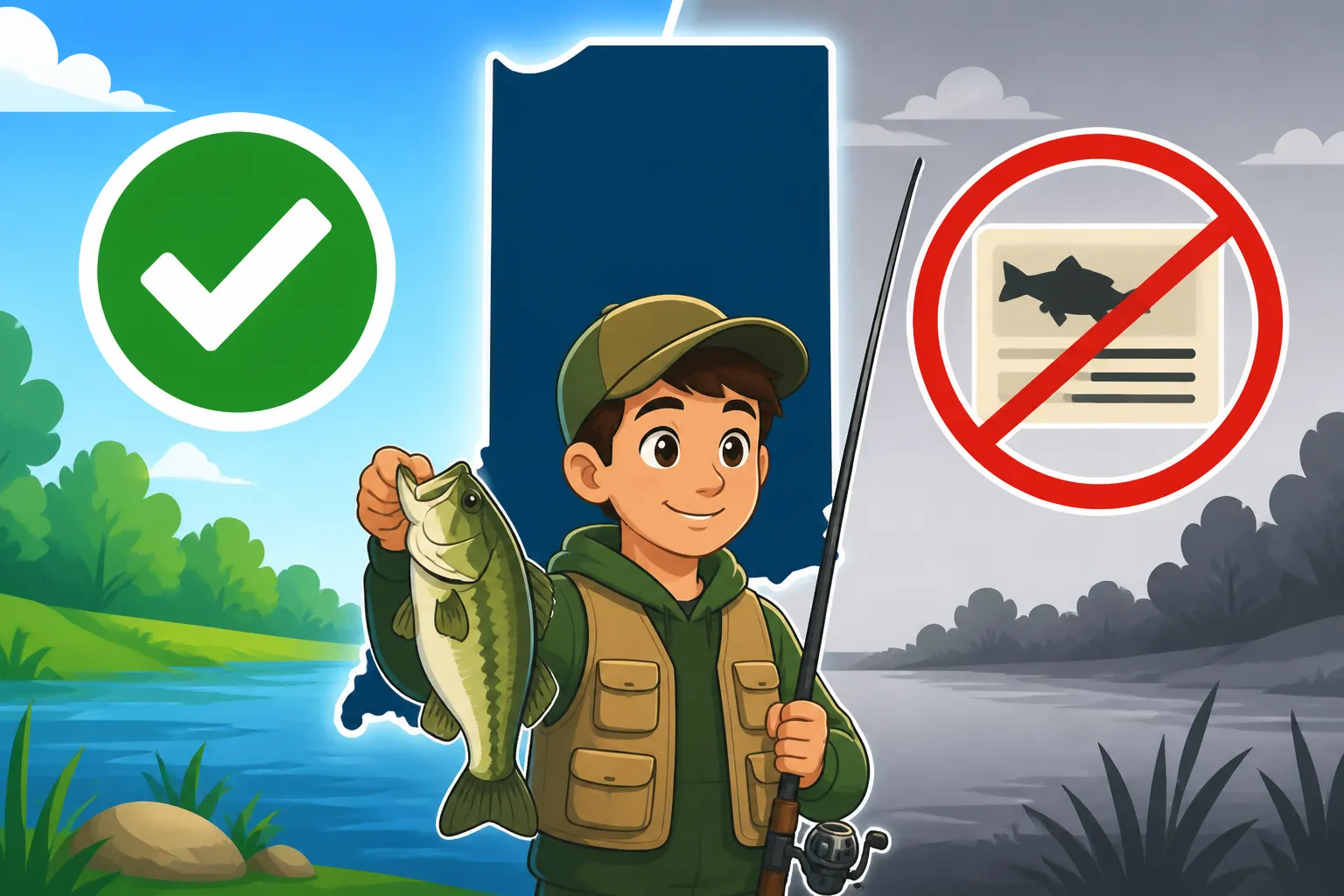
Let's get straight to the point because we know you're eager to get those lines in the water. In Indiana, resident children who are under 18 years of age do not need a fishing license to legally fish in the state's public waters. That's right, your kids can grab a rod and reel and start casting without you having to worry about an extra purchase or paperwork for them. This rule is a fantastic way the Indiana Department of Natural Resources (IDNR) encourages youth participation in outdoor activities and fosters a love for fishing from a young age.
Age-Based Exemptions Explained
The age cutoff for requiring a fishing license in Indiana is 18. This means that if an Indiana resident is 17 years old or younger, they are exempt from needing a fishing license. Once they hit their 18th birthday, however, the rules change, and they will need to purchase an appropriate Indiana Fishing License Requirements Explained. This exemption applies universally to all types of fishing, whether they're trying to catch bluegill in a local pond, chasing bass on Monroe Lake, or even attempting to land a catfish in the Wabash River. It’s a blanket rule designed to make fishing accessible and enjoyable for kids. This generous policy is a big reason why you see so many families enjoying the water together, and it truly makes a difference in getting new generations hooked on the sport.
Why This Rule Matters for Families
For families, this license exemption is a huge relief. It removes a financial barrier and simplifies the planning for fishing trips. Imagine you're a parent who already needs to secure your own license, perhaps even a special stamp like the Indiana Trout and Salmon Stamp Requirements if you're targeting those species. Adding more licenses for multiple children could quickly become costly and cumbersome. Because Kids Fish Free Until Age 18 in Indiana, you can focus your resources on gear, bait, and snacks, making those family fishing adventures more frequent and less stressful. It's an incentive to bring the whole crew along and pass down the tradition of fishing, fostering memorable moments outdoors without the added bureaucratic hurdle. This also means that if you're planning a trip, you only need to concern yourself with how to Get an Indiana Fishing License for yourself, and not for the younger ones.
Understanding Indiana's Youth Fishing Regulations Beyond the License
While it’s wonderful that young anglers don’t need a license, it’s crucial to understand that "no license needed" doesn't mean "no rules apply." Indiana has a comprehensive set of fishing regulations in place to protect its fisheries and ensure sustainable angling for everyone. These rules still apply to youth, and it's the responsibility of the accompanying adult or guardian to ensure these regulations are followed.
Bag Limits and Length Restrictions Still Apply
Every angler, regardless of age or license status, must adhere to the daily bag limits and length restrictions for all species caught in Indiana waters. For example, if your child reels in a bass on Patoka Lake, it still needs to meet the minimum length requirements for that specific species and count towards the daily possession limit. The Indiana Fishing Regulations and Bag Limits Guide covers all these details. You can't just keep every fish your child catches; conservation is key.
Let's break down some common examples:
- Bass: For species like largemouth and smallmouth bass, Indiana's Statewide Bass Daily Bag Limit is generally five fish combined per day, with specific minimum length limits depending on the water body. If your child catches a bass under the legal length, it must be immediately released, unharmed.
- Panfish: Panfish like bluegill, crappie, and redear sunfish are incredibly popular targets for young anglers. While the Panfish Daily Limit in Indiana: 25 per Species for each species is generous, it's still a limit. This means your child can't just keep 50 bluegill if they have a fantastic day; they are still bound by the 25 per species rule. It teaches them responsibility and respect for the resource, even if their excitement makes them want to keep everything they hook.
These rules are in place for a good reason: to ensure that fish populations remain healthy and provide great fishing opportunities for years to come. Teaching your kids these limits early on instills a sense of stewardship that goes beyond just catching fish. It's about preserving the sport for future generations, and it’s a vital part of responsible angling.
Special Stamps and Permits for Specific Fish
This is where it can get a little tricky, but it's important to clarify. While a general fishing license isn't required for resident youth under 18, the rules regarding special stamps are a bit different. In Indiana, if you are specifically targeting trout or salmon in certain waters, adult anglers need a special Trout and Salmon Stamp in addition to their regular fishing license.
The good news? The same age exemption that applies to the general fishing license also extends to the trout/salmon stamp for resident youth. This means a resident child under 18 does not need a separate trout/salmon stamp if they are fishing for trout or salmon. This is explicitly covered in resources like Do You Need a Trout and Salmon Stamp to Fish for Trout?. This exemption further eases the burden on families who want to experience the thrill of catching a steelhead in a Lake Michigan tributary or a stocked trout in one of Indiana’s many streams. It ensures that the excitement of these unique fishing opportunities remains accessible to young people without added cost.
Encouraging Youth Anglers: Resources and Opportunities
Indiana is very proactive in promoting youth involvement in fishing, and there are many avenues for families to explore. The license exemption is just the beginning; there are also specific events and plentiful resources to help young anglers get started and stay engaged.
Free Fishing Days: A Perfect Opportunity
If you’re still a bit hesitant, or perhaps you’re a nonresident visiting Indiana with your children, the state offers several "Free Fishing Days" throughout the year. On these designated days, all Indiana residents and nonresidents, regardless of age, can fish Indiana public waters without needing a fishing license or a trout/salmon stamp. These days are a fantastic opportunity to introduce someone new to fishing or simply enjoy a hassle-free day on the water without any licensing concerns.
Indiana Free Fishing Days Guide typically lists these dates, which usually occur in May, June, and September. They are perfect for family outings, school groups, or just a spontaneous decision to grab some poles and head to the nearest lake. It’s a great way to try out the sport before committing to gear or full licenses for adults, making it easier for everyone to experience the joy of fishing.
Where to Find More Information and Gear
When it comes to learning more about Indiana's specific regulations, the official Indiana Department of Natural Resources (IDNR) website is your go-to source. They provide detailed guides on everything from bag limits to specific lake regulations. For those just starting out, they often have educational materials and even youth fishing events listed.
As for gear, getting started doesn't have to break the bank. For young anglers, a simple spin-cast rod and reel combination is often the best choice, as it's easy to use and forgiving for beginners. You can find excellent starter kits specifically designed for kids, complete with a basic tackle box and some lures or bobbers, on platforms like Amazon. These kits often include everything a beginner needs to get started, making it a convenient one-stop shop. Don't forget the essentials like a small tackle box for their favorite bobbers and hooks, and maybe even a hat and some kid-friendly sunglasses to protect them from the sun. A small cooler from Amazon can also be a great addition for keeping drinks cool and, hopefully, bringing home a few panfish for dinner!
What Happens if a Youngster Fishes Illegally
While the focus here is on the license exemption for resident youth, it’s important to understand the broader implications of fishing illegally, even for young anglers. The responsibility often falls on the accompanying adult, and violating regulations can lead to unpleasant consequences.
Penalties for Violations by Youth or Guardians
If a resident child under 18 is found to be fishing without a license (which they are allowed to do), but they violate other fishing regulations—like keeping undersized fish, exceeding bag limits, or fishing in a restricted area—the situation can become complicated. Typically, the primary responsibility for ensuring compliance with fishing laws rests with the supervising adult. If a child commits a violation, the adult accompanying them may be cited for the infraction. The Penalties and Fines for Fishing Without a License can range from monetary fines to confiscation of fishing equipment, and in severe cases, even suspension of fishing privileges. This is why it’s incredibly important for adults to be knowledgeable about the rules and actively teach them to the youth they are guiding.
The IDNR conservation officers aren't just there to hand out tickets; they're also educators. They'd much rather see an adult teaching a child the proper way to fish and follow regulations than have to issue a citation. However, repeated or blatant disregard for the rules will lead to enforcement action, regardless of the age of the primary violator. It’s a good reminder that fishing is a privilege, not a right, and it comes with responsibilities.
Teaching Responsible Angling
Ultimately, the best way to avoid any issues is to prioritize education and responsible behavior on the water. Fishing is a fantastic teacher of patience, respect for nature, and adherence to rules. Take the time to explain why bag limits exist, why certain fish need to be released, and why it's important to keep our waterways clean. Show them how to properly release a fish without harming it. These lessons are far more valuable than just catching the biggest fish.
Consider taking your kids to a local park with a pond or a designated Family-Friendly Fishing Spots in Indiana. These places often have easier access and a higher chance of catching smaller panfish, which can be very encouraging for beginners. By teaching them early, you're not just creating a future angler; you're nurturing a responsible conservationist who understands the importance of protecting Indiana's natural resources.
Here's a quick reference table summarizing key points for young anglers in Indiana:
| Aspect | Resident Youth Under 18 | Accompanying Adult (Resident) | Accompanying Adult (Nonresident) |
|---|---|---|---|
| Fishing License Required? | No | Yes | Yes |
| Trout/Salmon Stamp? | No | Yes (if targeting these species) | Yes (if targeting these species) |
| Bag Limits Apply? | Yes | Yes | Yes |
| Length Limits Apply? | Yes | Yes | Yes |
| Free Fishing Days? | No license needed | No license needed | No license needed |
| Responsibility for Violations? | Primarily adult supervisor | Primarily adult supervisor | Primarily adult supervisor |
Disclaimer
Please note that fishing regulations can change. While this guide is based on current Indiana fishing laws, it is always recommended to check the official Indiana Department of Natural Resources (IDNR) website or their current fishing guide for the most up-to-date and specific regulations before your trip.