How Fast Do Hybrid Sunfish Grow?
If you've ever stocked a pond with hybrid sunfish, or you're thinking about it, one of the first questions that pops into your mind is probably, "How fast are these little guys really going to grow?" It's a natural curiosity, especially when you're dreaming of quick limits and happy kids reeling in dinner. This guide is here to unravel the mystery of hybrid sunfish growth rates, digging into what makes them tick and how you can encourage them to reach their full, feisty potential right here in Indiana.
What Exactly Are Hybrid Sunfish?
Before we talk about how fast they grow, it's worth taking a moment to understand what a hybrid sunfish actually is. Many anglers lump all sunfish together, but these guys are a special breed, often specifically engineered for pond owners and public fisheries. They're not just any old panfish; they're a result of a carefully selected cross.
A Blend of Bluegill and Green Sunfish
The most common hybrid sunfish you'll encounter in Indiana, and across the Midwest, is typically a cross between a male bluegill and a female green sunfish. Now, you might be thinking, "Why bother?" Well, it's all about combining the best traits of both parent species. Bluegill, as we know from Bluegill Identification: A Beginner's Guide, are prolific breeders, tasty, and fight hard for their size. Green sunfish, on the other hand, are incredibly hardy, tolerate a wider range of water conditions, and have a somewhat more aggressive streak. The hybrid aims to get the best of both worlds, and often, it succeeds spectacularly.
This cross isn't something that happens willy-nilly in your average pond very often. Usually, these fish are specifically bred in hatcheries for stocking purposes. They're often sterile or have very low reproductive rates, which is actually a huge benefit for pond management, as we'll discuss later. They look a bit like both parents, often having a larger mouth than a pure bluegill, and sometimes showing the faint splotchy markings of a green sunfish.
Why Hybridize? The Angler's Advantage
So, beyond just being a cool genetic experiment, what's the real advantage for us anglers and pond owners? It boils down to a few key benefits, and fast growth is certainly one of the biggest.
First off, these hybrids tend to exhibit what biologists call "hybrid vigor" or "heterosis." This means they often grow larger and faster than either of their parent species under similar conditions. Imagine getting a bluegill-like fish that reaches six to eight inches in a fraction of the time it would take a pure bluegill. That's a huge win for anyone looking to establish a good fishing population quickly. Secondly, their aggressive feeding habits mean they're often easier to catch, making them fantastic for kids and beginners. They'll readily hit a variety of baits and lures, from a simple worm under a bobber to small jigs. This makes them a perennial favorite for creating Indiana's Best Ponds for Kids to Catch Panfish. Finally, because they don't reproduce much, if at all, they don't overpopulate a pond and stunt their own growth, which is a common problem with pure bluegill populations. This allows them to allocate more energy to growing bigger rather than making more little fish.
Factors Influencing Hybrid Sunfish Growth Rates
While hybrid sunfish are genetically predisposed to grow fast, their actual growth rate isn't a fixed number. It's a dynamic process influenced by a range of environmental and biological factors. Think of it like a kid growing up – some grow faster than others, and it's not just about their genes.
Food Availability and Quality
This is, perhaps, the single most critical factor in how quickly a hybrid sunfish will grow. Fish, like any animal, need calories and nutrients to build muscle and bone.
- Abundance of Natural Forage: In a healthy pond ecosystem, hybrid sunfish will feed on a variety of natural foods like aquatic insects, insect larvae, small crustaceans, and even tiny minnows if they get large enough. Ponds rich in these food sources will naturally support faster-growing fish. If your pond is a barren aquatic desert, don't expect your hybrids to pack on the pounds. This is why managing your pond's overall health is so important.
- Supplemental Feeding: Many pond owners choose to supplement their hybrid sunfish's diet with commercial fish food pellets. These pellets are formulated with the right balance of proteins, fats, and carbohydrates to promote rapid growth. When properly fed, fish can grow significantly faster than on natural forage alone. You can find a wide variety of these feeds on platforms like Amazon, often specifically designed for panfish or game fish. However, overfeeding can lead to water quality issues, so it's a balance. Consistent, measured feeding can make a huge difference in achieving those brag-worthy sizes.
Water Temperature and Environment
Fish are cold-blooded, meaning their body temperature, metabolism, and activity levels are directly tied to the surrounding water temperature. This has a profound effect on how quickly they grow.
- Optimal Temperature Ranges: Hybrid sunfish, like their bluegill and green sunfish parents, thrive in warmer waters. Their metabolism is highest, and they feed most actively when water temperatures are in the 70s Fahrenheit. During these periods, they'll consume more food and convert it into growth more efficiently.
- Seasonal Fluctuations: In Indiana, we experience significant seasonal temperature changes. During the cold winter months, when water temperatures drop into the 30s and 40s, hybrid sunfish metabolism slows dramatically. They become less active, feed less, and their growth essentially halts. Spring and fall offer moderate temperatures, leading to moderate growth. Summer is typically their peak growth period. Understanding Water Temperature and Fish Feeding Patterns is key to predicting when your fish will be putting on weight.
- Water Quality: Beyond temperature, other water quality parameters like dissolved oxygen levels, pH, and ammonia concentrations are crucial. Poor water quality stresses fish, making them less likely to feed and grow, and more susceptible to disease. A well-aerated pond with stable parameters is vital for robust fish growth.
Population Density and Competition
Imagine a buffet where there are only a few people, and everyone gets plenty to eat. Now imagine that same buffet swamped with hundreds of hungry guests – everyone gets less, and some might even go hungry. The same principle applies to fish in a pond.
- Overcrowding: If a pond is overstocked with hybrid sunfish, or if there's an overabundance of other fish species (like pure bluegill that do reproduce excessively), competition for food and space will become intense. This competition directly stunts growth, leading to a population of many small, unhealthy fish. This is a common issue that pond owners need to actively manage.
- Ideal Stocking Densities: Knowing how many hybrid sunfish your pond can realistically support based on its size, fertility, and management (e.g., whether you plan to feed them) is crucial. A properly stocked pond ensures each fish has ample access to resources, allowing them to grow larger and faster. This is where the low reproductive rate of hybrids becomes a huge advantage; you don't have to worry as much about them overpopulating themselves into stunted growth.
Genetics and Initial Hybrid Vigor
While we've discussed external factors, we can't ignore the inherent genetic advantage that hybrid sunfish possess.
- Hybrid Vigor: As mentioned, hybrid vigor is a biological phenomenon where the offspring of two distinct parental lines are superior to either parent in terms of growth, size, or other traits. Hybrid sunfish are a prime example of this. They are simply built to grow faster and larger than pure bluegill or green sunfish.
- Genetic Variation: Even among hybrid sunfish, there can be slight genetic variations that influence individual growth rates. Some fish will naturally grow faster or larger than others, even under identical conditions. When you purchase hybrid sunfish for stocking, you're usually getting stock from reputable hatcheries that select for these desirable growth traits.
Typical Growth Rates for Hybrid Sunfish in Indiana
Alright, let's get down to brass tacks: what kind of growth can you realistically expect from these energetic panfish in an Indiana pond? While conditions vary widely, we can paint a general picture based on common experiences.
Year One: Rapid Development
The first year is often the most dramatic in terms of growth for hybrid sunfish, especially if conditions are favorable. This is when their "hybrid vigor" really shines.
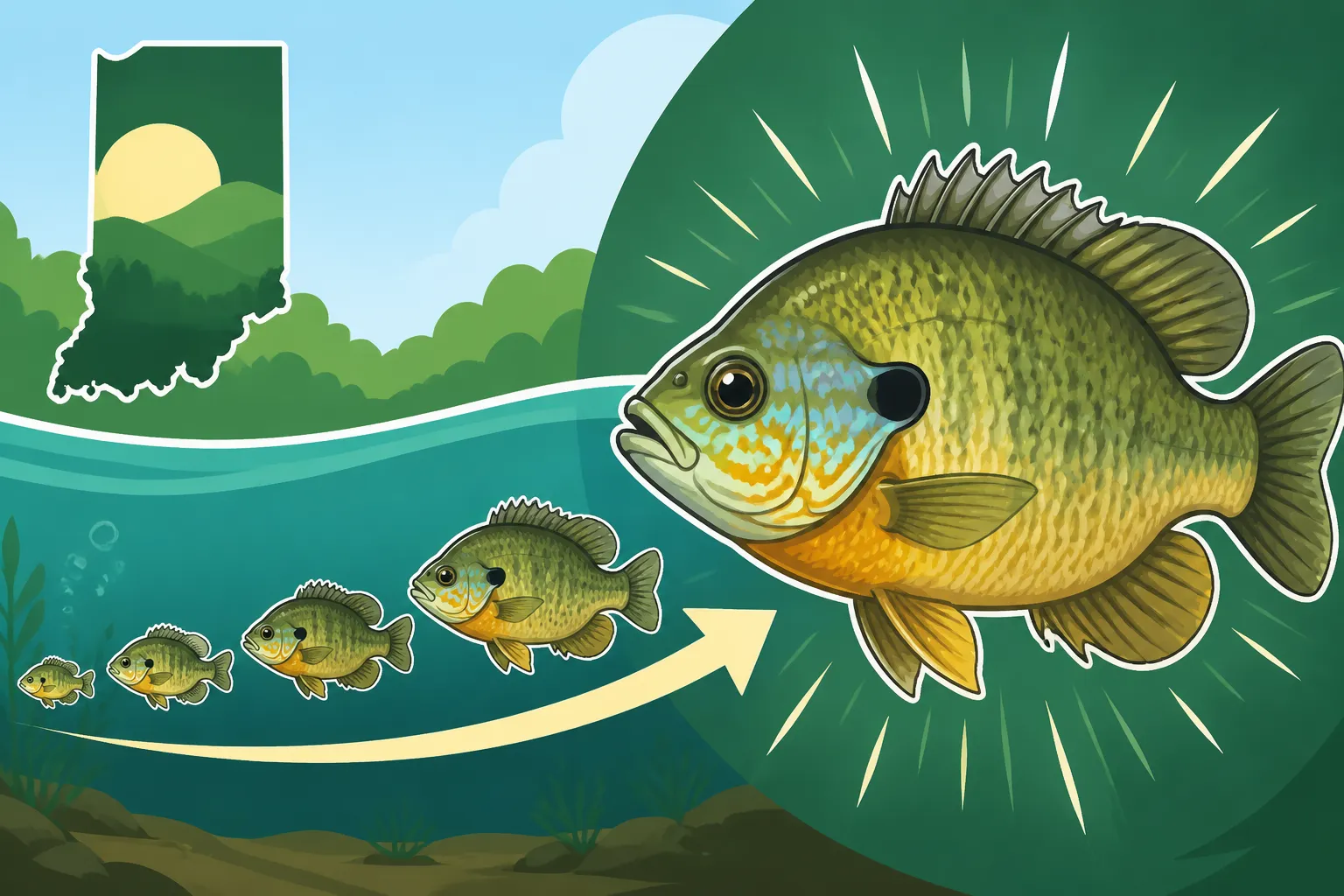
- From Fingerling to Frying Pan: When you stock hybrid sunfish, they're typically fingerlings, often just 2-3 inches long. With good food availability (either abundant natural forage or consistent supplemental feeding), and warm water temperatures during the spring, summer, and early fall, these fish can grow incredibly quickly. Many pond owners report that their hybrid sunfish can reach harvestable sizes of 6-8 inches by the end of their first full growing season. Some exceptionally managed ponds with heavy feeding can even see fish push past 8 inches. This rapid growth makes them a very satisfying species for quick fishing action.
- Weight Gain: A 6-8 inch hybrid sunfish will typically weigh between 1/4 and 1/2 pound, sometimes even more. Imagine stocking tiny fish in May and catching nice panfish by October! This kind of rapid turnaround is precisely why they're so popular for new or renovated ponds.
Subsequent Years: Slower, Steady Gains
After that initial burst, growth rates tend to slow down, but the fish continue to put on size.
- Continued Maturation: In their second year, hybrid sunfish will continue to grow, but usually at a less explosive rate. They might add another 1-2 inches in length and significantly increase their girth and weight. Fish in the 8-10 inch range, weighing 1/2 to 3/4 pound, are common by the end of their second growing season in well-managed ponds. These are truly impressive panfish that offer a fantastic fight on light tackle.
- Peak Size Potential: While some exceptional individuals might push towards 10-12 inches, reaching weights close to a pound or more, this typically requires ideal conditions, minimal competition, and dedicated feeding over several years. The overall lifespan of hybrid sunfish is usually shorter than pure bluegill, often topping out around 3-5 years, so they don't have as many years to slowly accumulate size. For comparison, it's interesting to look at How Fast Do Yellow Perch Grow? in similar environments.
What Size Can You Expect?
Let's consolidate the typical sizes you can expect from hybrid sunfish in Indiana, assuming a pond with decent conditions and perhaps some supplemental feeding.
| Age (Growing Seasons) | Average Length (Inches) | Average Weight (Pounds) | Notes |
|---|---|---|---|
| 0.5 – 1 Year | 5 – 8 inches | 0.25 – 0.5 pounds | Rapid initial growth, often harvestable by end of first warm season |
| 1.5 – 2 Years | 7 – 9.5 inches | 0.4 – 0.75 pounds | Continued steady growth, excellent fighting size |
| 2.5 – 3 Years | 8 – 10+ inches | 0.6 – 1+ pounds | Approaching maximum size, trophy panfish |
It's important to remember these are averages. A pond with poor forage, high density, or lacking supplemental feeding might see slower growth. Conversely, a perfectly managed pond with top-tier feed could yield even faster results. This is why managing your pond's ecosystem is so critical to getting the most out of your hybrid sunfish. You can use gear like a Best Budget Rod and Reel Combos for Beginners to enjoy catching these fish as they grow.
Maximizing Hybrid Sunfish Growth in Your Pond
If you're a pond owner in Indiana and you've stocked hybrid sunfish with the goal of creating a thriving fishery with fast-growing, chunky panfish, there are definite steps you can take. It's not just about tossing them in and hoping for the best; active management makes all the difference.
Smart Stocking Practices
The journey to fast-growing fish starts even before they hit the water. Proper stocking density is paramount.
- Don't Overstock: This is perhaps the most common mistake. It's tempting to buy a huge number of fingerlings, thinking "more fish equals more fishing." But as we discussed, overcrowding leads to intense competition for food and ultimately, stunted growth. Consult with a fisheries biologist or your fish supplier for recommended stocking rates for your specific pond size and goals. These rates often vary if you plan to introduce other species like largemouth bass or catfish. Remember, you're aiming for quality, not just quantity.
- Balance with Predators: If you have largemouth bass in your pond, they can help control any potential overpopulation of other panfish species (though hybrids are less prone to this). However, too many large bass can decimate your panfish population entirely. A balanced predator-prey relationship helps ensure that the remaining panfish have enough food to grow large. This balance is critical for the overall health of your pond's ecosystem, supporting all the Common Fish Species You'll Find in Farm Ponds.
Supplemental Feeding
For truly accelerated growth, especially if your pond's natural forage base is limited, supplemental feeding is a game-changer.
- Choose High-Quality Feed: Not all fish food is created equal. Look for high-protein floating pellets specifically designed for panfish or game fish. The protein content should ideally be above 32-35%. You can find many options on Amazon, complete with nutritional breakdowns. Higher protein content directly correlates with faster muscle growth.
- Consistent Feeding Schedule: Fish respond well to consistency. Feed at roughly the same time each day, usually once or twice, only as much as they will consume in 10-15 minutes. This prevents uneaten food from sinking and decaying, which can lead to water quality problems. Start feeding when water temperatures consistently reach the upper 60s Fahrenheit in the spring and continue until they drop back down in the fall. During the peak summer, they'll eat the most.
- Automated Feeders: For busy pond owners, an automated fish feeder can be a fantastic investment. These devices can dispense feed at preset times and quantities, ensuring consistency even when you're not around. This can really boost growth compared to sporadic hand-feeding.
Habitat Improvement
A healthy environment provides more than just food; it offers shelter, spawning areas (for other fish), and overall well-being, which indirectly supports growth.
- Add Structure: Fish love cover and structure. Submerged brush piles (old Christmas trees work wonders!), rock piles, or artificial fish habitats (like those made from PVC pipe) provide excellent places for hybrid sunfish to hide from predators, ambush prey, and simply feel secure. This reduces stress, allowing them to focus more energy on feeding and growing. You can often purchase ready-made artificial structures or find DIY plans for them.
- Manage Aquatic Vegetation: A healthy amount of aquatic vegetation is beneficial, providing food and cover. However, too much vegetation can choke out a pond, reduce dissolved oxygen, and make fishing difficult. Managing invasive weeds and ensuring a good balance of open water and plant life is important. Tools and treatments for pond weed control are also readily available.
- Aeration: Especially in smaller, warmer ponds, dissolved oxygen levels can become critically low during hot summer nights or under ice cover in winter. A pond aerator can dramatically improve water quality by increasing oxygen, destratifying water layers, and preventing fish kills. Healthier water equals healthier, faster-growing fish. This is a significant investment but can pay huge dividends for your fish population's health and growth potential. When considering your gear, don't forget the importance of accessories like Best Kayak Anchors for Small Ponds if you're fishing from a kayak, or even just a good Best Coolers for Keeping Fish Fresh on a Boat for keeping your catch.
By paying attention to these factors – from how you initially stock your pond to how you manage its environment and provide sustenance – you can significantly influence how fast your hybrid sunfish grow, ensuring you'll have plenty of great fishing right in your own backyard for years to come.
Disclaimer
This article is for general informational purposes only and does not constitute professional advice. Laws, prices and regulations vary by location and change over time. Consult a qualified professional for guidance on your specific situation.