Saugeye Fishing in Indiana: Bait and Technique Tips
Many Indiana anglers chase after the usual suspects – the largemouth bass, the crappie, or perhaps a nice channel cat. But there's a fascinating hybrid out there, the saugeye, that often gets overlooked, yet offers incredible fishing opportunities and a truly delicious meal. If you've been struggling to figure out what makes these elusive fish tick, or you're just eager to add a new challenge to your angling repertoire, this guide is designed to unlock the secrets to successful saugeye fishing in our Hoosier waters, covering everything from understanding their habits to the best baits and techniques.
Understanding Indiana's Saugeye: The Best of Both Worlds
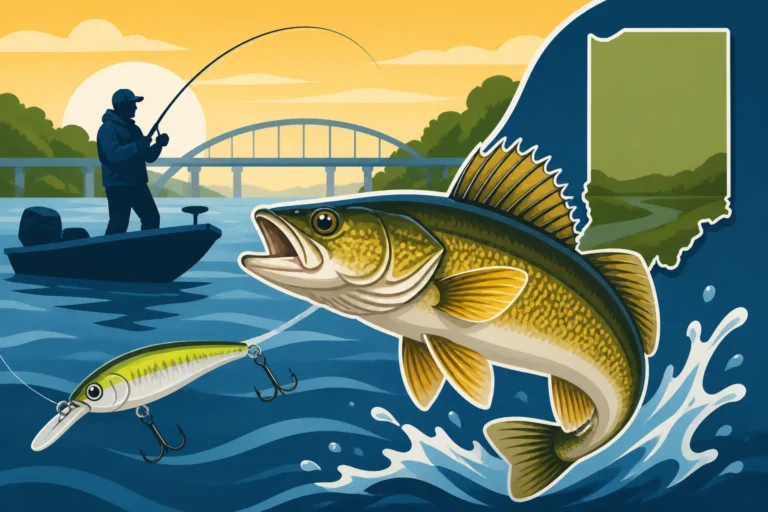
Saugeye are a unique and often misunderstood game fish in Indiana. They're a hybrid species, a cross between a female walleye and a male sauger, and they combine some of the best characteristics of both parents. Anglers often confuse them with walleye, but there are distinct differences that, once recognized, can greatly improve your chances of targeting them specifically. They possess the fighting spirit of a walleye but often exhibit the more aggressive feeding habits and slightly more forgiving nature of a sauger, making them a fantastic sport fish.
Saugeye Identification and Habitat Preferences
Spotting a saugeye can sometimes be a bit tricky, especially if you're not used to distinguishing them from their parent species. Generally, saugeye have a more elongated body than a walleye, and their dorsal fins will have distinct dark spots or bars, inherited from the sauger. Walleye usually have a larger, more solid dark blotch at the base of their dorsal fin. Saugeye Identification: Spotting a Walleye-Sauger Hybrid covers these subtle cues in more detail. Their overall coloration can vary but typically includes a mottled, olive-brown to golden hue. Knowing these visual cues not only helps you identify your catch but also ensures you're adhering to any specific regulations for saugeye, which can sometimes differ from those for pure walleye or sauger.
When it comes to habitat, saugeye prefer the best of both worlds, too. They thrive in turbid, somewhat stained waters, much like sauger, but they also appreciate the deeper, clearer sections and structure that walleye inhabit. In Indiana, this often means they're found in larger reservoirs, flood control lakes, and some of the broader, slower-moving rivers. They tend to stick to areas with moderate current, submerged humps, points, and channel edges, particularly where there’s a transition from soft bottom to rock or gravel. These locations offer them both ambush points for feeding and cover from brighter light, which they, like their walleye cousins, generally shy away from.
Where Does Indiana Stock Saugeye?
If you're wondering where to even begin your saugeye quest, the good news is that Indiana's Department of Natural Resources (DNR) actively stocks them in several key locations across the state. These stocking efforts aim to provide diverse fishing opportunities and manage fisheries effectively, especially in reservoirs where natural walleye reproduction might be limited. Popular spots include places like Brookville Lake, Geist Reservoir, and Monroe Lake, among others. These reservoirs are often chosen because their environments offer the perfect blend of habitat features that saugeye need to thrive.
Knowing which bodies of water are actively stocked with saugeye is your first major step in planning a successful trip. These stocked populations mean there's a consistent presence of fish, offering a better chance for anglers to hook into them. Where Does Indiana Stock Saugeye? provides a comprehensive list of these waters. Beyond just stocking, these areas usually have robust forage bases, like shad and alewives, which allow saugeye to grow to impressive sizes, making for exciting fights and bragging rights back at the dock. Targeting these known saugeye hotspots dramatically increases your odds compared to simply hoping to stumble upon one.
Prime Times and Conditions for Saugeye Fishing
Successfully targeting saugeye isn't just about showing up with a pole; it's about understanding their activity patterns and how environmental factors influence their behavior. Much like their walleye relatives, saugeye can be finicky, but recognizing their preferred conditions can turn a slow day into a memorable one. They are predatory fish, and their feeding windows are often tied to light levels, water temperature, and even the nuances of the season.
Seasonal Patterns for Saugeye
Spring can be a fantastic time to target saugeye, especially during the pre-spawn and early post-spawn periods. As water temperatures begin to rise into the 40s and 50s, saugeye become very active, moving into shallower areas, often around points and rocky shorelines, to feed heavily before and after their spawning ritual. This is when many anglers have excellent success casting jigs and jerkbaits. Once summer hits and waters warm up significantly, saugeye tend to retreat to deeper, cooler water, often near main lake channels, submerged humps, or deep timber. They become more nocturnal in their feeding habits, so early morning, late evening, or even night fishing can be highly productive during these warmer months.
As autumn approaches and water temperatures cool down again, saugeye often experience a resurgence in activity. They will again move shallower, mimicking their spring patterns, as they feed aggressively to put on fat reserves for the coming winter. This fall bite can be incredibly strong, with fish readily hitting a variety of baits and lures. Even during winter, saugeye can be caught through the ice in many Indiana waters, especially during periods of stable weather. They tend to stay near bottom structure in deeper basins, making vertical jigging a prime tactic. Understanding these seasonal shifts is crucial, as the tactics and locations that work in spring might be completely ineffective in summer.
Optimal Time of Day and Weather Considerations
Saugeye, much like walleye, are very sensitive to light. Their large, light-gathering eyes give them a distinct advantage in low-light conditions, making dawn and dusk prime times to fish for them. As the sun dips below the horizon or before it fully rises, saugeye will often move out of their deeper haunts and into shallower feeding zones. Many dedicated saugeye anglers also swear by night fishing, especially on clear, moonlit nights when the fish are more comfortable roaming and ambushing prey.
Overcast days or periods of light rain can also extend their feeding windows throughout the day, as the reduced light penetration makes them more active. Conversely, bright, sunny days with clear skies can make saugeye incredibly lethargic and push them deep into cover. Wind can also be a factor; a moderate chop on the water can break up light penetration and create current, which saugeye often utilize to ambush baitfish. Fishing the wind-blown side of a lake or reservoir can sometimes concentrate baitfish and, in turn, saugeye. Always pay attention to the forecast and adjust your fishing schedule and locations accordingly.
Bait Strategies for Saugeye
When it comes to enticing saugeye to bite, what you put on the end of your line can make all the difference. While these fish aren't always easy to fool, a well-presented natural bait can often be the most effective strategy, especially for less active fish or when you're fishing unfamiliar waters. Understanding their natural prey and offering something similar is a tried-and-true method.
Live Bait Favorites for Saugeye
Live bait is often considered the gold standard for saugeye fishing, primarily because it perfectly mimics their natural diet and triggers their predatory instincts. Minnows are perhaps the most popular and effective choice. Shiner minnows, fathead minnows, or even small creek chubs are all excellent options. You can present minnows in several ways: hooked through the lips for trolling or drifting, or through the back for vertical jigging. The key is to keep them lively, as their natural movement is what attracts the saugeye.
Another fantastic live bait option, especially in reservoirs where they are abundant, is a nightcrawler. While often associated with walleye, saugeye will readily devour a plump nightcrawler, particularly when fished on a bottom-bouncing rig or a simple slip-sinker setup. Hooking a nightcrawler once or twice through the body, allowing the ends to wiggle freely, creates an irresistible presentation. You can find specialized live bait containers and aerators on platforms like Amazon to keep your minnows and worms in top condition throughout your fishing trip, which is crucial for maximizing their effectiveness.
The Power of Cut Bait and Scent Attractants
While live bait offers movement, cut bait provides an intense scent trail that can draw in saugeye from a distance, particularly when they're less active or when fishing in stained water. Small chunks of shad, bluegill, or other baitfish can be incredibly effective. The scent released from the cut flesh disperses in the water, signaling an easy meal. This method works exceptionally well when bottom fishing, using a slip-sinker rig to keep the bait near the lakebed where saugeye often feed. You'll want to use fresh cut bait, as its potency diminishes quickly.
Beyond natural cut bait, enhancing your presentations with artificial scent attractants can significantly boost your success rate. There are many commercial scents available that mimic baitfish, crawfish, or even garlic. Applying these gels, sprays, or pastes to your live bait, cut bait, or even artificial lures can make a huge difference, especially on tough days. Saugeye rely heavily on their sense of smell, particularly in the murkier waters they often inhabit. Having a bottle of your favorite scent in your tackle box, which you can easily purchase from retailers like Amazon, is a smart move for any serious saugeye angler.
Lure Techniques for Saugeye Anglers
While live bait certainly has its place, artificial lures offer versatility, durability, and the ability to cover vast amounts of water quickly. For active saugeye, especially when you've located a school, lures can be incredibly effective, allowing for faster catch rates and a more dynamic fishing experience. The key is to match the lure's action and presentation to the saugeye's mood and the prevailing conditions.
Jigging for Saugeye: Vertical and Casting Approaches
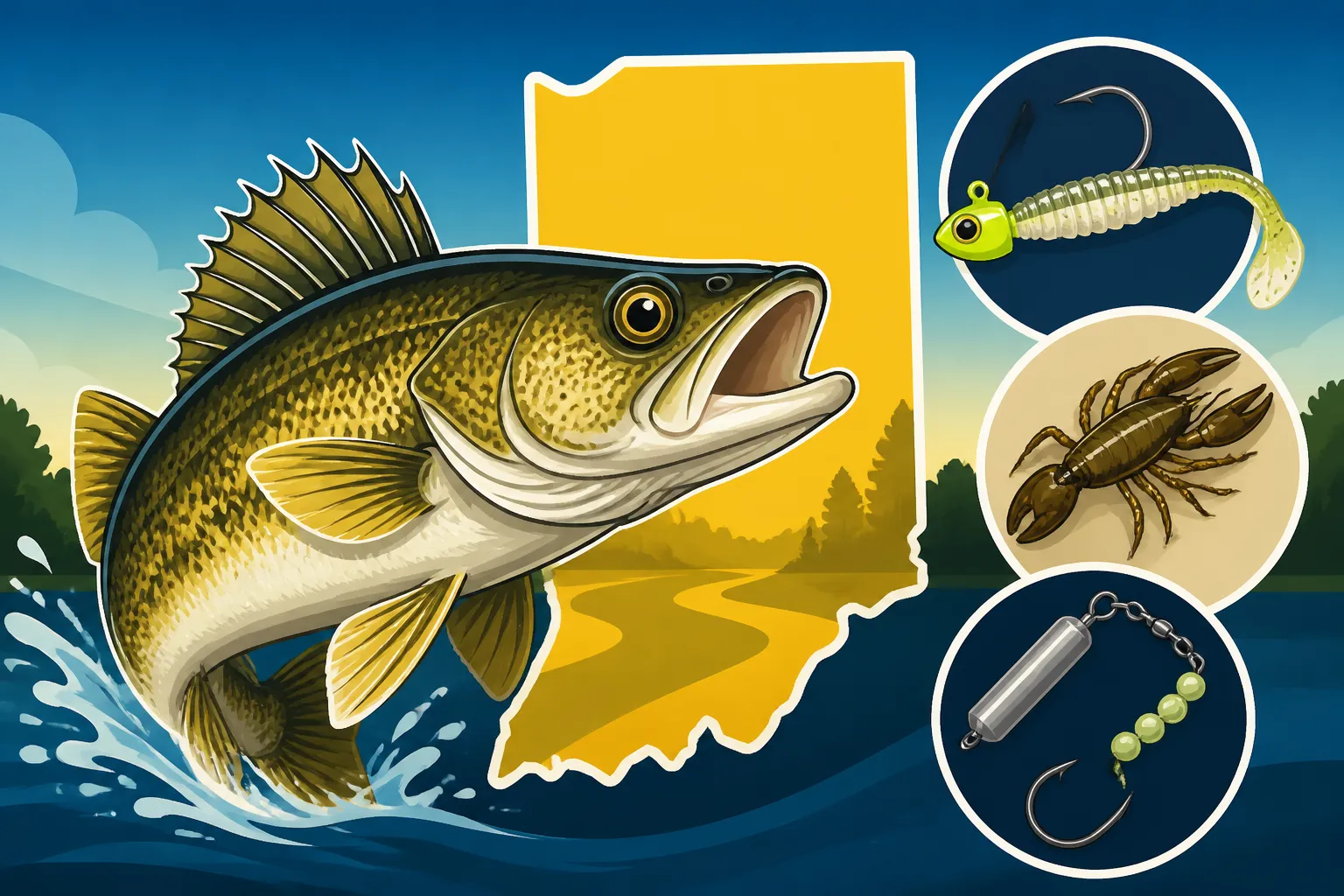
Jigging is arguably one of the most effective and popular techniques for saugeye, offering a direct, tactile connection to your bait. Both vertical jigging and casting jigs can be incredibly productive. For vertical jigging, which is often done from a boat directly over structure, a 1/8 to 1/2 ounce lead-head jig tipped with a minnow or a soft plastic grub is hard to beat. The retrieve is simple: drop the jig to the bottom, then lift and drop it with a subtle snap, letting it fall on a semi-slack line. The bite is often very subtle – a slight tap, a feeling of weightlessness, or just an unexpected resistance. Best Walleye Fishing in Indiana covers similar jigging techniques that apply well to saugeye.
Casting jigs, on the other hand, allows you to cover more water from shore or by fan-casting from a boat. Quarter-ounce to half-ounce jigs with soft plastic paddle tails, curly tails, or shad-imitating bodies are excellent choices. Cast them out, let them sink to the desired depth, then retrieve them with a slow, steady hop-and-fall motion, mimicking a wounded baitfish. Experiment with different colors; chartreuse, white, and natural baitfish patterns are often reliable. Remember that saugeye often hit on the fall, so paying attention to your line is critical.
Trolling and Casting Crankbaits
Crankbaits are another essential tool in the saugeye angler's arsenal, particularly for covering water and locating active fish. Trolling crankbaits allows you to present a lure at a consistent depth and speed, which can be irresistible to saugeye cruising along contour lines or suspended in open water. Deep-diving crankbaits are ideal for reaching saugeye that are holding in 15-30 feet of water, while shallower running models can work wonders when fish move onto points or flats. The speed of your troll is important; start with a moderate pace and experiment with faster or slower presentations until you find what triggers bites.
Casting crankbaits can also be very effective, especially when saugeye are shallow or around visible cover. Lipless crankbaits are excellent for covering flats quickly, while traditional diving crankbaits can be bumped along rocky bottoms or retrieved past submerged timber. Look for crankbaits in natural baitfish colors or bright, attention-grabbing patterns, depending on water clarity and light conditions. Brands like Rapala, Berkley, and Strike King offer a wide variety of crankbaits suitable for saugeye, and you can easily compare and purchase different models through retailers like Amazon. The vibration and erratic action of a well-chosen crankbait can often provoke a reaction strike even from a less aggressive fish.
Essential Gear for the Saugeye Angler
Having the right equipment can significantly impact your success when targeting saugeye. While you don't need to break the bank, investing in a few key pieces of gear tailored to their specific behaviors and common techniques will make your experience more enjoyable and productive. From the rod in your hand to the line on your reel, every component plays a role in feeling those subtle bites and successfully landing these hard-fighting fish.
Rods, Reels, and Line Choices
For saugeye fishing, a medium-light to medium power spinning rod, typically 6'6" to 7' in length, with a fast action tip is ideal. This combination offers the sensitivity needed to detect subtle bites, especially when jigging, while still providing enough backbone to set the hook and fight a strong fish. Pair this with a reliable spinning reel in the 2000-3000 size range, spooled with 6-10 pound test monofilament or fluorocarbon line. Monofilament offers a bit more stretch, which can be forgiving with aggressive head shakes, while fluorocarbon is nearly invisible underwater and has less stretch, providing increased sensitivity.
Many experienced saugeye anglers also opt for braided line as their main line, especially when vertical jigging or fishing in deeper water. Braided line has virtually no stretch, offering maximum sensitivity, and its thinner diameter allows for easier casting and deeper dives with lighter lures. If you choose braid, consider a 10-20 pound test with a fluorocarbon leader (6-10 pound test) tied on with a strong knot like an FG or double uni-knot. The leader provides stealth, while the braid gives you the power and sensitivity. Best Tackle for Indiana Walleye Fishing provides a good foundation that applies to saugeye gear as well.
Terminal Tackle and Accessories
Your terminal tackle box should be well-stocked with a variety of hooks, sinkers, and swivels. For live bait fishing, sharp, light-wire hooks in sizes #4 to #1/0 are generally sufficient. Jig heads, ranging from 1/8 to 1/2 ounce, with strong, sharp hooks, are essential for both vertical and casting presentations. Ensure you have a good selection of colors, with natural, white, and chartreuse being common starting points.
Slip sinkers, ranging from 1/4 to 1 ounce, are indispensable for bottom-bouncing rigs with live bait or cut bait. Barrel swivels help prevent line twist, especially when trolling or using spinning presentations. Don't forget a pair of long-nose pliers for unhooking fish and cutting line, as saugeye, like walleye, have sharp teeth. A good quality landing net with rubberized mesh is also highly recommended; it's gentler on the fish if you plan to release them and helps prevent hooks from tangling in the net. All these essential items are readily available and can be quickly replenished through online stores like Amazon.
Finding Saugeye Hotspots in Indiana
Knowing what saugeye are and how to catch them is one thing, but knowing where to find them is the key to consistent success. Indiana offers several excellent locations for saugeye fishing, each with its unique characteristics. Focusing your efforts on these known hotspots and understanding the typical patterns within them will significantly increase your chances of hooking into these elusive hybrids.
Major Reservoirs Known for Trophy Saugeye
Indiana's larger reservoirs are often the best places to target saugeye, particularly those with active stocking programs and abundant forage. Brookville Lake, located in southeastern Indiana, is a perennial favorite among saugeye anglers. Its clear, deep waters and excellent structure provide ideal habitat. Anglers often find success focusing on the main lake points, humps, and channel edges, particularly during the spring and fall migrations. Trolling deep-diving crankbaits or vertical jigging over submerged structure are popular and effective methods here.
Geist Reservoir, near Indianapolis, also offers good saugeye opportunities. While it can be pressured due to its urban location, diligent anglers who focus on the deeper channels, creek arms, and bridge pilings can be rewarded. Patoka Lake, in southern Indiana, is another excellent choice, renowned for its diverse fishery including saugeye. Here, targeting the standing timber, submerged roadbeds, and vast main lake flats can be productive. Reservoirs Known for Trophy Saugeye provides more insights into these prime locations and specific strategies for each.
River Stretches and Unique Saugeye Fisheries
Beyond the large reservoirs, some river systems in Indiana also hold good populations of saugeye, especially downstream from impoundments or in larger, slower-moving stretches. These riverine saugeye often behave a bit differently, being more accustomed to current and sometimes feeding more aggressively. Look for saugeye in deeper holes, current breaks, and around natural or man-made structures like wing dams, bridge pilings, or submerged log jams.
Fishing river bends where the current slows down, creating eddies or deeper scour holes, can be particularly productive. Jigs tipped with minnows or soft plastics, drifted through these areas or cast into current seams, are often deadly. While the sheer numbers might not compare to some of the stocked reservoirs, river saugeye can be some of the most challenging and rewarding fish to catch, often providing strong fights in current. Remember that Indiana Fishing Regulations and Bag Limits Guide applies to all waters, including rivers, so always check for any specific rules related to saugeye size or bag limits for the particular body of water you're fishing.
| Bait Type | Best Use Case | Preferred Technique | Pros | Cons |
|---|---|---|---|---|
| Live Minnows | Active & Inactive Fish, General Search | Jigging, Drifting, Trolling | Natural presentation, irresistible movement | Can be delicate, requires live bait well, expensive |
| Nightcrawlers | Bottom Fishing, Less Active Fish, Beginners | Slip-sinker, Bottom Bouncer, Vertical Jigging | Strong scent, easy to rig, readily available | Less active movement than minnows, can be messy |
| Cut Bait (Shad) | Stained Water, Attracting from a Distance | Bottom Fishing, Still Fishing | Intense scent trail, durable on hook | No movement, less natural appearance, attracts scavengers |
| Soft Plastic Jigs | Active Fish, Covering Water, Structure Fishing | Vertical Jigging, Casting, Dragging | Versatile, durable, wide range of colors/shapes | Requires angler input for action, scent can be added |
| Crankbaits | Covering Open Water, Trolling, Reaction Strikes | Trolling, Casting | Excellent for covering ground, strong vibration | Can snag easily in heavy cover, depth selection is critical |
Disclaimer
This article is for general informational purposes only and does not constitute professional advice. Laws, prices and regulations vary by location and change over time. Consult a qualified professional for guidance on your specific situation.