September 26 Is a Free Fishing Day, No License Needed
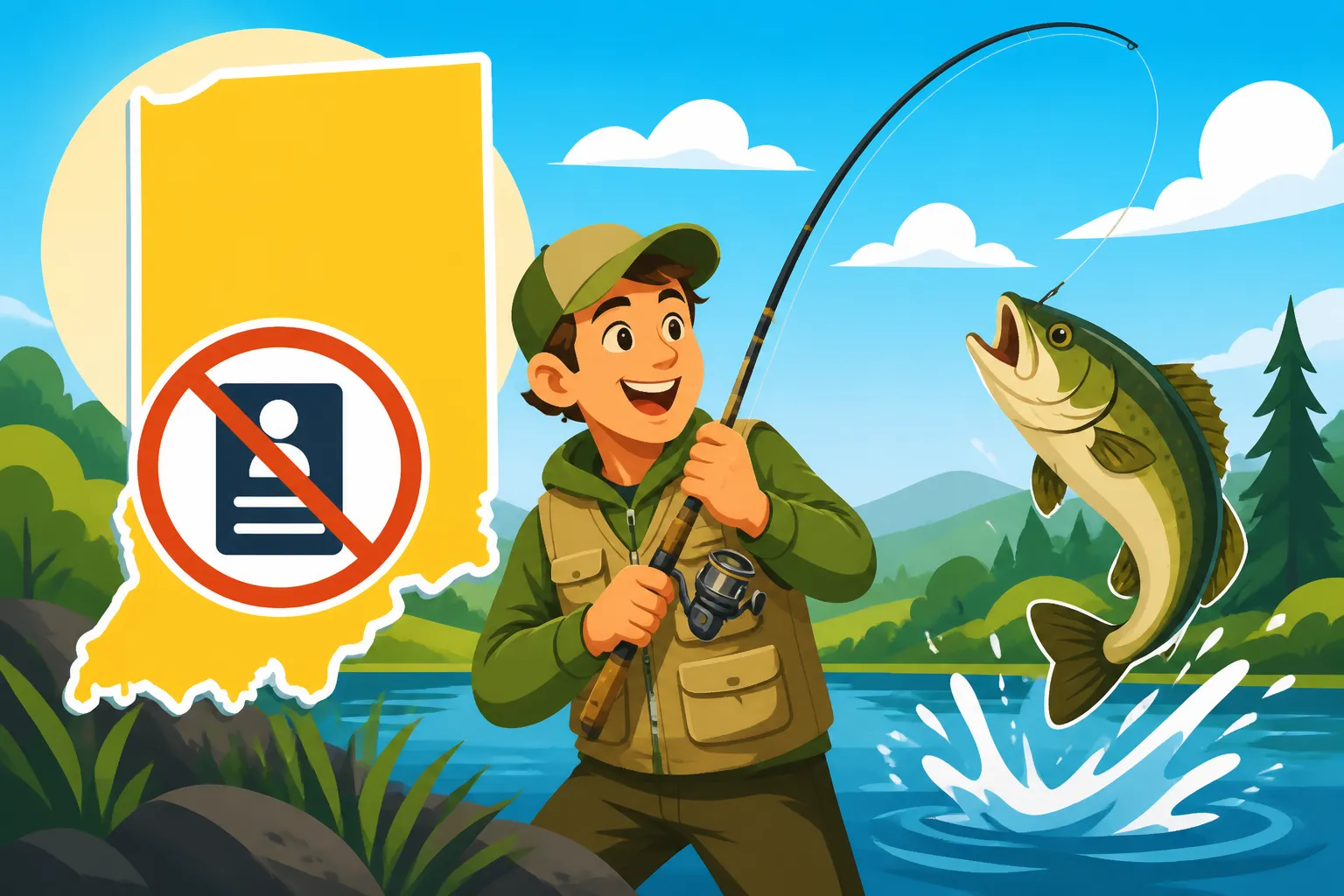
There's nothing quite like the feeling of wanting to spend a beautiful autumn day out on the water, but then that nagging question pops into your head: "Do I have a fishing license, or is it still valid?" It's a common hang-up that stops many folks from even trying to cast a line. Well, I'm here to tell you that if September 26 rolls around and you're feeling that urge to fish in Indiana, you can absolutely grab your gear and head out, because that day is officially a Free Fishing Day, meaning no license is needed! This guide will walk you through what that means, how to make the most of it, and even how to keep those good times rolling afterward.
Understanding Indiana's Free Fishing Days Program
The concept of a "Free Fishing Day" might sound too good to be true, especially when you're used to needing a license for just about everything these days. But trust me, it's a fantastic initiative by the Indiana Department of Natural Resources (DNR) that aims to make fishing accessible to everyone, regardless of whether you're a seasoned angler or someone just curious to try it out. These special days are sprinkled throughout the year, and September 26 is one such golden opportunity.
Why Free Fishing Days Are So Important
Think about it: how many times have you heard someone say, "I'd love to try fishing, but I don't know where to start, and I don't want to buy a license if I'm not sure I'll like it"? Free Fishing Days directly address this barrier. They're designed to encourage participation in outdoor recreation, get families together, and introduce new generations to the joys of angling. It’s a chance for folks who have never held a rod to experience the thrill of a bite, or for former anglers to rekindle an old passion without the initial financial commitment of purchasing a license. It also serves as a great way for parents and grandparents to take their kids out without worrying about multiple license purchases. It’s a community-building event at its heart, fostering a love for Indiana's incredible waterways and the diverse fish species that call them home. Many state parks and local conservation organizations even host special events on these days, offering loaner equipment and basic instruction. You might find a whole range of activities, from casting clinics to fish identification workshops, all designed to make your entry into the world of fishing as smooth and enjoyable as possible.
Who Can Participate and Where
The beauty of Free Fishing Days, including the one on September 26, is that they are truly for everyone. It doesn't matter if you're an Indiana resident or just visiting from out of state; the license requirement is waived for all. This means if you have family coming in from Ohio or Michigan, they can grab a pole and join you without needing to purchase an Indiana Nonresident Fishing License Guide. This inclusivity is a huge plus, as it means no one is left out of the fun simply because of their address. You can fish in nearly any public waters across the state – from the smallest ponds in your local park to the sprawling reservoirs like Monroe Lake or Patoka Lake, and even the larger rivers. Just make sure you're accessing public areas or have permission to fish on private property. The Indiana DNR website is an excellent resource for finding public access points and identifying suitable fishing spots near you. You can often find detailed maps and information on fish populations in specific lakes and rivers. This makes it easy to plan your day, whether you're looking for a quiet pond to relax by or a bustling reservoir known for its trophy catches.
What September 26 Free Fishing Day Truly Entails
While the "no license needed" part is fantastic news, it's crucial to understand that it doesn't mean all rules go out the window. Fishing regulations are in place for a reason – to protect our fish populations and ensure healthy fisheries for years to come. So, let's break down exactly what you can and cannot do on this special day.
License Exemption: The Big Win
On September 26, and all other designated Indiana Free Fishing Days Guide, the core requirement for holding a valid fishing license is temporarily lifted. This applies to everyone, regardless of age or residency status. So, if you're an adult resident who usually needs to fork over the Indiana Resident Annual Fishing License Cost, or a nonresident angler typically facing the Indiana Nonresident Annual Fishing License Cost, you get a pass for the day. This is the perfect opportunity to introduce a friend or family member to fishing without them having to commit to buying a license right away. Think of it as a trial run for the sport. You can borrow a basic rod and reel, grab some bait, and head out to a local pond or lake without any upfront licensing costs. It truly lowers the barrier to entry, making it easier for curious individuals to experience the simple pleasures of fishing. Just imagine the smiles as a child catches their first bluegill or a beginner feels the tug of a feisty bass.
Other Regulations Still Apply
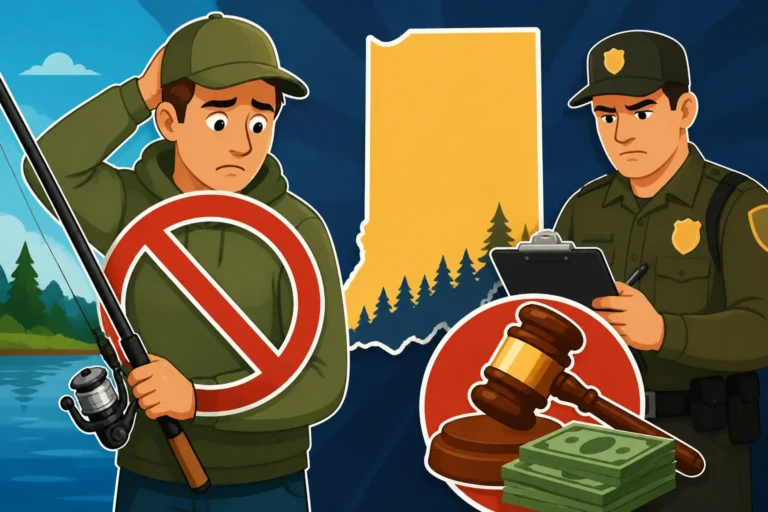
This is the big one that sometimes catches people off guard. While you don't need a license, all other Indiana fishing regulations remain in full effect. This means you still need to abide by:
- Bag Limits: How many fish of a certain species you can keep in a day. For instance, the Indiana's Statewide Bass Daily Bag Limit is 5 fish combined for largemouth, smallmouth, and spotted bass. Panfish like bluegill and crappie also have daily limits, usually 25 per species, as outlined in the Indiana Panfish Daily Limits by Species guide.
- Length Limits: Minimum or maximum sizes for certain fish. Walleye, for example, have different length limits depending on whether you're fishing north or south of State Road 26, and specific lakes like Bass Lake, Wolf Lake, and Lake George have their own unique rules, as you can explore in our Indiana Walleye Length Limits by Lake article.
- Gear Restrictions: Rules about what type of tackle you can use, such as limits on the number of poles or specific bait restrictions in certain areas.
- Water-Specific Rules: Some bodies of water, especially those managed for specific species or conservation efforts, might have unique rules. This is especially true for Lake Michigan Fishing Rules for Indiana Anglers, which differ significantly from inland waters.
- Trout/Salmon Stamp: This is often a point of confusion. If you plan to fish for trout or salmon in waters where the Indiana Trout and Salmon Stamp Requirements typically apply, you still need that stamp. The free fishing day only waives the general fishing license, not special stamps required for specific species or designated waters. However, most casual anglers on a free fishing day won't be targeting these specific fish in stamp-required areas, so it's less of a concern for a general outing. Always double-check the current Indiana Fishing Guide, which you can usually find on the DNR website or pick up at local bait shops. Ignorance of the law is not an excuse, and game wardens will still issue citations for violations of these rules, even on a free fishing day.
To help visualize, here’s a quick summary:
| Requirement | On September 26 Free Fishing Day | Standard Fishing Day |
|---|---|---|
| Indiana Fishing License | NOT Required | REQUIRED |
| Trout/Salmon Stamp | REQUIRED (if targeting these species in designated waters) | REQUIRED (if targeting these species in designated waters) |
| Daily Bag Limits | APPLY | APPLY |
| Length Limits | APPLY | APPLY |
| Gear Restrictions | APPLY | APPLY |
| Water-Specific Rules | APPLY | APPLY |
| Boating Regulations | APPLY | APPLY |
This table makes it clear: the free fishing day is about waiving the license, not the rules of responsible angling.
Making the Most of Your September 26 Free Fishing Day
So, you've got September 26 marked on your calendar. Now what? This is your chance to really dive in and discover what Indiana fishing is all about. Whether you're flying solo or bringing the whole family, a little planning can go a long way in ensuring a memorable and successful outing.
Choosing Your Destination Wisely
Indiana is blessed with a fantastic variety of fishing spots, from tranquil small ponds to vast reservoirs and winding rivers. For a Free Fishing Day, especially if you're new to the sport or bringing beginners, I always recommend starting with easily accessible, family-friendly spots where panfish (like bluegill and crappie) are plentiful. These fish are generally eager biters, which means more action and less waiting, keeping spirits high, especially for kids.
- Local Ponds and Urban Lakes: Many cities and towns across Indiana have public ponds within parks. These are often stocked and provide excellent opportunities for catching bluegill, sunfish, and small bass. They’re convenient, usually have good access for shore fishing, and you don’t need a boat. Look up local city parks or conservancy areas; they often list fishing as an amenity.
- State Parks: Indiana State Parks for Fishing are a treasure trove of fishing opportunities. Lakes within parks like Potato Creek State Park, Mounds State Park, or Lincoln State Park offer beautiful settings, amenities like restrooms and picnic areas, and often have designated fishing piers or easy bank access. They are usually well-maintained and offer a safe environment for new anglers.
- Reservoirs for Shore Access: Larger reservoirs like Brookville Lake or Salamonie Lake have numerous public access points, some with extensive shoreline fishing opportunities. While they can be intimidating due to size, focusing on smaller coves or fishing near boat ramps can often yield good results for various species.
Before you head out, do a quick online search for "Best Fishing Spots in Indiana" or "Family-Friendly Fishing Spots in Indiana" to get some specific recommendations for your area. The Indiana DNR website also has maps and stocking information for many public waters.
Essential Gear for a No-License Day
Since you're not committing to a license, you probably don't want to invest in a ton of expensive gear right away. The beauty of panfish fishing is its simplicity.
- Basic Rod and Reel: A simple spinning rod and reel combo, often called an "ultralight" or "light" setup, is perfect for bluegill and crappie. You can find decent beginner combos on Amazon or at any major sporting goods store for a very reasonable price, sometimes as low as $20-$30. Look for one that's about 5 to 6 feet long with light line, perhaps 4-6 pound test.
- Line: Most combos come pre-spooled. If not, pick up a small spool of monofilament line.
- Hooks: Small hooks, size 8 or 10, are ideal for panfish mouths.
- Bobbers: A small, clip-on bobber is essential for seeing bites and keeping your bait at the right depth.
- Weights: A few small split-shot sinkers will help cast your bait and get it down.
- Bait: Live bait is usually the most effective and easiest for beginners. Earthworms (nightcrawlers, red worms), crickets, or small minnows are panfish magnets. You can often buy these at bait shops, or even dig up worms in your backyard! If you prefer artificial, small soft plastics like tiny grubs or tubes, or even a classic Beetle Spin lure, can also be very effective. You can find a huge variety of these online through retailers like Amazon.
- Pliers/Forceps: Crucial for safely removing hooks from fish, especially if you plan to catch and release.
- Small Cooler: For drinks, snacks, and to keep any fish you decide to keep for dinner fresh.
- Sun Protection: Hat, sunglasses, and sunscreen are a must, even on cloudy days.
- Bug Spray: Especially important in late summer/early fall.
- Water Bottle: Stay hydrated!
You don't need a fancy tackle box; a small plastic container or even a Ziploc bag can hold your hooks, bobbers, and weights. Keep it simple and focused on getting bites.
Techniques for Beginners
Don't overthink it! Fishing for panfish is wonderfully straightforward.
- Rigging Up: Tie on a small hook. About 6-12 inches above the hook, pinch on a small split-shot weight. Then, about 1-2 feet above the weight, clip on your bobber.
- Baiting the Hook: Thread an earthworm onto the hook, making sure to cover the point.
- Casting: This is where practice comes in! Hold the rod, open the bail (on a spinning reel), and gently cast your line out. Aim for areas with some cover, like lily pads, submerged logs, or docks, as fish love to hide there.
- Waiting for a Bite: Watch your bobber. When a fish bites, the bobber will usually twitch, dance, or disappear completely under the water.
- Setting the Hook: When the bobber goes down, gently but firmly lift the rod tip to set the hook.
- Reeling In: Keep steady pressure on the fish as you reel it in.
- Handling Your Catch: Gently grasp the fish, being mindful of any fins. Use pliers or forceps to remove the hook. Decide if you're keeping it or releasing it. If releasing, do so quickly and carefully.
For more detailed guidance, check out our guides on Crappie and Panfish Fishing Techniques for Beginners or even Bass Fishing Techniques for Beginners if you're feeling adventurous and hoping for something a bit bigger.
Beyond the Free Fishing Day: Keeping the Angling Dream Alive
Maybe you had an absolute blast on September 26, caught a few fish, and now you're hooked (pun intended!). Or perhaps you realized it's a great way to unwind, connect with nature, or spend quality time with loved ones. Whatever the reason, if you want to continue fishing in Indiana, you'll need to get yourself a valid license for future outings.
How to Get Your Indiana Fishing License
The process is remarkably simple and convenient. The Indiana DNR has made it easy to purchase or renew a license, so you can keep those fishing adventures going year-round.
- Online: The quickest and easiest way is to visit the Indiana DNR's official website. You can purchase your license from the comfort of your home, and it's immediately valid. You can even print it out or keep a digital copy on your phone. This is often the preferred method for many anglers, especially busy ones. The online system is user-friendly and walks you through the steps.
- Retailers: You can also purchase a license in person at various authorized retailers across the state. This includes most bait and tackle shops, many Walmarts, and some sporting goods stores like Cabela's or Dick's Sporting Goods. This option is great if you prefer human interaction, have questions, or want to pick up some last-minute bait or tackle while you're there. Many anglers prefer buying their license this way as it supports local businesses.
- By Mail or Phone: While less common these days, these options are also available if you prefer. Check the Indiana DNR website for current contact information.
Remember that an Indiana Anglers Need a New License Every April 1, so plan your purchases accordingly. The fishing license year runs from April 1 to March 31 of the following year, which is why Indiana's Fishing License Year Runs April to March instead of a calendar year.
Choosing the Right License for You
Indiana offers several license options to fit different needs:
- Annual Resident Fishing License: This is the most common option for Indiana residents and covers you for an entire license year. It's cost-effective if you plan to fish more than a couple of times. Our Indiana Resident Fishing License Cost: $23 a Year article provides all the details.
- Annual Nonresident Fishing License: If you're visiting Indiana regularly, this is the best option.
- Short-Term Nonresident Licenses: For out-of-state visitors on a short trip, there are 1-day or 7-day nonresident licenses, which can be more economical than an annual one. Our Nonresident 1-Day Fishing License Price: $9 and Nonresident 7-Day Fishing License Price: $20 articles detail these options.
- Senior Licenses: Indiana offers excellent discounts for senior citizens, including a $3 annual license for those 65 and up. There’s also the special one-time Indiana Senior Fish-for-Life License Cost: $23 One-Time, which truly pays for itself over time.
- Kids Fish Free: Remember, kids fish free until they are 18! So, your little ones don't need a license even after the free fishing day ends. Check out Free Fishing for Indiana Residents Under 18 for more information.
Considering the small cost, especially compared to many other hobbies, a fishing license is an incredible value, opening up endless hours of enjoyment on Indiana's beautiful waters. You can even find helpful information on our comprehensive guide to Indiana Fishing License Requirements Explained.
Exploring More Fishing Opportunities
Once you have your license, the angling world really opens up! You can start to explore specific fish species, learn new techniques, and discover more challenging waters.
- Targeting Specific Species: Maybe you loved catching bluegill, but now you want to try for some feisty bass. Our guide to Largemouth Bass Fishing in Indiana: The Complete Guide can get you started. Or perhaps the idea of catching a monster walleye appeals to you; check out our Indiana Walleye Fishing: A Complete Guide.
- Seasonal Fishing: Different fish are more active at different times of the year. Our Indiana Fishing Seasons: A Month-by-Month Guide can help you plan your trips around the best times to catch your desired species.
- Expanding Your Gear: As you get more serious, you might want to upgrade your rod and reel, try different lures, or even consider getting a kayak for accessing those hard-to-reach spots. There’s a vast array of fishing tackle available on Amazon, from specific bass lures to sophisticated fish finders. Just don't get overwhelmed! Start slow, learn what you like, and build your collection over time.
The September 26 Free Fishing Day is more than just a single day to fish for free; it's an invitation to a lifetime of outdoor adventure. It's a chance to connect with nature, create lasting memories, and discover a rewarding hobby that can bring peace and excitement in equal measure. So, grab a pole, some bait, and enjoy the water!
Disclaimer
Fishing regulations can change, and it is the angler's responsibility to stay informed about the most current rules. Always consult the official Indiana Department of Natural Resources (DNR) fishing guide or website for the latest regulations before heading out on the water. This article provides general information and should not be considered a substitute for official DNR resources.