Where to Catch Muskellunge on Lake Wawasee
Chasing the elusive muskellunge, often called the "fish of 10,000 casts," is a true passion for many anglers, but finding these toothy giants on a sprawling body of water like Lake Wawasee can feel like an impossible task. It’s frustrating to spend hours casting without even a follow, wondering if you're even in the right zip code. This comprehensive guide is here to cut through that guesswork, revealing the most productive muskie hotspots on Lake Wawasee, arming you with the knowledge to make those precious casting hours count.
Understanding Lake Wawasee's Muskie Habitat
Lake Wawasee, Indiana's largest natural lake, is a magnificent body of water nestled in Kosciusko County, offering an incredible challenge and reward for muskie anglers. It's not just about its size, but its diverse underwater topography that creates ideal ambush points for these apex predators. Understanding why muskie choose certain areas is key to knowing where to cast.
The Deep Weeds and Drop-offs
Muskellunge are ambush predators, and they absolutely love structure that allows them to hide and dart out at unsuspecting prey. On Lake Wawasee, this often means focusing on the edges of extensive weed beds, especially those transitioning into deeper water or sharp drop-offs. Think of it from the muskie's perspective: they want cover to conceal themselves, but also quick access to open water to chase down a meal. These aren't just any weeds; we're talking about robust, healthy vegetation like milfoil, coontail, and even lily pads in certain shallower bays.
When you're out on the water, look for those distinct lines where the thick green masses suddenly give way to deeper, clearer water. These are natural highways for baitfish, and where baitfish go, muskie follow. Areas where weed lines run parallel to a significant depth change, say from 10 feet down to 20 or 30 feet, are absolute goldmines. The muskie can sit comfortably in the slightly cooler, oxygen-rich water of the deeper edge, hidden by the weeds, ready to pounce on anything that swims by. It takes a bit of patience and some careful boat positioning, or even a good pair of polarized sunglasses for sight fishing on calm days, to truly dissect these edges.
Identifying Prime Structural Elements
Beyond just weed lines, muskie on Lake Wawasee utilize a variety of structural elements. Sunken humps, rocky points, old cribs (though less common in Wawasee), and even distinct changes in bottom composition can hold fish. These aren't always visible above the surface, which is where your electronics really shine. A good fish finder can help you map out these hidden treasures. Look for isolated humps that rise significantly from the lake bed or points that extend far out into deeper water. These act as navigational funnels for baitfish and offer muskie a vantage point.
Another crucial factor is current. While Wawasee isn't a river system, there are subtle currents, especially around channels and narrows connecting to smaller bodies of water. These currents can concentrate baitfish and provide oxygenated water, making them attractive to muskie. For instance, the channel connecting Wawasee to Syracuse Lake can be a fantastic spot, especially during periods of higher flow. When you're scouting, don't just look for depth; look for anomalies on your sonar that indicate changes in bottom contour or density. Sometimes, it’s a tiny rock pile in an otherwise soft-bottom area that holds a monster. Professional fishing charters found on platforms like FishingBooker often pinpoint these less obvious structures, leveraging years of local knowledge to find fish.
Prime Muskie Hotspots on Wawasee
Lake Wawasee is a large lake, and while muskie can technically be anywhere, certain areas consistently produce more bites and larger fish due to their ideal habitat and forage opportunities. Focusing your efforts on these zones will dramatically increase your chances.
Johnson Bay and Its Surroundings
Johnson Bay, located on the western side of Lake Wawasee, is a renowned muskie haven. This bay is characterized by extensive, healthy weed beds that gradually taper into deeper sections, providing ample cover and feeding grounds. Anglers often find success working the outer edges of these weed beds, particularly where they meet the deeper main lake basin. The water here is often a bit clearer, allowing for better visibility for both the angler and the fish.
When fishing Johnson Bay, don't just cast blindly. Pay close attention to any irregularities in the weed line, such as pockets, points, or sudden turns. These are classic ambush spots. Also, consider the transition zones where the weeds give way to a harder bottom. Muskie love to patrol these areas, waiting for perch, bluegill, or other baitfish to wander out of the safety of the weeds. Casting large bucktails, gliders, or dive-and-rise baits parallel to these edges can be incredibly effective. Early morning and late evening, especially on overcast days, tend to be prime times here. The sheer abundance of baitfish, including large populations of Yellow Perch: Indiana's Classic Panfish, makes Johnson Bay a productive area.
Between Wawasee and Syracuse Lake Channel
The channel that connects Lake Wawasee to Syracuse Lake is another prime area that muskie frequent. This channel acts as a natural thoroughfare for fish moving between the two bodies of water, and the subtle currents created by this flow concentrate baitfish. Muskie will often hold in the deeper pockets or along the more pronounced channel edges, especially near any submerged timber or rocky outcrops. It's a narrower, more confined area compared to the main lake, which can make it easier to pinpoint fish.
Fishing this channel requires a slightly different approach. Casting heavy jigs with large plastic trailers or working suspending jerkbaits can be very effective, especially when trying to entice a muskie that might be hugging the bottom or suspended in the deeper water. The key here is to fish slowly and deliberately, thoroughly working every piece of structure you find. During periods of heavy boat traffic, muskie might move deeper or become more nocturnal, so consider hitting this spot during quieter times or even at night if regulations allow. Remember to check Indiana Fishing Regulations and Bag Limits Guide before heading out.
Open Water Trolling Lanes
While many anglers prefer casting, trolling is an incredibly effective method for covering large expanses of Lake Wawasee and locating active muskie, especially those suspended over deeper water or cruising open flats. The sheer size of Lake Wawasee makes it ideal for this strategy. Focus your trolling efforts over depths ranging from 15 to 30 feet, particularly near the main lake basin's humps, saddles, and deeper points that don't quite reach the surface.
When identifying trolling lanes, look for areas where there's a gradual change in depth or where isolated baitfish schools appear on your sonar. Muskie will often follow these schools in open water. Large crankbaits, swimbaits, and even large inline spinners designed for trolling are excellent choices. Vary your speed and depth until you start getting bites or seeing follows. Trolling can be particularly effective during the warmer summer months when muskie might be more scattered and less inclined to stay tight to cover. Many anglers find success by hiring a local guide through services like FishingBooker to learn the nuances of Wawasee's specific trolling patterns.
Here's a quick look at some key muskie hotspots and their characteristics on Lake Wawasee:
| Hotspot Name | Primary Characteristics | Best Techniques | Ideal Season(s) | Notes |
|---|---|---|---|---|
| Johnson Bay Outer Edges | Extensive weed beds, gradual drop-offs, clear water | Casting bucktails, gliders, dive-and-rise baits | Spring, Summer, Fall | Look for weed line irregularities and hard bottom transitions. |
| Wawasee-Syracuse Channel | Current, deeper pockets, submerged timber, rocky edges | Heavy jigs, suspending jerkbaits, slow retrieval | Spring, Fall, Winter | Fish deliberately, especially during quieter times. |
| Main Lake Basin Humps & Saddles | Isolated deep water structure, baitfish schools | Trolling large crankbaits, swimbaits, spinners | Summer, Early Fall | Cover large areas, vary depth and speed to locate active fish. |
| Between N. Channel & Green Is. | Transition areas between shallower bays and deeper water | Casting jerkbaits, soft plastics, topwater | Spring, Early Summer | Target points and submerged cover where baitfish congregate. |
Strategies and Timing for Wawasee Muskie
Muskie fishing isn't just about where you go; it's also about when and how. These fish are notoriously moody, and understanding their behavior patterns is crucial for consistent success on Lake Wawasee.
Seasonal Movements and Best Times
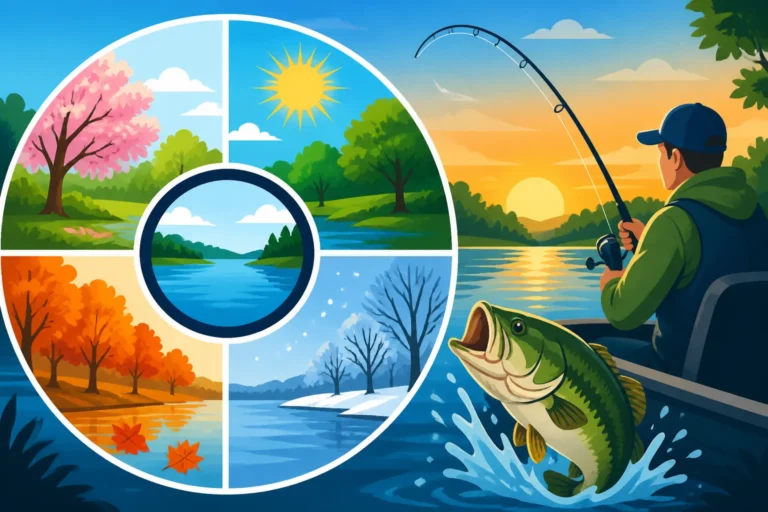
Muskie, like most fish, exhibit distinct seasonal patterns that dictate their location and feeding behavior. Knowing these patterns will significantly narrow down your search on Lake Wawasee.
- Spring (Ice-out to early June): After the ice thaws, muskie are often found in shallower bays and warming flats, particularly those with emerging weed growth. They're recovering from winter and are looking for easy meals. Focus on the northern end of the lake and areas like Johnson Bay, where water temperatures rise faster. This is a great time to throw smaller bucktails, jerkbaits, and even some topwater baits as the water warms. These early season fish can be aggressive as they prepare for the spawn. This overlaps with the Best Time of Year for Muskie Fishing in Indiana.
- Summer (June to August): As water temperatures rise, muskie often move to deeper weed edges, main lake points, and open water structures. They'll follow baitfish schools that seek cooler, more oxygenated water. This is prime time for trolling large crankbaits over deeper humps and along contour lines, or casting heavy gliders and soft plastics into thick cover during low-light conditions. Focus on those 15-30 foot ranges, especially during midday heat. Night fishing can also be productive during summer when boat traffic is minimal and muskie feel more comfortable feeding in shallower areas.
- Fall (September to November): Many muskie anglers consider fall to be the absolute best time for trophy fish. As water temperatures cool, muskie go on a feeding frenzy, bulking up for winter. They often move shallower again, holding tight to dense weeds, rock piles, and main lake points. Large, slow-moving baits like glide baits, large jerkbaits, and oversized soft plastics can be deadly. Pay close attention to any sudden weather changes, as a cold front can often trigger a strong bite just before or after it passes. This is when the Best Muskie Lures for Fall Fishing really shine.
- Winter (December to Ice-in): While not as popular, ice fishing for muskie on Wawasee can be done, though it requires specialized heavy tackle and patience. Muskie will relate to deeper breaks and structure during this time, often moving very little. Tip-ups with large live bait (where legal) are a common tactic, or jigging large spoons or soft plastics vertically. Always exercise extreme caution when ice fishing and ensure ice is safe.
Remember, muskie are often most active during low-light periods – dawn, dusk, and overcast days. However, they can strike at any time, so stay vigilant.
Essential Gear and Techniques
You can't go after a "fish of 10,000 casts" with just any old setup. Muskie fishing on Lake Wawasee demands specialized gear that can handle powerful fish and heavy baits.
- Rods and Reels: You'll need heavy-duty baitcasting setups. A good muskie rod will be between 8 and 9.5 feet long, with a heavy power rating and a fast to extra-fast action. This provides the leverage needed to cast large baits and fight big fish. Pair this with a robust baitcasting reel designed for muskie, featuring a high line capacity and a strong drag system. Look for models with a gear ratio that allows you to work large baits effectively. When considering your setup, remember that Best Rods for Muskie Fishing often depends on personal preference for length and action, but heavy power is non-negotiable.
- Line: Braided line, typically 80 to 100-pound test, is the standard. It has no stretch, providing excellent sensitivity and hook-setting power. Always use a heavy-duty leader (fluorocarbon, wire, or titanium) of at least 100-pound test to prevent bite-offs from their razor-sharp teeth.
- Lures: The variety of muskie lures is vast, but on Wawasee, you'll want a selection of:
- Bucktails: These are classic muskie killers, especially effective in and around weed beds. Large, double-bladed models create significant flash and vibration.
- Jerkbaits/Glide Baits: These lures are worked with a snap-pause retrieve, mimicking an injured baitfish. They can be incredibly effective when muskie are holding tight to cover.
- Crankbaits/Swimbaits: For trolling or covering open water, large crankbaits that dive to various depths are essential. Swimbaits, both hard and soft, also offer realistic profiles.
- Topwater Lures: During low-light conditions or over shallow weed flats, topwater baits like walk-the-dog lures or prop baits can elicit explosive strikes.
- Techniques:
- Casting and Retrieving: Make long, accurate casts to cover, working your lure back with varying retrieves. The "figure-eight" at the boat is absolutely crucial – many muskie follow to the boat and will strike when you keep the lure in the water and perform a figure-eight motion. Learning How to Cast for Muskie effectively and tirelessly is key to muskie success.
- Trolling: As mentioned, effective for covering water. Use planer boards to spread out your lines and cover a wider area, especially in open water. Pay close attention to your speed and the action of your baits.
- Patience and Persistence: This cannot be stressed enough. Muskie fishing is a mental game as much as a physical one. You will have long stretches of nothing, but one cast can change everything. Stay focused, stay confident, and keep working those proven spots.
- Landing Gear: A large, muskie-specific landing net with a long handle and rubberized mesh is essential for safely landing these big fish. Also, keep long-nosed pliers, bolt cutters (for cutting hooks if necessary), and jaw spreaders handy for safe and efficient hook removal, especially if you plan to practice catch and release. Many Muskellunge Fishing in Indiana: What Anglers Need to Know guides emphasize proper handling for the fish's survival.
Table of Common Muskie Lure Types for Wawasee:
| Lure Type | Description | Best Use | Retrieval Style | Notes |
|---|---|---|---|---|
| Bucktails | Inline spinner with large blades and a skirt | Weeds, shallow flats, active fish | Fast, steady retrieve | Excellent for covering water and triggering aggressive strikes. |
| Jerkbaits | Hard plastic, lipless baits worked with rod snaps | Suspended fish, deep weed edges, rocky areas | Jerk, pause, reel | Mimics injured baitfish, can be very enticing. |
| Crankbaits | Hard plastic baits with a lip for diving | Trolling, covering open water, deep structure | Steady retrieve, varied speed | Diverse range for different depths and actions. |
| Glide Baits | Single-jointed or lipless bait with a wide side-to-side glide | Targeting specific cover, slow presentations | Twitch, pause, glide | Often used for big, wary fish; requires angler input for action. |
| Soft Plastics | Large swimbaits or shadtails on heavy jig heads | Deep water, vertical jigging, slow retrieves | Jigging, slow swim | Mimics large forage; can be fished effectively near the bottom. |
| Topwater | Prop baits, walk-the-dog lures | Low light, shallow flats, over submerged weeds | Erratic, surface retrieve | Exciting, visual strikes; best in calm conditions. |
Ultimately, success on Lake Wawasee for muskellunge comes down to a combination of knowledge, persistence, and the right gear. By focusing on the prime habitats and adapting your strategies to the seasons, you'll significantly increase your odds of experiencing the thrill of battling one of Indiana's most formidable freshwater fish.
Disclaimer
Fishing laws and regulations can change, and it is the angler's responsibility to stay informed. Always check the latest Indiana Department of Natural Resources (DNR) rules and regulations before heading out on the water. This guide is for informational purposes only and does not constitute legal advice.