Indiana Fishing Spots for Every Angler
One of the biggest hurdles for any angler in a state as diverse as Indiana isn't just knowing how to fish, but knowing where to cast a line. From the mighty waters of Lake Michigan to the quiet charm of a small farm pond, the sheer variety can be overwhelming. This comprehensive guide is designed to cut through the confusion, helping you discover the best Indiana fishing spots perfectly suited for your angling style, target species, and desired experience.
Understanding Indiana's Diverse Fishing Landscape
Indiana might be known for its cornfields, but beneath the surface, it boasts an incredibly rich and varied aquatic environment. Anglers often underestimate the sheer diversity of fishing opportunities available across the state, from the northern glacial lakes carved by ice thousands of years ago to the sprawling, man-made reservoirs of central and southern Indiana, and of course, the grand expanse of Lake Michigan. Each type of water body presents its own challenges and rewards, catering to different species and fishing techniques. Knowing this fundamental difference is the first step to unlocking Indiana's full fishing potential.
The Unique Charms of Glacial Lakes
Up in the northern stretches of Indiana, particularly in counties like Kosciusko, Steuben, and Noble, you'll find a network of natural, deep-water lakes. These are the remnants of ancient glaciers, characterized by clear waters, varied depths, and often complex bottom structures. These lakes are a world away from the murky rivers or vast reservoirs, offering a distinct fishing experience.
Species like northern pike, muskellunge, and walleye thrive in these cooler, oxygen-rich environments. The clear water demands a more subtle approach from anglers, often requiring longer casts, lighter lines, and a keen eye for subtle bites. Many of these lakes, like Lake Wawasee, are renowned for their muskie populations, drawing dedicated trophy hunters from across the Midwest. The distinct ecosystem of these lakes means that strategies that work elsewhere in the state might not be as effective here, requiring a nuanced understanding of their specific characteristics.
The Expansive World of Indiana Reservoirs
As you move towards central and southern Indiana, the landscape shifts to rolling hills and large, man-made reservoirs. These bodies of water, such as Monroe Lake, Patoka Lake, and Brookville Lake, were created primarily for flood control, water supply, and recreation. They tend to be much larger and often shallower than their glacial counterparts, with more varied shorelines and submerged timber.
These reservoirs are the undisputed champions for bass and crappie fishing in Indiana. Their warmer, nutrient-rich waters provide ideal habitats for these prolific species. You'll find vast expanses of standing timber, rocky points, deep channels, and sprawling flats, all of which hold fish depending on the season and conditions. Catfish, bluegill, and even hybrid striped bass (wipers) also do exceptionally well here, offering a diverse array of angling pursuits. The sheer size of these reservoirs means that knowing specific access points and understanding how fish relate to cover and structure is crucial for success.
The Dynamic Flow of Indiana's Rivers
Finally, Indiana's river systems, including the Wabash, White, and Tippecanoe rivers, offer an entirely different angling experience. These flowing waters present unique challenges and opportunities, constantly changing with water levels, current, and seasonal shifts. River fishing often requires different tackle, techniques, and a solid understanding of current breaks, eddies, and submerged structures.
Smallmouth bass are kings in many of these rivers, especially in the clearer, rockier stretches of the Tippecanoe and St. Joseph rivers. Anglers also target channel catfish, flathead catfish, and a variety of panfish in the slower, deeper pools and oxbows. The dynamic nature of rivers means that scouting access points and observing water conditions are paramount. While some sections are navigable by boat, many river anglers prefer wading or bank fishing, embracing a more intimate connection with the water.
Northwest Indiana: Lake Michigan and Its Tributaries
When people think of fishing in Indiana, often their minds drift to inland lakes or reservoirs. But for a truly unique and thrilling experience, the state's small but mighty stretch of Lake Michigan coastline, along with its connecting tributaries, offers a world-class fishery unlike anywhere else in the state. This region is a mecca for cold-water species, particularly salmon and steelhead, providing a vastly different angling adventure.
The Allure of Lake Michigan's Cold-Water Fishery
Indiana's portion of Lake Michigan might be small, but it's incredibly productive, especially for those chasing big, hard-fighting cold-water species. Anglers here primarily target Chinook salmon, Coho salmon, steelhead (rainbow trout), brown trout, and lake trout. The deep, cold waters of the lake provide the perfect habitat for these powerful fish.
During the warmer months, offshore trolling is the name of the game. Boats launch from ports like Michigan City or Portage and head out into the vastness of the lake, deploying downriggers and planer boards to present an array of spoons, flies, and plugs at various depths. This requires specialized gear and a good understanding of sonar and GPS, but the reward of a screaming reel and a silver missile leaping from the water is unparalleled. Many charter captains operate out of this region, and a quick search on a platform like FishingBooker can connect you with experienced guides who know the lake's ever-changing moods and fish patterns. Remember, the Lake Michigan Fishing Rules for Indiana Anglers are quite distinct from inland regulations, so always be sure to check them before heading out.
Pier and Shore Fishing Opportunities
While boat fishing dominates the offshore scene, Lake Michigan also offers fantastic pier and shore fishing, especially during the spring and fall runs. Iconic spots like the Michigan City Pier and the Portage Lakefront and Riverwalk offer easy access to deep water.
In the spring, as the lake begins to warm, brown trout and coho salmon move closer to shore, providing excellent opportunities for casting spoons, crankbaits, or even using spawn bags under a float. The fall, however, is when the region truly comes alive. As the salmon and steelhead migrate towards the tributary streams to spawn, they congregate near the piers and river mouths. This is when anglers line the banks and piers, often using heavier gear to battle these powerful fish. The Fall Salmon Run Fishing on Lake Michigan in Indiana is an event not to be missed, drawing anglers from all over the Midwest.
Tributary Fishing for Spawning Runs
The tributary streams that feed into Lake Michigan, such as Trail Creek, Salt Creek, and the Little Calumet River, become prime fishing grounds during the spring and fall spawning runs. Steelhead are particularly sought after in these streams.
When water levels are right, these smaller waterways offer exciting opportunities for wading anglers. Drifting spawn bags, salmon eggs, or small artificial baits under a float or bouncing bottom with jigs are popular and effective techniques. It's an intimate and challenging form of fishing that requires stealth, patience, and the ability to read flowing water. Be mindful of specific regulations for these streams, as they often have different rules regarding bait, tackle, and catch limits during the runs. The action can be fast and furious, but understanding the nuances of river fishing is key to success here.
The Glacial Lakes Region: Northern Indiana's Inland Gems
Moving away from the Great Lake, northern Indiana boasts a collection of natural, deep-water glacial lakes that offer a vastly different, but equally exciting, angling experience. These clear, often picturesque lakes, primarily found in the northeastern part of the state, are renowned for their trophy potential for specific species, making them a must-visit for dedicated anglers.
Muskie and Pike Paradises
If you're dreaming of tangling with a toothy, powerful predator, Indiana's glacial lakes are your best bet. Lakes like Lake Wawasee, Webster Lake, and James Lake in Kosciusko and Whitley counties are legendary for their muskellunge (muskie) populations. These apex predators demand heavy gear, large baits, and a good dose of patience, but the reward of landing a "fish of a thousand casts" is immense.
Anglers targeting muskie often spend countless hours casting massive bucktails, crankbaits, and glide baits, or slow-trolling large artificials. Understanding muskie habits, such as their preference for weed edges, submerged structures, and sudden drop-offs, is crucial. Nearby, lakes in Steuben County, like Lake James or Lake George, also hold healthy populations of northern pike, another aggressive predator that provides thrilling action, especially in the spring and fall. These lakes are part of The Glacial Lakes of Kosciusko County for Muskie and Pike, and anglers here truly embrace the challenge of hunting these formidable fish.
Walleye Wonders
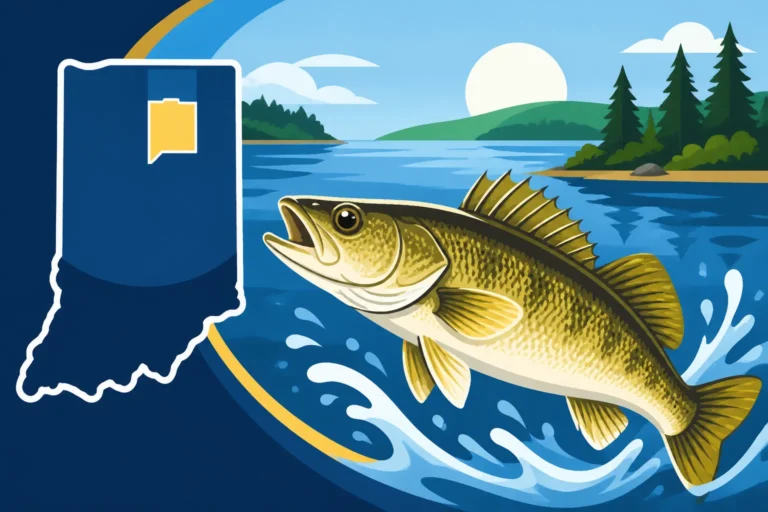
Beyond the muskie and pike, many of the glacial lakes also offer fantastic walleye fishing. The clear, deep waters and abundant forage make for excellent walleye habitat. Lakes such as Lake Wawasee, Lake Maxinkuckee, and Lake Webster are particularly popular for these elusive and highly prized game fish.
Walleye are often targeted by trolling crankbaits or spinner rigs during low light conditions, or by jigging blade baits or soft plastics along structure during the day. Their keen eyesight in clear water often means a stealthy approach and lighter lines are more effective. Night fishing for walleye can be particularly productive in these lakes, as these fish become more active under the cover of darkness. Be sure to check Indiana Walleye Length Limits by Lake as they can vary depending on the specific water body, with some lakes having special slot limits or minimum sizes.
Panfish and Bass Action
While the glamour species often steal the spotlight, the glacial lakes also provide excellent opportunities for more accessible fishing, particularly for panfish and largemouth bass. Bluegill, crappie, and redear sunfish thrive in the shallower, weedy bays and around docks and submerged structures.
These lakes are perfect for a relaxing day of bobber fishing with worms or crickets, especially for families and beginner anglers. Crappie often congregate around brush piles and docks, particularly in the spring. For largemouth bass, look for weed lines, lily pads, and fallen timber. Many of these lakes have clear water, which can make bass a bit trickier to catch, but also offers exciting sight-fishing opportunities on calm days. Using natural presentations and paying attention to cover can lead to some fantastic catches of chunky bass.
Central Indiana's Reservoirs: Bass, Crappie, and Catfish Havens
As we move south into the heart of Indiana, the landscape transforms into rolling hills dotted with massive, man-made reservoirs. These sprawling bodies of water are the bread and butter for many Hoosier anglers, providing consistent action for a wide variety of popular game fish. If you're looking for abundant bass, crappie, or catfish, these reservoirs are where you'll want to focus your efforts.
Reigning Supreme for Largemouth Bass
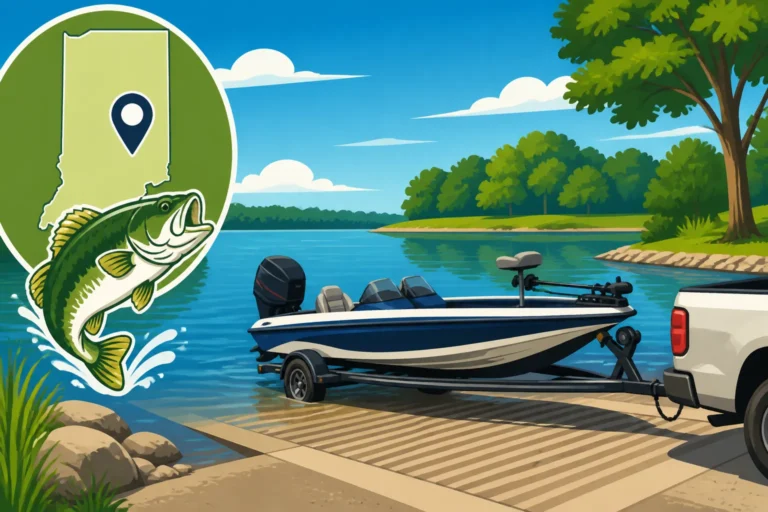
Indiana's reservoirs are arguably the state's premier destinations for largemouth bass fishing. Their expansive waters, rich in submerged timber, rocky points, and varying depths, create ideal habitats for these hard-fighting fish. Monroe Lake, being Monroe Lake: Indiana's Largest Lake for Bass Fishing, is a prime example, known for its consistent bass tournaments and trophy potential. Patoka Lake and Brookville Lake are also high on the list for serious bass anglers.
Anglers here employ a wide array of techniques, from flipping jigs into dense brush to cranking rocky points and working topwater lures over submerged grass beds. The key to success often lies in understanding seasonal patterns – where bass go during the pre-spawn, spawn, post-spawn, and deeper water during summer and winter. Many local guides specialize in reservoir bass fishing, and securing a trip through a service like FishingBooker can significantly shorten the learning curve, putting you on fish faster and teaching you the nuances of these vast waters. When looking for Best Bait for Largemouth Bass in Indiana Lakes, consider everything from soft plastics to spinnerbaits, adapting to conditions.
Crappie Hotspots
Beyond bass, these reservoirs are absolute crappie factories. Whether you prefer black crappie or white crappie, you'll find healthy populations in virtually all of Indiana's major impoundments. Patoka Lake, Monroe Lake, and Salamonie Lake are consistently praised for their crappie fishing.
Crappie tend to congregate around structure, making submerged brush piles, standing timber, and bridge pilings prime targets. In the spring, they move into shallower water to spawn, becoming more accessible to bank anglers and those fishing from docks. During the summer and winter, they often suspend in deeper water or relate to deep structure. Anglers typically use light tackle, small jigs, and live minnows to entice these delicious panfish. Knowing the reservoir's topography and finding established brush piles (often marked by local anglers or found with a good fish finder) is a game-changer for crappie success.
Catfish Abundance
For those who enjoy the thrill of battling a big whiskered fish, central Indiana's reservoirs offer excellent catfishing. Channel catfish are abundant and widely distributed, while larger flathead and blue catfish can also be found in some of the deeper, more riverine sections of these impoundments.
Targeting catfish often involves bottom fishing with a variety of baits, from cut bait and chicken livers to stink baits and even hot dogs. Look for deeper channels, points, and areas with submerged timber or rock piles. Night fishing is a particularly effective strategy for catfish, as they are primarily nocturnal feeders. Many anglers use heavy-duty tackle and rely on patience, waiting for that tell-tale slow drag on their line. These waters are well-known for producing impressive numbers, and even trophy-sized catfish, making them a fantastic option for a relaxed evening of fishing with friends or family.
Rivers and Streams: Flowing Waters for Smallmouth and Catfish
While lakes and reservoirs get a lot of attention, Indiana's extensive network of rivers and streams offers an entirely different, often more intimate, angling experience. These flowing waters are dynamic environments, constantly changing with rainfall and current, and they host a unique array of fish species that thrive in moving water.
Smallmouth Bass Adventures
If you're a fan of smallmouth bass, Indiana's rivers are where you'll want to be. Unlike their largemouth cousins, smallmouth prefer cooler, clearer, and rockier currents, often found in the northern and central parts of the state. The Tippecanoe River, the St. Joseph River (south of South Bend), and sections of the White River are renowned for their smallmouth populations.
River smallmouth are known for their aggressive strikes and powerful fights, often leaping acrobatically when hooked. Anglers typically target them with crankbaits, spinnerbaits, tubes, and soft plastic grubs, casting to current seams, eddies, rock piles, and fallen timber. Wading is a popular and effective method in many of these rivers, allowing anglers to stealthily approach prime holding water. Kayaks and canoes are also excellent for floating and fishing specific stretches, giving you access to less pressured areas. Understanding river current and how fish position themselves in relation to it is paramount for consistent success.
Catfishing in the Big Rivers
Indiana's larger rivers, most notably the mighty Wabash River and sections of the White River, are legendary for their abundant and often enormous catfish. Channel catfish are widespread and common, but these rivers are also prime territory for trophy flathead and blue catfish.
For many, Fishing the Wabash River in Indiana is a quintessential Hoosier experience. Anglers targeting channel cats often use traditional bottom-fishing rigs with stink baits, cut bait, or worms in slower pools and channels. For the truly monstrous flatheads and blues, live bait such as bluegill or shad, fished on heavy-duty gear near deep snags and log jams, is the preferred method. River catfishing can be a patient game, often requiring overnight trips or long evenings, but the reward of hooking into a 20, 30, or even 50-pound flathead is an unforgettable battle. Shore access is available at numerous public parks and boat ramps along these rivers, making it accessible to many.
Panfish and Other Species
Beyond smallmouth and catfish, Indiana's rivers also hold a variety of panfish, particularly rock bass (redeye) in the clearer, rocky streams, and various sunfish and crappie in the slower, deeper sections and backwaters. White bass can also provide explosive action in some rivers during their spring spawning runs.
These smaller species often fall for traditional baits like worms, small spinners, and jigs. Fishing eddies, log jams, and calmer pools often yields good results. While not always the primary target, encountering a feisty rock bass or a cooperative school of white bass can add an unexpected layer of fun to a river fishing trip. Always be mindful of currents and boat traffic, especially on larger rivers, and prioritize safety when wading or boating in flowing water.
Family-Friendly and Accessible Fishing Spots
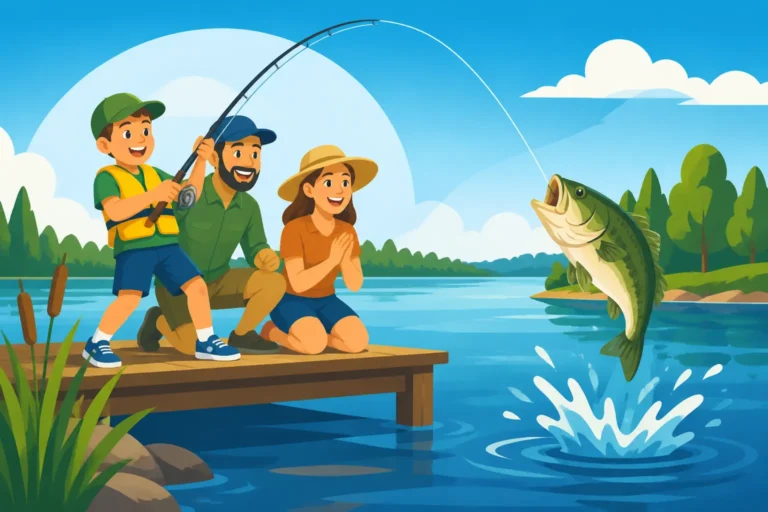
Fishing is a fantastic activity for families, providing an opportunity to connect with nature, create lasting memories, and maybe even teach a little patience! Thankfully, Indiana offers numerous fishing spots specifically designed with accessibility and family fun in mind, ensuring that anglers of all ages and abilities can enjoy a day on the water.
Ponds and Small Lakes for Beginners
For those just starting out, or for families with young children, small ponds and managed urban lakes are ideal. These waters are often stocked regularly by the Indiana Department of Natural Resources (IDNR) with easy-to-catch species like bluegill, channel catfish, and sometimes even trout in designated areas. They typically offer easy bank access, often with mowed grass and comfortable surroundings.
Examples include many city park ponds across the state – places like Eagle Creek Park in Indianapolis, numerous county parks, and dedicated fishing access sites. These spots are perfect for teaching kids how to cast a line, bait a hook, and feel the excitement of a bite. Simple tackle, such as a bobber, a hook, and a worm, is all that's usually needed for a successful outing. The focus here is less on trophy fish and more on frequent bites and the joy of the experience. Many of these locations are listed under Family-Friendly Fishing Spots in Indiana.
State Parks with Fishing Opportunities
Indiana State Parks are absolute gems, often offering excellent fishing opportunities within a safe, scenic, and well-maintained environment. Many parks feature lakes or access to rivers, complete with amenities like restrooms, picnic areas, and playgrounds, making them perfect for a full family day trip.
Lakes within state parks, such as those at Pokagon State Park (Lake James), Turkey Run State Park (Sugar Creek), or Versailles State Park (Versailles Lake), provide diverse fishing for bass, crappie, bluegill, and sometimes catfish. Some parks even offer boat rentals, making it easy to get out on the water without owning your own vessel. These locations are excellent for multi-generational outings, combining fishing with hiking, wildlife viewing, and other outdoor activities. Always remember to respect park rules and obtain any necessary permits or licenses.
Accessible Piers and Bank Access
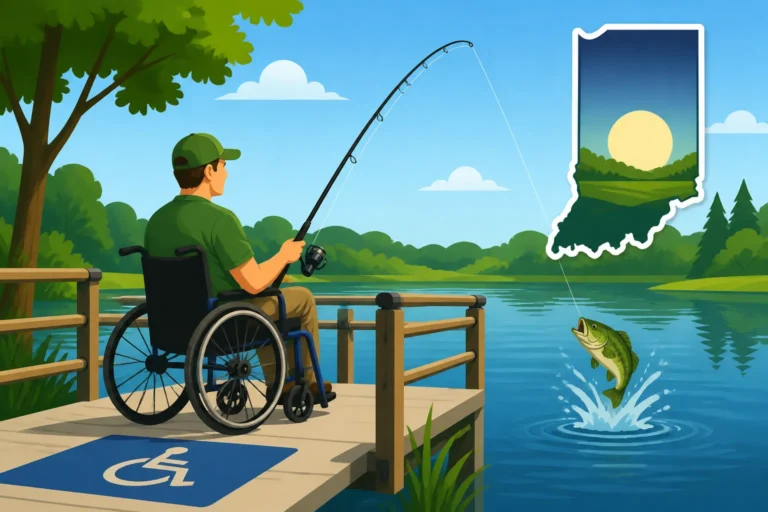
Accessibility is a growing priority for outdoor recreation, and Indiana has made strides in providing fishing spots that cater to individuals with mobility challenges. Many public lakes, reservoirs, and even some rivers feature ADA-compliant fishing piers, paved trails leading to prime bank fishing spots, and accessible parking.
These facilities ensure that everyone, regardless of physical ability, can enjoy the simple pleasure of fishing. Look for state-managed public access sites, often indicated on IDNR fishing guides or local parks department websites. These spots are not just for those with mobility issues; they also offer convenient, safe, and clean fishing environments for anyone. Examples can be found on larger reservoirs like Patoka Lake and Monroe Lake, which have numerous developed access points, including paved ramps and accessible bank fishing areas. This commitment to accessibility means that the joy of fishing is truly for every angler.
Finding Hidden Gems and Less-Pressured Waters
While popular fishing spots are popular for a reason – they hold fish – sometimes the crowds can detract from the experience. For many seasoned anglers, the real joy comes from discovering those hidden gems, the less-pressured waters where you can enjoy solitude and potentially find bigger, less wary fish. Indiana has plenty of these, if you know where and how to look.
Utilizing Online Resources and Local Knowledge
The first step to finding those quieter spots is to leverage the vast amount of information available. The Indiana Department of Natural Resources (IDNR) website is an invaluable resource, offering detailed maps of public access sites, lake and river guides, stocking reports, and fish population surveys. These reports often highlight smaller, lesser-known lakes or specific sections of rivers that might not get as much attention as the main hotspots.
Beyond official sources, online fishing forums and local bait shops are goldmines of information. While specific spots might be guarded secrets, asking general questions about less-pressured areas or local techniques can often point you in the right direction. Strike up conversations with bait shop owners – they're often the most knowledgeable people in the area and can give you current conditions and recommendations. Sometimes, a general tip about an obscure public access point can lead to a fantastic day of fishing.
Scouting Remote Access Points
Many overlooked fishing spots aren't "secret" because they're hidden, but because they're harder to access. These might be sections of rivers with challenging bank access, smaller county-owned lakes with limited parking, or public access points that require a bit of a hike. The willingness to walk a little further or navigate a slightly rougher path often pays off with less competition and more natural fishing experiences.
Utilize satellite maps (like Google Earth or fishing apps) to identify potential access points, remote bends in a river, or secluded coves on larger lakes that might not be reachable by traditional boat ramps. Look for undeveloped shorelines within public lands, small parking areas, or even just shoulder parking near a bridge or culvert. Always be respectful of private property and adhere to "no trespassing" signs. Sometimes, a short walk down an old logging road or a paddle into a quiet bay can lead to an incredible day of fishing on unpressured waters.
Embrace Different Species and Techniques
Another way to find less-pressured waters is to broaden your angling horizons beyond the "glamour species." While everyone might be chasing bass or walleye, perhaps the local reservoir has an incredible population of channel catfish that are overlooked, or a quiet stream holds feisty rock bass. By targeting less popular species, you often find yourself in less crowded areas.
Similarly, consider trying different techniques. If all the boat anglers are trolling the main lake, perhaps exploring the shallow, weedy bays with topwater lures from a kayak will yield great results. If everyone is casting from the popular pier, maybe exploring an adjacent, less-frequented stretch of shoreline with a slip bobber rig will surprise you. Being versatile and adaptable can open up a whole new world of fishing opportunities in spots that others might simply pass by.
Seasonal Considerations for Optimal Fishing
Fishing in Indiana isn't a one-size-fits-all affair; the time of year dramatically impacts where fish are, what they're eating, and how active they are. Understanding these seasonal patterns is crucial for maximizing your success, no matter which spot you choose to fish. The state's distinct seasons bring specific challenges and opportunities that wise anglers learn to anticipate and adapt to.
Spring: The Time of Renewal and Spawning Runs
Spring is a time of incredible activity in Indiana's waters. As ice recedes and water temperatures begin to climb, fish shake off their winter sluggishness and begin their pre-spawn movements. This is arguably one of the best times to fish for many species, as they congregate in shallower waters and feed aggressively to prepare for spawning.
Crappie, bluegill, and largemouth bass will move into warming coves, shallow flats, and around emergent vegetation. This makes them highly accessible to bank anglers and those in smaller boats. For walleye in the glacial lakes, early spring often means targeting them on rocky points and humps as they prepare for their spawn. And, of course, the spring also brings the thrilling steelhead runs into the Lake Michigan tributaries. Knowing the Indiana Fishing Seasons: A Month-by-Month Guide helps immensely, particularly for timing your trips around these crucial biological events.
Summer: Deep Water and Early Morning Bites
As water temperatures rise and summer sets in, fishing patterns often shift. Many species, particularly in shallower lakes and reservoirs, will move to deeper, cooler water during the heat of the day. This requires anglers to adjust their tactics, often focusing on early morning or late evening bites, or targeting deeper structures.
Bass may move to main lake points, submerged humps, or deep-water brush piles, often requiring slower presentations or bottom-contact lures. Crappie will suspend over deeper channels or relate to deep standing timber. Catfish, however, often become more active in the warm summer nights, making overnight trips on the big rivers or reservoirs highly productive. Lake Michigan offers consistent offshore trolling for salmon and trout throughout the summer, as these fish remain in the cooler deep waters. Don't forget that Indiana Anglers Need a New License Every April 1, so ensure your paperwork is in order before hitting the water.
Fall: The Feeding Frenzy and Salmon Runs
Fall is another fantastic season for Indiana fishing, often characterized by cooler temperatures and a renewed feeding frenzy as fish fatten up for winter. The vibrant autumn foliage also adds a beautiful backdrop to your angling adventures.
Many species, including bass, crappie, and walleye, become more active and aggressive as water temperatures cool. They'll often move back into shallower areas, making them easier to locate. This is also the prime time for the iconic salmon and steelhead runs on Lake Michigan and its tributaries, drawing crowds of anglers to the piers and river mouths. Muskie fishing in the glacial lakes can be particularly productive in the fall, as these giants go on a last big feeding binge. Understanding how Water Temperature and Fish Feeding Patterns correlate is key to fall success.
Winter: Ice Fishing and Deep-Water Tactics
Winter fishing in Indiana offers a unique and often peaceful experience, particularly for those who brave the cold for ice fishing. In northern Indiana, many of the glacial lakes and some shallower reservoirs will freeze over, providing opportunities to target panfish, walleye, and pike through the ice.
Ice fishing requires specialized gear, including augers to drill holes, insulated shelters, and small jigs or tip-ups. Safety is paramount when ice fishing; always check ice thickness and conditions before venturing out. For those who don't venture onto the ice, open-water fishing can still be productive, especially in deeper reservoirs and rivers that don't freeze over completely. Targeting deep holes in rivers for catfish or slow-jigging for bass and crappie in reservoir deep water can yield surprising results on milder winter days.
Table: Indiana Fishing Regions and Primary Target Species
To help you visualize the diverse opportunities across the state, here's a quick reference table highlighting Indiana's main fishing regions and the primary species you can expect to target in each. This isn't exhaustive, of course, but it gives you a good starting point for planning your next adventure.
| Region | Primary Water Bodies | Key Fish Species (Primary Targets) | Common Fishing Methods | Best Seasons |
|---|---|---|---|---|
| Northwest (Lake Michigan) | Lake Michigan, Trail Creek, St. Joseph River (lower) | Chinook Salmon, Coho Salmon, Steelhead, Brown Trout | Trolling, Pier Fishing, Drifting (tributaries) | Spring, Fall (runs); Summer (offshore) |
| Northeast (Glacial Lakes) | Lake Wawasee, Webster Lake, Lake James, Lake Maxinkuckee | Muskie, Northern Pike, Walleye, Largemouth Bass | Casting large lures, Trolling, Jigging, Live bait (panfish) | Spring, Fall (predators); Summer (panfish) |
| Central/South (Reservoirs) | Monroe Lake, Patoka Lake, Brookville Lake, Salamonie Lake | Largemouth Bass, Crappie, Channel Catfish, Wiper | Flipping/Pitching, Trolling, Bottom Fishing, Jigging | Spring, Summer, Fall |
| Rivers (Wabash, White, Tippecanoe) | Wabash River, White River, Tippecanoe River, St. Joseph River (upper) | Smallmouth Bass, Channel Catfish, Flathead Catfish | Casting lures, Wading, Bottom Fishing, Jug Fishing | Spring, Summer, Fall |
| Ponds/Small Lakes (Urban/Rural) | Various local ponds, IDNR public access sites | Bluegill, Channel Catfish, Largemouth Bass | Bobber fishing, Worms, Small jigs | Spring, Summer, Fall |
Getting Equipped and Legal: A Quick Checklist
Before you head out to explore Indiana's fantastic fishing spots, it's essential to ensure you're properly equipped and, most importantly, legal. Ignoring regulations can lead to fines and spoil your day on the water, so a little preparation goes a long way.
Essential Gear for Indiana Anglers
Having the right gear makes all the difference, especially when you're targeting specific species or fishing in diverse environments. For most general freshwater fishing in Indiana, you'll want a medium-action spinning rod and reel combo, suitable for a variety of lures and baits. A good tackle box stocked with basics like hooks, sinkers, bobbers, and a selection of artificial lures (crankbaits, soft plastics, spinnerbaits) is a must.
Beyond the basics, consider specialized gear for certain types of fishing. If you're heading to Lake Michigan for salmon, you'll need heavier trolling gear and potentially downriggers. Muskie fishing in the glacial lakes demands robust rods, reels, and specialized large lures. For river wading, a good pair of waders and wading boots will be indispensable. Don't forget essentials like a pair of pliers, line cutters, a net for landing fish, sunscreen, insect repellent, and plenty of water. A first-aid kit is always a smart addition to any fishing trip, no matter how short.
Understanding Licenses and Regulations
This is perhaps the most critical part of your preparation. Fishing without a valid Indiana fishing license is a common mistake and can result in significant penalties. Generally, all Indiana residents age 18 to 64 and non-residents 18 and older need a fishing license. Kids Free Fishing for Indiana Residents Under 18 and seniors also have specific rules. You can purchase your license online through the IDNR website, at a licensed retailer like Walmart or local bait shops, or by phone. It's quick and easy, so there's really no excuse not to have one. If you are a visiting angler, make sure you understand the Indiana Nonresident Fishing License Guide which has details on daily and weekly options.
In addition to the general license, if you plan to fish for trout or salmon in specific waters (like Lake Michigan and its tributaries, or designated trout streams), you will also need an Indiana Trout and Salmon Stamp Requirements. Always carry your license with you while fishing. Furthermore, it's vital to familiarize yourself with the Indiana Fishing Regulations and Bag Limits Guide. These regulations cover everything from minimum length limits for certain species (like bass, walleye, and pike) to daily bag limits and specific rules for different bodies of water. These rules are in place to protect fish populations and ensure sustainable fishing for future generations, so respecting them is part of being a responsible angler.
Disclaimer
Please remember that fishing regulations, conditions, and fish populations can change. Always consult the latest Indiana Department of Natural Resources (IDNR) fishing guide before heading out on the water. This article provides general information and recommendations but is not a substitute for official regulations. Exercise caution and practice safe boating and fishing techniques at all times.