Remote Fishing Coves on Patoka Lake
Have you ever arrived at one of Indiana's most beloved lakes, tackle box in hand, only to find the boat ramps teeming with trailers, the main coves dotted with pontoon boats, and the shoreline already lined with fellow anglers? It's a common frustration when all you truly crave is a quiet morning, a peaceful cast, and the chance to find some less-pressured fish. This guide is your secret map to unlocking the untouched beauty and hidden fishing potential of Patoka Lake's remote coves, offering strategies to escape the crowds and discover your own slice of Hoosier fishing paradise.
The Allure of Secluded Waters on Patoka Lake
There’s a unique satisfaction that comes with finding a fishing spot where the only sounds are the rustle of leaves, the chirping of birds, and the gentle splash of your lure hitting the water. Patoka Lake, despite its popularity, still holds these incredible secrets for those willing to seek them out. It’s about more than just catching fish; it’s about the entire experience of solitude and discovery.
Escaping the Hustle and Bustle
Many anglers visiting popular spots like the main recreation areas of Patoka Lake quickly realize how busy they can get, especially on a sunny weekend. The constant boat traffic, the wakes, and the shore anglers vying for space can be a lot. It’s tough to feel truly immersed in nature when you're constantly aware of others around you, sometimes even feeling rushed to reel in your catch so someone else can take your spot. This constant movement and noise can also put fish on edge, making them less likely to bite.
What many of us truly crave is that pure, uninterrupted connection with nature, the kind of quiet you only find by venturing off the well-trodden path. It’s about the deep breath you take as you round a bend and see an untouched cove, the only ripples on the water being those created by a rising fish. This is where the true magic of Patoka's remote coves comes into play. It’s not just about finding peace and quiet, but also about discovering waters where fish aren't constantly seeing baits, making them more receptive to your presentation.
The psychological benefit alone is immense. Leaving the crowded ramp and heading into the wilderness of Patoka's expansive arms offers a mental reset. It transforms a typical fishing trip into an adventure, a personal quest for serenity and sport. You're not just fishing; you're exploring, becoming a temporary part of the natural landscape, rather than merely an observer from a busy thoroughfare.
Unlocking Patoka's Hidden Fishing Potential
These less-visited coves often hold more relaxed, less pressured fish. Think about it: a fish that regularly sees dozens of lures and boats passing by is naturally going to be more cautious than one that only occasionally encounters an angler. Imagine casting into a pocket of still water, knowing that your lure might be one of the few that fish have seen all day. This isn't just a dream; it's a reality in many of Patoka's tucked-away corners.
These secluded areas typically have abundant natural cover, like flooded timber, brush piles, or healthy aquatic vegetation, which provides ideal habitat for various species. Without constant pressure, fish in these areas tend to be more aggressive feeders, less wary of a well-placed bait. Whether you're targeting largemouth bass, seeking out a new Patoka Lake Crappie Fishing Spots, or hoping to stumble upon some big bluegill, the remote coves offer a different kind of challenge and a potentially much greater reward.
Furthermore, remote coves can sometimes act as nurseries or sanctuaries for larger, more mature fish that have learned to avoid the busier sections of the lake. These untouched pockets offer a chance to explore parts of the lake that many casual anglers never even consider, leading to unique catches and truly memorable experiences. The sense of accomplishment when you hook into a quality fish from a spot you've discovered yourself is unmatched.
Navigating and Identifying Patoka Lake's Remote Havens
Patoka Lake's sheer size and intricate shoreline can be intimidating, but it also means there are countless nooks and crannies waiting to be explored. The key to finding these remote coves lies in understanding the lake's unique characteristics and using the right tools to scout them out.
Decoding Patoka's Unique Topography
Patoka Lake is a massive body of water, sprawling across Dubois, Orange, and Crawford counties, with countless fingers, coves, and hidden pockets carved out by its original creek beds. It was formed by damming the Patoka River, meaning much of its structure is based on the original river channel and its tributaries, which are now submerged. To find those remote gems, you really need to understand this underlying structure. Old river channels, submerged timber, and deep creek arms are often the highways to these secluded spots, providing fish with cover and travel routes.
When studying maps, look for areas where the contour lines are tight, indicating steep drop-offs into creek channels, or where they spread out, revealing shallow flats that might be difficult for larger boats to navigate. Also, pay close attention to the sheer length of some of Patoka's arms. The further you get from the main body of the lake or a major access point, the more likely you are to find less-pressured waters. These long, winding arms often hide smaller, protected coves that are perfect for a quiet day of fishing.
Understanding how the lake's water levels interact with its topography is also crucial. What might be a tight, shallow entrance to a cove during one season could be completely open and navigable, or conversely, completely inaccessible, during another. A thorough understanding of the lake’s physical layout, paired with real-time conditions, will greatly improve your chances of success.
Essential Tools for Your Scouting Mission
To effectively scout Patoka's remote coves, you’ll need more than just a keen eye. Satellite imagery, available through apps like Google Maps or even specialized fishing apps like Navionics or Lowrance's C-MAP, are invaluable. These tools allow you to virtually explore the lake from the comfort of your home, pinpointing those narrow entrances or shallow flats that keep larger, louder boats at bay. You can identify areas with dense timber, rocky outcrops, or expansive weed beds that might hold fish, all before you even launch your boat.
Beyond digital maps, don't underestimate the power of local knowledge. A quick chat with the folks at local bait shops in towns like Jasper, French Lick, or Paoli can provide insights that no app can replicate. They often know which areas get less pressure, where the fish have been biting recently, or where the water levels open up new access points seasonally. For detailed, real-time insights or to connect with local pros, online resources like FishingBooker can sometimes offer hidden gems of information or guide services tailored to Patoka Lake's specific challenges and opportunities. These local experts often have years of experience navigating the lake's intricacies and can quickly point you to remote areas that align with your fishing goals.
When planning your trip, consider what makes a spot "remote." It's usually distance and difficulty of access. Look for coves that are far from developed areas, campgrounds, or popular swimming beaches – these are your best bets for solitude. Also, scan the shoreline for signs of previous access, like worn paths or discarded fishing line, which might indicate a popular (and therefore less remote) spot. The truly hidden gems often show no signs of human activity.
Water Levels and Seasonal Access
Patoka Lake’s water levels can fluctuate significantly throughout the year, especially depending on rainfall and dam operations by the US Army Corps of Engineers. This dynamic nature means that finding a "remote cove" isn't a static proposition; it's a constant adventure of adapting to the lake's ever-changing personality. What might be an accessible, albeit narrow, channel in the spring with higher water could become a completely dry creek bed in late summer or fall, leaving a cove high and dry or requiring a long hike over exposed mudflats.
Conversely, higher water levels in spring can flood timbered areas that are usually exposed, opening up new, temporary remote fishing opportunities. These newly submerged forests create fantastic cover for fish and can be incredibly productive, but they are only accessible for short windows. Always check current lake levels before you go. The Indiana Department of Natural Resources (IDNR) website or local lake level apps can provide this vital information, allowing you to plan your trip effectively and avoid unexpected surprises.
Understanding these seasonal changes is key to consistent success. A remote cove that’s perfect for bass fishing in the spring floodwaters might be too shallow to even reach by summer. Being flexible and adaptable, and having a few alternative remote spots scouted out for different conditions, will ensure that your quest for solitude and good fishing is always rewarded, regardless of what the lake throws at you.
Reaching the Unreachable: Accessing Patoka's Hidden Spots
Once you've identified a promising remote cove, the next challenge is getting there. Traditional large fishing boats might be great for the main lake, but they often can't penetrate the shallow, obstacle-ridden waters that lead to the most secluded spots. This is where specialized approaches come into play.
The Versatility of Smaller Watercraft
When it comes to truly remote coves on Patoka Lake, your typical bass boat might struggle with shallow depths, submerged timber, or narrow passages. This is where smaller, agile vessels shine. Kayaks and canoes are kings here, allowing you to quietly paddle into shallow, timber-choked coves where larger boats dare not tread. The stealth of a kayak is a huge advantage, letting you approach fish without spooking them with engine noise or large shadows. Their shallow draft allows you to skim over submerged obstacles that would ground a bigger boat, opening up entirely new sections of the lake.
For those considering Kayak Fishing Setup Tips for Indiana Anglers, a dedicated guide can make all the difference, helping you equip your vessel for stability, storage, and ease of fishing in tight quarters. You'll want to prioritize lightweight, essential gear. Even a small jon boat with a high-thrust trolling motor can grant you access to areas just off the main channels that are too tight or shallow for bigger craft, providing a good balance between range and maneuverability. If you're looking to rent smaller fishing vessels or find a guide with the right equipment for these tight spots, platforms like FishingBooker can often help you locate such specialized services, ensuring you have the appropriate gear for your remote adventure. Remember, less engine noise equals less disturbance to the fish and a more peaceful experience for you.
Paddle craft also offer a fantastic physical workout, adding another layer of reward to your fishing trip. The ability to silently glide through calm waters, observing wildlife and feeling the solitude, is an experience that simply can't be replicated in a powered boat. Just remember to secure all your gear, as capsizing in a remote area is a challenge you definitely want to avoid.
The Adventurer's Approach: Hiking and Bank Fishing
For the truly intrepid angler, some remote coves on Patoka Lake are best accessed by foot. This often means parking at a less-used access point or a remote trailhead and hiking through wooded terrain, sometimes for a considerable distance, to reach a secluded shoreline. While challenging, the rewards can be immense. You might find yourself casting from an untouched bank into waters that rarely see a hook, giving you an advantage as the fish are likely less wary.
This method requires a different kind of preparation. You'll need sturdy, waterproof hiking boots, comfortable clothing, and a good quality backpack to carry your gear, water, and snacks. Lightweight, collapsible fishing rods are ideal for hiking, or you can opt for a short, single-piece rod that's easier to maneuver through brush. Consider guides on Bank Fishing Techniques for Beginners to optimize your approach from the shore, focusing on casting accuracy and stealth. Always check for public access points and respect private property boundaries; trespassing is illegal and damages the reputation of anglers.
The beauty of bank fishing in remote areas is the intimate connection it provides with the environment. You become part of the shoreline, moving slowly and deliberately, observing the subtle movements of nature around you. It's a true test of patience and observation, but the feeling of discovery when you stumble upon a pristine, unfished bank is unparalleled. Just be prepared for uneven terrain, potential wildlife encounters, and the physical exertion required to reach these hidden gems.
Prioritizing Safety in Secluded Settings
Venturing into remote areas always comes with inherent risks, and Patoka Lake is no exception. Cell service can be spotty or non-existent in many of its isolated coves. It is absolutely crucial to prioritize safety whenever you decide to explore off the beaten path. Always inform someone of your float plan or hiking route, including your exact destination (as best as you can describe it), your expected return time, and who to contact if you don't check in. This simple step can be a lifesaver if something goes wrong.
Pack a well-stocked first-aid kit that includes essentials for cuts, scrapes, insect bites, and any personal medications you might need. Carry extra water, snacks, and a way to signal for help, like a loud whistle, a mirror, or a personal locator beacon (PLB) or satellite messenger, especially if you're going deep into unpopulated areas. A fully charged power bank for your phone (even if service is limited, it can still be used for GPS or emergency calls if you reach a signal) is also a smart addition.
On the water, ensure your small craft is properly equipped with all necessary safety gear, including a U.S. Coast Guard-approved Personal Flotation Device (PFD) for every occupant, and that everyone wears it. Even on quiet Patoka Lake, unexpected weather changes can turn a serene outing into a dangerous situation quickly. A sudden thunderstorm or strong winds can make paddling back a significant challenge. Being prepared for these eventualities ensures your remote fishing adventure remains enjoyable, secure, and memorable for all the right reasons.
Mastering Techniques for Productive Remote Cove Fishing
Once you’ve successfully navigated your way to a secluded cove, the fishing itself often requires a slightly different approach than the main lake. The fish here are less accustomed to pressure, but they can still be wary, and your gear setup needs to match the conditions.
Tailoring Your Tackle for Seclusion
When you're heading into remote coves, especially if you're hiking or kayaking, portability and versatility are key. You don't want to drag your entire tackle box or a dozen rod-and-reel combos. Instead, focus on a compact, yet effective setup. A medium-light to medium power spinning rod and reel combo, loaded with 6-10 lb fluorocarbon or braided line, is often perfect. This setup offers enough backbone to handle a decent fish but is sensitive enough for lighter presentations.
This versatile setup allows you to throw a variety of lures, from small jigs for crappie to lighter Texas rigs for bass. Bring a small, organized tackle box or a compact lure bag with a selection of essential baits: a few small crankbaits, spinnerbaits, soft plastic worms, creature baits, and perhaps a couple of topwater lures for early morning or late evening action. Don't forget an assortment of jig heads, hooks, and weights. Consider reviewing guides like Best Tackle for Crappie Fishing in Indiana or How to Fish a Texas Rig for Bass to optimize your lure selection for these less-pressured areas. The goal is to be prepared for various scenarios without being overburdened.
Having a good pair of pliers or forceps, a small stringer or cooler for your keepers, and a small landing net (especially important for muskie if you happen to hook into one, though less common in small coves) will round out your essential gear. The less you carry, the more agile you’ll be, making for a more enjoyable and efficient remote fishing experience.
The Art of Stealth and Precision
Fish in remote coves, while less pressured, can still be easily spooked by noise or sudden movements, especially in clear water. This means your approach and presentation need to be as stealthy and precise as possible. Approach these areas slowly and quietly. If you’re in a kayak or canoe, paddle gently and avoid banging paddles against the boat. If you’re bank fishing, move deliberately along the shoreline, using natural cover like trees and brush to conceal your presence. Avoid stomping or creating vibrations that can travel through the bank into the water.
Long, accurate casts are crucial here, allowing your bait to land softly without splashing and disturbing the water. Practice pitching and flipping your lures into tight cover—like around submerged logs, brush piles, or under overhanging branches—as these spots often hold ambush predators like bass and crappie. The idea is to make your lure's entry into the water as subtle as possible, mimicking natural prey falling in. Minimize retrieves that create excessive wake or noise.
Once your bait is in the strike zone, focus on slow, deliberate presentations. These fish may not be as aggressive as heavily pressured fish, so a slower retrieve or a prolonged soak of a soft plastic can often entice a bite. Pay close attention to your line for subtle taps or unnatural movements, as bites can sometimes be very light. The less disturbance you create, the more natural your presentation will feel to the fish, significantly increasing your chances of success.
Species-Specific Strategies for Patoka's Hidden Gems
Patoka Lake offers a diverse range of species, and while you might encounter anything in a remote cove, focusing on common targets with tailored strategies will yield the best results.
- Bass (Largemouth & Smallmouth): In remote coves, look for bass holding tight to structure. This could be flooded timber, fallen trees, rock piles, or even thick aquatic vegetation in the shallow back ends of coves. Soft plastics, like stick worms (e.g., Senkos), creature baits, or curly-tail worms, rigged on a How to Fish a Texas Rig for Bass or a shaky head, are incredibly effective. Cast these baits into and around cover, letting them fall slowly. Early mornings and late evenings in these secluded spots are prime for topwater action, as bass will often cruise the shallows looking for an easy meal. Buzzbaits, poppers, or walking baits can create explosive strikes.
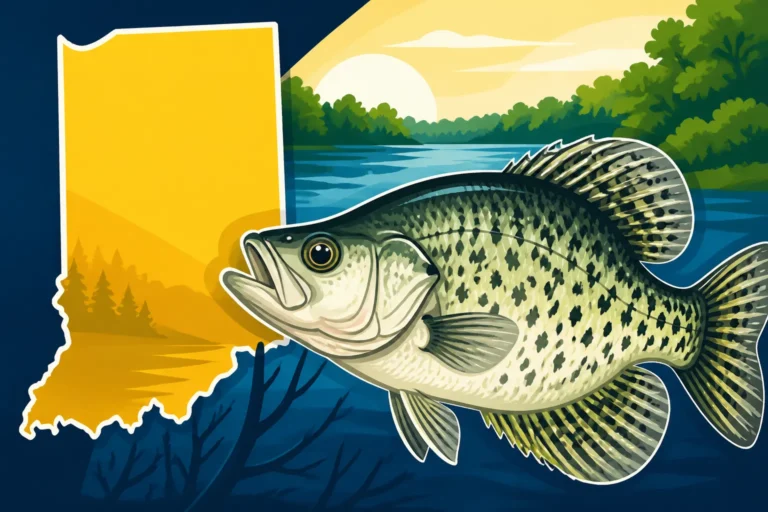
- Crappie: Crappie often school up around submerged brush, standing timber, or old creek channels that wind through the coves. Small jigs, often tipped with a minnow or a tiny plastic grub (like a tube jig or a curly-tail grub), are hard to beat. Vertical jigging directly over cover or suspended crappie is a classic technique, but casting and slowly retrieving a jig along the edges of brush piles can also be very productive. Remote coves with plenty of wood cover are often untapped Patoka Lake crappie fishing spots just waiting to be discovered, especially during the spring spawn when they move shallow.
- Panfish (Bluegill, Redear Sunfish): These smaller but feisty fish are usually found in shallower water, often near weeds, lily pads, under overhanging branches, or around docks (if any exist in your remote area). Simple tactics work best: a small worm or cricket under a bobber is a timeless method that rarely fails. Tiny jigs, small spinners, or fly-fishing with small poppers can also be incredibly fun and effective. These are fantastic fish for a relaxed outing, and remote coves offer some of the best opportunities for consistent action, especially when Best Time of Year to Fish Patoka Lake for Bass in Indiana is in full swing, and other anglers are focused elsewhere, leaving the panfish undisturbed.
Remember that fish patterns can change daily with weather, water temperature, and time of year. Be observant, be willing to experiment with different baits and presentations, and most importantly, enjoy the tranquility and challenge of remote cove fishing on Patoka Lake.
| Access Method | Ideal Watercraft | Key Gear Considerations | Common Target Fish | Advantages | Challenges |
|---|---|---|---|---|---|
| Paddle Power | Kayak, Canoe, SUP | Lightweight rods, PFD, dry bag, small tackle box, anchor | Bass, Crappie, Panfish | Stealth, access to shallow/tight spots, exercise | Limited gear capacity, weather exposure, physical effort |
| Small Motorized Boat | Jon Boat, Small Aluminum | Shallow-draft boat, trolling motor, extra battery, depth finder | Bass, Crappie, Catfish | Covers more water than paddle, good for moderate shallows | Still limited by extreme shallows/obstructions, some noise |
| Foot/Bank Fishing | N/A | Backpack, water, comfortable shoes, compact tackle, bug spray | Bass, Panfish, Catfish | Ultimate stealth, reach truly unfished banks, no boat needed | Limited range, physical exertion, navigating terrain, potential poison ivy |
Disclaimer
Fishing regulations, lake conditions, and safety guidelines can change. Always check the latest Indiana Department of Natural Resources (IDNR) regulations before heading out. This guide is for informational purposes only and does not constitute professional advice. Anglers are responsible for their own safety and adherence to all laws.