Does an Ohio Fishing License Work in Indiana?
It's a really common question, especially for us Hoosiers and our neighbors who love to cast a line. You're standing at the state border, tackle box in hand, wondering if that shiny fishing license you just bought in Ohio will let you legally fish the waters here in Indiana. It’s a completely fair thought – after all, a fish doesn’t know state lines, right? Unfortunately, the regulations often do. This guide is here to clear up that confusion, specifically for Ohio anglers, explaining exactly what you need to know and do to enjoy fishing in the Hoosier State without any unwelcome surprises from conservation officers.
Understanding Reciprocity Between States
When it comes to fishing licenses, "reciprocity" is a term you hear a lot, and it essentially means whether one state recognizes another state's license. While it makes logical sense that an angler with a valid license from a neighboring state might be able to fish across the border, the reality is often more complex and, frankly, less convenient than we'd hope. Each state manages its own wildlife and fisheries, and the revenue from license sales directly funds those conservation efforts.
Why State Lines Matter for Fishing Licenses
Think about it this way: your car registration or driver's license from Ohio doesn't automatically mean you can drive legally for months on end in Indiana without eventually needing to transfer things over, right? Fishing licenses operate under a similar principle, but often more strictly. States like Indiana rely on the revenue generated from their fishing licenses to fund everything from fish stocking programs in our lakes and rivers to enforcement of fishing regulations by Indiana Department of Natural Resources (DNR) conservation officers. If Indiana simply honored every Ohio fishing license, a significant portion of that critical funding for our local waters would disappear, impacting the very fisheries we all want to enjoy.
It's a financial model as much as it is a legal one. The funds go directly into surveys, habitat restoration, fish hatcheries, and the salaries of the folks protecting our natural resources. So, while it might feel a bit bureaucratic to buy a new license just for crossing a state line, it’s all part of the larger system that keeps our fishing opportunities healthy and abundant. Many anglers find this frustrating, especially those who live close to the border and frequently visit both states. It often means carrying multiple licenses, which can feel like a burden, but it’s a necessary part of supporting the local fishing ecosystems.
The Specifics for Ohio and Indiana
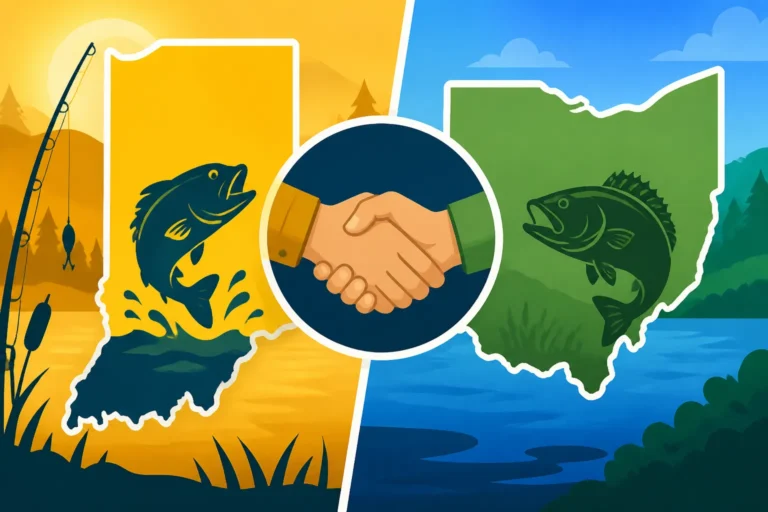
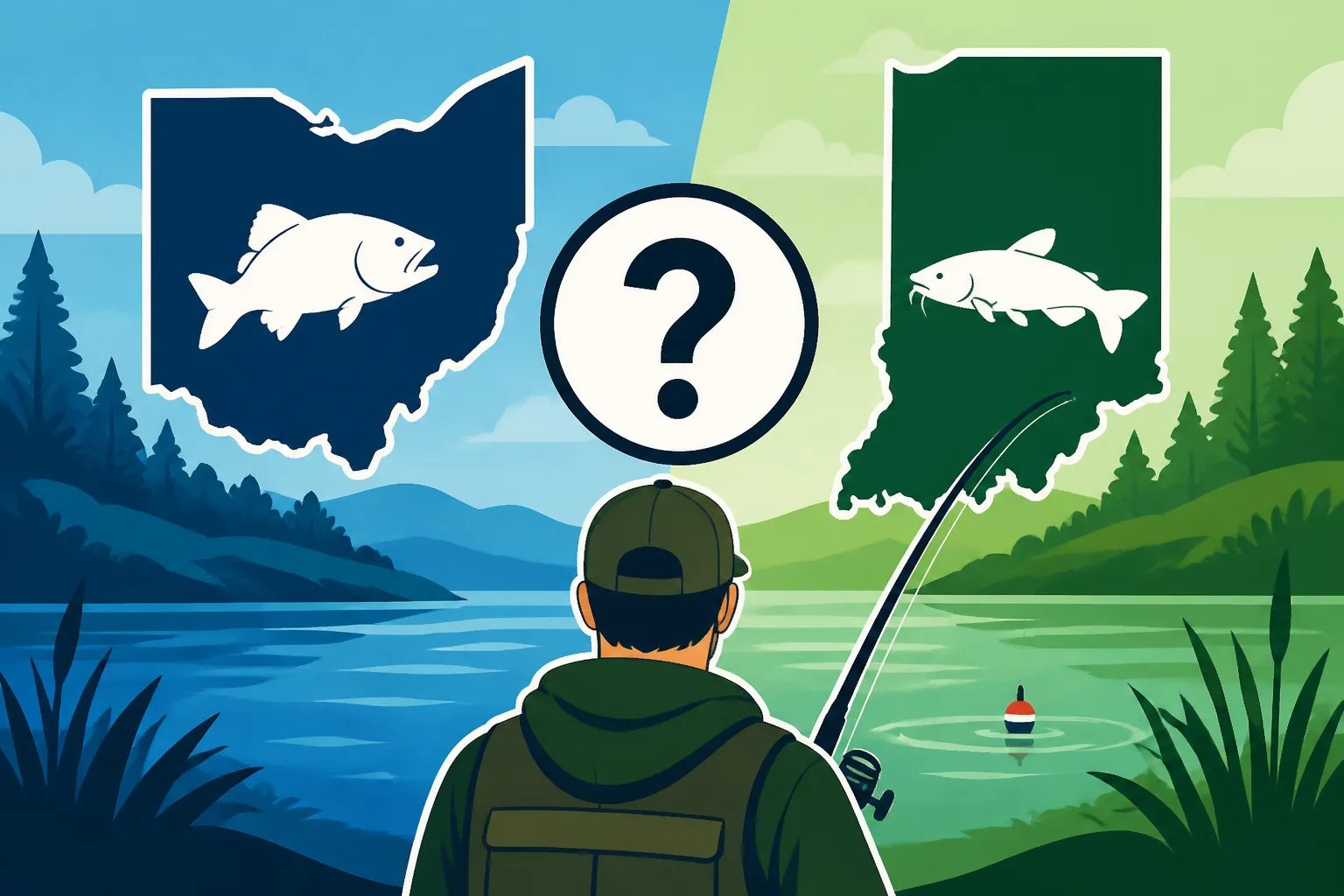
Let's get straight to it: No, an Ohio fishing license does not work in Indiana. If you are an Ohio resident and you want to fish in Indiana waters, you absolutely need to purchase an Indiana fishing license. This applies whether you're planning a weekend trip to fish Monroe Lake, casting lines for bass in Patoka Lake, or hoping to try your luck for walleye up in the glacial lakes region. There's no blanket reciprocity agreement between Indiana and Ohio that allows a full fishing license from one state to be valid in the other. While some states have specific agreements for certain border rivers or lakes (like a few along the Ohio River between Indiana and Kentucky, or parts of the Wabash River with Illinois), there is no such general agreement for Ohio anglers to fish in Indiana with just their home-state license. This is a common point of confusion, and it’s always better to be safe than sorry when it comes to state regulations.
What Ohio Anglers Need to Fish in Indiana
So, if your Ohio license won't cut it, what do you need? The good news is that obtaining an Indiana fishing license as a nonresident is straightforward, and there are several options designed to fit different trip durations. It's really about choosing the right license for your plans.
Indiana Nonresident Fishing License Options
Indiana offers a range of nonresident fishing licenses, so you don't necessarily have to commit to a full annual license if you're just visiting for a short time. This flexibility is great for vacationers or those just looking to try out Indiana's diverse fishing spots.
Here's a breakdown of the main choices:
- Nonresident Annual Fishing License: This is your best bet if you plan on making multiple trips to Indiana throughout the year. It covers you from April 1st of the current year through March 31st of the following year. For Ohio residents, this is the most comprehensive option if you foresee several fishing excursions. You can find detailed information about the Indiana Nonresident Annual Fishing License Cost in another one of our guides.
- Nonresident 7-Day Fishing License: Perfect for a week-long vacation or an extended fishing trip. This license is valid for seven consecutive days from the date of purchase. It's often a cost-effective choice for those who want to spend a dedicated block of time exploring Indiana's waters. Our guide on the Nonresident 7-Day Fishing License Cost in Indiana breaks down the pricing.
- Nonresident 1-Day Fishing License: If you're just popping over the border for a single day of fishing, this is your most economical option. It's valid for 24 hours from a specified start time. Many Ohio anglers use this for quick day trips. You can learn more about the Nonresident 1-Day Fishing License Cost in Indiana to see if it fits your budget.
Each of these licenses allows you to legally fish in Indiana's public waters, adhering to all state Indiana Fishing Regulations and Bag Limits Guide. It's crucial to pick the license that best matches your trip length to avoid overspending or, worse, being under-licensed.
Where to Purchase an Indiana Nonresident License
Getting your Indiana fishing license is pretty hassle-free these days. You have a few convenient options, so you can pick the one that works best for your schedule.
- Online: This is by far the easiest and fastest way to get your license. The Indiana DNR website offers a secure platform where you can purchase your license in minutes from the comfort of your home. You just fill in your details, pay with a credit card, and you can print your license or save an electronic copy to your phone. Many anglers find this method the most convenient. We have a full guide on Buying a Fishing License Online in Indiana that walks you through the steps.
- In Person: If you prefer a physical transaction or need to ask questions, you can purchase a license from any authorized license vendor throughout Indiana. These vendors include many sporting goods stores, bait shops, and some retail chains. A quick search on the Indiana DNR website can help you locate the nearest vendor to your fishing destination. This is a great option if you like to pick up local bait and get some fishing tips at the same time!
- By Phone: You can also purchase a license over the phone by calling the Indiana DNR's customer service number during business hours. They will process your payment and provide you with a confirmation number, and you can then print your license at home or receive it by mail.
No matter which method you choose, make sure to have a valid form of identification (like your Ohio driver's license) ready, as it will be required to verify your residency status for purchasing a nonresident license. And always, always carry your license with you while fishing – either a physical copy or a digital one on your phone. Conservation officers routinely check for licenses, and not having it can lead to problems.
Special Cases and Border Waters
While the general rule is that an Ohio license won't work in Indiana, it's worth exploring if there are any unique situations or additional requirements that Ohio anglers should be aware of, particularly if they're used to different regulations back home.
Reciprocity on Shared Border Waters
This is where things can get a little tricky and often lead to misunderstandings. While some states bordering Indiana do have reciprocity agreements for specific shared waterways (for example, Indiana and Kentucky have a limited reciprocity agreement on the Ohio River, and Indiana and Illinois have one for the Wabash River), Indiana does not have a general reciprocal agreement with Ohio for border waters. This means if you're an Ohio resident fishing a lake or river that happens to be near the Indiana border, you still need an Indiana nonresident license if you're in Indiana waters.
It’s easy to assume that if you're on a river like the St. Marys or the Maumee, which flow through both states, your Ohio license might be valid everywhere. However, the legal boundary is typically the state line itself, often the middle of the river or a specific surveyed demarcation. Unless there's a formal, explicit reciprocal agreement in place for that exact waterway and both states confirm it, you should always assume you need the license for the state whose water you are fishing in. This is why it's so important to be certain, and not just assume. For comprehensive information on how Indiana handles licenses with other neighboring states, check out our guide on Indiana Fishing License Reciprocity With Ohio. And for comparison, you might be interested in knowing Does a Michigan Fishing License Work in Indiana?.
The Indiana Trout and Salmon Stamp for Ohio Anglers
Beyond the basic fishing license, some specific types of fishing in Indiana require an additional stamp. For Ohio anglers planning to target certain highly sought-after species, this is a crucial detail not to overlook.
If you plan to fish for trout or salmon in Indiana, you will need to purchase an Indiana Trout and Salmon Stamp in addition to your regular nonresident fishing license. This stamp is mandatory for anyone, resident or nonresident, who is fishing for or possessing trout or salmon. This includes species like Chinook salmon, Coho salmon, steelhead (rainbow trout), brown trout, and lake trout, which are predominantly found in Lake Michigan and its tributaries, as well as in various stocked inland trout streams and lakes.
The cost of this stamp is separate from your main fishing license and is an essential purchase if these species are on your target list. Failing to have this stamp when required is just as serious as fishing without a primary license. You can usually purchase the Trout and Salmon Stamp at the same time you buy your main fishing license, whether online, over the phone, or from a licensed vendor. It's a small additional cost that helps fund the management of these popular coldwater fisheries and ensures you're fully compliant with Indiana's regulations. To understand more about this requirement, take a look at our guide: Indiana Trout and Salmon Stamp Requirements.
Penalties for Fishing Without the Correct License
Nobody wants their peaceful day on the water to end with a fine or, worse, a court appearance. Fishing without the proper Indiana fishing license as an Ohio angler can lead to some pretty unpleasant consequences, which is why it's always best to be completely prepared and compliant.
What to Expect if Caught Without an Indiana License
Indiana conservation officers take fishing regulations seriously, and fishing without a valid license is one of the most common violations they encounter. If you're an Ohio resident and you're found fishing in Indiana waters without an Indiana nonresident license, here's generally what you can expect:
- Initial Stop and Identification: A conservation officer will typically approach you, ask to see your fishing license and identification. They might ask where you're from and clarify your understanding of the local regulations.
- Citation (Ticket): If you don't have the correct Indiana license, you will likely receive a citation. This isn't just a slap on the wrist; it's a legal document.
- Fines: The penalties for fishing without a license in Indiana vary, but typically involve a monetary fine. These fines can range from a few hundred dollars to more, depending on the specifics of the violation, whether it's a first offense, and the discretion of the court. The fine alone usually significantly outweighs the cost of even an annual nonresident license.
- Court Appearance: In some cases, especially for repeat offenders or if there are other accompanying violations (like exceeding bag limits or fishing in a restricted area), you might be required to appear in court. This means taking time off work and potentially incurring travel costs, which can quickly add up.
- Confiscation of Gear: While less common for a first-time license violation, conservation officers do have the authority to confiscate fishing equipment, and even your catch, if they deem it necessary, especially in cases of repeated or egregious violations.
- Increased Scrutiny: Having a violation on record can lead to increased scrutiny if you're ever stopped by conservation officers again.
It’s not just about the money; it’s about the hassle and the potential disruption to your fishing plans. A few minutes and a small fee for an Indiana Fishing License Options for Visiting Anglers upfront is a much better deal than dealing with the legal system. Our comprehensive guide on Penalties and Fines for Fishing Without a License can give you even more detail on the potential repercussions.
The Importance of Checking Regulations Before You Go
This point really can't be stressed enough: always check the current regulations before you head out. Fishing laws and regulations can change, sometimes subtly, from year to year. What was perfectly legal last season might have a new length limit or a closed season this year. This is true for all anglers, not just those crossing state lines.
- Online Resources are Your Friend: The Indiana DNR website is an invaluable resource. They publish a current fishing guide annually, which is available both online and in print at most license vendors. This guide covers everything from statewide regulations to specific lake exceptions, bag limits, and species-specific rules. You can also quickly look up specific rules, like Indiana Walleye Length Limits by Lake or Indiana's Statewide Bass Daily Bag Limit.
- Local Bait Shops: These are goldmines of information! The folks working at your local bait and tackle shop often have the most up-to-date, real-world knowledge about local conditions, recent regulation changes, and what fish are biting where. When I'm traveling, I always make a stop at a local bait shop. Often, stores like those found on Amazon, or even smaller independent shops, have employees who are passionate anglers themselves.
- Know Your Target Species: Different species have different rules. Make sure you know the specific regulations for the fish you plan to target. For instance, Indiana Panfish Daily Limits by Species will be different than those for bass or walleye.
- Lake Michigan Rules are Unique: If you're planning to fish the Indiana shoreline of Lake Michigan, pay extra attention. The regulations there are often quite different from inland waters due to the migratory nature of salmon and trout, and the multi-state management efforts. Our guide on Lake Michigan Fishing Rules for Indiana Anglers is a must-read if you plan to fish this incredible fishery.
Taking a few moments to double-check everything will ensure you have a stress-free, enjoyable, and legal fishing experience in Indiana. It’s an investment in peace of mind, and honestly, it’s just being a responsible angler.
| License Type | Cost (Approx. for Nonresident) | Validity Period | Ideal For | Notes |
|---|---|---|---|---|
| Annual Fishing License | $60 | April 1st – March 31st (next year) | Frequent visitors, long-term stays | Most economical if fishing multiple times a year. |
| 7-Day Fishing License | $20 | 7 consecutive days from purchase | Week-long vacations, extended trips | Good value for a dedicated fishing week. |
| 1-Day Fishing License | $9 | 24 hours from specified start time | Quick day trips, testing new spots | Perfect for a single day of fishing across the border. |
| Trout & Salmon Stamp (add-on) | $11 | Same as primary license | Targeting trout or salmon | Required in addition to a base license if fishing for these species. |
Prices are approximate and subject to change. Always check the official Indiana DNR website for the most current pricing and regulations.
Disclaimer
This article is for general informational purposes only and does not constitute professional advice. Laws, prices and regulations vary by location and change over time. Consult a qualified professional for guidance on your specific situation.