Can You Fish Without a License on Free Fishing Days?
The excitement of a spontaneous fishing trip often comes with the nagging question: "Do I have my license?" For many Hoosier anglers, or those visiting our beautiful state, the thought of navigating the ins and outs of fishing regulations can feel like a chore, especially when you just want to get a line in the water. But what about those special times when the state actively encourages fishing, the much-anticipated Free Fishing Days? This comprehensive guide will clear up all the confusion, explaining exactly when and under what conditions you can enjoy Indiana's waters without a fishing license.
Fishing Without a License: The Truth About Indiana's Free Fishing Days
Let's cut right to the chase: Yes, you absolutely can fish without a license on Indiana's Free Fishing Days. This is the whole point of these special dates! The Indiana Department of Natural Resources (DNR) sets aside these days specifically to encourage people of all ages and experience levels to try fishing without the barrier of purchasing a license. It’s a fantastic opportunity for seasoned anglers to introduce friends and family to the sport, or for newcomers to dip their toes in the water (pun intended!) without any financial commitment.
Understanding Indiana's Free Fishing Days
Indiana's Free Fishing Days are essentially a holiday for anglers. They are designated periods where the state waives the requirement for a valid Indiana fishing license. This isn't a random occurrence; these days are strategically chosen by the Indiana DNR to promote outdoor recreation and foster a love for fishing. They serve as a wonderful entry point for those who might be hesitant to invest in a full license and gear setup right away. It's a chance to experience the peace and thrill of fishing firsthand.
Historically, Indiana typically designates a few days each year for free fishing. You'll often find these dates spread across different seasons, with a particular focus on late spring and early summer when the weather is generally pleasant and many fish species are active. For instance, the DNR often schedules one day in May and then a full weekend in June, sometimes even adding an extra day in September. Knowing these dates in advance is key to planning your license-free outings. You can find the specific dates for the current year by checking the official DNR website, or keep an eye out for our detailed guide on the Indiana Free Fishing Days List for 2026.
These days are truly for everyone. It doesn't matter if you're a long-time Indiana resident, just visiting from a neighboring state like Ohio or Michigan, or haven't cast a line since you were a kid. If you're physically present and fishing in Indiana waters on one of these designated Free Fishing Days, you do not need an Indiana fishing license. It's an open invitation to enjoy the state's abundant aquatic resources.
The "No License Needed" Rule
The "no license needed" rule during Free Fishing Days is a direct exemption to the standard Indiana fishing license requirements. Normally, anyone aged 18 or older needs a valid license to fish in Indiana's public waters. This includes lakes, rivers, streams, and reservoirs. There are some exceptions, of course, like fishing on your own private property, but for the vast majority of angling situations, a license is mandatory. However, on these special days, the requirement is temporarily lifted. This means you don't need to worry about purchasing an Indiana Resident Annual Fishing License Cost or a nonresident equivalent.
It's important to understand that this exemption is only for the fishing license itself. It doesn't mean all other rules go out the window, which we'll delve into shortly. The intention is to remove a financial and bureaucratic hurdle, making it easier for people to simply grab a rod and reel and head to their nearest fishing spot. Imagine a grandparent taking their grandchild fishing for the very first time without needing to worry about the immediate expense or paperwork—it's truly a gift to the community. This also applies to visitors, so even if you're an Illinois resident fishing in Indiana for the weekend, you won't need a Nonresident 1-Day Fishing License Price: $9 or any other nonresident option if it falls on a Free Fishing Day.
Who Qualifies for Free Fishing
The beauty of Indiana's Free Fishing Days is their inclusivity. There are no special hoops to jump through, no residency requirements, and no age restrictions for who can participate in the license exemption. Everyone is welcome to fish license-free. This includes:
- Indiana Residents: From the youngest child (who likely wouldn't need a license anyway, as Kids Fish Free Until Age 18 in Indiana) to the oldest senior, everyone gets a pass.
- Non-Residents: Visitors from other states or even other countries can enjoy Indiana's fishing opportunities without purchasing a temporary or annual non-resident license. This is a huge bonus for tourists or those visiting family in the state.
- Experienced Anglers and Beginners Alike: Whether you've been fishing for decades or have never held a rod before, you can participate. It's the perfect occasion for a new angler to try out the sport before committing to a full license purchase.
Think of it as an open house for Indiana's waterways. The idea is to make fishing accessible and enjoyable for as many people as possible, fostering a deeper connection to nature and a potential new hobby. It removes the guesswork about What Age Do You Need a Fishing License? for these particular days, simplifying the experience for everyone involved.
Beyond the License: Essential Rules That Still Apply
While Free Fishing Days offer a wonderful break from license requirements, it's absolutely critical to remember that they are not a free-for-all. All other Indiana fishing regulations remain in full effect. Ignoring these rules can lead to citations, fines, and a sour end to your day on the water. Think of it this way: you don't need a ticket to enter the concert venue on Free Fishing Day, but you still need to follow the venue's rules about what you can and can't bring in, and how you behave.
Bag Limits and Size Restrictions
This is perhaps the most important set of rules to keep in mind. Every fish species in Indiana has specific regulations regarding how many you can keep (the daily bag limit) and, for many species, the minimum or maximum length they must be to be legally harvested (size restrictions). These rules are in place for a very good reason: to ensure healthy fish populations and sustainable fishing for future generations.
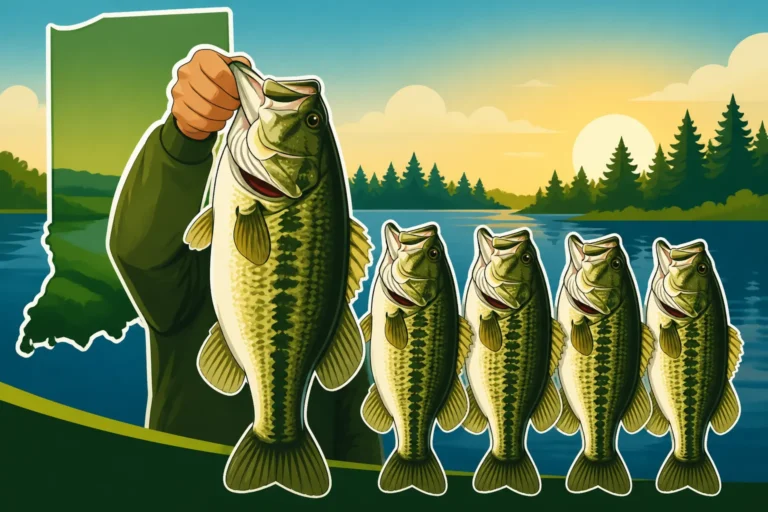
For example, if you're out chasing bass, you still need to adhere to the Indiana's Largemouth and Smallmouth Bass Daily Limit: 5 Fish Combined. Catching more than the limit, or keeping a bass that is too small, can result in a hefty fine. The same goes for panfish like bluegill and crappie, which typically have a daily limit of 25 per species. Walleye also often have minimum length limits that vary by waterbody. You need to know these rules before you go. A quick search on the Indiana DNR website or carrying a copy of the current fishing guide is always a good idea. You can often find a fishing regulations guide on Amazon for quick reference on your phone or e-reader, which is super convenient when you're out on the water.
It’s crucial to understand that these limits apply regardless of whether you paid for a license or are fishing on a free day. Wildlife conservation doesn't take a day off. Always measure your fish carefully and release any that don't meet the legal requirements.
Special Stamps and Endorsements
Another common question revolves around special stamps, particularly the Indiana Trout and Salmon Stamp. Normally, if you intend to fish for trout or salmon in Indiana's waters, you would need to purchase this additional stamp on top of your standard fishing license. This stamp helps fund specific conservation efforts for these cold-water species, including stocking programs in places like Lake Michigan tributaries and designated trout streams.
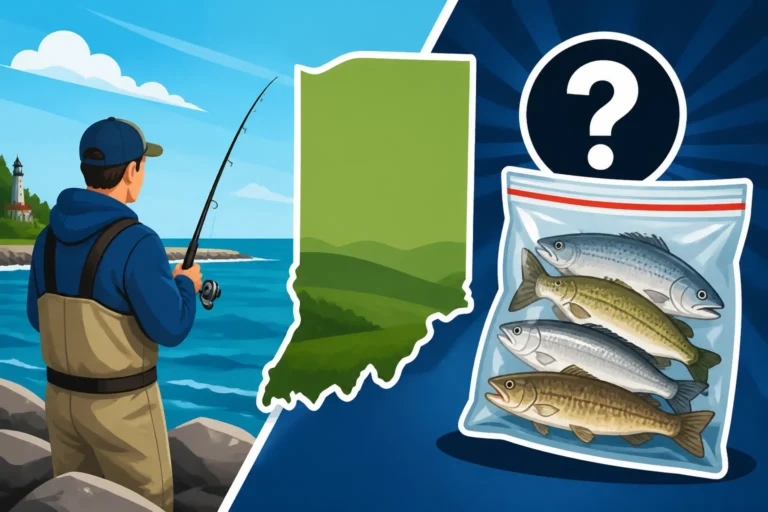
However, the good news for Free Fishing Days is that you do not need a Trout and Salmon Stamp either. The "no license needed" rule extends to all required stamps or endorsements that would typically be associated with a general fishing license. This means if you've always wanted to try your hand at catching a feisty rainbow trout or a powerful salmon in the St. Joseph River, a Free Fishing Day is your perfect opportunity to do so without any extra cost. Our detailed article, Do Free Fishing Days Cover the Trout and Salmon Stamp?, covers this in even more detail.
Again, while the stamp isn't required, the bag limits and size restrictions for trout and salmon still apply. For instance, specific rules govern the number of salmon or steelhead you can keep, especially on Lake Michigan, so make sure you're familiar with those regulations before you start reeling them in.
Location-Specific Rules
Indiana is a diverse state when it comes to fishing environments, and some areas have unique regulations that are paramount to follow, even on Free Fishing Days. The most prominent example is fishing in Lake Michigan and its tributaries. Because Lake Michigan is an interstate and international body of water, it has a distinct set of rules that often differ from the rest of the state.
For instance, Lake Michigan Fishing Rules for Indiana Anglers can include different bag limits, size restrictions, and even gear restrictions for certain species like salmon, trout, and perch. These rules are designed to align with broader Great Lakes management strategies and ensure the health of these unique fisheries. Anglers targeting salmon or steelhead in the tributaries of Lake Michigan, such as Trail Creek or Salt Creek, must pay close attention to the specific seasonal rules for those streams, including bait restrictions or special hook requirements, even on Free Fishing Days.
Similarly, certain smaller lakes or specific stretches of rivers might have special regulations in place, such as "no-wake" zones, horsepower limits for boats, or even catch-and-release-only sections. Always check the local regulations for the specific body of water you plan to fish. A quick search on the Indiana DNR website for your chosen lake or river will provide the most up-to-date information. Ignorance of the law is never an excuse, and game wardens patrol all waters, including on Free Fishing Days, to ensure compliance.
Making the Most of Free Fishing Days
Free Fishing Days are truly a gift to the angling community and a fantastic opportunity to foster new passions. With the license hurdle removed, it’s easier than ever to plan a fun, educational, and memorable outing.
Planning Your Trip
Effective planning, even for a "free" day, can make all the difference between a frustrating trip and a fantastic one. Here’s how to set yourself up for success:
- Check the Dates: First and foremost, confirm the official Indiana Free Fishing Days: May, June, and September Dates for the current year. Mark them on your calendar!
- Pick Your Spot: Indiana has an incredible array of fishing locations. Are you looking for a quiet pond for panfish, a bustling lake for bass, or a river for catfish? Consider what kind of experience you want. Places like Monroe Lake for bass or Patoka Lake for crappie are popular, but don't overlook local city parks or smaller reservoirs. Our guide to the Best Fishing Spots in Indiana can give you some excellent ideas.
- Gather Your Gear: Even if you're just starting, you'll need some basic equipment. A simple spinning rod and reel combo, some basic tackle (hooks, sinkers, bobbers), and a few different baits (worms, crickets, or simple lures) are usually enough. You can find excellent starter kits and individual pieces of gear on Amazon, making it easy to assemble a basic setup without breaking the bank. Don't forget a small cooler for drinks and snacks, a pair of pliers for hook removal, and a measuring tape!
- Review Regulations: Before you head out, quickly review the specific regulations for the fish species you hope to catch and the body of water you'll be visiting. Understanding bag limits and size restrictions will prevent any unpleasant surprises. You can easily access the full Indiana Fishing Regulations and Bag Limits Guide online.
- Weather Check: Always check the weather forecast. Dress appropriately for the conditions, bring sunscreen and insect repellent, and stay hydrated. Unfavorable weather can quickly turn a fun day into a miserable one.
Introducing New Anglers
Free Fishing Days are tailor-made for introducing newcomers, especially kids, to the joys of fishing. The relaxed atmosphere and lack of immediate financial commitment make it an ideal learning environment.
- Keep it Simple: For beginners, focus on simplicity. Target easy-to-catch species like bluegill or other panfish in ponds or small lakes. These fish are often abundant and provide consistent action, which is great for keeping enthusiasm high.
- Focus on Fun, Not Fish Count: Emphasize the experience of being outdoors, the patience required, and the thrill of a bite, rather than how many fish are caught. A simple cast, a bobber dipping, and the excitement of reeling in even a small fish can create lasting memories.
- Teach Good Practices: Use this time to teach responsible angling practices: catch and release techniques, how to handle fish gently, and the importance of leaving no trace. This instills a sense of stewardship from the very beginning.
- Patience is Key: Both yours and theirs! Beginners will have tangles, snags, and moments of frustration. Be encouraging and make it a positive experience.
- Short Trips are Fine: Don't feel pressured to spend all day on the water. A couple of hours of active fishing can be more effective and enjoyable for a beginner than a long, drawn-out trip that leads to boredom.
Transitioning to Regular Fishing
If you or your new angling partners fall in love with fishing on a Free Fishing Day, the next step is often to get a full license. This transition is straightforward and ensures you can continue to enjoy Indiana's waters year-round.
- Purchasing a License: Acquiring an Indiana Fishing License Requirements Explained is simple. You can easily purchase one online through the Indiana DNR website, over the phone, or in person at various license vendors, including sporting goods stores and bait shops across the state. The process is quick, usually taking just a few minutes.
- Understanding the License Year: Remember that Indiana's fishing license year runs from April 1st to March 31st of the following year, not by calendar year. So, if you buy a license in July, it will be valid until the following March 31st. This is an important detail to remember when planning your purchases, as explained in Indiana Fishing License Year Explained.
- Consider Add-ons: If you plan to target trout or salmon regularly, remember to add the Trout and Salmon Stamp to your purchase. For seniors, there are often discounted options, including the very affordable Indiana's $3 Senior Annual Fishing License or even the one-time The Senior Fish-for-Life License, Indiana's One-Time Option.
Why Licenses Are Important
While Free Fishing Days offer a brief reprieve from the requirement, it's vital to understand the broader context of why fishing licenses exist and why they are so crucial for the health of Indiana's aquatic ecosystems. It's not just about collecting fees; it's about funding conservation.
Funding Conservation Efforts
Every dollar spent on an Indiana fishing license directly contributes to the management and conservation of the state's fish and wildlife resources. These funds are vital for:
- Fish Stocking: The DNR relies on license revenue to operate state fish hatcheries, which raise and stock millions of fish annually into Indiana's lakes and rivers. This ensures robust populations of popular species like bass, walleye, trout, and panfish.
- Habitat Restoration: A significant portion of the funds goes towards protecting and improving aquatic habitats. This includes restoring natural stream banks, creating fish structures in lakes, controlling invasive species, and maintaining water quality, all of which are critical for healthy fish.
- Research and Management: Biologists use license funds to conduct essential research on fish populations, monitor species health, study environmental impacts, and develop science-based management plans. This ensures that fishing regulations are effective and sustainable.
- Public Access: Funds also support the creation and maintenance of public access points, boat ramps, fishing piers, and other infrastructure that allows anglers to enjoy Indiana's waters.
- Law Enforcement: Conservation officers, often called game wardens, are funded by these programs. Their work ensures that everyone follows fishing regulations, protecting resources from overharvesting and illegal activities.
When you purchase a fishing license, you're not just buying a piece of paper; you're investing in the future of fishing in Indiana. You're becoming a direct participant in the conservation efforts that make our state such a fantastic place to fish.
Penalties for Fishing Without a License (Outside Free Days)
It's paramount to know that outside of these specific Free Fishing Days, fishing without a valid license (if you are required to have one) is a violation of Indiana law. The consequences can be significant and certainly put a damper on your outdoor adventure.
- Fines: The most common penalty is a monetary fine. While the exact amount can vary depending on the county and the specific circumstances, it can easily range into the hundreds of dollars. This is often far more expensive than the cost of an annual license, which is typically around $23 for residents.
- Court Costs: In addition to the fine, you will likely be responsible for court costs, which can add a substantial amount to the overall penalty.
- Confiscation of Gear: In some cases, especially for repeat offenses or serious violations, conservation officers may have the authority to confiscate your fishing gear, including rods, reels, and even your boat.
- Loss of Privileges: Depending on the severity of the offense, you could also face a temporary suspension of your fishing privileges in Indiana and potentially other states through interstate compacts.
The DNR takes these regulations seriously because they are essential to maintaining healthy fisheries. Getting caught without a license is simply not worth the risk. It's always best to be prepared, know the Indiana Fishing License Requirements Explained, and purchase your license well in advance if you plan to fish outside of the designated Free Fishing Days. Our guide on Penalties and Fines for Fishing Without a License provides more detailed information on this topic.
Indiana Free Fishing Days at a Glance
To summarize the key takeaways for Indiana's Free Fishing Days, here's a quick reference table:
| Feature | On Indiana Free Fishing Days | On Regular Days (if age 18+) | Notes |
|---|---|---|---|
| Fishing License Needed? | No | Yes | Applies to all residents & non-residents. |
| Trout/Salmon Stamp? | No | Yes (if targeting these species) | Exemption extends to all required stamps/endorsements. |
| Bag Limits Apply? | Yes | Yes | Always adhere to species-specific daily limits. |
| Size Restrictions Apply? | Yes | Yes | Always adhere to minimum/maximum length rules. |
| Location-Specific Rules? | Yes | Yes | Lake Michigan and certain water bodies may have unique regulations. |
| Boater Registration? | Yes | Yes | Boat registration, safety gear, and boater education rules still apply for motorized vessels. |
| Purpose | Introduce new anglers, promote outdoor recreation | Fund conservation, manage fish populations, ensure sustainability | Your license supports healthy fish and accessible fishing. |
Final Thoughts on Free Fishing Days
Indiana's Free Fishing Days are a fantastic program, offering a no-cost, low-barrier entry into the world of angling. They provide an excellent opportunity to experience the peace, challenge, and reward of fishing without the initial investment of a license. Whether you're a curious beginner, a parent hoping to share your love of fishing with your children, or just looking for a fun, free outdoor activity, these days are for you.
Just remember that "free" refers only to the license itself. All other regulations designed to protect our precious natural resources remain firmly in place. By understanding and respecting these rules, you can ensure that you and others have a safe, enjoyable, and successful time on Indiana's beautiful waters, contributing to a legacy of responsible angling for generations to come. So, grab a rod, check the dates, and go make some memories!
Disclaimer
The information provided in this guide is for general informational purposes only and does not constitute legal advice. Fishing regulations can change, and it is the angler's responsibility to consult the most current official Indiana Department of Natural Resources (DNR) fishing guide or website before fishing to ensure compliance with all state and local laws.