Indiana Fishing License Options for Visiting Anglers
Anglers visiting Indiana from out of state often face a dizzying array of questions about what kind of fishing license they need. The rules can feel like a labyrinth, especially when you're just trying to enjoy a peaceful day on the water, whether you're targeting bass in a southern reservoir or salmon in Lake Michigan. This comprehensive guide will untangle the specifics of Indiana fishing license options for visiting anglers, making sure you're properly licensed and ready to cast your line without a worry.
Understanding Non-Resident Status and License Types
One of the first hurdles many visiting anglers face is simply figuring out if they even count as a "nonresident" for licensing purposes, and then understanding the basic structure of available licenses. It can be frustrating to navigate, especially if you're used to different rules in your home state. But rest assured, Indiana’s system, once understood, is quite straightforward.
Defining Who is a Nonresident Angler in Indiana
The Indiana Department of Natural Resources (IDNR) defines a nonresident angler as anyone who has not resided continuously in Indiana for a full 60 days immediately preceding the date of purchasing a license, or anyone who claims residency in another state or country. This can feel a little confusing if you own property here but primarily live elsewhere, or if you're a college student attending an Indiana university but still maintain a permanent address back home. The core idea is where your primary, continuous residence has been.
For example, if you live in Illinois and visit your family's lake house on Lake Wawasee every summer for a month, you are unequivocally a nonresident. Similarly, if you're temporarily working in Indianapolis for a few weeks and decide to hit the White River for some smallmouth bass, you’re also a nonresident. The IDNR’s system is designed to be clear on this point, often requiring proof of residency like a driver's license or state ID if there's any ambiguity. The critical thing is to be honest about your situation, as misrepresenting your residency can lead to penalties and fines for fishing without a proper license.
Overview of Indiana's Nonresident License Structure
Once you've established your nonresident status, you'll find that Indiana offers a sensible range of fishing license options tailored to how long you plan to stay and fish. The biggest mistake many visiting anglers make is automatically opting for the annual license when a shorter-term option might save them money and be more appropriate for their trip. Understanding the different durations is key to smart planning.
The main categories include an annual license, a 7-day license, and a 1-day license. Each is designed with a particular type of visitor in mind. The annual license covers you for the entire Indiana fishing license year, which runs from April 1 to March 31 of the following year. This is ideal if you're a frequent visitor or plan an extended stay throughout the year. However, if you're only coming for a long weekend or a single week-long vacation, the shorter-term options are far more cost-effective. It's always a good idea to check What a Nonresident Fishing License Costs in Indiana to compare prices before you commit.
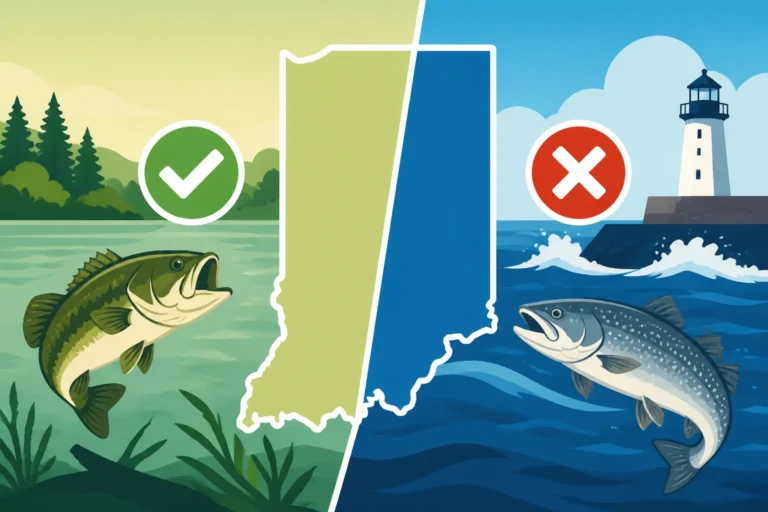
Generally, all of Indiana's basic fishing licenses, whether annual or short-term, cover the majority of fish species in inland lakes and rivers. This means you’re good to go for common catches like largemouth bass, bluegill, crappie, and channel catfish. However, there’s a crucial exception: if you plan to target trout or salmon, particularly in Lake Michigan or designated trout streams, you’ll need an additional stamp. We’ll dive into that specific requirement a bit later.
Short-Term License Options for Visitors
For many out-of-state anglers, the idea of buying a full annual license when they’re only visiting for a short while seems like an unnecessary expense. Indiana wisely offers more flexible, short-term options that are both convenient and budget-friendly, making it easier for you to enjoy our waters without breaking the bank.
The Convenient 1-Day Fishing License
Imagine you’re driving through Indiana, maybe on a road trip, and you spot a beautiful lake or river that just screams "fish me!" You might have your trusty fishing gear in the trunk, but you certainly don’t want to risk a citation. This is precisely where the 1-Day Fishing License shines. It's perfect for spontaneous fishing excursions or for travelers who only have a few hours to spare. At an approximate cost of $9, it's an incredibly convenient option that prevents you from needing to commit to a longer, more expensive license. For detailed pricing, check out the Nonresident 1-Day Fishing License Cost in Indiana.
This license is active for 24 consecutive hours from the time you select during purchase, offering ultimate flexibility. You could buy it first thing in the morning and fish all day, or activate it in the evening for some twilight angling or even night fishing for catfish. It removes the barrier to enjoying a quick cast in a local pond or a productive stretch of river. Many folks visiting family for a holiday might find this ideal for a brief escape to a nearby fishing spot. Just remember, while it's incredibly handy, you'll still need that Trout and Salmon Stamp if you're specifically going after those cold-water species, even for just a day.
The Versatile 7-Day Fishing License
If your plans involve more than just a quick stop-and-cast, perhaps a family vacation to a place like Patoka Lake or a week-long stay in a cabin on Lake Monroe, then the 7-Day Fishing License is likely your best bet. This license grants you the right to fish for seven consecutive days, starting from the date you specify during purchase. It’s designed to cover typical vacation lengths and offers excellent value compared to buying multiple 1-day licenses.
With an approximate cost of $20, the 7-day license quickly pays for itself if you plan to fish more than twice during your trip. Imagine a scenario where your family is camping at Brookville Lake for a week, and you plan to hit the water for a few mornings and evenings. Instead of buying individual day licenses, which would add up quickly, the 7-day option provides peace of mind and unlimited fishing within that period. It's widely regarded as the most versatile option for visitors to Indiana. For the precise current cost, refer to the Nonresident 7-Day Fishing License Cost in Indiana. This license ensures you can fully immerse yourself in Indiana’s diverse fishing opportunities without constantly worrying about your license expiring.
When a Trout and Salmon Stamp is Required
This is one of the most common points of confusion for both resident and nonresident anglers alike. Many people assume that if they have a fishing license, they're covered for all fish. However, in Indiana, if you specifically intend to keep or possess trout or salmon, you must also purchase a Trout and Salmon Stamp in addition to your regular fishing license. This isn't just a recommendation; it's a legal requirement, and conservation officers do enforce it.
The main areas where you'll definitely need this stamp are when fishing for Chinook, Coho, or Lake Trout in Lake Michigan, or when targeting rainbow trout or brown trout in the various cold-water streams that the IDNR stocks annually. These often include popular spots like the Pigeon River in northeastern Indiana or Clear Creek in Monroe County. If you're heading to the Lake Michigan shoreline, perhaps to cast for salmon off the Michigan City pier, you absolutely need this stamp. Even if you're not explicitly targeting them but you catch one and wish to keep it, you must have the stamp. You can find more detailed information on the Indiana Trout and Salmon Stamp Requirements.
The Trout and Salmon Stamp costs approximately $11 and can be purchased simultaneously with your fishing license. It's valid for the same duration as your base license – so if you buy a 7-day fishing license and add a stamp, that stamp is also good for seven days. If you’re just after bass, crappie, or catfish, you typically don’t need the stamp. But if there’s even a chance you might hook into one of these prized cold-water species and want to keep it, it’s always better to be safe than sorry and get the stamp.
Special Considerations for Border Waters and Unique Situations
Indiana shares significant waterways with several neighboring states, and these border areas can introduce unique rules that often perplex even experienced anglers. Additionally, if you're planning to participate in competitive fishing events, there are further regulations to understand. It's easy to get caught off guard if you're not aware of these specific nuances.
Navigating Reciprocity with Neighboring States
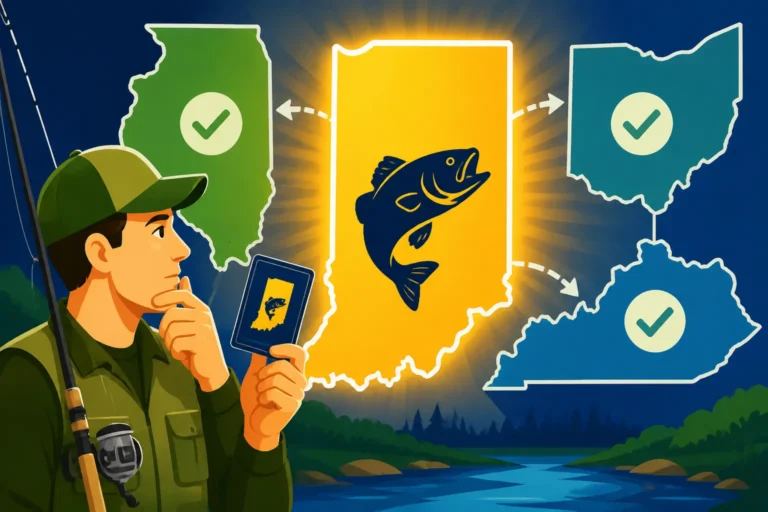
Fishing on border waters is where things can get particularly tricky. You might be standing on an Indiana bank, but your cast reaches into Ohio waters, or you’re trolling on Lake Michigan where state lines are invisible. The general rule is simple: you need a license from the state you are fishing in. However, Indiana does have reciprocity agreements with some neighboring states, which can make things a bit easier, but these agreements often come with specific conditions.
For instance, if you're fishing the Ohio River, an Indiana fishing license or a Kentucky fishing license will typically cover you for the entire main stem of the river, provided you stay within certain areas and abide by the regulations of the state whose license you hold. This prevents the frustration of needing two licenses just to fish the same river from different banks. However, this reciprocity doesn't usually extend to tributaries or embayments of the Ohio River that are clearly within one state's boundary. More specific details for this region can be found in our guide on Indiana Fishing License Reciprocity With Kentucky. Similarly, there are limited agreements with Ohio for portions of the Ohio River; learn more by visiting our piece on Indiana Fishing License Reciprocity With Ohio.
Lake Michigan is another significant border water, shared with Illinois, Michigan, and Wisconsin. While you generally need an Indiana license to fish Indiana's portion of Lake Michigan, there are historical agreements and interpretations for parts of the lake. For instance, sometimes a Michigan license is honored in certain areas, but it's not a blanket rule for the entire lake, especially concerning specific bag limits or species. It’s always safest to purchase an Indiana non-resident license if you’ll be launching or fishing primarily from Indiana’s shoreline or piers. Always consult guides like Indiana Fishing License Reciprocity With Michigan and Indiana Fishing License Reciprocity With Illinois and Kentucky for the most current information, as these agreements can be quite complex and subject to change.
Tournament Angler Licenses and Rules
If your visit to Indiana isn't just for casual angling but involves participating in a fishing tournament, you need to be aware that there might be additional licensing requirements beyond your standard nonresident fishing license. Fishing tournaments, especially those with prize money or specific format rules, sometimes have their own set of endorsements or permits that tournament organizers or the state require. These rules are in place to manage larger groups of anglers, ensure fair play, and protect fish populations from intense pressure.
While your basic nonresident fishing license covers the right to catch fish, it doesn't automatically cover the specific legalities of a competitive event. For example, some large bass tournaments might require a special tournament permit for the event itself, or there might be specific rules about livewell capacity, fish handling, and weigh-in procedures that differ from casual fishing. It's absolutely crucial to check with the tournament organizers for their specific rules and any state-mandated additional licenses well in advance of the event. Information on these specific rules is often covered in detail in our guide to Tournament Angler License Rules and Requirements.
Failing to adhere to tournament-specific licensing and rules can result in disqualification from the event, forfeiture of prizes, and potentially fines from the IDNR. Imagine traveling all the way to Indiana for a major event on Monroe Lake or Lake Wawasee, only to find out you're missing a crucial piece of paperwork. That would be a huge disappointment! Always double-check every detail to ensure your competitive fishing experience is compliant and enjoyable.
How to Purchase Your Indiana Fishing License
Acquiring your Indiana fishing license as a visiting angler is a process designed for ease and convenience. Whether you prefer the speed of online transactions or the personal touch of a retail store, Indiana offers multiple avenues to get you licensed and on the water. No more excuses for not having your license!
Buying Your License Online for Convenience
In today's digital age, the most straightforward and popular method for purchasing an Indiana fishing license is undoubtedly online. The Indiana Department of Natural Resources (IDNR) website provides a user-friendly platform that is accessible 24 hours a day, 7 days a week. This means you can purchase your license from the comfort of your home, days before your trip, or even from your phone while sitting by the lake, just minutes before you plan to cast your first line. It truly eliminates any last-minute scramble.
The process is remarkably simple: you visit the official IDNR licensing portal, select your nonresident status, choose the appropriate license type (1-day, 7-day, or annual), and add any necessary stamps like the Trout and Salmon Stamp. You'll need to provide some basic personal information, including your name, address, and date of birth. Once your payment is processed, you'll receive a confirmation email with a digital copy of your license. This digital license, often a PDF, can be saved to your smartphone, meaning you don't even need to print it out to be legal – just be able to display it if asked by a conservation officer. We've got a detailed breakdown of the process in our Buying a Fishing License Online in Indiana article. If you're planning your trip, consider ordering essential gear like a quality waterproof tackle box or specialized lures on Amazon to have them ready before you even hit the road.
In-Person Retailers and Phone Options
While online purchasing is incredibly convenient, not everyone has reliable internet access, or some simply prefer the traditional method. Luckily, Indiana understands this and maintains a robust network of authorized license vendors across the state. These retail outlets include most Walmart Supercenters, many local bait and tackle shops, sporting goods stores, and even some county clerk offices. This widespread availability means you're almost always just a short drive away from an authorized seller, no matter where your fishing adventure takes you.
Purchasing in person allows you to ask any last-minute questions, get local fishing tips, and sometimes even pick up some fresh live bait or recommended lures tailored to the specific body of water you're heading to. Just be sure to bring a valid ID and be prepared to provide the same basic information you would online. For a comprehensive guide on where to go, check out How to Get an Indiana Fishing License. If you're in a bind and need a license quickly but can't access the internet or get to a store, the IDNR also typically offers a phone purchase option. You can call their customer service line during business hours, and a representative will guide you through the process, taking your information and payment over the phone. They can then email you a digital copy of your license, or in some cases, you can arrange to pick up a physical copy. It's a lifesaver for those unexpected situations!
Common Questions from Visiting Anglers
Even with a clear understanding of license types and purchasing methods, visiting anglers often have specific questions that pop up, especially concerning family trips or taking advantage of special state initiatives. Let’s tackle some of these common inquiries head-on to ensure your trip is as smooth and enjoyable as possible.
Age Requirements for Nonresident Children
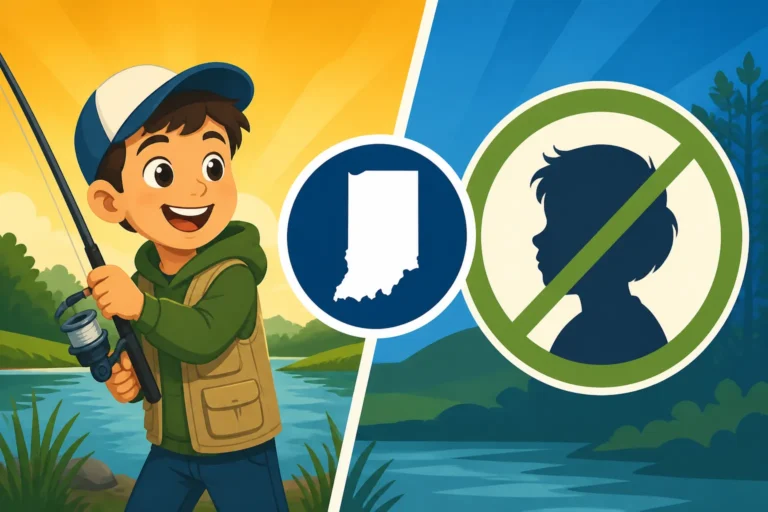
This is a frequently asked question, and for good reason. Many states have different age cutoffs for requiring a fishing license, and it can be confusing when traveling with children. The good news for families visiting Indiana is that the state's generous "kids fish free" rule applies to all youth, regardless of whether they are residents or nonresidents.
Specifically, any child under the age of 18 does not need a fishing license to legally fish in Indiana waters. This policy is fantastic for family vacations, as it encourages young people to get outdoors and experience the joy of fishing without an additional financial burden on parents or guardians. So, if you're bringing your kids or grandkids from out of state to enjoy a weekend at a state park lake, they can cast away without needing any special permits. Just ensure that if they are targeting trout or salmon, an adult with a valid Trout and Salmon Stamp is supervising, as the stamp requirement applies to the possession of those specific fish, even if the child doesn't need a base license. This makes Indiana an incredibly family-friendly fishing destination, perfect for introducing the next generation to the sport. While you're at it, grab some kid-friendly fishing poles and tackle on Amazon before your trip!
Can Nonresidents Participate in Free Fishing Days?
Absolutely, yes! Indiana's Free Fishing Days are wonderful opportunities for anyone, resident or nonresident, to try fishing without the need for a state fishing license. These designated days occur several times a year, usually in May, June, and September, and are specifically designed to encourage participation in the sport, introduce new anglers to the pastime, and allow lapsed anglers to reconnect with the water.
These statewide events are an open invitation to experience Indiana's diverse fisheries. Whether you want to explore the panfish opportunities at a local pond or cast for bass on a larger reservoir, you can do so license-free on these specific dates. It's a fantastic chance to take advantage of the Indiana Free Fishing Days Guide and explore a new fishing spot or try out a different type of fishing without the initial investment of a license. It’s also a perfect time to bring friends or family members who might be hesitant to buy a license but are curious about fishing.
However, there's a vital caveat: while the fishing license requirement is waived on Free Fishing Days, the Trout and Salmon Stamp requirement is not. If you plan to target or keep trout or salmon on a Free Fishing Day, you will still need to purchase and possess a valid Trout and Salmon Stamp. All other fishing regulations, such as bag limits, size limits, and gear restrictions, remain in effect and must be followed by everyone, regardless of whether they hold a license or are fishing on a Free Fishing Day. So, always be sure to check the specific regulations for the waters you're fishing.
Nonresident Indiana Fishing License Options at a Glance
To make your planning even easier, here's a quick comparison of the primary nonresident fishing license options available in Indiana, along with their approximate costs and ideal use cases. This table should help you quickly determine which license best fits your visiting angler needs.
| License Type | Cost (Approx.) | Duration | Best For | Includes Trout/Salmon Stamp? |
|---|---|---|---|---|
| Nonresident Annual Fishing | $60 | April 1 – March 31 | Frequent visitors, extended stays | No (add-on required) |
| Nonresident 1-Day Fishing | $9 | 24 consecutive hours | Quick day trips, spontaneous decisions | No (add-on required) |
| Nonresident 7-Day Fishing | $20 | 7 consecutive days | Week-long vacations, multiple short trips | No (add-on required) |
| Trout/Salmon Stamp (Add-on) | $11 | Same as base license | Targeting trout or salmon (Lake Michigan, stocked streams) | N/A |
Disclaimer
Please remember that fishing regulations, license costs, and reciprocity agreements can change. While we strive to provide the most accurate and up-to-date information, it is always your responsibility to verify current rules with the Indiana Department of Natural Resources (IDNR) or their official website before you head out on the water. This guide is for informational purposes only and should not be considered legal advice.