Do Adults Have to Wear a Life Jacket in Indiana?
It's a common scene on Indiana's beautiful lakes and rivers: the sun is shining, the boat is gliding smoothly, and most adults are enjoying the ride without a life jacket actually on their body. We've all been there, feeling the freedom of the open water. But then a little doubt creeps in – are we supposed to be wearing one? The rules for kids are usually pretty clear, but for adults, it can feel like a grey area, leaving many of us scratching our heads about when it's just a suggestion and when it's a hard and fast legal requirement. This guide is here to clear up that confusion, diving deep into Indiana's life jacket laws for adults, and more importantly, why always having one accessible – and often, actually wearing one – is simply the smartest move on the water.
Indiana's Core Life Jacket Requirements for Adult Anglers and Boaters
Let's get right to it, because nobody wants a surprise visit from the conservation officer when they're trying to relax on Geist Reservoir or enjoy some quiet time fishing on Patoka Lake. While Indiana's laws aren't quite as strict for adults as they are for children, there are definitive situations where an adult absolutely must wear a life jacket, and always a requirement to carry one. Ignoring these rules isn't just a gamble with your safety; it can lead to hefty fines and a ruined day on the water.
When Adults Must Wear a Life Jacket on Indiana Waters
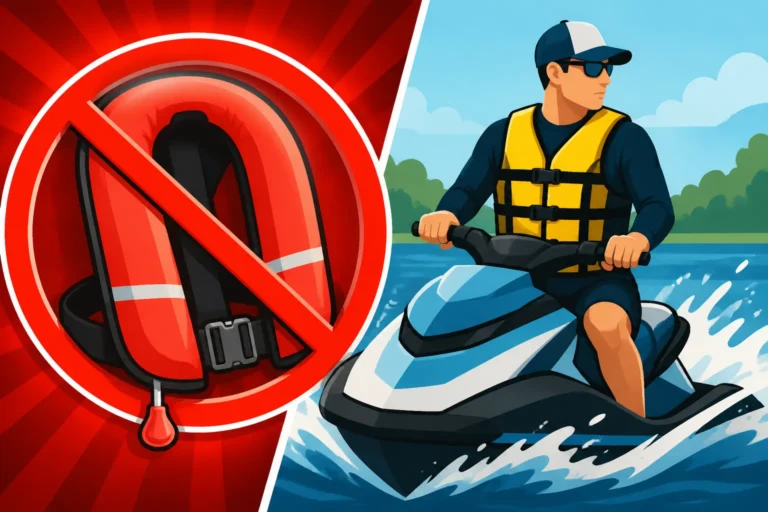
Here's where things get specific. It's not always about personal preference. Indiana law mandates that adults wear a U.S. Coast Guard (USCG) approved life jacket in several key scenarios. The most common one involves personal watercraft (PWCs) like jet skis. If you're operating or riding a PWC, regardless of your age, that life jacket needs to be on and fastened. This isn't just good advice; it's the law. The dynamic nature of PWCs, with their sudden turns and potential for falls, makes this a critical safety measure.
Another important, often overlooked, rule pertains to canoes, kayaks, and paddleboards during certain times of the year or in specific conditions. If you're on a canoe, kayak, or paddleboard between October 1 and May 31, and the vessel is less than 16 feet long, you must be wearing your life jacket. This rule is directly tied to the colder water temperatures during those months. Cold water can zap your strength and coordination in minutes, making it incredibly difficult to re-enter a capsized vessel or even stay afloat without assistance. It’s not just about the air temperature; it’s the water that poses the real threat. Imagine you’re out for an early spring paddle on the Tippecanoe River, enjoying the peace and quiet. The air might be a pleasant 50 degrees, but the water could still be a chilling 40 degrees. A sudden tip, and you're in real trouble if that life jacket isn't already on. Remember, water over 70 degrees Fahrenheit is generally considered safe for swimming, but much of Indiana's boating season sees water temperatures well below that threshold, especially in spring and fall. For a deeper dive into all the specifics, check out Indiana Life Jacket Requirements for Every Boater.
Beyond these specific vessel and seasonal requirements, if you're being towed behind a boat—think water skiing, wakeboarding, or tubing—you are also legally required to wear an approved life jacket. The forces involved in these activities and the potential for high-speed impacts with the water make a life jacket absolutely non-negotiable.
The "Readily Accessible" Requirement: Carrying, Not Always Wearing
For most adults on other types of recreational boats—like your fishing boat, pontoon, or runabout—the law generally states that you don't have to wear a life jacket, but there must be a properly fitting, USCG-approved life jacket for every single person on board. And this isn't just about having them tucked away in a storage compartment somewhere. They need to be "readily accessible."
What does "readily accessible" really mean? It means they should be immediately available for use. They can't be buried under gear, stowed in a locked compartment that takes time to open, or wrapped up in their original packaging. Think of it this way: if a sudden wave hits or an unexpected emergency occurs, you should be able to grab and don your life jacket in a matter of seconds. Piling them under coolers, tackle boxes, or spare fishing rods doesn't count. They need to be in an open storage locker, under a seat, or hanging in an easily reachable spot.
Furthermore, if your boat is 16 feet or longer, you also need to have at least one USCG-approved throwable flotation device on board. This could be a ring buoy, a throw cushion, or a buoyant vest. This is designed for situations where someone falls overboard and you need to get flotation to them quickly without putting yourself in danger by jumping in. It’s a crucial piece of safety equipment, often overlooked. You can find more details on this specific rule in Throwable Life Jacket Rules for Boats Over 16 Feet in Indiana. This throwable device is in addition to the wearable life jackets for each person. So, on a 17-foot bass boat with three adults, you'd need three wearable life jackets and one throwable device.
Types of Life Jackets and Their Legal Standing in Indiana
Navigating the world of life jackets can feel a bit like learning a new language. There are different types, different approvals, and specific rules that apply to each. It's not enough just to have a life jacket; it needs to be the right kind for your activity and your body.
Understanding the Different Types of USCG-Approved PFDs
The USCG classifies personal flotation devices (PFDs), or life jackets, into different types based on their design and intended use. While you don't need to memorize every single detail of each type, understanding the basics helps you make informed choices.
- Type I (Offshore PFDs): These are designed for extended survival in rough, open water. They have the most buoyancy and are designed to turn an unconscious person face-up in the water. They're bulky, but highly effective for serious offshore conditions, though you won't see many on Indiana's inland lakes.
- Type II (Near-Shore Buoyant Vests): Good for calm, inland water where there's a good chance of rescue. They will turn some unconscious wearers face-up. Less bulky than Type I, but still provide ample flotation.
- Type III (Flotation Aids): These are the most common type for recreational boating and fishing. They're designed for continuous wear, offering comfort and freedom of movement. They keep conscious persons upright and generally provide enough flotation for a timely rescue. They typically will not turn an unconscious person face-up. This is what most anglers and recreational boaters use.
- Type IV (Throwable Devices): These are cushions or ring buoys meant to be thrown to someone in the water. They are not designed to be worn and are required on boats 16 feet or longer, as mentioned before.
- Type V (Special Use Devices): These are designed for specific activities and often combine features of other types. They might include work vests, kayak vests, or sailboard harnesses. They are approved only for the activities specified on their label. Inflatable life jackets often fall into this category.
It's crucial that any life jacket you use or have on board is USCG-approved. You'll see a small label inside or on the jacket confirming this. Don't be fooled by cheap imitations or unapproved flotation devices; they won't meet legal requirements and, more importantly, might not save your life. Many anglers prefer modern Type III vests because they're comfortable enough to wear all day, often coming with pockets for tackle or tools. Brands like those found at Bass Pro Shops or on Amazon offer a huge variety of styles, from basic foam vests to high-tech inflatables.
Choosing the Right Life Jacket for Your Activity
Choosing a life jacket isn't just about meeting the legal minimum; it's about comfort, functionality, and safety. For instance, if you're an avid kayak angler, a bulky Type II vest might hinder your paddling or casting. A Type III vest specifically designed for kayaking, with high back flotation that won't interfere with your seat and plenty of pockets, would be a much better fit. Similarly, if you're fishing in cold weather, an inflatable might not be the best choice unless it's designed for cold water and you're prepared to manually inflate it if needed.
When considering inflatable life jackets, which are popular for their low profile and comfort, be aware of their specific requirements. Most inflatables are Type V PFDs and must be worn to be considered readily accessible. They also require regular inspection and maintenance to ensure they will inflate when needed. More importantly, Why Inflatable Life Jackets Are Not Allowed on Indiana PWCs is a rule worth knowing – their design makes them unsuitable for the high-impact activity of PWC riding.
Here’s a quick comparison of common adult life jacket types:
| Life Jacket Type | Key Features | Best Use Cases | Indiana Legal Standing (Adults) |
|---|---|---|---|
| Type II (Near-Shore) | Good buoyancy, turns some unconscious wearers face-up | General recreational boating, calm waters, timely rescue expected | Meets "readily accessible" requirement for general boating |
| Type III (Flotation Aid) | Comfortable for continuous wear, freedom of movement | Fishing, kayaking, water sports, general recreational boating | Meets "readily accessible" requirement for general boating, often worn for comfort |
| Type V (Inflatable) | Low-profile, comfortable, manual or automatic inflation | Fishing, sailing, non-PWC boating (must be worn if it's the only PFD) | Must be worn to be considered "readily accessible" for general boating; specific rules for PWC |
When you're shopping, whether online at Amazon or browsing the aisles at Bass Pro Shops, pay attention to the sizing. A life jacket that's too big or too small won't provide adequate flotation and can actually be dangerous. Try it on, adjust the straps, and make sure it fits snugly but comfortably. Your safety, and potentially your life, depends on it. For more advice on selecting the right gear, check out Best Life Jackets for Indiana Boaters.
Beyond the Law: Why Wearing a Life Jacket is Always a Good Idea
Okay, so we've covered the legal requirements. You know when you have to wear one and when you just have to carry one. But let's be real for a moment. Laws are minimums, not best practices. As a veteran lifestyle blogger focused on enjoying Indiana's incredible waters, I can tell you that making the choice to wear your life jacket, even when not legally required, is one of the smartest decisions you can make.
The Dangers of Unexpected Falls and Cold Water Immersion
Accidents on the water happen in a flash. One minute you're reeling in a nice largemouth bass on Monroe Lake, the next you've slipped on a wet deck and you're in the water. Maybe you hit your head on the way down. Maybe you're caught off guard by the sheer cold of the water, even on a sunny day. Cold shock can literally take your breath away, causing involuntary gasping and hyperventilation, making it incredibly hard to keep your head above water, even if you're a strong swimmer. Hypothermia sets in surprisingly quickly, stealing your coordination and strength.
Think about it: most boating fatalities involve drowning, and a staggering percentage of those individuals were not wearing a life jacket. It doesn't matter how experienced a swimmer you are or how close you think you are to shore. The water doesn't care. A life jacket gives you precious extra minutes—or even hours—of buoyancy and thermal protection, greatly increasing your chances of survival and rescue. Imagine you're out fishing for walleye in the glacial lakes of Kosciusko County in late fall. The air is crisp, but the water is frigid. A sudden gust of wind, a misplaced step, and you're overboard. If you're wearing a life jacket, you're immediately floating, allowing you to focus on getting back to the boat or signaling for help, rather than fighting to stay afloat.
Setting a Good Example, Especially with Kids on Board
If you're out on the water with children, you're likely already enforcing the rule that they must wear their life jackets. Indiana law is very clear on this: all children under the age of 13 must wear a USCG-approved life jacket while on a moving boat. But if you're telling them to wear one while you're not, what message are you sending? Kids are incredibly observant, and they learn by example. When adults model safe behavior, it normalizes it and makes children more likely to comply cheerfully, without a fuss.
Think of it as part of your pre-trip checklist. Just like you ensure you have your fishing license and proper Indiana Fishing Regulations and Bag Limits Guide handy, make wearing a life jacket a part of the routine. It removes the argument, establishes a consistent safety culture, and ultimately, protects everyone on board. If you're looking for guidance on sizing for the little ones, Best Life Jacket Sizes for Kids Boating in Indiana is a great resource. It's not just about compliance; it's about instilling a lifelong respect for water safety.
Practical Benefits: Extra Pockets, Floatation, and Peace of Mind
Beyond the life-saving aspect, modern life jackets offer some pretty sweet practical benefits. Many fishing-specific vests, like those you'd find at Bass Pro Shops, come equipped with multiple pockets, D-rings, and attachment points for small tackle boxes, pliers, line clippers, and even a radio. This can be incredibly convenient, keeping essential tools right at your fingertips without needing to dig through a tackle bag. It's like having an extra set of hands or a wearable tackle box.
Then there's the sheer comfort and reduced fatigue. If you do end up in the water, a life jacket takes away the strain of treading water, allowing you to conserve energy. This is vital in cold water or if help is delayed. And finally, there's the invaluable peace of mind. Knowing that you and your loved ones are protected allows you to fully relax and enjoy your time on the water, whether you're casting for smallmouth bass on the White River or simply cruising around Lake Wawasee. It’s a small investment for such a significant return.
Consequences and Compliance
Knowing the rules is one thing; following them is another. The Indiana Department of Natural Resources (DNR) takes boating safety seriously, and for good reason. Violations of life jacket laws, like any boating infraction, can carry penalties that range from fines to more severe consequences.
Penalties for Non-Compliance in Indiana
If a conservation officer stops you on Indiana waters and finds that you or your passengers are not in compliance with life jacket regulations, you could face a citation. While the specific fines can vary depending on the exact violation and jurisdiction, they are typically not insignificant. A simple "failure to carry sufficient PFDs" or "failure to wear PFD on PWC" can easily turn a fun day into an expensive lesson. Repeated offenses can lead to higher fines or even court appearances. These penalties are designed to be a deterrent, emphasizing the importance of these safety rules.
Beyond the direct financial cost, there's the inconvenience and loss of precious time on the water. No one wants their fishing trip interrupted by a legal discussion. The best approach is always to be prepared and ensure everyone on board understands and follows the rules. It's part of being a responsible boater and angler. For a broader understanding of what happens when boating rules are broken, you might want to read What Happens if You Boat Without Registration in Indiana?, as many of the legal processes and potential penalties can be similar for various boating infractions.
Making Life Jackets Part of Your Routine
The easiest way to ensure compliance and, more importantly, safety, is to make life jackets an integral part of your boating routine. Before every trip, take a moment to:
- Count and Inspect: Confirm you have a USCG-approved life jacket for every person on board, plus a throwable device if your boat is 16 feet or longer. Check each one for rips, tears, or excessive wear.
- Ensure Proper Fit: Make sure each life jacket fits the intended wearer. A child's life jacket won't work for an adult, and vice versa.
- Ensure Accessibility: Store life jackets in an easily reachable location, not buried under other gear.
- Discuss with Passengers: Briefly remind everyone, especially any guests, about when and why life jackets should be worn or remain accessible.
Consider a visible checklist or a pre-departure safety briefing, especially if you have new passengers or are venturing into new waters. Incorporating a comprehensive Indiana Boater Safety Gear Checklist into your routine will help you remember more than just life jackets, including essential items like a fire extinguisher, horn, and navigation lights. You can even consider taking an Indiana Boater Education Course Requirements course if you haven't already; these courses cover not only life jacket rules but also a wealth of other critical safety information that every boater should know. Ultimately, it’s about fostering a culture of safety where wearing or having a life jacket ready is just as natural as grabbing your fishing rod before heading out on the lake.
Disclaimer
This article is for general informational purposes only and does not constitute professional advice. Laws, prices and regulations vary by location and change over time. Consult a qualified professional for guidance on your specific situation.