Indiana Life Jacket Requirements for Every Boater
Navigating the myriad of rules and regulations on Indiana's beautiful waterways can sometimes feel more complicated than landing a trophy bass. One area that often causes confusion is life jacket requirements – who needs to wear one, when, and what kind. It’s a common frustration, especially when you just want to enjoy a peaceful day on the lake without worrying about compliance. This guide aims to untangle those rules, providing a clear, empathetic, and realistic look at what every boater in Indiana needs to know to stay safe and legal.
The Basics: Who Needs a Life Jacket and When
It’s easy to assume that if you're an adult and a strong swimmer, a life jacket is optional. But Indiana's laws, like those in many states, aren't just about your personal swimming ability; they're about ensuring safety for everyone on the water, from unexpected accidents to sudden changes in weather. Understanding these fundamental requirements is the first step toward a worry-free outing.
Life Jackets Are Not One-Size-Fits-All
One of the biggest misconceptions out there is that any old life jacket will do. That couldn't be further from the truth! Just like shoes, life jackets need to fit properly to do their job. A life jacket that's too big can ride up around your ears, offering no real flotation, while one that's too small might not provide enough buoyancy and will be uncomfortably tight, leading to you taking it off. It’s crucial that the life jacket is snug but comfortable, allowing for movement without being able to slip over your head.
Beyond size, there are different types of Personal Flotation Devices (PFDs), each designed for specific activities and conditions. The U.S. Coast Guard (USCG) approves these devices, classifying them into types based on their performance level. Knowing the difference between a Type I offshore PFD and a Type III recreational vest can literally be life-saving. We'll dive into the specifics of these types shortly, but for now, remember that proper fit and the right type for your activity are paramount.
Kids Under 13: A Strict Requirement
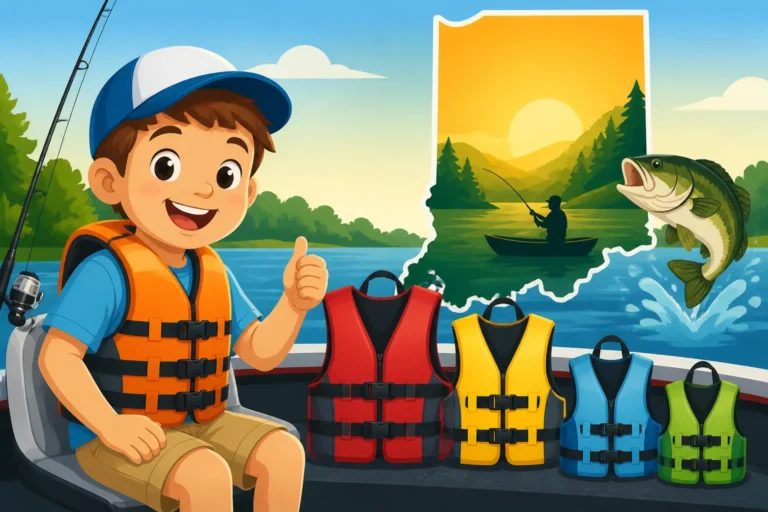
When it comes to our youngest adventurers, Indiana doesn't mess around, and for good reason. Anyone under the age of 13 is legally required to wear a USCG-approved life jacket whenever they are on a boat, or being towed by a boat, on Indiana waters. This isn't just a recommendation; it's the law, and there are no exceptions for strong swimmers or calm conditions when it comes to children. The only time a child under 13 might not be required to wear one is if they are below deck in an enclosed cabin, but even then, one must be readily available.
This strict rule is a vital safeguard, acknowledging that children, even those who can swim, can easily panic or be overwhelmed in an unexpected capsizing or fall overboard situation. A properly fitted life jacket gives them the best chance of survival and makes it much easier for rescuers to spot and retrieve them. When you're shopping for a child's life jacket, always look for the USCG approval stamp, check the weight range, and make sure it fits snugly, especially around the arms and chest, preventing it from riding up. Many retailers, like Bass Pro Shops and even online via Amazon, offer a wide selection to ensure you find the perfect fit. Best Life Jacket Sizes for Kids Boating in Indiana is a great resource to learn more about selecting the correct size for your child.
Understanding Different Types of Personal Flotation Devices (PFDs)
The world of life jackets can seem a bit overwhelming with all the different numbers and classifications. However, once you understand the basic distinctions, choosing the right PFD for your adventure becomes much simpler. These classifications, set by the U.S. Coast Guard, are all about performance – how much flotation they provide and in what conditions they are most effective.
USCG-Approved PFD Types Explained
Let's break down the different types of USCG-approved PFDs you might encounter:
- Type I PFDs (Offshore Life Jackets): These are designed for open, rough, or remote waters where rescue may be delayed. They offer the most buoyancy and are designed to turn an unconscious person face-up in the water. They're bulky, but incredibly effective, often seen on commercial vessels or offshore fishing boats.
- Type II PFDs (Near-Shore Vests): These are good for calmer, inland waters where a quick rescue is likely. They offer less buoyancy than Type I but still provide some turning capability for unconscious wearers. They're less bulky than Type I, making them more comfortable for general boating.
- Type III PFDs (Flotation Aids): These are the most common type for recreational boating and fishing. They're comfortable, available in many styles (vests, fishing vests, ski vests), and provide excellent freedom of movement. However, they are not designed to turn an unconscious person face-up; the wearer must be able to hold their head up. This type is ideal for active participation in watersports and generally calm conditions. Many anglers choose Best Type III Life Jackets for Indiana Anglers for comfort and functionality.
- Type V PFDs (Special Use Devices): These are designed for specific activities, like kayaking, windsurfing, or waterskiing, or for commercial use. They must be worn to be considered a PFD and are only approved for the activity specified on the label. Some Type V PFDs can offer the same performance as a Type II or III, but their unique designs allow for greater maneuverability or warmth.
Each type has its place, and understanding their differences is key to making an informed choice for safety on the water.
Inflatables: Convenience with Caveats
Inflatable PFDs have become incredibly popular, especially among adults, for their sleek, low-profile design. They're far less bulky than traditional foam vests, making them comfortable to wear for extended periods, which increases the likelihood of people actually keeping them on. These devices are fantastic for many activities, but they come with specific rules and caveats that Hoosier boaters need to be aware of.
Most inflatable PFDs are considered Type V, which means they must be worn to count as a legal PFD. They also often require manual inflation (pulling a cord) or are automatically inflated upon water immersion (though some still require a manual pull in case of malfunction). Crucially, inflatable PFDs have strict limitations: they are not allowed for persons under 16 years of age, and they are generally not permitted on personal watercraft (PWCs) like jet skis, or for anyone being towed behind a boat. This is because their inflation mechanism might not work immediately in a high-impact situation, and their design isn't optimized for the dynamic, often high-speed environment of PWCs. For more on this, check out Why Inflatable Vests Fail Indiana PWC Rules. Always read the label of your inflatable PFD carefully to understand its specific approvals and limitations.
Specific Vessel Requirements: More Than Just People
Indiana's life jacket rules aren't just about the individuals on board; they also vary depending on the type and size of the vessel you're operating. What might be sufficient for a small fishing kayak could be completely inadequate – and illegal – for a larger motorboat. It's essential to match your safety gear to your craft.
Motorized Vessels: Quantity and Accessibility
For most motorized vessels in Indiana, the general rule is straightforward: you need at least one USCG-approved wearable PFD for each person on board. This means if you have four people in your bass boat, you need four life jackets. However, the requirements expand slightly for larger boats. If your motorized vessel is 16 feet or longer (excluding canoes and kayaks), you must also have at least one USCG-approved throwable flotation device (like a ring buoy or a seat cushion) readily accessible. This throwable device is an emergency aid for someone who falls overboard and might not be able to reach a wearable PFD quickly.
Accessibility is key for all PFDs. They can't be stowed away in a locked compartment, under a pile of gear, or in their original plastic packaging. They must be easily reachable and in serviceable condition, meaning no rips, tears, or broken straps. An officer performing a safety check will look for these things, and a violation can result in a fine. Thinking about How Many Life Jackets Do You Need on an Indiana Boat before you launch is always a good idea.
Non-Motorized Crafts: Kayaks, Canoes, and Paddleboards
The growth of paddle sports has brought a lot of new enthusiasts to Indiana's lakes and rivers. While these vessels often have fewer regulations regarding horsepower or registration, life jacket requirements are still firmly in place. For kayaks, canoes, and stand-up paddleboards (SUPs), you still need one USCG-approved wearable PFD for each person on board. For adults, the law states that the PFD must be readily accessible, meaning it can be on board but not necessarily worn, as long as it can be quickly put on.
However, many experienced paddlers and safety experts strongly recommend wearing your PFD at all times, even if the law doesn't strictly require it for adults. Falling out of a kayak or off a paddleboard can happen unexpectedly, even in calm water. Currents can be stronger than they appear, and a sudden splash can disorient even a good swimmer. For children under 13, the requirement to wear the life jacket is the same as for motorized vessels. Always confirm the specific requirements for your chosen craft, and consider that safety often means going beyond the bare minimum legal standard. If you're wondering about other non-motorized vessel rules, you might find Do Kayaks Need to Be Registered in Indiana? helpful.
Special Situations and Exemptions
While the general rules cover most boating scenarios, there are a few specific situations that have their own set of requirements or considerations. Being aware of these can prevent an unexpected citation and, more importantly, ensure your safety during specialized water activities.
Personal Watercraft (PWCs): Strict Wearing Rules
When you're out on a Personal Watercraft (PWC), like a Jet Ski or WaveRunner, the rules for life jackets become much stricter. For anyone operating or riding on a PWC in Indiana, a USCG-approved life jacket must be worn at all times. There are no "readily accessible" exceptions here; it needs to be securely fastened and on your person. This makes perfect sense when you consider the speeds and maneuvers these craft are capable of. If you're suddenly ejected from a PWC at high speed, you could be stunned or injured, making it nearly impossible to retrieve a stowed life jacket.
Furthermore, inflatable PFDs are explicitly not allowed for PWC riders. The intense impact and quick submersion typical of a PWC accident mean that an inflatable might not deploy in time, or could even be damaged. Traditional foam-filled PFDs (typically Type III) are required because they offer immediate, constant buoyancy. So, if you're planning on zipping around on an Indiana lake, make sure everyone on board has a properly fitting, non-inflatable PFD securely fastened. Understanding these rules is critical, and a deeper dive into Do PWC Riders Need Life Jackets in Indiana? can provide even more clarity.
Paddling and Other Water Sports
While we touched on kayaks and canoes earlier, it's worth reiterating the nuances for other water sports. For activities like water skiing, wakeboarding, tubing, or kneeboarding, anyone being towed must be wearing a USCG-approved PFD. Again, this is for immediate safety in the event of a fall or collision. For stand-up paddleboarding (SUP), while the rules for adults might only require the PFD to be on board and accessible, wearing it is truly the safest practice. Many SUPs come with leashes, but a leash only keeps your board near you; it doesn't keep your head above water if you're unconscious or injured.
The key takeaway for all these activities is that immersion is highly likely. Even if you're a strong swimmer, the shock of cold water, an unexpected injury, or simply exhaustion can quickly turn a fun day into a dangerous situation. It's not just about what the law demands; it's about making smart, safe choices for yourself and your companions. Consider activity-specific vests that allow for maximum mobility while still providing reliable buoyancy. Indiana Boater Safety Gear Checklist can help you prepare for a range of water activities.
Maintenance, Condition, and Smart Shopping
Having the right life jacket is only half the battle; ensuring it remains effective and choosing wisely when purchasing are equally important. A worn-out or ill-fitting PFD is a false sense of security, offering little real protection when you need it most.
Keeping Your PFDs in Good Condition
Life jackets, especially those exposed to the elements, can degrade over time. Sunlight, saltwater (if you venture to Lake Michigan), chlorine, and improper storage can all take their toll. It's crucial to regularly inspect all your PFDs for signs of wear and tear. Look for rips, tears, and punctures in the fabric, especially around the seams. Check all straps, buckles, and zippers to ensure they are fully functional and secure. Faded colors can indicate UV damage, which can weaken the fabric over time.
Also, be sure to store your life jackets in a dry, well-ventilated area, out of direct sunlight. Avoid compressing them for long periods, as this can break down the foam cells and reduce buoyancy. Never use them as boat fenders or seat cushions, as this also compromises their structural integrity. If a life jacket shows significant signs of damage, or if it feels noticeably less buoyant when you're in the water, it's time to replace it. A good rule of thumb: if in doubt, throw it out. An older PFD might not meet current standards or could simply fail when put to the test. Our article on Can You Use an Old Life Jacket on an Indiana Boat? delves deeper into this topic.
Where to Buy and What to Look For
When it's time to purchase new life jackets, you have plenty of options, both online and in brick-and-mortar stores. Major retailers like Bass Pro Shops are excellent resources, often having a dedicated section with knowledgeable staff who can help you find the right size and type. Online platforms like Amazon also offer a vast selection, though you'll need to be diligent about checking sizes, reviews, and USCG approval.
No matter where you shop, always prioritize USCG approval. This will be clearly marked on the label. Next, consider the activity you'll be doing. A fishing-specific vest with extra pockets might be great for a calm day on Patoka Lake, but a bulkier, more robust vest might be better for colder water or faster activities. Always try on a PFD before buying if possible, or at least meticulously check the sizing charts. Ensure it fits snugly, but allows for comfortable movement, and perform a "lift test" if you can – pull up on the shoulder straps; if it slides past your chin or mouth, it's too big. For specific needs, like bass fishing, exploring Best Life Jackets for Indiana Bass Fishing can help you make an informed decision.
Penalties and Why Compliance Matters
While discussing rules and regulations, it's natural to wonder about the consequences of not following them. But beyond the legal repercussions, understanding why these rules exist underscores their critical importance for everyone's safety on Indiana's beautiful waterways.
The Cost of Non-Compliance
Let's be direct: failing to comply with Indiana's life jacket requirements can lead to fines and citations. The exact penalty can vary depending on the specific violation (e.g., no PFD for a child vs. an improperly stored adult PFD) and the discretion of the enforcement officer, typically an Indiana Conservation Officer. These fines are designed to deter negligence and encourage adherence to safety standards. Getting pulled over and ticketed can quickly ruin a relaxing day on the water, turning a minor oversight into a costly inconvenience.
However, the real "cost" of non-compliance goes far beyond monetary fines. It's about human life. Drowning is a leading cause of accidental death, and a significant percentage of drowning victims in boating accidents were not wearing a life jacket. In many cases, these individuals had life jackets on board, but either didn't wear them or couldn't access them when an emergency occurred. A life jacket gives you precious extra time in the water, conserving energy, providing warmth, and making you visible to rescuers. It's a simple, effective piece of safety equipment that dramatically increases survival chances.
Prioritizing Safety on Indiana Waters
Ultimately, Indiana's life jacket requirements aren't just about avoiding a ticket; they are fundamentally about promoting a culture of safety on the water. Boating, kayaking, paddleboarding, and fishing are fantastic ways to enjoy the outdoors, but they come with inherent risks. Accidents happen, often unexpectedly and quickly. A sudden wave, a collision, an unexpected turn, or a medical emergency can plunge you into the water in an instant. In such moments, having a properly fitted, USCG-approved life jacket on and worn can be the difference between a frightening experience and a tragic one.
So, as you plan your next outing, whether it's a fishing trip to Monroe Lake or a paddle on the Tippecanoe River, take a moment to ensure every person on your vessel has the correct life jacket, and that it's in good condition and being worn when required. Think of it as essential gear, just like your fishing rod or paddle, and not merely a legal obligation. By prioritizing safety, you help ensure that every adventure on Indiana's waters is a memorable one, for all the right reasons. Remember, Do Adults Have to Wear a Life Jacket in Indiana? clarifies that while often not legally mandated for adults to wear, it is always the safest choice. Don't forget your Best Throwable Cushions for Boats Over 16 Feet if you have a larger boat!
Indiana Life Jacket Requirements Summary
| PFD Type | Description & Use Case | Required to Wear? | Who Needs It? | Notes |
|---|---|---|---|---|
| Type I | Offshore Life Jacket (Max. buoyancy, turns unconscious face-up) | Generally No* | Commercial vessels, offshore | Bulky, but best for remote waters where rescue is delayed. |
| Type II | Near-Shore Vest (Good buoyancy, some turning capability) | Generally No* | General recreational boating | Less bulky than Type I, suitable for calmer inland waters. |
| Type III | Flotation Aid (Comfortable, good mobility, wearer must keep face up) | Generally No* | Most recreational boaters, fishing, watersports | Most common type, designed for continuous wear. Not for unconscious turn. |
| Type V | Special Use Device (Specific activities, e.g., kayaking, inflatables) | YES (must be worn) | Kayakers, PWC riders, waterskiers, specialized activities | Specific approval for stated activity. Inflatables are Type V. |
*For Type I, II, and III, Indiana law requires children under 13 to wear the PFD. Adults must have one readily accessible for each person. Inflatables (Type V) must always be worn.
Disclaimer
This article is for general informational purposes only and does not constitute professional advice. Laws, prices and regulations vary by location and change over time. Consult a qualified professional for guidance on your specific situation.