What Happens if You Boat Without Registration in Indiana?
There's nothing quite like the feeling of launching your boat onto an Indiana lake or river, ready for a day of fishing, watersports, or just cruising with friends and family. But that feeling can quickly turn to dread if a conservation officer or law enforcement official pulls you over and asks for your boat's registration, only for you to realize it's either expired or, worse, you never registered it at all. It's a common oversight, often leading to confusion and frustration, but understanding the consequences and how to stay compliant is key to a smooth boating experience in the Hoosier State. This guide will walk you through exactly what happens when you boat without registration in Indiana, from the immediate encounter to the long-term implications, and how to make sure you're always on the right side of the law.
The Essentials of Indiana Boat Registration
It’s easy to assume that if your boat is small or you only use it a few times a year, you might be exempt from registration. However, Indiana law is pretty clear: most motorized vessels, and even some non-motorized ones if they meet certain criteria, need to be properly registered with the Bureau of Motor Vehicles (BMV). This isn't just about collecting fees; it's about public safety, identifying vessels in case of accidents or theft, and ensuring that all boaters contribute to the upkeep and management of Indiana's waterways. Ignoring these rules can lead to a heap of trouble that far outweighs the minor inconvenience of getting registered.
Understanding Indiana's Registration Requirements
Let's clear up some common misunderstandings right away. In Indiana, any watercraft principally operated on the waters of the state that is propelled by machinery (even an electric trolling motor!) must be registered. This means if you have a fishing boat with a small outboard, a pontoon boat for leisurely cruises, or even a canoe that you've slapped an electric motor on, it needs a valid registration. The registration process ensures your vessel is properly identified with a unique registration number and displays the current decal. For a complete rundown, you can always check out Indiana Boat Registration Rules Explained.
Now, what about those non-motorized vessels? This is where people often get confused. Generally, kayaks, canoes, paddleboards, and rowboats that are not mechanically propelled do not need to be registered. However, the moment you attach any kind of motor, whether it's a gas engine or a quiet electric trolling motor for stealthy fishing, that vessel immediately falls under the registration requirements. Even if you only use the motor occasionally, the potential for propulsion means it needs to be registered. It’s always better to be safe than sorry; if there’s any doubt, assume it needs to be registered. This also applies to any vessel that's over a certain length, regardless of propulsion, but the motorization rule is the most frequent trigger for registration. For more specific details on non-motorized craft, you might want to read How to Register a Non-Motorized Boat in Indiana or Do Kayaks Need to Be Registered in Indiana?.
The Immediate Consequences of an Unregistered Vessel
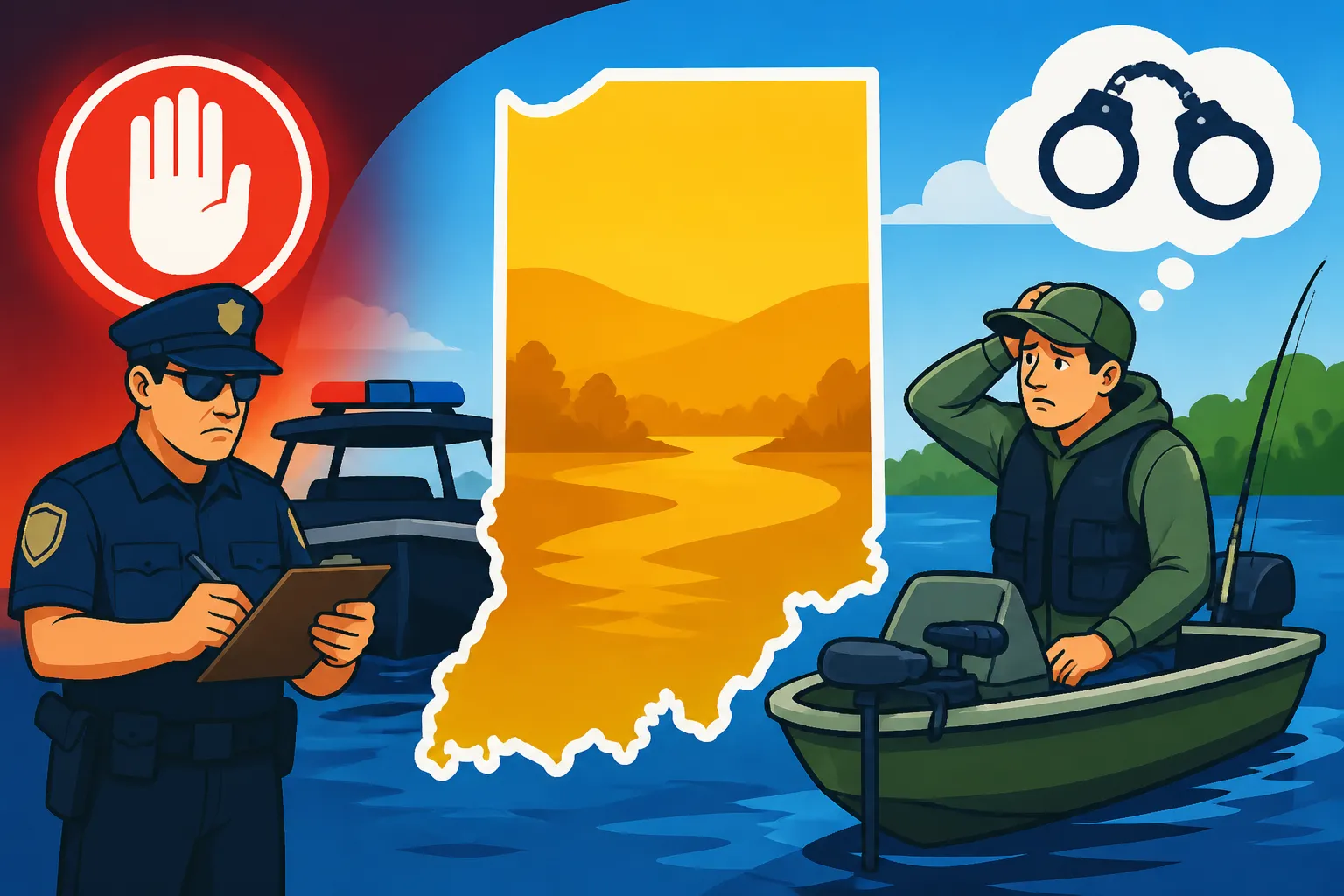
So, you're out on the water, enjoying a beautiful day, and suddenly you see a law enforcement vessel approaching. They signal you to stop. After the initial pleasantries, the officer asks for your registration and proof of ownership. If you can't produce a valid, current registration, you're looking at an immediate problem.
The most common immediate consequence is a citation. This isn't just a friendly reminder; it's a legal notice of a violation. The officer will likely inform you of the specific statute you've violated, which is typically operating an unregistered watercraft. They'll record your information, your boat's details, and the circumstances of the stop. Depending on the officer's discretion and the severity of the situation (e.g., if you're also missing safety gear or acting recklessly), they might even issue additional citations. The citation will include a court date or instructions on how to pay a fine, much like a traffic ticket. It’s important to remember that these officers are trained to ensure public safety on the water, and proper registration is a fundamental part of that. They're not just being bureaucratic; they're upholding laws designed to protect everyone.
Navigating the Penalties: Fines and Further Action
Getting a citation for an unregistered boat is just the beginning. The actual penalties can vary depending on several factors, including whether it's your first offense, where you were stopped, and even the discretion of the legal system. It's not usually a simple slap on the wrist; there are real financial and legal repercussions that can quickly add up.
Breaking Down the Fines for Non-Compliance
The monetary penalties for operating an unregistered watercraft in Indiana can be significant. While specific fine amounts are subject to change and local jurisdiction, expect it to be classified as a Class C infraction. This type of infraction can carry a fine that often starts in the range of hundreds of dollars, not just a small fee. For example, a first-time offense might incur a fine of around $150-$250, but this can escalate. If you've been cited for this before, or if there are other violations involved, the fines can increase substantially. This is far more expensive than the actual Indiana Resident Annual Fishing License Cost or the cost of registering your boat in the first place, which is generally quite reasonable.
It’s also crucial to understand that paying the fine isn’t always the end of it. In many cases, particularly for repeat offenses or if you choose to contest the citation, you may be required to appear in court. This means taking time off work, potentially hiring legal counsel, and facing a judge, all of which add to the overall cost and hassle. The judicial system takes boating regulations seriously because they are directly tied to safety and accountability on Indiana's waterways.
Beyond the Fine: Other Repercussions and Legalities
The financial penalty is just one piece of the puzzle. There are other, sometimes more severe, repercussions that can arise from boating without proper registration:
- Impoundment: In some situations, especially if the boat is being operated recklessly, illegally, or is deemed unsafe, law enforcement has the authority to impound the vessel. This means your boating day is definitely over, and you'll incur additional costs for towing and storage to get your boat back. These impound fees can quickly surpass the initial fine, turning a minor oversight into a major headache.
- Proof of Ownership: If your boat isn't registered, it can also complicate matters of proving ownership, especially if the vessel is involved in an accident or is stolen. Registration provides an official link between you and your boat, which is vital for insurance claims, recovery efforts, and legal proceedings. Without it, you might find yourself in a bureaucratic nightmare trying to assert your rights to your own property.
- Insurance Issues: Many insurance policies require that your boat be legally registered to be covered. If you have an accident with an unregistered boat, your insurance provider might deny your claim, leaving you personally responsible for damages, injuries, and liabilities. This could be financially devastating in the event of a serious incident.
- Court Appearance: As mentioned, you might be summoned to court. Failing to appear in court can lead to even more severe penalties, including warrants for your arrest or higher fines. It’s a snowball effect that can quickly get out of control from a seemingly simple boating violation. Always take a citation seriously and address it promptly.
Table: Potential Consequences of Unregistered Boating in Indiana
| Consequence | Description | Severity | Cost Implication |
|---|---|---|---|
| Citation/Fine | Formal ticket for violating registration laws. | Moderate | $150 – $500+ (varies by jurisdiction/offense) |
| Court Appearance | Required to appear before a judge, especially for repeat offenses or if contested. | Moderate | Time off work, potential legal fees. |
| Vessel Impoundment | Boat seized by authorities, requiring fees for release. | High | Towing and storage fees, potentially hundreds of dollars daily. |
| Insurance Denial | If involved in an accident, your insurance might not cover damages or liabilities. | Very High | Personal liability for all damages, medical bills, and repairs. |
| Proof of Ownership Issues | Difficulty proving ownership in cases of theft, accident, or resale without official records. | Moderate | Legal complications, potential loss of property. |
| Future Penalties | Subsequent offenses typically lead to higher fines and more severe legal actions. | Escalating | Increasingly expensive fines, stricter court mandates. |
Getting Your Boat Registered: Avert Future Issues
The good news is that avoiding these hassles is straightforward: simply register your boat! The process is designed to be accessible, and with a little preparation, you can ensure you're compliant before you ever hit the water. Think of it as an essential piece of your Indiana Boater Safety Gear Checklist – just as important as your life jackets and fire extinguisher.
Step-by-Step: The Indiana Boat Registration Process
Registering a boat in Indiana typically involves a few key steps through the Indiana BMV. It's not overly complicated, but having your documents in order makes it much smoother.
- Gather Your Documents: You'll need proof of ownership. For a new boat, this is typically the manufacturer's statement of origin (MSO). For a used boat, it's usually the title, or if no title was issued, a bill of sale. You’ll also need your Indiana driver's license or state ID.
- Complete the Application: You'll fill out a Watercraft Registration Application. This form asks for details about your boat (make, model, hull ID number, length, propulsion type) and your personal information. You can often find these forms online or at your local BMV branch.
- Pay the Fees: There's a registration fee, which varies depending on the length and type of your vessel. These fees contribute to the management of Indiana's waterways and other related services. You can learn more about costs by looking into How Much Does an Indiana Boat Registration Cost.
- Receive Your Registration and Decals: Once your application is processed and fees are paid, you’ll receive your registration card and decals. The registration card is what you need to carry with you whenever you operate the boat, and the decals must be properly affixed to your boat's hull. Always ensure you are Carrying Boat Registration on Board in Indiana when you're on the water.
This process can often be completed online, in person at a BMV branch, or by mail. Many people find the online option convenient, allowing them to take care of it from the comfort of their home. If you're buying a new boat from a dealer, they often handle the initial registration paperwork for you, which is a huge help. However, always double-check to make sure it's done correctly.
Renewing Your Registration and Staying Compliant
Boat registration in Indiana isn't a one-and-done deal. It needs to be renewed regularly. In Indiana, watercraft registrations are generally valid for a period of three years. That might seem like a long time, but those years fly by quickly! Before you know it, that renewal notice will arrive, or you'll suddenly realize your decals are expired. You can typically find out How Long Does an Indiana Boat Registration Last and plan accordingly.
The renewal process is usually even simpler than the initial registration, especially if you haven't made any changes to your boat. You'll typically receive a renewal notice in the mail or via email. You can renew online, by mail, or in person. It’s crucial to pay attention to the Indiana Boat Registration Renewal Deadline to avoid any lapse in coverage. Set a reminder in your phone or mark it on your calendar! Many retailers that sell fishing and boating gear, like some Bass Pro Shops locations or even through online marketplaces like Amazon for related boating accessories, will also have staff knowledgeable about the renewal process or can direct you to the right resources. Staying on top of your renewals ensures you're always legal and avoids the stress and cost of fines.
Avoiding Common Registration Pitfalls
Even with the best intentions, it's easy to fall into common traps regarding boat registration. Being aware of these can save you a lot of grief.
New Purchases and Transfers: Don't Delay Registration
One of the most frequent reasons for unregistered boats on the water is a delay in registering a newly purchased vessel, especially a used one. When you buy a used boat, it's your responsibility to transfer the title and register it in your name promptly. There isn't an infinite grace period to get this done. Delaying can lead to you operating an unregistered boat, even if you just bought it. The previous owner's registration is no longer valid for you.
The moment you become the new owner, whether through a private sale or from a dealership, make it a priority to head to the BMV or process the transfer online. You’ll need the properly signed-off title from the seller, and sometimes a bill of sale, especially if the boat is older and doesn't have a title (though most motorized boats in Indiana will have a title). Understand the steps involved in How to Transfer a Boat Title in Indiana to make sure you complete this critical step without issue. It's much easier to take care of this administrative task on dry land than to explain to a conservation officer why your "new" boat isn't registered.
Out-of-State Visitors: Reciprocity and When to Register in Indiana
If you're visiting Indiana from another state and bringing your boat, you might wonder if your home state's registration is sufficient. Generally, Indiana honors the valid registration of other states. This means if your boat is legally registered in Ohio, Michigan, or Illinois, you can usually operate it on Indiana waters without needing a separate Indiana registration. This is known as reciprocity.
However, there's a limit to how long your out-of-state registration is honored. If you primarily operate your boat on Indiana waters for an extended period, or if you establish residency in Indiana, you will eventually be required to register your boat in Indiana. The exact timeframe can vary, so it's always best to check with the Indiana BMV if you plan to be in the state for an extended season or are moving here permanently. Don't assume that just because your boat is registered elsewhere, you're exempt indefinitely. Failing to understand these rules is another common reason for citations. For detailed information, review Do Out-of-State Boats Need Indiana Registration? to ensure your trip is worry-free.
Remember, the goal of these regulations isn't to make boating harder; it's to make it safer and more accountable for everyone. A little proactive effort in understanding and fulfilling your registration obligations will ensure your time on Indiana's beautiful lakes and rivers is spent making memories, not dealing with legal hassles.
Disclaimer
This article is for general informational purposes only and does not constitute professional advice. Laws, prices and regulations vary by location and change over time. Consult a qualified professional for guidance on your specific situation.