Saugeye Fishing in Indiana: A Complete Guide
Many anglers in Indiana find themselves casting for walleye, only to pull in a fish that looks almost right, but just a little different. Or maybe you've heard whispers of a hybrid fish that fights hard and tastes delicious, but you're not quite sure what it is or how to target it. This comprehensive guide is here to unravel the mystery of saugeye fishing in Indiana, helping you understand this fantastic hybrid, where to find them, and the best ways to bring them to your net.
Understanding the Saugeye: A Unique Hybrid
The saugeye is a fascinating fish that has truly found its niche in many of Indiana's waters. It's not a fish you'll find naturally reproducing in our state in significant numbers, but rather a carefully managed species that provides incredible fishing opportunities. If you've ever thought about targeting walleye but wanted a slightly different challenge, or just enjoy the thrill of catching a feisty predator, the saugeye is definitely worth getting to know.
What is a Saugeye?
Let's get down to basics. A saugeye isn't some mythical creature; it's a real, living, breathing hybrid fish. Specifically, it's a cross between a female walleye and a male sauger. These two species are close cousins, both belonging to the perch family, and when they reproduce, they create this unique offspring. The Indiana Department of Natural Resources (DNR) strategically stocks saugeye in various lakes and reservoirs across the state, and for good reason. They grow quickly, are quite adaptable to different water conditions, and offer a robust fight that anglers absolutely love. Plus, they're renowned for their delicious, flaky white meat, making them a prime target for those looking to fill their cooler. You can think of them as the best of both worlds – combining the strong growth of a walleye with the hardiness and sometimes more aggressive feeding habits of a sauger.
Saugeye vs. Walleye: Key Differences
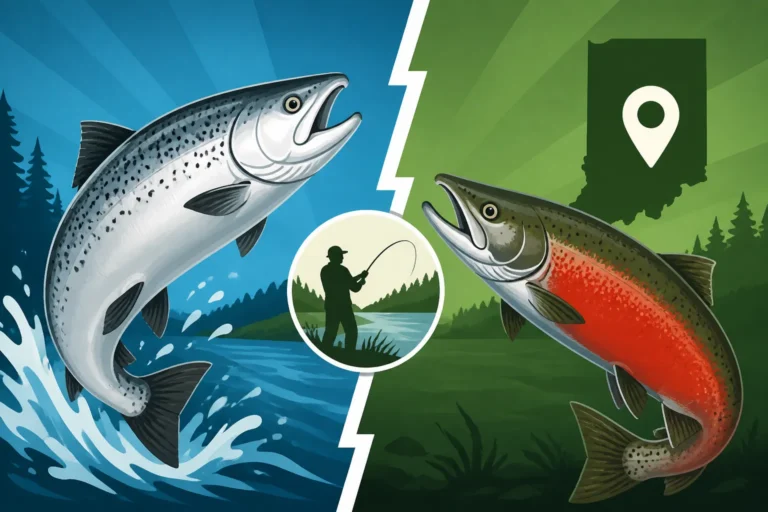
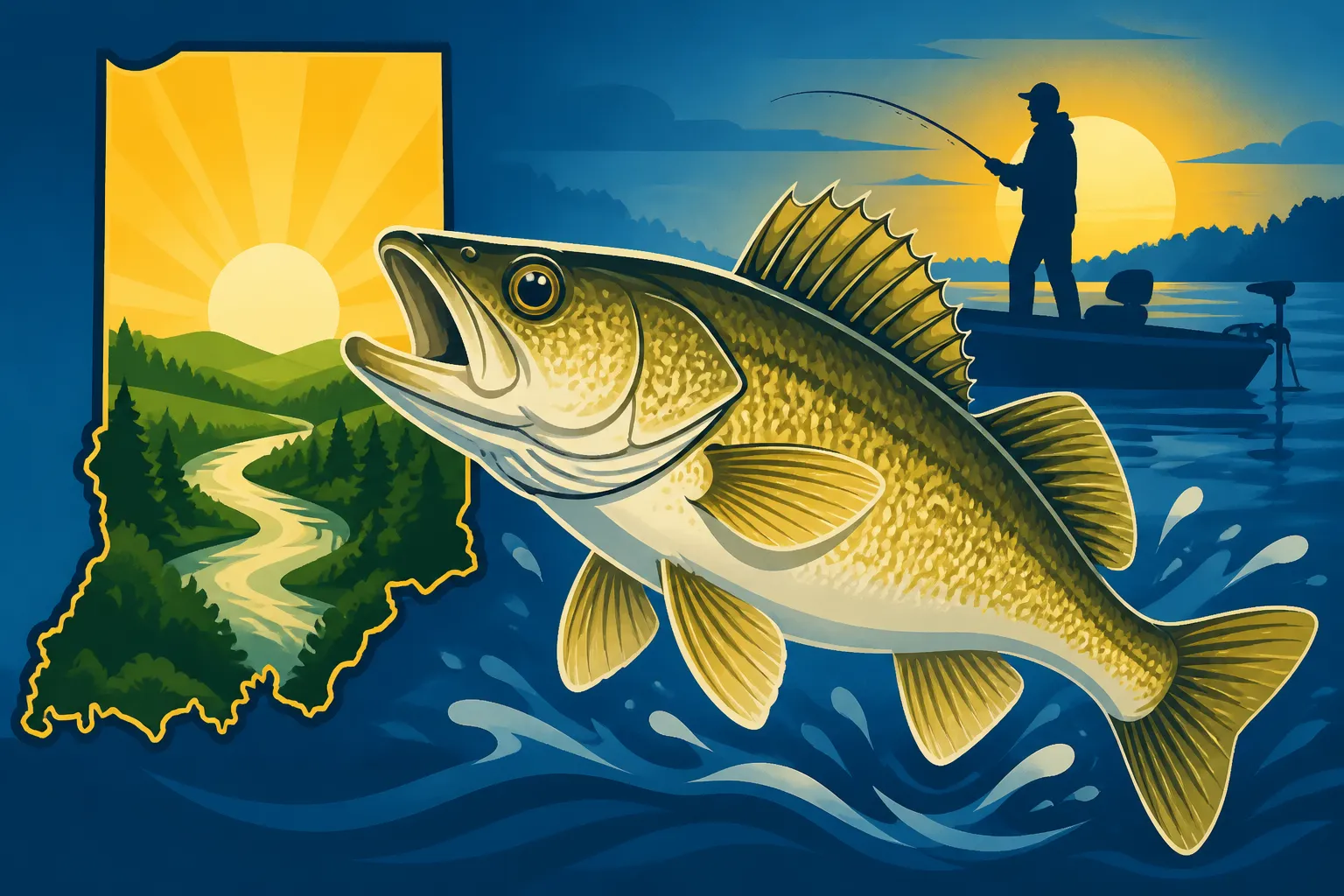
It's easy to confuse a saugeye with its walleye parent, especially for new anglers. They share many similarities, but there are distinct features once you know what to look for. For starters, Saugeye Identification: Spotting a Walleye-Sauger Hybrid often involves looking at their dorsal fin and their body markings. Walleye typically have a distinct white tip on the lower lobe of their tail fin, which saugeye either lack entirely or have a very faint version of. Saugeye also tend to have more pronounced, blotchy dark markings or "tiger stripes" along their sides, which are a characteristic inherited from the sauger. Walleye, on the other hand, usually have a more uniform olive-gold coloration with less distinct patterning.
Another key difference lies in their spiny dorsal fin. A walleye's dorsal fin will generally be clear or slightly mottled, but a saugeye's dorsal fin often has distinct rows of black spots, another trait from the sauger side of the family. While walleye can certainly be found in rivers, they generally prefer large, deep lakes and reservoirs with clear to moderately turbid water. Saugeye, much like their sauger parent, are often more tolerant of murkier, warmer waters and can thrive in shallower, turbid reservoirs, which explains why the DNR chooses certain stocking locations. Understanding these visual cues can help you confidently identify your catch at the boat ramp, and it’s a fun challenge to master as you gain experience on the water. For a deeper dive into distinguishing these fish, check out our guide on Walleye vs Saugeye: How to Tell Them Apart.
Why Indiana Stocks Saugeye
The decision to stock saugeye in Indiana isn't arbitrary; it's a carefully considered fisheries management strategy. The primary reason is that saugeye offer an excellent put-grow-and-take fishery. Unlike walleye, which can be challenging to establish self-sustaining populations for in some of Indiana's warmer, shallower, or more turbid reservoirs, saugeye are much more resilient. They grow quickly, providing a rapid return on investment for stocking efforts, and they thrive in conditions that might be less than ideal for purebred walleye. This means more catchable fish for anglers, sooner.
Furthermore, saugeye tend to be a bit more aggressive than walleye, often leading to higher catch rates, which keeps anglers engaged and happy. They're also less prone to certain diseases that can affect pure walleye populations, adding to their robustness. By stocking saugeye, the Indiana DNR is providing diverse angling opportunities, ensuring that even reservoirs without prime walleye habitat can offer a fantastic cool-water predator fishing experience. It's a win-win: the fish thrive, and we get to enjoy catching them! If you're curious about specific stocking locations, our article Where Does Indiana Stock Saugeye? provides a detailed overview.
Where to Find Saugeye in Indiana
Knowing what a saugeye is is one thing, but knowing where to wet a line for them is the real ticket to success. Indiana has several prime locations that the DNR regularly stocks with these fantastic hybrids. You won't find them everywhere, but in the right places, they can offer some truly exceptional fishing, making the drive worth it.
Top Reservoirs for Saugeye Fishing
When it comes to saugeye, Indiana's large, flood-control reservoirs are often the go-to spots. These bodies of water, typically built on rivers, provide the somewhat turbid, nutrient-rich environments that saugeye tend to prefer. They offer expansive waters where saugeye can roam, find forage, and grow to impressive sizes.
- Brookville Lake: Located in southeastern Indiana, Brookville Lake is perhaps one of the most famous saugeye fisheries in the state. It's a large reservoir known for its clear water in certain areas but also offers plenty of structure. Anglers consistently pull in good numbers of saugeye here, often mixed with walleye. The lake's deep channels and extensive points make it a prime hunting ground. Early spring and late fall are particularly productive, but with the right techniques, you can find them year-round. This lake's diverse forage base, including gizzard shad, provides an excellent food source for growing saugeye.
- Mississinewa Lake: Up in north-central Indiana, Mississinewa is another excellent saugeye destination. This lake has a more turbid character in some areas, which suits saugeye perfectly. The lake features numerous submerged timber areas, old creek channels, and humps that concentrate baitfish and, in turn, saugeye. Fishing around these submerged features with jigs or crankbaits can be incredibly effective. Winter ice fishing for saugeye here can also be phenomenal, drawing dedicated anglers from all over the region.
- Salamonie Lake: Neighboring Mississinewa, Salamonie Lake offers similar characteristics and excellent saugeye opportunities. It's another large flood control reservoir with extensive areas of standing timber and varied bottom contours. The saugeye here often relate to these structures, particularly during periods of low light. Anglers often target saugeye in the deeper parts of the lake, especially near the old river channel, as well as on submerged points and humps. Keep an eye on water levels, as they can fluctuate and affect fish patterns.
- Hardy Lake: While smaller than the major reservoirs, Hardy Lake in southern Indiana is also known for its saugeye population. It's a clearer lake compared to some of the northern reservoirs, but still holds plenty of fish. The saugeye in Hardy Lake often relate to deeper points and humps, especially during the warmer months. It can be a great option for those looking for a slightly different fishing experience away from the larger, more crowded waters.
These reservoirs provide the perfect conditions for saugeye to thrive, and they are regularly stocked to maintain healthy populations. If you’re serious about saugeye, these are the places to start your adventure. You can often find detailed information about these spots and which are Reservoirs Known for Trophy Saugeye by checking the Indiana DNR's fishing reports or local bait shops.
Lesser-Known Saugeye Hotspots
While the major reservoirs get a lot of the spotlight, Indiana has some smaller, lesser-known gems that can also produce quality saugeye catches. These spots might not be stocked every single year or in as high numbers, but they can still offer surprising opportunities, especially if you're looking for a more secluded fishing experience.
- Prairie Creek Reservoir (Muncie): This reservoir near Muncie is often overshadowed by the larger lakes, but it has a history of saugeye stockings and can provide some exciting action. Its shallower nature and abundant weed beds create different habitat challenges and opportunities. Look for saugeye relating to the edges of these weed lines or in deeper pockets near channels.
- Lake Monroe (Bloomington): While primarily known as a fantastic bass fishery, Lake Monroe has also seen saugeye stockings in the past. These fish can be a bonus catch for walleye anglers or those targeting other species. Given Monroe's vastness, finding saugeye here requires understanding their preferred depths and structures, often focusing on the main lake points and humps that attract baitfish.
- Local Ponds and Smaller Lakes: Occasionally, smaller municipal ponds or community lakes might receive a limited saugeye stocking as part of a specific program. These are often not advertised widely, but a quick call to your local DNR district office or a chat with a local bait shop owner might reveal some hidden opportunities. The key with these smaller waters is often consistency and knowing when they were last stocked. Sometimes, these small waters can hold surprisingly large fish that have had less angling pressure.
Exploring these lesser-known spots requires a bit more investigative work, but the reward of finding an uncrowded saugeye honey hole can be incredibly satisfying. Don't be afraid to branch out from the popular destinations!
Reading the Water: Ideal Saugeye Habitats
Saugeye, like most predatory fish, are constantly seeking two things: food and cover. Understanding the types of structures and conditions they prefer will significantly increase your success, no matter which lake you're fishing. They are generally bottom-oriented fish but will suspend in the water column if baitfish are doing the same.
- Submerged Structure: This is paramount. Look for old creek channels, river bends, humps, points, rock piles, and especially standing timber. In reservoirs like Mississinewa or Salamonie, vast forests were flooded, leaving behind an incredible amount of woody cover. Saugeye will use these structures to ambush baitfish, especially during low-light conditions. Your fish finder will be your best friend in locating these underwater features. Pay close attention to changes in depth, as sudden drops or rises are natural ambush points.
- Bottom Composition: While they are adaptable, saugeye generally prefer hard bottoms like gravel, rock, or even firm clay over soft, mucky bottoms. These areas often hold invertebrates and baitfish that the saugeye feed on. When you're jigging, you'll feel the difference in the bottom, which can indicate whether you're in a productive area.
- Turbidity and Light: Saugeye have excellent vision in low light conditions, inherited from their walleye and sauger parents. This means they often prefer moderately turbid water or will be more active in clearer lakes during dawn, dusk, or at night. Overcast days can also be highly productive, as the reduced light penetration makes them more comfortable roaming shallower areas. Don't shy away from water that looks a little "stained" – it might be perfect for saugeye.
- Baitfish Concentrations: Ultimately, saugeye will be wherever their food is. Modern fish finders with side-imaging or down-imaging can show you schools of shad or other baitfish. If you find the bait, the saugeye won't be far behind. Often, these baitfish will school up in deeper channels or around main lake points. When the bait moves shallow to feed, the saugeye will follow.
By actively "reading" the water and looking for these ideal habitats, you'll develop a keen sense of where to drop your lure. It's not just about blindly casting; it's about understanding the underwater world and predicting where the fish will be.
Best Times to Fish for Saugeye in Indiana
Timing can be everything when it comes to fishing, and saugeye are no exception. Knowing when they are most active, both seasonally and throughout the day, can dramatically improve your chances of success. It's about understanding their biological rhythms and how they react to their environment.
Seasonal Patterns and Behavior
Saugeye fishing in Indiana offers opportunities throughout the year, but some seasons definitely shine brighter than others due to the fish's metabolic rates and spawning urges.
- Spring (March – May): This is arguably the prime time for saugeye. As water temperatures begin to rise into the 40s and 50s, saugeye become highly active, often moving shallower to spawn. They don't typically reproduce successfully in Indiana, but they still go through the motions, congregating in river channels, tributaries, or near rocky areas where current is present. This is a fantastic time for jigging or slow-trolling crankbaits in these staging areas. Post-spawn, they'll spread out but remain aggressive as they recover and feed heavily. The warmer water means a higher metabolism and more frequent feeding.
- Summer (June – August): During the heat of summer, saugeye will generally move to deeper, cooler water. They'll relate strongly to thermoclines (the boundary between warm surface water and cooler deep water) and the main lake channels. This can be a great time for trolling deep-diving crankbaits or vertical jigging over submerged humps and points in 20-40 feet of water. Night fishing for saugeye also becomes extremely popular in the summer, as they move shallower to feed under the cover of darkness. Don't be surprised if they're harder to find during the brightest parts of the day.
- Fall (September – November): As water temperatures cool down, saugeye once again become very active, aggressively feeding to build up fat reserves for winter. This fall "feed bag" period is another excellent time to target them. They'll often move back into shallower parts of the reservoirs, particularly on wind-blown points and flats, chasing schools of baitfish. Trolling crankbaits, casting jigs, or using live bait can all be highly effective. The cooler, more stable weather often makes for comfortable fishing conditions too.
- Winter (December – February): For the brave and well-prepared, winter can offer some incredible saugeye ice fishing opportunities in Indiana's northern reservoirs once the ice is safe. Saugeye are still active under the ice, often congregating in deeper holes or along subtle breaks. Jigging spoons, blade baits, or small minnows fished vertically through the ice are productive methods. Even without ice, open-water saugeye can be caught in the deepest parts of reservoirs, though the bite will be slower. Remember to prioritize safety above all else if you're venturing out onto the ice.
Each season presents its own challenges and rewards, but understanding these general patterns will help you adapt your approach and increase your success rate.
Daily Rhythms: Dawn, Dusk, and Night Fishing
Like their walleye relatives, saugeye are highly adapted to low-light conditions. Their large eyes, equipped with a reflective layer called the tapetum lucidum, give them superior vision when the sun isn't blaring down. This inherent advantage dictates their daily feeding patterns.
- Dawn and Dusk: These twilight hours are prime time for saugeye. As the sun rises or sets, the light penetration into the water changes, reducing the advantage for sight-feeding baitfish and giving saugeye the upper hand. They will often move from deeper holding areas onto shallower feeding flats or points during these periods. Casting crankbaits, stickbaits, or jigs in these transition zones can be incredibly productive. It's worth getting on the water before sunrise or staying past sunset, even if it means bundling up a bit more.
- Night Fishing: This is where saugeye fishing truly shines for many dedicated anglers, especially in the warmer months. Under the cover of complete darkness, saugeye will move much shallower, sometimes into just a few feet of water, to actively hunt baitfish. Fishing from shore, docks, or slowly trolling with lighted bobbers and live bait, or casting shallow-running crankbaits, can yield fantastic results. Night fishing offers a unique solitude and often produces some of the biggest fish, as larger saugeye tend to be more nocturnal. Remember to equip yourself with proper lighting like a headlamp (you can find great options on Amazon), and let others know your plans when fishing at night. Our guide on Do Walleye Bite at Night in Indiana Reservoirs? can also give you some great crossover tips for saugeye.
- Daytime: While not as consistently productive as low-light periods, saugeye can certainly be caught during the day, especially on overcast days or in stained water. On bright, sunny days, they'll retreat to deeper water, dense cover, or the shade of docks and trees. You'll need to adjust your tactics, often focusing on vertical presentations like jigging directly over structure in deeper water, or trolling deep-diving lures. While the bite might be slower, persistence can pay off.
Embracing these daily rhythms and adjusting your approach accordingly will significantly boost your saugeye catch count. Don't limit yourself to just midday fishing if you want to maximize your potential.
Weather and Water Conditions
Saugeye, like all fish, are sensitive to changes in their environment. Understanding how weather and water conditions influence their behavior is a critical part of being a successful angler.
- Wind: A moderate chop on the water, often caused by a steady breeze, can actually be a good thing for saugeye fishing. The ripple breaks up light penetration, which makes saugeye more comfortable in shallower water, and also disorients baitfish, making them easier targets. Wind can also create current patterns that concentrate baitfish and, subsequently, saugeye, along certain points or shorelines. However, extremely high winds can make boat control and fishing difficult and unsafe. Always prioritize safety.
- Cloud Cover and Rain: Overcast skies are a saugeye angler's friend. Reduced light means they are more active throughout the day. Light rain can also be beneficial, as it darkens the sky and washes terrestrial insects into the water, attracting baitfish. Heavy downpours, especially those that muddy the water significantly, can temporarily slow the bite as fish might struggle to locate food, but saugeye are generally more tolerant of turbidity than walleye. Fish in stained water often respond well to baits with vibration and noise.
- Water Temperature: This is a major driver of fish metabolism and activity. Saugeye are cool-water fish, with their most active feeding generally occurring in water temperatures ranging from the mid-40s to the low 70s Fahrenheit. In spring, rising temperatures activate them, while in summer, they seek out cooler, deeper zones. Fall cooling temperatures spur their aggressive feeding. Rapid changes in water temperature, either up or down, can put fish into a funk, but they'll usually adjust within a day or two.
- Water Clarity: As mentioned, saugeye tolerate and often thrive in moderately stained or turbid water better than clear water. In extremely clear conditions, they will be even more light-sensitive and stick to deeper water or become primarily nocturnal. In muddier conditions, visual cues from lures become less effective, and you'll want to focus on baits that create vibrations or strong scent trails.
Keeping an eye on the forecast and being prepared to adjust your tactics based on these conditions is a hallmark of a seasoned saugeye angler. Pay attention to trends, not just single day events.
Essential Gear and Tackle for Saugeye
Having the right tools for the job makes all the difference, and saugeye fishing is no exception. While you don't need highly specialized equipment, choosing the right rods, reels, line, and lures will significantly enhance your experience and success rate. Think of it as investing in your potential for a great day on the water.
Rods, Reels, and Line Selection
The ideal setup for saugeye fishing strikes a balance between sensitivity for detecting subtle bites and enough power to handle a hard-fighting fish.
- Rods: A medium-light to medium power spinning rod, typically 6'6" to 7'6" in length, is an excellent all-around choice. The faster action (meaning the rod bends mostly in the tip section) is crucial for feeling those light "thumps" or spongy bites that saugeye often deliver. For jigging, a shorter, more sensitive rod might be preferred, while for trolling or casting longer distances, a longer rod offers better line control and casting distance. Graphite rods are generally preferred for their sensitivity.
- Reels: Pair your rod with a good quality spinning reel in the 2000-3000 size range. Look for a smooth drag system, which is vital when a saugeye makes a powerful run. A reliable retrieve is also important, as you'll be constantly working lures or feeling for bites. Brands like Shimano, Daiwa, and Penn offer excellent options across various price points. Don't skimp too much here; a good reel makes fishing more enjoyable and effective.
- Line: Your choice of fishing line can be a game-changer.
- Monofilament: A good all-around choice for many anglers, typically 6-10 lb test. It has stretch, which can be forgiving for soft-mouthed fish like saugeye, and is relatively inexpensive. However, its stretch can also reduce sensitivity.
- Fluorocarbon: Often used as a leader material (6-10 lb test) for its invisibility underwater and excellent abrasion resistance. Some anglers use it as a main line for its low stretch and sensitivity, but it can be stiffer and more expensive.
- Braided Line: A favorite for many saugeye anglers due to its incredible sensitivity and zero stretch. Typically, 8-15 lb test braid (with a fluorocarbon leader) allows you to feel the most subtle bites, even in deep water or wind. Its strength-to-diameter ratio is also excellent. A spool of good quality braided line can be found on Amazon if you're looking to upgrade. The downside is it's more visible, hence the need for a leader.
It’s often a good practice to use an 8-10 lb braided main line with a 6-8 lb fluorocarbon leader for maximum sensitivity and stealth.
Lures and Baits: What Saugeye Can't Resist
Saugeye are opportunistic predators, and a variety of lures and baits can be effective depending on the season and conditions. Having a versatile tackle box is key.
- Jigs: This is probably the most consistent saugeye catcher.
- Lead Head Jigs: From 1/8 oz to 1/2 oz, tipped with soft plastics (grubs, paddle tails, minnow imitations) or live bait (minnows, nightcrawlers). Color choice can vary, but chartreuse, white, orange, and darker patterns often work well. Fish them vertically, slowly bouncing off the bottom, or cast and retrieve with a slow hop.
- Blade Baits: Lures like a Z-Man Chatterbait or similar vibrating metal blades are excellent for provoking reaction strikes, especially when vertically jigged or cast and retrieved with a lift-and-fall action. The vibration helps fish locate them in stained water.
- Jigging Spoons: Metal spoons designed for vertical jigging, often resembling injured baitfish, can be deadly, particularly in deeper water or through the ice.
- Crankbaits and Stickbaits: These are essential for covering water and targeting active fish.
- Deep-Diving Crankbaits: For trolling or casting in deeper water, these lures can reach saugeye holding at specific depths. Firetiger, chrome, blue/silver, and shad patterns are good starting points.
- Shallow-Running Crankbaits/Stickbaits: Great for casting along weed lines, points, or during low-light conditions when saugeye are shallower. Suspending models are particularly effective as they can be paused in the strike zone.
- Live Bait: Sometimes, nothing beats the real thing.
- Minnows: Small shiners or fathead minnows fished on a jig head, under a bobber, or on a slip-sinker rig are highly effective, especially in colder water.
- Nightcrawlers: Fished on a worm harness, a plain hook, or tipped on a jig, nightcrawlers are universally appealing.
- Leeches: While not as common in Indiana, leeches can be excellent bait for saugeye, especially when fished under a bobber or on a slow-trolled rig.
Our article on Best Lures for Saugeye Fishing offers a deeper dive into specific recommendations and tactics for each lure type. Experiment with colors and sizes until you find what the fish are keying in on that particular day.
Electronics and Accessories
Modern fishing wouldn't be the same without a few key pieces of equipment that can literally show you where the fish are.
- Fish Finder: This is perhaps the most crucial piece of electronics for saugeye fishing. A good fish finder with down-imaging and/or side-imaging capabilities will help you locate submerged structures, changes in bottom contour, and schools of baitfish, which are all key to finding saugeye. Portable units are available for smaller boats or kayak anglers, while larger console-mounted units provide extensive detail for bigger vessels. They can be a significant investment, but the ability to "see" underwater is priceless.
- GPS/Chartplotter: Often integrated into fish finders, a GPS unit allows you to mark waypoints of productive spots, follow contour lines, and navigate safely, especially on large reservoirs. This is invaluable for returning to a hot bite or safely finding your way back in low light or fog.
- Trolling Motor: For boat anglers, a bow-mounted electric trolling motor with GPS capabilities (like spot-lock) is a game-changer. It allows for precise boat control when jigging over structure or slowly trolling, keeping you on the fish without constantly wrestling with the main engine.
- Landing Net: Saugeye can be powerful fighters, and a good quality, rubberized landing net is essential for safely landing and handling them, especially if you plan to practice catch and release. The rubber coating protects the fish's slime coat and scales better than traditional nylon nets.
- Pliers/Forceps: Always carry a good pair for removing hooks safely, especially if the fish has swallowed the bait deep.
- Headlamp: Absolutely critical for night fishing or early morning/late evening excursions. You can find durable, waterproof headlamps on Amazon that will keep your hands free.
- Cooler: If you plan on keeping some saugeye for dinner (and they are delicious!), a well-insulated cooler with ice is a must to keep your catch fresh.
Investing in and learning to use these tools will make your saugeye fishing trips more productive and enjoyable. It's not about having the most expensive gear, but the right gear for the specific kind of fishing you're doing.
Effective Saugeye Fishing Techniques
Knowing the gear is one thing, but mastering the techniques to entice a saugeye strike is where the real skill comes in. Saugeye are predators, but they can also be finicky. Being versatile and willing to experiment with different presentations will lead to consistent success.
Jigging and Vertical Presentation
Jigging is arguably the most fundamental and effective technique for saugeye, especially when fish are relating to specific structures or holding in deeper water. It's a method that allows for precise bait presentation and can be adapted to many scenarios.
- Vertical Jigging Over Structure: When your fish finder marks saugeye on a hump, a point, or within a submerged brush pile, dropping a jig directly onto their heads is often the best approach. Use a 1/4 oz to 1/2 oz jig head tipped with a soft plastic grub, minnow imitation, or a live minnow. Let the jig fall to the bottom, then lift it a foot or two with a sharp snap of the wrist, letting it fall back on a semi-slack line. Most bites occur on the fall, so watch your line intently for any twitch, jump, or hesitation. Often, a saugeye will just "suck" the bait in, and it'll feel like a slight weight increase or a spongy sensation. Set the hook quickly!
- Rip Jigging: This more aggressive form of jigging can be effective when saugeye are active or when you want to trigger a reaction strike. Use a heavier jig or a blade bait, rip it off the bottom several feet, then let it flutter back down. The erratic action can really piss off a saugeye and make it strike. This technique works well in winter and early spring when fish are often sluggish but will respond to an aggressive presentation.
- Pitching and Drifting: If fish are spread out along a break line or an extended flat, pitching a jig and slowly retrieving it with hops and pauses can be effective. Alternatively, you can allow your boat to drift with the wind or current, dragging a jig or a live bait rig along the bottom. This covers more water and can help you locate pockets of active fish. Pay attention to how fast you're drifting; sometimes a very slow presentation is key.
The key to successful jigging is sensitivity and paying attention to every subtle bump and tap. Don't be afraid to experiment with jig weights and plastic colors until you find what the fish want that day.
Trolling for Open Water Saugeye
Trolling is an incredibly effective method for covering large expanses of water and finding active saugeye, especially in Indiana's bigger reservoirs. It allows you to present multiple baits at precise depths and speeds, making it ideal when fish are dispersed or suspending.
- Crankbait Trolling: This is a popular and productive method. Select crankbaits that dive to the depth where you're marking fish or bait. Use your fish finder to track the bottom contour and keep your lures in the strike zone. Vary your speed (typically 1.5 to 2.5 mph) and make subtle turns; these changes in speed and direction can often trigger a strike. Troll along main lake points, over submerged humps, or along old river channels. Pay attention to line counter reels to ensure repeatable presentations.
- Lead Core and Planer Boards: For more advanced trolling, lead core line allows you to get lures deeper without heavy weights, and different colors indicate depth. Planer boards spread your lines out away from the boat, covering a wider swath and allowing you to run more lines without tangles. This is particularly useful on wide open flats where saugeye might be spread out. While perhaps overkill for beginners, these tools become invaluable for consistent trolling success. You might find resources on these advanced techniques on Amazon for those looking to expand their trolling arsenal.
- Speed and Lure Selection: The right speed is often critical. Sometimes a slow, almost crawling speed is best, especially in colder water, while at other times, a faster pace can elicit reaction strikes. Match your crankbait size and color to the prevalent baitfish in the lake. Shad colors (chrome, silver, black back) are almost always a good choice, but don't hesitate to try bright colors like firetiger or chartreuse in stained water.
Trolling is a game of patience and precision, but when you hit the right combination of depth, speed, and lure, the rewards can be tremendous. It’s an excellent way to locate active schools of fish.
Casting and Retrieving Near Structure
While jigging and trolling cover many situations, good old-fashioned casting and retrieving can be incredibly effective, especially when saugeye are holding tight to visible or near-shore structures. This is a more active style of fishing that many anglers enjoy.
- Targeting Shoreline Cover: During low light or on overcast days, saugeye will often move up to feed along weed lines, rip-rap banks, or around visible timber. Cast shallow-running crankbaits, stickbaits, or spinnerbaits parallel to these features. Work your lure slowly, with pauses and twitches, mimicking an injured baitfish. This is also a great technique for bank anglers, allowing them to access productive areas.
- Working Points and Humps: Cast your lure beyond a submerged point or hump and retrieve it, letting it tick or bounce off the bottom. Jigs with soft plastics, lipless crankbaits, or even heavy spoons can be very effective here. The key is to keep your bait in the "strike zone" as long as possible. If you're getting snagged, adjust your lure or retrieve to stay just above the bottom.
- Fan Casting: If you're not seeing fish on your electronics but suspect they're in the area, fan casting (casting to different angles around your boat or position) allows you to systematically cover an area. This is a good search pattern, especially when you're trying to locate a school of fish before switching to a more vertical presentation.
- Spinner Rigs and Harnesses: Fished behind a bottom bouncer or on a slow retrieve, spinner rigs tipped with a nightcrawler or minnow are fantastic for saugeye. The blade creates flash and vibration, while the live bait provides scent and natural movement. These are very versatile and can be cast, trolled, or drifted.
No matter the technique, paying attention to what the fish are telling you is paramount. If one method isn't working, don't be afraid to change your retrieve, your lure, or even your location. Persistence and adaptability are key traits of a successful saugeye angler.
Saugeye Regulations and Conservation
Fishing responsibly is a huge part of being an ethical angler. Indiana's saugeye fishery is a managed resource, and understanding and adhering to regulations helps ensure these exciting fish remain plentiful for years to come. Plus, knowing what to do with your catch responsibly is part of the fun!
Indiana's Saugeye Size and Bag Limits
Regulations are put in place for a reason: to manage fish populations and ensure healthy fisheries. For saugeye in Indiana, this means specific rules about how many fish you can keep and how large they must be. These regulations can change, so always consult the most current Indiana Fishing Regulations Guide published by the DNR before you hit the water. It's usually available online or at any place that sells Indiana Fishing License Requirements Explained.
Generally, saugeye in Indiana have a minimum size limit and a daily bag limit. The minimum size limit is designed to allow fish to reach sexual maturity and contribute to the population before being harvested, although saugeye are sterile. It primarily protects the fish long enough to reach a good, catchable size. The daily bag limit ensures that the harvest is spread out among anglers and that overfishing doesn't occur. For example, if there's a 14-inch minimum and a 6-fish daily limit, you can only keep saugeye that are at least 14 inches long, and you cannot possess more than 6 of them per day. These numbers are subject to change and can sometimes vary by specific body of water, so always double-check. Don't risk a ticket or, worse, impacting the fishery by being uninformed. Violations can lead to Penalties and Fines for Fishing Without a License, or for breaking specific bag limits.
Protecting the Resource: Catch and Release Best Practices
While saugeye are primarily a put-grow-and-take fishery in Indiana, practicing responsible catch and release, especially for larger fish or if you've already filled your limit, is always a good idea. Releasing fish helps maintain a strong population and ensures other anglers can enjoy the thrill of the catch.
Here are some best practices for catch and release:
- Minimize Fight Time: Bring the fish in as quickly as possible to reduce stress and exhaustion.
- Handle with Care: Wet your hands before touching the fish to protect its protective slime coat. Avoid squeezing the fish, especially around its belly or gills.
- Use Barbless Hooks: If you crimp down the barbs on your hooks, it makes removal much easier and less damaging to the fish.
- Proper Hook Removal: Use needle-nose pliers or forceps to quickly and gently remove the hook. If the fish is deeply hooked, it's often better to cut the line as close to the hook as possible rather than tearing internal organs.
- Support the Fish: If taking a photo, support the fish horizontally with two hands, one near the head and one near the tail. Avoid hanging the fish vertically by its jaw, as this can damage its spine and internal organs.
- Revive Gently: Hold the fish upright in the water, supporting it until it can swim away under its own power. If there's a current, face the fish into the current to help oxygen flow over its gills. Look for strong tail kicks before letting go.
By following these simple steps, you're doing your part to ensure healthy saugeye populations for everyone to enjoy.
Is Saugeye Good Table Fare?
Now for the question that often follows a successful fishing trip: how do they taste? The answer for saugeye is a resounding yes! Saugeye are widely considered excellent table fare, often praised for their flaky, white, mild-tasting meat. They inherit the best culinary qualities from both their walleye and sauger parents.
- Flavor Profile: The meat is generally less "fishy" than some other freshwater species, with a clean and delicate flavor. It's firm but tender, making it versatile for various cooking methods.
- Cooking Methods: Saugeye fillets are fantastic pan-fried with a light breading, baked with herbs and butter, or even grilled. Many people compare their taste and texture to walleye, which is widely regarded as one of the best-tasting freshwater fish. Given their popularity as table fare, many anglers specifically target saugeye for dinner. Our article on Is Saugeye Good Table Fare? delves into some popular cooking methods and tips for preparing your catch.
If you enjoy eating your catch, saugeye is definitely a fish you'll want to take home (within legal limits, of course!). Just remember to keep them on ice immediately after catching to maintain their quality.
Tips for a Successful Saugeye Trip
Embarking on a saugeye fishing adventure can be incredibly rewarding, but like any nuanced pursuit, a little extra preparation and an open mind can make all the difference. Beyond the gear and techniques, there are always those subtle nuances that separate a good day from a truly great one.
Scouting and Preparation
Before you even launch your boat or tie on your first lure, some thoughtful preparation can significantly improve your odds. Don't underestimate the value of a little homework!
- Consult Resources: Start with the Indiana DNR website. They often publish stocking reports, survey results, and even fishing forecasts that can give you clues about specific lakes. Local bait shops are also goldmines of current information. The folks working there talk to anglers all day and know what's biting, where, and on what. Don't be shy; ask about recent catches, water conditions, and preferred baits.
- Study Maps: Get your hands on detailed lake maps, either paper or digital (like those found on modern fish finders). Look for those critical underwater features: old creek channels, humps, points, rock piles, and sharp depth changes. Mark potential "honey holes" before you even leave home. Understanding the topography of the lake floor is like having X-ray vision.
- Check the Forecast: Keep an eye on both the weather and water conditions. Temperature changes, recent rainfall, wind direction, and barometric pressure all play a role in fish behavior. If a cold front just blew through, you might need to slow down your presentation. If it's been consistently warm, fish might be deeper. Being aware helps you strategize.
- Organize Your Tackle: Before you leave, make sure your tackle box is stocked and organized. Have a variety of jigs, crankbaits, and live bait options. Check your line for nicks or abrasions, especially after a few fish or snags. There's nothing worse than getting to your spot and realizing you're missing a crucial lure or a fresh leader. Consider having a few pre-tied leaders ready to go for quick changes.
A well-planned trip starts long before the boat hits the water. Taking these steps can save you valuable time and frustration on the lake, letting you focus on the fishing itself.
Adapting to Conditions
One of the biggest lessons any experienced angler learns is that fish don't always read the textbook. What worked yesterday might not work today, and what works in the morning might not work in the afternoon. Adaptability is your superpower on the water.
- Vary Your Presentation: If you're not getting bites, don't keep doing the same thing. Change your retrieve speed – go slower, then faster. Change your jigging cadence – longer pauses, sharper snaps. Sometimes a subtle tweak makes all the difference.
- Experiment with Lures and Colors: Start with your confidence baits, but if they're not producing, cycle through different lure types (jigs, crankbaits, live bait) and, crucially, different colors. In clear water, natural colors (shad, perch) might be best. In stained water, bright colors (chartreuse, orange, firetiger) can be irresistible. Don't be afraid to try something completely different from what you thought would work.
- Adjust Depth and Location: If fish were biting shallow in the morning, they might have moved to deeper breaks by midday. If your spot goes cold, move! Saugeye are often found in schools, so if you catch one, there are likely more. But if the bite dies, it might be time to find another school or an entirely different type of structure. Use your fish finder constantly to mark bait and fish, and don't be afraid to leave unproductive water.
- Pay Attention to Details: Did the bite happen right after a cloud passed over? Was it when you paused your retrieve for an extra five seconds? Was it right as you came over a small submerged log? These little clues can help you identify a pattern for that specific day. The most successful anglers are often the best observers.
The fish will tell you what they want if you're patient enough and observant enough to listen. Be flexible, be experimental, and don't get stuck in a rut.
Learning from Every Outing
Every time you go fishing, it's an opportunity to learn, whether you catch a limit or get skunked. Treat each trip as a lesson, and you'll continuously improve your saugeye game.
- Keep a Fishing Log: This might sound nerdy, but it's incredibly effective. Jot down details like date, time, weather (air temp, water temp, wind, cloud cover), water clarity, location, depths fished, lures used, and catch results. Over time, you'll start to see patterns emerge that you can leverage for future trips. For example, you might notice that a particular spot is only good on overcast fall evenings, or that chartreuse jigs are deadly after a rain.
- Review Your Electronics: After a trip, take some time to review the saved sonar recordings from your fish finder. Look at where you caught fish versus where you just saw them. Identify new structures or baitfish patterns you might have missed in the heat of the moment. Many modern units allow you to save and replay your sonar data, which is a fantastic learning tool.
- Reflect and Refine: Think about what worked and, just as importantly, what didn't. Did you spend too much time in one area? Should you have tried a different technique sooner? What new lure or tactic did you want to try but didn't? Use these reflections to refine your approach for the next time. Don't let a slow day discourage you; let it teach you.
- Share and Learn: Talk to other anglers! Share your experiences (within reason, of course – no need to give away your secret spot to everyone!). You'll often pick up valuable tips, learn about new techniques, or discover new spots from conversations with fellow enthusiasts. Online forums and local fishing clubs can also be great resources.
Saugeye fishing in Indiana is a dynamic and rewarding pursuit. By understanding these unique fish, knowing where to find them, employing effective techniques, and continuously learning from your experiences, you'll not only fill your cooler but also gain a deeper appreciation for Indiana's diverse fisheries. So grab your gear, plan your trip, and go chase some saugeye!
Disclaimer
This article is for general informational purposes only and does not constitute professional advice. Laws, prices and regulations vary by location and change over time. Consult a qualified professional for guidance on your specific situation.