Indiana’s Lake Michigan Salmon and Trout: A Complete Guide
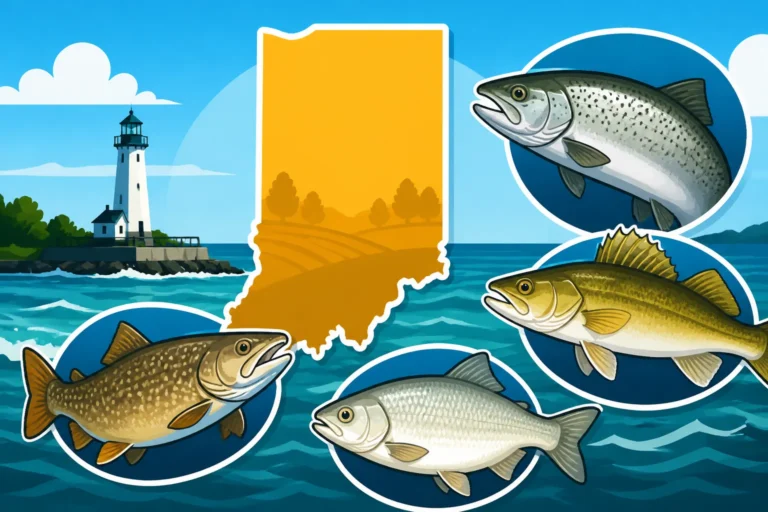
Indiana's stretch of Lake Michigan offers an incredible, often overlooked, fishing adventure that many anglers don't fully appreciate until they experience it. If you've ever felt intimidated by the sheer size of the lake or unsure where to even begin when targeting its legendary salmon and trout, you're not alone. This guide aims to demystify Lake Michigan fishing in the Hoosier State, providing you with everything you need to know to pursue these magnificent cold-water species.
Introduction to Lake Michigan's Fishery in Indiana
There's something truly special about fishing Lake Michigan. It's an immense body of water, often feeling more like an ocean than a freshwater lake, with its own unique ecosystem and challenges. For anglers in Indiana, this majestic lake represents a premier opportunity to chase species that simply aren't found in the state's inland lakes and rivers, offering a different kind of thrill and a distinct set of angling techniques.
A Unique Freshwater Angling Experience
Forget everything you think you know about traditional Indiana bass or crappie fishing when you head to Lake Michigan. The scale is different, the fish are different, and the methods often require specialized gear. We're talking about powerful, migratory fish like Chinook salmon, Coho salmon, Steelhead, Brown trout, and Lake trout, which put up incredible fights and often grow to impressive sizes. It’s an experience that tests your tackle, your patience, and your angling skill, but the rewards are truly unforgettable. The vastness of the lake means fish can be found in a wide range of depths and temperatures, constantly moving, making every trip a new puzzle to solve. This constant challenge is precisely what draws so many devoted anglers to its shores and deep waters.
Why Indiana's Stretch of Lake Michigan Matters
While states like Michigan and Wisconsin often get the spotlight for Lake Michigan fishing, Indiana holds its own with significant contributions to the fishery. Our relatively short shoreline is packed with prime fishing grounds, from bustling harbors to deep offshore structures, and crucially, major river systems that serve as vital spawning grounds for migratory trout and salmon. The Indiana Department of Natural Resources (IDNR) works tirelessly, stocking hundreds of thousands of salmon and trout annually, ensuring a robust and healthy fishery. This dedicated effort makes the Indiana portion of Lake Michigan a reliable and exciting destination for anglers seeking trophy-sized fish, cementing its reputation as a serious contender in the Great Lakes angling scene.
Key Salmon Species in Indiana's Lake Michigan
When you talk about Lake Michigan fishing, salmon are usually the first fish that come to mind. These powerful, migratory fish provide some of the most exciting battles and highly anticipated seasonal runs for Indiana anglers. Knowing the differences between them can help you tailor your approach and increase your success.
Chinook Salmon The King of the Lake
The Chinook salmon, affectionately known as the "King" salmon, truly lives up to its regal name. These are the largest and most sought-after salmon species in Lake Michigan, often reaching impressive sizes that can easily exceed 20 pounds, with some truly massive specimens pushing well past 30 pounds. They are characterized by their dark, spotted backs and tail, and a tell-tale black mouth with black gums, which helps distinguish them from other salmonids. Chinook are known for their explosive strikes and powerful runs, making them a formidable opponent on the end of a line.
During the spring and summer, Chinook typically inhabit deeper, cooler waters, often suspending over thermoclines where they feed voraciously on baitfish like alewives. As fall approaches, mature Chinook begin their migration towards tributary streams to spawn, providing fantastic opportunities for pier and river anglers. Targeting these giants requires robust tackle and a good understanding of their seasonal movements. Many anglers depend on specialized trolling gear, using large spoons, J-plugs, and flies fished at various depths to entice a strike. You can often find heavy-duty rods and reels perfect for these powerful fish on Amazon, making it easy to gear up for your next big catch.
Coho Salmon The Silver Bullet
If the Chinook is the king, then the Coho salmon is the silver bullet of Lake Michigan. Slightly smaller than Chinook, Cohos typically range from 5 to 12 pounds, though larger individuals are certainly caught. They are recognizable by their silver sides, lightly spotted backs, and white gums with a dark mouth. What they lack in sheer size compared to Chinook, they more than make up for in acrobatic fights, often leaping clear of the water when hooked. This spirited fight makes them incredibly popular with anglers, especially during their concentrated spring and fall runs.
Coho salmon are often the first salmon species to become active in the spring, congregating in the warmer nearshore waters, offering excellent early-season opportunities for both boat and pier anglers. As summer progresses, they move to deeper, cooler water, similar to Chinook, but tend to stay higher in the water column. Their fall spawning run is also a highlight, bringing them close to shore and into tributaries. Anglers targeting Coho use a variety of lures, including spoons, dodgers, and flies, often trolled at faster speeds than for Chinook. Understanding the differences in appearance between these two species can be crucial; for more detail, check out Chinook vs Coho Salmon: Key Differences for Anglers.
Pink Salmon An Uncommon Visitor
While not a primary target like Chinook or Coho, the occasional Pink salmon, also known as Humpy, does show up in Lake Michigan. These are the smallest of the Pacific salmon, rarely exceeding a few pounds. They have distinct large oval spots on their backs and tail, and during spawning, males develop a pronounced hump on their back, giving them their nickname. They also have a very short lifespan, typically just two years.
Pink salmon are not regularly stocked in Lake Michigan by the IDNR or neighboring states, so any encountered are typically strays or descendants of earlier, limited stocking efforts from decades past. While you might not specifically target them, catching a Pink salmon is a unique and somewhat rare event that adds to the diverse angling experience of Lake Michigan. If you happen to hook one, appreciate it for its rarity, as they are truly an uncommon bonus in Indiana waters.
Key Trout Species in Indiana's Lake Michigan
Beyond the thrilling salmon runs, Lake Michigan's Indiana waters are also home to several robust trout species. These fish offer diverse fishing experiences, from powerful, migratory battles to deepwater challenges, providing year-round opportunities for dedicated anglers.
Steelhead Rainbow Trout The Migratory Powerhouse
Steelhead, which are essentially migratory Rainbow trout, are one of Lake Michigan's most beloved sport fish. These fish are renowned for their incredible strength, speed, and acrobatic jumps when hooked, making them a truly exhilarating catch. They are typically bright silver when in the lake, sometimes with a faint pink stripe along their sides, but take on more vibrant colors, including a pronounced red band, as they enter rivers to spawn. Steelhead typically range from 5 to 15 pounds, but larger fish are not uncommon.
Steelhead make significant migratory runs into Indiana's tributary streams, particularly the St. Joseph River in South Bend, where they provide fantastic fall, winter, and spring fishing. In the lake, they can be found cruising near the surface, especially in spring and fall, feeding on insects and baitfish. Trolling with spoons, stickbaits, and flies is effective for lake-dwelling steelhead, while river anglers often use spawn bags, beads, or small jigs. Understanding their migratory patterns is key to successful Steelhead fishing; for a deeper dive, explore Steelhead vs Rainbow Trout: What Sets Them Apart.
Brown Trout The Wary Predator
Brown trout are another prized species in Lake Michigan, known for their predatory nature and a beautiful, often golden-brown coloration adorned with dark spots, some with light halos. They typically average between 5 and 15 pounds, but trophy-sized Brown trout exceeding 20 pounds are regularly caught, especially near harbors and breakwaters. These fish are notoriously wary, making them a challenge to catch, but their strong fights and excellent table fare make the effort worthwhile.
Unlike salmon and steelhead, Brown trout tend to stay closer to shore, particularly around structure like piers, rock piles, and harbor areas where baitfish congregate. They are often targeted by pier anglers in the spring and fall using spoons, stickbaits, or live bait. Boat anglers also find success trolling the shallower nearshore waters. The Indiana shoreline has several excellent locations for these fish. If you're looking for specific areas, you might find valuable insights in Lake Michigan Brown Trout Fishing Spots in Indiana. These fish are often caught incidentally while targeting salmon, but dedicated brown trout anglers understand their unique habits and preferences.
Lake Trout The Deepwater Dweller
Lake trout are the true native salmonid of Lake Michigan, a cold-water species adapted to the deep, often dark, waters of the lake. They are identifiable by their mottled, dark gray to greenish-gray bodies with light spots, and a deeply forked tail. While they can vary widely in size, most range from 5 to 20 pounds, though some truly ancient and enormous Lake trout weighing 30 pounds or more are still caught from the deepest parts of the lake. They are powerful fighters, known for their strong, steady pulls rather than acrobatic displays.
Lake trout are primarily found in the deeper, cooler sections of Lake Michigan throughout the year, especially during the warmer summer months when other species move closer to the surface or into tributaries. They feed on a variety of prey, including alewives, sculpins, and even other smaller fish. Anglers targeting Lake trout typically employ heavy trolling gear with downriggers to present large spoons, dodgers, and flies or cut bait at significant depths. They can be a challenging fish to locate, but once found, they often provide consistent action. For more information on where to find these deepwater giants, refer to Lake Trout Fishing Spots on Lake Michigan.
Prime Fishing Seasons and Runs for Salmon and Trout
One of the most exciting aspects of Lake Michigan fishing in Indiana is the distinct seasonal patterns and "runs" that occur, dictating which species are most active and where you're likely to find them. Understanding these cycles is crucial for planning successful trips and maximizing your chances of a great catch.
Spring Frenzy Early Season Opportunities
As the ice recedes and water temperatures begin to climb in late March and April, Lake Michigan comes alive with the "spring frenzy." This is a prime time for Coho salmon, Brown trout, and Steelhead, as they move into the warmer nearshore waters and harbors. The shallower waters warm up faster, attracting baitfish, which in turn draws these hungry predators. Shore and pier anglers often have incredible success during this period, casting spoons and stickbaits into the cooler, oxygen-rich water.
Boat anglers find success trolling these same nearshore areas, often within a few miles of the harbor mouths, targeting the top 30 feet of the water column. This early season action can be fast and furious, offering some of the best opportunities for consistent limits of Coho and a good chance at a trophy Brown trout. It's a time when you really need to be prepared with a variety of lures and be ready to adapt to changing conditions. Many anglers check out what's available on Amazon for popular spring lures like brightly colored spoons and shallow-diving stickbaits.
Summer Deepwater Tactics
Once summer arrives and surface temperatures rise, most salmon and trout species push out into the deeper, cooler waters of Lake Michigan. This is when the offshore trolling fleet really shines, utilizing sophisticated electronics like fish finders and downriggers to locate thermoclines and schools of baitfish, typically in 80 to 200 feet of water or more. Chinook salmon and Lake trout become the primary targets, often found suspending at specific depths where the temperature is just right.
This phase of the season requires patience and precision. Anglers will deploy multiple lines at various depths, experimenting with different colors and styles of spoons, flies behind dodgers, or J-plugs. The key is to cover a lot of water and present baits effectively in the vastness of the lake. While shore fishing might slow down for salmon and trout during peak summer, dedicated deepwater anglers find consistent action. Understanding the deepwater dynamics is essential; if you're planning a trip, consider the optimal times, as detailed in Best Time of Day to Fish Lake Michigan for Salmon in Indiana.
The Legendary Fall Run Spawning Migrations
Perhaps the most iconic fishing season on Lake Michigan is the legendary fall run, typically from late August through November. This is when mature Chinook and Coho salmon, along with Steelhead and Brown trout, stage near river mouths and eventually enter tributary streams to spawn. The anticipation builds as these powerful fish gather near shore, offering incredible opportunities for pier, shore, and small boat anglers. The fish are aggressive and often strike out of territoriality, making for spectacular fights.
Areas like Michigan City, with access to the Trail Creek, become hotspots. Anglers casting from piers use heavy spoons, stickbaits, or spawn bags. Small boats will troll near shore or at the river mouth. The fall colors reflecting on the water, combined with the thrill of hooking a powerful salmon or trout, make this a truly memorable experience. This specific phenomenon is well-documented in Fall Salmon Run Fishing on Lake Michigan in Indiana, a must-read for any angler hoping to experience it.
Winter Steelhead in Tributaries
Don't hang up your fishing gear when winter sets in! While the main lake can be challenging, the cold months bring a unique opportunity for Steelhead fishing in the tributary streams, especially the St. Joseph River. These hardy fish, having entered the rivers in the fall, will hold over through the winter, feeding opportunistically. When temperatures allow, and ice conditions are safe, anglers can find fantastic Steelhead action.
River fishing in winter often involves different techniques than summer lake fishing. Drifting spawn bags, beads, or small jigs under floats are popular and effective methods. The key is to fish during warmer spells or when water levels are stable, as drastic changes can make the fish less active. This is a solitary, peaceful, and often very rewarding experience for the dedicated angler. It's a testament to the year-round potential of Indiana's Lake Michigan fishery.
Essential Gear and Techniques for Lake Michigan Anglers
Fishing Lake Michigan isn't like fishing a pond in your backyard. The sheer size of the water, the power of the fish, and the specific behaviors of salmon and trout necessitate specialized gear and refined techniques. Being properly equipped and understanding these methods will dramatically improve your success rate.
Trolling from a Boat The Offshore Advantage
For many serious Lake Michigan anglers, trolling from a boat is the most effective way to consistently catch salmon and trout, especially during the spring, summer, and early fall. This technique involves slowly pulling multiple lines through the water at various depths and distances behind the boat, covering a wide area to find actively feeding fish. A typical setup includes specialized trolling rods and reels, often spooled with monofilament, fluorocarbon, or braided line, sometimes with wire or copper line for deeper presentations.
Key components for effective trolling include:
- Downriggers: These devices use heavy weights to send lures down to precise depths, allowing you to target fish holding in specific parts of the water column.
- Planer Boards: These boards pull lines out to the sides of the boat, spreading them horizontally and covering even more water, especially in shallower applications.
- Fish Finders and GPS: Essential for locating baitfish, marking structure, identifying thermoclines, and navigating the vast lake.
- Lures: Spoons (like Michigan Stinger or Dreamweaver), dodgers and flies, J-plugs, and stickbaits are all popular choices.
Setting up your trolling spread can be an art form, involving careful selection of lure colors, depths, and speeds. Many anglers invest heavily in their trolling gear, and you can find a comprehensive selection of these specialized items, from downriggers to specific trolling spoons, on Amazon. For a detailed look at setting up your boat, you can also explore Trolling Gear Setup for Indiana's Lake Michigan Salmon.
Pier and Shore Fishing Accessible Action
You don't need a fancy boat to enjoy Lake Michigan fishing. Pier and shore fishing offer incredibly accessible and often productive opportunities, especially during the spring and fall runs when salmon and trout move into shallower, nearshore waters. These locations often provide access to deeper water without needing a vessel, making them popular for anglers of all skill levels.
Common techniques include:
- Casting Spoons and Stickbaits: Long, heavy casting rods are used to launch spoons (like Little Cleo or Kastmaster) and stickbaits (like Rapala or Bomber Long A) long distances, mimicking baitfish. A slow, steady retrieve with occasional twitches can be very effective.
- Using Spawn Bags or Live Bait: During the fall run, especially near river mouths, natural baits like cured salmon eggs (in a spawn bag) or minnows fished under a float or on the bottom can be irresistible to staging fish.
- Slip Floats: For deeper presentations from piers, slip floats allow you to cast out and then let your bait descend to a predetermined depth.
Popular spots like the Michigan City pier, Portage Lakefront and Riverwalk, and the Hammond Lakefront Park and Bird Sanctuary offer excellent pier and shore access. Always be mindful of local regulations and other anglers, especially in crowded areas. This method is a great way to experience the thrill of the lake without a major investment in a boat.
Tributary Fishing for Migrating Fish
When salmon and trout make their spawning runs, Indiana's tributary streams become prime fishing grounds. Rivers like Trail Creek in Michigan City and the St. Joseph River in South Bend attract large numbers of Steelhead, Coho, and Chinook, especially in the fall, winter, and spring. This type of fishing is much more intimate than lake fishing, often requiring lighter tackle and a stealthier approach.
Effective tributary techniques include:
- Float Fishing (or "Bobber Dogging"): Using a slip float to drift natural baits (spawn bags, beads, worms) or small jigs through deeper pools and runs where fish are holding. The goal is a natural, drag-free drift.
- Casting Spinners and Spoons: In wider river sections, small inline spinners or casting spoons can be very effective for aggressive fish.
- Fly Fishing: For purists, fly fishing with egg patterns, nymphs, or streamer flies can be incredibly rewarding, especially for Steelhead.
Always respect private property and practice good river etiquette. Be aware that Lake Michigan Fishing Regulations Are Different From the Rest of the State, and this also applies to tributaries that feed into it, particularly regarding specific baits, snagging rules, and catch limits during spawning runs. This is often where anglers get their most exciting battles on lighter gear.
Top Fishing Spots Along Indiana's Lake Michigan Shoreline
Indiana's Lake Michigan shoreline, though relatively short, is packed with productive fishing grounds. Knowing where to go and what to expect from each spot can make all the difference in planning a successful salmon and trout adventure. Each location offers unique opportunities for both boat and shore anglers.
Michigan City The Gateway to Salmon and Trout
Michigan City is arguably the most popular and productive fishing destination on Indiana's Lake Michigan coast. Its deep-water harbor, expansive pier, and the significant tributary of Trail Creek make it a year-round hotspot for various species. The main attraction here is its proximity to prime deepwater fishing grounds and the vital spawning runs.
- Michigan City Pier: This iconic pier stretches far into the lake, offering fantastic access to salmon and trout, especially during the spring and fall runs. Anglers here regularly catch Coho, Chinook, Steelhead, and Brown trout by casting spoons, stickbaits, or fishing with spawn bags. The pier can be very busy, especially on weekends during peak seasons, so arriving early is often a good strategy. It's a great spot to try your luck at Best Salmon Fishing Spots on Lake Michigan in Indiana without a boat.
- Trail Creek: Flowing directly into Lake Michigan at Michigan City, Trail Creek is a critical migratory pathway. In the fall, huge numbers of salmon and steelhead push up the creek to spawn, providing excellent opportunities for river anglers. Even in winter and early spring, steelhead can be found in its deeper pools. Access points are available within the city limits.
- Deepwater Access: The harbor provides excellent launch facilities for boaters looking to head out into the deep waters to troll for Chinook, Coho, and Lake trout during the summer months. The areas outside the breakwater are often productive staging grounds for fish preparing to enter the harbor.
Hammond and East Chicago Access Points
Further west along the Indiana shoreline, the cities of Hammond and East Chicago offer additional, often less crowded, access points to Lake Michigan's bounty. These areas might not have the same extensive pier structures as Michigan City, but they provide excellent shore fishing opportunities and access to unique lake features.
- Hammond Lakefront Park & Bird Sanctuary: This area offers public access to the shoreline, often yielding good catches of Brown trout and Steelhead, especially during the cooler months. Casting spoons and stickbaits can be effective here. The breakwaters and points provide structure that holds fish. While not as famous for massive salmon runs, it's a solid option for consistent action.
- East Chicago Marina Area: The area around the East Chicago marina can be productive, offering some protection from the elements and access to deeper water near the harbor entrance. Shore anglers can target Brown trout and Steelhead. For boaters, it provides another convenient launch point to access the lake's open waters, particularly if you're looking for Shore Fishing Spots Along Indiana's Lake Michigan Coast.
Portage and Burns Harbor Deepwater Access
The area around Portage and Burns Harbor provides crucial deepwater access for boat anglers and excellent pier fishing opportunities, particularly for those targeting specific trout species. These locations benefit from industrial discharge and deep water close to shore, which can attract baitfish and the predators that follow them.
- Portage Lakefront and Riverwalk: This park features an impressive pier and shoreline access. The pier extends into deeper water, making it a prime location for various trout and salmon, similar to Michigan City but often with fewer crowds. During the fall and spring, Coho, Steelhead, and Brown trout are regularly caught. The shoreline fishing can also be productive here, especially early in the season.
- Burns Harbor: The deep-water shipping channel and nearby structures associated with Burns Harbor often hold significant numbers of fish. Boat anglers can target these deeper areas for Lake trout and Chinook salmon. While public access directly into the harbor might be restricted in some industrial zones, the surrounding lake areas accessed from public ramps nearby are highly productive. When you're looking to locate schools of fish, a good quality fish finder found on Amazon can be an invaluable tool. It’s also a key area if you're specifically searching for Where to Catch Steelhead on Indiana's Lake Michigan Shoreline from a pier.
Regulations and Conservation Efforts
Fishing Lake Michigan in Indiana isn't just about catching fish; it's also about being a responsible angler and understanding the rules that govern this incredible fishery. The Indiana Department of Natural Resources (IDNR) sets specific regulations to ensure the sustainability and health of salmon and trout populations for generations to come.
Understanding Indiana's Lake Michigan Rules
It's absolutely critical to familiarize yourself with the current Indiana fishing regulations for Lake Michigan. These rules are distinct from the general statewide regulations and often include specific bag limits, size restrictions, and even special rules for certain lures or fishing methods. Ignoring these can lead to fines and penalties, and more importantly, can harm the fishery.
Here's a general overview of what you should always check:
| Species | General Size Limit (Minimum) | General Daily Bag Limit | Specifics to Note |
|---|---|---|---|
| Chinook Salmon | 10 inches | 5 combined species | Check for seasonal or species-specific adjustments. |
| Coho Salmon | 10 inches | 5 combined species | "Combined species" usually refers to salmon and trout mix. |
| Steelhead | 12 inches | 5 combined species | Tributary rules often differ from main lake. |
| Brown Trout | 12 inches | 5 combined species | |
| Lake Trout | 18 inches | 2 | Lower bag limit for preservation. |
Note: These are illustrative figures. Always consult the current Indiana Fishing Regulations Guide (available from the IDNR website or bait shops) for precise and up-to-date rules before you fish.
Beyond bag and size limits, pay attention to specific regulations regarding:
- Fishing Methods: Certain areas or times of year might restrict snagging or the use of certain types of gear in tributaries.
- Trout and Salmon Stamp: In Indiana, if you plan to fish for trout or salmon, you'll need an Indiana Trout and Salmon Stamp Requirements in addition to your regular fishing license. This revenue directly supports the stocking and management of these species.
- Boundary Waters: If you plan to fish near state lines, be aware of reciprocity agreements and potential differences in regulations.
- Number of Rods: There are specific rules regarding How Many Rods Can You Fish With in Indiana at one time, especially important for boat anglers.
Ignorance of the law is never an excuse. Always take a few minutes to review the regulations before you cast a line, as Lake Michigan Fishing Rules for Indiana Anglers are frequently updated.
Protecting the Fishery for Future Generations
Conservation is paramount to maintaining the incredible salmon and trout fishery in Lake Michigan. The IDNR, along with various conservation groups, works tirelessly through stocking programs, habitat restoration, and strict regulations to ensure these fish continue to thrive. As anglers, we have a vital role to play in these efforts.
Key conservation practices include:
- Catch and Release: When releasing fish, especially non-target species or those outside the legal slot, handle them gently. Keep them in the water as much as possible, use wet hands, and revive them before letting them go.
- Responsible Harvest: Only keep what you can legally and ethically use. Avoid wasteful harvesting.
- Proper Disposal of Waste: Never leave trash, fishing line, or discarded bait on the shoreline or in the water. Carry out everything you carry in.
- Preventing Invasive Species: Clean, Drain, Dry your boat and gear after every trip to prevent the spread of invasive species like zebra mussels or round gobies, which can severely disrupt the ecosystem.
- Reporting Violations: If you witness poaching or other illegal activities, report them to the IDNR.
Our enjoyment of this fishery depends on its health. By adhering to regulations and practicing ethical angling, we contribute to the longevity and vibrancy of Lake Michigan's salmon and trout populations, ensuring that future generations can also experience the thrill of chasing these magnificent fish.
Preparing Your Catch and Enjoying the Experience
After a successful day of battling salmon and trout on Lake Michigan, the experience isn't over. Properly handling your catch is crucial, not just for safety but also to ensure the best possible table fare. There's immense satisfaction in bringing home a fresh catch and preparing it for your family and friends.
Safe Handling and Cleaning Practices
Getting your fish from the water to the plate in prime condition requires a few important steps. Improper handling can quickly diminish the quality of your catch, especially in warmer weather.
- Keep them Cold: As soon as you decide to keep a fish, get it into a cooler filled with ice. This slows down spoilage and maintains freshness. Many serious anglers use a large fish cooler or a boat's livewell designed to keep fish cool.
- Bleeding the Fish: For the best-tasting salmon and trout, many anglers choose to bleed their fish immediately after catching them. This involves making a small cut to the gills or throat and letting the fish bleed out in a bucket of water or directly into the icy cooler. This removes blood from the flesh, resulting in a cleaner, milder flavor.
- Cleaning: Filleting is the most common method for preparing salmon and trout. You'll need a sharp fillet knife, a sturdy cutting board, and a clean workspace. Remove the head, guts, and skin, then carefully separate the flesh from the bones. Be sure to rinse the fillets under cold water to remove any remaining scales or blood. For those just starting out, there are countless tutorial videos online that can walk you through the process, and a good quality fillet knife can be found on Amazon.
- Storage: Once filleted, pat the fish dry and store it in airtight bags or containers in the refrigerator. Fresh fish should be consumed within a day or two. For longer storage, vacuum seal the fillets and freeze them. Properly frozen fish can last for several months.
Culinary Delights From the Lake
Salmon and trout from Lake Michigan are renowned for their delicious, rich, and healthy flesh. They are incredibly versatile in the kitchen, lending themselves to a wide array of cooking methods and flavor profiles. There's nothing quite like enjoying a meal prepared from fish you caught yourself.
Here are just a few ideas for enjoying your Lake Michigan salmon and trout:
- Grilling: This is a classic for a reason. Brush fillets with olive oil, season with salt, pepper, and your favorite herbs (dill, lemon, garlic are fantastic), then grill skin-side down until cooked through and flaky. The smoky flavor complements the rich fish perfectly.
- Baking/Roasting: Place fillets on a baking sheet, add lemon slices, butter, and seasonings. Bake at a moderate temperature until done. This is a very hands-off and healthy preparation method.
- Pan-Searing: For a crispy skin, sear fillets skin-side down in a hot pan with a little oil until the skin is golden brown and crispy, then flip and finish cooking. Serve with a light sauce or fresh salsa.
- Smoking: Many anglers love to smoke their salmon and trout. A good brine and slow smoke can transform the fillets into a tender, flavorful treat that's perfect for appetizers or sandwiches. This is a great way to preserve a larger catch and enjoy it over time.
- Fish Tacos: Flake cooked salmon or trout and serve it in tortillas with fresh cabbage slaw, a creamy sauce, and a squeeze of lime for a vibrant, satisfying meal.
Experiment with different recipes and find your favorites. The fresh, clean taste of Lake Michigan salmon and trout is truly a reward for your angling efforts, making the entire journey from casting a line to sitting down for dinner a truly fulfilling experience.
Disclaimer
This article is for general informational purposes only and does not constitute professional advice. Laws, prices and regulations vary by location and change over time. Consult a qualified professional for guidance on your specific situation.