Best Season to Catch Smallmouth Bass
If you've ever spent a beautiful day on an Indiana river, casting for smallmouth bass only to come up empty-handed, you know the frustration. It's not always about having the right lure; often, it's about being in the right place at the right time – meaning, the right season. This guide will walk you through the optimal times of year to target Indiana's feisty smallmouth, helping you understand their seasonal movements and behaviors so you can land more bronzebacks.
Why Timing is Everything for Smallmouth Bass
Smallmouth bass are incredibly sensitive to their environment, particularly water temperature and light conditions. Unlike their largemouth cousins, who often prefer quieter, weedier backwaters, smallmouth thrive in cooler, clearer, moving water, making Indiana's rivers and some deeper, rocky lakes their prime habitat. Understanding their seasonal patterns isn't just a nicety; it's the foundation of consistent success. Ignoring these natural rhythms is like trying to find a wild morel mushroom in December – you might get lucky, but the odds are definitely not in your favor.
The Impact of Water Temperature
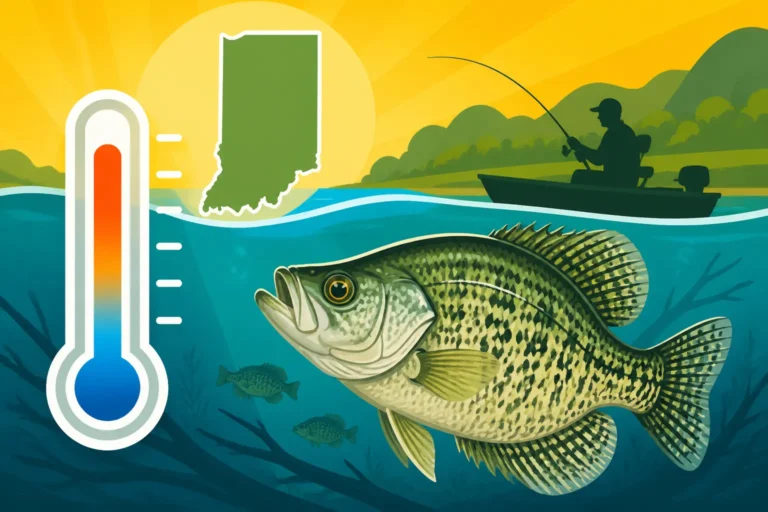
Water temperature dictates almost every aspect of a smallmouth's life, from where they hold to what they eat and how aggressively they feed. As the water warms in spring, their metabolism speeds up, driving them to feed and eventually spawn. In the heat of summer, they seek cooler, deeper water or shade. Then, in the fall, a feeding frenzy often ensues as they pack on calories for the lean winter months. Monitoring water temperature, even with a simple thermometer or a fish finder you might find on Amazon, can give you a significant advantage. It's a key indicator for everything from fish activity to lure selection. Remember, How Water Temperature Affects Fish Activity is critical knowledge for any angler.
Seasonal Movement and Behavior
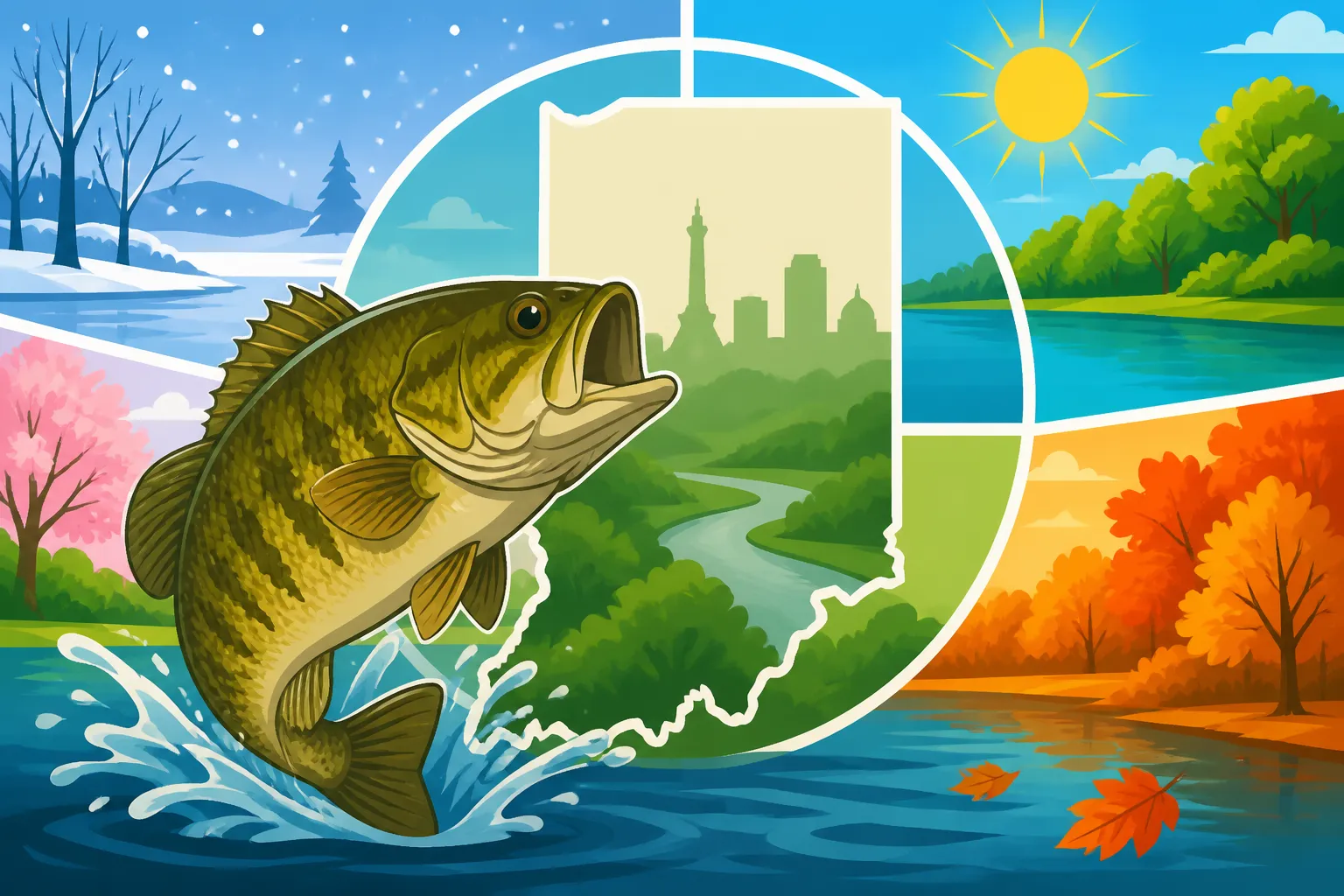
Smallmouth bass don't stay in one spot all year. Their movements are a direct response to these environmental cues. In early spring, they're often sluggish and deep. As the water warms, they push shallower, eventually moving onto spawning beds. Post-spawn, they might disperse to recuperate, and then settle into summer patterns. Fall sees them schooling up and feeding voraciously. Understanding these general movements helps you eliminate unproductive water and focus your efforts where the fish are most likely to be. Knowing these patterns means you're not just casting blindly; you're making educated guesses based on what the fish are programmed to do.
Spring: The Pre-Spawn and Spawn Bonanza
Spring is arguably the most anticipated season for many smallmouth anglers in Indiana, and for good reason. It’s a period of intense activity as water temperatures rise, waking the fish from their winter lethargy and priming them for the spawn. This window offers some of the most aggressive bites of the entire year.
Early Spring Warm-Up
As the ice melts and early spring rains bring fresh water into Indiana's rivers, smallmouth bass slowly begin to shake off their winter dormancy. This is when water temperatures might still be in the low 40s to low 50s Fahrenheit. During this time, smallmouth will often start migrating from their deep wintering holes into transitional areas. These areas might include main channel breaks, submerged timber, or rocky points adjacent to deeper water. They’re not actively feeding all the time, but they’re opportunistically looking for a meal.
Your approach during this period should be slow and deliberate. Think about finesse presentations like jigging tubes or small jerkbaits that suspend just right in the cold water. Patience is key, as bites can be subtle. If you're out on a bigger body of water like the Tippecanoe or White River, look for the sunny banks that warm up first, even by a few degrees. These small temperature bumps can attract baitfish, and in turn, hungry smallmouth. A good pair of waterproof gloves, readily available on Amazon, can make a huge difference in comfort during these chilly outings.
Peak Spawning Activity
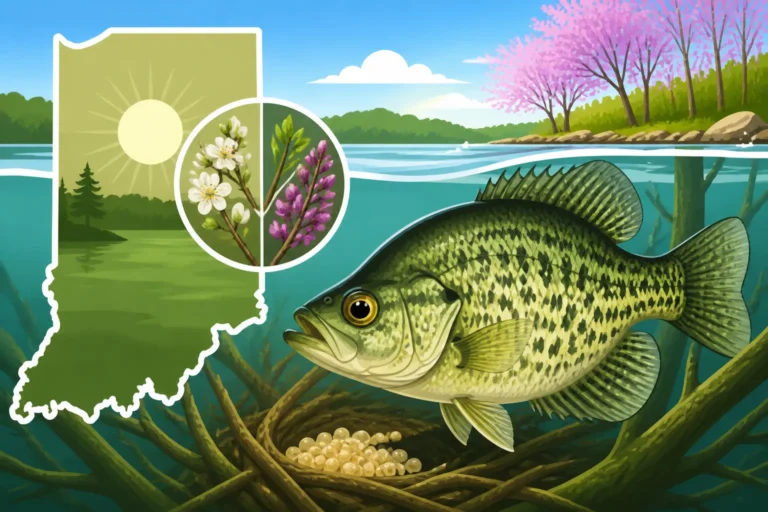
The true magic of spring smallmouth fishing kicks in when water temperatures hit the mid-50s to low 60s Fahrenheit. This is the pre-spawn and spawning period, a time when smallmouth bass are at their most aggressive and predictable. During pre-spawn, they move onto shallower flats, rocky shoals, and gravel bars, actively feeding to build energy for the rigors of spawning. This is prime time for big bites. Crankbaits, spinnerbaits, and even topwater lures can be incredibly effective as these fish are on the prowl. Indiana Bass Spawn Timing and Pre-Spawn Patterns can give you even more insights into this exciting period.
Once the water hits the mid-60s, smallmouth will begin to spawn. They'll fan out circular nests on gravel or sand bottoms, usually near some form of cover like a rock or submerged log. While it's exhilarating to catch a fish off a bed, many anglers practice catch and release at this time to protect the species' reproductive success. After the spawn, the fish can be a bit lethargic for a week or two as they recover, but they quickly transition into their post-spawn feeding patterns, often remaining in shallower waters before moving deeper for summer.
Summer: Deep Water and Low-Light Opportunities
Summer in Indiana brings warm air and even warmer water, which can make smallmouth fishing a bit more challenging than spring. However, it’s far from impossible! You just need to adjust your tactics and understand where these bronze beauties go to escape the heat and bright sunlight. The key often lies in finding cooler water, whether it's deeper sections of rivers or lakes, or targeting periods when the sun isn't directly overhead.
Early Summer Transition
As spring turns into summer, typically when water temperatures consistently hold above 65°F, smallmouth start to spread out from their spawning areas. They're still active, but the intense shallow water bite of spring begins to fade. During this early summer phase, they might be found along creek channels, points, and humps that offer access to both shallower feeding grounds and deeper, cooler refuge. This is a great time to experiment with a variety of presentations, as they haven't fully committed to their deep summer patterns yet.
Techniques like drop-shotting, shaky heads, or even dragging Carolina rigs can be highly effective around underwater structure. Look for current breaks in rivers, like eddies behind large boulders or log jams. These spots offer a resting place out of the main current while providing ambush points for passing baitfish. Investing in a good map chip for your boat's fish finder, available from outdoor retailers or Amazon, can help you locate these subtle underwater features.
Mid-Summer Deep Dives and Current Breaks
When the dog days of summer hit, and water temperatures climb into the 70s and 80s, smallmouth bass seek sanctuary. In lakes, this means moving to deeper humps, rock piles, ledges, and thermoclines where the water is cooler and oxygen levels are stable. In rivers, they'll congregate in the deepest pools, behind large boulders, or in the strongest current seams where the water is more oxygenated and slightly cooler. This is a time when the fish might not be as eager to chase, so presenting baits directly to them becomes crucial.
Vertical jigging with small spoons, soft plastic swimbaits, or Ned rigs can entice bites from these deeper-holding fish. When fishing rivers, focus on the deepest holes and runs, especially those with rock bottoms or extensive log jams. These areas provide both cover and cooler water. Remember, Smallmouth Bass Daily Limit in Indiana Rivers still applies, even when they're congregated, so always be mindful of regulations.
Evening and Morning Bites
One of the most effective strategies for summer smallmouth is to target low-light periods. Just like us, smallmouth don't always enjoy the midday sun, especially when it heats up the water. Dawn and dusk offer cooler temperatures and lower light, which makes the fish feel more comfortable moving into shallower feeding zones. You can often find them cruising shorelines, rocky banks, or the edges of current breaks during these times.
Topwater lures truly shine during summer mornings and evenings. Poppers, walk-the-dog baits, and buzzbaits can provoke explosive strikes that will get your heart pumping. If topwater isn't producing, try throwing weightless flukes or shallow-diving crankbaits. The reduced boat traffic and cooler air often make these periods not only productive but also incredibly peaceful. For river anglers, understanding Best Techniques for Smallmouth Bass in Rivers during these times can lead to some fantastic action.
Fall: Feeding Frenzy Before Winter
After the summer heat begins to wane, fall ushers in another fantastic season for smallmouth bass fishing in Indiana. As water temperatures start to drop, but before they get too cold, smallmouth enter a crucial feeding phase, gorging themselves to build up fat reserves for the lean winter months. This can translate into aggressive bites and some of the heaviest smallmouth of the year.
Early Fall Aggression
As early fall progresses, and water temperatures dip into the 60s Fahrenheit, smallmouth bass sense the impending winter. Their metabolism is still high, and their instinct to feed becomes incredibly strong. This period can be marked by a return to shallower waters, especially those with rock or gravel, as these areas retain heat longer. They'll also be actively pursuing baitfish, which are often schooling up in preparation for winter themselves.
This is a prime time for power fishing techniques. Crankbaits, spinnerbaits, and jerkbaits become highly effective again, mimicking the baitfish that smallmouth are relentlessly chasing. Look for areas where current sweeps baitfish into ambush points along river bends, rock piles, or submerged timber. In lakes, focus on points and humps where bass can corral bait. Having a selection of autumn-colored lures, like those often reviewed on Amazon, can make a difference. Check out Best Bait and Lures for Fall Fishing for more specific recommendations.
Late Fall Slowdown and Winter Prep
As late fall arrives and water temperatures drop into the 50s and then 40s, smallmouth bass will begin to transition to their deeper wintering areas. While they're still feeding, their activity level slows down considerably. They become more reluctant to chase fast-moving baits, preferring slower, more deliberate presentations. This is when the fish will often school up in larger numbers in deep pockets, depressions, or main river channels.
Finesse tactics become paramount. Drop-shot rigs, Ned rigs, blade baits, and jigging spoons are excellent choices for targeting these cold-water fish. Work your baits slowly and deliberately along the bottom, trying to tempt a strike rather than provoke an aggressive chase. While the bites may be fewer, the fish you do catch can often be larger, as the biggest smallmouth are often the most efficient at finding and holding in these prime wintering spots. It's a challenging but rewarding time for dedicated anglers.
Here’s a quick overview of what to expect for smallmouth bass activity throughout the seasons:
| Season | Typical Water Temp Range | Smallmouth Behavior | Preferred Habitat | Recommended Lure Types |
|---|---|---|---|---|
| Early Spring | 40s – Low 50s F | Slow, deep, migratory from wintering holes | Deep channels, adjacent points, current breaks | Finesse jigs, suspending jerkbaits, Ned rigs |
| Peak Spring | Mid 50s – Mid 60s F | Aggressive pre-spawn feeding, then spawning | Shallow flats, rocky shoals, gravel beds | Crankbaits, spinnerbaits, jerkbaits, soft plastics |
| Early Summer | Mid 60s – Low 70s F | Recovering from spawn, spreading out, still active | Creek channels, main lake/river points, humps | Drop-shots, shaky heads, Carolina rigs, swimbaits |
| Mid-Summer | Mid 70s – 80s F | Deep water refuge, low-light feeding | Deep pools, current seams, thermoclines, heavy cover | Vertical jigs, Ned rigs, drop-shots, topwater (low light) |
| Early Fall | Mid 60s – Low 70s F | Aggressive feeding, chasing baitfish | Rocky banks, current breaks, points, humps | Crankbaits, spinnerbaits, jerkbaits, topwater |
| Late Fall | 40s – Low 50s F | Schooling, slower feeding, moving to winter holes | Deep channels, large rock piles, submerged timber | Finesse jigs, blade baits, jigging spoons, Ned rigs |
| Winter | Below 40s F | Deep and sluggish, minimal feeding | Deepest holes, slowest current, near warmth if possible | Vertical jigging, very slow presentations |
While the table above gives you a good general idea, remember that every body of water is unique. The Best Fishing Spots on the Tippecanoe River in Indiana might have slightly different patterns than, say, Best Fishing Access Points on the White River in Indiana. Always pay attention to your local conditions and adapt your approach.
Disclaimer
This article is for general informational purposes only and does not constitute professional advice. Laws, prices and regulations vary by location and change over time. Consult a qualified professional for guidance on your specific situation.