Best Bluegill Fishing Techniques for Kids
Introducing your kids to fishing is one of the most rewarding outdoor experiences, but let's be honest, it can also be a recipe for frustration if you don't pick the right fish or the right techniques. Nobody wants to spend an hour untangling lines or watching a child get bored waiting for a bite that never comes. This guide is all about making bluegill fishing a smashing success for children in Indiana, ensuring smiles, excitement, and memories that will last a lifetime.
Why Bluegill Are the Perfect Fish for Young Anglers in Indiana
If you're looking to spark a lifelong love of fishing in a child, bluegill are your secret weapon. These feisty little panfish are Indiana's ultimate gateway species for new anglers, and for very good reason. They offer the perfect combination of abundance, accessibility, and sheer willingness to bite, which is exactly what you need to keep a kid engaged.
Their Abundance and Eagerness to Bite
One of the biggest hurdles when fishing with kids is the dreaded "no bite" syndrome. Nothing saps a child's enthusiasm faster than an hour of staring at a still bobber. This is where bluegill truly shine! They are incredibly common across nearly every body of water in Indiana, from tiny farm ponds and neighborhood retention ponds to large reservoirs and slow-moving rivers. Their populations are robust, meaning you're almost guaranteed to find them, and often in large numbers. You'll rarely have to wait long for a bite, which is crucial for maintaining a child's interest and patience, especially for those just starting out.
Bluegill are also famously aggressive eaters. They aren't particular or shy like some other sport fish. If a tasty morsel drifts by, they're usually going to investigate, and more often than not, they'll gobble it up. This means less finesse and more action, which is perfect for teaching the basics of casting, watching a bobber, and feeling that satisfying tug on the line. Getting that instant gratification of a fish on the hook builds confidence and excitement, turning a potentially boring outing into an exhilarating adventure with each successful catch.
Safe and Accessible Fishing Spots
Another fantastic aspect of bluegill fishing for families in Indiana is the sheer variety of safe and easily accessible locations where these fish thrive. You don't need a fancy boat or remote wilderness access to find them. Bluegill love shallow, weedy areas, docks, submerged brush piles, and the edges of lily pads—all places often found close to shore. This means you can often find great bluegill fishing opportunities right from a bank, a pier, or a public dock, which is ideal when fishing with young children who might not be comfortable in a boat or who need frequent breaks.
Think about local city parks, small public lakes, or even neighborhood ponds. Many of these spots are perfect for shore fishing, offering flat ground for kids to move around, often with restrooms and picnic areas nearby. Indiana's state parks, for example, often feature fantastic lake access with plenty of opportunities to catch panfish right from the bank. For ideas on where to go, you might want to explore some of the Best State Park Lakes for Fishing in Indiana or look into Family-Friendly Fishing Spots in Indiana that are geared towards making outings enjoyable for everyone. The key is finding a spot where kids can easily cast and where bluegill are likely to be lurking in reachable depths.
Essential Gear for Kid-Friendly Bluegill Fishing
When you're outfitting a young angler for bluegill, the goal isn't to get them the most expensive or advanced gear. It's quite the opposite! Simplicity, durability, and ease of use are paramount. Overly complicated tackle leads to tangles, frustration, and quickly waning interest. Let's talk about what truly makes a difference.
Simple Rod and Reel Setups
For kids, a spincast rod and reel combo is hands-down the best choice. These reels are designed for simplicity, often featuring a button that, when pressed, allows the line to cast smoothly. There's no complex bail to flip or intricate drag system to master right away. Look for combos that are short, generally between 4 to 5 feet, and have a light or ultra-light action. This type of rod is flexible enough to make even a small bluegill feel like a monster catch, adding to the excitement. A shorter rod is also much easier for small hands to control and cast without hitting everything around them.
Many brands offer excellent kid-specific combos that come pre-spooled with line, which saves you a headache. You can find a fantastic selection of these user-friendly setups on platforms like Amazon, making it super convenient to get everything you need delivered right to your door. When searching, look for terms like "kids fishing combo" or "spincast fishing rod for beginners." If you're wondering which options are best, check out our guide on Best Rod and Reel Combos for Kids Fishing for specific recommendations that are perfect for young hands.
Basic Tackle Box Essentials
Your tackle box for bluegill with kids should be minimal and focused. Forget the dozens of lures and weights; we're streamlining this for success and ease. Here's what you absolutely need:
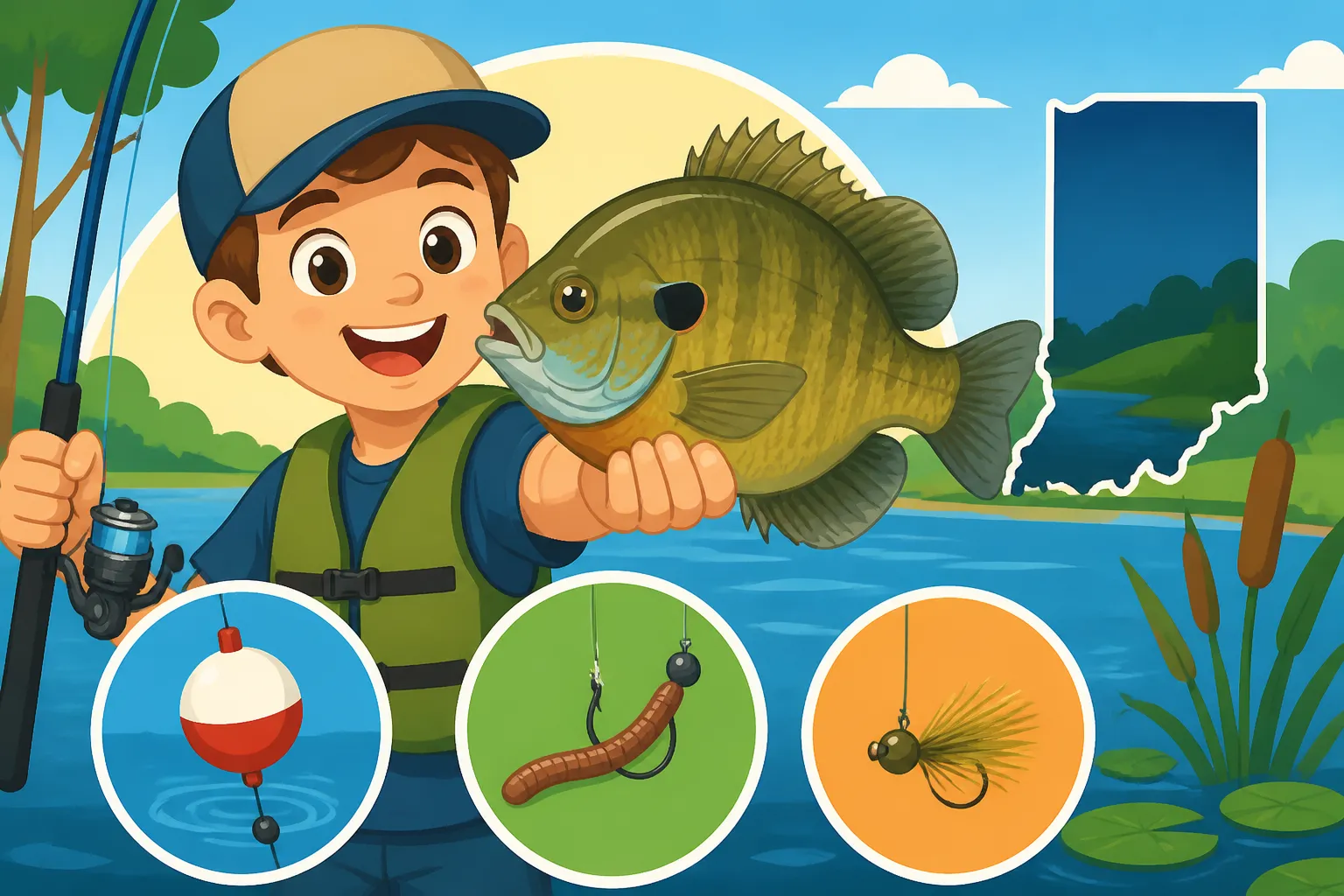
- Bobbers: Small, brightly colored bobbers are essential. They provide a visual cue for bites, which is much easier for kids to track than feeling a subtle tug on the line. A traditional round red-and-white bobber is perfect, or even a slip bobber for slightly deeper water.
- Hooks: Small, sharp hooks are key. Size 8 or 10 Aberdeen hooks are a great choice. They are thin enough to penetrate a bluegill's mouth easily and the long shank makes them a bit easier to remove. Consider barbless hooks if you plan on catch-and-release, as they cause less damage to the fish and are safer for handling.
- Sinkers: A few small split-shot sinkers will help cast your bait farther and get it down to the fish. You'll only need one or two per rig, just enough to add a little weight.
- Pliers/Forceps: A small pair of needle-nose pliers or specialized fishing forceps are invaluable for removing hooks, especially if a fish swallows the bait.
- A Small Tackle Box: A simple, organized tackle box with a few compartments keeps everything tidy and accessible. You can often find compact, kid-friendly tackle boxes on Amazon that are perfectly sized for these essentials. Don't overload it; keep it light and easy for a child to carry if they wish. Our article on Best Panfish Tackle for Indiana Anglers has even more ideas for keeping your setup simple and effective.
The Best Baits for Bluegill
Bluegill are not picky eaters, which is fantastic news for kids. The best baits are often the simplest and most natural, and they almost always guarantee a bite.
- Worms: The classic. Nightcrawlers or smaller red worms are bluegill magnets. They're readily available at bait shops, easy to put on a hook, and bluegill absolutely love them. Plus, digging for worms can be part of the adventure! Just make sure to use small pieces of worm on small hooks.
- Crickets/Grasshoppers: If you can catch them, crickets and grasshoppers are irresistible to bluegill. They're lively, natural, and stay on the hook pretty well. You can often find containers of crickets at pet stores or bait shops.
- Corn: Believe it or not, a few kernels of canned sweet corn on a small hook can be surprisingly effective! It's clean, easy for kids to handle, and bluegill seem to enjoy its sweetness.
- Small Artificial Baits: While live bait is usually king for beginners, tiny artificial lures like micro jigs tipped with a small plastic grub or a piece of Berkley PowerBait can also work. These are more for slightly older kids who are comfortable with casting and reeling, but they can be a fun alternative. For specific insights into baits that really work, our guide on Best Bait for Bluegill Fishing in Farm Ponds offers some excellent tips.
Step-by-Step Bluegill Fishing Techniques for Kids
Okay, you've got your gear, you've got your bait, and you're at a great spot. Now, how do you actually get those bluegill to bite and, more importantly, get your kids hooked on the experience? It's all about making the process simple, understandable, and fun.
Rigging Up the Kid-Friendly Way
Keep the rigging process as straightforward as possible. For bluegill, a simple bobber rig is almost always the way to go. Here’s a super easy breakdown:
- Tie on the Hook: Start by tying your small hook onto the end of the fishing line. A simple overhand knot or an improved clinch knot works fine. For young children, you'll likely be doing this part, but narrate what you're doing so they can learn.
- Add the Sinker: About 6-12 inches above the hook, pinch one or two small split-shot sinkers onto the line. The exact distance isn't critical, but this spacing helps the bait sink naturally while keeping it away from the bobber.
- Attach the Bobber: Now, attach your bobber about 1 to 2 feet above the sinker. The depth at which you set your bobber determines how deep your bait will be in the water. Bluegill often cruise in shallow areas, so starting around 18 inches to 2 feet is a good general depth. If you're fishing near weeds or a dock, try to set it so the bait is just above the bottom or suspended in the middle of the water column.
- Bait the Hook: This is often the kid's favorite part! Show them how to gently thread a small piece of worm onto the hook, making sure the point of the hook is exposed. For corn or crickets, it's even simpler – just one or two kernels or a single cricket. Make sure they understand not to poke themselves.
Casting and Presentation Basics
With a spincast reel, casting becomes a breeze for kids. Walk them through these simple steps:
- Hold the Rod: Show them how to hold the rod with their dominant hand, thumb on the button.
- Press the Button: Have them press and hold the button on the reel. This disengages the line, allowing it to fly freely.
- Swing Forward: Guide them to make a smooth, gentle casting motion, bringing the rod back over their shoulder and then swinging it forward. As the rod comes forward, they release the button. It takes a little practice to time the release, but bluegill fishing doesn't require extreme casting distance, so perfection isn't necessary! Celebrate any cast that lands in the water without too much tangling.
- Watch the Bobber: Once the bait is in the water, the real fun begins: bobber watching! Teach them to keep their eyes on that bobber. Explain that when a fish bites, the bobber will jiggle, dance, or even disappear under the water. This visual cue is far easier for a child to understand than trying to feel a subtle bite. Encourage them to be patient and observant. You can find more detailed tips for beginners in our How to Catch Bluegill for Beginners guide.
Hook Setting and Landing the Catch
When that bobber finally goes down, the excitement is palpable! Teach your child what to do next:
- Set the Hook (Gently!): When the bobber disappears or moves definitively, tell them to gently lift the rod tip straight up with a smooth, short motion. This isn't a huge, powerful jerk, but a firm upward sweep to set the hook. Too hard, and they might rip the hook out of the fish's mouth. Too soft, and the fish gets away. Practice makes perfect here.
- Reel It In: Once the hook is set, show them how to steadily reel in the line. Encourage them to keep the rod tip up, creating an arc that helps keep tension on the line and the fish from getting off.
- The Big Reveal: As the fish gets close, guide them to bring it in slowly. Help them grasp the fish gently, either by the body or using a small landing net if you have one. Bluegill have small spines on their fins that can prick, so supervise closely or handle the fish yourself until they're comfortable. This is a great moment to identify the fish! "Look, it's a bluegill!" you might exclaim, maybe even referencing our Bluegill Identification: A Beginner's Guide.
- Handle with Care: Whether you're keeping the fish for dinner or releasing it, teach them the importance of gentle handling. If releasing, get the hook out quickly and carefully, then send the fish back into the water. If keeping, explain the rules, such as Indiana's Panfish Daily Limit in Indiana: 25 per Species, and how to humanely store the fish.
Making the Fishing Trip a Memorable Experience
Fishing with kids isn't just about catching fish; it's about fostering a connection with nature, teaching patience, and creating cherished memories. While catching fish is definitely a bonus, the real goal is to make the entire experience positive and engaging.
Patience, Praise, and Pit Stops
Kids have notoriously short attention spans, and that's perfectly normal! The biggest mistake an adult can make is pushing them too hard or expecting them to fish for hours on end without a break. Be prepared for lulls in the action and have a plan B. Bring snacks, drinks, and maybe even a small toy or book for downtime. When they get restless, suggest a short walk, a snack break, or skipping rocks. Knowing when to take a "pit stop" can be the difference between a great day and a meltdowns.
Praise, on the other hand, should be abundant. Celebrate every success, no matter how small. Did they make a decent cast? "Great job casting, buddy!" Did they get a bite, even if they missed the fish? "Wow, you felt that bite! You're really paying attention!" Did they catch a tiny bluegill? "Look at that beauty! You're a natural!" Positive reinforcement is crucial for building their confidence and enthusiasm. Remember, the journey is just as important as the destination.
Beyond the Catch: Learning and Connection
Fishing trips are fantastic outdoor classrooms. Use the time to teach kids about the natural world around them. Point out different birds, plants, and insects. Talk about the importance of clean water and leaving no trace. Explain why we have fishing regulations and why it's important to respect them, perhaps mentioning that Kids Fish Free Until Age 18 in Indiana but that other rules still apply to ensure fish populations thrive.
You can turn fish identification into a game. "What kind of fish do you think this is?" you might ask, encouraging them to look at the colors or patterns. Discuss what the fish eats, where it lives, and how it breathes. These moments of connection and learning deepen their appreciation for the outdoors and the sport of fishing. Don't forget to take photos! Capture those moments of triumph, concentration, and wonder. These pictures will serve as fantastic reminders of the fun they had and will encourage them to want to go fishing again and again. Ultimately, it’s about sharing your love for the outdoors and building a foundation for future adventures together.
Kid-Friendly Bluegill Bait Comparison
| Bait Type | Ease of Use for Kids | Bluegill Appeal | Cost | Pros | Cons |
|---|---|---|---|---|---|
| Worms | Easy | High | Low | Natural, highly effective, readily available | Can be messy, may need to be cut |
| Crickets | Medium | High | Medium | Natural, lively, good for bigger bluegill | Can be hard to keep on hook, may escape |
| Sweet Corn | Very Easy | Medium-High | Very Low | Clean, easy to bait, common household item | Less durable on hook, might attract non-fish |
| Micro Jigs | Medium | Medium-High | Medium | Reusable, good for active kids, many colors | Requires more technique, fish can swallow |
Disclaimer
This article is for general informational purposes only and does not constitute professional advice. Laws, prices and regulations vary by location and change over time. Consult a qualified professional for guidance on your specific situation.