How to Jig for Walleye at Night
For many Indiana anglers, the thought of fishing at night conjures images of spooky shadows and navigational nightmares, but it also sparks the hope of truly epic walleye catches. While battling the elements and limited visibility can feel daunting, the reality is that night offers a unique advantage, often leading to bigger, more aggressive fish. This guide will demystify the art of jigging for walleye after dark in Indiana, providing you with the knowledge and confidence to chase these elusive predators when they're most active.
Why Walleye Fishing at Night is a Game Changer
Let's be honest, walleye can be finicky during the bright daylight hours. They're often hiding deep, tucked away in cover, or just generally less inclined to chase. But as the sun dips below the horizon and the lake settles into darkness, something truly magical happens: the walleye come alive. Embracing night fishing isn't just a novelty; it's a strategic move that can significantly increase your chances of success, especially when jigging.
The Nocturnal Advantage: Why Walleye Feed After Dark
Walleye are built for the night. Their large, light-sensitive eyes have a tapetum lucidum layer, similar to a cat's, which reflects light and allows them to see incredibly well in low-light conditions. This biological advantage means that when the sun goes down, they essentially put on their night-vision goggles. This is their prime hunting time.
Think about it from their perspective: during the day, they might be wary of predators, boat traffic, and bright light. But at night, the lake quiets down, the water often cools a bit, and their primary prey — smaller baitfish — become more disoriented and vulnerable. This combination creates a feeding frenzy opportunity. Instead of having to outsmart them during the day, you're meeting them on their turf, during their power hour. They become less cautious and more willing to strike a properly presented jig, making the effort of fishing in the dark well worth it. You might even find that some of the bigger walleye, which are notoriously shy during the day, are more inclined to move into shallower feeding areas after dusk.
Dispelling Myths: It's Not as Spooky as You Think
The biggest hurdle for many anglers considering night fishing is the "spooky" factor. Navigating in the dark, tying knots by headlamp, and just the general feeling of vulnerability can be intimidating. However, with a little preparation and a calm mindset, night jigging for walleye can be an incredibly peaceful and productive experience.
The key is preparation. You wouldn't go out without your fishing license, so don't go out at night without the right safety gear and a solid plan. Many anglers are surprised by how quickly they adjust to the darkness, especially if they have good lighting and have familiarized themselves with their chosen fishing spot during daylight hours. The sounds of the night lake are different, too – the splash of a jumping fish sounds louder, the chirping of crickets or calls of night birds more pronounced. It’s an immersive experience that deepens your connection to the sport. While it's true that the lack of visual cues requires more reliance on your other senses and your electronics, it's a skill that's easily developed. The reward of landing a big walleye under the stars far outweighs any initial apprehension.
Essential Gear for Night Jigging Success
Going after walleye at night demands a slightly different approach to your gear compared to a sunny afternoon trip. While some basics remain the same, optimizing your setup for low-light conditions will dramatically improve both your safety and your catch rate. Having the right tools makes all the difference when you're relying on feel and subtle visual cues.
Lighting the Way: Safety and Visibility
This might seem obvious, but proper lighting is non-negotiable for night fishing. You'll need more than just your phone's flashlight. A good quality headlamp is your best friend. Look for one with a red light setting, which helps preserve your night vision far better than white light. Switching to red light when you need to tie a knot or bait a hook means your eyes won't have to constantly readjust to the darkness, which can save you a lot of frustration and lost fishing time.
Beyond your personal light, consider your boat's navigation lights. If you're on the water, these are legally required and crucial for avoiding collisions. An anchor light is also a must if you plan to sit stationary for any length of time. Always carry spare batteries for all your lights, or consider rechargeable options. Having a backup light, like a small lantern or a second headlamp, isn't a bad idea either. You can find a wide array of reliable headlamps and portable lighting solutions on Amazon, making it easy to stock up before your next night expedition.
Rods, Reels, and Line: The Right Setup
For jigging walleye at night, sensitivity is paramount. You're often feeling for incredibly subtle bites that might just be a slight "tick" or added weight on your line. A medium-light to medium power spinning rod, typically 6'6" to 7' in length, with a fast action tip, is ideal. This combination gives you the backbone to set the hook firmly while still providing the sensitivity to detect those faint strikes.
Pair your rod with a smooth-operating spinning reel in a 2000 or 2500 size. These reels offer a good balance for jigging applications, allowing for controlled line release and easy retrieves. For line, many serious walleye anglers opt for braided line, typically 8-15 lb test. Its zero-stretch properties transmit even the slightest tap directly to your hands. Because braid is visible, tie a 6-10 lb fluorocarbon leader to the end. Fluorocarbon is nearly invisible underwater and provides a little stretch, acting as a shock absorber. This combination offers the best of both worlds: extreme sensitivity and stealth. If you're wondering How Many Rods Can You Fish With in Indiana?, it's always good to check the current regulations, but usually, a couple of well-rigged setups are sufficient for night jigging.
Lure Selection: Jigs That Shine (or Glow)
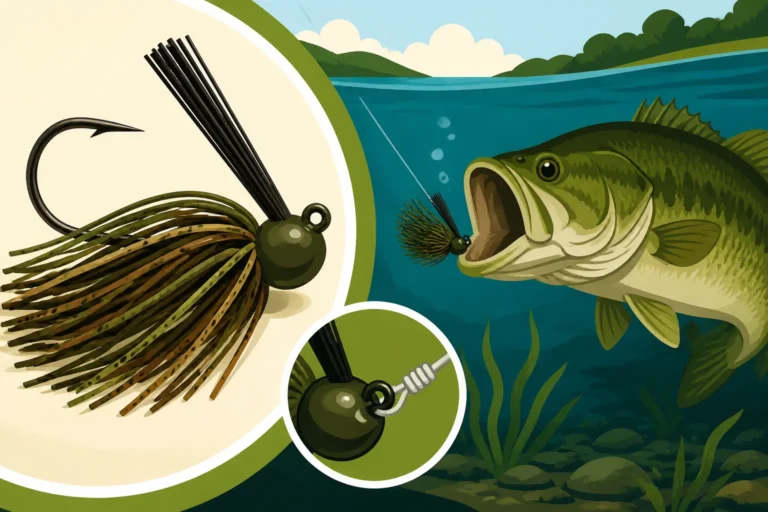
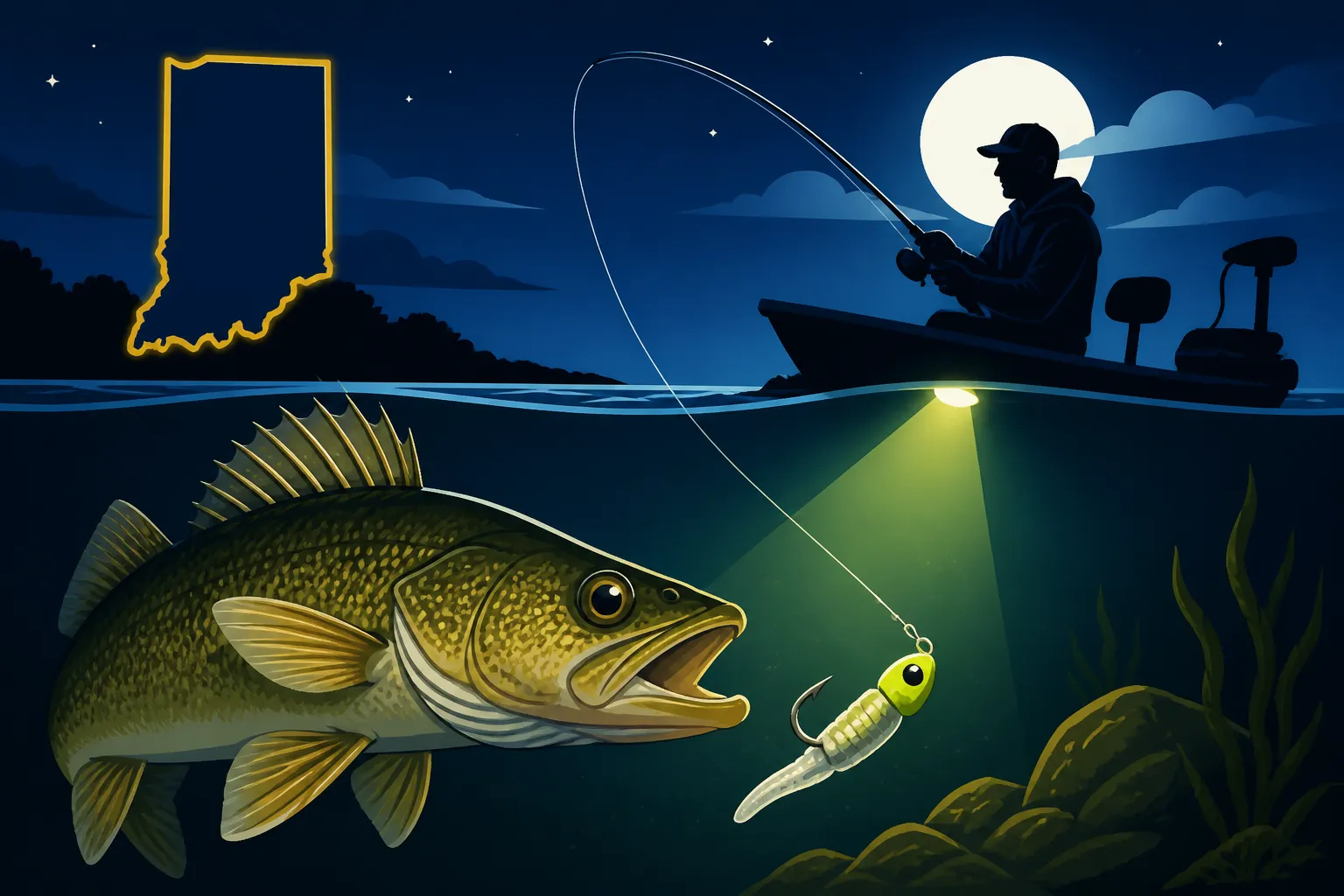
This is where night fishing gets fun! While traditional jig heads and soft plastics work, you'll want to add some glow-in-the-dark or UV-reactive options to your tackle box. Walleye, with their exceptional low-light vision, are drawn to these subtle glows or reflections.
Your jig head weight will depend on depth, current, and wind. Common weights range from 1/8 to 1/2 ounce. Always have a variety on hand. As for the soft plastics, think minnow imitations, grubs, and paddle tails in natural colors (if using UV) or bright, contrasting colors that glow well. Chartreuse, white, and orange are popular choices.
Don't forget live bait! Tipping your jig with a live minnow or a piece of nightcrawler can be incredibly effective, especially on slower nights. The natural scent and subtle movement can entice even the most hesitant walleye. Another excellent choice is a hair jig, which offers a natural, undulating action that walleye find irresistible. When considering your overall setup, remember that Best Walleye Lures for Cloudy Days might also translate well to night conditions, as both involve low light.
Mastering the Jigging Techniques After Dark
Night fishing for walleye isn't just about showing up with a headlamp; it's about refining your techniques to capitalize on their nocturnal feeding patterns. The principles of jigging remain, but the execution needs a little tweaking for the darkness.
Locating Walleye in the Darkness
Finding walleye at night often comes down to targeting specific structures they frequent during low light. Look for distinct drop-offs, points, humps, and submerged weed lines, especially those adjacent to deeper water. Walleye will often move shallower to feed under the cover of darkness. Many of these fish will be concentrated on structure at certain depths, so being able to pinpoint these areas is critical.
A good fish finder is still incredibly valuable, even if you're not seeing the typical "arches" as clearly. You'll be looking more for bottom contours, changes in depth, and baitfish schools. Familiarize yourself with your chosen lake or reservoir during the day, marking key spots on your GPS. When night falls, these marked waypoints become your roadmap. Consider areas where you've had success during the day, as walleye often remain in the general vicinity, simply changing their depth or position on the structure. If you're fishing one of Indiana's larger bodies of water, like Monroe Lake or Lake Wawasee, understanding Lake Wawasee Walleye Fishing Access Points can help you scout key areas during daylight hours.
The Art of the Jig: Presentation is Key
Night jigging can involve both vertical jigging directly beneath the boat or casting and retrieving. For vertical jigging, position your boat over known structure. Use your trolling motor, if equipped, to slowly drift or hold your position. Drop your jig to the bottom, then lift it sharply about 6-12 inches, letting it fall back on a semi-slack line. Most bites occur on the fall, so pay close attention. You're feeling for that subtle "thump" or sudden weightlessness.
If casting, aim for the edges of structure or weed lines. Let the jig sink to the bottom, then use a series of short hops, lifts, and pauses. Experiment with the cadence until you find what the walleye prefer that night. Sometimes they want an aggressive snap, other times a slow, methodical crawl. Boat control is vital – whether you're using a spot-lock trolling motor or an anchor, minimizing boat movement allows for a more controlled presentation and helps you stay on the fish. For additional tips, you might find some crossover with techniques discussed in Walleye Trolling Techniques, even though jigging is a different approach. Remember, if you're targeting specific areas like those north of State Road 26, keep in mind the Walleye Minimum Length North of State Road 26 to ensure your catch is legal.
Adapting to Conditions: Wind, Moon, and Water Clarity
Just like daytime fishing, night conditions can vary wildly, and successful anglers adapt.
- Moonlight: A bright full moon can make walleye more cautious, driving them slightly deeper or closer to denser cover. On darker, moonless nights, they might be more aggressive and willing to venture shallower. Pay attention to the moon phase when planning your trip.
- Wind and Current: Wind can make boat control challenging but can also create current that positions baitfish and feeding walleye. Adjust your jig weight to maintain bottom contact. Stronger winds might require heavier jigs, while calm nights allow for lighter presentations.
- Water Clarity: In clear water, a subtle glow or natural colored jig might be more effective. In stained or turbid water, brighter, glowing jigs or those with rattles can help fish locate your lure. Knowing that Do Walleye Bite at Night in Indiana Reservoirs? is often tied to these conditions helps you plan. Remember, walleye are primarily sight feeders, even in low light, so making your lure detectable is key.
Safety First: Night Fishing Considerations
While the thrill of hooking a trophy walleye under a blanket of stars is undeniable, safety should always be your top priority. Night fishing introduces unique challenges that demand extra precautions.
Navigation and Awareness
Before you even think about launching your boat after dark, make sure you've spent time on the lake during the day. Familiarize yourself with the layout, mark any hazards on your GPS, and know your general route. Relying solely on your fish finder for navigation at night is risky. Always have a reliable GPS unit, ideally one with detailed mapping, to help you stay on course.
Furthermore, ensure all your boat's navigation lights are functional and correctly displayed. A Best Headlamps for Night Fishing on Indiana Lakes will not only help you see but also make you visible to others. Beyond lights, wear a personal flotation device (PFD) at all times. Accidents can happen quickly, and a PFD is your best defense. Keep a watchful eye and ear out for other boats, even if the lake seems empty. Sound travels differently over water at night, so assume other vessels are closer than they might appear.
Communication and Contingency Planning
Never go night fishing alone without telling someone where you're going and when you expect to return. This simple step can be a lifesaver. Give them a specific time to expect your check-in, and if they don't hear from you, they'll know to initiate a search.
Your phone should be fully charged and stored in a waterproof bag. Consider bringing a portable charger for extra peace of mind. Beyond communication, pack an emergency kit that includes a first-aid kit, a whistle, a loud horn, a spare knife, and a small tool kit for minor repairs. Carry enough water and snacks, even for a shorter trip, as amenities might not be accessible at night. Being prepared for the unexpected is crucial for a safe and enjoyable night on the water.
Comparing Jig Weights for Night Walleye Fishing
Choosing the right jig weight is critical for a good presentation and for feeling those subtle night bites. Here's a quick guide to help you pick the best weight based on common conditions you might encounter in Indiana waters:
| Condition | Recommended Jig Head Weight (Oz) | Best Use Case | Notes |
|---|---|---|---|
| Calm Water, Shallow (5-15 ft) | 1/8 to 1/4 | Finesse jigging, light line, subtle presentations | Allows for slow fall, maximum feel. Ideal for clear, still nights. |
| Moderate Depth (15-25 ft), Light Current | 1/4 to 3/8 | Standard conditions, good all-around choice | Maintains bottom contact without being too heavy. Versatile for most Indiana lakes. |
| Deep Water (25+ ft), Strong Current/Wind | 3/8 to 1/2+ | Getting to depth quickly, staying vertical in chop | Essential for heavy wind or strong river currents. Helps prevent line belly and maintains feel. |
| Vertical Jigging Over Structure | 1/4 to 3/8 | Direct boat positioning, precise drops | Optimal for feeling bottom contours and detecting subtle strikes when directly below the boat. |
| Casting and Retrieving | 1/8 to 3/8 | Covering wider areas, shallower flats | Lighter jigs cast well and provide a natural swimming action on the retrieve. |
Remember, these are guidelines. Always start with a weight that allows you to feel the bottom and your lure's action effectively. If you're struggling to maintain contact or feel the bite, adjust accordingly.
Night jigging for walleye in Indiana offers a fantastic opportunity to experience the lake in a whole new way and connect with some truly impressive fish. With the right gear, a focus on safety, and a mastery of nocturnal jigging techniques, you'll be well on your way to creating unforgettable angling memories under the stars. For a broader overview of tactics, don't forget to consult a comprehensive resource like the Indiana Walleye Fishing: A Complete Guide.
Disclaimer
This article is for general informational purposes only and does not constitute professional advice. Laws, prices and regulations vary by location and change over time. Consult a qualified professional for guidance on your specific situation.