How to Troll for Walleye
If you've ever stared out at the vast expanse of an Indiana lake, knowing walleye lurk below but feeling utterly clueless about how to bring one to the boat, you're not alone. Walleye are notoriously finicky, but for many anglers, the key to consistent success lies in a technique called trolling. This comprehensive guide will break down everything you need to know about trolling for walleye in Indiana, from understanding their behavior to selecting the right gear and mastering the nuances of presentation.
Understanding Walleye Behavior for Trolling Success
Trolling for walleye isn't just about dragging a lure behind your boat; it's a strategic dance with a species known for its subtlety. To truly master the art, you need to think like a walleye, understanding their seasonal movements, preferred habitats, and how environmental factors like water temperature and clarity influence their feeding patterns. Without this foundational knowledge, you'll be guessing in the dark.
Seasonal Movements and Depths
Walleye are constantly on the move, driven by spawning instincts, food availability, and water temperature. Their location and preferred depth can shift dramatically from spring to fall. In the spring, after the spawn, walleye often linger in shallower areas, especially around transition zones like points, submerged humps, and the edges of weed beds where they can ambush baitfish. As the water warms, they'll gradually move deeper, seeking cooler temperatures and stable oxygen levels.
By summer, you'll typically find walleye congregating near the thermocline in deeper lakes, often relating to significant bottom structure like old creek channels, drop-offs, and deep rock piles. They might suspend over open water if there's a large baitfish presence. This is when deep-diving crankbaits or presentations with lead core or downriggers become vital. As autumn approaches, falling water temperatures often trigger another shallow migration, prompting walleye to feed aggressively in preparation for winter. This "fall bite" can be fantastic, with fish moving to points, shallow flats, and even rocky shorelines, making them more accessible to trollers before they retreat to their deep winter haunts. For a deeper dive into seasonal fishing, check out our guide on the Best Months for Walleye Fishing in Indiana's Glacial Lakes.
Reading Water Temperature and Clarity
Water temperature is arguably the most critical factor influencing walleye activity. They thrive in a relatively narrow temperature band, typically from the high 50s to low 70s Fahrenheit. If the water is too cold, they become sluggish and inactive. If it's too warm, they'll seek deeper, cooler refuge and become lethargic. Monitoring your water temperature gauge is key to finding the "comfort zone" where walleye are most likely to feed. A small change of just a few degrees can make a huge difference in your success.
Water clarity also plays a significant role in lure selection and trolling strategy. In clear water, walleye tend to be more wary, and natural-looking baits in subtle colors are often more effective. You might also need to use longer leaders and run your lures further behind the boat to avoid spooking them. Conversely, in murky or stained water, brighter, bolder colors (like chartreuse, orange, or firetiger) and lures with more vibration and noise can help walleye locate your offering. Understanding these nuances will help you make better decisions on the water, avoiding the frustration of trying the wrong lure in the wrong conditions. It’s also why many walleye bite windows shrink once the glacial lakes warm.
Essential Gear and Rigging for Walleye Trolling in Indiana
Just like a chef needs the right tools for a gourmet meal, a walleye troller needs specific gear to effectively present lures at precise depths and speeds. Investing in the right rods, reels, line, and depth-control systems will significantly increase your chances of success. Trying to troll with inappropriate gear is a recipe for frustration and missed opportunities.
Rods, Reels, and Line Choices
For walleye trolling, your rod and reel setup is paramount. Look for medium to medium-heavy power rods, typically 7 to 9 feet in length, with a moderate or moderate-fast action. The longer length helps spread multiple lines out from the boat, reducing tangles, and the moderate action provides a forgiving bend that absorbs the shock of a strike without tearing the hooks out of a walleye's mouth, which can be surprisingly soft.
Line counter reels are an absolute game-changer for trolling. These specialized reels have a small digital or mechanical counter that tells you exactly how much line you have out, allowing you to replicate successful presentations precisely and easily adjust depth. Without them, you're constantly guessing. When it comes to line, you have a few options:
- Monofilament: Offers stretch, which can act as a shock absorber, helping to prevent pulled hooks. It's also budget-friendly.
- Braided Line: Extremely sensitive with no stretch, allowing you to feel every bump and subtle bite. However, its lack of stretch means you need a rod with good flex. Braided line also cuts through the water better, allowing lures to run deeper on less line.
- Fluorocarbon Leaders: Nearly invisible underwater, fluorocarbon is excellent for wary walleye, especially in clear water. Attach a fluorocarbon leader (typically 6-10 feet) to your main line with a small swivel or a line-to-line knot like a blood knot or Albright knot.
You can find a wide variety of these specialized reels and lines on Amazon, often with detailed descriptions and reviews to help you choose the right setup for your style of fishing.
Lures: Crankbaits, Stickbaits, and Spoons
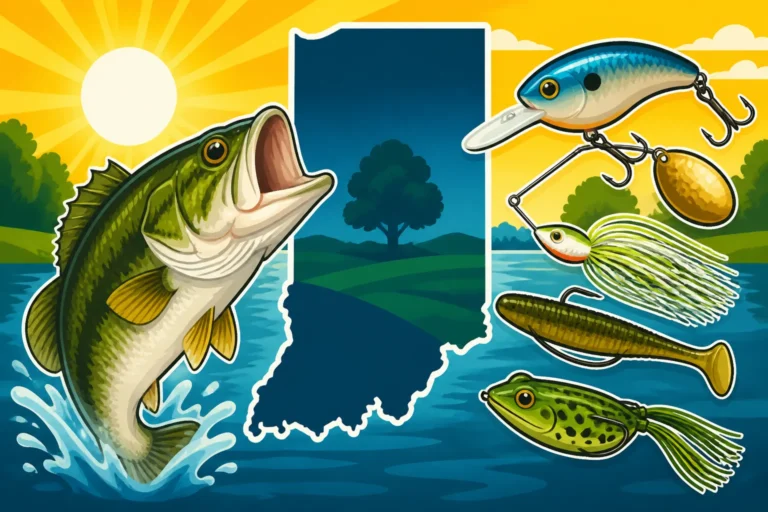
The world of walleye lures is vast, but for trolling, crankbaits and stickbaits are your bread and butter. Each type has a specific purpose and action:
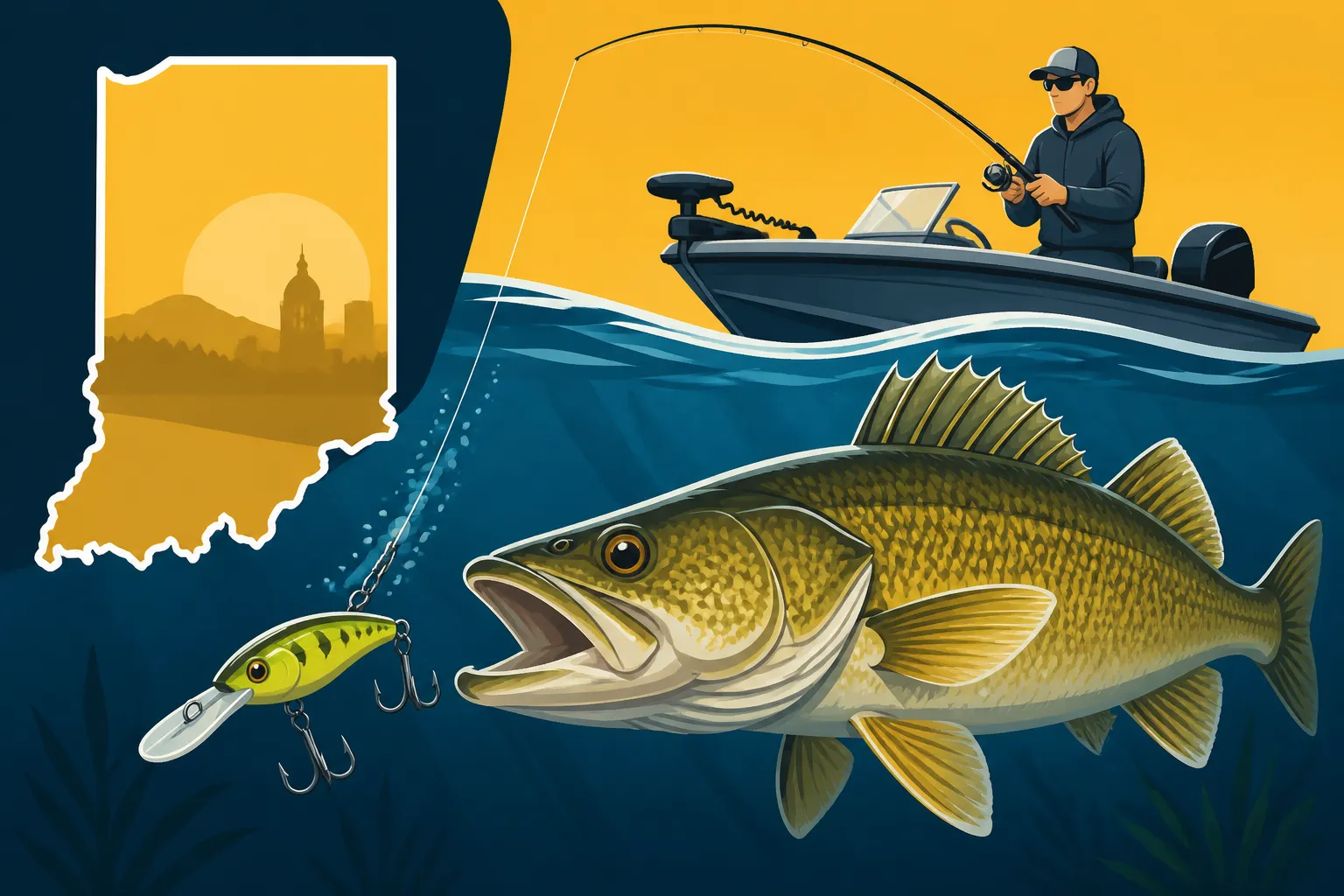
- Crankbaits: These lures feature a diving lip that forces them down in the water column when retrieved or trolled. They come in various sizes, shapes, and dive depths. Shallow-diving crankbaits are great for topwater or near-surface trolling, while deep-diving models can reach impressive depths. The wobble and vibration of a crankbait are irresistible to walleye, mimicking distressed baitfish. Experiment with different bill designs – some produce a tight wiggle, others a wide, aggressive swim.
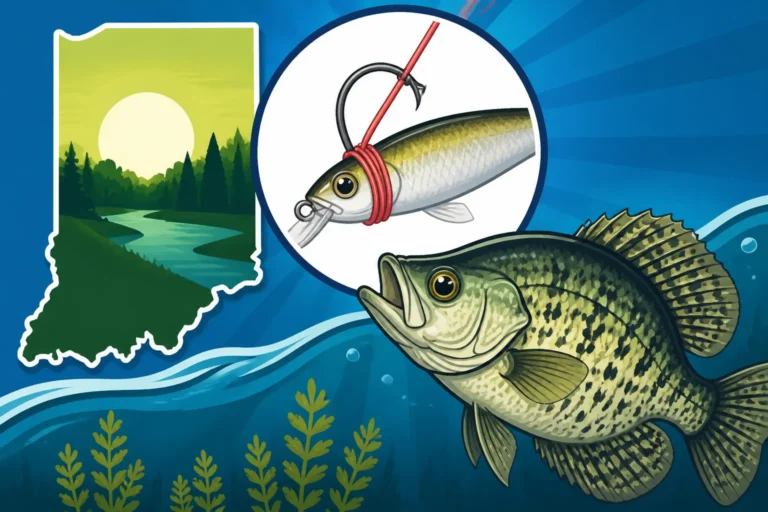
- Stickbaits: Resembling slender minnows, stickbaits often have a more subtle, darting action. They are particularly effective when walleye are feeding on specific baitfish like shiners or smelt. Many stickbaits are designed to be neutrally buoyant or even float slowly, making them excellent for suspended fish or when you need a slower, more delicate presentation.
- Spoons: While less common for pure open-water walleye trolling, spoons can be effective when coupled with a weight or downrigger, especially if walleye are targeting broader-bodied baitfish. Their flashing and fluttering action can mimic injured prey, drawing strikes.
Choosing the right color is often a matter of trial and error, but a good starting point is natural colors (perch, minnow, shad patterns) in clear water and brighter, more aggressive colors (firetiger, chartreuse, orange) in stained or cloudy conditions. Many lures also incorporate UV coatings, which can make them more visible in deeper water. For more information on what to tie on your line, explore our guide to the Best Lures for Indiana Walleye Fishing.
Depth Control Systems: Planer Boards, Lead Core, and Downriggers
Controlling your lure's depth and spread is critical for successful walleye trolling, especially when trying to cover vast areas or target specific depths. Three primary systems help you achieve this:
- Planer Boards: These buoyant, winged devices are attached to your main line and pulled out to the sides of your boat, away from the prop wash. This allows you to run multiple lines simultaneously, spreading your lures across a wider path and increasing your chances of intercepting actively feeding walleye. Planer boards are particularly effective in clear, shallower water where fish can be spooked by the boat. There are inline boards (attached directly to the fishing line) and mast systems (where lines are clipped to a main line that runs from a mast on the boat).
- Lead Core Line: This specialized line has a colored nylon sheath covering a lead core, with each color change (typically every 10 yards) indicating a certain depth. It allows your lure to sink without additional weights. By letting out a certain number of "colors," you can estimate your lure's running depth. Lead core is excellent for covering a range of depths in the water column and is relatively simple to use once you understand its principles. It's often used with medium-diving crankbaits to hit precise depths.
- Downriggers: For precise depth control, especially in deeper Indiana lakes or when targeting specific depths with great accuracy, downriggers are unmatched. A heavy cannonball weight is lowered to a desired depth, and your fishing line is attached to the cannonball via a release clip. When a fish strikes, the line pops free from the clip, allowing you to fight the fish directly without the weight. Downriggers are often considered essential for deep-water trolling, particularly for salmon and trout on Lake Michigan, but they are incredibly effective for deep walleye too.
Many of these specialized items, including various planer boards and downrigger components, are readily available on Amazon, allowing you to equip your boat for any trolling scenario. Understanding and utilizing these depth control systems will elevate your trolling game significantly. For detailed strategies, our article on Walleye Trolling Techniques offers additional insights.
| Depth Control System | Primary Benefit | Best Application | Skill Level | Considerations |
|---|---|---|---|---|
| Planer Boards | Spreads lures wide | Clear, shallower water; covering large flats | Beginner to Intermediate | Requires space; can tangle if not managed |
| Lead Core Line | Variable depth control | Targeting specific depths in mid-range water | Intermediate | Line diameter affects dive curve; requires practice |
| Downriggers | Precise depth control | Deep water; targeting fish at exact depths | Intermediate to Advanced | Equipment cost; requires practice for setup and use |
Mastering Trolling Techniques for Indiana Walleye
Having the right gear is only half the battle. The other half is mastering the actual techniques of trolling – understanding how subtle adjustments in speed, direction, and lure presentation can trigger strikes from even the most lethargic walleye. This involves constant observation and adaptation.
Speed, S-Curves, and Directional Changes
Your trolling speed is a critical factor, and it's not a "set it and forget it" setting. Walleye often have a preferred speed on any given day, and it can vary based on water temperature, baitfish activity, and even the type of lure you're using. Generally, walleye respond well to slower speeds (typically 1.0 to 2.5 mph), but sometimes a faster presentation (up to 3 mph or more) can trigger a reaction strike. Experimentation is key; vary your speed incrementally until you find what works. Watch your rod tips – if they're not vibrating or if the lure's action seems off, adjust your speed.
One of the most effective trolling tactics is incorporating "S-curves" or subtle directional changes. Instead of motoring in a straight line, gently steer your boat in a serpentine pattern. When your boat turns, the lures on the inside of the turn will slow down and drop slightly, while the lures on the outside will speed up and rise. This change in speed and depth can often trigger a strike from following walleye who are waiting for an easy meal. Even a slight turn can make a difference. Pay attention to which side of the boat gets bites during a turn, as this can tell you about the fish's preference for a slowing or speeding lure.
Reading Your Electronics and Adjusting
Your boat's electronics, especially a good fish finder and GPS, are invaluable tools for walleye trolling. A high-quality fish finder can help you locate baitfish schools, identify the thermocline (where walleye often suspend), and pinpoint bottom structure like humps, drop-offs, and old riverbeds where walleye like to stage. Learning to interpret these sonar readings is crucial. You might see individual fish arches, dense clouds of bait, or even a subtle "fuzz" along the bottom indicating a school of walleye hugging the lakebed.
Your GPS allows you to mark waypoints on productive areas and create repeatable trolling passes. If you catch a walleye, mark the spot immediately. You can then make repeated passes over that same area, often picking up more fish. It also helps you stay on track when trolling along contour lines or structure. Don't be afraid to experiment and adjust your presentation based on what your electronics are telling you. If you're seeing fish at 25 feet, adjust your depth control system to get your lures into that strike zone. Our guide on the Best Fish Finders for Indiana Lake Fishing can help you choose the right unit for your boat.
Practical Trolling Strategies for Indiana Lakes
Different situations call for different trolling strategies. Understanding these approaches will make you a more versatile and successful walleye angler on Indiana's diverse waters.
- Open Water Trolling: When walleye are suspended over deep water, often chasing schools of baitfish, open water trolling is the way to go. This often involves using planer boards to cover a wide area, or lead core and downriggers to target specific depths in the middle of the water column. Look for concentrations of baitfish on your electronics in areas away from prominent structure.
- Structure Trolling: Many times, walleye will relate heavily to underwater structure. This could be a submerged island, a steep breakline, a deep point, or an old creek channel. When structure trolling, use your GPS to trace these contours precisely. Often, you'll find fish along the edges or on top of these features. Use crankbaits that dive to the appropriate depth, or adjust your lead core or downriggers to keep your lures just above the structure without constantly snagging.
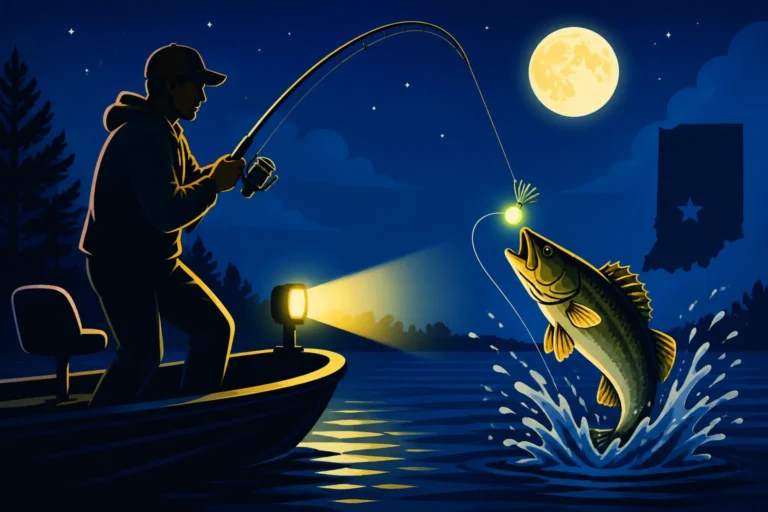
- Night Trolling: Walleye are known for being more active feeders at night, especially in clear lakes. They often move shallower under the cover of darkness to ambush baitfish. Night trolling can be incredibly effective, often with shallower running crankbaits or stickbaits. Focus on the same areas you might fish during the day, but expect fish to be higher in the water column. The change from day to night often brings a whole new level of excitement to walleye fishing, and it’s a great way to target them in low-light conditions. If you're looking to explore other night tactics, consider reading up on How to Jig for Walleye at Night.
Troubleshooting and Adapting Your Walleye Trolling Strategy
Even the most seasoned walleye anglers face days where the fish just don't seem to cooperate. It's frustrating to drag lures around for hours with no bites, but these are the moments where your ability to troubleshoot and adapt truly shines. Don't give up! Instead, systematically analyze your approach and make changes.
Dealing with Weeds and Snags
One of the most common frustrations in trolling is continually picking up weeds or snagging on the bottom. Not only does it waste valuable fishing time, but a fouled lure won't catch fish. The first step is to be intimately familiar with the bottom contours and depth changes of the area you're fishing. Your depth finder and mapping software are your best friends here. Try to run your lures just above any known snags or weed lines. If you're still consistently hitting weeds, you might need to:
- Increase your speed slightly: Sometimes a faster troll will pull the lure higher in the water column, allowing it to clear the tops of submerged vegetation.
- Switch to a shallower-diving lure: If you're using a deep diver, go for one with a shorter lip that won't reach as deep.
- Adjust your line out: Pull in a few feet of line to raise the lure. Remember to mark how much line you let out, so you can easily replicate the depth when clear.
- Use heavier line or a snubber: In some cases, if you're frequently snagging on rocky bottoms, a heavier main line or a special snubber (a stretchy piece of line or rubber) can give you a bit more shock absorption and allow you to work the lure over structure more effectively without getting hung up.
No Bites? When to Change Your Approach
The dreaded "dead stick" day happens to everyone. When your rods aren't bending, it's time to become a detective and systematically change variables. Don't be afraid to deviate from your initial plan.
- Change Lure Color or Pattern: Start by swapping out one lure for a different color. Sometimes, a subtle change from natural to bright, or vice-versa, is all it takes.
- Adjust Trolling Speed: Experiment with slowing down or speeding up. Try small increments, like 0.2 mph at a time, until you find what triggers a bite.
- Change Depth: Walleye can be very specific about the depth they prefer. If you're not getting bites at one depth, try running some lines shallower and some deeper. Use your line counter reels and depth control systems to precisely target different zones. Our guide on Indiana Walleye Length Limits by Lake emphasizes how important local regulations are, which often correlate with specific walleye populations that might behave differently.
- Switch Lure Type: If crankbaits aren't working, try a stickbait, or vice versa. The action can be entirely different, and sometimes a walleye wants a different look or vibration.
- Move to a New Location: If you've tried everything above in one area and still nothing, it might be time to pull up stakes and move. Walleye are nomadic, and sometimes they're just not in your chosen spot. Use your electronics to search for new concentrations of baitfish or structure that might be holding fish. Remember to consult local resources on Walleye Minimum Length North of State Road 26 if you’re fishing that area.
- Consider the Time of Day: Walleye often have peak feeding windows. If you're struggling during the midday sun, consider a dawn or dusk troll, or even a dedicated night fishing trip. Our article on the Best Time of Day to Catch Walleye has some excellent tips.
By consistently adapting and making informed changes, you increase your chances of cracking the code and filling your cooler. Always remember that fishing is a continuous learning process, and every challenging day on the water offers an opportunity to refine your skills and expand your knowledge of walleye behavior. For a broader overview of this species, read our Indiana Walleye Fishing: A Complete Guide.
Disclaimer
This article is for general informational purposes only and does not constitute professional advice. Laws, prices and regulations vary by location and change over time. Consult a qualified professional for guidance on your specific situation.