Best Cut Bait for Catfish Fishing
Let's face it, trying to consistently catch catfish in Indiana can feel like a game of hide-and-seek sometimes. You spend hours on the water, you try different baits, and still, those whiskered giants seem to outsmart you. But what if there was one bait type that consistently put you in contention for a great day on the water, especially when targeting those bigger, more elusive cats? This guide is all about diving deep into the world of cut bait, revealing why it’s a powerhouse for Indiana catfish anglers and how you can master its use for incredible results.
The Irresistible Allure of Cut Bait for Indiana Catfish
When you're chasing catfish, you're dealing with a fish that primarily hunts by scent and vibration, especially in the murky waters they often inhabit. That's why cut bait isn't just another option; it's often the best option, a true game-changer that can turn a slow day into an unforgettable one. It leverages the catfish's natural instincts in a way few other baits can.
Why Scent is King for Catfish
Catfish possess an astonishing sense of smell, arguably one of the most developed among freshwater species. Their entire bodies are covered in chemoreceptors, not just their barbels, allowing them to detect even minute traces of scent in the water from incredible distances. This is precisely where cut bait shines brightest. When you cut a fish, you release a potent, natural burst of blood, oils, and bodily fluids into the water. This creates an irresistible scent trail that dissipates and travels with the current, acting like a beacon guiding hungry catfish right to your hook.
Think about it: a whole live baitfish might be appealing, but its scent dispersal is limited. A piece of cut bait, however, is a wounded, bleeding, scent-bomb waiting to be discovered. This natural bleeding and oil release mimics a distressed or dead fish, something catfish are biologically programmed to seek out. It triggers their feeding response more intensely than many other bait options because it screams "easy meal" in their language. This is particularly effective in larger bodies of water like the Wabash River or Patoka Lake, where scent needs to travel to draw fish from afar.
Mimicking Natural Prey and Scavenging Behavior
Catfish, particularly species like channel cats and blue cats, are opportunistic feeders and scavengers by nature. They're constantly on the lookout for an easy meal, whether it's an injured minnow, a dead fish washed ashore, or invertebrates stirred up from the bottom. Cut bait perfectly taps into this primal scavenging instinct. It doesn't look like a healthy, darting fish that requires effort to catch. Instead, it presents itself as vulnerable, easy pickings, exactly what a catfish is looking for.
Flathead catfish, while often preferring live bait, will absolutely strike cut bait, especially when it's fresh and presented in a way that suggests a recently deceased meal. The visual aspect, combined with the powerful scent, creates an illusion of a natural occurrence that even the most finicky flathead might not ignore. The way the pieces tumble and settle on the bottom can also mimic natural debris, making it appear less like an artificial offering and more like a part of their natural diet. This makes cut bait incredibly versatile for targeting various species of catfish across Indiana's diverse waterways, from small creeks to large reservoirs.
Top Contenders: Best Fish Species for Cut Bait in Indiana
Choosing the right fish for your cut bait can significantly impact your success. Not all fish are created equal when it comes to attracting catfish. Some species possess the ideal combination of oil content, scent, and texture to make them irresistible. Knowing which ones to prioritize can give you a serious edge on the water.
Shad: The Undisputed Champion
If there's one fish species that reigns supreme as cut bait for catfish, it's shad. Both Gizzard Shad and Threadfin Shad are incredibly oily, and this high oil content is precisely what makes them so effective. When cut, they release a copious amount of natural oils and blood that create a widespread, powerful scent trail in the water. This scent dispersion is unparalleled, drawing catfish in from impressive distances, even in strong currents or stained water.
You'll often find shad in large schools in many of Indiana's major lakes and rivers, making them a readily available resource. Anglers often catch them using cast nets, especially in the warmer months when they're schooling closer to the surface. Freshly caught shad, immediately cut and deployed, is almost guaranteed to get attention. The flesh is soft enough for catfish to easily tear apart but tough enough to stay on the hook during casting. Many seasoned catfish anglers swear by shad, particularly for targeting larger blue catfish and channel catfish in places like Monroe Lake or the lower stretches of the White River.
Panfish: A Versatile and Accessible Choice
For many Indiana anglers, panfish like bluegill, crappie, and yellow perch are abundant and easy to catch, making them an excellent and accessible source for cut bait. While perhaps not as oily as shad, they still offer a fantastic natural scent and a durable flesh that stays on the hook well. Plus, using panfish as bait means you can often catch your bait right on the water you plan to fish, ensuring maximum freshness.
Important Note: It's absolutely crucial to understand and follow Indiana's fishing regulations when using game fish as bait. Generally, legally taken panfish can be used as cut bait on the same body of water from which they were caught. However, rules can change, and specific waters might have unique restrictions. Always check the current Indiana Department of Natural Resources (DNR) fishing guide or website, or consult with local bait shops, before using any game fish as bait to ensure you're in compliance.
For example, a plump bluegill, sliced into chunks, provides a firm, bloody piece of bait that channel catfish and even smaller flatheads find hard to resist. The tough skin of a panfish helps keep the bait on the hook through multiple casts or nibbles from smaller fish, which can be a real frustration saver when you're trying to fish for a while. You can catch these readily available fish using simple techniques, ensuring you have a steady supply.
Carp and Suckers: For the Bigger Cats
When you're serious about targeting trophy-sized catfish, especially flatheads or monster blue cats, carp and suckers should be high on your list for cut bait. These fish tend to be larger, tougher, and often possess a distinct, powerful scent that larger catfish seem to prefer. Common carp, silver carp, or various sucker species (like white suckers) are fantastic choices.
Their larger size means you can cut bigger chunks, which are often necessary to deter smaller nuisance fish and specifically attract the attention of a true heavyweight. The flesh is much tougher than shad or panfish, making it incredibly resilient on the hook, even against strong currents or the aggressive strikes of powerful catfish. You might need a more robust fillet knife, perhaps one you picked up from Amazon, to properly process these larger baitfish. The natural oils and strong, earthy scent of carp, in particular, are highly attractive to big catfish, making them a secret weapon for those targeting personal bests in the deeper sections of Indiana's larger rivers and reservoirs.
| Cut Bait Species | Key Advantages for Catfish | Best for Targeting | Notes/Considerations |
|---|---|---|---|
| Shad | High oil/blood content, strong scent trail, soft flesh for easy consumption | Channel Catfish, Blue Catfish | Can be harder to catch, check local availability. |
| Bluegill | Readily available, durable, good all-around scent, easy to prepare | Channel Catfish, smaller Flatheads | Check Indiana bait regulations before use. |
| Crappie | Good scent, slightly softer than bluegill, effective for various cats | Channel Catfish, smaller Flatheads | Check Indiana bait regulations before use. |
| Yellow Perch | Firm flesh, good scent, widely available in some areas | Channel Catfish, Flatheads | Check Indiana bait regulations before use. |
| Carp | Large, very tough, strong pungent scent, good oil content | Trophy Blue Catfish, Flatheads | Requires heavy-duty knife, can be messy to prepare. |
| Suckers | Large, durable, good scent, naturally found in river systems | Trophy Flatheads, Blue Catfish | Excellent choice for river monsters. |
Mastering the Cut: Preparation and Presentation
Having the best cut bait fish is only half the battle; knowing how to prepare it and present it effectively is where you truly unlock its potential. The way you slice, dice, and rig your bait can make all the difference between a frustrating wait and a screaming reel.
How to Prepare Your Cut Bait for Maximum Effectiveness
The goal of preparing cut bait is twofold: to maximize scent release and to ensure it stays securely on your hook. There isn't a single "right" way to cut bait, as different situations and target species call for different approaches. However, a few common methods are highly effective.
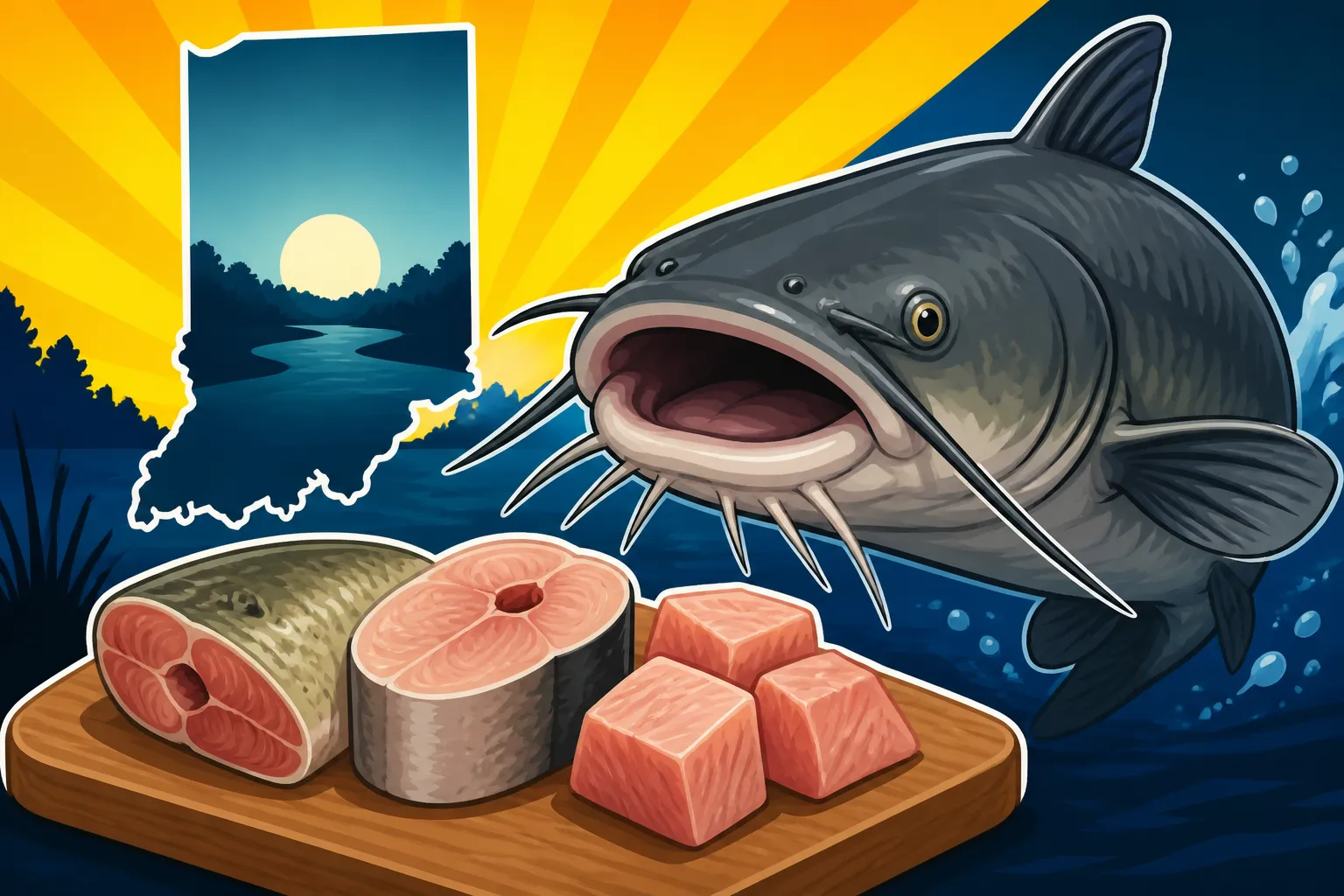
For oily fish like shad, simply cutting them into 1 to 2-inch chunks, leaving the skin and bones intact, is often best. The bones help the bait hold its shape and stay on the hook, while the skin adds durability. The bloodline along the backbone is a scent powerhouse, so make sure your cuts expose it. If you're using a larger fish like carp or a big sucker, you might fillet off strips of meat, perhaps 1-2 inches wide and 3-4 inches long, or cut larger chunks from the fattier belly section. Some anglers even prefer to lightly score the flesh of larger chunks to further enhance scent release without compromising structural integrity. A good, sharp fillet knife (you can find excellent options on Amazon) is essential for clean, efficient cuts.
The size of your cut bait should generally correspond to the size of the catfish you're hoping to catch. For channel catfish, smaller chunks (thumbnail to 2 inches) are usually sufficient. For blue catfish or flatheads, especially trophy-sized ones, don't be afraid to go big—chunks up to 4-5 inches or even half a whole baitfish are not uncommon. Remember, a bigger bait often means fewer bites, but when you do get one, it's more likely to be the monster you're after.
Rigging Techniques for Cut Bait
Once your bait is perfectly cut, the next step is rigging it correctly. The key is to ensure your hook is exposed for a solid hookset and that the bait presents naturally on the bottom. Circle hooks are overwhelmingly popular and recommended for catfish, especially when using cut bait, as they are designed to hook the fish in the corner of the mouth, reducing gut hooking and making release easier if you’re practicing catch and release. Ensure the hook point and barb are completely clear of the bait.
A basic slip sinker rig (also known as a Carolina rig for catfish) is incredibly effective for cut bait. You'll thread your main line through a slip sinker (egg sinker or no-roll sinker), then tie on a swivel, followed by a fluorocarbon or monofilament leader (12-24 inches), and finally your hook. This setup allows the fish to pick up the bait and run without feeling the weight of the sinker, giving you a better chance for a solid hookset. This is a staple among the various "Catfish Bottom Fishing Techniques".
For fishing in current, like in the Tippecanoe River, a three-way swivel rig or a Santee Cooper rig might be more appropriate. The Santee Cooper rig, which adds a small float to your leader, helps lift your cut bait off the bottom, making it more visible and keeping it out of debris, while still allowing the scent to flow naturally with the current. This can be especially useful if you're fishing in muddy conditions, where an elevated bait can make a difference. Considering a variety of rigs can significantly improve your results, especially in varied conditions, as detailed in our guide on "Best Catfish Rigs for Muddy Water".
Strategic Deployment: Where and When to Cast Your Cut Bait
You've got the best bait, perfectly prepared and rigged. Now, where do you put it, and when is the prime time to make your cast? Catfish are creatures of habit and prefer certain environments. Understanding their movements and preferred habitats in Indiana waters is essential for cut bait success.
Prime Locations for Cut Bait Success in Indiana
Catfish, whether channel, blue, or flathead, tend to congregate in specific areas where food is abundant, and they can ambush prey or scavenge effectively. In Indiana's rivers, like the Wabash River or the White River, look for current breaks, deep holes, log jams, and areas where tributaries enter the main river. These spots provide cover, concentrate baitfish, and often funnel scent trails. Catfish will often sit just downstream of a current break, waiting for food to drift by. Large stretches of these rivers are fantastic for catfishing, and knowing the best access points can be invaluable. You can explore more about these areas in our comprehensive guide on "Best Catfish Fishing Spots in Indiana".
On Indiana's larger lakes and reservoirs, such as Brookville Lake or Lake Monroe, focus on submerged channels, humps, ledges, and creek beds that wind through the lake. These underwater structures act as highways for fish, including baitfish and the catfish that prey on them. Drop-offs, especially those leading to deeper water, are also prime targets. Anchor up-current from these features and let your cut bait drift into the strike zone. If you're fishing from the bank, look for points, inlets, or any structure that creates a natural funnel for current or baitfish.
Timing Your Attack: Best Conditions for Cut Bait
Catfish are generally more active during low-light conditions. This means dawn, dusk, and especially night fishing are prime times for deploying cut bait. Catfish eyes are well-adapted for low light, giving them an advantage when hunting after the sun goes down. The cover of darkness also makes them bolder, moving out from deeper sanctuaries to actively forage in shallower areas. Our guide on "How to Catch Catfish at Night" offers even more specific strategies for after-dark success.
Beyond the time of day, environmental factors play a huge role. Muddy or stained water, often a result of recent heavy rains, can actually enhance your cut bait's effectiveness. While clear water makes fish more skittish, cloudy water reduces visibility, forcing catfish to rely even more heavily on their sense of smell – exactly what cut bait is designed for. A rising or falling barometer, often associated with changing weather patterns, can also trigger feeding frenzies. Catfish activity often peaks during stable warm weather, but they can still be caught in colder conditions if you present your bait slowly and near their wintering holes. Generally, the warmer months from late spring through early fall are considered the "Best Time of Year to Fish in Indiana" for most species, including catfish.
Common Pitfalls and Pro Tips for Cut Bait Anglers
Even with the best bait and a solid understanding of rigging, there are common mistakes that can hinder your success, and a few pro tips that can elevate your cut bait game. It's about refining your approach and paying attention to the details that really matter.
Avoiding Common Cut Bait Mistakes
One of the biggest mistakes anglers make is using stale or frozen-and-thawed bait improperly. While frozen cut bait can work, fresh is almost always better. If you are using frozen bait, make sure it's thawed completely and that it hasn't lost its natural juices and scent. Don't refreeze bait that has already thawed. Another pitfall is using overly large hooks for smaller pieces of bait, or conversely, hooks too small for big chunks. Your hook size should match the bait size and the expected mouth size of your target catfish. A common error is also allowing too much of the hook to be buried in the bait, preventing a clean hookset. Always ensure the hook point is exposed.
Sometimes, anglers try to "enhance" their cut bait with artificial attractants that might actually deter catfish if overused or if they smell too chemical. While some attractants can work, the natural oils and blood from fresh cut bait are usually more than enough. Trust the natural scent. Lastly, not checking local regulations can lead to fines. Before you cut up that legally caught bass to use as bait, ensure it's allowed in your specific body of water. Ignorance of the rules is not an excuse, so a quick check of the Indiana DNR guide is always a good idea.
Enhancing Your Cut Bait Game
To truly maximize your success with cut bait, consider a few pro tips. First, a little bit of chumming can go a long way. Toss a few extra small pieces of cut bait up-current from your fishing spot to create an even stronger scent trail. This can actively draw fish to your area before your main bait even gets there.
Second, pay attention to the freshness of your bait. Keep your cut bait on ice in a quality cooler (many excellent options are available on Amazon) to preserve its potency throughout your fishing trip. The colder you keep it, the longer it will remain effective. If you're targeting big river cats, investing in a robust rod and reel combo is crucial. Our guide on "Best Catfish Rods for Indiana Rivers" can help you pick the right gear to handle those powerful fights.
Finally, vary your presentation. Don't just cast out and leave it in one spot indefinitely. Sometimes, a slight retrieve or a gentle lift and drop can make your cut bait appear more lifelike, mimicking a dying fish struggling on the bottom. Remember that catfish often patrol different depths at different times, so don't be afraid to experiment with how far off the bottom your bait sits, perhaps by adjusting your leader length or adding that small float. And while you're out there, remember that Indiana allows for multiple rods, so you can explore "How Many Rods Can You Fish With in Indiana?" to diversify your setup and increase your chances.
Disclaimer
The information provided in this guide is for general informational purposes only. Fishing regulations, license requirements, and local conditions in Indiana can change. Always consult the latest Indiana Department of Natural Resources (DNR) rules and regulations before fishing. Adhere to all local, state, and federal laws. Fishing can be inherently dangerous; always prioritize safety and wear appropriate personal protective equipment, such as a life jacket.