Best Time to Fish Monroe Lake for Bass in Indiana
There's nothing quite like the excitement of a day out on Monroe Lake, rods in hand, ready to hook into some impressive largemouth or smallmouth bass. But let's be honest, we've all been there: you get to the lake, full of anticipation, and the bite just isn't happening. It can be incredibly frustrating to spend hours casting without a single strike, making you wonder if you're even in the right place at the right time. This comprehensive guide is here to unravel the mysteries of Monroe Lake bass behavior, helping you pinpoint the absolute best times to hit the water for a successful and rewarding bass fishing experience in Indiana.
Spring Awakening: Prime Bass Action on Monroe Lake
As the chill of winter finally recedes and the days grow longer, Monroe Lake begins its glorious transformation into a bass fishing paradise. Spring is arguably one of the most exciting times to target bass here, as these fish transition from their deep winter haunts to shallower waters, driven by the instinct to spawn. Understanding these distinct phases – pre-spawn, spawn, and post-spawn – is key to maximizing your success.
Pre-Spawn Preparations and Patterns
The pre-spawn period, typically starting in late March and running through April and into May, is when water temperatures on Monroe Lake begin to climb, usually hitting the mid-40s to low 60s Fahrenheit. This is a critical time for bass as they gorge themselves, building energy for the arduous spawning process ahead. They'll start moving out of their deeper wintering holes and stage in transitional areas, often near creek channels, points, and secondary humps that offer easy access to shallower spawning flats.
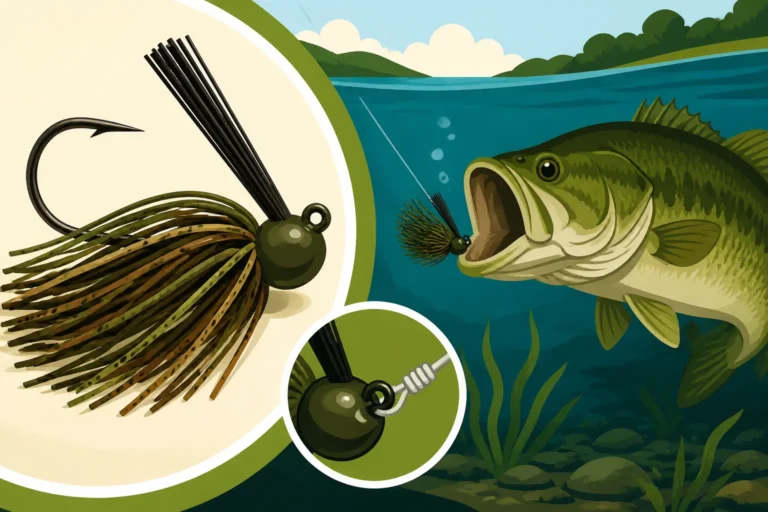
During this period, bass are often looking for larger, protein-rich meals. Slow-moving baits that mimic crawfish or baitfish are incredibly effective. Think about pitching or flipping jigs with bulky trailers into submerged cover or along rocky banks. Lipless crankbaits, like a trusty Rapala Rattlin' Rap or a Bill Lewis Rat-L-Trap, worked slowly along the bottom or through grass beds, can also trigger aggressive strikes from hungry bass. Remember, the fish are still a bit sluggish in the cooler water, so a slow, deliberate presentation is usually more effective than fast-moving retrieves. Many anglers swear by specific colors during pre-spawn; chartreuse and crawfish patterns are perennial favorites you can easily find on Amazon.
The Thrill of the Spawn
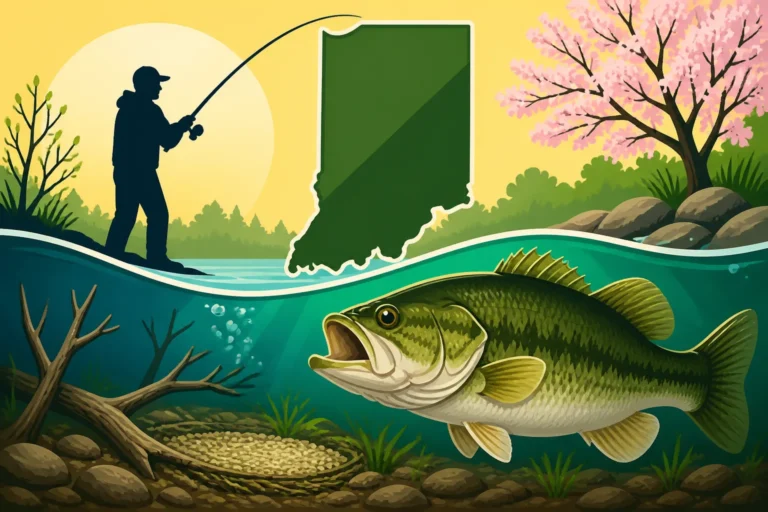
Once Monroe Lake's water temperatures consistently reach the mid-60s, typically from late April through early June, the bass spawn kicks into high gear. This is when the male bass move into shallow, protected coves and flats, clearing out circular "beds" on hard bottom areas to attract females. Females then lay their eggs, and the males guard them fiercely until they hatch. This period offers a unique opportunity for sight fishing, though it requires a bit of stealth and a good pair of polarized sunglasses to spot the beds.
When targeting spawning bass, especially those guarding beds, presentation is paramount. You want a bait that can be presented precisely into the bed and left there to irritate the fish until it strikes defensively. Soft plastics are king here. Flukes, creature baits, or even a simple Texas-rigged Senko can be incredibly effective. Cast beyond the bed, slowly drag your bait into it, and let it sit. Twitch it occasionally. The male bass, in its protective frenzy, will often pick up the bait to remove it from the nest. It's crucial to be mindful of conservation during the spawn; catching and releasing fish quickly minimizes stress on them and their future offspring. For a deeper dive into this vital time of year, check out our guide on Indiana Bass Spawn Timing and Pre-Spawn Patterns.
Post-Spawn Recovery and Feeding Frenzies
After the intensity of the spawn, typically in late May and June, bass enter a post-spawn phase. The females are exhausted and often retreat to slightly deeper water to recover, while the males continue to guard fry for a short period before joining them. As they recover, both male and female bass start feeding aggressively again, albeit often in different areas than during the pre-spawn. They're looking to replenish lost energy, making this another fantastic time for action.
During post-spawn, bass will relate heavily to cover, often suspending near submerged timber, brush piles, or weed lines in 5-15 feet of water. They're also often found cruising along points and flats adjacent to deeper water. This is when faster, more erratic retrieves can really shine. Topwater lures, like poppers or walking baits, are incredibly exciting in the early morning or late evening. Spinnerbaits and chatterbaits retrieved quickly through submerged grass can also draw violent strikes. Crankbaits that dive to the depth of the recovering bass are also highly effective, mimicking fleeing baitfish. Our detailed article on Bass Post-Spawn Patterns in Indiana offers even more strategies for this crucial period.
Summer Strategies: Beating the Heat on Monroe Lake
Summer on Monroe Lake brings its own set of challenges and rewards for bass anglers. While the heat can make fishing tougher during midday, understanding bass behavior in warmer water allows for incredibly productive outings, especially during specific windows and by targeting the right structures. The key is adapting to their tendency to seek cooler temperatures and consistent oxygen levels.
Early Morning and Late Evening Bites
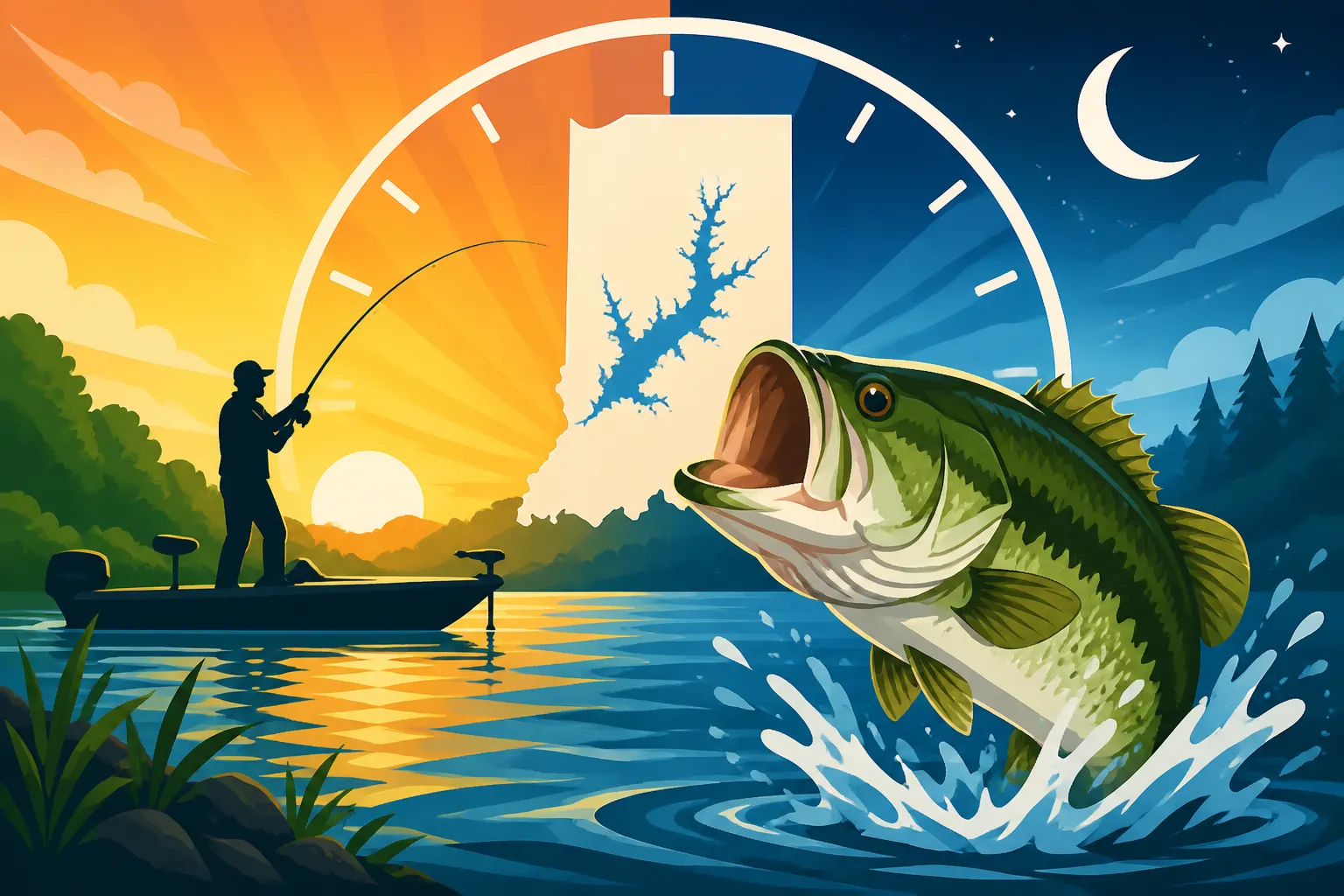
As the sun climbs high and scorches the surface, bass on Monroe Lake tend to become less active and retreat to cooler, deeper water or dense cover. However, the periods around dawn and dusk, when the sun is low and water temperatures are at their coolest, offer some of the most exhilarating bass fishing of the entire year. These low-light conditions make bass feel more secure, pushing them to actively hunt in shallower waters.
Topwater action can be absolutely phenomenal during these times. Poppers, walking baits, and buzzbaits create enticing commotion on the surface, mimicking struggling baitfish or insects. Target areas like shallow points, lily pad fields, and the edges of weed lines. As the sun begins to rise or set, bass will often move into these shallower ambush points, making them prime targets for a well-placed topwater presentation. Don't forget frogs over dense mats of vegetation – they can be deadly! For more on optimizing your hours, read our guide on the Best Time of Day to Catch Bass.
Deep Water Tactics and Structure Fishing
When the midday sun beats down, Monroe Lake's bass often retreat to deeper, cooler waters where oxygen levels are more stable, especially below the thermocline (the layer where water temperature changes rapidly). This means that targeting offshore structures becomes paramount for consistent summer success. Look for submerged humps, ledges, creek channels, and deep points that offer vertical relief and proximity to open water.
Techniques that excel in deeper water include drop-shotting, Carolina rigging, and using deep-diving crankbaits. Drop-shot rigs allow you to present a soft plastic bait precisely at the depth where fish are holding, often suspending just off the bottom. Carolina rigs, on the other hand, allow your bait to float enticingly above a heavy weight, dragging along the bottom contour. For aggressive fish, deep crankbaits can be incredibly effective, crashing into structure and triggering reaction strikes. Investing in a good fish finder is almost essential for locating these deeper structures and schools of bass. For insights into where the real monsters hide, explore Where to Catch Trophy Bass on Monroe Lake.
Targeting Shaded Cover
Even in the scorching heat of summer, some bass will remain relatively shallow if ample cover provides shade and ambush opportunities. This means areas like boat docks, fallen trees (laydowns), thick lily pad fields, and dense submerged vegetation become key holding spots. The shade not only provides relief from the sun but also conceals bass from their prey, making these areas prime ambush points.
Flipping and pitching jigs or heavy Texas-rigged soft plastics into these shaded pockets and thick cover is a highly effective strategy. Use heavier line and stout rods to extract fish from the dense structure once hooked. The strike might not always be aggressive; sometimes, it's just a subtle "thump" as a bass inhales your bait. Patience and precision are crucial here. Spinnerbaits and buzzbaits can also be worked along the edges of these covers, especially during low-light conditions, to draw fish out. When shopping for heavy line or specialized flipping jigs, checking out options on Amazon can be a great starting point for quality gear.
Fall Transition: Aggressive Feeding Before Winter
As summer fades and autumn colors begin to paint the landscape around Monroe Lake, a new and exciting chapter of bass fishing unfolds. Fall is a period of transition, marked by cooling water temperatures and bass actively feeding to pack on reserves for the leaner winter months. This can lead to some truly epic days on the water, with bass often schooling up and exhibiting aggressive feeding behavior.
Following the Baitfish
One of the most defining characteristics of fall bass fishing on Monroe Lake is the movement of baitfish. As water temperatures drop, schools of shad and other forage fish become more active and tend to congregate in certain areas, often moving into coves and along main lake points. The bass follow suit, creating incredible opportunities for anglers who can locate these baitfish schools.
This "follow the bait" pattern means that covering water efficiently is key. Spinnerbaits, swimbaits, and jerkbaits are exceptionally effective for mimicking fleeing baitfish. Cast them near points, humps, and the mouths of coves where baitfish are likely to gather. Keep an eye on your fish finder for bait balls and any predators lurking nearby. Often, if you find the bait, you'll find the bass. Don't be afraid to experiment with different retrieve speeds and depths until you dial in what the fish are looking for. For specific lure recommendations, refer to our guide on the Best Bait and Lures for Fall Fishing.
Cooler Water, Active Bass
Unlike the dog days of summer when bass can be lethargic, the cooling water of fall invigorates them. Oxygen levels are higher, and the bass become much more active throughout the day, extending their feeding windows. This means that while early morning and late evening are still excellent, you can often find consistent action even during midday hours.
Focus your efforts on finding ambush points where bass can intercept baitfish. These include rocky points, ledges, submerged brush piles, and the deeper edges of remaining green vegetation. Jigging spoons can be deadly when bass are schooled up on deeper structure, mimicking dying baitfish fluttering to the bottom. Crankbaits are also highly effective, especially medium-diving models that can cover a range of depths as bass move up and down the water column throughout the day.
Late Fall Deep Water Movement
As fall progresses and water temperatures continue to drop, eventually dipping into the 50s and low 40s, bass on Monroe Lake will begin their migration towards their deeper wintering holes. This typically means moving into main lake creek channels, deep pockets, and steep ledges. While they might not be as aggressively feeding as in early fall, they will still strike if presented with the right offering.
During late fall, finesse techniques become more important again. Think about vertical jigging with blade baits or spoons directly over schools of fish you locate with your electronics. Slowly dragging a football jig or a shaky head on the bottom can also entice reluctant bass. The key here is patience and a keen understanding of subsurface structure. Bass will often stack up in these deeper areas, so once you find them, you can often catch multiple fish from the same spot.
Winter Wonders: Cold Water Bass Challenges
When winter fully settles over Monroe Lake, bringing frigid temperatures and sometimes even ice cover, bass fishing certainly becomes more challenging, but it's far from impossible. In fact, for dedicated anglers, winter can offer incredible rewards, often in the form of larger, healthier bass. The key to success lies in extreme patience and precision, understanding that bass metabolism slows significantly in cold water.
Slow and Steady Wins the Race
During the winter months, bass on Monroe Lake are highly lethargic. Their metabolism slows down drastically, meaning they don't need to eat as frequently or expend as much energy chasing prey. This translates to a preference for slow-moving, easy-to-catch meals. Forget fast retrieves and aggressive presentations; winter fishing is all about finesse and tempting reluctant biters.
Small jigs with subtle trailers, shaky heads, and Ned rigs are absolute staples for winter bass fishing. Present these baits with minimal movement, often just dragging them slowly along the bottom or twitching them ever so slightly. A jigging spoon, vertically jigged with a very short, sharp hop, can also imitate a dying baitfish, which bass can't resist. Focus on bottom contact and feel for the most subtle of bites – sometimes it's just a slight "mushy" feeling on the line rather than a distinct "thump." High-quality fluorocarbon line can be a game-changer here, offering sensitivity and low visibility, and you can find excellent options on Amazon.
Targeting Deep Structure
Just like in late fall, winter bass on Monroe Lake will congregate in their deepest, most stable water areas. These are often main lake creek channels, deep humps, steep breaks, and points that drop off into significant depth. These areas provide stable water temperatures and offer easy access to deeper water, which is where bass will spend most of their time.
Your electronics will be your best friend during winter fishing. Spend time idling over likely areas, searching for schools of baitfish and the tell-tale arches of bass below. Once you locate fish, anchor precisely or use your trolling motor with spot-lock to stay on top of them. Vertical presentations directly into the schools are often the most effective. Baits like a Damiki rig (a small jig head with a soft plastic minnow imitator, fished vertically) or a blade bait can be excellent. Remember, the fish aren't going to chase much, so you need to bring the bait directly to them.
Monroe Lake Bass Fishing Seasonal Breakdown
Here's a quick overview to help you plan your next bass fishing trip to Monroe Lake, detailing the optimal times and techniques for each season.
| Season | Water Temperature Range | Bass Behavior | Best Times | Key Techniques | Recommended Baits/Lures |
|---|---|---|---|---|---|
| Spring (Pre-Spawn) | 45-60°F | Staging, heavy feeding | Midday-Afternoon | Slow presentations | Jigs, Lipless Crankbaits, Jerkbaits |
| Spring (Spawn) | 60-68°F | Bed guarding, protective | All Day | Sight fishing, precise drops | Soft Plastics (Flukes, Creature Baits) |
| Spring (Post-Spawn) | 65-72°F | Recovering, aggressive feeding | Morning/Evening | Faster retrieves, reaction baits | Topwater, Spinnerbaits, Crankbaits |
| Summer (Early/Late) | 70-85°F | Active feeding in low light | Dawn/Dusk | Topwater, Frogs | Buzzbaits, Poppers, Walking Baits |
| Summer (Midday) | 75-85°F | Deep, shaded cover | Midday | Finesse, flipping, pitching | Drop-Shot, Carolina Rigs, Jigs, Texas Rigs |
| Fall (Early) | 65-55°F | Following baitfish, aggressive | All Day | Covering water, reaction baits | Spinnerbaits, Swimbait, Jerkbaits, Crankbaits |
| Fall (Late) | 55-40°F | Moving to wintering holes | Midday | Slow presentations | Jigging Spoons, Football Jigs, Shaky Heads |
| Winter | Below 40°F | Lethargic, deep structure | Midday | Finesse, vertical jigging | Ned Rigs, Blade Baits, Small Jigs |
For those looking to expand their knowledge on where to launch, be sure to check out our detailed guide on the Best Boat Ramps on Monroe Lake in Indiana to ensure smooth access to these prime fishing spots. Monroe Lake truly is Indiana's largest lake, offering fantastic opportunities for bass fishing throughout the year, provided you understand how the fish behave with the changing seasons.
Maximizing Your Success on Monroe Lake
Beyond understanding the seasonal patterns, a few general principles can dramatically increase your chances of success when targeting bass on Monroe Lake. These tips apply regardless of the time of year but are especially crucial when the bite gets tough.
Understanding Water Temperature and Clarity
Water temperature is arguably the most critical factor influencing bass behavior. We've touched on it with each season, but truly understanding how it impacts fish activity, metabolism, and location is a game-changer. For example, knowing the Best Water Temperature for Bass Fishing in Indiana can guide your lure selection and presentation style. Bass are cold-blooded, so their activity levels are directly tied to the water temperature. A sudden cold front, even in spring or fall, can shut down a bite instantly, forcing fish deeper or into denser cover.
Water clarity also plays a significant role. On Monroe Lake, clarity can vary depending on recent rainfall, wind, and even the time of year. In clear water, bass rely heavily on their sight, so natural colors and lighter lines are often more effective. In stained or muddy water, bass rely more on their lateral line (which detects vibrations) and scent. This is when brighter colors, larger profiles, and baits with rattles can really shine. Always observe the water conditions when you arrive and adjust your approach accordingly.
The Importance of Stealth and Presentation
Bass, especially the larger ones, are often wary creatures. Loud noises, excessive movement on the boat, or casting a heavy shadow over a prime spot can spook them, sending them scattering. Practicing stealth, particularly in shallower water or around docks, can make a huge difference. Using a trolling motor quietly, wearing muted clothing, and making accurate, gentle casts are all part of a successful strategy.
Furthermore, how you present your bait is often more important than the bait itself. The retrieve speed, action imparted, and the way the lure enters the water can trigger a strike or send a fish swimming away. In colder water, a slow, methodical retrieve is usually best, while in warmer water, a more erratic, aggressive presentation can mimic fleeing prey. Mastering various techniques from our Bass Fishing Techniques for Beginners guide will give you a significant edge.
Essential Gear and Local Knowledge
Having the right gear is non-negotiable for serious bass fishing on Monroe Lake. This doesn't mean you need the most expensive equipment, but rather reliable rods, reels, line, and tackle that suit the conditions and techniques you plan to use. For example, if you're targeting heavy cover in summer, a stout baitcasting setup with heavy line is essential. If you're drop-shotting in deep water, a sensitive spinning rod with lighter line is preferred. Ensure your tackle box is well-stocked with a variety of lures to match different seasonal patterns.
Finally, nothing beats local knowledge. While this guide provides a fantastic starting point, talking to local bait shop owners, other anglers, or even joining local fishing forums can provide invaluable, up-to-the-minute information on what's biting, where, and on what. Every day on the water is a learning experience, and the more you pay attention to conditions and fish behavior, the better angler you'll become.
Disclaimer
Fishing conditions and regulations in Indiana, especially on large bodies of water like Monroe Lake, can change. Always consult the latest Indiana Department of Natural Resources (IDNR) regulations before heading out on the water. This guide is for informational purposes only and should not replace official guidelines.