Bank Fishing Techniques vs Boat Fishing
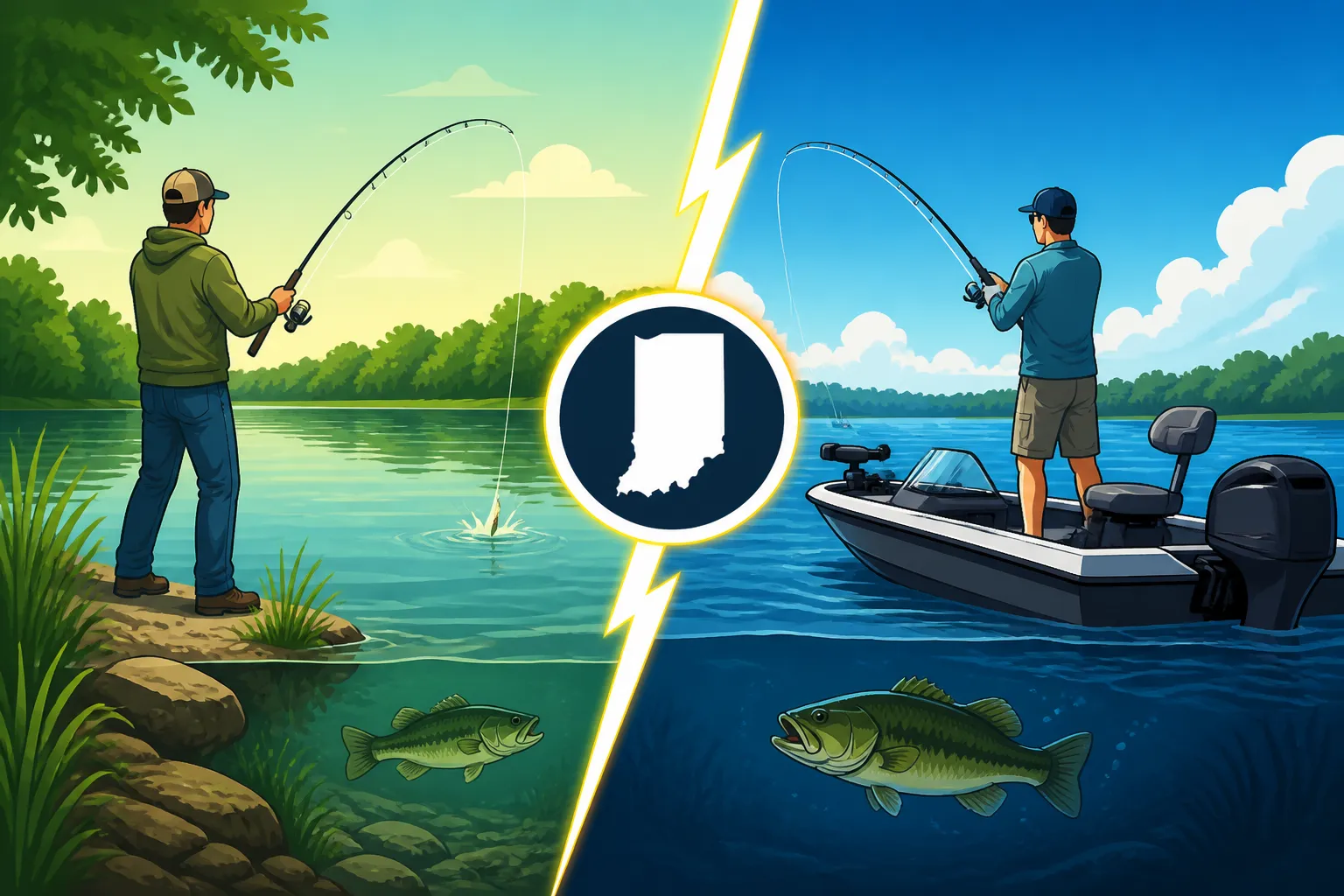
You're standing at the edge of the water, rod in hand, wondering if you're truly reaching the best spots, or if those anglers out in their boats have some secret advantage you're missing. It's a classic dilemma for many Indiana fishing enthusiasts: is it better to fish from the bank or from a boat? This comprehensive guide will break down the pros and cons, techniques, and practicalities of both bank fishing and boat fishing, helping you decide which approach is best for your next outing on Indiana's diverse waters.
Understanding the Fundamentals of Bank Fishing
Bank fishing, or shore fishing, is often where many of us start our fishing journeys. There's a certain simplicity and accessibility to it that's incredibly appealing, especially for those spur-of-the-moment trips. You don't need a lot of specialized equipment, and it's a fantastic way to connect with nature without a huge financial investment.
Advantages of Fishing from Shore
The beauty of bank fishing lies in its low barrier to entry. Think about it: you can often just pull up to a local pond, park, and be casting a line within minutes. This ease makes it incredibly popular, especially for families with kids or folks just looking for a relaxing afternoon. There's no boat to launch, no trailer to maintain, and no extensive boater safety course to take. This freedom means you can often explore numerous small lakes, ponds, and river bends that might not even have boat ramps, opening up unique fishing opportunities.
Beyond the practicalities, bank fishing offers a different kind of experience. You're more grounded, literally, feeling the earth beneath your feet, listening to the birds, and truly observing the immediate shoreline ecosystem. It’s perfect for practicing basic techniques like casting, baiting, and understanding how different baits and lures behave in the water. Plus, it's significantly cheaper. All you really need is a rod, reel, some tackle, and your Indiana Fishing License Requirements Explained. You can grab a decent starter kit on Amazon for less than the cost of a single boat accessory.
Common Challenges for Bank Anglers
While bank fishing is wonderfully accessible, it does come with its limitations, which can sometimes be frustrating. The biggest hurdle is reach. You're confined to casting distance, meaning large sections of a lake or river, especially deeper structures or prime weed lines out in the middle, are simply out of your grasp. This can be particularly challenging when fish are holding in deeper, cooler water during the summer months or staging in open water during the spawn.
Another common issue is access itself. While many parks and public lands offer designated shore fishing spots, these can often be heavily pressured, meaning the fish have seen every lure and bait imaginable. Finding those "secret" spots often involves navigating rough terrain, overgrown banks, or private property, which can be a real hassle and sometimes unsafe. Plus, during certain seasons, like the Indiana Bass Spawn Timing and Pre-Spawn Patterns, fish might be actively avoiding the immediate shore due to human activity or lack of cover, making it tough to entice a bite. Dealing with snags on shoreline vegetation or sunken debris is also a frequent occurrence, leading to lost tackle and frayed nerves.
Essential Gear for Successful Bank Fishing
Don't let the simplicity fool you; having the right gear can make a world of difference for bank anglers. A good all-around spinning combo is usually the best bet – something versatile enough for different species. A medium-light or medium action rod, 6 to 7 feet long, paired with a reliable spinning reel spooled with 8-10 pound monofilament or fluorocarbon, will handle most situations, from panfish to decent-sized bass.
Beyond your rod and reel, a compact tackle box or backpack filled with essentials is crucial. Think about what you'll typically encounter: a variety of hooks (Aberdeen, worm hooks, treble hooks), sinkers (split shot, bullet weights), bobbers, and a selection of artificial lures. For lures, include some jigs (both soft plastic and hair jigs), spinnerbaits, crankbaits, and topwater options. Don't forget basic tools like needle-nose pliers for hook removal, line clippers, a measuring tape, and a small landing net. A comfortable folding chair or stool can be a godsend during long waits, and a cooler for drinks and snacks (and your catch!) is always a good idea. Many anglers find durable, portable tackle bags, available on Amazon, to be perfect for holding all these essentials while keeping them organized for easy bank access.
Diving into Boat Fishing Dynamics
Now, let's talk about the world of boat fishing. This is where anglers gain a whole new level of freedom and capability on the water, but it also comes with a significant increase in commitment and cost. From kayaks to bass boats, each vessel opens up different possibilities.
Advantages of Fishing from a Boat
The most significant advantage of boat fishing is unparalleled access. Suddenly, that distant weed bed, that submerged timber pile in the middle of the lake, or that deep river channel is within your reach. A boat allows you to cover vast amounts of water quickly, trolling for walleye in the glacial lakes or searching for schooling bass in large reservoirs like Monroe Lake. This mobility is a game-changer for finding fish, especially when they're not holding close to shore. You can easily chase schools of baitfish, follow temperature breaks, or work complex underwater structures.
Furthermore, boat fishing provides a much more comfortable and often safer platform for longer days on the water. You can bring more gear, larger coolers, and even set up things like fish finders and GPS units to pinpoint exact locations. This technological edge can significantly improve your success rate. For instance, those pursuing Lake Michigan's Salmon Run: Indiana's Fall Fishing Season often rely heavily on boats and advanced electronics to locate migrating salmon and steelhead in the vast expanse of the lake. The ability to anchor precisely over a hotspot or drift along a contour line gives you a tactical advantage that shore anglers can only dream of.
Navigating the Obstacles of Boat Ownership and Operation
As wonderful as boat fishing sounds, it's crucial to be realistic about the challenges. The first and most obvious hurdle is the cost. Purchasing a boat, even a modest one, represents a significant investment, often ranging from several thousand dollars for a good used jon boat to tens of thousands for a fully rigged bass boat or cruiser. But the costs don't stop there. You'll also need a trailer, boat registration, insurance, regular maintenance (fuel, oil changes, winterization), and storage fees if you don't have space at home. These ongoing expenses can easily add up, making it a commitment not just of time, but of considerable finances.
Beyond the money, there's the operational aspect. Learning how to launch and retrieve a boat can be stressful, especially at crowded boat ramps on busy weekends. Navigating unfamiliar waters, understanding marine rules, and dealing with varying weather conditions all require skill and experience. You'll need to know about Indiana Boat Registration Rules Explained and perhaps even consider an Indiana Boater Education Course Requirements to safely operate your vessel. Then there's the physical effort involved in trailering, cleaning, and maintaining the boat after every trip. It's a lifestyle choice, not just a casual hobby.
Key Equipment for Effective Boat Fishing
The gear list for boat fishing can be extensive, depending on the type of boat and species you're targeting. For any boat, however, certain safety items are non-negotiable: Best Life Jackets for Indiana Boaters for everyone on board, a throwable flotation device, a whistle or horn, navigation lights, a fire extinguisher, and a first-aid kit. These aren't just recommendations; many are legal requirements.
For the actual fishing, a Best Fish Finders for Indiana Lake Fishing is arguably the most valuable tool a boat angler can have. It helps locate fish, identify structure, and understand depth. A GPS unit, often integrated into fish finders, is vital for marking hotspots and navigating. A quality trolling motor is almost essential for quiet, precise boat positioning, especially for bass or crappie fishing. Depending on your target species, you might invest in specialized rods and reels, such as heavy-duty setups for muskie, downriggers for salmon and trout, or multiple rod holders for trolling. Having a well-organized tackle storage system, perhaps even dedicated storage built into the boat, becomes crucial to manage the sheer volume of gear you can bring. You'll find many specialized boat fishing accessories, from rod holders to transducer mounts, available on platforms like Amazon.
Strategic Considerations: When to Choose What
Deciding between bank and boat fishing isn't just about what you own; it's about making smart choices based on the fishing situation. Different scenarios call for different approaches, and understanding these nuances can greatly improve your success.
Situational Fishing: Matching Technique to Location
Think about the specific body of water you're planning to fish. For small ponds, urban lakes, or narrow river sections, bank fishing can often be just as effective, if not more so, than boat fishing. These areas might not have boat ramps, or they might be too shallow or obstructed for easy boat navigation. In such cases, mastering Bank Fishing Techniques for Beginners becomes the primary skill. You'll focus on casting parallel to the shore, working docks, lily pads, or overhanging trees – spots that are naturally accessible from land.
Conversely, for vast reservoirs like Patoka Lake or the expansive waters of Lake Michigan, a boat is almost a necessity. Trying to seriously fish these massive bodies of water from shore would be like trying to explore a forest from just its edge. Boats allow you to reach deeper channels, remote points, offshore humps, and the middle of large coves where fish often congregate. If you're targeting open-water species like striped bass or trying to locate thermoclines for walleye, a boat gives you the tools and mobility to do so efficiently. Even for bass, reaching those prime offshore structures often requires a boat.
Species-Specific Strategies: Bank vs. Boat for Different Fish
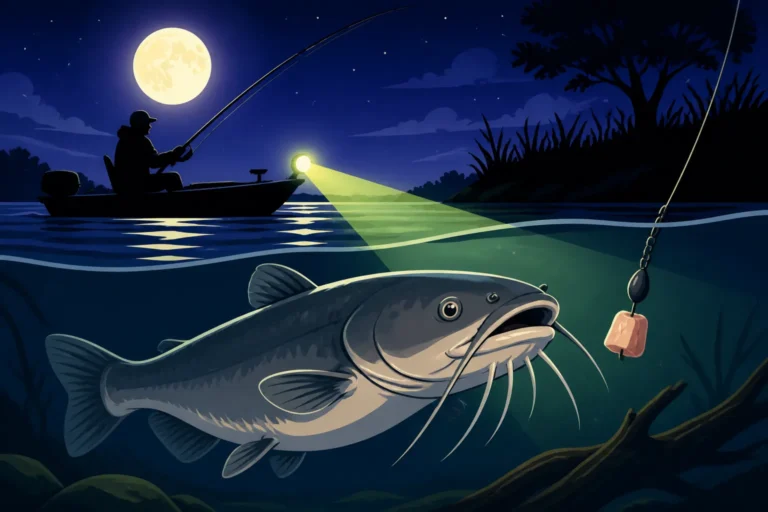
Certain fish species are inherently more accessible from shore, while others almost demand a boat. For panfish like bluegill and crappie, especially during their spawning seasons when they move shallow, bank fishing can be incredibly productive. Kids and beginners often have great success catching bluegill right from a dock or shoreline. Catfish, being bottom dwellers and often found in river bends or deeper holes, can also be caught effectively from the bank using bottom rigs.
However, if your goal is to consistently target species like walleye, muskie, or the salmon and trout of Lake Michigan, boat fishing offers a distinct advantage. Walleye often prefer deeper, cooler water and specific bottom structures that are hard to reach from shore. Muskie are apex predators that roam large territories, and covering enough water to find them almost always requires a boat. Similarly, the migratory patterns of salmon and steelhead in Lake Michigan's Indiana shoreline mean boaters can follow them to offshore feeding grounds or troll in open water using specialized gear. While some river sections offer shore access for steelhead, the primary fishery is boat-dependent. Even for bass, while shore fishing can be productive, consistent catches of larger fish often come from boat access to offshore structure or remote coves.
Weather and Water Conditions: Impact on Choice
Weather and water conditions play a huge role in deciding where and how to fish. After heavy rains, river banks might become muddy and dangerous, or water clarity might be so poor that fish move to more stable areas. In such cases, boat fishing might allow you to move to a clearer section of the river or a lake that wasn't as affected. Conversely, strong winds can make boat navigation unsafe or simply too uncomfortable, forcing even boat owners to opt for sheltered coves or stick to bank fishing on smaller, calmer ponds.
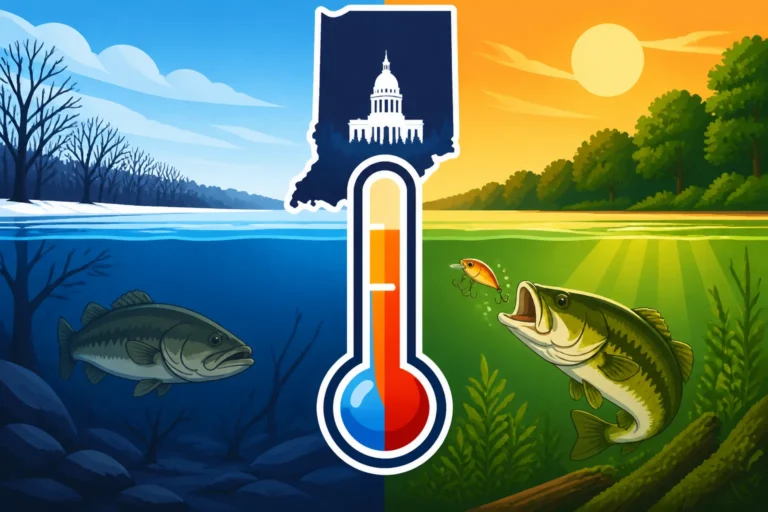
Water temperature is another critical factor. During the summer, when shallow waters warm up significantly, many desirable species retreat to deeper, cooler zones. A boat equipped with a fish finder can easily locate these thermal refuges, giving boat anglers a massive advantage. Conversely, in the early spring or late fall, when fish might be shallow, bank fishing can be incredibly productive, as fish often cruise the sun-warmed shallows looking for food. Understanding How Water Temperature Affects Fish Activity is crucial for both types of anglers.
Maximizing Your Catch: Tips and Tricks for Both
Regardless of whether you're on shore or on the water, there are always ways to refine your approach and increase your chances of success. It's not just about where you are, but how you fish.
Advanced Techniques for Bank Anglers
For bank anglers, overcoming the limited reach is key. One excellent technique is to "fan cast." Instead of casting straight out, make casts at various angles, covering as much water as possible in front of you. This helps you explore different depths and structures within your casting range. Utilizing longer rods (7-9 feet) can also add precious extra feet to your cast, helping you reach further out into a lake. Experiment with different weights; a heavier lure or sinker will typically cast farther.
Another smart move for shore anglers is to "walk the bank." Instead of staying in one spot, slowly move along the shoreline, making a few casts in each new location. This allows you to cover more ground and find active fish. Pay close attention to subtle changes in the shoreline: points, fallen trees, brush piles, or even changes in bank slope can all indicate fish-holding structure. Look for access points that lead to deeper water, like old creek channels that run close to shore. Furthermore, for those looking to improve their crappie game, practicing Crappie Jigging Techniques for Beginners from a pier or dock can be highly effective when crappie are near shore. Always carry a pair of good binoculars or a monocular to scan distant waters for signs of activity, like jumping fish or feeding birds.
Optimizing Your Boat Fishing Experience
Boat anglers have a broader toolkit, and leveraging it effectively is paramount. The fish finder is your best friend; don't just use it to find fish. Learn to interpret contour lines to identify humps, ledges, and channels. Look for baitfish schools and predators lurking nearby. Mark waypoints on your GPS for any structure or fish you find, allowing you to return to those exact spots later.
Trolling is a highly effective boat fishing technique for covering vast areas, especially for species like walleye or salmon. Experiment with different depths, lure colors, and speeds until you find what triggers bites. For stationary fishing, precise anchoring or using a spot-lock trolling motor to hold your position over a submerged structure can make all the difference. Always be mindful of your boat's shadow and noise, as fish can be spooked by both. Lastly, consider your boat's layout. Is your tackle easily accessible? Are your rods stored safely? A well-organized boat contributes to a more efficient and enjoyable fishing trip. You can find robust storage solutions and rod holders on Amazon to help keep your boat clutter-free and functional.
Cost and Accessibility: A Practical Comparison
The decision between bank and boat fishing often boils down to practical considerations like cost and accessibility. For many, these factors are the ultimate determinant of how they enjoy the water.
Financial Outlay: Bank Fishing vs. Boat Fishing
There's no sugarcoating it: boat fishing is significantly more expensive than bank fishing. Let's break down the potential costs:
Bank Fishing (Minimal Investment):
- License: ~$23 for an Indiana resident annual license. (See Indiana Resident Annual Fishing License Cost)
- Rod & Reel Combo: $50 – $150
- Basic Tackle: $30 – $100 (hooks, sinkers, bobbers, a few lures)
- Chair/Cooler: $20 – $50
- Total Initial Investment: $123 – $323
Boat Fishing (Significant Investment – Entry Level):
- License: Same as above.
- Entry-Level Boat (e.g., Jon boat, small aluminum V-hull): $2,000 – $10,000 (used) / $5,000 – $20,000 (new)
- Outboard Motor: $1,500 – $5,000+ (if not included with boat)
- Trailer: $800 – $2,000+
- Boat Registration & Title Fees: $50 – $150 (initial, then renewal)
- Insurance: $100 – $500+ annually
- Safety Gear: $100 – $300 (life jackets, throwable, fire extinguisher)
- Fish Finder/Trolling Motor: $400 – $2,000+
- Specialized Rods & Reels: $200 – $1,000+
- Extensive Tackle: $200 – $500+
- Fuel & Maintenance: $200 – $1,000+ annually
- Total Initial Investment: $5,000 – $30,000+
As you can see, the difference is stark. Bank fishing allows you to get on the water with minimal financial commitment, making it ideal for beginners or those on a tight budget. Boat fishing, while offering expanded opportunities, requires a substantial upfront investment and ongoing expenses. Even renting a boat for a day can run you $100-$300, which adds up if you do it frequently.
Accessibility and Convenience Factors
Beyond cost, accessibility and convenience are major differentiators. Bank fishing typically wins on convenience. You can often just grab your gear and go, visiting numerous public access points, city parks, or even roadside ditches. This spontaneity is a huge draw, allowing for quick evening trips after work or impromptu weekend adventures. It's also ideal for those without vehicle hitches or storage space for a boat.
Boat fishing, while offering ultimate on-water access, requires more planning and logistical effort. You need a vehicle capable of towing a trailer, a place to store the boat (either at home or a marina), and the time to launch, retrieve, and clean the vessel. Dealing with crowded boat ramps, especially on popular lakes like Lake Wawasee during peak season, can add stress to what should be a relaxing day. However, for those looking to explore remote areas or fish the largest bodies of water, the initial inconvenience of boat ownership is a trade-off for unparalleled access to prime fishing grounds. For certain specialized fishing, such as Trolling Techniques for Salmon and Steelhead, a boat is simply non-negotiable.
Here's a quick comparison of the two approaches:
| Feature | Bank Fishing | Boat Fishing |
|---|---|---|
| Initial Cost | Low ($100-$300) | High ($5,000-$30,000+) |
| Ongoing Cost | Low (license, bait, lost tackle) | High (fuel, maintenance, storage, insurance) |
| Accessibility | Very High (many public parks, small ponds) | Requires boat ramp access, vehicle, trailer |
| Reach | Limited (casting distance from shore) | Unlimited (entire body of water) |
| Comfort | Varies (standing, portable chair) | Generally higher (built-in seating, shade) |
| Gear Capacity | Limited (backpack, small tackle box) | High (multiple rod setups, large coolers) |
| Target Species | Panfish, catfish, bass (shore-oriented) | Walleye, muskie, salmon, open-water bass |
| Skill Required | Basic casting, knot tying | Boating safety, navigation, advanced tactics |
| Spontaneity | Very High (grab-and-go) | Moderate (requires planning, launching) |
| Typical Depth | Shallow to mid-depth within casting range | Any depth, including deep offshore structures |
Ultimately, the best approach depends on your budget, time commitment, desired species, and personal preference. Many anglers start with bank fishing and later transition to boat fishing as their passion grows and resources allow. There's no single "right" way to fish, only the way that brings you the most enjoyment and success on Indiana's wonderful waters.
Disclaimer
Please be aware that fishing regulations, license requirements, and boat safety rules can change. Always consult the official Indiana Department of Natural Resources (DNR) website or their current fishing guide for the most up-to-date and accurate information before heading out on the water.