Walleye Jigging Techniques
There's nothing quite as frustrating as hitting the water, armed with your best intentions and shiny new tackle, only to find the walleye are playing hard to get. You've heard about the legendary bite, maybe even seen others pulling in limits, but for some reason, your jig just isn't getting the attention it deserves. It’s a common struggle for many anglers across Indiana. This comprehensive guide is here to demystify walleye jigging, helping you understand their behavior, choose the right gear, and master the techniques to consistently put these elusive fish in your cooler.
Understanding Walleye Behavior for Jigging
Walleye are fascinating fish, known for their keen eyesight in low light and their tendency to stick to structure. To consistently catch them with jigs, you really need to get inside their heads (or at least understand their predatory instincts). It’s not just about dropping a lure; it’s about mimicking their prey and presenting it in a way they can’t resist.
Why Walleye Prefer Jigs
Walleye are opportunistic predators, and their diet often consists of smaller baitfish like shad, perch, or shiners. Jigs, when presented correctly, perfectly imitate an injured or disoriented baitfish—a prime target for a hungry walleye. The sharp, erratic movements of a jig can trigger a predatory response that more subtle baits might not. Think of it this way: a live minnow might swim by unnoticed, but a jig that darts and pauses, looking like it's struggling, is often too tempting to pass up.
Many anglers initially struggle because they fish jigs too aggressively, but walleye often prefer a more subtle presentation, especially in colder water or when they're less active. The jig's ability to stay in the strike zone longer, with subtle twitches and pauses, is its true strength. Unlike crankbaits or spinners that need constant retrieve, a jig allows you to dissect a piece of structure inch by inch. This methodical approach is critical for targeting walleye, which often hold tight to cover and aren't keen on chasing prey far from their ambush points.
Reading Walleye Habitat and Structure
Walleye are structure-oriented fish, meaning they'll relate to specific features on the bottom or in the water column. In Indiana lakes and rivers, this could be anything from deep-water humps and ledges to rock piles, submerged timber, or even bridge pilings. Their preferred depth changes with light conditions, water temperature, and time of day. During bright daylight, they'll typically seek deeper, darker water or heavy cover to protect their light-sensitive eyes. As evening approaches, or on cloudy days, they might move shallower to feed.
Understanding contour maps or using a good fish finder to locate these structural elements is paramount. For example, on a large reservoir like Monroe Lake or Patoka Lake, walleye often stack up on submerged points or the edges of old creek channels. In the glacial lakes of northern Indiana, like Lake Wawasee or Webster Lake, you might find them around deeper weed lines, rock reefs, or drop-offs. When you find one walleye, chances are there are more in the vicinity, as they often school up. Look for transitions in bottom composition—where sand meets rock, or silt meets gravel—these are often prime feeding areas. For more details on where these elusive fish hide, check out our guide on How to Find Walleye in Deep Water.
Essential Gear for Successful Walleye Jigging
Having the right tackle can make a world of difference when jigging for walleye. It's not just about having a rod and reel; it's about having equipment that provides the sensitivity to detect those often subtle walleye bites and the backbone to handle a strong fish. Skimping on quality here can lead to missed opportunities and frustration.
Rods, Reels, and Line for Sensitivity
For walleye jigging, sensitivity is king. You need to feel every tap, tick, and bump as your jig interacts with the bottom or a fish. A medium-light to medium power spinning rod, typically 6'6" to 7'6" in length, with a fast or extra-fast action tip, is ideal. The fast action allows the rod tip to load quickly, giving you excellent feel and quick hooksets. Graphite rods are generally preferred over fiberglass for their superior sensitivity. Brands like St. Croix or Fenwick offer excellent walleye-specific rods, but even more affordable options can be found on sites like Amazon if you know what to look for.
Pair your sensitive rod with a smooth, lightweight spinning reel in the 2000-3000 size range. A good drag system is crucial for fighting larger walleye, especially when they make their characteristic headshakes. As for line, many experienced walleye anglers swear by braided line (10-15 lb test) for its incredible sensitivity and lack of stretch, which aids in feeling bites and setting hooks. However, since walleye have excellent vision, it's almost always a good idea to tie on a 6-10 lb fluorocarbon leader (2-4 feet long) using a small swivel or an FG knot. This invisible leader won't spook wary walleye, especially in clear water. For specific recommendations, our article on Best Reels for Walleye Fishing on Indiana Lakes dives deeper into reel choices.
The Right Jigs and Baits for Indiana Waters
The world of jigs for walleye is vast and sometimes overwhelming, but a few core types will cover most situations in Indiana.
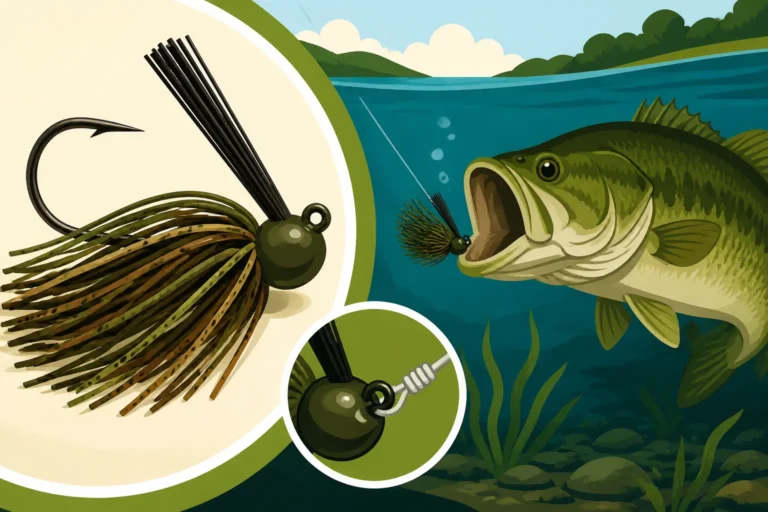
- Lead Head Jigs (Ball Heads, Stand-Up Jigs, Mushroom Heads): These are the workhorses. Ball head jigs are versatile, mushroom heads (like Ned Rigs) are great for finesse, and stand-up jigs keep your bait off the bottom, making it more visible. Weights typically range from 1/16 oz to 1/2 oz, depending on depth, current, and wind.
- Blade Baits: These vibrating metal lures are excellent for vertical jigging, especially in colder water. Their aggressive shimmy triggers reaction strikes.
- Spoon Jigs: Often used for ice fishing or deeper vertical presentations, spoon jigs flash and flutter, mimicking dying baitfish.
- Soft Plastics: Grubs, paddle tails, minnow imitations, and even creature baits can be threaded onto lead heads. Popular colors for walleye include chartreuse, white, pearl, green pumpkin, and various shiner or perch patterns. Brands like Berkley Gulp! Alive! and Z-Man ElaZtech are highly effective due to their scent and durability.
- Live Bait: There's no denying the effectiveness of live bait when jigging for walleye. Minnows (shiners, fatheads, or dace) are classic, but leeches and nightcrawlers can also be deadly, especially when fished on a jig head. Tipping a lead-head jig with a piece of nightcrawler or a minnow adds scent and natural action that's often irresistible.
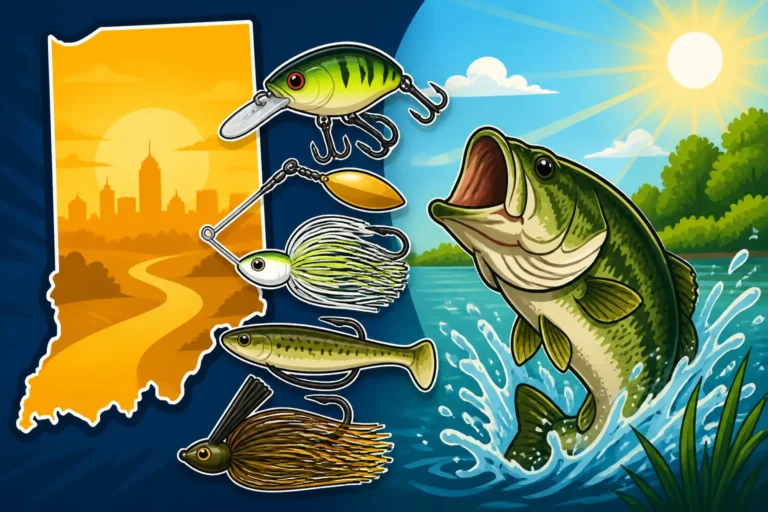
A good starting point for jig selection in Indiana is a variety of lead head jigs from 1/8 oz to 1/4 oz, paired with 3-4 inch soft plastic paddle tails or minnow imitators. Keep a selection of colors, paying attention to water clarity—natural colors for clear water, brighter colors for stained or muddy conditions. When the walleye are being finicky, a simple jig tipped with a live minnow can often coax a strike. To explore more options for your tackle box, check out our guide to the Best Jigs for Indiana Walleye Fishing.
Mastering Walleye Jigging Techniques
Jigging is an art form, not just a simple retrieve. It requires focus, feel, and the willingness to experiment. The goal is to make your lure look alive, enticing a walleye to strike.
Vertical Jigging: The Classic Approach
Vertical jigging is perhaps the most fundamental and effective technique, especially when you've pinpointed a school of walleye or a specific piece of structure. The premise is simple: you position your boat directly over the target and drop your jig straight down, keeping it as vertical as possible.
Once your jig reaches the bottom, the real work begins. The key is to impart subtle action. Lift your rod tip about 6-12 inches, then let the jig fall back down on a semi-slack line. The fall is often when the strike occurs, as the jig mimics an injured baitfish fluttering down. You might feel a slight "tick," a sudden heaviness, or even just a lack of resistance when you lift again. That's your cue to set the hook! Experiment with the height of your lifts and the duration of your pauses. Sometimes a rapid series of short hops works best; other times, a slow, deliberate lift and a long pause is the ticket. Pay attention to what the fish are telling you. This technique is deadly in deeper water, around drop-offs, or near submerged cover.
Snap Jigging and Pitching: Covering Water
While vertical jigging is precise, snap jigging and pitching allow you to cover more water and present your jig to fish that might not be directly beneath the boat.
- Snap Jigging: This technique involves a more aggressive retrieve. After casting your jig out, let it sink to the bottom. Then, with a quick, sharp snap of the wrist, lift your rod tip about 1-3 feet, letting the jig dart upwards. Immediately drop your rod tip, allowing the jig to fall back to the bottom on a slack line. The snap creates an erratic, fleeing baitfish action, while the slack line allows the jig to flutter naturally on the fall—again, a prime strike zone. Reel up the slack, let it hit bottom, and repeat. This is a great technique for active walleye or when searching for fish over flats or along weed edges.
- Pitching Jigs: Pitching is essentially making short, accurate casts to specific pieces of cover or structure. Instead of dropping vertically, you're presenting the jig horizontally. This is particularly effective when fishing shallow to medium depths, around docks, fallen trees, or along shorelines. Let the jig sink, then use a series of short hops, drags, or slow retrieves to work it back. This method allows you to explore areas that might be too shallow or too cluttered for a purely vertical approach. It's often employed in rivers or shallower sections of lakes where walleye might be lurking in ambush.
Both snap jigging and pitching demand a good feel for your lure. You need to know when it hits bottom, when it bumps structure, and when a walleye decides to investigate.
Specialized Jigging for Different Conditions
Walleye fishing conditions are rarely static, and neither should your jigging approach be. Adapting your technique to the specific environment is crucial for consistent success.
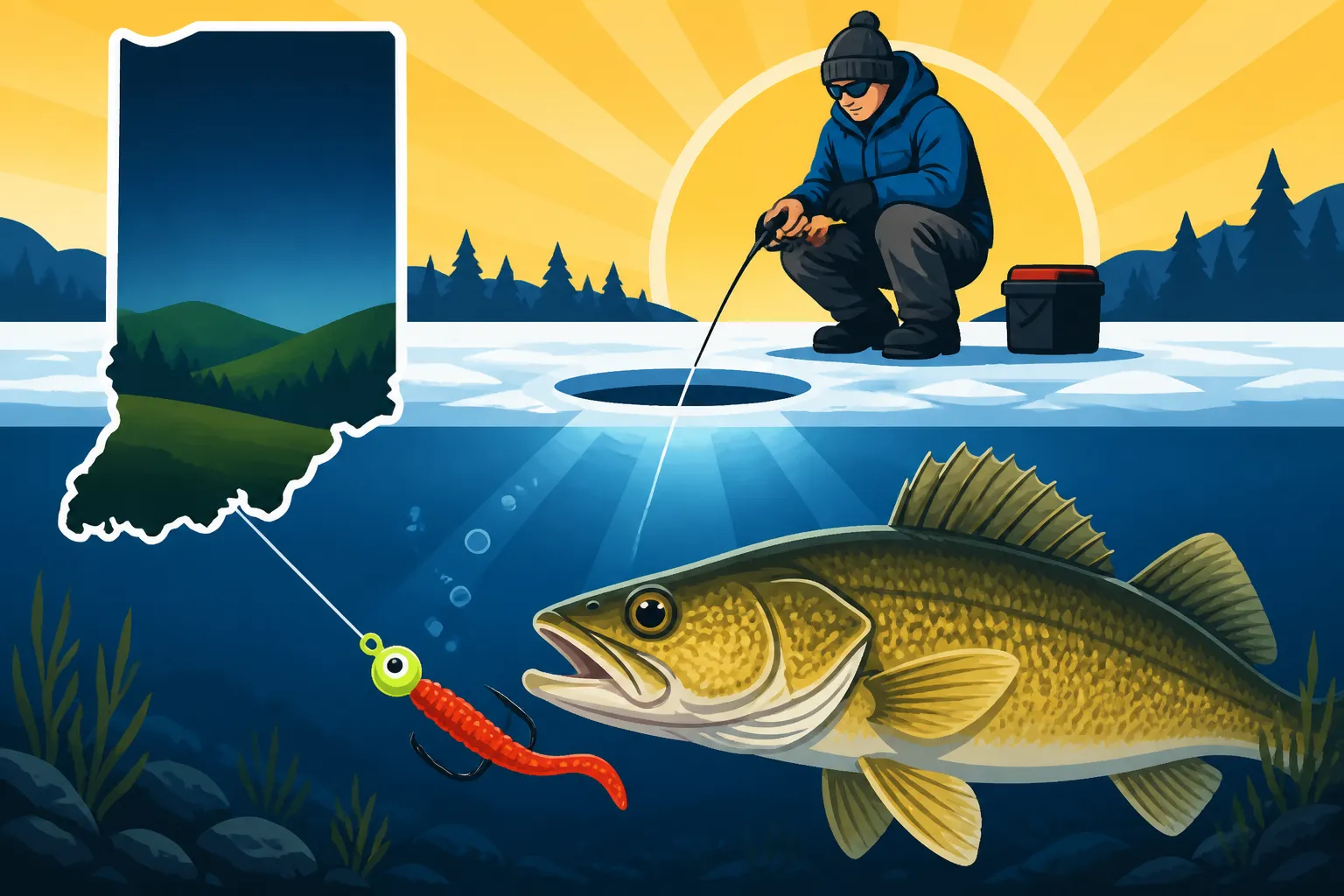
- Ice Jigging: When the lakes freeze over in Indiana, walleye still bite, and jigging through the ice is a time-honored tradition. Small spoon jigs, minnow profile jigs, and even tiny lead head jigs tipped with live minnows or wax worms are excellent. The technique is similar to vertical jigging, but with a much shorter rod. Lift, pause, quiver, and watch your flasher for any interest. Walleye often cruise just off the bottom or suspend in the water column, so adjust your depth accordingly. Finding deep water humps or rock piles under the ice can be incredibly productive.
- River Jigging: River walleye often hold in current breaks, behind rocks, or in deeper holes. When jigging in rivers, current is your main challenge and your friend. Use heavier jigs (1/4 oz to 1/2 oz or more) to maintain bottom contact. Cast upstream and let the jig drift downstream, bouncing along the bottom, or position your boat upstream and vertical jig as you slowly drift. The key is to feel the jig ticking the bottom without getting hung up. The natural presentation of a jig tumbling with the current is very appealing to river walleye.
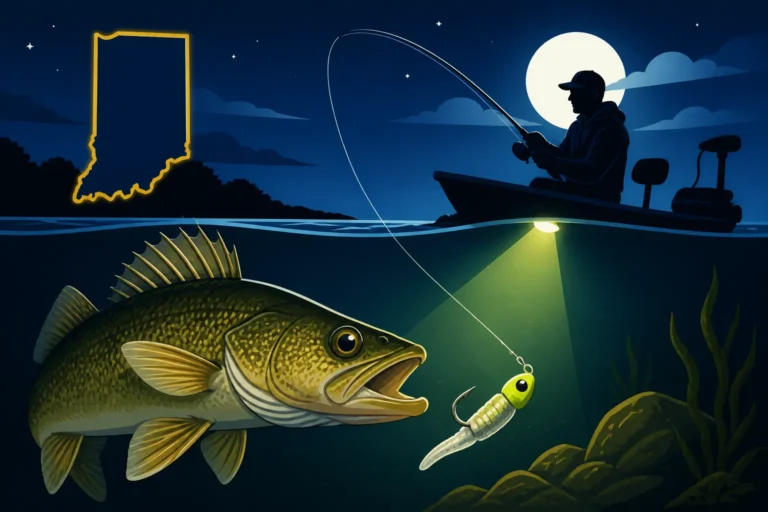
- Night Jigging: Walleye are known for their exceptional night vision, making them prime targets after the sun goes down. Many anglers find that Do Walleye Bite at Night in Indiana Reservoirs? is an emphatic yes! Darker colored jigs, or those with glow-in-the-dark features, can be very effective. Walleye often move shallower at night to feed, so focus on shallower flats, points, or weed edges that might be barren during the day. A slow, steady retrieve with occasional pauses often works best, as the fish are less likely to chase.
Seasonal Strategies for Indiana Walleye
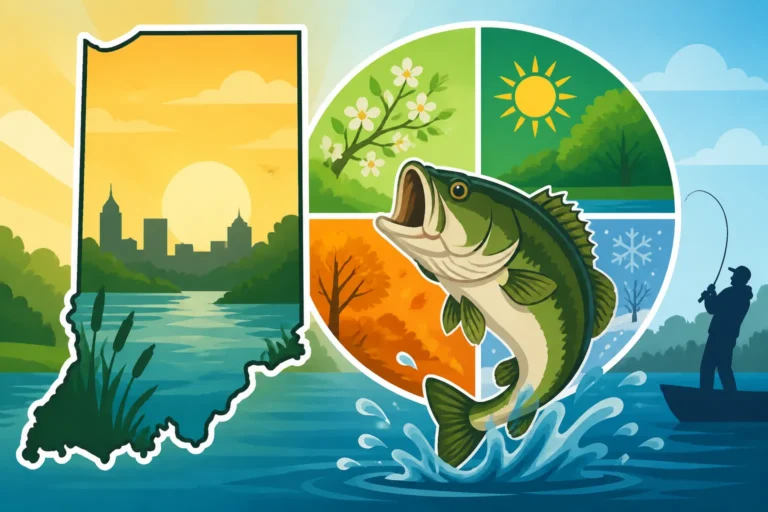
Understanding the walleye's seasonal movements and feeding patterns is paramount. Just like humans, their activity levels and preferences change with the weather and water temperature. What works in spring won't necessarily work in the dead of winter. Knowing when to switch tactics can significantly improve your catch rate in Indiana. For a broader overview of seasonal changes, check out our guide on the Best Time of Year to Catch Walleye in Indiana.
Spring and Early Summer Jigging
Spring is a fantastic time for walleye jigging in Indiana, especially during and after the spawn. As ice recedes and water temperatures climb into the 40s and 50s Fahrenheit, walleye move into shallower, rocky areas to spawn. After spawning, they're often hungry and still relatively shallow.
- Pre-Spawn: In early spring, as ice is barely off, walleye will stage in deeper areas adjacent to their spawning grounds. Vertical jigging with minnow-tipped jigs or blade baits can be very effective here. The fish are often sluggish, so a slow, deliberate presentation is key.
- Post-Spawn: Once the spawn is over, usually in April and May, walleye disperse from spawning areas. They're often found along weed lines, sandy flats, or rocky points in 8-20 feet of water, recovering and feeding. This is when pitching jigs with soft plastics or live minnows can be extremely productive. Look for warmer water pockets, as these will attract baitfish and, consequently, walleye. During this time, the fish might be more aggressive, so a snap jigging technique might entice more strikes. Early summer sees walleye moving to deeper structure as water warms, making vertical jigging over humps and deep weed edges more effective.
- Water Temperature: Pay close attention to water temperature. Walleye become more active as the water warms, but their optimal feeding range is usually between 55-68°F. Above this, they might seek deeper, cooler water. Consult our article on Best Water Temperature for Walleye Fishing for more insights.
Fall and Winter Ice Jigging
As the cool crisp air of autumn settles over Indiana, walleye begin to bulk up for winter, leading to another excellent jigging season. Winter, of course, brings the unique challenges and rewards of ice fishing.
- Fall Transition: In the fall, as lake temperatures drop, walleye move from their deep summer haunts back into shallower water, often near baitfish schools. They can be found on main lake points, break lines, and even shallow flats. This is a time for aggressive feeding, so snap jigging with larger soft plastics or blade baits can be incredibly effective. As the water continues to cool, they’ll start congregating in deeper holes or basins, preparing for winter. Target areas where baitfish are abundant, often indicated by bird activity or your fish finder.
- Winter and Ice Fishing: Once the ice is thick enough, walleye move to classic wintering areas: deep flats, main lake basins, and deeper humps. Small spoon jigs, especially those that glow, tipped with a minnow head or a full minnow, are deadly. Vertical jigging with a sensitive rod is crucial, as winter walleye bites can be extremely subtle—sometimes just a slight "mushy" feeling or an uncharacteristic weight on the line. Patience is key, as fish activity windows can be short. Using a portable fish finder, available on Amazon, can help immensely in locating fish and understanding their reactions to your jig. Remember to check local ice conditions and regulations, as safety is paramount when ice fishing.
| Season | Typical Depth (feet) | Preferred Techniques | Recommended Jig Types & Baits | Key Considerations |
|---|---|---|---|---|
| Early Spring | 10-25 | Slow Vertical Jigging | Minnow-tipped jigs, Blade Baits | Post-spawn recovery, subtle bites, target staging areas |
| Late Spring | 8-20 | Pitching, Snap Jigging | Soft plastics, Live minnows on jig heads | Increased activity, target weed lines and points |
| Summer | 20-40+ | Vertical Jigging, Trolling | Heavier jigs, Large soft plastics, Blade Baits | Deep water structure, thermal stratification |
| Fall | 10-30 | Aggressive Snap Jigging | Larger soft plastics, Blade Baits, Minnow imitations | Fish actively feeding, follows baitfish |
| Winter (Ice) | 15-40 | Slow Vertical Jigging | Small spoon jigs, Glow jigs, Minnow-tipped jigs | Subtle bites, use electronics, safety is key |
Top Walleye Jigging Spots in Indiana
Indiana offers a surprising number of excellent walleye fishing opportunities, ranging from expansive glacial lakes in the north to deep reservoirs in the south. Knowing where to go and what to expect from each type of water body will greatly enhance your jigging success. For a broader look at prime locations, consult our comprehensive guide, Best Walleye Fishing in Indiana.
Glacial Lakes: Northern Indiana's Walleye Havens
Northern Indiana is dotted with a network of natural, deep glacial lakes, many of which hold strong walleye populations. These lakes are typically clear, deep, and feature a variety of structures that appeal to walleye.
- Lake Wawasee (Kosciusko County): As Indiana's largest natural lake, Wawasee is a walleye powerhouse. Focus your jigging efforts around its many deep points, rock reefs, and transitions from sand to marl. Early mornings and late evenings are prime, but during the day, walleye will often hold to deeper breaks and humps. Vertical jigging here with plastic minnows or shiners on a lead head is a common and effective tactic. You'll find plenty of opportunities for both boat and shore anglers to target these fish.
- Webster Lake (Kosciusko County): Known for its trophy muskie, Webster also has a healthy walleye population. Similar to Wawasee, look for deep weed edges, rocky flats, and the main lake basin. Jigging here often involves working jigs slowly along the bottom, especially near steep drop-offs. The clear water means fluorocarbon leaders are a must, and subtle presentations often outfish aggressive ones. Our article on Kosciusko and Steuben Counties: Indiana's Best Pike and Walleye Water offers even more detail on the region.
- Lake Maxinkuckee (Marshall County): This deep, clear lake offers excellent walleye fishing, particularly in its extensive deeper basins. Look for suspended walleye over deep water, often near baitfish schools, or target humps and break lines. Blade baits and vertical jigging spoons can be very effective here when fish are suspended.
- Other Notables: Lakes like Lake Tippecanoe, Syracuse Lake, and Lake James (in Steuben County) also offer strong walleye jigging prospects. Always check the specific regulations for each lake, especially regarding Walleye Minimum Length North of State Road 26.
Southern Indiana Reservoirs: Deep Water Tactics
While northern Indiana has its glacial lakes, the southern part of the state boasts large, man-made reservoirs that offer a different but equally rewarding walleye jigging experience. These waters often feature extensive submerged timber, creek channels, and expansive open water.
- Brookville Lake (Franklin/Union Counties): Brookville is one of Indiana's premier walleye fisheries. The reservoir is deep, clear, and known for its strong current (when generators are running). Walleye here often relate to the old creek channel, submerged roadbeds, and steep main lake points. Vertical jigging with heavier jigs (1/4 oz to 1/2 oz) tipped with live bait or soft plastics is standard practice, especially when targeting fish in 20-40 feet of water.
- Monroe Lake (Monroe/Brown Counties): As Indiana's largest inland lake, Monroe offers diverse fishing, including a respectable walleye population. Target the vast submerged timber, especially along old creek channels and river bends. Walleye will hold tight to this cover. Pitching weedless jigs or vertical jigging with a careful approach to avoid snags is key. Main lake points and deep humps are also productive.
- Patoka Lake (Dubois/Orange/Crawford Counties): Patoka is another large reservoir where walleye can be found, particularly in its deeper sections and around submerged timber and standing trees. Look for them along the edges of the main river channel and near the dam. Jigging spoons or heavy lead head jigs with robust soft plastics are often necessary to penetrate the cover and reach these fish.
- Specific Regulations: Always be mindful of the different regulations that apply to these waters, such as the Walleye Minimum Length South of State Road 26 in Indiana, which can vary from the northern lakes.
Troubleshooting Common Jigging Challenges
Even the most seasoned angler encounters tough days. Walleye can be incredibly finicky, and conditions can change rapidly. Knowing how to adapt and troubleshoot when the bite is off is a critical skill for any walleye jigging enthusiast.
Dealing with Light Bites and Finicky Fish
Sometimes, walleye seem to just "mouth" the bait, or you feel the lightest tap that doesn't translate into a hookup. This can be infuriating, but there are ways to adjust.
- Downsize Your Lure: If fish are being picky, try a smaller jig. Go from a 1/4 oz to a 1/8 oz or even a 1/16 oz jig head, and use a smaller soft plastic or a smaller minnow. Sometimes, a subtle change is all it takes.
- Slow Down Your Presentation: When fish are finicky, they're rarely chasing. Lengthen your pauses between jigging motions. Let the jig sit motionless on the bottom for 5-10 seconds, then give it a slight twitch. Walleye often pick up a "dead" bait.
- Add Scent: Walleye rely heavily on their sense of smell. Using scented soft plastics (like Berkley Gulp! or PowerBait) or tipping your jig with live bait (minnow head, piece of nightcrawler, leech) can make a huge difference. The added scent can encourage a walleye to hold onto the bait longer, giving you time to set the hook.
- Check Your Hook Sharpness: A dull hook is a missed fish. Always ensure your hooks are needle-sharp. Carry a small hook sharpener. Walleye mouths are bony, and a sharp hook is essential for penetration.
- Use a More Sensitive Setup: If you're struggling to feel bites, your gear might be the culprit. A sensitive graphite rod, braided line with a fluorocarbon leader, and properly balanced tackle are key. Sometimes, switching to a shorter rod can also increase sensitivity, especially for vertical presentations.
Adapting to Weather and Water Conditions
Weather and water conditions play a huge role in walleye behavior and how you should present your jigs. Ignoring these factors is a surefire way to come home empty-handed.
- Windy Conditions: Wind can make boat control and jig presentation challenging. Use a heavier jig to maintain bottom contact, or try a drift sock to slow your boat's movement. Focus on areas that offer some wind protection, or drift with the wind, making sure your jig is still getting to the bottom. Wind-blown points can sometimes concentrate baitfish and, in turn, walleye, so don't avoid them entirely.
- Cold Fronts: A passing cold front can shut down a walleye bite fast. Fish become lethargic and move deeper or tighter to cover. This is a time to downsize your jigs, slow your presentation, and use scent. Work areas thoroughly and be patient. Walleye will still eat, but they won't chase aggressively.
- Water Clarity:
- Clear Water: In clear Indiana lakes, walleye rely heavily on sight. Use more natural-colored jigs (perch, shiner, white, smoke) and a fluorocarbon leader to reduce line visibility. Fish deeper or during low light conditions (dawn, dusk, or heavily overcast days) when walleye are more comfortable coming out to feed.
- Stained/Muddy Water: In darker, stained, or muddy water, walleye use their lateral line and sense of smell more. Opt for brighter colors like chartreuse, orange, or firetiger to increase visibility. Jigs with rattles or blade baits that create vibration can also help fish locate your lure. The Best Walleye Lures for Cloudy Days often include these brighter, more visible options.
- High Sun vs. Low Light: Walleye are highly sensitive to light. During bright, sunny days, they'll retreat to deeper, darker waters or heavy cover. Focus your jigging efforts in these areas. During low light conditions (overcast days, dawn, dusk, or night), they'll often move shallower to feed, making points, flats, and weed lines prime targets.
Jigging for walleye in Indiana is a rewarding pursuit that combines skill, patience, and adaptability. By understanding their habits, equipping yourself with the right gear, and mastering various jigging techniques, you'll be well on your way to enjoying the thrill of landing these prized fish.
Disclaimer
Fishing regulations, license requirements, and local conditions can change. Always check the current Indiana Department of Natural Resources (IDNR) regulations before heading out on the water. This guide is for informational purposes only.