Lake Michigan Salmon and Steelhead Run Guide in Indiana
There’s nothing quite as frustrating as showing up at a promising fishing spot on Lake Michigan, only to find the salmon run has already peaked, or the steelhead haven't quite arrived. It feels like you’ve missed the memo, leaving you wondering about the secrets to timing and location. This comprehensive guide is here to unravel the mysteries of Indiana's incredible Lake Michigan salmon and steelhead runs, ensuring you're ready when the fish are.
Understanding Indiana's Lake Michigan Salmon and Steelhead Runs
Indiana might have a relatively short stretch of Lake Michigan coastline compared to its neighbors, but what it lacks in length, it more than makes up for in fishing opportunities, especially when it comes to migratory salmon and steelhead. These powerful, hard-fighting fish provide some of the most exhilarating angling experiences in the state, drawing enthusiasts from all over. The runs are a natural spectacle, driven by instinct, and understanding their patterns is key to success.
The Allure of Fall Salmon and Spring Steelhead
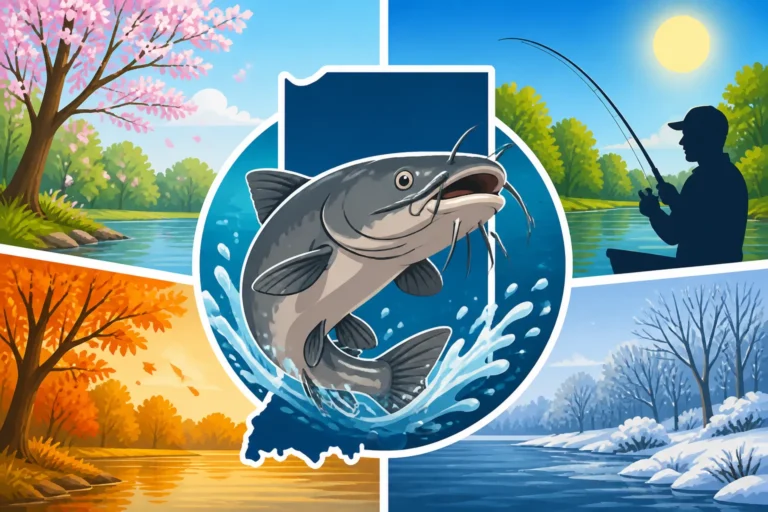
The rhythm of the seasons dictates the migrations of these magnificent fish. Fall brings the highly anticipated salmon run, as mature Chinook and Coho salmon return to their natal or stocked streams to spawn. This is a time of immense excitement, with anglers lining piers and riverbanks, hoping to intercept these powerful fish as they stage near shore or push into the tributaries. The vibrant colors of the autumn leaves provide a stunning backdrop to the intense battles that unfold.
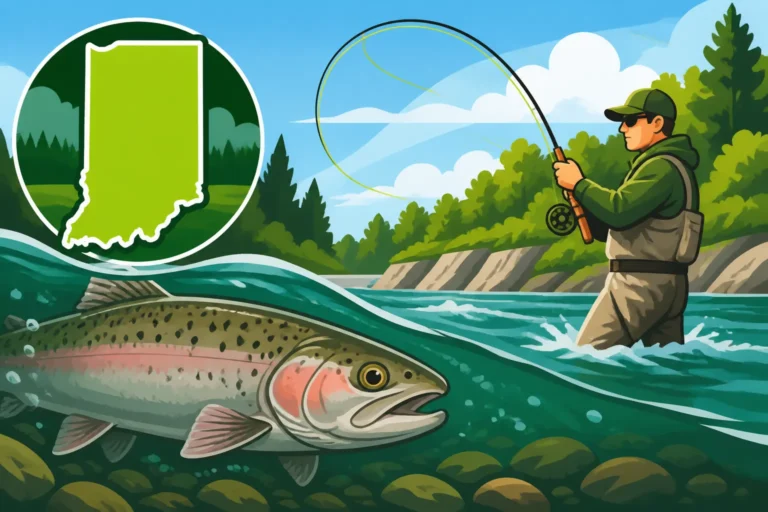
As winter gives way to spring, another incredible migration begins: the steelhead run. Steelhead, which are migratory rainbow trout, also make their way into rivers to spawn. Unlike salmon, many steelhead don't die after spawning and can return to the lake, offering multiple opportunities for anglers over several years. The spring run is often characterized by fast-flowing, chilly waters, and the challenge of landing a chrome-bright steelhead fresh from the lake is an experience unlike any other. These distinct seasonal movements define the Lake Michigan fishery in Indiana, providing diverse angling opportunities throughout the year.
Key Species: Chinook, Coho, and Steelhead
When you're targeting the big lake, you're primarily looking at three main players during these runs: Chinook salmon, Coho salmon, and Steelhead. Each species has its own characteristics, preferred habitats, and fighting styles, making it crucial to understand what you're up against.
Chinook salmon, often called "Kings," are the giants of the salmon family in Lake Michigan. They grow large, fight incredibly hard, and are a prized catch for their sheer power. During the fall run, these fish are often dark and mottled as they prepare to spawn, but when hooked in the open lake, they are bright silver and full of fight. Coho salmon, or "Silvers," are generally smaller than Chinooks but are known for their acrobatic jumps and spirited battles. They tend to be a bit more aggressive early in the fall run and can be found closer to shore. If you're wondering about the specific differences, this guide on Chinook vs Coho Salmon: Key Differences for Anglers can give you a detailed comparison.
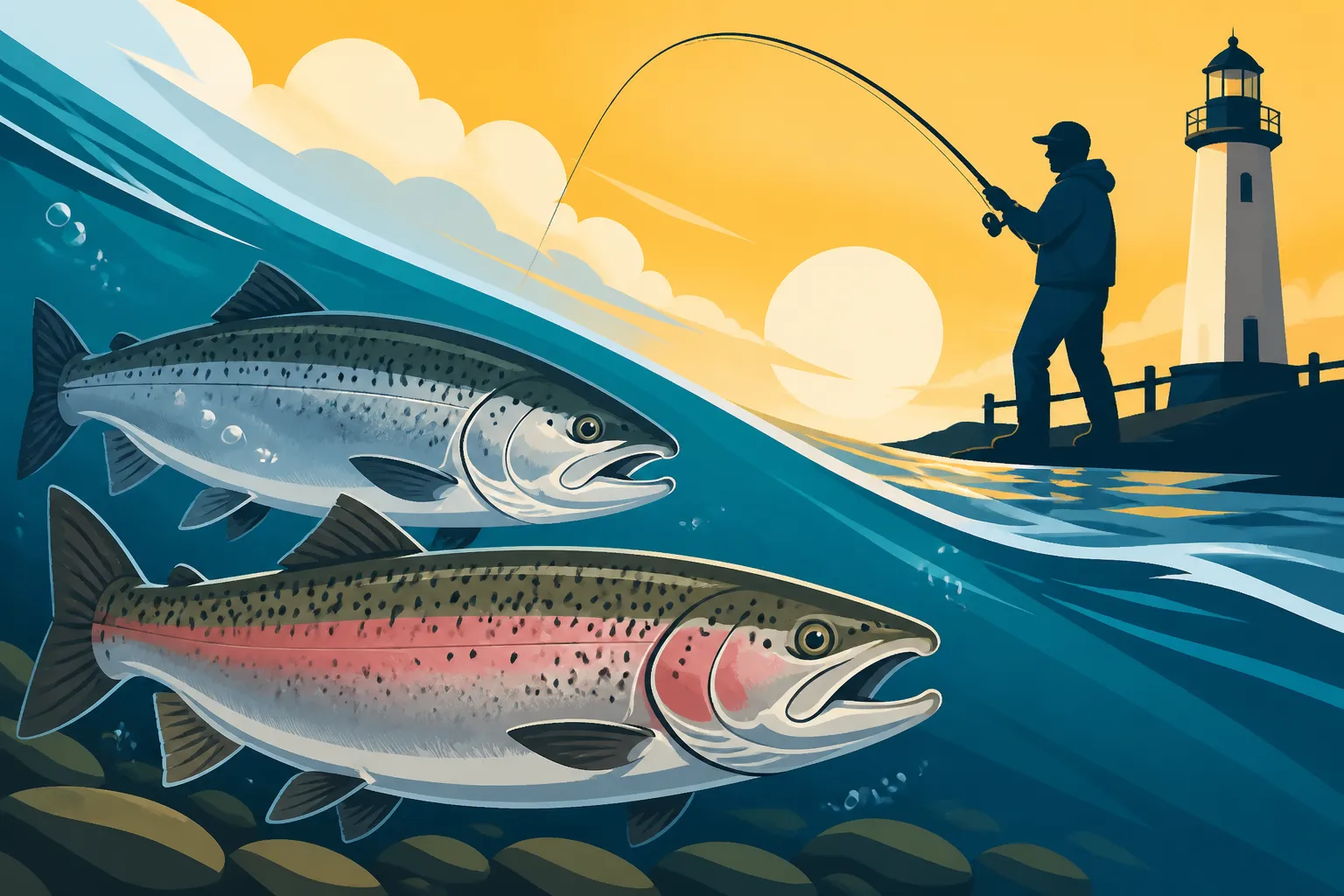
Steelhead are a different beast altogether. These sea-run rainbow trout are renowned for their incredible strength, speed, and aerial displays once hooked. They typically have a more streamlined, chrome-silver appearance when fresh from the lake, often sporting a vibrant pink or red stripe along their sides. They enter the rivers in both fall and spring, providing a longer season of opportunity. Knowing how to differentiate them from other trout species, like the one covered in Steelhead vs Rainbow Trout: What Sets Them Apart, can be very helpful. Each of these species presents a unique challenge and reward, making Indiana's Lake Michigan fishery a truly diverse and exciting experience for anglers.
Why Lake Michigan is a Premier Fishery
Indiana's section of Lake Michigan, though relatively small, is a crucial part of a world-class freshwater fishery. The lake's vastness, combined with its cold, oxygen-rich waters and abundant forage, creates an ideal environment for salmon and trout. The Indiana Department of Natural Resources (IDNR) actively manages these fish populations through stocking programs, ensuring a consistent and robust fishery for anglers. This means that year after year, there's a reliable population of these magnificent fish.
Beyond the sheer numbers and size of the fish, the diverse fishing opportunities contribute to its premier status. You can target these species in many ways: trolling out in the open water from a boat, casting from the numerous piers, or wading into the tributary streams. This variety caters to all types of anglers, from those seeking a deep-water challenge to those who prefer the simplicity of shore fishing. The consistent efforts by the IDNR to maintain habitat quality and regulate fishing practices also play a significant role in keeping this a vibrant and productive fishery, making it a bucket-list destination for many.
Timing Your Trip: When to Hit the Water
Timing is perhaps the single most critical factor in successfully targeting salmon and steelhead in Lake Michigan. These fish operate on a biological clock, driven by environmental cues like water temperature and river flow. Being in the right place at the right time can make all the difference between a memorable day of non-stop action and a quiet, fishless outing. It's not just about knowing the month, but understanding the subtle shifts that trigger these incredible migrations.
Peak Seasons for Chinook and Coho Salmon
The fall salmon run on Lake Michigan in Indiana typically kicks off in late August and can run strong through October. This is when the mature Chinook and Coho salmon, having spent years growing large in the vast expanse of the lake, begin to stage near the mouths of rivers and harbors, preparing for their final journey upstream to spawn.
- Chinook Salmon: The "Kings" often start showing up in good numbers in late August and early September. Initially, they are often caught offshore by trollers as they begin to move closer to the staging areas. As September progresses, they move into the shallower waters around piers and the lower reaches of rivers. The peak of the Chinook run often occurs in mid-to-late September, when cooler lake temperatures and significant rain events can trigger a strong push into the streams. This is the time to really focus your efforts for a shot at a trophy King.
- Coho Salmon: Coho salmon tend to have a slightly earlier and sometimes more prolonged presence nearshore. You might start seeing good numbers of Coho in late August, and their run can extend well into October, sometimes even into November, especially if the weather remains mild. Coho are known for their aggressive bites and can provide fantastic action for pier and shore anglers. Understanding How Water Temperature Triggers the Fall Salmon Push Toward Shore is crucial, as a sharp drop in lake temperature often signals the start of the most intense action.
During these peak times, spots like the Michigan City pier, the St. Joseph River, and Trail Creek become bustling hubs of activity. Anglers often fish around the clock, waiting for that tell-tale tug on their line.
The Steelhead Migration: Fall, Winter, and Spring Opportunities
Steelhead are remarkable fish because they offer fishing opportunities across multiple seasons, unlike their salmon cousins who complete their life cycle after spawning. This means you can target steelhead in Indiana's Lake Michigan tributaries and nearshore areas throughout much of the year.
- Fall Steelhead: As the salmon run winds down in October and November, "early run" steelhead begin to enter the rivers. These fish are often staging behind spawning salmon, feeding on loose eggs, making egg imitations and roe bags incredibly effective. This fall run offers a fantastic transition from salmon fishing, providing continued action as the weather cools. They are fresh from the lake, bright, and incredibly strong.
- Winter Steelhead: Believe it or not, you can target steelhead through the winter months in Indiana's tributaries, especially during mild spells or in stretches of river that remain ice-free. These fish will hold in deeper pools and slower runs, conserving energy. Drifting small baits, jigs, or flies can be productive, but patience and cold-weather gear are essential.
- Spring Steelhead: The main event for many steelhead anglers is the spring run, which typically picks up in March and April. As water temperatures rise and snowmelt contributes to increased flow, large numbers of steelhead push into the rivers to spawn. These "chromers" are fresh, powerful, and known for their spectacular aerial acrobatics. They will aggressively strike a variety of baits and lures. The action can remain strong well into May, especially if water levels remain favorable. This extended season provides ample opportunities for anglers to experience the thrill of a steelhead fight.
Factors Affecting Run Timing: Water Temperature and Flow
While general timelines exist, Mother Nature ultimately dictates the exact timing and intensity of the salmon and steelhead runs. Two primary factors play the most significant role: water temperature and river flow.
- Water Temperature: For salmon, the magic number for staging and entering rivers is usually when the nearshore lake temperatures drop into the 50s Fahrenheit. Cooler lake temperatures signal to the fish that it's time to gather near the river mouths. For steelhead, ideal river temperatures for spawning typically range from the low 40s to low 50s. If the lake stays warm longer, the salmon run might be delayed. Conversely, a sudden cold snap can trigger an early, intense push. The temperature cues are vital biological triggers that initiate these massive movements of fish.
- River Flow: Rain is a steelhead and salmon angler's best friend. Significant rainfall events often lead to increased river flow and slightly stained water, which act as a powerful magnet, drawing fish from the lake into the tributaries. Higher water levels also provide easier passage for fish over obstacles and give them a sense of security from predators. Conversely, prolonged dry spells can result in low, clear water conditions, making fish hesitant to enter rivers and making them more wary of anglers. Monitoring local weather forecasts and river gauges is almost as important as checking your tackle when planning a trip to the Lake Michigan tributaries. The Indiana Department of Natural Resources (IDNR) often posts updates or conditions on their website, or you can find real-time river data through services like the USGS.
Top Fishing Spots Along Indiana's Lake Michigan Shoreline
Even with a relatively compact coastline, Indiana offers several prime locations for targeting salmon and steelhead. Each spot has its unique characteristics, access points, and optimal fishing methods. Knowing where to go and what to expect at each location can significantly increase your chances of success. From bustling city piers to serene river stretches, there's a spot for every type of angler.
Public Access Piers and Harbors
Piers and harbors are often the first points of contact for salmon and steelhead as they begin their migration from the open lake towards the spawning grounds. These public access points are incredibly popular because they allow shore-bound anglers to reach deeper water that would otherwise require a boat.
- Michigan City Pier and Harbor: This is arguably the most famous and productive salmon and steelhead spot in Indiana. The long pier at Michigan City extends far into Lake Michigan, providing access to staging fish. During the fall salmon run, anglers line the pier, casting spoons, crankbaits, or drifting spawn bags. The harbor itself, particularly the channel leading to Trail Creek, becomes a hotspot for both salmon and steelhead as they push further inland. The Michigan City Port Authority provides facilities and easy access. Parking can be busy during peak times, so getting there early is often a good strategy. This is a fantastic place to experience the Fall Salmon Run Fishing on Lake Michigan in Indiana.
- Portage Lakefront and Riverwalk: While perhaps not as renowned as Michigan City, the Portage Lakefront offers good access for shore anglers. The riverwalk allows access to the Burns Waterway, which can see runs of salmon and steelhead, especially after good rain events. It's often less crowded than Michigan City, offering a slightly more relaxed experience. Casting from the shoreline or the provided platforms can be effective, especially during low light conditions at dawn or dusk.
- East Chicago Marina and Whiting Lakefront: Further west, these areas can also hold fish, particularly early in the runs or during specific weather patterns. The deep-water access provided by the marinas can be excellent for casting spoons or using float setups. While perhaps not traditional "run" locations in the same way as Michigan City, they can still produce good numbers of fish, especially for those willing to explore. Remember, Lake Michigan Fishing Rules for Indiana Anglers can be complex, so always check local regulations before you go.
Tributary Rivers and Streams for Wading
For many, the true essence of salmon and steelhead fishing lies in the intimacy of a river or stream, wading through flowing water, and presenting a bait or fly to a holding fish. Indiana's Lake Michigan tributaries, while not massive, offer these very opportunities.
- Trail Creek (Michigan City): This is the crown jewel of Indiana's salmon and steelhead rivers. Trail Creek flows directly into Michigan City Harbor and receives significant stocking efforts, making it a reliable destination. As salmon and steelhead push out of the lake, they funnel into this creek. Access points are available throughout Michigan City, including along the creek itself in various parks. Wading is popular, and anglers use drift fishing, float fishing, and fly fishing techniques. The best areas are often found upstream from the harbor, where the water becomes shallower and more defined. You can find excellent advice for Where to Catch Steelhead on Indiana's Lake Michigan Shoreline by focusing on these tributary areas.
- Little Calumet River: This river system, particularly the sections in Portage and Chesterton, can also host runs of salmon and steelhead, though typically in smaller numbers than Trail Creek. Access can be found in various public parks and easements. The Little Calumet is a larger, slower-moving river in many sections, requiring different tactics than the faster flows of Trail Creek. Look for deeper pools, log jams, and bridge abutments where fish might hold.
- Salt Creek (Portage): A smaller, more intimate stream, Salt Creek offers a more secluded wading experience. While it doesn't receive the same level of fish traffic as Trail Creek, it can be very productive for dedicated anglers who learn its nuances. Access can be more challenging, often requiring some bushwhacking, but the reward can be unpressured fish. All these rivers require careful attention to water levels and clarity; clear, low water makes fish skittish, while a moderate flow after a rain can ignite the bite.
Offshore Trolling Grounds for Early Runs
Before salmon and steelhead enter the piers and rivers, they spend their lives in the vastness of Lake Michigan. For boat anglers, the offshore waters offer thrilling opportunities to intercept these fish as they begin their journey towards shore. Trolling is the name of the game here, covering large expanses of water to find schools of active fish.
- Nearshore Contours and Structure: In late summer and early fall, salmon begin to congregate in areas just offshore, often following contour lines or baitfish schools. Trolling these areas with a spread of spoons, flasher-fly combos, or plugs at various depths can be incredibly effective. Look for temperature breaks and areas where baitfish (like alewives) are schooling, often indicated by your fish finder.
- Harbor Mouths and Channels: As the runs progress, salmon will stage directly outside the mouths of harbors and river channels. These areas become prime trolling grounds, as fish gather before making their final push. Boat anglers can target these staging fish with confidence, often using the same lures and depths as offshore, but focusing their efforts closer to the entry points. The Michigan City harbor entrance is a prime example of this type of trolling ground.
- Specific Lake Michigan Fishing Regulations: It's absolutely crucial to remember that Lake Michigan Fishing Rules for Indiana Anglers are often distinct from inland lake regulations. Pay close attention to bag limits, size restrictions, and specific gear rules that apply only to the big lake. Fishing offshore requires a well-equipped boat capable of handling Lake Michigan's unpredictable conditions. If you're new to this, checking out Best Boats for Rough Water on Lake Michigan might be a good starting point. Safety should always be your top priority on such a large body of water.
Essential Gear and Tackle for Salmon and Steelhead
Stepping up to target salmon and steelhead means stepping up your gear game. These fish are powerful, often large, and live in environments that demand robust, reliable tackle. You wouldn't use a panfish rod for a trophy Chinook, right? Having the right tools for the job isn't just about catching fish; it's about being prepared for the fight of a lifetime and ensuring you can land these magnificent creatures responsibly.
Rods, Reels, and Line Choices
Selecting the right rod, reel, and line is foundational for salmon and steelhead fishing, as each component works together to create a balanced system capable of handling these hard-fighting fish.
- Rods: For pier and boat fishing, a medium-heavy to heavy action spinning or casting rod, typically 8 to 10 feet long, is a great choice. The extra length helps with casting distance from shore and provides leverage when fighting big fish, especially when using planer boards from a boat. For river fishing, a medium-light to medium action rod, 7 to 9 feet long, is common. Float fishing often calls for longer, more limber rods (10-13 feet) to manage drifts effectively. A good quality graphite rod will offer sensitivity and backbone.
- Reels: Matching your reel to your rod and target species is vital. For large Chinooks from a pier or boat, a sturdy spinning reel in the 4000-6000 series size, or a reliable baitcasting reel with a smooth, powerful drag, is necessary. Capacity for 200+ yards of line is a must. For Coho and steelhead in rivers, a 2500-4000 series spinning reel or a smaller baitcaster will suffice. The most important feature is a smooth, consistent drag system, as these fish make blistering runs. You might find a wide range of options on Amazon, from entry-level to high-end models.
- Line: The choice of line is critical. Many anglers opt for braided main line (20-30 lb test) for its sensitivity and strength, often paired with a fluorocarbon leader (8-15 lb test) for its invisibility and abrasion resistance. Monofilament (10-20 lb test) is also a popular choice for its stretch, which can act as a shock absorber during violent head shakes. Different fishing techniques will dictate line choice; for example, fly fishing requires specialized fly line and tippet. Remember, these fish have sharp teeth and can be found in abrasive environments (rocks, logs), so a good quality leader is non-negotiable.
Lures, Baits, and Techniques for Each Species
The specific presentation you choose will often depend on the species you're targeting, the water conditions, and the fishing method. Having a diverse tackle box is key to adapting to changing circumstances.
- Salmon (Chinook and Coho):
- Spoons: Classic metal spoons like Dardevles, Little Cleos, and Koho spoons are staples for pier and boat anglers. Colors like silver/blue, green/silver, and orange/black are often effective. Cast and retrieve with a varied speed or troll them behind planer boards.
- Crankbaits and Plugs: Large lipped crankbaits and stickbaits are deadly for trolling offshore and can also be cast from piers. Brands like Rapala, Yo-Zuri, and Storm make excellent choices. They mimic baitfish, triggering aggressive strikes.
- Spawn Bags: For river fishing, small mesh bags filled with cured salmon or steelhead eggs are highly effective. These are drifted naturally along the bottom or under a float.
- Flies: Fly anglers use large, colorful flies, often egg patterns or streamer patterns, to imitate baitfish or roe.
- For offshore trolling, a Trolling Gear Setup for Indiana's Lake Michigan Salmon typically includes dodgers or flashers paired with flies or small spoons to attract attention.
- Steelhead:
- Spawn Bags and Beads: Like salmon, steelhead are highly attracted to egg imitations. Small, colorful plastic beads or real cured spawn bags drifted under a float are go-to methods in rivers.
- Jigs: Small marabou or chenille jigs, often tipped with a waxworm or piece of plastic, drifted under a float or swung through runs, are incredibly effective, especially in cooler water.
- Spoons and Spinners: Smaller metal spoons (e.g., Little Cleos, Kastmasters) and inline spinners (e.g., Mepps, Rooster Tails) can be cast and retrieved in rivers or from piers, particularly for aggressive, actively feeding fish.
- Flies: Nymph patterns, egg patterns, and small streamers are all highly productive for fly-fishing steelhead in rivers.
- Consider different lure and bait color combinations. Bright colors often work well in stained water, while more natural colors are better in clear water. Having a range of options ensures you're ready for anything.
Safety and Boating Gear for Lake Michigan
Fishing on Lake Michigan, especially from a boat, demands a heightened awareness of safety. The lake can turn from calm to treacherous in a matter of minutes, and being properly equipped is not just recommended, it's often legally required.
- Life Jackets: This is non-negotiable. Every person on a boat needs access to a U.S. Coast Guard-approved life jacket. Children 12 and under are required to wear one while on a boat in Indiana waters. Even adults should consider wearing one, especially when fishing alone or in rough conditions. Inflatable models offer comfort but have specific usage rules. For more details, refer to Indiana Life Jacket Requirements for Every Boater.
- Boating Safety Kit: Beyond life jackets, boats need a range of safety gear: a sound-producing device (whistle or horn), visual distress signals (flares or a flag), a fire extinguisher, navigation lights, and a throw cushion for boats over 16 feet. A basic first aid kit is also a wise addition, readily available on Amazon or any marine supply store.
- Weather Monitoring: Lake Michigan's weather can be unpredictable. Always check marine forecasts before heading out and monitor conditions closely throughout your trip. A VHF radio is essential for receiving weather alerts and communicating in an emergency. Cell phone service can be unreliable far offshore.
- Navigation Equipment: A reliable GPS system (either standalone or integrated into your fish finder) and up-to-date nautical charts are crucial for safe navigation, especially in fog or low light. Understanding the local water, including submerged structures and channels, is vital.
- Proper Attire: Dress in layers, as temperatures can change quickly. Waterproof and windproof outer layers are a must, along with warm hats and gloves, especially in fall and spring. Waders are essential for river anglers, ensuring you stay dry and comfortable in cold water.
Mastering Techniques for Success
Knowing when and where to fish is only half the battle; understanding how to present your bait or lure effectively is what truly brings success. Different environments – piers, rivers, or the open lake – call for vastly different approaches. Mastering these techniques will empower you to adapt to various conditions and maximize your chances of landing a prized Lake Michigan salmon or steelhead.
Pier Fishing Strategies and Best Practices
Pier fishing is an accessible and incredibly popular way to target salmon and steelhead as they stage and migrate close to shore. While it might seem straightforward, there are nuances that separate the consistently successful anglers from the rest.
- Casting and Retrieving Spoons and Crankbaits: This is the most common method from a pier. Anglers cast out metal spoons or lipped crankbaits, allowing them to sink to a desired depth, then retrieve them with a varied speed and occasional jerks to mimic a wounded baitfish. The key is to cover different depths and retrieve speeds until you find what the fish are reacting to. On busy piers, try to cast in a direction that minimizes tangles with other anglers.
- Drifting Spawn Bags or Live Bait Under a Float: A float (or bobber) setup is excellent for presenting natural baits like spawn bags, nightcrawlers, or live minnows. The float suspends your bait at a precise depth, allowing it to drift naturally with any current around the pier. This method is particularly effective for slower-moving fish or when the bite is subtle. Adjust your depth often, as fish can be holding anywhere from just below the surface to near the bottom.
- Trolling with a Cast: While traditional trolling requires a boat, some pier anglers use heavy casting tackle to "troll" a lure by casting it far out and slowly reeling it in, allowing the lure's action to entice a strike. This is often done with larger spoons or plugs. Remember that during peak runs, piers can get incredibly crowded. Respecting other anglers' space, keeping your casting lanes clear, and using appropriate etiquette will make the experience more enjoyable for everyone.
River and Stream Tactics for Wading Anglers
Fishing the tributaries like Trail Creek requires a more stealthy and finessed approach compared to pier fishing. Wading anglers must understand how fish use river currents and structure to conserve energy and ambush prey.
- Float Fishing (Bobber Fishing): This is arguably the most popular and effective technique for river steelhead and salmon. A sensitive float (like a Raven or Drennan float) is used to suspend a small bait (spawn bag, bead, jig) at the exact depth of the fish. The goal is to achieve a "dead drift," where your bait travels downstream at the same speed as the current, appearing completely natural. This technique is deadly in runs, riffles, and seams. Positioning yourself upstream of likely holding water and making short, controlled drifts are key.
- Drift Fishing (Bottom Bouncing): Without a float, drift fishing involves using just enough weight (often split shot or pencil lead) to keep your bait ticking along the bottom. The bait, typically a spawn bag or bead, tumbles downstream naturally. This is effective for fish holding close to the bottom in deeper pools or faster currents. The challenge is feeling the subtle "tick" of a bite versus the snag of a rock. A sensitive rod and braided line greatly aid in detecting strikes.
- Fly Fishing: For purists, fly fishing for salmon and steelhead in rivers is an art form. Roll casting or spey casting techniques are used to present egg patterns, nymphs, or streamers to holding fish. The delicate presentation and direct connection to the fish make it a truly rewarding experience. Matching the hatch (or, in this case, the egg size/color) is crucial, as is understanding the subtle currents that dictate your fly's drift. Whether you prefer fly fishing or conventional methods, staying mobile and quietly covering different sections of the river will increase your chances. Always move upstream to avoid spooking fish.
Trolling and Downrigging on the Big Lake
For boat anglers, trolling is the primary method for covering vast areas of Lake Michigan and presenting lures at precise depths where salmon and steelhead are feeding. This technique involves specialized gear and a methodical approach.
- Understanding Your Trolling Spread: A successful trolling setup involves a "spread" of multiple lines, each presented at a different depth and distance from the boat. This allows you to cover a wide range of the water column and identify the fish's preferred depth. Your spread might include:
- Downriggers: These are essential for deep-water trolling. They use a heavy lead ball to take your line down to a precise, measured depth. When a fish strikes, the line pops out of a release clip, allowing you to fight the fish directly without the weight. Understanding Downrigger Basics for Indiana Lake Michigan Anglers is crucial for effective deep-water fishing.
- Planer Boards: These devices carry your lines out to the sides of the boat, widening your trolling path and allowing you to cover more water horizontally. They also help present lures in cleaner, less disturbed water away from the boat's wake. This article on Planer Boards for Indiana Salmon and Steelhead Trolling can provide more in-depth information.
- Dipsy Divers, Jet Divers, and Lead Core Line: These are alternative methods to get lures down to specific depths without using downriggers. Dipsy divers use water pressure to dive to a set depth, while lead core line sinks due to its heavy lead-filled core, with different colors indicating different depths.
- Speed and Direction: Trolling speed is critical and often varies by lure type and species preference. Generally, 2.0 to 3.5 mph is a good starting point. Experiment with subtle changes in speed and direction (S-turns) to trigger strikes. Turning the boat causes lures on the outside of the turn to speed up and rise, while those on the inside slow down and sink, often provoking a reluctant fish.
- Baitfish Patterns: Salmon and steelhead are often following schools of baitfish, primarily alewives and smelt. Use your fish finder to locate these baitfish schools and then present your lures at that depth. Matching the hatch, so to speak, in terms of lure color and size to the predominant baitfish can be highly effective. Remember to keep your hooks sharp and your lines fresh, especially with the relentless fighting power of these big lake fish.
Navigating Regulations and Conservation
Fishing for salmon and steelhead in Indiana's Lake Michigan waters is an incredible privilege, and with that privilege comes the responsibility to understand and abide by the state's fishing regulations. These rules are in place not just to maintain order, but to protect these valuable fisheries for future generations. Ignoring them can lead to significant penalties, but more importantly, it can harm the very resource we cherish.
Indiana Fishing License and Stamp Requirements
Before you even think about wetting a line in Lake Michigan, you absolutely need to ensure you have the correct and current Indiana fishing licenses and any required stamps. This is the first and most fundamental step.
- General Fishing License: All residents aged 18-64 and non-residents 18 and older need a valid Indiana fishing license. Indiana residents under 18 can fish for free, which is a fantastic program for getting kids outdoors! If you're over 65, there are special senior license options available, which are much more affordable, including a Indiana Senior Fishing License Options. You can purchase your license easily online through the Indiana Department of Natural Resources (IDNR) website, at license vendors like local bait shops, or even at some retail chains. This guide on Indiana Fishing License Requirements Explained breaks down everything you need to know.
- Trout and Salmon Stamp: Here's the kicker: if you plan to fish for salmon or trout in Indiana's Lake Michigan waters or its tributaries, you must also purchase an Indiana Trout and Salmon Stamp in addition to your general fishing license. This stamp is vital; it funds the stocking programs and management efforts that sustain this incredible fishery. Many anglers forget this crucial detail, so don't be one of them. This stamp costs extra, but it's a small price to pay for the opportunity to catch these magnificent fish. For more on this, check out Do You Need a Trout and Salmon Stamp to Fish for Trout?. Without both the general license and the stamp, you are technically fishing illegally for these species. Penalties for fishing without a license can range from hefty fines to confiscation of gear, so it's simply not worth the risk.
Bag Limits and Size Restrictions
Once you've got your license and stamp squared away, the next most important set of rules involves what you can keep. Bag limits and size restrictions are critical management tools used by the IDNR to ensure sustainable populations of salmon and steelhead.
- Combined Daily Bag Limit: In Indiana's Lake Michigan and its tributaries, there's a combined daily bag limit for salmon and trout. This means that the total number of Chinook salmon, Coho salmon, Steelhead, Brown Trout, and Lake Trout you keep in one day cannot exceed a certain number. This number can vary, so it's paramount to check the current Indiana Fishing Regulations Guide (available online or at license vendors) before each trip. For example, the current regulation might be a combined limit of 5 fish, but only 2 of which can be Lake Trout.
- Minimum Size Limits: Each species often has a minimum length requirement. For instance, Chinook salmon might have a 10-inch minimum, and Steelhead might have a 14-inch minimum. Again, these numbers are subject to change, so always consult the latest regulations. Keeping a fish under the minimum size limit is a violation, even if you are within the daily bag limit. It's a good idea to carry a measuring device (like a bump board or a tape measure) with you to quickly and accurately measure your catch.
- Special Regulations for Lake Michigan: Remember that Lake Michigan Fishing Rules for Indiana Anglers often differ from statewide regulations. Specific rules might apply to certain times of the year, certain areas (like specific river sections), or specific species. For example, there might be seasonal closures on particular tributaries to protect spawning fish. Always read the section of the regulation guide pertaining specifically to Lake Michigan and its tributaries to avoid any accidental violations.
Practicing Responsible Catch and Release
While keeping a legal limit of fish for the dinner table is certainly a part of fishing, many salmon and steelhead anglers also practice catch and release, especially for fish they don't intend to eat or for those that are out of season or undersized. Practicing responsible catch and release is a vital part of conservation and ensuring the health of the fishery.
- Minimize Fight Time: The longer a fish fights, the more exhausted it becomes, reducing its chances of survival after release. Use appropriately sized tackle to land fish quickly and efficiently. Don't "play" the fish unnecessarily.
- Keep Fish in the Water: Whenever possible, keep the fish in the water while unhooking it. Removing a fish from the water, especially for extended periods, can damage its gills and internal organs, and strip away its protective slime layer, making it susceptible to disease. If you must remove it for a quick photo, do so as quickly as possible, supporting its body horizontally.
- Handle with Wet Hands: If you need to touch the fish, wet your hands first. Dry hands can remove the fish's protective slime coat, which is its first line of defense against parasites and infections.
- Use Barbless Hooks: Crushing the barb on your hooks or using barbless hooks makes unhooking much easier and quicker, causing less damage to the fish's mouth. This is a common practice among serious catch-and-release anglers.
- Revive the Fish: After unhooking, hold the fish gently in the water, facing into the current, until it regains its strength and can swim away on its own. It might take a few minutes for it to recover. If it swims off weakly, it's less likely to survive. By following these simple guidelines, you can ensure that the fish you release have the best possible chance of survival, contributing to a thriving and sustainable Lake Michigan fishery for everyone.
Common Challenges and Troubleshooting
Even with the best preparation, fishing for salmon and steelhead on Lake Michigan can throw curveballs. The environment is dynamic, the fish can be finicky, and angling pressure can be intense. Understanding common challenges and having a troubleshooting mindset will help you adapt on the fly and turn a potentially frustrating day into a successful one.
Dealing with Changing Weather and Water Conditions
Lake Michigan is notorious for its rapidly changing weather, and these shifts directly impact fishing conditions, often requiring quick adjustments to your strategy.
- Wind and Waves: A sudden shift in wind direction or an increase in wind speed can quickly churn up Lake Michigan, turning calm waters into dangerous waves. This can make boat fishing impossible and even affect pier fishing by creating strong undertows and making casting difficult. Always check the marine forecast before heading out, and if conditions deteriorate, prioritize safety and get off the water or off the pier. When fishing in rougher conditions from a pier, heavier lures might be needed to cut through the chop, and shorter casts can prevent tangles.
- Water Clarity: Heavy rains can stain river water, turning it muddy. While some stain can be good (providing cover for fish), overly muddy water can shut down the bite as fish struggle to see lures. In these conditions, switch to darker, more visible lures (e.g., black, purple, chartreuse) or those that produce strong vibrations. Conversely, extremely clear, low water can make fish very spooky. In clear water, opt for natural colors, smaller baits, and lighter leaders, and approach fishing spots with extreme stealth.
- Temperature Swings: A sudden cold front can make fish lethargic and less willing to bite. In such cases, slow down your presentation, downsize your baits, and focus on deeper, more stable water where fish might be holding. Conversely, a warming trend can activate fish, making them more aggressive. Monitoring water temperature (both lake and river) is one of the most important tools in your arsenal for adapting to these changes. Remember, a sudden drop in water temperature can often trigger the How Water Temperature Triggers the Fall Salmon Push Toward Shore, but sustained cold can slow them down.
Overcoming Crowds at Popular Spots
The best fishing spots, especially during peak runs, can become incredibly crowded. Dealing with angling pressure is a reality on Lake Michigan, but it doesn't have to ruin your trip.
- Arrive Early (or Late): The simplest solution to avoid the heaviest crowds is to arrive before dawn or fish into the evening. These low-light periods are often when fish are most active anyway, giving you a double advantage. This is especially true on busy piers like Michigan City.
- Explore Lesser-Known Access Points: While famous spots are popular for a reason, there are often smaller, less-advertised access points along tributaries or lesser-used sections of shoreline. These might require a bit more walking or exploring (consult maps!), but the reward can be solitude and unpressured fish.
- Be Patient and Respectful: On crowded piers or river stretches, patience is a virtue. Avoid casting over other people's lines, give everyone ample space, and be mindful of your noise and movement. A polite attitude can go a long way in fostering a friendly atmosphere, and you might even learn a tip or two from seasoned regulars.
- Try Different Techniques: If everyone is casting spoons from the pier, try drifting a spawn bag. If the river is packed with float fishermen, try swinging a streamer if you're fly fishing. Doing something a little different can sometimes unlock fish that are wary of common presentations.
- Consider a Guide: If you're struggling with crowded conditions or simply want to maximize your chances, hiring a local guide who knows the nuances of the Lake Michigan fishery can be a worthwhile investment. They can put you on fish in less crowded areas or teach you specific techniques for the conditions.
Identifying Productive Water and Fish Activity
Sometimes, the biggest challenge isn't the weather or the crowds, but simply finding the fish or figuring out what they want. Learning to "read the water" and observe fish activity is a skill that develops over time but is critical for consistent success.
- Reading the Water: In rivers, look for classic holding water: deeper pools, seams where fast and slow currents meet, eddies behind rocks or log jams, and undercut banks. These areas provide fish with shelter from strong currents and a place to rest or ambush prey. In the lake, look for current breaks, temperature changes, and areas where baitfish are schooling on your fish finder. Any change in the bottom contour or structure can hold fish.
- Observing Fish Activity: Keep an eye out for signs of fish. A jumping salmon or a rolling steelhead is an obvious indicator, but also look for more subtle signs like flashes below the surface, nervous baitfish, or even the presence of fish in other anglers' nets. If you see fish being caught consistently in a particular area or at a specific depth, try to replicate that success.
- Experimentation is Key: If you're not getting bites, don't be afraid to change things up. Alter your lure color, size, or type. Try different retrieve speeds or jigging cadences. Change your depth. Move to a new spot. Sometimes, a tiny adjustment is all it takes to trigger a strike. Keep a log of what worked (and what didn't) under different conditions; this data will become invaluable over time. You might even find useful instructional videos on Amazon Prime Video or YouTube that demonstrate these different techniques. Ultimately, consistent effort, keen observation, and a willingness to adapt will make you a more successful salmon and steelhead angler on Indiana's Lake Michigan.
Comprehensive Salmon and Steelhead Run Comparison
To help you visualize the different aspects of fishing for these magnificent species in Indiana, here's a quick comparison of Chinook Salmon, Coho Salmon, and Steelhead.
| Feature | Chinook Salmon (King) | Coho Salmon (Silver) | Steelhead (Migratory Rainbow Trout) |
|---|---|---|---|
| Peak Run Timing | Late August – Late September (offshore/piers) | Early September – Mid-October (nearshore/piers) | Fall (Oct-Nov), Winter (sporadic), Spring (March-May) |
| Typical Size | 15-30 lbs+ (can exceed 40 lbs) | 8-15 lbs | 5-20 lbs+ |
| Fighting Style | Powerful runs, head shakes, deep dives | Acrobatic jumps, strong runs, aggressive | Blistering runs, incredible jumps, never gives up |
| Primary Methods | Trolling offshore, pier casting (spoons/crankbaits) | Trolling, pier casting (spoons/crankbaits), river | River (float/drift fishing, fly fishing), pier (spoons) |
| Best Baits/Lures | Large spoons, plugs, flasher-fly combos, spawn bags | Medium spoons, crankbaits, small plugs, spawn bags | Spawn bags/beads, small jigs, nymphs, streamers |
| Key ID Features | Black mouth, black gums, spots on upper & lower tail | Black mouth, white gums, spots on upper tail only | White mouth, typically no spots on tail (or very few) |
| Lifespan/Spawning | Die after spawning | Die after spawning | Can survive spawning and return to lake |
Disclaimer
The information provided in this guide is for general informational purposes only and is not intended as legal advice regarding fishing regulations. Fishing regulations, license requirements, and bag limits are subject to change by the Indiana Department of Natural Resources (IDNR). It is the responsibility of every angler to consult the most current official Indiana Fishing Regulations Guide before engaging in any fishing activity. Always prioritize safety on the water and adhere to all local, state, and federal laws.