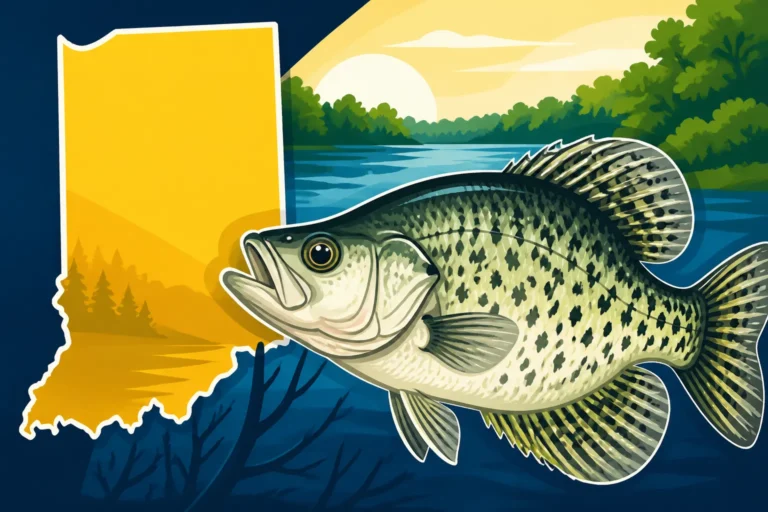
Best Fishing Spots for Big Crappie in Indiana
If you've spent countless hours on Indiana lakes, trying to pinpoint where those elusive slab crappie are hiding, only to come up short with small fry, you're not alone. It's a common frustration to know crappie are abundant but struggle to consistently land those impressive, dinner-plate-sized fish. This guide is dedicated to helping you unlock the secrets of finding and catching big crappie across the Hoosier State, detailing the best spots, techniques, and insider tips to elevate your crappie game.
Understanding Crappie Behavior for Bigger Catches
Crappie are fascinating fish, and truly understanding their seasonal movements and preferences is the first step to consistently reeling in the larger specimens. They aren't just randomly distributed throughout a lake; their location is heavily influenced by water temperature, forage, and available cover. Knowing these patterns means you spend less time searching and more time fishing in the right places.
The Crappie Spawn and Prime Locations
The crappie spawn is, without a doubt, one of the most exciting times to target these fish, especially the larger ones. It typically kicks off when water temperatures consistently reach the mid-50s to low-60s Fahrenheit, usually sometime in April or May, depending on how quickly spring arrives in Indiana. During this period, both black and white crappie move from deeper wintering holes into shallower waters to build nests and lay eggs.
You'll find them concentrating in protected coves, along submerged brush piles, around fallen trees, and near docks or piers in water anywhere from 2 to 10 feet deep. These areas offer both the necessary cover for nesting and protection from predators. Look for spots with darker bottom compositions, as these areas tend to warm up faster, attracting crappie earlier in the spring. Fishing during the spawn can be incredibly productive, but remember that the biggest slabs are often the first to move in and the first to move out after spawning. Keeping an eye on water temperature is key; a sudden cold snap can send them scurrying back to slightly deeper water for a few days before they return. For more detailed insights into this crucial period, check out our guide on Crappie Spawn Timing on Indiana Lakes.
Deep Water Structures and Winter Crappie
While spring might get all the glory, big crappie don't disappear in the colder months. In fact, winter can be an excellent time to catch large crappie, primarily because they school up tightly in predictable deep-water structures. As water temperatures drop into the 40s and low 50s, crappie seek thermal refuge in the deepest parts of the lake, often congregating around submerged creek channels, deep timber, bridge pilings, and significant drop-offs.
Locating these schools usually requires a good fish finder, but once you find them, they can offer consistent action. The crappie will be less active, requiring a more subtle presentation, but they are often grouped together in large numbers. Think vertical jigging or slow-trolling very small jigs or minnows directly over these deep-water structures. Ice fishing for crappie in Indiana's northern lakes like Lake Wawasee or Webster Lake can also be incredibly rewarding, with anglers often pulling limits of large fish from deep basins.
Top Lakes and Reservoirs for Big Indiana Crappie
Indiana boasts an impressive array of lakes and reservoirs that consistently produce large crappie. While many smaller farm ponds can hold crappie, the really big ones tend to come from our larger, more nutrient-rich bodies of water. Knowing which lakes have a reputation for monster slabs can save you a lot of time and effort. We even have a dedicated article to help you find the Best Crappie Lakes in Indiana.
Central Indiana Crappie Hotspots
Central Indiana offers several fantastic options for anglers seeking big crappie, especially in its large reservoirs. These bodies of water are typically managed for robust fish populations and provide ample habitat for crappie to thrive and grow to impressive sizes.
Monroe Lake, Indiana's largest inland lake located near Bloomington, is renowned for its excellent crappie fishery. It's not uncommon to pull crappie well over 10 inches here, with slabs reaching 14-16 inches occasionally reported. The lake's vast acreage and numerous coves, submerged timber, and brush piles offer diverse habitats. During the spring spawn, focus on the shallow, protected coves of the north and south forks, particularly areas with standing timber. Later in the year, crappie often relate to the deeper creek channels and ledges. Access is plentiful with multiple boat ramps and shore fishing opportunities. If you're heading to this behemoth, our guide on Monroe Lake Crappie Fishing Spots can help you narrow down your search. Many local guides on platforms like FishingBooker specialize in crappie fishing on Monroe, offering valuable insights and equipment for navigating its extensive waters.
Further south, Patoka Lake is another crappie paradise, particularly known for its numbers but also producing some significant slabs. This massive reservoir near Jasper offers incredible fishing for both black and white crappie. Patoka's unique structure, including extensive standing timber and countless coves, creates ideal conditions for crappie to hide and feed. Springtime crappie can be found in the shallower, brushy coves. As the season progresses, look for them around the deeper timber and brush piles that line the old creek beds. The fish here are often thick, and once you locate a school, the action can be non-stop. For more specific areas, check out our piece on Patoka Lake Crappie Fishing Spots.
Northern Indiana's Glacial Lakes for Slabs
When you venture into northern Indiana, especially the "Lake Country" region, you'll discover a different type of crappie fishery in the glacial lakes. These deep, clear waters are often home to some truly massive black crappie, which tend to grow larger in these environments compared to their white crappie cousins.
Lake Wawasee, Indiana's largest natural lake, is a prime example. Located in Kosciusko County, Wawasee is known for its clear water and extensive weed beds, which provide excellent cover for crappie. While it can be a bit trickier to fish due to its clarity and size, the rewards can be substantial, with crappie often exceeding 13 inches. Focus your efforts around the edges of weed lines, especially where they meet deeper water, and around any natural or artificial submerged structures. Our guide on Lake Wawasee Crappie Fishing Spots offers more specific tips for this beautiful lake. FishingBooker lists several local charters that specifically target crappie on Lake Wawasee, providing specialized equipment and knowledge of the lake's unique challenges.
Neighboring Webster Lake and the Barbee Chain of Lakes (including Tippecanoe, Barbee, and Webster) also consistently produce big crappie. These glacial lakes are often deeper with varied bottom contours, submerged timber, and abundant forage. During the spawn, look for crappie in shallower bays with reeds or lily pads. In summer and winter, they retreat to deeper holes and channel edges. These lakes are especially good for vertical jigging or using slip bobbers with minnows over deep cover.
Southern Indiana Gems for Crappie
Southern Indiana offers additional opportunities for chasing slab crappie, with reservoirs providing diverse habitats. These lakes often see less fishing pressure than their central counterparts, sometimes leading to overlooked populations of larger fish.
Brookville Lake, nestled in the rolling hills of southeastern Indiana, is a fantastic multi-species lake that also holds a healthy population of crappie, including some real monsters. The lake features numerous coves and standing timber, especially in its upper reaches, which are crappie magnets. During the spawn, target brushy shorelines and protected inlets. Throughout the rest of the year, focus on submerged timber and channel edges. Its deep, clear water supports a robust ecosystem, allowing crappie to grow to impressive sizes.
Another gem is Mississinewa Lake near Peru, offering expansive waters with significant crappie populations. This reservoir provides diverse structure, including flooded timber, submerged creek channels, and plenty of main lake points. Similar to other reservoirs, look for crappie concentrating in the flooded timber during the spring and fall, and along deeper structure during the summer and winter. Many anglers utilize spider rigging techniques here to cover more water and locate schools.
Essential Techniques and Gear for Indiana Slab Crappie
Catching big crappie isn't just about finding them; it's also about presenting your bait or lure effectively and having the right gear. Slab crappie, especially in heavily fished waters, can be more finicky and require a bit more finesse than their smaller counterparts.
Best Baits and Lures for Big Crappie
When targeting larger crappie, presentation and bait choice become even more critical. While small jigs will catch crappie of all sizes, often, a slightly larger or more lifelike offering can tempt the bigger fish.
- Live Minnows: This is a classic for a reason. A live fathead minnow or shiner hooked through the back or lips, fished under a bobber or on a crappie rig, is often irresistible to crappie. The subtle movements of a live minnow can entice even the most hesitant slab.
- Jigs (Plastic and Hair): Small soft plastic jigs, typically 1/16 to 1/8 ounce, are incredibly versatile. Colors can vary greatly depending on water clarity and conditions, but chartreuse, white, black, and various greens are always good starting points. Experiment with different tail actions—curly tails, paddle tails, or straight spears. Hair jigs, especially marabou jigs, offer a more natural, pulsing action in the water that can be incredibly effective on wary crappie. For beginners, getting comfortable with Crappie Jigging Techniques for Beginners is a great start.
- Crankbaits: Don't overlook small crankbaits, especially when crappie are aggressive or scattered over open water. Tiny shallow-diving crankbaits or even small suspending jerkbaits can be highly effective, especially for targeting bigger crappie that might be feeding on larger baitfish. Retrieve them slowly, with occasional pauses, to mimic a struggling baitfish.
Rigging and Presentation Strategies
How you present your bait makes a huge difference, particularly when you're trying to fool those wise old crappie.
- Bobber Fishing (Slip Bobber): A slip bobber setup is arguably one of the most effective and popular ways to fish for crappie, especially when they are suspended at a specific depth. It allows you to present your bait at a precise depth, which is crucial when crappie are holding to structure or a thermocline. A small jig or a minnow under a slip bobber near submerged brush or timber is a deadly combination.
- Spider Rigging: This technique is fantastic for covering water and finding crappie, especially in large reservoirs like Patoka or Mississinewa. It involves setting out multiple rods (often 4-8) from the front of the boat, each rigged with a different bait or jig, and slow-trolling. This allows you to present baits at various depths and with different offerings simultaneously, helping you quickly locate active fish and identify their preferences.
- Vertical Jigging: When crappie are tightly schooled around deep structure or under docks, vertical jigging is incredibly effective. Drop a jig or a minnow straight down to the fish, which you've ideally located with your fish finder. Gently lift and drop the bait, keeping it in the strike zone. This is a subtle technique, and bites can be very light, so paying close attention to your line is vital. Learning How to Jig for Crappie in Spring can significantly boost your success.
- Trolling: Similar to spider rigging but often with fewer rods, slow trolling small crankbaits or jigs can be excellent for covering open water when crappie are scattered or suspended, particularly in larger lakes like Monroe. Use a trolling motor to maintain a slow, consistent speed.
Interpreting Electronics and Spotting Crappie Schools
Modern fish finders are indispensable tools for serious crappie anglers. They take the guesswork out of locating schools, especially in deeper water or around complex structures.
- Sonar Basics: Learn to differentiate between baitfish schools, individual large fish (often appearing as larger arcs or lines), and submerged structure like brush piles or standing timber. Crappie often show up as distinct arches or clouds of dots, depending on how tightly they are schooled and how fast you're moving.
- Side Imaging/Down Imaging: If your unit has these features, they are game-changers. Side imaging allows you to scan wide swaths of water on either side of your boat, revealing hidden brush piles, ledges, and even crappie schools that you might have otherwise missed. Down imaging provides a photographic-like view directly beneath your boat, making it easier to identify the type of structure and distinguish fish from cover. Many anglers even use services like FishingBooker to find guides who are experts in using these advanced electronics to pinpoint crappie.
- Mapping and GPS: Integrated GPS mapping on your fish finder allows you to mark waypoints for productive spots, follow contours, and return to specific areas repeatedly. This is invaluable for crappie fishing, as these fish often return to the same deep-water structures year after year.
Planning Your Crappie Trip and Regulations
A successful crappie trip involves more than just knowing where to go and what to throw. Strategic planning, understanding the best conditions, and adhering to regulations are all critical.
Timing Your Trip for Success
The timing of your crappie trip can significantly impact your success, especially when targeting larger fish.
- Seasonality: As mentioned, the spring spawn is a prime time. However, don't overlook early fall when water temperatures start to cool, and crappie become more active again, often moving to shallower structure before settling into their winter patterns. Even winter, with the right gear and knowledge, can be fantastic for big, schooled-up crappie. For a broader view, our Best Time of Year to Fish in Indiana guide offers insights into all species.
- Time of Day: Crappie, especially larger ones, tend to be more active during low-light conditions. Dawn and dusk are often the most productive times. On cloudy days, they may remain active throughout the day in shallower water. In clear water or during bright sunny periods, they often retreat to deeper, shadier cover.
- Weather Conditions: Overcast days or even light rain can often turn on the crappie bite. A stable weather pattern for a few days can lead to consistent fishing. Sudden cold fronts, however, can shut down the bite almost completely for a day or two, making fish lethargic.
Indiana Crappie Regulations and Limits
Before you even wet a line, it's absolutely crucial to be familiar with Indiana's fishing regulations, especially regarding licenses and bag limits. Ignoring these rules can lead to significant fines and penalties.
- Fishing License: Every angler over the age of 18 (and under 65, with some exceptions for seniors) needs a valid Indiana fishing license. You can easily purchase one online through the Indiana Department of Natural Resources (DNR) website or at authorized retailers. For a complete breakdown, consult our guide on Indiana Fishing License Requirements Explained.
- Crappie Bag Limits: Indiana has a statewide daily bag limit of 25 crappie per person, and there is no minimum length limit for crappie. This means you can keep 25 black crappie, 25 white crappie, or a combination totaling 25 fish per day. While there's no length limit, many anglers practice selective harvest, releasing smaller fish to grow and keeping only enough for a meal, often prioritizing those larger slabs. You can learn more about general panfish rules in Indiana Panfish Daily Limits by Species and specifically How Many Crappie Can You Keep in a Day?.
- Trout and Salmon Stamp: While not directly related to crappie, if you plan to fish for trout or salmon in designated waters (like Lake Michigan tributaries), you'll also need an Indiana Trout and Salmon Stamp in addition to your fishing license.
When you're out on the water, always carry your license and be aware of the rules. The Indiana DNR does a fantastic job managing our fisheries, and adhering to regulations helps ensure healthy crappie populations for everyone to enjoy for years to come.
| Lake/Reservoir | Region | Primary Crappie Species | Known for | Best Techniques |
|---|---|---|---|---|
| Monroe Lake | Central | Both Black & White | Consistent slabs, vast size | Slip bobber, vertical jigging, spider rigging |
| Patoka Lake | Southern | Both Black & White | High numbers, good size | Spider rigging, vertical jigging, trolling |
| Lake Wawasee | Northern | Primarily Black | Trophy-sized black crappie, clear water | Slip bobber, vertical jigging, jigging weed lines |
| Brookville Lake | Southern | Both Black & White | Quality fish, less pressure | Vertical jigging, slip bobber, trolling |
| Mississinewa Lake | Central | Both Black & White | Abundant crappie, flooded timber | Spider rigging, vertical jigging |
| Webster Lake | Northern | Primarily Black | Large black crappie, deep water | Ice fishing, vertical jigging deep structure |
Disclaimer
The information provided in this guide is for general informational purposes only and is subject to change. Always consult the official Indiana Department of Natural Resources (DNR) regulations and local advisories before engaging in any fishing activities. Fishing conditions, fish populations, and regulations can vary, and it is the angler's responsibility to ensure compliance with all current laws.