Best Kayaks for Fishing Indiana Lakes
There's nothing quite like the freedom of slipping onto the water in a kayak, but for us Indiana anglers, finding the right kayak for our diverse lakes can feel like a daunting task. You want something stable enough for casting, easy to transport, and durable enough to handle anything from calm farm ponds to the choppier waters of our larger reservoirs. This guide is all about helping you navigate the options, focusing on the features and types of kayaks that will truly enhance your fishing experience on Indiana's beautiful lakes.
Why Kayak Fishing is a Game-Changer on Indiana Lakes
For years, I dragged my small aluminum boat or hiked to shore fishing spots, always wishing I could get to those hard-to-reach pockets of water. Then I discovered kayak fishing, and honestly, it transformed how I approach our local waters. It's not just a trend; it's a legitimate, effective, and incredibly rewarding way to fish here in Indiana.
Stealth and Access
One of the biggest advantages of kayak fishing is the unparalleled stealth it offers. When you're paddling or even using a pedal drive, you're moving through the water with minimal disturbance. This means you can sneak up on wary bass hiding in lily pads, drift silently over a crappie bed, or approach a hidden cove without spooking fish. Think about those secluded bays on Patoka Lake or the quiet bends of Monroe Lake that larger boats can't easily access, or where their motors would be too loud. A kayak lets you slip right into those pristine spots, often untouched by other anglers. It opens up a whole new world of fishing possibilities, allowing you to explore tight channels and shallow areas that were previously off-limits. You'll find yourself targeting fish that haven't seen a lure in weeks, just because you can get there so quietly and efficiently.
Portability and Ease of Use
Let's be real: not everyone has a big truck and a trailer to haul a full-sized fishing boat. Kayaks are a fantastic solution for this common problem. Most fishing kayaks are designed to be relatively lightweight and manageable, often fitting on top of a car with a simple roof rack. This means less fuss at the boat ramp, or even better, no boat ramp required at all! You can launch from nearly any shoreline, a grassy bank, or even the small, often overlooked access points on lesser-known lakes and ponds. Imagine being able to spontaneously decide to hit a small local pond after work without the hassle of fueling a motor, hitching a trailer, and dealing with launch ramps. This flexibility is invaluable, especially for those of us who just want to get a few hours of fishing in after a long day. It truly democratizes access to fishing, making it easier for more people to enjoy the sport. The ease of getting your kayak from your garage to the water and back again is a huge factor for many anglers.
Cost-Effectiveness
Compared to a traditional powerboat, the initial investment and ongoing costs of a fishing kayak are significantly lower. You don't have to worry about gas prices for a motor, expensive boat insurance, or the maintenance associated with an engine. While there are certainly high-end fishing kayaks that can rival the price of a small jon boat, you can find incredibly capable and comfortable options at a fraction of the cost. This financial accessibility makes kayak fishing a brilliant entry point for new anglers or a fantastic alternative for experienced fishers looking to simplify their setup without sacrificing effectiveness. Plus, with less gear to maintain, you spend more time on the water and less time in the garage, which is really what it's all about, isn't it? When you're just starting out, picking up a solid fishing kayak and some basic Kayak Fishing Setup Tips for Indiana Anglers will get you on the water for far less than a full boat setup.
Key Features to Look For in an Indiana Fishing Kayak
Not all kayaks are created equal, especially when it comes to fishing. While a recreational kayak might get you on the water, a purpose-built fishing kayak will make your time much more enjoyable and productive. There are specific features that are non-negotiable for serious anglers here in the Hoosier State.
Stability Over Speed
When you're fishing, stability is usually far more important than raw speed. You'll be casting, retrieving, potentially standing up to sight fish, and maybe even landing a big bass or muskie. A wobbly kayak is not only uncomfortable but can be downright dangerous, especially if you're trying to re-rig a line or net a feisty catch. Look for kayaks with a wide beam (width) and a flat or pontoon-style hull design. These characteristics provide excellent primary and secondary stability. Primary stability is how stable the kayak feels when you're sitting still, while secondary stability refers to how resistant it is to tipping over once it starts to lean. Many modern fishing kayaks are designed to be so stable that you can comfortably stand up and cast, which is a huge advantage for sight fishing or getting a better vantage point. You'll thank yourself for prioritizing stability when you're fighting a strong fish or navigating choppy water on a breezy day on Lake Wawasee.
Storage and Rigging Options
Fishing involves gear, and a good fishing kayak understands this. You'll want ample storage for tackle boxes, a cooler for drinks and your catch, and maybe even a small anchor for those breezy days. Look for kayaks with features like:
- Large Bow and Stern Hatches: These provide dry storage for items you want to keep protected, like extra clothes, your phone, or your wallet.
- Gear Tracks (or Accessory Rails): These are channels built into the kayak where you can easily mount rod holders, fish finders, camera mounts, and other accessories without drilling permanent holes. This modularity is fantastic for customizing your setup.
- Tankwells with Bungees: An open storage area, usually in the stern, perfect for a cooler, tackle crate, or dry bag, secured with bungee cords.
- Paddle Parks/Rod Holders: Dedicated spots to secure your paddle when you're actively fishing and flush-mount or adjustable rod holders to keep your rods safe and accessible.
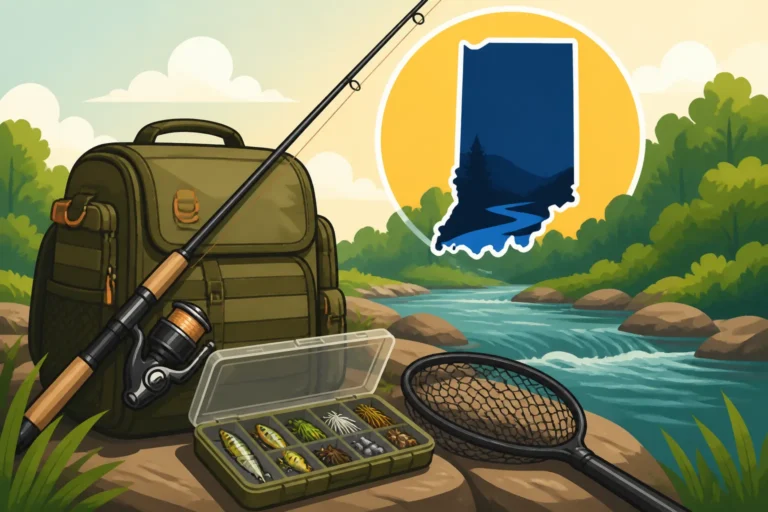
Having these features makes a huge difference in how organized and efficient your kayak fishing trips can be. You can easily outfit your kayak with specialized gear for different species, whether it's heavier tackle for northern pike or ultralight setups for panfish. When you're ready to add electronics, check out options for Best Portable Fish Finders for Kayak Anglers.
Comfort for Long Days
Let's face it, if you're uncomfortable, you won't fish as long, and you certainly won't enjoy it as much. Many fishing kayaks come equipped with adjustable, elevated seats that are a far cry from the molded-in seats of older recreational kayaks. Look for seats that offer:
- Adjustable Height: Being able to raise your seat can improve your visibility and make casting easier.
- Back Support: A supportive backrest is crucial for preventing fatigue and back pain over hours on the water.
- Breathable Material: Mesh or padded seats can prevent discomfort and allow air circulation, especially important during hot Indiana summers.
Some premium fishing kayaks even offer lawn chair-style seating, providing exceptional comfort. Remember, a comfortable angler is a happy and productive angler! Don't underestimate the importance of a good seat, especially if you plan on spending full days chasing fish. It's an investment in your enjoyment.
Types of Fishing Kayaks Best Suited for Indiana Waters
When you start looking at specific models, you'll quickly realize there's a whole world of kayak designs out there. For Indiana's diverse fishing environments, a few types stand out for their functionality and effectiveness.
Sit-on-Top (SOT) Kayaks
Sit-on-top kayaks are arguably the most popular choice for fishing, and for good reason. Your seating position is on top of the kayak's hull, rather than inside it.
Pros:
- Excellent Stability: SOTs generally offer superior stability, making them ideal for casting, standing, and even beginners.
- Easy Entry and Exit: If you accidentally tip (it happens!), or just want to take a swim, it's very easy to re-enter a sit-on-top kayak from the water.
- Self-Bailing: Most SOTs have scupper holes that allow water to drain out, so you don't have to worry about bailing water after a splash or a rain shower.
- Open Deck Space: This provides plenty of room for gear, tackle crates, and can even be easier for managing a fish you've just landed.
Cons:
- Wetter Ride: You're more exposed to splashes and waves, and water can come up through the scupper holes, though scupper plugs can mitigate this.
- Less Protection from Elements: In colder weather or windy conditions, you'll be more exposed than in a sit-inside kayak.
For the majority of Indiana lakes, from small ponds to the bigger reservoirs like Monroe and Patoka, a sit-on-top kayak is an excellent, versatile choice. Brands like Perception, Old Town, and Hobie offer a wide range of SOT fishing kayaks that you can often find at retailers like Bass Pro Shops or even online at Amazon. They are fantastic for chasing Largemouth Bass Fishing in Indiana: The Complete Guide in shallow cover or drifting for crappie.
Pedal-Drive Kayaks
For those who want to cover more water or prefer hands-free fishing, pedal-drive kayaks are a fantastic, albeit more expensive, option. Instead of paddling, you use a system similar to a bicycle, propelling yourself with your legs.
Pros:
- Hands-Free Fishing: This is the big one! You can actively fish, cast, and even fight a fish while still maneuvering your kayak with your feet. Imagine maintaining your position against a current or wind while reeling in a walleye.
- Speed and Efficiency: Pedal drives are generally faster and more efficient than paddling, allowing you to cover larger areas of water with less effort, which is great for expansive lakes.
- Less Fatigue: Using your legs for propulsion can be less tiring over long distances than paddling, especially for your upper body.
Cons:
- Higher Cost: Pedal kayaks are significantly more expensive than paddle kayaks.
- Added Weight and Complexity: The pedal drive system adds weight and another component that requires maintenance.
- Shallower Water Limitations: The drive unit often extends below the hull, making it more challenging to navigate very shallow or weed-choked areas.
If your budget allows and you primarily fish larger Indiana lakes where covering distance is key, a pedal-drive kayak can dramatically enhance your fishing experience. They're especially popular for Walleye and Muskie Fishing in Indiana's Glacial Lakes where you might be trolling or needing to quickly reposition.
Inflatable Kayaks (with caveats)
While some anglers use inflatable kayaks, they come with a few important considerations for serious fishing in Indiana.
Pros:
- Extreme Portability: They deflate and pack down, making them incredibly easy to transport and store, even in a car trunk or apartment closet.
- Lightweight: Easy to carry to remote launch spots.
- Often Very Stable: Many modern inflatables are quite wide and stable.
Cons:
- Durability Concerns: While much tougher than they used to be, the risk of puncture from hooks, sharp rocks, or submerged hazards is higher than with a rigid hull.
- Wind Sensitivity: Being lighter and having more surface area above the water, inflatables can be easily pushed around by wind, making them challenging to control on breezy days on larger lakes.
- Rigging Limitations: Fewer built-in options for mounting accessories, though some brands are addressing this with inflatable gear tracks.
- Setup Time: Inflating and deflating takes time and effort.
For casual fishing on very small, calm ponds, or if storage is your absolute top priority, an inflatable might work. However, for most dedicated Indiana kayak anglers, a rigid sit-on-top or pedal-drive kayak will provide a more durable, stable, and ultimately more satisfying fishing platform. If you go the inflatable route, invest in a high-quality, fishing-specific model, not a cheap recreational one.
Top Considerations Before Buying Your Fishing Kayak
Choosing the perfect fishing kayak isn't just about picking a type; it's about aligning the kayak with your specific needs, preferences, and local fishing conditions. Thinking through these points will help you make a smart investment that you'll be happy with for years to come.
Your Fishing Style and Target Species
Think about how and what you typically fish for in Indiana. Are you a finesse angler targeting wary smallmouth bass in rivers like the Tippecanoe, or are you chasing big catfish on the Wabash? Your fishing style dictates the features you'll need.
- Bass Anglers: If you love casting to cover, pitching jigs into lily pads, or standing to sight fish for largemouth bass, you'll want a very stable kayak with an open deck, good rod storage, and possibly a pedal drive for hands-free trolling motor control. Best Rods and Reels for Indiana Largemouth Bass are essential here.
- Panfish Enthusiasts: For bluegill, crappie, and sunfish on smaller lakes and ponds, extreme stability might not be as critical, but comfort and ample storage for bait buckets and Best Panfish Tackle for Indiana Anglers will be appreciated. A lighter, more maneuverable paddle kayak could be perfect.
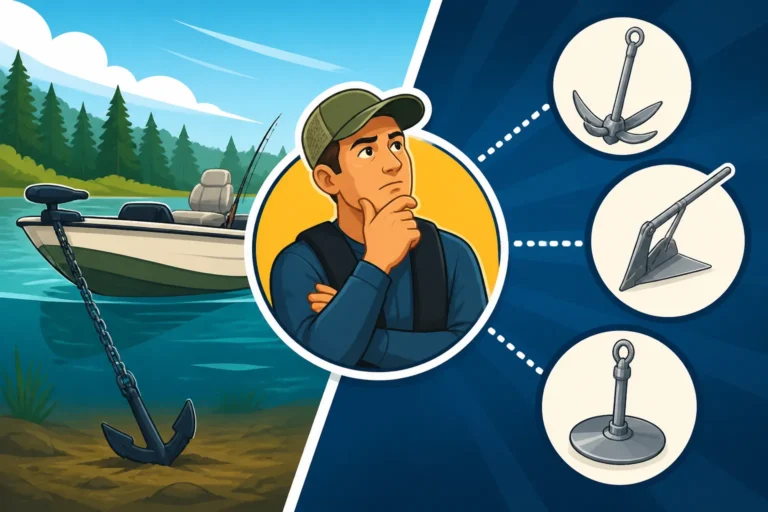
- River Anglers: If you plan on fishing Indiana's rivers, a shorter, more nimble kayak with good maneuverability is often preferred over a long, tracking-focused lake boat. Look for kayaks that can handle currents and potential snags. You might also want to consider a Best Kayak Anchors for Small Ponds that's easily deployable and retractable for river fishing.
- Lake Michigan Anglers: While most kayak fishing on Lake Michigan's Indiana shore is done close to shore or on calm days, if you're venturing out for salmon and steelhead, you'll need a very robust, stable, and often longer kayak, perhaps equipped for trolling. This is a specialized niche, and most entry-level kayaks won't cut it for the big lake.
Consider your primary goals. If you're mainly looking for a tranquil way to drop a line and catch some bluegill with the kids, your needs will be different than someone aiming for a trophy muskie.
Transport and Storage Solutions
A common mistake new kayak buyers make is not fully thinking through how they'll get their kayak to the water and where they'll keep it.
- Car Topping vs. Trailer: Most fishing kayaks can be transported on a car roof rack. However, some of the larger, heavier models, especially pedal drives, can be cumbersome to load and unload by yourself. If you have a larger vehicle or frequently fish with a partner, a small kayak trailer might be a wise investment. Consider how far you'll be lifting and carrying the kayak.
- Garage, Shed, or Outdoor Storage: Kayaks take up space! Measure your storage area to ensure the kayak will fit. If storing outdoors, invest in a good UV-resistant cover to protect it from the elements. Vertical storage systems or wall mounts can save floor space in a garage.
- Vehicle Compatibility: Make sure your vehicle can safely transport the kayak. A small sedan might struggle with a very long, heavy fishing kayak. Crossbars are almost always necessary for roof transport, and they can be found at retailers like Bass Pro Shops or various online vendors.
Budgeting for Your Investment
Kayak fishing can be very affordable, but like any hobby, you can spend as much as you want. Setting a realistic budget from the start will help narrow down your choices.
- Entry-Level (Under $700): You can find solid, basic sit-on-top paddle kayaks in this range. They'll be stable and functional but might have fewer advanced features or less comfortable seats. This is a great starting point for someone trying out the sport or fishing smaller, calmer waters. Many reputable brands offer excellent options here.
- Mid-Range ($700 – $1,500): This is where you start getting into more feature-rich paddle kayaks with better seating, more storage options, and often higher-quality hull materials. You'll find models designed specifically for fishing that offer a fantastic balance of performance and value. This range often includes kayaks that are ready for you to How to Rig a Fishing Kayak for Indiana Waters with all your accessories.
- High-End (Over $1,500): This category includes premium paddle kayaks and most pedal-drive models. Here, you'll find top-of-the-line comfort, advanced stability, integrated gear management systems, and often higher speeds or hands-free propulsion. These kayaks are built for serious anglers who spend many hours on the water.
Don't forget to budget for accessories! Beyond the kayak itself, you'll need a paddle (if it's a paddle kayak), a life jacket (Best Kayak Life Jackets for Paddlers are key), an anchor, a fishing net, and safety gear like a whistle. Sometimes bundles can offer good value, especially from larger sporting goods stores. It's an investment, but a well-chosen kayak will provide years of enjoyment on Indiana's diverse fishing grounds.
Disclaimer
This article is for general informational purposes only and does not constitute professional advice. Laws, prices and regulations vary by location and change over time. Consult a qualified professional for guidance on your specific situation.