Best Bank Fishing Gear for Rivers and Streams
There's nothing quite like the peace of standing on the bank of an Indiana river or stream, the water flowing by, and the anticipation of a tug on your line. But let's be honest, bank fishing comes with its own set of challenges. You're not on a boat with all your gear at your fingertips; you're often hiking, navigating uneven terrain, and needing to make every cast count from a fixed position. This guide is all about equipping you with the best gear to tackle those challenges, ensuring your next bank fishing adventure in the Hoosier State is both successful and enjoyable.
The Essential Rod and Reel Setup for Bank Fishing
When you're planted on the bank, your rod and reel are your lifelines to the water. They need to be versatile, durable, and comfortable enough for long sessions. Unlike boat fishing where you might have multiple specialized setups, bank fishing often calls for a more all-around approach.
Rod Selection: Length, Action, and Power
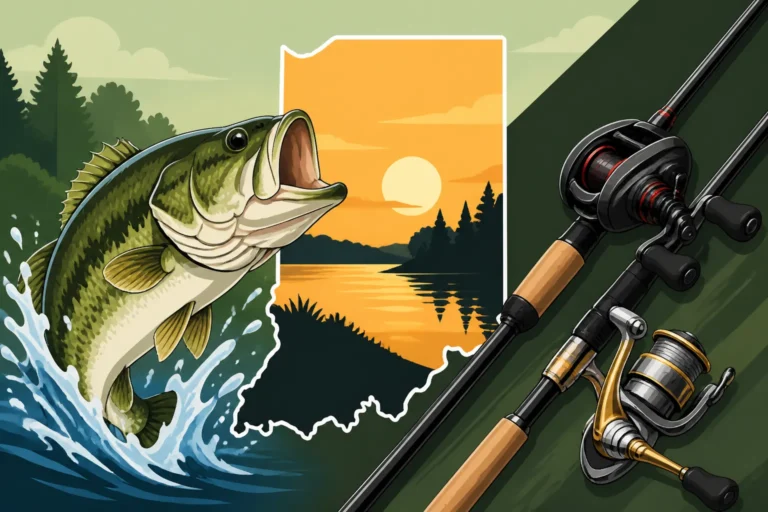
Choosing the right rod is crucial for bank fishing, especially on diverse Indiana rivers like the Wabash or smaller streams that might be choked with overhanging branches. Your rod needs to be long enough to cast a good distance, yet manageable in tight spots.
- Length: For most river and stream bank fishing in Indiana, a rod in the 6-foot-6-inch to 7-foot-6-inch range is often ideal. Shorter rods (6 feet to 6 feet 6 inches) are fantastic if you're fishing smaller, brushy creeks where precise, short casts are needed, or if you're targeting panfish in very tight quarters. They offer excellent control. However, if you're on a wider river like the Tippecanoe and need to reach submerged structure farther out, a longer rod (7 feet to 7 feet 6 inches) will give you that extra casting distance and leverage, which can be invaluable when trying to reach opposite banks or deeper channels.
- Action: This refers to where the rod bends. Fast action rods bend mostly at the tip, offering excellent sensitivity for detecting subtle bites and quick hook sets, which is great for finicky bass or walleye. Moderate or medium action rods bend through the middle, providing more parabolic bend, which is better for casting lighter lures and absorbing the shock of a hard-fighting fish without tearing the hook out, making them a solid choice for a wider range of species like catfish and crappie. For general bank fishing, a moderate-fast action often strikes a good balance, giving you decent casting ability and sensitivity.
- Power: This is about how much force it takes to bend the rod. Light power rods are for small fish and light lines, perfect for bluegill and other panfish. Medium power rods are the workhorses, suitable for most bass, walleye, and smaller catfish. Medium-heavy to heavy power rods are what you'll want if you're specifically targeting larger catfish or even muskie and pike in Indiana's bigger rivers and lakes from shore. Consider what you're primarily fishing for: if it's mostly panfish, a light rod is fine, but for mixed bags including bass or channel catfish, a medium power rod is your best bet.
Reel Choice: Spinning vs. Baitcasting for Bank Anglers
The reel you pair with your rod will largely depend on your fishing style, experience, and target species. Each has its advantages for the bank angler.
- Spinning Reels: These are by far the most popular choice for bank fishing, especially for beginners. They are forgiving to cast, excellent with lighter lures and baits, and generally easier to manage. You don't have to worry as much about backlashes, which can be a real headache when you're trying to quickly re-cast from the bank. For most general-purpose bank fishing in Indiana, a spinning reel in the 2000 to 3000 size range (often labeled 20, 30, or 200, 300) is a versatile option. They pair well with medium-light to medium power rods and can handle a wide variety of fish from panfish to decent-sized bass and catfish.
- Baitcasting Reels: Baitcasters offer superior casting accuracy and power, making them a favorite among experienced anglers, particularly when targeting larger species like largemouth bass or using heavier lures. They provide more direct control over the line and incredible cranking power. However, they have a steeper learning curve due to the dreaded "bird's nest" or backlash if not managed properly. If you're an experienced angler planning to throw jigs, crankbaits, or topwater lures for bass from the bank, a baitcaster can be a deadly tool. They shine when you need to place a lure precisely near a log jam or under an overhanging branch. If you're just starting out, though, or if portability and ease of use are your top priorities for covering a lot of ground on foot, a spinning reel is likely a better choice.
Line Selection: Monofilament, Fluorocarbon, or Braid?
Your fishing line is the final connection between you and the fish, and each type has distinct properties that make it suitable for different bank fishing scenarios.
- Monofilament (Mono): This is the classic, all-around fishing line. It's affordable, has good stretch (which can be a pro for shock absorption, or a con for sensitivity), and is relatively easy to tie knots with. Its buoyancy also makes it great for topwater lures or when you want your bait to suspend a bit. For general bank fishing in streams and rivers where you might encounter brush or rocks, mono in 6 to 12-pound test is a reliable choice. It's often very forgiving if your knot tying isn't perfect, and it's easy to see when you're watching for subtle bites.
- Fluorocarbon (Fluoro): Virtually invisible underwater due to its refractive index being similar to water, fluorocarbon is fantastic in clear water conditions, often found in smaller Indiana creeks or during dry spells on larger rivers. It has less stretch than mono, offering better sensitivity and hook-setting power. However, it can be stiffer and more expensive. Many anglers use a fluorocarbon leader (a short piece of fluoro tied to the end of a main line) with a braided main line to get the best of both worlds. It sinks, which is great for bottom fishing techniques or getting crankbaits deeper.
- Braided Line: This line is incredibly strong for its diameter, offers zero stretch for maximum sensitivity, and casts incredibly far. It's fantastic for feeling even the lightest bite and for powering fish out of heavy cover, which you'll often encounter along riverbanks. However, it's highly visible (so often paired with a fluorocarbon leader), can be tough on rod guides if not chosen carefully, and is more expensive upfront. For targeting bass, pike, or muskie from the bank, or fishing in areas with dense vegetation or rocky bottoms, braided line in 10 to 30-pound test (depending on target species) can be a game-changer. Just remember that leader for spookier fish!
Here's a quick comparison of common rod and reel pairings for bank fishing:
| Target Species | Rod Power | Rod Action | Reel Type | Line Type (Main Line/Leader) | Key Advantages for Bank Fishing |
|---|---|---|---|---|---|
| Panfish (Bluegill, Crappie) | Light to Medium-Light | Moderate-Fast | Spinning (1000-2000) | Mono (4-6 lb) | Easy casting for light baits, great feel for small bites, portable |
| Bass (Largemouth, Smallmouth) | Medium to Medium-Heavy | Fast to Moderate-Fast | Spinning (2500-3000) / Baitcasting | Braid (10-20 lb) / Fluoro Leader | Versatile for various lures, good casting distance, power to turn fish |
| Catfish (Channel, Flathead) | Medium-Heavy to Heavy | Moderate | Spinning (3000-4000) / Baitcasting | Mono (15-30 lb) / Braid | Strong enough for heavy weights and big fish, forgiving stretch |
| Walleye | Medium | Fast | Spinning (2000-2500) | Fluoro (8-10 lb) / Braid | Sensitive for light bites, good for jigging, clear water stealth |
Must-Have Terminal Tackle and Baits for Rivers and Streams
Okay, so you've got your rod and reel picked out. Now let's talk about the business end of your fishing setup – the terminal tackle and baits. When you're bank fishing, portability is key, but you also need to be prepared for various conditions and species that Indiana's rivers and streams can offer.
Hooks, Weights, and Floats: The Foundation
These three components are the unsung heroes of bank fishing. They allow you to present your bait effectively and deal with varying water conditions.
- Hooks: You'll want a variety. For panfish, small Aberdeen or fine-wire hooks in sizes #8 to #12 are perfect. For bass and walleye, consider octopus or Kahle hooks in sizes #1 to 2/0 for live bait, and various jig heads (1/8 oz to 1/2 oz) for soft plastics. If you're chasing catfish, stout circle hooks (1/0 to 5/0) are excellent for their self-setting nature and reduced gut-hooking, which is a major plus for fish welfare. Always carry a selection to match your bait and target species. Brands like Mustad and Gamakatsu are popular choices for their sharpness and durability.
- Weights (Sinkers): Rivers and streams often have current, so you'll need weights to get your bait down and keep it there. Split shot weights are great for adding small amounts of weight to a float rig or finesse presentation. Bullet weights are essential for Texas rigging soft plastics for bass, allowing them to glide through cover. Pyramid or flat bell sinkers are ideal for bottom fishing in current for catfish, as their shape helps them hold better without rolling. Don't forget bank sinkers, which are perfect for keeping bait stationary in faster currents. You'll want a range from 1/8 ounce up to 1 ounce or even more for heavy current situations.
- Floats (Bobbers): Floats are not just for kids! They're incredibly effective for presenting bait at a specific depth and detecting bites, especially when fishing for panfish, trout, or even river smallmouth bass. Traditional round bobbers work, but slip floats are a game-changer for bank anglers. They allow you to fish much deeper water than a fixed bobber, as the line slips through the float, stopping at a pre-set bobber stop. This means you can cast easily, even with a long leader, and still fish deep pools. Remember, the smaller the float you can get away with, the less resistance the fish will feel, leading to more bites.
Lures and Baits: What Works Best from Shore
Since you can't carry an entire tackle shop on your back, choosing versatile and effective lures and baits for Indiana's rivers and streams is key.
- Live Bait: For many bank anglers, live bait is king because it's universally appealing. Worms (nightcrawlers, red wigglers) are probably the most versatile bait on the planet, attracting everything from bluegill and crappie to bass and catfish. Minnows are fantastic for crappie, walleye, and smallmouth bass. Crayfish (where legal to harvest and use) are natural forage for river bass and catfish. You might want to pick up a small bait bucket or a portable aerator if you plan on using live bait for an extended period, especially on warm days. For those hitting the White River for catfish, a good local bait shop will often have everything you need.
- Artificial Lures:
- Soft Plastics: Senkos, creature baits, and curly-tail grubs are incredibly versatile. Rig them weightless, Texas-rigged, or on a jig head. They mimic baitfish, worms, and crawfish, which are common prey in Indiana waters. They're compact and easy to carry a good selection.
- Spinnerbaits and Buzzbaits: Great for covering water and triggering aggressive strikes from bass, especially in areas with vegetation or around submerged wood. Their flash and vibration can draw fish from a distance.
- Crankbaits: Shallow-diving crankbaits work wonders in rivers and streams, deflecting off rocks and logs, imitating fleeing baitfish. Choose natural colors for clear water and brighter ones for stained water. Carry a few different diving depths to match the structure you're fishing.
- Inline Spinners and Spoons: Classic lures like Mepps or Rooster Tail spinners are deadly for smallmouth bass and panfish. Spoons can be effective for a variety of species and cast a long way, which is great from the bank.
- Jigs: From small hair jigs for panfish to heavier bucktail jigs for walleye or bass, jigs are incredibly effective. Tipped with a grub or a small piece of live bait, they're hard to beat. How to Rig a Jig for Largemouth Bass is a great read if you want to dial in your bass jigging.
When you're shopping for lures and baits, a place like Bass Pro Shops will have a massive selection, but you can also find great deals and specific items on Amazon for convenience.
Tackle Storage: Keeping Organized on the Go
One of the biggest challenges for bank anglers is managing gear without a boat's storage compartments. You need compact, efficient ways to carry your tackle.
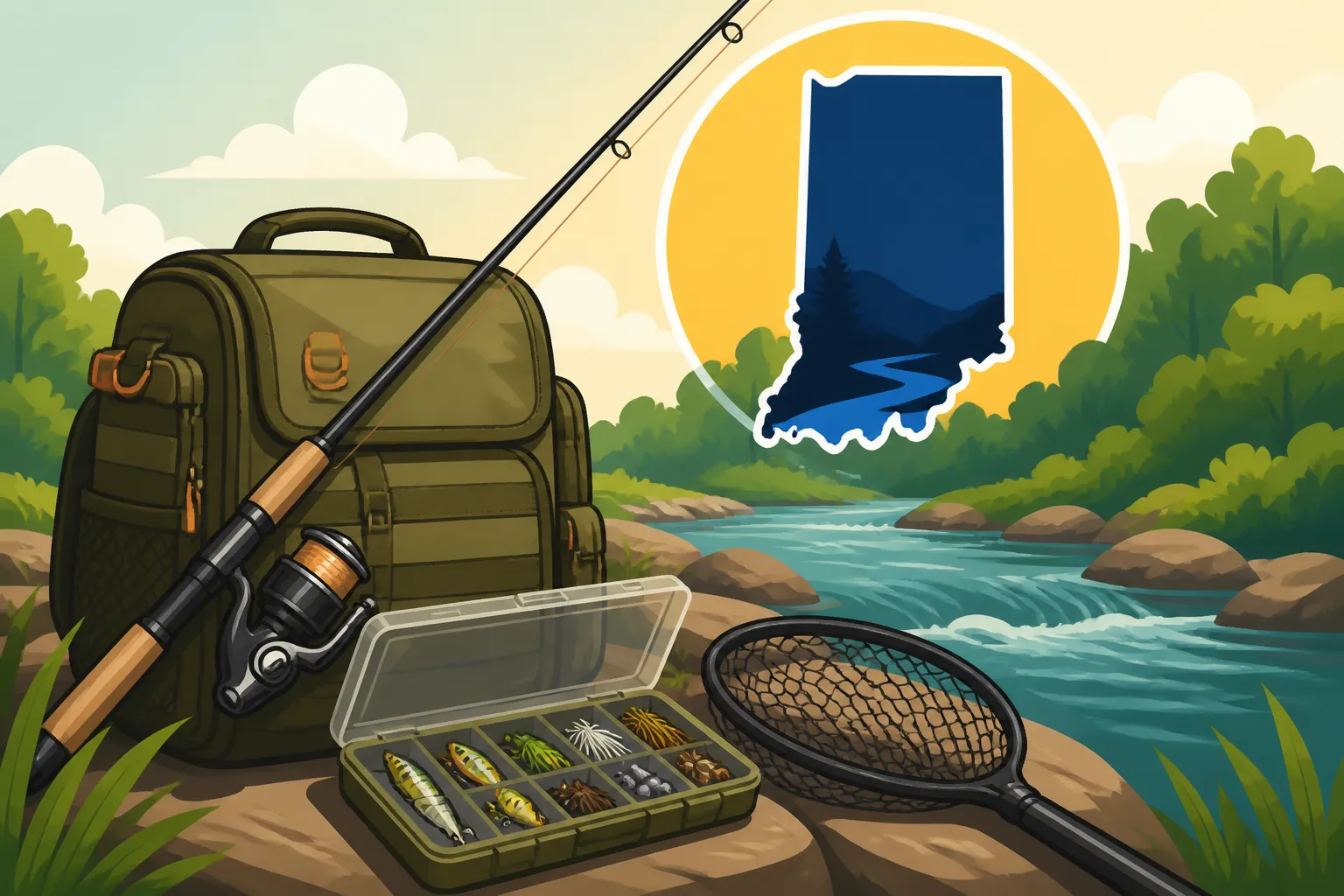
- Backpack or Sling Pack: This is your primary tackle box. Look for one with multiple compartments, rod holders, and comfortable straps. Many fishing-specific backpacks are designed to hold plastic utility boxes (like the ones made by Plano) that organize lures, hooks, and weights. A sling pack is great for light-and-fast trips, allowing you to swing it around for easy access without taking it off.
- Utility Boxes: These clear plastic boxes are invaluable for organizing your terminal tackle and lures. Get a few in different sizes and dedicate them to specific types of gear (e.g., one for hooks/weights, one for soft plastics, one for hard baits). This prevents a chaotic mess at the bottom of your backpack.
- Small Bait Cooler: If you're bringing live bait or planning to keep your catch, a small, insulated soft-sided cooler is a must. It keeps bait fresh and drinks cold. Best Coolers for Keeping Fish Fresh on a Boat offers insights into cooler technology that can be applied to bank fishing.
Having a Best Tackle Box Organizers for Anglers will ensure you spend more time fishing and less time digging through your bag.
Comfort and Safety Gear for a Successful Bank Fishing Trip
Bank fishing isn't just about what you cast; it's also about how comfortably and safely you experience the outdoors. Indiana's weather can be unpredictable, and riverbanks can be treacherous. Being prepared goes a long way.
Apparel and Footwear: Dressing for the Elements
Comfortable and appropriate clothing makes a huge difference, especially when you're exposed to the elements for hours on end.
- Layered Clothing: Indiana weather can change on a dime. Dressing in layers allows you to adapt. A moisture-wicking base layer, a fleece or insulated mid-layer, and a waterproof/windproof outer shell will prepare you for most conditions, from crisp spring mornings to sudden summer downpours. Think breathable fabrics that won't weigh you down.
- Headwear: A wide-brimmed hat or a baseball cap offers protection from the sun, keeps glare off the water, and can shield you from light rain. In colder weather, a warm beanie is essential to retain body heat.
- Gloves: In colder weather, fishing gloves can keep your hands warm and functional. For handling fish with teeth (like pike or muskie, if you're lucky enough to hook one from the bank), cut-resistant gloves can offer protection, though a proper net is usually better.
- Footwear: This is perhaps the most critical item. You'll be walking on uneven, muddy, or rocky terrain. Sturdy, waterproof hiking boots are highly recommended. They provide ankle support and keep your feet dry when navigating damp banks or shallow crossings. If you plan to wade into the water at all, even just to land a fish or get a better casting angle, investing in a good pair of waders (chest waders are often best for rivers) can extend your fishing season and open up more access points. Best Waders for River Fishing delves into this topic more. Don't skimp here; wet, uncomfortable feet can ruin a trip faster than anything.
Tools and Accessories: The Small Essentials
These are the small items that you might not think of immediately but become indispensable on the water.
- Pliers/Forceps: A good pair of multi-tool pliers is essential for removing hooks, cutting line, and crimping weights. Forceps are great for smaller hooks and more delicate extractions, especially if you're practicing catch and release. Look for rust-resistant options.
- Line Clippers: While your pliers might have a cutter, a dedicated pair of sharp line clippers (or even nail clippers) makes quick work of trimming tags and knots.
- Net or Lip Grippers: For landing larger fish like bass, walleye, or catfish, a landing net with a rubberized mesh is ideal as it's gentler on the fish and prevents hooks from tangling. If you're specifically targeting bass, a set of lip grippers can be a safer way to handle them, especially if they're thrashing. Ensure your net is compact enough to carry easily on the bank. If you're going for something toothy, like a northern pike, remember your Best Nets for Landing Muskie in Indiana also applies to pike and can save your hands.
- Sunscreen and Insect Repellent: Protect yourself from the sun, even on cloudy days. And no one wants their peaceful fishing trip ruined by mosquitoes or ticks, especially along overgrown riverbanks.
- Headlamp or Flashlight: If you're fishing at dawn, dusk, or planning a night fishing trip for catfish, a headlamp is invaluable. It keeps your hands free for rigging and navigating.
Safety First: What to Carry Beyond Your Tackle
Being prepared for emergencies is just as important as having the right lure. Riverbanks can be isolated, and accidents happen.
- First-Aid Kit: A compact, waterproof first-aid kit is non-negotiable. Include basics like bandages, antiseptic wipes, pain relievers, and any personal medications. Accidents with hooks are common, so be ready.
- Water and Snacks: Stay hydrated, especially during warmer months. High-energy snacks will keep you fueled for long walks and fishing sessions.
- Map/GPS and Charged Phone: Even if you think you know the area, it's easy to get disoriented, especially in wooded river sections. A reliable map (physical or on your phone) and a fully charged phone are critical. Consider a portable power bank for your phone.
- Whistle: A simple whistle can be a lifesaver if you need to attract attention in an emergency. It carries farther than your voice and requires less effort.
- Appropriate Fishing License: Of course, you absolutely need your valid Indiana Fishing License Requirements Explained! Don't forget any necessary stamps, like the Indiana Trout and Salmon Stamp Requirements, if you're fishing for those species. Getting caught without one can lead to Penalties and Fines for Fishing Without a License.
Being prepared with the right bank fishing gear for Indiana's rivers and streams means you can focus on the fishing, enjoy the scenery, and make lasting memories. Tight lines out there!
Disclaimer
This article is for general informational purposes only and does not constitute professional advice. Laws, prices and regulations vary by location and change over time. Consult a qualified professional for guidance on your specific situation.