Best Boats for Indiana’s Big Lakes
Trying to figure out which boat is truly best for tackling Indiana's expansive lakes can feel like navigating a bewildering sea of options. From the serene, sprawling reservoirs down south to the unpredictable vastness of Lake Michigan up north, choosing a vessel that perfectly matches your fishing ambitions, comfort needs, and the specific demands of these diverse waters is a significant decision. This guide aims to cut through the confusion, offering a comprehensive look at the types of boats that excel on Indiana's big lakes, what essential features to prioritize, and how to equip yourself for safe and successful angling adventures.
Understanding Indiana's "Big Lakes"
When we talk about "big lakes" in Indiana, we're not just referring to bodies of water that look large on a map. We're talking about dynamic environments that demand a different kind of boat and a different level of preparedness than your average farm pond or small local lake. These are waters where conditions can change rapidly, and where comfort and safety become paramount.
What Defines a "Big Lake" in Indiana?
In Indiana, a "big lake" typically refers to several distinct categories of water bodies, each with its own characteristics that influence boat choice. At the top of the list, of course, is Lake Michigan, which is in a league of its own. It's an inland sea, truly, capable of producing ocean-like swells and demanding robust, capable vessels. Then you have our large reservoirs like Monroe Lake: Indiana's Largest Lake for Bass Fishing near Bloomington, or Patoka Lake Fishing Guide for Bass and Crappie down south. These are vast, man-made lakes, often characterized by long main channels, numerous coves, and significant open water areas. They can get incredibly choppy when the wind picks up, especially across their widest expanses, making boat size and hull design crucial.
Beyond the reservoirs, we have large natural lakes in the northern part of the state, particularly in regions like Kosciusko County, home to Lake Wawasee: Indiana's Largest Natural Lake. While not as deep or prone to the same massive waves as Lake Michigan, these lakes are still substantial, often busy with recreational boaters, and can present significant challenges on windy days. The sheer surface area and potential for long runs from one fishing spot to another mean you need a boat that can handle a bit of chop and cover distance efficiently.
Unique Challenges and Opportunities on Large Waters
Fishing and boating on Indiana's big lakes come with a distinct set of challenges and, importantly, unique opportunities. The challenges often revolve around safety and comfort. Larger waves, stronger winds, and greater distances from shore mean that a breakdown can quickly turn into a serious situation. You need a boat that's stable, seaworthy, and reliable. Fuel capacity becomes a real consideration, as does the ability to quickly get back to safety if a storm rolls in. The sheer size of these lakes also means fish can be harder to locate, requiring good electronics and the ability to cover vast amounts of water.
However, the opportunities are just as immense. These big lakes often hold trophy-sized fish that smaller waters simply can't sustain. Fishing Lake Michigan's Indiana Shoreline offers world-class salmon and steelhead fishing, demanding specialized boats and gear. Reservoirs like Monroe and Patoka are renowned for their bass, crappie, and even striped bass populations, often requiring anglers to navigate large areas to find the hot spots. The open water and diverse structure provide a canvas for a wide range of fishing techniques, from trolling deep water to flipping shallow cover. With the right boat, these challenges transform into exciting prospects for unforgettable fishing trips.
Types of Boats Best Suited for Big Indiana Lakes
Choosing the right type of boat is the first and arguably most critical step in preparing for successful adventures on Indiana's big lakes. Each boat style offers different strengths, designed to excel in particular conditions and for specific types of fishing. Understanding these differences will help you match a boat to your individual needs.
Deep-V Hull Boats for Rough Water
When you imagine tackling choppy, unpredictable waters, a deep-V hull boat is often the first image that comes to mind, and for good reason. These boats are designed with a V-shaped hull that slices through waves rather than pounding over them. This design provides a much smoother, drier ride in rough conditions, which is absolutely invaluable on a lake like Michigan or on a windy day across Best Boats for Fishing Monroe Lake in Indiana. The deep-V helps the boat track straight in waves, reducing uncomfortable yawing and pitching motions. While they might feel a little less stable when standing still compared to a flatter-bottomed boat, that trade-off is well worth it when the whitecaps start rolling.
Anglers targeting salmon and trout on Lake Michigan often rely on deep-V boats, particularly those in the 20-foot-plus range. These boats offer the freeboard (the distance from the water to the gunwale) needed to feel secure in big waves and often come equipped with features like self-bailing decks and ample storage for specialized trolling gear. They are built tough, with reinforced transoms to handle powerful outboard motors, ensuring you can get out to the fishing grounds and back safely, even if the weather turns. The smooth ride also means less fatigue for you and your crew, allowing for longer, more enjoyable days on the water.
Pontoons for Versatility and Comfort
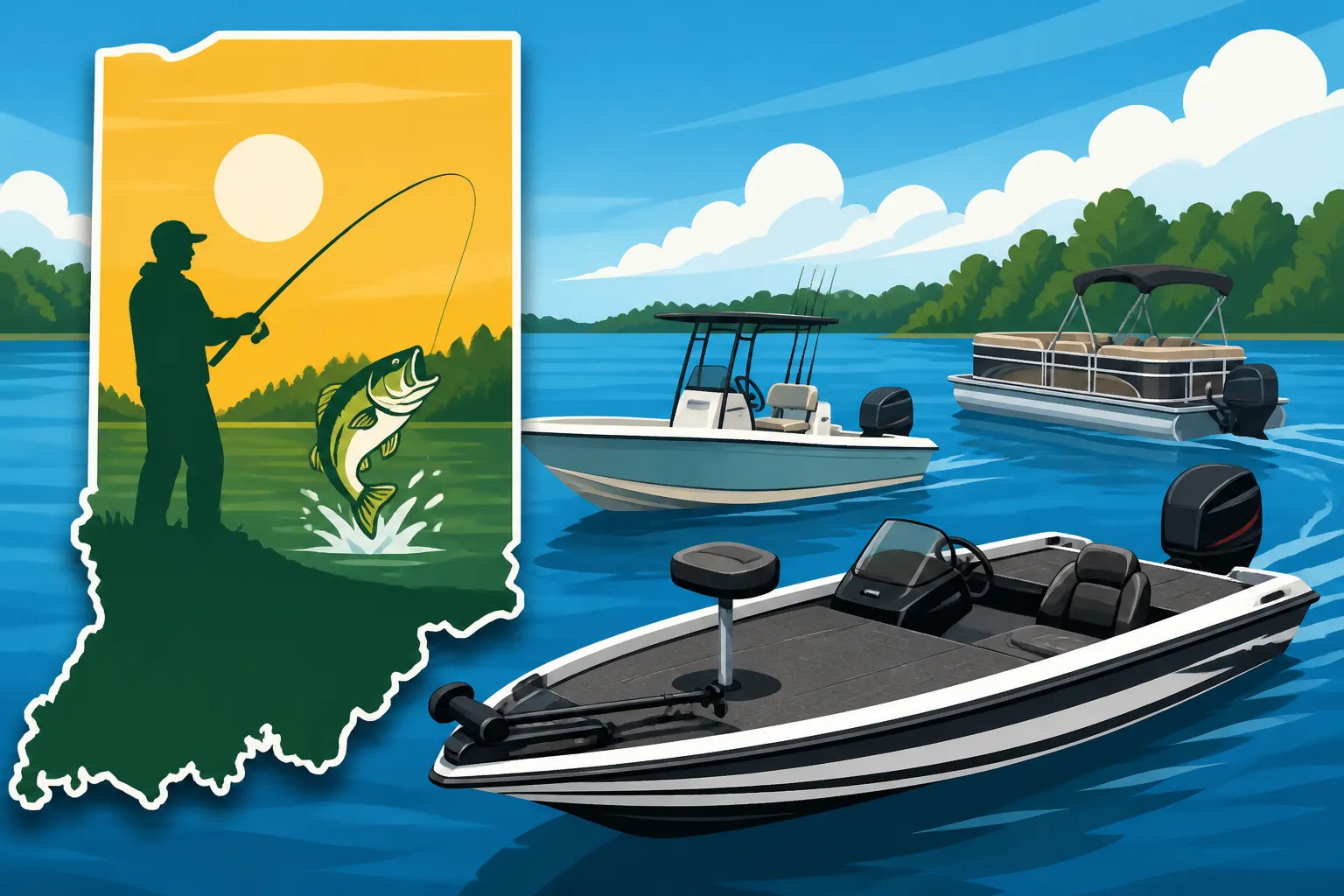
You might not immediately think of a pontoon boat for "serious" big lake fishing, but you'd be surprised by their growing popularity, especially on Indiana's large reservoirs and natural lakes. Modern pontoons are incredibly versatile and offer unmatched comfort and deck space, making them fantastic for family fishing trips or outings with a group of friends. While traditional pontoons aren't designed for extreme rough water, many newer models feature larger pontoons, reinforced decks, and even triple-pontoon (tritoon) designs that significantly enhance stability and wave-handling capabilities. These tritoons, in particular, can handle moderate chop with surprising grace.
The main advantage of a pontoon is the sheer amount of usable space. You can set up multiple fishing stations, comfortably store coolers and gear, and move around without feeling cramped. They're excellent for crappie, bluegill, and even bass fishing in calmer conditions, offering a stable platform for casting and jigging. While they might not be your go-to for offshore Lake Michigan trolling, for cruising and fishing on Patoka Lake Fishing Guide for Bass and Crappie or Lake Wawasee: Indiana's Largest Natural Lake on a pleasant day, a well-equipped pontoon offers an incredibly enjoyable experience. Many come with powerful enough outboards to get you where you need to go and can even tow tubers or skiers, adding to their family-friendly appeal.
Multi-Species Boats for Diverse Angling
The "multi-species" boat category is exactly what it sounds like: a boat designed to do a bit of everything well, making it a fantastic choice for anglers who don't want to be limited to just one type of fishing or one specific body of water. These boats often combine elements of both deep-V and bass boat designs, offering a stable casting platform forward while still retaining a respectable V-hull for navigating choppy waters. They are truly the workhorses of the freshwater fishing world in Indiana.
These boats typically range from 17 to 22 feet and are characterized by their thoughtful layouts that accommodate various fishing styles. You'll find features like spacious casting decks for bass and pike, ample livewell capacity for tournament angling, and often convertible seating arrangements that can make them comfortable for trolling for walleye or even panfish. Many multi-species boats are built with durable aluminum, making them lighter and easier to tow, which is a big plus if you plan on visiting a variety of Indiana's big lakes. They usually come rigged with powerful outboard motors, allowing for quick runs between spots, and often include integrated storage for rods and tackle. If you're an angler who enjoys chasing largemouth one weekend and walleye the next, a multi-species boat offers the versatility you need without sacrificing performance in varying conditions.
Key Features to Look for in a Big Lake Fishing Boat
When you're investing in a boat for Indiana's expansive lakes, it's not just about the type of boat, but the specific features that make it suitable for challenging conditions and diverse fishing techniques. These details can make a huge difference in your safety, comfort, and overall success on the water.
Hull Design and Stability
The hull is the foundation of any boat, and its design dictates how the boat performs in different water conditions. For big lakes, a hull that prioritizes stability, ride quality, and seaworthiness is paramount. As discussed, a deep-V hull is excellent for cutting through chop, providing a smoother ride on rough days. The degree of "dead rise" (the angle of the V at the transom) is a key indicator; a higher dead rise generally means a better ride in waves but can slightly reduce stability at rest. Conversely, a flatter hull offers great stability for standing and casting but will pound more in rough water.
Beyond the V-shape, consider the overall width (beam) of the boat. A wider beam generally contributes to greater stability, both at rest and while running, and also provides more interior space. The construction material also plays a role: fiberglass boats often have a heavier, smoother ride and are easier to mold into complex hull shapes, while aluminum boats are lighter, often more durable for shallower impacts, and can be more cost-effective. Ultimately, you're looking for a balance between cutting through waves efficiently and providing a stable platform for fishing, especially when drifting or anchored. On the vastness of Lake Michigan, for example, a sturdy, well-designed hull is non-negotiable for safety.
Motor Size and Performance
The right motor is absolutely critical for big lake boating. These large bodies of water often mean long runs to your fishing spots, and being able to cover those distances efficiently and safely is a must. Underpowering your boat is a common mistake that can lead to frustratingly slow travel, poor fuel economy, and even safety concerns if you need to outrun a sudden storm. Always try to max out the horsepower rating for the boat you choose, or at least come very close to it. This doesn't mean you'll always run at wide-open throttle, but having that reserve power for quick acceleration, getting on plane swiftly, and pushing through rough water is invaluable.
Modern four-stroke outboard motors offer excellent fuel efficiency, quiet operation, and reliability – all crucial for extended days on the water. Beyond the main motor, consider a reliable kicker motor, especially for boats designed for trolling. A smaller, auxiliary outboard motor provides precise speed control for presentations like those used for walleye or salmon, and acts as a critical backup if your main engine ever fails far from shore. The ability to troll for hours on end without racking up excessive hours on your main engine or burning through too much fuel is a huge benefit, particularly on lakes where Trolling Gear Setup for Indiana's Lake Michigan Salmon is common. When you're out there, far from the ramp, knowing you have dependable power is peace of mind.
Storage and Livewell Capacity
On big lakes, you're often out for extended periods, and you need to carry a lot of gear. Ample, well-designed storage is not a luxury; it's a necessity. Look for dry storage compartments to protect sensitive items like electronics, extra clothing, and snacks from spray and rain. Rod lockers are essential for keeping your rods safe and organized, preventing tangles and damage, especially when moving between spots or trailering. Tackle storage should be easily accessible, yet secure, so your expensive lures don't go flying in rough conditions.
For anglers, a robust livewell system is also non-negotiable. If you're planning to keep fish, either for dinner or for a tournament, a well-aerated, properly sized livewell is vital for keeping your catch healthy. Look for livewells that are easy to fill, circulate water, and drain, with smooth interiors to prevent injury to fish. Many boats designed for big lake fishing, particularly those geared towards bass or walleye, will feature multiple livewells or larger single units, often with recirculation and aeration systems that can be adjusted. This thoughtful design ensures that your prized catches remain vibrant until you reach the dock.
| Boat Type | Primary Use Case (Big Lakes) | Key Advantage | Potential Disadvantage (on big lakes) |
|---|---|---|---|
| Deep-V Hull | Lake Michigan (salmon, trout), rough reservoir conditions | Excellent rough water handling, smooth ride | Less stable at rest, may have smaller casting decks |
| Pontoon | Reservoirs, large natural lakes (family, panfish, bass) | Ample space, comfort, highly stable at rest | Generally less capable in rough water (unless tritoon), slower speeds |
| Multi-Species | Versatile angling (bass, walleye, pike, crappie) | Good balance of rough water ability and casting space | Not specialized for extreme rough water or large groups |
| Center Console | Great Lakes (offshore), large reservoirs (multi-species) | 360-degree fishability, often very seaworthy | Less protection from elements, fewer creature comforts |
| Aluminum Jon | Smaller rivers/creeks, very calm lake access | Lightweight, affordable, durable for shallow water | Poor in chop, limited features, low freeboard |
Specialized Boats for Specific Big Lake Fisheries
Indiana's big lakes offer a diverse range of fishing experiences, and just as the fish species vary, so do the optimal boat choices. Tailoring your boat to the specific fishery you intend to target will greatly enhance your success and enjoyment.
Boats for Lake Michigan Salmon and Trout
The sheer scale and temperamental nature of Lake Michigan demand a boat specifically designed for its challenges. Anglers chasing Chinook salmon, Coho salmon, steelhead, and lake trout on Fall Salmon Run Fishing on Lake Michigan in Indiana need vessels that prioritize seaworthiness, deep-water capability, and robust trolling systems. This usually translates to larger, deep-V hull boats, often in the 20-foot to 30-foot range, made of fiberglass for its heavy, smooth ride in rough water. These boats typically feature high freeboard to keep spray out, powerful outboard or inboard/outboard engines for long runs, and expansive cockpits that can accommodate multiple anglers and a full spread of downriggers and planer boards.
Crucial features for Lake Michigan fishing include specialized rod holders, often heavy-duty rail mounts, and integrated systems for multiple downriggers. Large fuel tanks are a must for those extended offshore trips. Many serious Lake Michigan boats will also have enclosed cabins or at least substantial bow protection to offer shelter from the elements, which can change in an instant on the big lake. Best Boats for Rough Water on Lake Michigan are not just about comfort; they're about safety and the ability to continue fishing effectively when conditions aren't perfect. Companies like Lund, Ranger, and even some walk-around cuddy cabin boats are popular choices among those who frequent Indiana's portion of Lake Michigan. You'll often find these boats outfitted with the latest in marine electronics, including powerful fish finders and radar, to navigate safely and locate schooling fish in deep water.
Boats for Reservoir Bass and Crappie
Indiana's large reservoirs, like Monroe, Patoka, and Brookville, are renowned for their incredible bass and crappie fishing. While these lakes can get choppy, they don't typically demand the same heavy-duty seaworthiness as Lake Michigan. Here, the emphasis shifts to stability for casting, maneuverability in coves, and ample livewell capacity. Bass boats are, of course, a quintessential choice for competitive bass anglers. These boats are designed for speed, shallow water access, and large, stable casting decks. Their low profile, however, can make for a wet and bumpy ride in strong winds and chop.
For a more versatile approach to reservoir fishing that includes crappie, walleye, and general recreational use, aluminum multi-species boats or even well-equipped pontoons are excellent options. Multi-species boats offer a higher freeboard than traditional bass boats, making them more comfortable in moderate chop, while still providing good casting platforms and excellent rod storage. Pontoons, especially tritoons, offer unmatched space for multiple anglers to spread out and fish, making them ideal for family crappie trips or slow-trolling main lake points. The key here is balancing comfort in varying conditions with the features needed to effectively fish submerged timber, points, and other reservoir structure. Strong trolling motors are also critical for precise boat positioning, whether you're flipping docks for bass or spider rigging for crappie.
Boats for Glacial Lake Walleye and Muskie
The glacial lakes of northern Indiana, particularly in counties like Kosciusko and Steuben, are famous for their walleye, muskie, and northern pike populations. These lakes, while large, are generally less prone to the extreme conditions of Lake Michigan, but they still get very rough on windy days. Here, anglers need boats that can handle choppy water, offer excellent electronics mounting options, and provide ample space for specialized muskie or walleye gear.
Deep-V aluminum boats, often in the 17- to 20-foot range, are incredibly popular on these lakes. Brands like Lowe, Alumacraft, and Crestliner build rugged boats that are light enough to trailer easily but tough enough to handle rough water. These boats typically feature large livewells, plenty of rod storage (often up to 8-foot rods for muskie), and wide beams for stability when fighting big fish. For muskie anglers, the ability to rapidly cast large baits and perform the "figure-eight" maneuver at the boat side is crucial, making an open, uncluttered bow and stern deck important. Walleye anglers will appreciate the ability to troll crankbaits or jig vertically, which requires a stable platform and often a good kicker motor for precise speed control. Best Muskie Lakes in Indiana's Glacial Lake District often feature extensive weed lines and deep breaks, requiring a boat that can navigate these varied environments effectively.
Essential Gear and Accessories for Big Lake Boating
Having the right boat is only half the battle; equipping it with essential gear and accessories is equally important for safety, efficiency, and maximizing your fishing potential on Indiana's big lakes. These items are investments in better fishing experiences and peace of mind.
Navigation and Safety Equipment
Safety should always be your top priority, especially on large, unpredictable bodies of water. A reliable GPS-enabled fish finder or dedicated chartplotter is indispensable for navigation, marking fishing spots, and finding your way back to the ramp in low light or fog. Knowing your exact location and having detailed mapping is crucial for avoiding hazards and ensuring you don't get lost. In addition to GPS, a high-quality compass, a handheld VHF marine radio (especially on Lake Michigan), and a cell phone with a fully charged battery are vital communication tools.
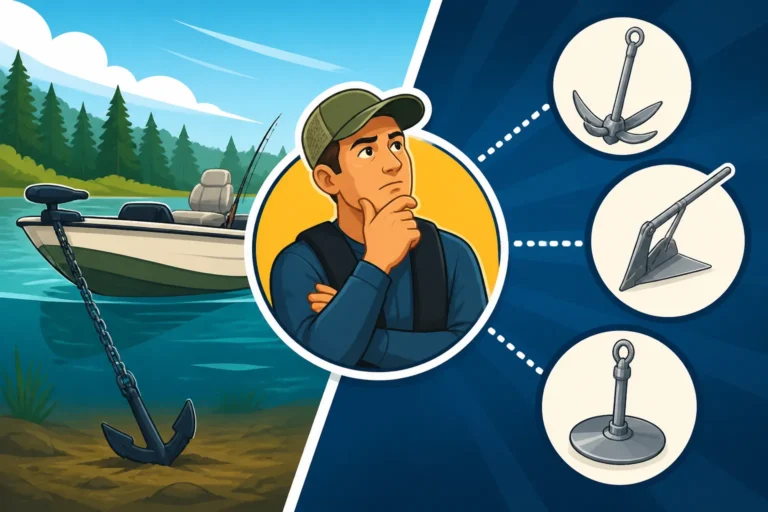
Beyond navigation, you need to comply with all Indiana Life Jacket Requirements for Every Boater. Ensure you have a sufficient number of Coast Guard-approved life jackets for everyone on board, correctly sized for adults and children. A throwable flotation device, a sound-producing device (like a horn or whistle), visual distress signals (flares or a distress flag), and a fire extinguisher are also mandatory safety items. Having a well-stocked first-aid kit, a spare paddle, a bailing device, and a sturdy anchor with enough rope for your deepest fishing spots are also non-negotiable. Don't forget a sharp knife and basic tools for minor on-the-water repairs. It’s always better to be overprepared than caught off guard by rapidly changing conditions on a big lake. You can find many of these essentials at a local Bass Pro Shops or through online retailers like Amazon.
Trolling Motors and Electronics
For serious fishing on big Indiana lakes, a powerful and reliable trolling motor is a game-changer. Whether you're stealthily approaching a bass bed, slowly tracing a contour line for walleye, or holding position against a stiff breeze, a good trolling motor gives you unparalleled boat control. On larger boats, a bow-mounted electric trolling motor with at least 24 or 36 volts and sufficient thrust (often 80 lbs or more) is highly recommended. Models with GPS-enabled spot-lock technology are particularly valuable, allowing you to automatically hold your boat in place over a fishing spot without constantly adjusting.
Complementing your trolling motor, advanced marine electronics are no longer just for pros. High-definition fish finders with side-imaging, down-imaging, and 2D sonar capabilities allow you to literally see the underwater world, identifying structure, cover, and schools of fish. Pairing your main console unit with a smaller unit at the bow, connected to your trolling motor, gives you a comprehensive view of what's beneath and around your boat. Investing in quality units from trusted brands means clearer images, more reliable performance, and ultimately, more fish in the boat. Many anglers also add dedicated marine batteries for their trolling motors and electronics, separate from the engine's starting battery, to ensure they have power all day long.
Rod Holders and Storage Solutions
When you're fishing on large lakes, you're often employing multiple rods and techniques simultaneously. This is especially true for trolling for salmon and trout on Lake Michigan, or for spider rigging for crappie on a reservoir. Robust, adjustable rod holders are essential for keeping your rods securely in place while allowing for quick access when a fish hits. Look for holders that can be easily mounted and adjusted to different angles and positions, accommodating various rod lengths and styles. For Lake Michigan, heavy-duty swivel-base rod holders that can withstand the pull of a large salmon are a must.
Beyond rod holders, integrated storage solutions help keep your boat organized and safe. Rod lockers, often built into the gunwales or under casting decks, protect your valuable rods from damage and keep them out of the way. Dedicated tackle storage compartments, often with removable trays, ensure your lures and tools are organized and accessible. Many modern fishing boats feature insulated coolers or dry storage compartments built into the floor or benches, perfect for drinks, snacks, or even keeping your catch on ice. The goal is to have a place for everything, so your deck remains clear and safe, preventing tripping hazards and allowing you to focus on the fishing. Considering how much gear you accumulate as an angler, smart storage design makes a huge difference, whether you're buying a new boat from Bass Pro Shops or outfitting a used one.
Budgeting for Your Big Lake Boat and Ongoing Costs
Acquiring a boat for Indiana's big lakes is a significant investment, and it's crucial to consider not just the initial purchase price but also the ongoing costs of ownership. A clear understanding of these expenses will help you make a financially sound decision.
New vs. Used Boat Considerations
The choice between a new and a used boat often comes down to budget, but there are other factors to consider. A new boat offers the latest technology, a full factory warranty, and the peace of mind that comes with knowing no one else has put it through its paces. You can often customize a new boat with your preferred motor, electronics, and accessories, ensuring it's perfectly rigged for your needs right from the start. However, new boats come with a higher price tag and experience significant depreciation in the first few years.
Used boats, on the other hand, can offer excellent value, allowing you to get more boat for your money. The initial depreciation has already occurred, and you might find a well-maintained, fully rigged boat at a fraction of the cost of new. The downside is that you might inherit someone else's problems, and warranties are often limited or non-existent. It's absolutely critical to conduct a thorough inspection, ideally by a qualified marine mechanic, before purchasing a used boat. Check the hull for damage, inspect the motor's compression and fluid levels, and test all electronics and livewell systems. Consider the age of the motor, as major repairs can be costly. A pre-purchase inspection can save you from unforeseen expenses down the road.
Maintenance and Storage Expenses
Boats, like cars, require regular maintenance to stay in top shape. Engine oil changes, lower unit fluid changes, fuel filter replacements, and spark plug checks are all part of routine annual maintenance, especially before and after the fishing season. For outboards, regular service can extend the life of your engine and prevent costly breakdowns. Beyond the engine, you'll need to consider trailer maintenance (tires, bearings, lights), and general boat upkeep like cleaning, waxing, and inspecting for wear and tear. These costs can add up, so factor them into your annual budget.
Storage is another significant expense, especially for larger boats. If you don't have space to keep your boat at home, you might need to rent a slip at a marina or pay for dry storage. Marina slips offer convenience, allowing you to easily access the water, but they can be expensive, particularly on popular lakes. Dry storage, where your boat is stored on land and launched upon request, can be more affordable but offers less immediate access. Winterization is also a mandatory expense for most Indiana boaters, protecting the engine and plumbing from freezing temperatures. Don't forget the cost of fuel, which can be substantial given the distances you might cover on big lakes.
Insurance and Registration Costs
Just like your car, your boat needs to be insured, especially if you have a loan on it or if it's a significant asset. Marine insurance policies can cover damage to your boat, liability for accidents, and even personal property on board. The cost of insurance will vary based on the boat's value, size, age, where it's stored, and your boating history. It's wise to get several quotes to find the best coverage at a competitive price.
Finally, don't forget the legalities and associated costs of Indiana Motorboat Registration Requirements. All motorized boats, and even some non-motorized vessels in Indiana, must be registered with the Bureau of Motor Vehicles (BMV). This involves an initial registration fee and subsequent renewal fees, which are typically renewed every few years. You'll also need to display registration decals on your boat. While these costs might seem small compared to the boat's purchase price, they are recurring and mandatory, so make sure they're part of your overall budgeting plan. Ignoring them can lead to fines and legal headaches.
Legalities and Regulations for Boating on Indiana's Big Lakes
Navigating Indiana's big lakes involves more than just understanding your boat and the fish; it also means understanding and adhering to the state's boating laws and regulations. These rules are in place for the safety of all boaters and anglers.
Indiana Boat Registration Requirements
One of the first things you'll need to sort out once you acquire your vessel is its registration. In Indiana, every motorboat, regardless of its size or the horsepower of its engine, must be registered with the Indiana Bureau of Motor Vehicles (BMV). This includes everything from a small jon boat with a trolling motor to a large Lake Michigan cruiser. The registration process involves completing an application, providing proof of ownership, and paying the necessary fees. Once registered, you'll receive a registration card and decals that must be properly displayed on your boat's bow. It's crucial to always carry your registration card on board whenever you're out on the water.
There are specific rules for non-motorized vessels too, particularly kayaks and canoes. While not all non-motorized boats require registration, if you plan to use an electric trolling motor on your kayak, for example, it immediately becomes a motorboat and must be registered. If you're buying a used boat, ensure the previous owner has properly transferred the title. Failing to register your boat or not displaying the decals correctly can lead to fines and other penalties. It’s always a good idea to visit the official Indiana BMV website or a local license branch for the most up-to-date information on requirements and fees.
Life Jacket and Safety Gear Rules
Indiana has clear and comprehensive regulations regarding life jackets and other safety equipment, which are designed to save lives on the water. All vessels must carry at least one U.S. Coast Guard-approved wearable personal flotation device (PFD) for each person on board. For children under the age of 13, it is mandatory to wear a PFD at all times when underway on any vessel, unless they are inside an enclosed cabin. This applies to all of Indiana's big lakes, from Monroe to Lake Michigan.
In addition to wearable PFDs, boats 16 feet in length or longer (excluding canoes and kayaks) must also carry one throwable PFD, such as a ring buoy or seat cushion. Other mandatory safety items include a sound-producing device (a whistle or horn is sufficient for smaller boats), visual distress signals for use at night on certain waters (Lake Michigan often has stricter requirements), and a fire extinguisher for boats with enclosed fuel compartments, fixed fuel tanks, or inboard engines. It’s easy to forget these items, but conservation officers frequently conduct safety checks, and violations can result in citations. Ensuring you have How Many Life Jackets Do You Need on an Indiana Boat and all other required gear is not just about avoiding a ticket; it's about protecting yourself and your passengers.
Boater Education and Age Requirements
Indiana takes boater education seriously, especially for younger operators, to promote safe boating practices. Anyone born after January 1, 1986, is generally required to complete a boater education course approved by the National Association of State Boating Law Administrators (NASBLA) to legally operate a motorboat with an engine over 10 horsepower. This means if you're a younger angler looking to pilot your boat on one of Indiana's big lakes, you'll likely need to obtain your Indiana Boater Safety ID Card. Even if you're older and not legally required, taking a course is highly recommended; it teaches valuable skills in navigation, safety, and emergency procedures that are invaluable on large bodies of water.
Age restrictions also apply to operating certain vessels. For example, a person under 15 years of age may not legally operate a personal watercraft (PWC), even if they have completed a boater education course. For traditional motorboats, an individual must be at least 15 years of age and have completed the required boater education course to operate a motorboat over 10 horsepower without adult supervision. These rules are particularly important on busy lakes where multiple types of watercraft are sharing the water. Understanding these regulations is part of being a responsible boater and helps ensure that everyone can enjoy Indiana's beautiful and expansive waterways safely. You can find information on approved courses and obtain your boater ID card through the Indiana BMV, as detailed in Indiana Boater Education Course Requirements.
Disclaimer
This article is for general informational purposes only and does not constitute professional advice. Laws, prices and regulations vary by location and change over time. Consult a qualified professional for guidance on your specific situation.