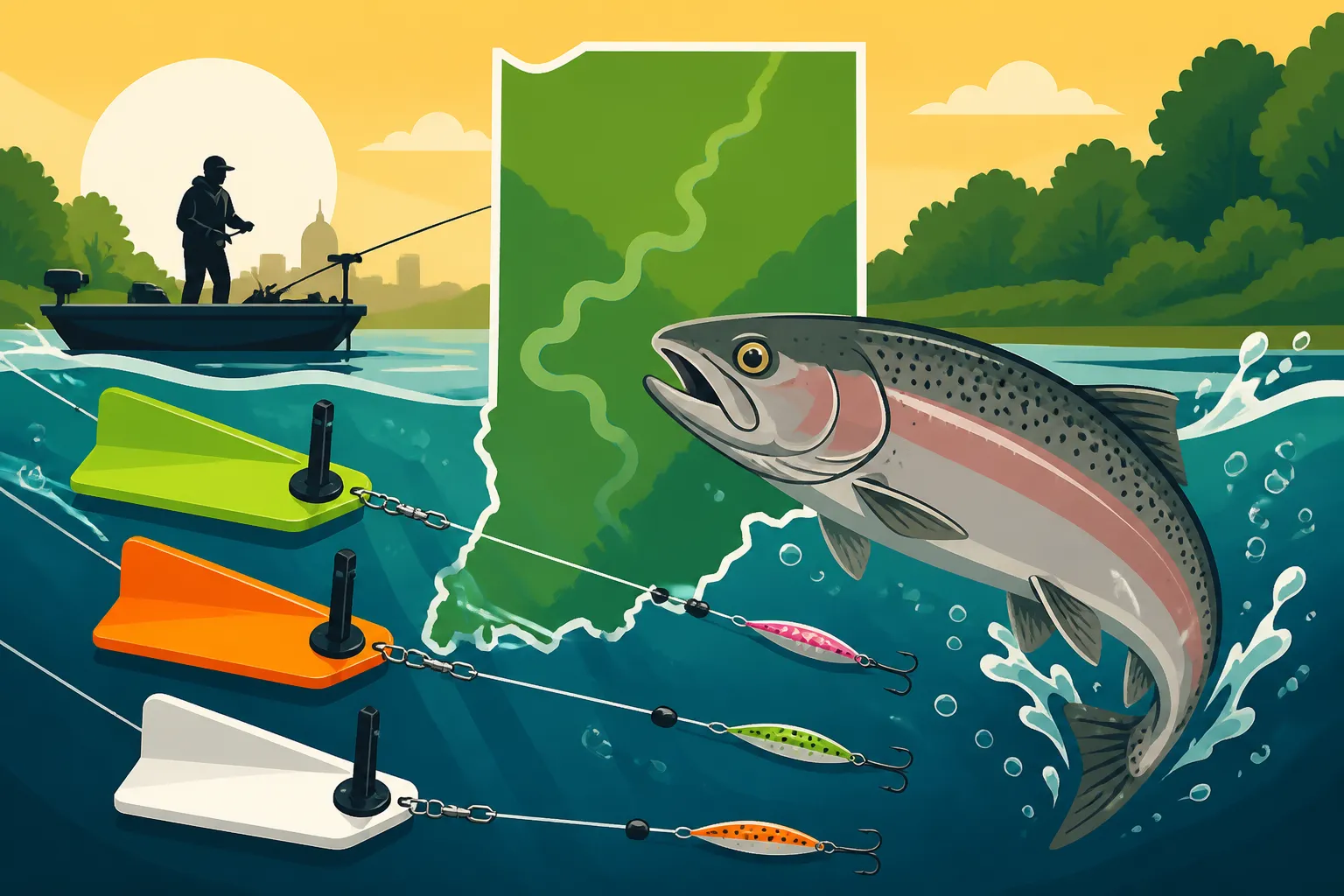
Best Planer Boards for Indiana Steelhead Trolling
Steelhead fishing on Lake Michigan can be an incredibly rewarding experience, but the vastness of the water and the elusive nature of these powerful fish mean you need every advantage you can get. One common frustration for anglers is trying to cover enough water and present multiple baits without tangling lines, especially when targeting those widespread steelhead. This guide will dive deep into planer boards, explaining how they are an essential tool for effective steelhead trolling in Indiana, and help you choose the best ones for your specific needs.
The Indispensable Role of Planer Boards in Steelhead Trolling
Steelhead, also known as rainbow trout, are magnificent fighters found in the Indiana waters of Lake Michigan. They often roam the upper water column and can be spread out over a wide area, making it a real challenge to present multiple baits simultaneously without your lines crossing and becoming a tangled mess. Anyone who's spent more than an hour on the big lake knows how quickly a good trolling run can turn into a frustrating knot-tying session if you're not properly equipped. This is where planer boards truly shine, extending your fishing spread horizontally and allowing you to cover significantly more water.
Why You Can't Troll Effectively Without Them
Imagine for a moment trying to run six or eight lines directly behind your boat, all at varying depths and with different lures. No matter how carefully you stagger your lures—using divers, lead core, or weighted presentations—the subtle movements of the boat, changes in current, or even just the violent strike of a fish can lead to immediate tangles. This isn't just an annoyance; it costs you precious fishing time, forcing you to pull lines, untangle knots, and re-rig while the fish might still be biting.
Planer boards solve this by acting as artificial outriggers, pulling your lines far away from the boat's wake and creating a much wider fishing footprint. This allows you to present multiple baits side-by-side, covering a broad swath of water that a direct-behind-the-boat spread simply can't match. More importantly, it positions your baits in undisturbed water, away from the boat noise and shadow, which can be absolutely critical for wary steelhead. When a fish hits, the board is designed to release, allowing you to fight the fish directly without the drag or interference from other lines. It truly transforms your trolling game, making it more efficient and far less frustrating.
Understanding the Basic Mechanics
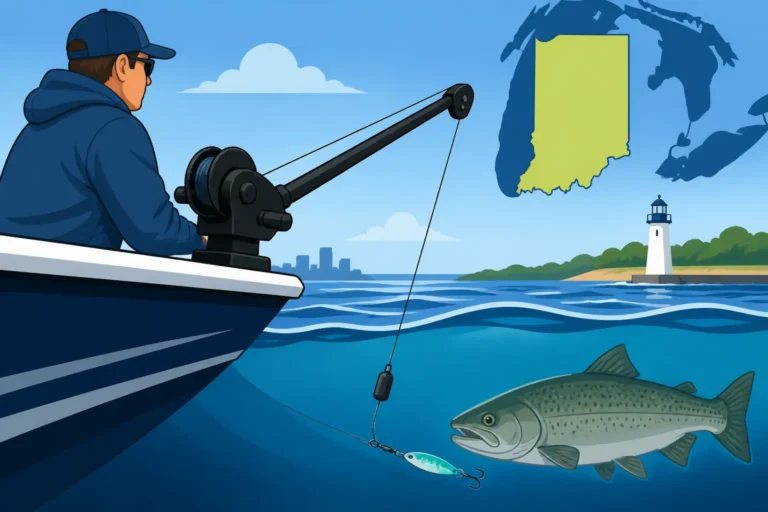
At their core, planer boards are ingenious devices designed to float on the water surface and use the boat's forward motion to "plane" away from the hull. Think of them as miniature sailboats, catching the water and pulling outwards. Your main fishing line is attached to a specialized release clip on the board. As you let out line from your reel, the planer board carries your lure, bait, or diver out to the side of the boat, sometimes as far as 100 feet or more, depending on the board's size and the amount of line you've deployed.
The magic happens when a steelhead strikes. The sudden tug on the line, combined with the fish's fighting power, typically generates enough tension to trip the release clip. Once tripped, the board either detaches completely from your main line (and slides down to a swivel or stopper) or it simply stops planing and lags behind, allowing you to reel in the fish without the board actively pulling against you. This direct connection to the fish, free from the board's drag, means a better fight and less chance of losing your prize. It's an essential part of effective Trolling Techniques for Salmon and Steelhead on the big water.
Navigating the Different Types of Planer Boards
When you start looking at planer boards, you'll quickly realize there isn't a single, one-size-fits-all solution. The type you choose will largely depend on your boat size, the number of lines you want to run, and your preferred trolling style on Lake Michigan. Understanding the distinctions between inline boards and mast systems is key to making an informed decision that suits your angling needs.
Inline Planer Boards: Simplicity and Portability
Inline planer boards are perhaps the most common and certainly the easiest to use, making them a fantastic choice for anglers with smaller boats, those who don't want to permanently modify their vessel, or folks just getting into planer board fishing. These boards attach directly to your fishing line—hence the name "inline." The process is quite simple: you deploy your lure or bait, let out enough line for it to reach its desired depth, and then attach the inline board's release clip to your main fishing line. Once clipped on, you point the board away from the boat and continue to let out more line. The board will then "plane" out to the side, carrying your lure with it.
The real beauty of inline boards lies in their simplicity and portability. They don't require any special boat rigging beyond your existing rod holders. You can easily store them in a tackle box or boat compartment and deploy them only when needed, making them highly versatile for different types of fishing days. They are particularly effective for running a few extra lines or for targeting specific depths with precision, allowing each rod to act independently. For a quick trip out on Lake Michigan to chase Steelhead vs Rainbow Trout: What Sets Them Apart, inline boards offer a straightforward and highly effective solution. Many anglers find quality inline boards, often from brands like Offshore Tackle or Church Tackle, available through popular retailers like Bass Pro Shops or conveniently online at Amazon, offering various sizes and designs to suit different conditions.
Mast System Planer Boards: The Serious Troller's Arsenal
For serious trollers who are looking to run a truly expansive spread—think eight, ten, or even twelve lines simultaneously—a mast system is typically the way to go. This professional-grade setup involves a robust mast, often mounted on the bow of your boat, from which a heavy-duty tow line extends out on each side to a much larger, more powerful planer board. Your individual fishing lines are then attached to specialized release clips that slide along this main tow line, rather than directly to the board itself.
Mast systems offer incredible spreading power, allowing you to cover a truly immense swath of water. This is invaluable when steelhead are widely scattered and you need to present a broad array of lures at various depths to find them. While they do require more initial setup and often some permanent boat modification (like drilling for the mast mount), they offer unparalleled efficiency for maximizing your lure presentation and are often preferred by those dedicated to Lake Michigan Trolling Gear Guide for Indiana Anglers with a full-time trolling setup. They allow for easy deployment and retrieval of individual lines, and when a fish strikes, only that specific line's release clip slides down the tow line, keeping the main planer board in position and the rest of your spread intact. This system is a game-changer for anglers who want to fish big water seriously, allowing them to effectively cover the vastness of Lake Michigan.
Essential Features for Optimal Steelhead Trolling Performance
Choosing the right planer board isn't just about picking between inline and mast systems; it's about delving into the details. There are several critical features to consider that will directly impact your success and enjoyment on the water, especially when dealing with the specific challenges of Indiana's Lake Michigan fishery for steelhead. Ignoring these aspects can lead to frustration and lost opportunities.
Size and Buoyancy: Holding Your Line Out
The size and buoyancy of a planer board are paramount because they directly dictate the board's ability to pull your lines away from the boat and stay stable on the water. Steelhead baits, such as lightweight spoons or stickbaits, might not be very heavy on their own. However, when you factor in the drag from dozens or hundreds of feet of fishing line, the resistance of your leader, and any added weights like snap weights or small diving planers, the strain on the planer board becomes significant. A board that's too small or lacks sufficient buoyancy simply won't effectively pull your line out to the side, especially in less-than-ideal conditions like a choppy Lake Michigan afternoon or when running multiple lines from one board in a mast system.
For steelhead trolling, you absolutely want a board that can handle your lure weight and line drag without constantly diving beneath the surface or struggling to maintain its position. Larger boards generally offer more pulling power and stability, which translates to a more consistent spread and fewer worries about your gear. This enhanced buoyancy is particularly important on Lake Michigan, which can kick up waves surprisingly quickly, making small, less buoyant boards ineffective or even prone to capsizing, which is a headache you definitely want to avoid. Look for boards designed for big water and heavier applications, ensuring they can maintain your desired spread even when faced with significant waves or stronger currents. You need that confidence that your board will stay put and do its job.
Release Mechanisms: The Moment of Truth
The release mechanism is arguably the most critical component of any planer board, as it's the point of connection between your fishing line and the board. When a steelhead hits, you need that board to release cleanly and consistently, allowing you to fight the fish directly without the added drag of the board itself. There are generally two primary types of releases you'll encounter:
- Adjustable Tension Releases: These are highly favored by experienced anglers because they allow you to fine-tune the amount of tension required to trip the release. This versatility is incredibly useful because different lures create different amounts of drag at various trolling speeds, and a light-biting steelhead requires a sensitive release. You want the clip to hold your line securely without releasing prematurely from wave action or minor snags, but still trip instantly when a fish strikes. For those subtle steelhead takes, an adjustable and sensitive yet firm release is ideal.
- Fixed Tension Releases: Simpler in design, these clips come with a set tension. While they might be easier for a beginner to use right out of the box, they offer less versatility for adapting to different lure weights or fishing conditions.
Regardless of the type, always look for releases that grip your line securely without causing damage. Rubber-padded jaws are excellent for this, providing a firm, non-slip hold without crimping or weakening monofilament or braided lines. You certainly don't want a clip that repeatedly false-trips (releasing without a fish) or, worse, fails to release when you have a valuable fish on. Many reputable brands offer excellent release clips, and you can even purchase aftermarket clips to upgrade your existing boards, often found through fishing tackle suppliers on Amazon or specialized tackle shops. Reliable releases ensure you get to fight every fish that bites.
Visibility and Durability: Seeing and Trusting Your Gear
On the expansive and often challenging waters of Lake Michigan, especially on a bright, sunny day, at dawn, or when fog rolls in, visibility is a major concern. You absolutely need to be able to see your planer boards easily to monitor their position, check for fish strikes (a board that suddenly falls back often indicates a hit!), and, crucially, to avoid collisions with other boaters. Bright, fluorescent colors like neon orange, yellow, or chartreuse are highly recommended for maximum daytime visibility. Some premium boards even incorporate reflective tape for low-light conditions or tall, brightly colored flags to increase their profile and make them easier to spot from a distance.
Durability is another non-negotiable feature for any piece of gear destined for Lake Michigan. Planer boards take a constant beating from waves, sun exposure, and the occasional boat bump or close encounter with other tackle. They should be constructed from robust, marine-grade plastics or composites that can withstand the harsh freshwater environment without cracking, fading, or deforming. Stainless steel hardware is an absolute must for all fasteners and moving parts to prevent corrosion, which can quickly degrade cheaper materials. A durable board means less worry about replacements, less money spent over time, and more time focusing on catching those magnificent steelhead. For instance, brands often carried by reputable outdoor retailers like Bass Pro Shops prioritize rugged construction because they understand that their customers demand gear that can endure season after season of hard fishing. Investing in quality here truly pays off.
Setting Up and Mastering Planer Boards for Indiana Steelhead
Once you've chosen your planer boards, the next exciting step is to get them rigged up and put them to work. Proper setup and a bit of practice will make all the difference in your steelhead trolling success on Lake Michigan. It might seem a little daunting at first, with all those lines and clips, but don't worry—it's not as intimidating as it might seem, and mastering it opens up a whole new world of fishing possibilities.
Rigging Your Rods for Planer Board Use
Whether you're opting for the simplicity of inline boards or the full-spread power of a mast system, having the right rod setup is crucial for both effective fishing and enjoyable fish fighting. You'll generally want rods that have a moderate action. This means they bend well into the blank, absorbing the shock of a strike and preventing a spirited steelhead from tearing the hook out of its mouth. Too stiff, and you risk ripping the lure free; too soft, and you might not have the power to control a big fish.
Rod length is also a significant factor. Longer rods, typically in the 8 to 10-foot range, are often preferred, especially when paired with inline boards. They help spread lines even further from the boat, creating a wider presentation, and their added length makes it much easier to clear other lines when you have a fish on. For your main line, many anglers opt for a good quality braided line due to its superior sensitivity and low stretch, which helps detect even the most subtle steelhead bites. However, since the direct grip of some planer board clips can sometimes abrade braid, some anglers prefer to use a short monofilament leader where the clip attaches, or they use specialized clips designed specifically for braided lines. If you're using a mast system, the main tow lines from the mast are usually heavy mono or braid, with your individual fishing lines (which can be mono, fluorocarbon, or braid) attaching to the sliding release clips. And don't forget high-quality swivels to prevent line twist, especially important with rotating baits like spoons or flashers.
Deploying and Retrieving Your Planer Boards
The process of deploying and retrieving your planer boards becomes second nature with a little practice.
For inline boards:
- First, select your lure, attach it, and let out enough line for it to reach your desired depth. If you're using a Downrigger Basics for Indiana Lake Michigan Anglers or lead core, get that set as well.
- Next, attach the planer board's release clip securely to your main fishing line, pointing the board away from the boat.
- Then, simply let out more line from your reel. As your boat moves forward, the board will "plane" out to the side, carrying your lure along.
- To create an effective spread, stagger your distances. It’s a good strategy to have the boards closest to the boat running further back, and the ones furthest out running slightly closer to the boat. This creates a fan-like presentation, covering different zones and preventing lines from crossing during turns. You can also vary your lure types and depths on different lines, experimenting to see what the steelhead are hitting.
For a mast system:
- You first deploy your main planer boards, which are attached to the tow lines extending from the mast. Let them run out to your desired width, creating the perimeter of your spread.
- Then, you'll attach your individual fishing lines to the release clips that slide along these main tow lines, deploying them one by one. This allows for a very organized and wide presentation, often utilized for How to Troll for Salmon on Lake Michigan effectively.
- When retrieving, especially with a fish on an inline board, you simply reel the fish in. The board will either slide down to a stopper at your leader connection or detach completely from your line, allowing you to fight the fish directly. With a mast system, you just unclip the individual fishing line from the tow line and reel in the fish. After fighting the fish, you can easily re-clip your line and redeploy it. It might sound like a lot of steps, but after a few tries, you'll be deploying and retrieving like a seasoned pro.
Here's a quick comparison of common planer board types to help you visualize their uses:
| Feature | Inline Planer Boards | Mast System Planer Boards |
|---|---|---|
| Setup Effort | Low, clip directly to line | High, requires boat mounting (mast, reels, tow lines) |
| Lines per Side | 1-2 (usually 1 per rod) | 3-6+ (multiple rods per tow line) |
| Spreading Power | Moderate | High, covers very wide area |
| Portability | Excellent, easy to store | Low, semi-permanent boat fixture |
| Cost | Lower initial investment | Higher initial investment |
| Ideal For | Smaller boats, limited lines, beginners | Dedicated trollers, large boats, maximizing spread |
| Strike Indication | Rod tip action, board action | Flag on board, rod tip action |
| Retrieval | Reel fish directly, board slides/detaches | Unclip line from tow line, reel fish directly |
Troubleshooting Common Planer Board Issues
Even with the best gear and careful setup, you might encounter a few hiccups on the water.
- Board diving or "porpoising": This usually means your lure or rigging is creating too much drag for the size or buoyancy of your board, or you have too much line out in rough conditions. Try a larger, more buoyant board, or consider a lighter lure. Sometimes, reducing your trolling speed can also help.
- False releases: If your release clip is tripping without a fish, it might be set too lightly, or a sudden wave could be generating enough force to release it. Try tightening the tension on adjustable clips, or consider upgrading to a different clip design known for better holding power.
- Lines tangling behind the boat: This often happens during turns, if lines are deployed too close together, or if your boat speed isn't consistent. Try making wider, gentler turns, stagger your lures at different depths, and ensure there's proper spacing between your boards. Remember that Lake Michigan Fishing Regulations Are Different From the Rest of the State, so always be aware of your surroundings and other boaters, especially when making wide turns. Practice and patience are key here.
Maintenance and Storage for Longevity
Your planer boards, particularly those put through their paces in the dynamic environment of Lake Michigan, deserve a little ongoing care to ensure they last for many seasons. Neglecting them can lead to premature wear, corrosion, and unreliable performance, which is absolutely the last thing you want when those steelhead are actively biting. A few simple habits can make a huge difference in extending the life of your valuable gear.
Post-Fishing Care: Rinsing and Drying
After every single trip, especially when fishing Lake Michigan where the water, while freshwater, can still carry contaminants, fine sand, and other residues, it's a good practice to thoroughly rinse your planer boards with fresh water. Pay particular attention to the release clips, any spring mechanisms, and other moving parts where grit and grime can accumulate. While you're not battling saltwater corrosion, freshwater lakes can still leave behind mud, algae, and microscopic debris that can impact the smooth operation of your gear over time. A quick, thorough rinse will effectively remove these residues and prevent buildup.
Once rinsed, it's absolutely crucial to allow your boards to air dry completely before storing them. Storing wet boards can encourage the growth of mildew, especially on any fabric components or flags, and can promote corrosion on metal parts, even stainless steel, over an extended period. Hang them in a well-ventilated area, or lay them flat in a spot where they can dry thoroughly and quickly. Patience here prevents future problems.
Inspecting for Wear and Tear
Before and after the fishing season, and periodically throughout, make it a habit to give your planer boards a thorough inspection. This proactive approach can catch small issues before they become big, frustrating problems.
- Check Release Clips: Are the rubber pads still intact and providing good grip? Do the springs or tension mechanisms work correctly and consistently? If you notice any wear, slipping, or breakage, replace the clips immediately. This is perhaps the most crucial component for reliable strikes and confident fish fighting.
- Examine the Board Body: Look carefully for any cracks, deep gouges, or areas where the plastic might be softening or becoming brittle from prolonged sun exposure. Minor scuffs and scratches are normal signs of use, but significant structural damage could affect buoyancy, stability, or even compromise the board's integrity in rough water.
- Inspect Hardware: Are all screws, bolts, and attachment points secure and tight? Are there any visible signs of rust or corrosion on metal components? Replace rusty or corroded hardware promptly to prevent further damage to the surrounding plastic. Often, replacement parts, like new release clips, flags, or fasteners, can be found at local fishing tackle stores or online marketplaces like Amazon. Addressing these small issues keeps your boards performing at their best for the Peak Steelhead Fishing Season in Indiana.
Proper Storage Practices
When not in use, store your planer boards in a cool, dry place away from direct sunlight. Prolonged exposure to UV rays can severely degrade plastics, causing them to become brittle, and can fade the bright colors that make your boards so visible on the water. If you use a mast system, consider covering the mast when it's not in use or even removing it for off-season storage, especially if your boat is stored outdoors or uncovered.
For inline boards, keeping them organized in a dedicated storage bin, a mesh bag, or even a custom rack prevents them from getting tangled with other gear and protects them from accidental damage. Some dedicated anglers even build custom racks in their garage or boat shed to keep their boards neatly arranged and easily accessible, ready for the next adventure. Taking these small but consistent steps will ensure your planer boards are ready for action whenever the steelhead are calling, providing reliable service for years to come. Always remember to review the Indiana Fishing Regulations and Bag Limits Guide before you head out on the water.
Disclaimer
This article is for general informational purposes only and does not constitute professional advice. Laws, prices and regulations vary by location and change over time. Consult a qualified professional for guidance on your specific situation.