Kayak Fishing Setup Tips for Indiana Anglers
There's nothing quite like the feeling of gliding across the glassy waters of an Indiana lake or river in your kayak, the sun just peeking over the horizon, knowing you're about to cast your line into prime fishing territory. But let's be honest, getting your kayak set up just right for fishing can feel a bit overwhelming, especially with so many options out there for gear, modifications, and safety. This guide is here to cut through the confusion, offering practical tips and insights to help Indiana anglers like you configure your kayak for maximum enjoyment, safety, and fishing success on our diverse waterways.
Choosing the Right Kayak for Indiana Waters
Before you even think about rod holders and fish finders, the most fundamental decision you'll make is the kayak itself. Indiana's waters range from serene, shallow rivers to expansive, sometimes choppy reservoirs, and even the formidable shoreline of Lake Michigan. Each environment calls for different characteristics in a fishing kayak, and understanding these differences will save you a lot of frustration and potentially, a lot of money in the long run.
Sit-on-Top vs. Sit-Inside Kayaks for Fishing
This is often the first fork in the road for aspiring kayak anglers. Both types have their dedicated fans, and for good reason.
Sit-on-top (SOT) kayaks are overwhelmingly popular for fishing, and if you've spent any time researching, you've probably seen why. They offer an open deck, making it incredibly easy to move around, access gear, and most importantly, re-enter the kayak if you happen to take an unplanned dip. This re-entry capability is a huge safety advantage, especially when you're out alone or in deeper, colder waters. The scupper holes allow water to drain right through, so you're not sitting in a puddle after a splash or a rainy day. Many SOTs are designed with stability in mind, often wider and with flatter hulls, which means you can sometimes stand up to cast, offering a better vantage point and a more comfortable fishing experience. The downside? You're exposed to the elements, meaning you'll get wetter and colder than in a sit-inside, and you'll typically paddle a bit slower due to their wider, more stable design.
Sit-inside (SINK) kayaks, while less common for dedicated fishing setups, still have their place. They offer protection from the wind and spray, keeping you warmer and drier, which can be a huge bonus during Indiana's cooler fishing seasons, especially early spring or late fall. They're often more streamlined and faster through the water, making them a good choice if you need to cover significant distances on calm lakes or slow-moving rivers. The enclosed cockpit provides a secure space for some of your gear, protecting it from splashes, though storage is generally more limited and less accessible while on the water. The main drawback for fishing is the challenge of accessing gear from inside the cockpit and the difficulty of re-entry if you capsize in deeper water. For a casual paddle-and-cast on a small, calm pond, a SINK might work, but for serious angling, most opt for a sit-on-top.
Stability, Tracking, and Maneuverability Considerations
When you're fighting a feisty largemouth bass or trying to keep your line tight in a river current, the way your kayak handles the water becomes incredibly important.
Stability is paramount for a fishing kayak. You want to feel secure enough to cast vigorously, retrieve a snagged lure, or even land a decent fish without feeling like you're about to tip over. Primary stability refers to how stable a kayak feels when sitting still and flat on the water. Secondary stability is how resistant it is to tipping once it starts to lean. Wider kayaks, especially those with flatter hulls or pontoon-like designs, offer greater primary stability, which is fantastic for anglers. However, this often comes at the cost of speed and tracking. Think about the variety of conditions you might encounter: a perfectly calm morning on Lake Monroe versus a breezy afternoon on Lake Wawasee, where the chop can test your balance.
Tracking refers to a kayak's ability to hold a straight line while paddling. A kayak with good tracking will resist turning or veering off course with each paddle stroke. This is incredibly helpful when you're trying to reach a distant fishing spot on a large lake or when you're paddling against a gentle current on the White River. Longer kayaks generally track better than shorter ones. However, excellent tracking often means less maneuverability.
Maneuverability is how easily a kayak turns or changes direction. Shorter kayaks tend to be more maneuverable, which is a huge advantage when navigating tight spots in a river, weaving through submerged trees, or getting into those hidden coves. If your primary fishing is in tight Indiana streams or around lots of cover, you might prioritize a more maneuverable kayak, even if it means sacrificing a bit of straight-line tracking. Many fishing kayaks strike a balance, but understanding these trade-offs will help you choose wisely based on your typical fishing grounds.
Length, Width, and Weight: Matching Your Kayak to Your Fishing Style
The physical dimensions of your kayak are directly tied to its performance characteristics and how easy it is to manage off the water.
Length plays a significant role in speed and tracking. Longer kayaks, generally 12 feet and up, tend to be faster and track straighter, making them ideal for covering larger expanses of water like Patoka Lake or when trolling along the Lake Michigan shoreline. They can also offer more storage capacity. Shorter kayaks, typically under 12 feet, are more maneuverable and easier to transport and store. They excel in smaller ponds, narrow rivers, or when you need to portage (carry the kayak) around obstacles. If you're primarily fishing farm ponds or small creeks, a shorter, lighter model might be perfect.
Width is a major factor in stability. Wider kayaks (30 inches or more) are inherently more stable, often allowing for stand-up casting. This stability is a huge comfort and safety benefit for anglers. However, increased width also means more drag in the water, making the kayak slower and requiring more effort to paddle. For most Indiana anglers, a width between 32 and 36 inches provides an excellent balance of stability for fishing and reasonable paddling efficiency.
Weight is crucial for transportation and launching. A heavier kayak offers greater stability in choppy water and can be more durable, but it's a beast to load onto a roof rack or carry down to the water's edge. Lighter kayaks, especially those made from advanced composites, are much easier to handle by yourself but may cost more. Consider how you'll be getting your kayak to the water. Will you always have help? Do you have a small trailer or a robust roof rack setup? This practical aspect of ownership is often overlooked until you're struggling to load a 100-pound beast after a long day of fishing. Many modern fishing kayaks are quite heavy once fully rigged, so thinking about how you'll manage it is key.
Essential Safety and Core Gear for Indiana Kayak Anglers
Alright, you've picked out your perfect kayak. Now, let's talk about the absolute essentials – the stuff you simply can't go without, both for your safety and for actually getting around and fishing. Think of this as your core operating system before you add all the fancy apps.
Personal Flotation Devices PFDs and Emergency Preparedness
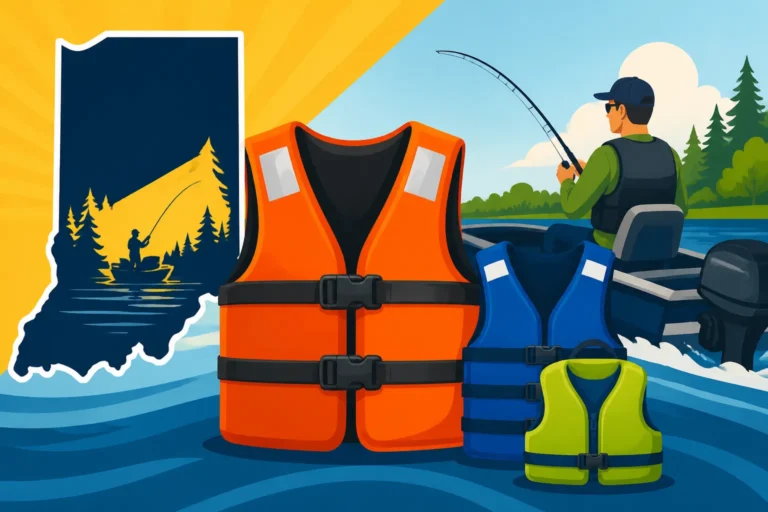
This isn't just a suggestion; it's the law and, more importantly, common sense. You must have a U.S. Coast Guard-approved Personal Flotation Device (PFD), or life jacket, on board your kayak at all times when on Indiana waters. While you don't always have to wear it, especially if you're a strong swimmer and conditions are calm, wearing it at all times is the safest practice. When you capsize in cold water or get knocked out of your kayak by a rogue wake, putting on a PFD quickly becomes incredibly difficult.
For kayak fishing, look for a PFD designed for paddlesports. These often have higher backs to avoid interfering with your kayak seat, multiple pockets for essential small gear like a whistle or a fishing license, and good ventilation to keep you comfortable. Inflatable PFDs are an option for adults, offering minimal bulk, but remember they require manual or automatic inflation and maintenance. For more details on what's required, check out resources like Best Life Jackets for Indiana Boaters. Always ensure your PFD fits properly – snug but comfortable, and test it in shallow water to ensure it actually floats you.
Beyond the PFD, a basic emergency kit is non-negotiable. This should include:
- Whistle: A sound-producing device is required by law. This is your primary way to signal for help. Do Kayak Anglers Need a Whistle in Indiana?
- Light: If you're out before dawn or after dusk, a 360-degree white light is a must. A headlamp with a white light option can also serve this purpose, but a dedicated navigation light is best.
- First-Aid Kit: A small, waterproof kit for minor cuts, scrapes, or hook mishaps.
- Water and Snacks: Hydration is key, especially on hot Indiana summer days.
- Sun Protection: Hat, sunglasses (polarized are great for spotting fish!), and sunscreen.
- Knife or Line Cutter: Essential for cutting tangled line or releasing yourself from a snag.
- Bailing Device: Even if you have scupper holes, a small bilge pump or sponge can help clear water quickly.
Paddles, Propulsion, and Anchoring Systems
Your paddle is your engine, and choosing the right one makes a huge difference in your energy levels and control on the water.
When selecting a paddle, consider its length, blade shape, and material. The length should correspond to your height and the width of your kayak. A wider kayak generally requires a longer paddle to comfortably reach the water without hitting the sides. Blade shape affects power and efficiency; narrower blades are better for longer distances, while wider blades provide more power for quick maneuvers. Carbon fiber paddles are lightweight and efficient but can be expensive. Aluminum or fiberglass options offer a good balance of durability and cost.
Beyond traditional paddles, many fishing kayaks now offer alternative propulsion systems:
- Pedal Drives: These systems, like those from Hobie or Old Town, allow you to propel the kayak with your legs, keeping your hands free for fishing. They are incredibly efficient and a game-changer for many anglers, especially when trolling or needing to hold a position in current.
- Electric Motors: Small, lightweight trolling motors can be mounted to many fishing kayaks. These offer effortless propulsion and position holding, but require a battery, adding weight and necessitating charging. Make sure to check regulations on motor size and registration requirements if you opt for an electric motor.
An effective anchoring system is crucial for staying on a productive fishing spot. For kayaks, a relatively lightweight anchor (around 1.5 to 3 pounds) is usually sufficient. A grapple anchor, which folds up for easy storage, is a popular choice for varying bottom types. However, a small mushroom anchor can work well in muddy or soft bottoms. The key is to use enough anchor line (known as scope) – typically a 7:1 ratio of line length to water depth – to ensure the anchor grips properly. A quick-release anchor trolley system is a must-have, allowing you to deploy your anchor from the bow or stern and then position the anchor line along the side of your kayak. This lets you orient yourself optimally for casting and safely release the anchor if you get snagged or need to move quickly. For small ponds, a simple drift chute or even a small chain can provide enough resistance. You can find many of these anchoring solutions and parts on Amazon or Bass Pro Shops.
Kayak Registration and Decal Requirements in Indiana
This is a critical, often-overlooked detail. In Indiana, if your kayak is propelled by any mechanical means – that includes an electric trolling motor – it must be registered with the Indiana Bureau of Motor Vehicles (BMV) and display a registration decal. If it's strictly paddle-powered, you generally do not need to register it.
However, even for paddle-only kayaks, it's wise to double-check the latest regulations, especially if you plan to access certain state properties or if new rules have been introduced. The legal requirements for boat registration and decals can be a bit confusing, but a good rule of thumb is: if it has a motor, even a tiny one, it needs to be registered. This also means you'll need to carry your registration card on board. Understanding Do Kayaks Need to Be Registered in Indiana? and Indiana Watercraft Decal Rules for Kayaks and Canoes is essential before your first motorized outing. Ignoring these rules can lead to fines, so it's always better to be compliant.
Rigging Your Kayak for Enhanced Fishing Functionality
Once you have your kayak and all your core safety gear, it’s time to trick it out for fishing! This is where you can truly customize your setup to match your specific fishing preferences and the species you target in Indiana.
Strategic Rod Holder Placement and Management
Rod holders are indispensable for kayak fishing, allowing you to carry multiple rods, troll, or safely store a rod while you're paddling or handling a fish. There are several types, and thoughtful placement makes all the difference.
- Flush Mount Rod Holders: These are permanently installed into the kayak deck, usually behind the seat. They are sleek and out of the way, great for rod storage while paddling or for trolling if your kayak is designed for it. However, once they're in, they're in – no adjusting the angle or position.
- Track Mount Systems: Many modern fishing kayaks come with integrated gear tracks (often called "accessory rails"). These allow for incredible versatility. You can slide and lock various accessories, including rod holders, anywhere along the track. This means you can adjust your rod holder's position and angle on the fly, depending on whether you're casting, trolling, or simply stowing a rod. Brands like Scotty, YakAttack, and Ram Mounts offer a wide range of compatible rod holders and mounts. For example, a Ram Tube rod holder on a track mount lets you adjust the angle for trolling or hold a rod vertically for storage.
- Crate Systems: A common DIY solution is to use a milk crate (or a purpose-built fishing crate from a brand like Hobie or YakAttack) placed in the kayak's stern. You can easily attach PVC pipe sections to the crate to create vertical rod holders. This offers mobile, flexible rod storage that's also easy to remove and carry your rods to and from the launch.
Consider your fishing style. If you primarily cast and retrieve, you might want rod holders positioned slightly forward and to the sides for easy access. If you troll for walleye on a large lake, you'll want flush mounts or track-mounted holders angled back to keep your lines spread out and clear of your paddle stroke. Having at least two rod holders is a good starting point—one for your active rod and one for a spare or a rod rigged with a different lure.
Integrating Electronics: Fish Finders and GPS
Modern electronics have revolutionized kayak fishing, giving anglers an incredible edge, especially on Indiana's larger lakes and reservoirs.
A fish finder is arguably the most impactful electronic addition to a fishing kayak. It helps you locate fish, identify underwater structure (like ledges, humps, or submerged timber), and gauge water depth and temperature—all critical information. For kayak use, portable fish finders are popular. These units typically feature a compact screen, a transducer that can be temporarily mounted to the kayak hull (often via a suction cup or clamp system), and a small, rechargeable battery. Brands like Humminbird PiranhaMax or Garmin Striker Cast offer excellent, budget-friendly options. More advanced units offer features like GPS mapping, side imaging, and down imaging, providing an incredibly detailed view of the underwater world.
When integrating a fish finder:
- Mounting: Decide on your screen mounting location. Ram Mounts are popular for their adjustability. The transducer can be mounted inside the hull (shooting through the plastic) for protection, or externally for clearer readings.
- Power: You'll need a small, sealed lead-acid (SLA) or lithium-ion battery. These can be stored in a dry bag or a dedicated battery box within the kayak. Wiring should be neat and waterproof. Look into Best Portable Fish Finders for Kayak Anglers for specific models and installation tips.
- GPS functionality: Many fish finders now include GPS, which is invaluable for marking productive fishing spots, navigating to specific locations, and tracking your drift. This is particularly useful on expansive bodies of water like Lake Monroe or when exploring new areas of the Ohio River.
Optimized Storage and Organization Solutions
Kayaks have limited space, so smart storage and organization are paramount to keeping your gear accessible, secure, and preventing frustrating tangles or lost items.
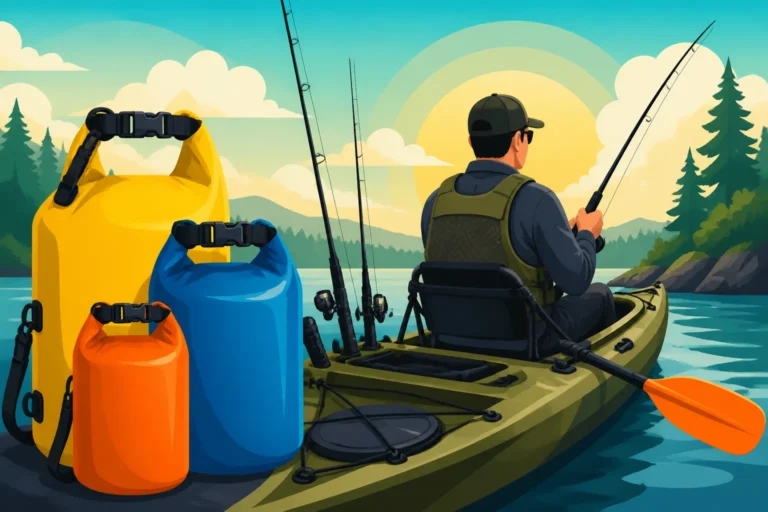
The milk crate or a purpose-built fishing crate remains a popular and highly customizable solution for the stern of your kayak. You can accessorize it with rod holders, a small tackle tray organizer, and even a cutting board. It keeps frequently accessed items organized and upright. Dry bags are essential for anything you absolutely cannot get wet—your phone, wallet, camera, or extra layers of clothing. Keep them tethered to your kayak so they don't float away if you capsize.
For tackle, small, waterproof tackle boxes that fit snugly into hatches or the crate are ideal. Prioritize only taking what you realistically need for a given outing to avoid clutter. Bungee cords, deck rigging, and mesh storage pockets are also incredibly useful for securing paddles, landing nets, and other loose items. For quick access to frequently used tools like pliers or line snips, consider retractable lanyards or magnetic tool holders mounted within easy reach. The goal is to ensure everything has a place, is secured, and is accessible without you having to perform contortions. Think about a tackle management system that works for you, whether it's specialized soft-sided bags from Bass Pro Shops or waterproof boxes you find on Amazon.
Tailoring Your Kayak Setup for Indiana's Diverse Fisheries
Indiana offers an incredible variety of fishing environments, and the beauty of kayak fishing is that you can adapt your setup to truly excel in each one. What works best for a small creek might be inadequate for the vastness of Lake Michigan.
River and Stream Specific Setups for Current and Obstacles
Indiana is crisscrossed by fantastic rivers and streams, from the gentle Tippecanoe to the mighty Wabash. Fishing these moving waters from a kayak requires a slightly different approach.
For rivers, prioritize maneuverability over outright speed. A shorter, more agile kayak will allow you to navigate tight bends, avoid fallen trees, and position yourself precisely in pockets of slack water or current seams where fish often hold. Sit-on-top kayaks with good primary stability are still excellent choices, but some experienced river anglers prefer the protected feel and efficient paddling of a sit-inside for longer upstream pushes, as long as they are comfortable with self-rescue.
Your anchoring system is especially critical in current. Instead of a heavy anchor, many river anglers use a lighter, more snag-resistant grappling anchor or even a small chain for quick stops. An anchor trolley system is non-negotiable for rivers; it allows you to quickly adjust your position relative to the current and easily release your anchor if it snags on the bottom. Drifting techniques are also very effective in rivers, so consider a drift sock or small drag chain to slow your progress and present lures naturally. Using a fish finder in a river is less about finding vast structure and more about identifying current breaks, deep holes, or submerged brush piles. Often, a portable unit with a simple depth reading is sufficient. Don't forget to research the specific river you're fishing, as some have unique characteristics. A good starting point for learning more is Fishing the Wabash River in Indiana.
Large Lake and Reservoir Configurations
Indiana boasts some truly impressive reservoirs like Monroe Lake and Patoka Lake, offering fantastic opportunities for bass, crappie, and even striped bass. These large bodies of water present different challenges and opportunities for kayak anglers.
On big lakes, you often need to cover more water, sometimes paddling significant distances. This is where a longer kayak (12-14 feet) with good tracking and speed becomes a distinct advantage. If your budget allows, a pedal-drive kayak truly shines here, freeing your hands for constant casting, trolling, or maintaining position against the wind. Stability is still crucial, as these lakes can get choppy very quickly when the wind picks up.
Advanced electronics really come into their own on large lakes. A fish finder with GPS and mapping capabilities allows you to mark waypoints, follow contour lines, and identify subtle offshore structure that holds fish. Side imaging or down imaging can help you pinpoint schools of baitfish or locate submerged brush piles with incredible precision. Battery life for these electronics becomes a more significant consideration, so ensure you have sufficient power or a backup battery. Trolling is also a popular and effective technique on large lakes for species like walleye or hybrid striped bass, which means having multiple rod holders strategically placed for spreading out your lines. Explore articles like Monroe Lake: Indiana's Largest Lake for Bass Fishing and Patoka Lake Fishing Guide for Bass and Crappie to dial in your tactics.
Lake Michigan Shoreline and Nearshore Kayak Fishing
Fishing Indiana's stretch of Lake Michigan from a kayak is a unique and thrilling experience, but it demands serious respect and specialized gear. The lake is vast, conditions can change rapidly, and the water is deep and cold. This is not for the faint of heart or the unprepared.
For Lake Michigan, maximum stability and seaworthiness are paramount. Longer, wider kayaks, often specifically designed for open water and ocean use, are highly recommended. A sit-on-top is almost universally preferred due to the ease of self-rescue in the event of a capsize. Many serious Lake Michigan kayak anglers consider a pedal-drive or even a small electric motor essential for covering water and safely returning to shore against strong winds or currents.
Your safety gear needs to be top-notch:
- Marine VHF Radio: A handheld, waterproof VHF radio is crucial for communicating with other boaters or summoning help in an emergency. Cell phones can lose signal far from shore.
- Visibility: Bright clothing, a tall flag on your kayak (often called a safety flag), and a 360-degree white light (even during the day) are vital for being seen by larger vessels.
- Cold Water Immersion Gear: Even in summer, Lake Michigan's deep waters are cold. Consider a dry suit or wet suit for added protection, especially during spring and fall.
- Serious Anchor: A heavier anchor and a robust anchor trolley are needed to hold position against Lake Michigan's currents and waves.
When it comes to fishing, trolling for salmon and steelhead is a common technique. This might involve setting up specialized rod holders for trolling, and some dedicated anglers even use miniature downriggers or planer boards designed for kayaks to get their lures to depth and spread their lines. A high-end fish finder with GPS and good depth capabilities is incredibly useful for finding thermoclines and schools of baitfish in the vast expanse. Always check the specific Lake Michigan Fishing Rules for Indiana Anglers before heading out, as regulations can differ from inland waters.
Transport, Launch, and Maintenance for Your Fishing Kayak
Having the perfect kayak setup means nothing if you can't easily get it to the water, launch it, and keep it in good condition for years of angling adventures. These practical considerations are just as important as the gear you put on your kayak.
Vehicle Transportation Solutions
Getting your kayak from your home to the launch can be a real workout if you don't have the right system. The weight and length of fishing kayaks make them more challenging to transport than recreational models.
- Roof Racks: This is the most common method. For a single kayak, J-cradles or stackers work well, securely holding the kayak on its side. For two or more, horizontal carriers or specialized stacking systems allow you to carry multiple kayaks on one vehicle. Heavy-duty roof racks are a must for heavier fishing kayaks. Always use bow and stern tie-downs in addition to straps over the kayak to prevent movement at highway speeds.
- Truck Beds: If you have a pickup truck, a bed extender is invaluable for longer kayaks. This support frame extends out from the hitch, supporting the stern of the kayak while the bow rests in the truck bed. It's often the easiest way to transport a single, longer fishing kayak.
- Trailers: For heavier kayaks or multiple kayaks, a small utility trailer or a dedicated kayak trailer is often the most convenient solution. Trailers take the strain off your back and allow for easy loading and unloading. Some anglers build custom racks on their trailers to carry multiple kayaks or gear boxes.
No matter your method, always ensure your kayak is securely fastened. Loose kayaks can be incredibly dangerous on the road. Remember to account for the added height of a roof-mounted kayak when entering garages or low-clearance areas.
Launching Techniques for Various Access Points
Not all launch points are created equal. You might encounter anything from concrete boat ramps to sandy beaches, rocky shorelines, or muddy river banks.
- Public Boat Ramps: These are often the easiest, especially if you have a kayak cart (a small wheeled trolley). You can roll your fully loaded kayak down the ramp, float it, step in, and paddle away. Just be mindful of larger boaters and try to use less congested areas or times.
- Beach/Sandy Launches: For sandy shores, simply dragging your kayak (if it's durable) or using a cart to the water's edge works well. Make sure you load your gear once the kayak is floating or in very shallow water to prevent sand from getting into sensitive areas.
- Rocky or Steep Banks: These are the trickiest. A kayak cart is almost essential to avoid damaging your hull. You may need to unload some gear before launching and then load it once you're safely afloat. Always scout these launches beforehand if possible to avoid surprises.
- Kayak Carts: Seriously, invest in a good kayak cart. They are back-savers. They allow you to transport your loaded kayak over long distances, rough terrain, and down ramps, making the entire process of getting on the water much easier, especially if you're fishing alone.
Practice your launching technique in calm, shallow water. Learn how to get in and out of your kayak gracefully without tipping, especially with all your gear onboard. It takes a little practice, but soon it'll be second nature.
Post-Fishing Care and Long-Term Storage
Taking care of your kayak and gear after each trip extends their lifespan and ensures they're ready for your next adventure.
- Cleaning: After every outing, especially if you've been in murky or salty (Lake Michigan) water, give your kayak a good rinse with fresh water. Pay attention to scupper holes, deck rigging, and any moving parts of pedal drives or rudders. This removes dirt, algae, and corrosive elements. Wipe down your rod holders and electronics too.
- Gear Check: Take a moment to inspect all your gear. Are your PFD straps intact? Is your anchor line free of fraying? Are your rods and reels clean? Replace worn-out items and address any issues. This preventative maintenance saves headaches later.
- Drying: Allow your kayak to dry completely, both inside and out, before storing it. This prevents mildew, mold, and unpleasant odors. Open all hatches to ensure proper ventilation.
- Storage: Store your kayak out of direct sunlight to prevent UV damage, which can degrade plastic over time. Store it on its side, upside down, or on a dedicated kayak rack to prevent hull warping. Never store a kayak flat on the ground for extended periods, especially if it's heavy and fully loaded. For longer periods, consider removing batteries from electronics and storing them separately.
By following these setup tips and maintaining your equipment, you'll be well on your way to countless enjoyable and productive kayak fishing trips across the beautiful waters of Indiana.
| Kayak Feature | Sit-on-Top (SOT) Kayak | Sit-Inside (SINK) Kayak |
|---|---|---|
| Primary Use | Fishing, recreation, easy re-entry | Touring, recreation, warmth, speed |
| Stability | Generally higher (especially wider models) | Moderate to high, depending on design |
| Speed/Tracking | Moderate, typically slower due to width | Higher, more efficient paddling |
| Comfort | Open deck, less constrained, get wetter | Protected from elements, drier, more enclosed |
| Gear Access | Excellent, open deck, easy to reach behind seat | Challenging from cockpit, gear often in hatches |
| Re-entry | Very easy, can often re-enter in deep water | Difficult in deep water, requires specific skills |
| Storage | Ample on deck (crate-friendly), hatches | Primarily in bow/stern hatches, often less accessible |
| Best for Indiana | Most fishing (lakes, rivers, nearshore Lake MI) | Calm lakes, slow rivers (casual fishing, colder weather) |
| Typical Length | 10-14+ feet | 8-12+ feet |
| Outfit Potential | High (rod holders, fish finders, pedal drives) | Limited for serious fishing modifications |
Disclaimer
This article is for general informational purposes only and does not constitute professional advice. Laws, prices and regulations vary by location and change over time. Consult a qualified professional for guidance on your specific situation.