Do Kayak Anglers Need a Whistle in Indiana?
Alright, fellow Hoosier anglers, let's chat about something that might seem small but can make a huge difference out on the water: safety. You've got your kayak loaded, your fishing rods are rigged, and you're ready to hit those peaceful Indiana lakes and rivers. But then a little thought pops into your head: "Do I actually need a whistle for this thing?" It’s a common question, and it speaks to a bigger concern about being prepared when you're far from shore. This guide is here to clear up the confusion, explain the regulations, and empower you with the knowledge to make smart safety choices for your kayak fishing adventures.
The Undeniable Importance of Sound Signals for Kayak Anglers
When you're out there, paddling silently along the shoreline, focused on that perfect cast, it's easy to forget that you're sharing the water with all sorts of other crafts. Bigger boats, personal watercraft, even other kayaks or canoes. And sometimes, those peaceful waters can turn surprisingly chaotic, or you might find yourself in a situation where you need to get someone's attention fast. That's where a simple sound-producing device, like a whistle, becomes an absolute lifesaver.
Think about it: the wind can carry voices away, engine noise from a passing bass boat can drown out a shout, and distance distorts everything. Trying to yell for help when you're capsized, struggling to hold onto your gear, and battling waves is not only exhausting but often futile. A sharp, piercing whistle, on the other hand, cuts through a lot of that ambient noise. It's a universal signal for distress or to simply get someone to look your way. It allows you to be proactive, signalling another boat that might be on a collision course before they get too close, rather than waiting until an emergency is already unfolding. Having a reliable way to signal isn't just about following rules; it's about giving yourself an extra layer of protection when you're most vulnerable. For more on general safety, check out our Indiana Boater Safety Gear Checklist.
Indiana's Regulations on Sound-Producing Devices for Small Vessels
Now, let's get down to the nitty-gritty of what Indiana law actually says. This is often where the confusion for kayak anglers truly sets in because the rules aren't always crystal clear for every single type of vessel. Generally, Indiana boating laws, like federal regulations, classify vessels based on length when it comes to required safety equipment.
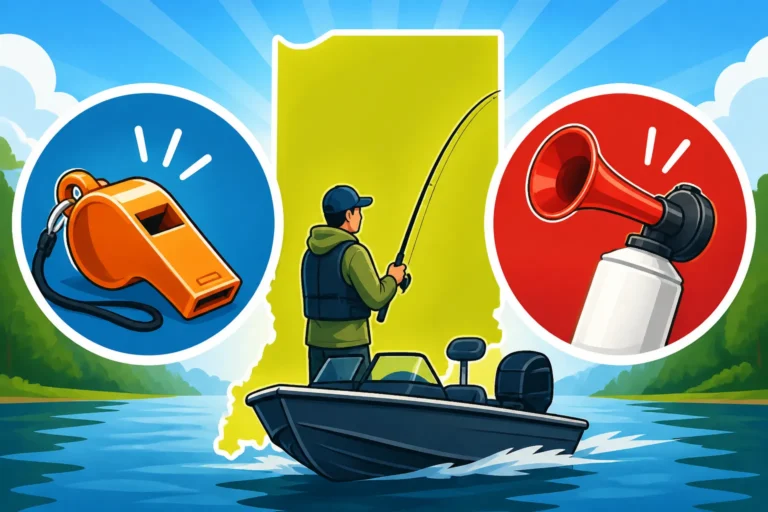
For boats under 16 feet in length, which includes most kayaks, canoes, and stand-up paddleboards, the legal requirement for a "sound-producing device" is often a bit more flexible than for larger boats. While vessels 16 feet and over typically need a horn or whistle that can be heard for at least half a mile, smaller crafts are usually required to have some means of making an "efficient sound signal." This doesn't always specify a whistle, but a whistle is certainly the most common, most affordable, and most practical way for a kayak angler to meet this requirement. It's designed to grab attention effectively, whether you're trying to signal another boater about your presence in low light or, heaven forbid, call for assistance in an emergency. It's always best to err on the side of caution and ensure you have something easily accessible. While a kayak isn't always subject to the same strict registration as a motorboat, understanding what you need on board is crucial. You might also be interested in Indiana Watercraft Decal Rules for Kayaks and Canoes to round out your knowledge.
Many people assume that because their kayak is small and hand-powered, they're exempt from many of the rules that apply to larger vessels. This isn't entirely true, especially when it comes to basic safety. The spirit of the law is to ensure all boaters can communicate and operate safely on the water. Even if you're on a quiet lake and think you're alone, conditions can change rapidly. Fog can roll in, a sudden storm can develop, or another boater might emerge from around a bend faster than you expect. A whistle provides that crucial auditory warning that your visual presence alone might not. It’s a minimal investment for potentially maximum protection, and a key piece of your Kayak Fishing Gear for Indiana Waters.
Choosing the Right Whistle for Your Kayak Fishing Adventures
Not all whistles are created equal, especially when you're talking about harsh marine environments. You want something reliable, loud, and easy to use, even if your hands are cold, wet, or you're a bit flustered.
Let's break down the main types:
- Pea Whistles: These are your traditional referee-style whistles, which have a small pea inside that vibrates to create the sound. They are generally loud and effective. However, the pea can sometimes get stuck if it gets wet, frozen, or if debris enters the whistle. For kayak fishing, where you're constantly exposed to water, this can be a drawback.
- Pealess Whistles: These whistles don't have a pea, relying on the design of their internal chambers to produce sound. This makes them incredibly reliable in wet conditions because there's nothing to get stuck. They work just as well when soaking wet as they do when dry, which is a huge plus for kayak anglers. Many modern safety whistles are pealess for this very reason.
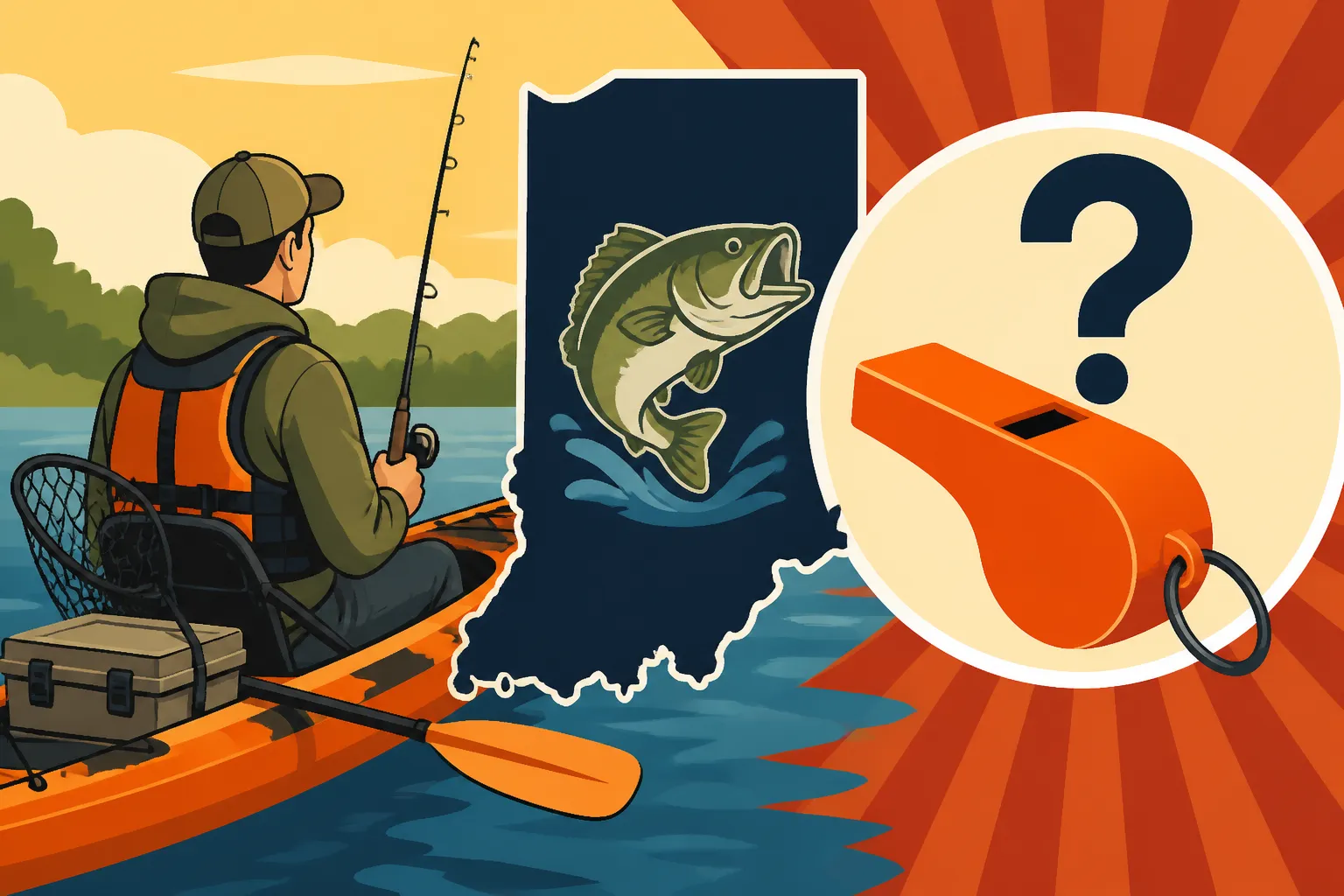
When you're shopping, consider the material. Durable plastic whistles are lightweight, often float, and resist corrosion, making them an excellent choice. Some metal whistles are also very robust, but they might be heavier and prone to rust if not made from marine-grade stainless steel. Look for bright colors (like orange or neon yellow) so they're easy to spot if dropped in the water or inside your gear bag.
Finally, think about how you'll attach it. A simple lanyard is common, allowing you to wear it around your neck or attach it to your Personal Flotation Device (PFD). Many PFDs designed for fishing actually come with a whistle integrated into a pocket or attached loop, which is a fantastic feature. The key is accessibility – you want it within easy reach, even if you're in the water. You can find excellent options at outdoor retailers like Bass Pro Shops, or browse a wide selection online at Amazon, ensuring you get one that meets your specific needs and preferences. When you're putting together your full Kayak Fishing Setup Tips for Indiana Anglers, don't overlook this crucial small item.
Beyond the Whistle: Other Essential Safety Gear for Indiana Kayak Anglers
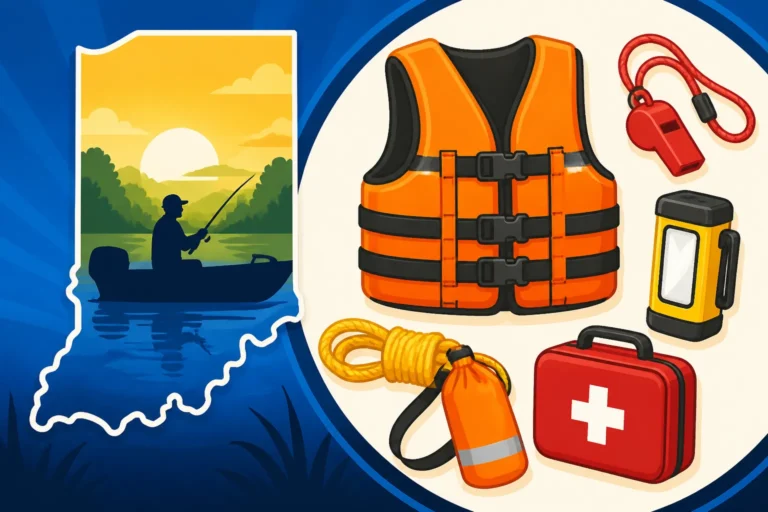
While a whistle is a vital piece of safety gear, it's just one component of a comprehensive safety strategy for kayak fishing. To truly be prepared for whatever Indiana's waters throw at you, you'll want to have a few other essentials on board.
First and foremost, a Personal Flotation Device (PFD) is non-negotiable. Not just having one in your kayak, but wearing it. Accidents happen fast, and a PFD is your primary defense against drowning. Even strong swimmers can be incapacitated by cold water shock, injury, or exhaustion. Modern fishing PFDs are comfortable, offer plenty of pockets for gear, and are designed with anglers in mind. If you're looking for guidance on this, check out Best Life Jackets for Indiana Boaters.
Next, consider visibility. Kayaks sit low in the water, making them hard for other boaters to see, especially in choppy conditions, low light, or around blind turns. A bright visibility flag mounted on a pole above your kayak can make a tremendous difference. If you plan to be out at dawn, dusk, or night, proper navigation lights are essential. A 360-degree white light, visible from all directions, is typically required after sunset and before sunrise. This is particularly important on larger bodies of water like Lake Michigan or big reservoirs where motorboat traffic can be heavy.
Communication is another critical element. While a whistle signals distress to those nearby, what if there's no one around? A waterproof dry bag containing your cell phone is a good start, but remember cell service can be spotty on some remote Indiana lakes and rivers. For serious open-water anglers, a VHF marine radio can be a lifesaver, allowing you to contact other boats or the Coast Guard (on Lake Michigan, for example) in an emergency. A small first aid kit, secured in a waterproof container, for minor cuts, scrapes, or insect bites, is also a smart addition.
Finally, always have a spare paddle or a paddle leash to prevent losing your primary means of propulsion. Losing a paddle far from shore can quickly turn a fun day into a dangerous ordeal. Being equipped with these items means you're not just hoping for the best; you're actively preparing for potential challenges. You can usually find great beginner kits and individual items at Bass Pro Shops or online at Amazon to get your safety gear sorted. It's all about being a responsible and well-prepared angler, enjoying the beauty of Indiana's fishing without unnecessary risks. You can read more about overall sound devices in Do You Need a Whistle or Horn on an Indiana Boat?.
Here’s a quick overview of essential safety gear for kayak anglers:
| Item | Purpose | Key Considerations |
|---|---|---|
| Whistle | Audible distress signal, attention getter | Pealess design, loud, easy to access, bright color |
| PFD (Life Jacket) | Personal flotation in case of capsizing | Wear it, comfortable fit, fishing-specific features |
| Visibility Flag | Increase visibility to other boaters | Tall, bright color (orange/neon), easily collapsible |
| Navigation Lights | Visibility in low light/darkness | 360-degree white light, battery life, waterproof |
| Waterproof Dry Bag | Protect electronics, first aid, spare clothes | Appropriate size, roll-top seal, durable material |
| First Aid Kit | Address minor injuries and emergencies | Waterproof case, relevant supplies (band-aids, antiseptic) |
| Spare Paddle/Leash | Prevent loss of propulsion | Secure leash, or easily accessible spare paddle |
| Communication Device | Contact for help (phone, VHF radio) | Waterproof, charged, signal strength |
| Knife/Line Cutter | Cut entangled fishing line, rope, etc. | Serrated blade, rust-resistant, easy access |
This isn't about being paranoid, it's about being prepared. The more you plan for the unexpected, the more you can truly relax and enjoy the incredible fishing opportunities Indiana offers.
Disclaimer
This article is for general informational purposes only and does not constitute professional advice. Laws, prices and regulations vary by location and change over time. Consult a qualified professional for guidance on your specific situation.