Indiana’s Fall Run: Catching Salmon and Steelhead Together
Oh, the crisp air, the vibrant leaves, and the unmistakable pull of a powerful fish on the line – that's what the fall run on Indiana's Lake Michigan tributaries is all about! But let's be real, for many anglers, especially those new to this incredible spectacle, figuring out the "when, where, and how" of catching salmon and steelhead during this chaotic, exciting season can feel like trying to untangle a hundred yards of monofilament. This comprehensive guide is here to unravel that mystery, helping you understand the fall run and equip you with the knowledge to experience the thrill of landing both salmon and steelhead as they make their way upstream.
Understanding the Fall Run Phenomenon
The fall run isn't just a fishing season; it's a natural phenomenon driven by ancient instincts, and it's a huge draw for anglers in Indiana. For weeks, the rivers and streams feeding into Lake Michigan come alive with fish pushing their way against the current. It's a truly spectacular, albeit often crowded, time to be on the water.
Why Fish Run in the Fall: The Call of Spawning
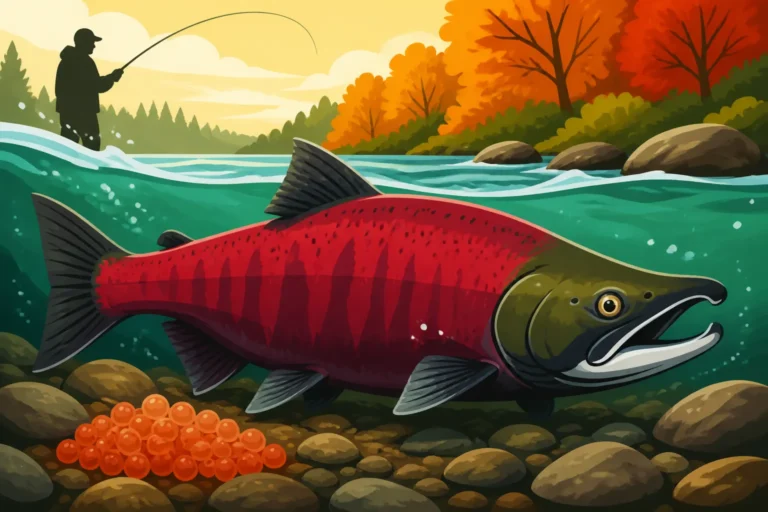
At its heart, the fall run is all about reproduction. Salmon and steelhead, anadromous fish (meaning they live in saltwater or large freshwater lakes and migrate to freshwater to spawn), are driven by an innate urge to return to the gravel beds of rivers and streams. This instinct kicks in as water temperatures begin to drop in late summer and early fall, signaling the change of seasons.
For species like Chinook and Coho salmon, this migration is a one-time, terminal event. They make the arduous journey upstream to spawn, and then their life cycle is complete. Steelhead, which are essentially rainbow trout that migrate to the lake, are a bit different. They also run upstream to spawn, but they don't necessarily die after doing so; many "drop back" to the lake and can make multiple spawning runs throughout their lives. This fundamental difference in their life cycles affects their behavior and how we target them. Imagine these fish, having spent years growing large in the vastness of Lake Michigan, now funneling into relatively small waterways, completely focused on one mission. It's truly a marvel of nature, and it concentrates these powerful fish in areas accessible to shore anglers and boaters alike.
The Dynamic Duo: Salmon and Steelhead in the Run
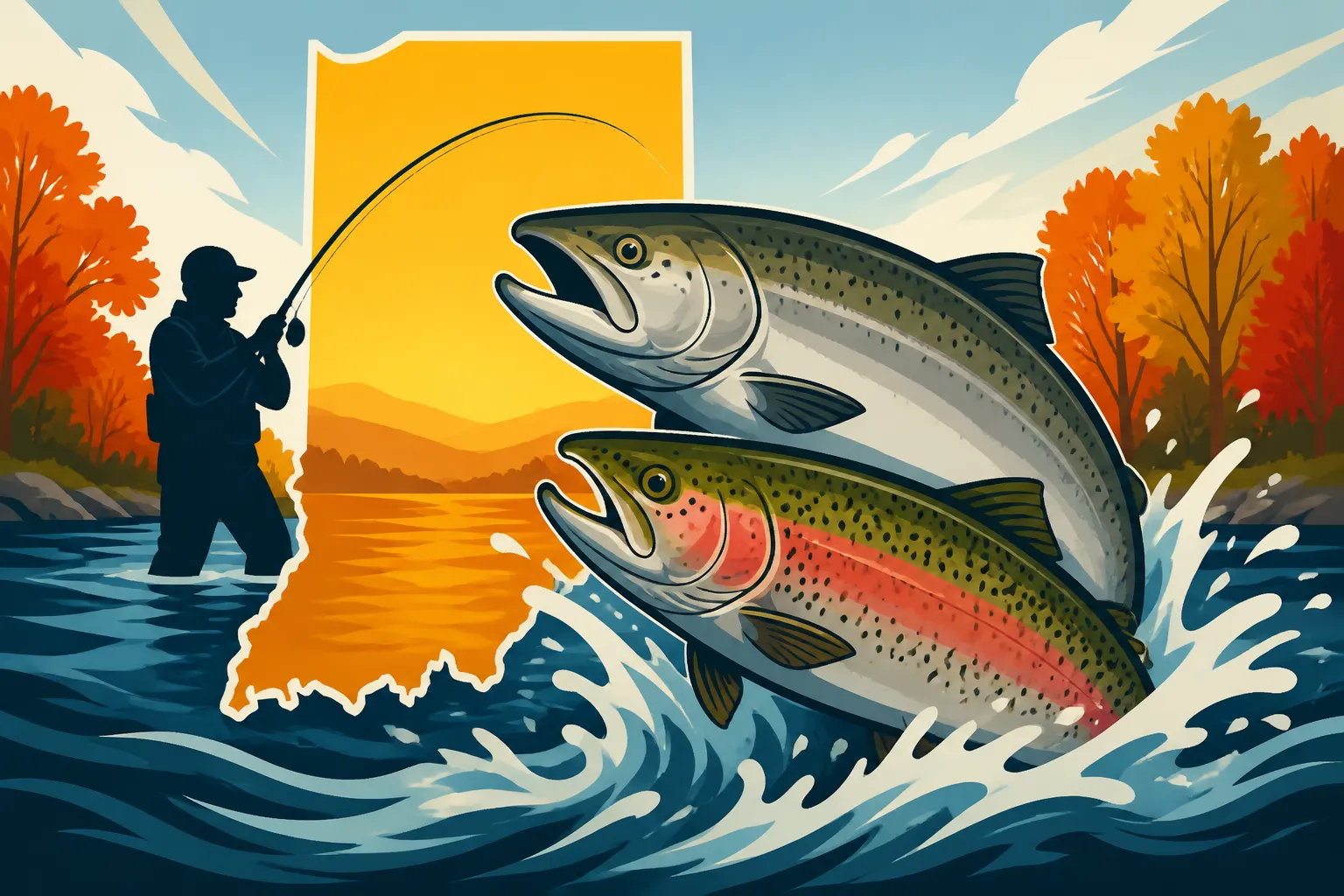
While both salmon and steelhead participate in the fall run, their specific timing and behaviors can differ, creating a dynamic fishery where you truly can catch both simultaneously. The salmon, primarily Chinook (King) and Coho (Silver), are generally the first to arrive in significant numbers, often starting their push in late August and peaking through September and into early October. They're often aggressive as they enter the rivers, though their bite can become more subtle as they get closer to spawning. These fish are big, powerful, and put up an incredible fight, often making explosive runs and acrobatic jumps.
Steelhead, on the other hand, tend to follow the salmon. They're often drawn to the rivers by the presence of salmon eggs, which become a vital food source. While some steelhead might start showing up with the early salmon, the main waves of these chrome beauties usually arrive a bit later, typically from late September through October, and often continue running well into winter, sometimes even spawning under the ice. Because steelhead are repeat spawners, they tend to be a bit more finicky, often requiring a delicate presentation, but they are also incredibly strong fighters known for their blistering runs. Anglers often find themselves fishing for salmon, only to be surprised by a hard-fighting steelhead, or vice versa, making every cast an exciting possibility. Fall Salmon Run Timing on Lake Michigan in Indiana is a great resource if you're looking for more detail on specific timing.
Prime Locations for Indiana's Fall Run
When it comes to the Indiana fall run, you're looking at the tributaries that feed into Lake Michigan in the state's northwest corner. These rivers and creeks become highways for these migrating fish. The St. Joseph River near South Bend and Mishawaka is arguably the most famous and productive. Its sheer size and consistent flow make it a prime destination for both salmon and steelhead, with numerous access points for shore anglers and boaters. Fishing the St. Joseph River in Indiana offers a deeper dive into this incredible waterway.
Other critical waterways include Trail Creek in Michigan City, Salt Creek in Portage, and the Little Calumet River. These smaller, more intimate streams can offer fantastic fishing, especially for those willing to walk and explore. While the St. Joe is a powerhouse, these smaller creeks can sometimes be less crowded and offer a more secluded experience, though success can be more dependent on water levels and recent rainfall. Knowing the regulations for Lake Michigan Fishing Rules for Indiana Anglers is crucial, as they can sometimes differ from inland state rules. Public piers along the Lake Michigan shoreline, like those in Michigan City, also offer excellent opportunities to intercept fish staging before they enter the rivers. You can often find Best Piers for Salmon Fishing in Northwest Indiana during peak season.
Essential Gear and Techniques for a Successful Fall Run
Getting ready for the fall run is half the fun! But it can also be a bit overwhelming with all the options out there. The key is to be prepared for powerful fish and varying water conditions.
Rods, Reels, and Line for the Fight
When these big salmon and steelhead hit, they hit hard, and they fight even harder. You're going to want reliable gear.
- Rods: For river fishing, a medium-heavy to heavy power spinning or casting rod, typically 8 to 10.5 feet in length, is ideal. The longer rod helps with line control, casting distance, and absorbing the shock of powerful head shakes. For steelhead, many anglers opt for a more moderate action rod, especially with lighter lines, to prevent break-offs. If you're going to be chucking heavier spoons for salmon in the lake or deeper river sections, a heavier action rod might be warranted. A good all-around option for both salmon and steelhead in the rivers would be a 9-foot, medium-heavy power rod.
- Reels: A high-quality spinning reel in the 3000-4000 size range, or a baitcasting reel with a good drag system, is essential. The drag is your best friend when a big salmon decides to peel off line like a freight train. Make sure your reel holds enough line; 200 yards is a good minimum.
- Line: This is where opinions often diverge! Many anglers prefer braided line (20-30 lb test) as their main line because of its strength, lack of stretch, and sensitivity. It lets you feel even the slightest tap. However, braid can be visible to fish, so you'll almost always want a fluorocarbon leader (8-15 lb test) tied to your braid. Fluorocarbon is nearly invisible underwater and has good abrasion resistance against sharp rocks and fish teeth. For those who prefer a more traditional approach, monofilament (10-15 lb test) offers good shock absorption, which can be beneficial with hard-hitting fish, and it's more forgiving. Personally, I'm a fan of braid with a fluoro leader; it gives me the best of both worlds. You can find a huge selection of quality lines and leader material on Amazon, often with detailed reviews to help you choose.
Baits and Lures That Get Bites
The fall run is all about presentation, and having a diverse tackle box is key.
- Spawn Bags: These are arguably the most effective bait during the fall run. They're small mesh bags filled with cured salmon or steelhead eggs. Fish can't resist them because they're a natural food source during spawning season. You can buy them pre-tied or make your own. Different color mesh (pink, orange, chartreuse) and egg sizes can make a difference.
- Skein: This is basically a chunk of salmon or steelhead egg sac, fished like a bigger version of a spawn bag. It has a powerful scent trail and can be deadly, especially for staging fish.
- Crankbaits and Spoons: For aggressive, fresh-run salmon and steelhead, particularly in deeper pools or larger river sections, casting or trolling crankbaits and spoons can be very effective. Popular choices include Rapala Jointed Shad Raps, Kwikfish, and various casting spoons like Little Cleos or Krocodiles. Bright colors and flashy finishes often get the most attention.
- Beads: Trout beads, designed to imitate a single fish egg, are incredibly popular for steelhead. They're typically drifted under a float, mimicking a natural egg tumbling downstream. You'll want a variety of sizes and colors (orange, chartreuse, natural egg hues).
- Jigs (tipped with wax worms or plastics): Small marabou or chenille jigs, often tipped with a live wax worm, a piece of plastic worm, or even a small spawn bag, are fantastic for steelhead and sometimes even sluggish salmon. The slow, tantalizing fall of a jig can trigger bites when fish are less aggressive.
- Flies: For fly anglers, egg patterns, stoneflies, and streamer patterns that imitate baitfish are essential. Fly fishing during the run offers a unique challenge and can be incredibly rewarding.
Remember, fish often have a preference based on water clarity and sunlight, so having a range of options is crucial.
Techniques for Tributary Fishing
River fishing for salmon and steelhead is primarily a finesse game, even with powerful fish on the line.
- Drifting (Float Fishing): This is perhaps the most popular and effective technique. You're using a float (bobber) to present your bait (spawn bag, bead, jig) naturally downstream at the fish's level. The key is to match the current speed, keeping your line tight enough to detect subtle bites but loose enough for a natural drift. You're essentially letting the current do the work. This method is incredibly versatile and works well for both salmon and steelhead in various river conditions.
- Bottom Bouncing/Slinky Drifting: In deeper, faster water, or when fish are holding tight to the bottom, a bottom-bouncing rig with a small weight (slinky or pencil lead) can be effective. This keeps your bait near the bottom where fish are holding.
- Casting Spoons/Crankbaits: When fish are active and aggressive, especially early in the run, casting and retrieving spoons or crankbaits can entice a reaction strike. Focus on casting across currents, letting the lure swing, or retrieving it through deeper pools and runs. This can be particularly effective for freshly arrived salmon.
- Back-Trolling/Jet Boating: On larger rivers like the St. Joseph, anglers in jet boats or drift boats will often back-troll crankbaits or drift baits through prime runs. This allows them to cover more water and present baits to fish holding in deeper channels.
Mastering these techniques takes practice, but the rewards are well worth it. Watching your float disappear or feeling that sharp thump on your line is an unforgettable experience.
Regulations and Your Indiana Fishing License
Before you even think about hitting the water, make sure you're properly licensed and informed about the specific regulations for the fall run. Every angler 18 years of age and older needs an Indiana Fishing License Requirements Explained.
- Indiana Fishing License: A basic Indiana fishing license is your entry ticket. You can easily purchase or renew one online through the Indiana Department of Natural Resources (DNR) website, at bait shops, or even through Amazon gift cards if you want to prep your budget!
- Trout and Salmon Stamp: If you're targeting or possessing salmon and trout, which you absolutely will be during the fall run, you must also purchase an Indiana Trout and Salmon Stamp Requirements. This stamp is an additional fee but is crucial for legal fishing. It directly supports trout and salmon stocking programs, so you're helping maintain this amazing fishery. Total Cost of an Indiana Fishing License With the Trout Stamp is a helpful resource for budgeting.
- Bag and Size Limits: These can vary by species and even by specific water body, so always check the current Indiana Fishing Regulations Guide. Typically, there are limits on the number of salmon and steelhead you can keep per day, and sometimes minimum size requirements. For instance, Lake Michigan Fishing Rules for Indiana Anglers will outline specific rules for salmon and trout, which are distinct from general inland fishing regulations. Ignorance of the law is no excuse, and penalties for fishing without a license or exceeding limits can be steep.
It's your responsibility to know the rules, so always consult the most current Indiana Fishing Regulations booklet before your trip. These are often available at bait shops, DNR offices, or online.
Timing Your Trip for Peak Action
The "fall run" isn't a single, uniform event; it's a progression, and understanding the nuances of timing can greatly improve your chances of success.
When to Expect Chinook and Coho Salmon
The first wave of true "run" fish usually consists of Chinook (King) salmon, with Coho (Silver) salmon often following closely or mixed in.
- Chinook Salmon (Kings): These giants typically start showing up in late August and become more prevalent through September. The peak of the Chinook run often occurs from mid-September to early October, depending on water temperatures and rainfall. Cooler temperatures and fresh rain that raises river levels tend to trigger bigger pushes of fish upstream. Early in the run, fresh Chinooks can be incredibly aggressive, hitting large spoons and crankbaits. As they spend more time in the river, their focus shifts from feeding to spawning, and they become more interested in egg patterns and subtle presentations like spawn bags. Chinook Salmon Fishing on Indiana's Lake Michigan Shore details prime opportunities.
- Coho Salmon (Silvers): Coho usually arrive a bit after the main push of Chinooks, often peaking from late September through mid-October. They are known for their acrobatic fights and can be very aggressive, especially with bright, flashy lures. Coho often run slightly smaller than Chinooks but make up for it with their fighting spirit. Their run can often overlap with the later stages of the Chinook run and the early stages of the steelhead run, presenting the perfect opportunity for catching both salmon and steelhead together. Coho Salmon Run Timing in Indiana is a great article to check out for specific details.
If you're aiming for that mixed bag of salmon, late September to early October is often your sweet spot, giving you a chance at both species before the bulk of the steelhead arrive.
When Steelhead Make Their Move
Steelhead are a bit different, and their run often extends much longer than the salmon run, making them a fantastic target from fall into winter.
- Early Steelhead: You'll start to see smaller numbers of steelhead mixed in with the salmon by late September and early October. These early fish are often drawn to the rivers by the presence of salmon and their eggs, which provide a readily available food source.
- Peak Fall Steelhead: The main push of fall-run steelhead typically occurs from mid-October through November. As the water cools further and many salmon have completed their spawning, steelhead become the dominant species in the rivers. They will continue to enter the rivers throughout the winter, sometimes even spawning when conditions allow.
- Winter and Spring Steelhead: Unlike salmon, steelhead remain in the rivers for much longer, often through the winter and into the spring spawn. This means that even after the salmon run has tapered off, the steelhead fishing can remain excellent, especially during warmer spells or after a fresh rain. Don't put your gear away too soon!
Weather and Water Conditions: The Angler's Dilemma
More than perhaps any other type of fishing, the fall run is dictated by Mother Nature. Anglers often find themselves obsessively checking weather forecasts and river gauges.
- Rainfall: Fresh rain is a double-edged sword. A good rain can raise river levels and trigger a massive push of new fish from the lake. It can also stir up sediment, leading to muddy water that can shut down the bite, at least temporarily. Ideal conditions are often a bump in water levels followed by a period of stable or slowly dropping, clearing water.
- Water Temperature: Cooler water temperatures are the primary trigger for the run. As lake temperatures drop, fish feel the urge to move. Once they're in the rivers, extreme cold can make them sluggish, while slightly warmer, stable temperatures can increase their activity. Steelhead, in particular, tend to tolerate colder water better than salmon.
- Water Clarity: This is HUGE. Crystal clear water can make fish very spooky and difficult to approach, especially in smaller streams. Overly muddy water can make it hard for fish to find baits and for anglers to spot fish. The "sweet spot" is often slightly stained water, what anglers call "steelhead green" or "tea colored." This gives fish a sense of security and makes them more willing to bite. After heavy rains, it's often best to wait a day or two for the rivers to drop and clear slightly.
It can be frustrating when conditions aren't perfect, but that's part of the challenge and reward of fall-run fishing. Flexibility and adaptability are key. Sometimes, the best day to fish is simply the day you can go, even if conditions aren't "ideal."
Respecting the Resource: Regulations and Ethics
As passionate anglers, it's our responsibility to not only enjoy the fishery but also to protect it for future generations. This means understanding and adhering to regulations, and practicing ethical angling.
Key Indiana Fishing Regulations
Beyond your basic license and trout stamp, there are specific rules you need to be aware of during the fall run. These regulations are designed to manage fish populations and ensure sustainable fishing.
- Gear Restrictions: Some areas or times of year might have specific gear restrictions. For example, some stretches of river might be fly-fishing-only, or require single, barbless hooks. Always check the current regulations booklet for the specific waterway you plan to fish.
- Snagging/Foul Hooking: Intentionally snagging fish (hooking them anywhere other than the mouth) is illegal in Indiana. During the fall run, fish are often concentrated, and it can be easy to accidentally foul-hook a fish. If you do, it's generally recommended to release it immediately. Repeated foul hooking indicates you might need to adjust your technique or location.
- Open Seasons: While the fall run is generally open, some specific sections of rivers or streams might have different open/closed seasons or reduced hours. This is especially true near spawning areas. Always confirm the local rules.
Understanding these details is part of being a responsible angler. The Indiana DNR website is always the most up-to-date source for these regulations.
The Importance of the Trout and Salmon Stamp
We touched on this earlier, but it's worth reiterating: the Indiana Trout and Salmon Stamp Requirements is more than just another fee; it's an investment in the fishery. The revenue generated from these stamps directly funds the stocking programs that bring Chinook, Coho, and steelhead to Lake Michigan and its tributaries. Without these stocking efforts, Indiana's fall run fishery simply wouldn't exist in the bountiful way it does.
Think of it as contributing directly to your fishing success. By purchasing the stamp, you're helping ensure that there will be plenty of strong, healthy fish making their way upstream for years to come. It’s a small price to pay for the incredible angling opportunities it provides. What the Indiana Trout and Salmon Stamp Covers offers more insight into its value.
Ethical Angling Practices
Beyond the letter of the law, there's the spirit of ethical angling. Especially during crowded times like the fall run, practicing good etiquette and fish care is vital.
- Respect Other Anglers: Fall run fishing can get crowded, especially on popular stretches of river. Be mindful of casting space, don't crowd other anglers, and communicate if you're going to move upstream or downstream. A simple "Mind if I fish this spot?" goes a long way.
- Catch and Release: While keeping some fish for the table is perfectly fine (and delicious!), practicing selective harvest and catch-and-release is crucial for preserving the fishery. If you plan to release a fish, minimize its time out of water. Use a net to land it quickly, keep it in the water if possible, and remove the hook gently.
- Proper Fish Handling: Wet your hands before handling fish to protect their protective slime coat. Avoid squeezing them, especially around their gills. If taking a photo, do it quickly and support the fish horizontally with two hands.
- Leave No Trace: Pack out everything you pack in. Don't leave discarded line, bait containers, or trash on the banks. Let's keep Indiana's beautiful fishing spots pristine.
By following these guidelines, we ensure that everyone has a positive experience and that the incredible fall run fishery remains healthy and vibrant for future generations to enjoy.
Salmon vs. Steelhead: A Quick Reference
To help you distinguish between these two incredible fish during the heat of the moment, here's a quick comparison:
| Feature | Chinook Salmon (King) | Coho Salmon (Silver) | Steelhead (Rainbow Trout) |
|---|---|---|---|
| Overall Shape | Larger, heavier bodied, powerful | More slender, agile | Streamlined, trout-like |
| Mouth/Teeth | Dark gums, small teeth, often very pronounced kype | White gums, dark mouth, small teeth | White gums, small teeth, less pronounced kype |
| Tail Spots | Black spots on both upper and lower lobes of tail | Spots primarily on upper lobe of tail, less defined | Spots throughout the tail, often more pronounced |
| Color (Run) | Dark olive-green, brown, or black, often with red/purple hues | Darker back, silver sides, some reddish blotches | Chrome silver, often with a pink/red stripe down side |
| Typical Size | Can reach 20-30+ lbs (Indiana) | Typically 6-15 lbs (Indiana) | Typically 5-15 lbs (Indiana), can be larger |
| Life Cycle | Die after spawning | Die after spawning | Can survive and spawn multiple times |
| Fight | Deep, powerful runs, head shakes | Acrobatic jumps, fast runs | Blistering runs, aerial displays, unpredictable |
| Run Timing | August-Early October (Peak Sept-Early Oct) | September-Mid October (Peak Late Sept-Mid Oct) | Late September-Spring (Peak Oct-Nov for fall run) |
This table provides a general overview, but fish coloration and appearance can vary depending on how long they've been in the river and their individual genetics. The most reliable identification markers are often the mouth coloration (gums) and spotting on the tail.
Disclaimer
This article is for general informational purposes only and does not constitute professional advice. Laws, prices and regulations vary by location and change over time. Consult a qualified professional for guidance on your specific situation.