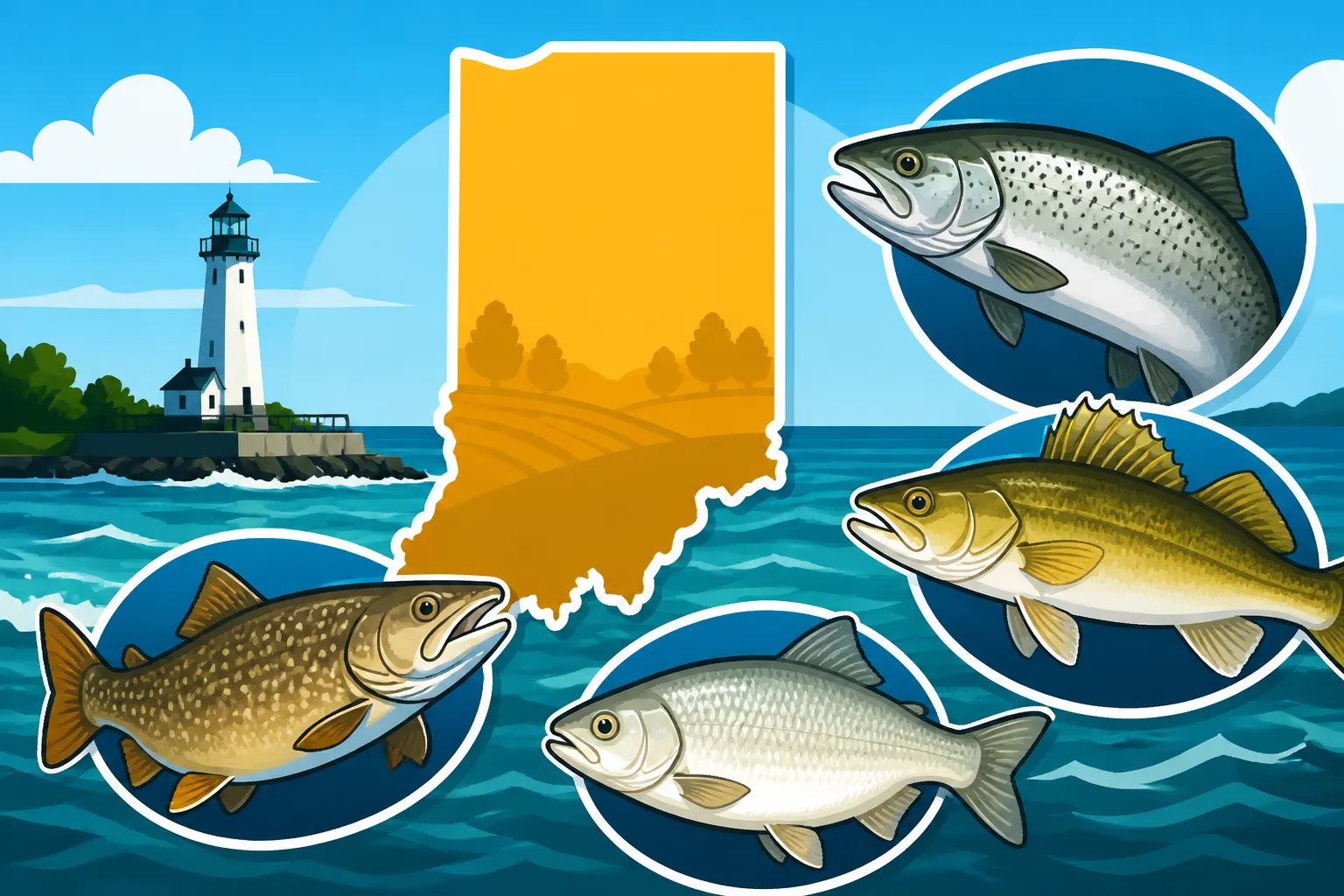
What Fish Can You Catch Only on Lake Michigan?
Many anglers in Indiana spend their days chasing bass, walleye, or panfish in our beautiful inland lakes and rivers. But then there's Lake Michigan, this massive, almost oceanic body of water that feels like a whole different world right here in our backyard. It's easy to wonder if the fish you target there are the same as those in, say, Monroe Lake, or if this vast lake holds some truly unique catches. This guide will dive deep into the specific fish species you can only find or primarily target in Indiana's Lake Michigan waters, helping you understand what makes this fishery so special.
The Unique Allure of Lake Michigan's Fishery
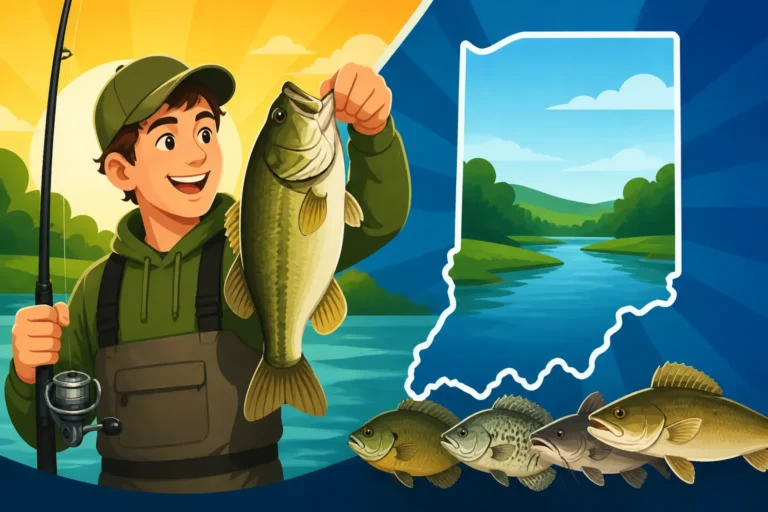
When we talk about fishing in Indiana, most of us picture serene lakes, winding rivers, or maybe a quiet farm pond. These waters are fantastic, offering up plenty of largemouth bass, bluegill, crappie, and channel catfish. But then there's Lake Michigan, a Great Lake, and it truly operates by its own set of rules, both in terms of regulations and the species that thrive there. The sheer size, depth, and cold, clear waters of Lake Michigan create an ecosystem that supports fish species you simply won't encounter in our state's interior lakes. It's a different kind of fishing, often requiring different gear, techniques, and a whole lot of respect for the lake's power.
This unique environment means that if you're looking for certain trophy game fish, your best—and often only—bet within Indiana's borders is Lake Michigan. While some species might make a brief appearance in tributary rivers during spawning runs, their true home and where they spend the vast majority of their lives is out in the big lake. It's an exciting challenge, and for many, it's the pinnacle of sport fishing in our state.
Why Lake Michigan is Different from Inland Lakes
The difference starts with geology. Our inland lakes are generally shallower, warmer, and were formed by glacial activity or are man-made reservoirs. Lake Michigan, on the other hand, is one of the deepest freshwater lakes in the world, a vast body of water that supports a cold-water fishery. This cold water is crucial. Many of the fish species that thrive in Lake Michigan, like various salmon and trout, require consistently cold temperatures to survive and reproduce. Our inland lakes just don't offer that kind of sustained cold, deep water, especially through the hot Indiana summers.
Beyond temperature, the food web is also distinct. Lake Michigan has a different array of baitfish, invertebrates, and nutrients, all contributing to the growth and health of its unique inhabitants. You'll find different predatory species at the top of the food chain, each perfectly adapted to the vastness and conditions of the Great Lakes. This is why when you hear about trophy salmon or steelhead fishing, your mind should immediately turn to the northwest corner of our state. Remember, Does Lake Michigan Follow the Same Rules as the Rest of Indiana?, and the answer is often a resounding no, especially when it comes to the fish swimming in its depths.
The Influence of Stocking Programs
Another significant factor in Lake Michigan's distinct fish population is strategic stocking. Many of the premier sport fish found in Lake Michigan are not native to the Great Lakes, or their populations have been heavily supplemented by state and federal stocking programs. These programs are vital for maintaining healthy populations of species like Chinook salmon, Coho salmon, and certain trout species. Without them, the vibrant fishery we enjoy today simply wouldn't exist.
These stocking efforts are a testament to the dedication of wildlife agencies to provide exceptional angling opportunities. They carefully monitor fish health, growth rates, and return rates to ensure the programs are effective. This means that while some of these species might enter tributary rivers for spawning, the majority of their life cycle and their primary feeding grounds are exclusively within the vast expanse of Lake Michigan. So, when you're out there, reeling in a powerful king salmon, you're experiencing the direct result of these long-term conservation and management efforts.
Salmon Species: Kings, Cohos, and More
When most people think of Lake Michigan fishing, salmon are probably the first fish that come to mind. And for good reason! The salmon fishery here is truly world-class, offering thrilling battles and impressive catches that are unlike anything you'll find in Indiana's inland waters. These powerful, silver-sided torpedoes are a prime target for many anglers, especially during their famous fall spawning runs.
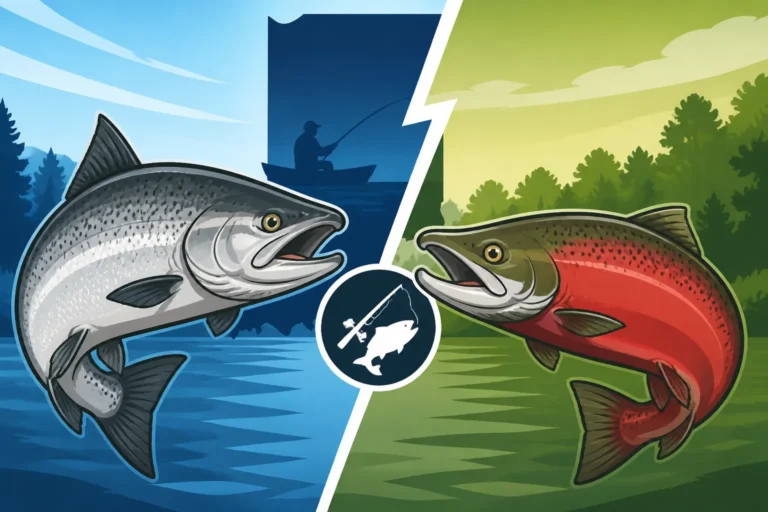
There are primarily two main species of salmon that anglers target in Lake Michigan: Chinook salmon, often called "King salmon," and Coho salmon. Both offer incredible sport, but they have distinct characteristics and preferred habits. While they might occasionally venture into the lower reaches of rivers connected to the lake, they live, feed, and grow large in the cold, open waters of Lake Michigan. Targeting them often involves specialized gear and techniques, particularly trolling with downriggers far offshore.
Chinook Salmon: The Kings of Lake Michigan
Chinook salmon, affectionately known as King salmon, are the undisputed heavyweights of Lake Michigan's salmon fishery. These fish are renowned for their incredible size and brute strength, offering truly unforgettable fights. They can grow to impressive sizes, often exceeding 20 pounds, with some trophy fish pushing well beyond that. Landing one of these giants is a testament to an angler's skill and endurance. If you're wondering How Big of a Boat Do You Need for Lake Michigan Salmon Fishing, it's because these fish demand serious equipment.
Chinook salmon spend most of their lives offshore, feeding on alewives and other baitfish, rapidly gaining weight. They are powerful predators, and when hooked, they make blistering runs and dogged dives, testing both angler and tackle. Their flesh is rich and flavorful, making them a highly sought-after catch for the dinner table as well. If you're venturing out for Chinook Salmon Fishing on Indiana's Lake Michigan Shore, be prepared for a fight, and make sure your reels are spooled with strong line! You can find a wide range of suitable heavy-duty fishing gear, including robust reels and strong line, on online marketplaces like Amazon, often at competitive prices.
Coho Salmon: The Leaping Acrobats
While perhaps not reaching the sheer size of their Chinook cousins, Coho salmon offer a fantastic fishing experience with their acrobatic leaps and aggressive strikes. Cohos are generally smaller than Chinooks, typically weighing in at 5-10 pounds, but they make up for it with their feisty nature. They are known for spectacular aerial displays when hooked, often jumping clear out of the water multiple times during a fight.
Coho salmon also provide an excellent fishery, particularly in the spring and during the fall run. They tend to feed closer to the surface than Chinooks and can be targeted with different trolling setups. Identifying them can be a fun challenge, but understanding Coho Salmon Identification: Spotting the Fall Run can help you differentiate your catch. They are a beloved species for many anglers who enjoy a spirited fight and the challenge of keeping them hooked through their impressive jumps.
Pink and Atlantic Salmon: Rare Encounters
While Chinook and Coho salmon are the bread and butter of the Lake Michigan salmon fishery, anglers occasionally report catching other species, such as Pink salmon (also known as "humpies") and even Atlantic salmon. These are much rarer occurrences and are not part of the regular targeted fishery in Indiana's waters. Pink salmon populations are more established in other Great Lakes, and Atlantic salmon are present in very limited numbers due to stocking efforts in other parts of the Great Lakes system.
Catching one of these rarer salmon species in Indiana's Lake Michigan waters would be quite an achievement and a true surprise. They represent the diverse, albeit sometimes transient, nature of the Great Lakes ecosystem, where fish can travel vast distances. For most anglers, however, the focus remains firmly on the abundant and exciting Chinook and Coho salmon that define the Lake Michigan experience.
Trout Species: Steelhead, Lake Trout, and Brown Trout
Beyond the salmon, Lake Michigan is also home to a phenomenal trout fishery, offering several distinct species that thrive in its cold, deep waters. These trout are another reason why Lake Michigan stands apart from our inland fishing opportunities, providing a diverse range of challenges and rewards for anglers. Much like salmon, these trout species are cold-water specialists and cannot sustain viable populations in Indiana's warmer, shallower inland lakes.
From the shimmering silver of a leaping steelhead to the deep-water mystery of the lake trout, and the elusive beauty of a brown trout, Lake Michigan has something for every trout enthusiast. Each species has its own preferred habitat, feeding patterns, and fighting style, making for a varied and exciting fishing experience. Many of these fish are also part of crucial stocking programs, ensuring a healthy and robust population for future generations of anglers.
Steelhead (Rainbow Trout): The Chrome-Plated Fighters
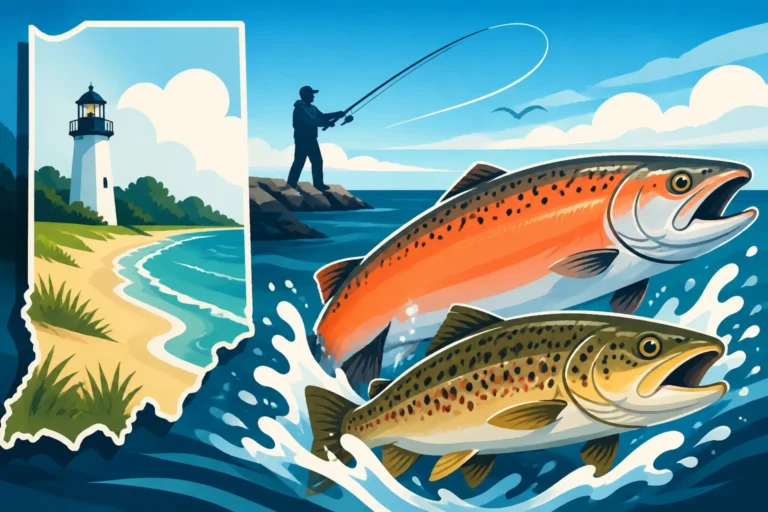
Steelhead are, in essence, rainbow trout that have migrated to the Great Lakes. They are anadromous, meaning they live most of their lives in the lake but return to tributary rivers to spawn. When they're in the lake, they are magnificent, chrome-silver fish, known for their incredible strength, speed, and aerial acrobatics. Steelhead vs Rainbow Trout: What Sets Them Apart mostly comes down to their lifecycle and size potential, with lake-dwelling steelhead growing significantly larger and fighting harder.
Anglers target steelhead both in the open waters of Lake Michigan and during their spawning runs up rivers like the St. Joseph River. In the lake, they are often caught trolling, much like salmon. When they enter the rivers, they become a favorite target for fly anglers and those using lighter tackle, offering a completely different kind of challenge. The Fall Salmon Run Timing on Lake Michigan in Indiana also often coincides with good steelhead fishing, as they follow the salmon into the rivers.
Lake Trout: The Deep-Water Dinosaurs
Lake trout are true natives of the Great Lakes and are perfectly adapted to the cold, oxygen-rich depths of Lake Michigan. These fish are long-lived and can grow to enormous sizes, often exceeding 30 pounds. They are powerful, deep-dwelling predators that present a unique challenge to anglers, often requiring specialized deep-water trolling gear, like downriggers, to reach them. If you're looking for a tackle upgrade for this kind of fishing, checking out options on Amazon can be a good starting point for finding heavier weights and deeper-diving lures.
Unlike salmon and steelhead, lake trout generally do not make significant spawning runs into rivers. They spawn on rocky shoals and reefs in the lake itself. Targeting them means understanding their deep-water habits and being prepared for a strenuous fight from a fish built for endurance. Lake Trout Fishing on Indiana's Lake Michigan Waters is a distinct experience, focusing on precision and patience in the deeper, colder parts of the lake. Their flesh is rich and oily, making for excellent smoked fish.
Brown Trout: The Elusive Beauties
Brown trout are another highly prized cold-water species found in Lake Michigan. While they don't typically reach the gargantuan sizes of lake trout or the sheer numbers of salmon, brown trout are highly respected for their elusiveness, beauty, and spirited fight. They are known for their distinctive golden-brown coloration, often adorned with dark spots ringed in lighter halos. Brown Trout Identification: Spots and Coloring helps set them apart from other trout species.
Brown trout often prefer shallower, cooler nearshore waters, especially during the colder months, making them accessible to pier anglers and those fishing closer to shore. They can be incredibly wary and require a stealthy approach and presentation. When hooked, they are strong fighters, often making powerful runs. Catching a large brown trout from Lake Michigan is a notable accomplishment, cherished by those who appreciate a challenging and rewarding fishing experience.
Why Lake Michigan Stands Apart from Inland Waters
It's clear by now that Lake Michigan isn't just another body of water in Indiana; it's a completely different angling universe. The array of fish species found there, particularly the salmon and trout, are unique to this Great Lake ecosystem within our state's borders. These cold-water species cannot sustain themselves in the shallower, warmer, and less vast inland lakes that characterize most of Indiana's fishing landscape. Understanding this distinction is key to appreciating the incredible resource we have in our small stretch of Lake Michigan coastline.
For anyone serious about targeting these magnificent fish, Lake Michigan is the destination. It requires specific knowledge, often specialized gear, and a willingness to brave the unpredictable nature of a Great Lake. But the rewards are unparalleled: the chance to hook into a trophy King salmon, a leaping steelhead, or a deep-dwelling lake trout.
Different Fish, Different Rules
Because Lake Michigan supports such a different fishery, it also comes with its own unique set of regulations. Bag limits, length limits, and even tackle restrictions can vary significantly from what you might be used to on your local reservoir or river. This is crucial for managing these often-stocked populations and ensuring sustainable fishing for generations to come. Before you head out, it's always wise to consult the latest regulations specific to Lake Michigan.
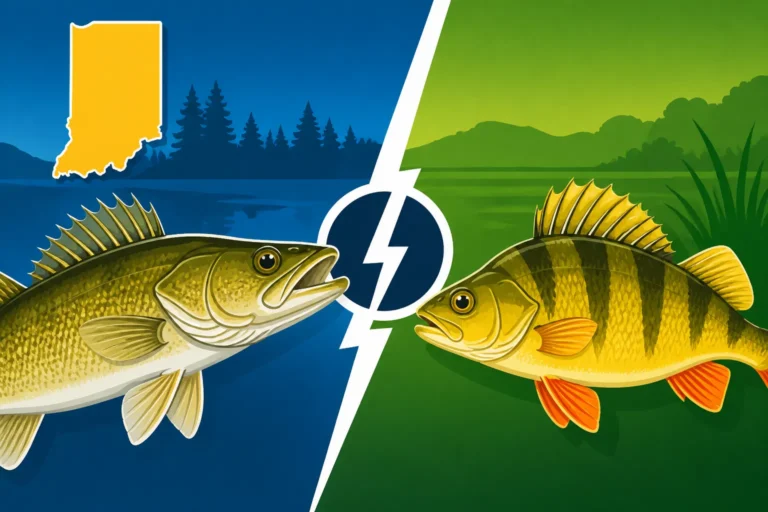
For example, the rules governing walleye in Lake Michigan might differ from those found in Bass Lake or Lake George. The sheer scale and shared borders with other states mean a more complex regulatory environment, designed to protect these unique resources. Always double-check Lake Michigan Fishing Rules for Indiana Anglers before you cast a line, as ignorance of the rules is never an excuse.
Gear Up for the Great Lake
Fishing Lake Michigan isn't just about different fish; it's about different gear. Many of the techniques for targeting salmon and trout involve specialized equipment that would be overkill—or simply ineffective—in an inland lake. Trolling offshore for salmon and lake trout often means heavy-duty rods and reels, downriggers to get lures to precise depths, and planer boards to spread out your lines. If you're looking to start trolling, you can often find comprehensive starter kits or individual components like downriggers on Amazon.
Even for pier fishing or targeting steelhead in tributary rivers, the demands on your tackle can be higher. Stronger lines, more robust hooks, and specialized lures designed to imitate Lake Michigan baitfish are often necessary. It's an investment, but one that pays off when you're battling a hard-fighting king salmon or a powerful steelhead. Consider what you'll need for What to Bring for Indiana's Fall Salmon Run and start assembling your Lake Michigan arsenal.
The Lake Michigan Experience
Ultimately, what makes the fish you catch on Lake Michigan unique isn't just their species name; it's the entire experience surrounding them. It's the vast expanse of blue water, the possibility of encountering rough seas, the camaraderie of a charter boat, or the solitary pursuit from a pier. It's the knowledge that these powerful fish have traveled far and wide in an inland ocean.
Whether you're after the trophy potential of a Chinook, the aerial artistry of a Coho, the dogged fight of a Lake Trout, or the elusive nature of a Brown Trout, Lake Michigan offers an angling adventure unlike any other in Indiana. It’s a place where the scale of the fishing matches the scale of the water, providing memories and catches that truly stand apart.
| Fish Species | Primary Habitat in Indiana | Unique Lake Michigan Aspect | Typical Size Range |
|---|---|---|---|
| Chinook Salmon | Lake Michigan (offshore) | Largest salmon, stocked extensively, rarely in inland lakes | 10-30+ lbs |
| Coho Salmon | Lake Michigan (nearshore) | Acrobatic fighters, stocked, fall runs in tributaries | 3-15 lbs |
| Steelhead | Lake Michigan & tributaries | Anadromous rainbow trout, powerful fighters, stocked | 5-20 lbs |
| Lake Trout | Lake Michigan (deep water) | Native to Great Lakes, deep dwellers, can grow very large | 5-30+ lbs |
| Brown Trout | Lake Michigan (nearshore) | Elusive, stocked, prefers cooler nearshore zones | 2-15 lbs |
Disclaimer
This article is for general informational purposes only and does not constitute professional advice. Laws, prices and regulations vary by location and change over time. Consult a qualified professional for guidance on your specific situation.