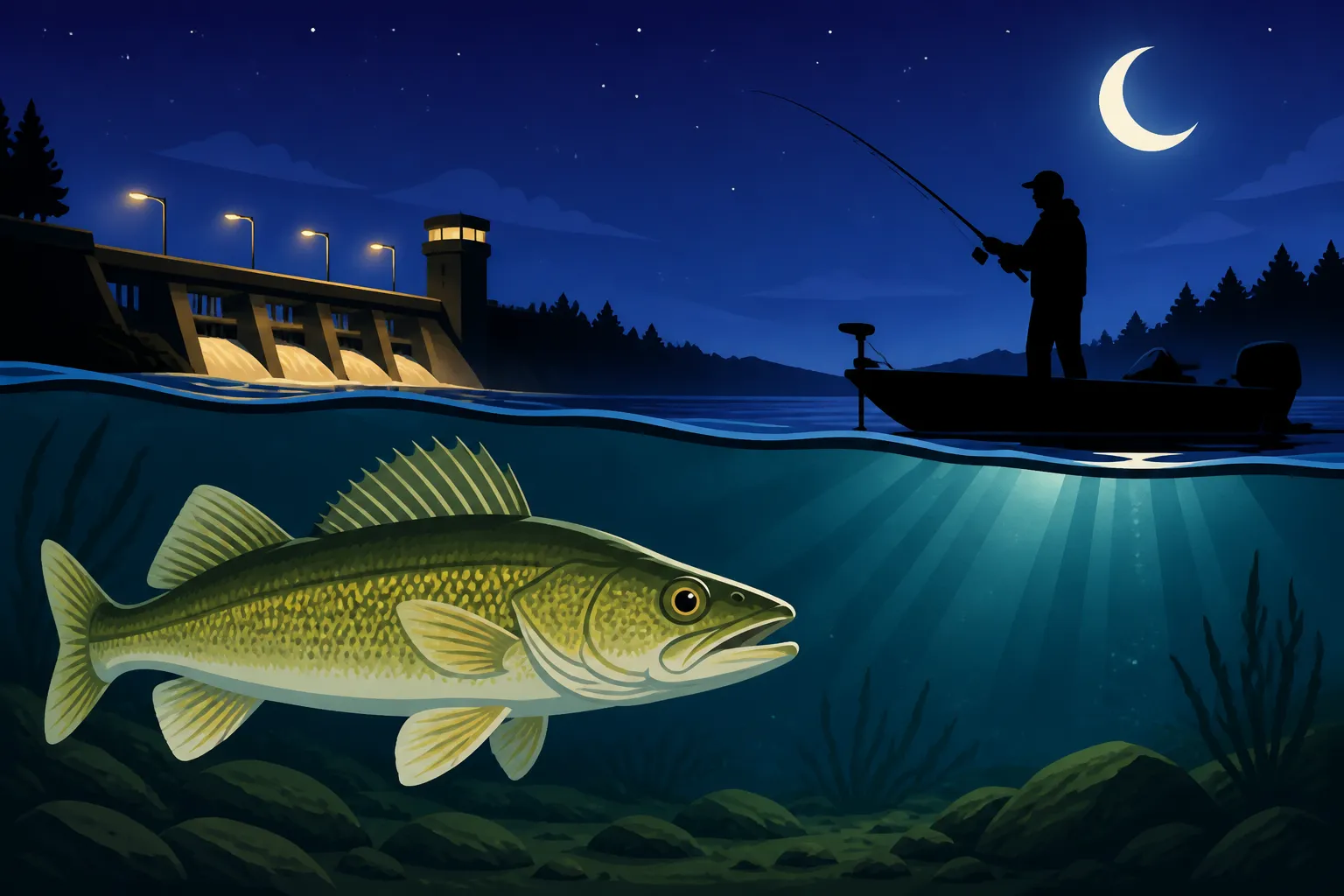
Do Walleye Bite at Night in Indiana Reservoirs?
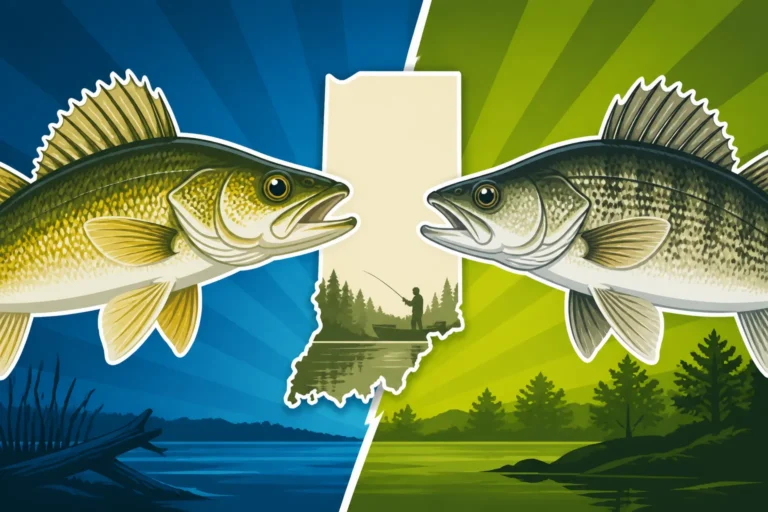
There’s a common misconception among anglers that when the sun dips below the horizon, the walleye clock stops ticking. Many folks pack up their gear, thinking these elusive fish are only active during daylight hours, or perhaps just at dawn and dusk. But let me tell you, if you’re pulling your boat out of an Indiana reservoir just as the stars begin to pepper the sky, you might be missing out on some of the most exciting walleye action of your life! This guide is all about dispelling those myths and diving deep into how, why, and where to successfully target walleye after dark in Indiana's fantastic reservoirs.
Understanding Walleye Behavior: Why Nighttime Matters
Walleye are often called "low-light feeders" for a very good reason. They are perfectly built for hunting when the sun isn't blazing down, and this natural advantage truly shines after dark, especially in the clear waters of many Indiana reservoirs. If you understand why they bite at night, you'll be much more effective in how you approach them.
The Walleye's Adaptations for Low Light
Think about it: walleye have these incredibly large, reflective eyes. Their tapetum lucidum – that reflective layer behind the retina, similar to what a cat has – allows them to gather what little light is available, giving them superior vision in dim conditions. This is their superpower. While other fish are struggling to see in the gloom, walleye are practically wearing night vision goggles.
This means that as the sun fades and twilight descends, walleye gain a significant competitive edge over their prey fish, like shad, minnows, or smaller panfish. Those baitfish, which might have been zipping around confidently in broad daylight, suddenly become vulnerable targets. The walleye can stalk and ambush them with greater ease, making the nighttime a prime feeding window. This adaptation is why they often prefer overcast days, choppy water, or deeper sections of a lake during the brightest parts of the day, but truly thrive once the light levels drop.
When Walleye Shift to Nighttime Feeding
The shift to nocturnal feeding isn't a hard and fast rule every single night, but it's a very strong pattern, especially in certain conditions. During bright, sunny days, particularly on clear Indiana reservoirs, walleye are often driven down into deeper, cooler water. They're trying to escape the intense light and boat traffic, conserving energy. You might find them suspended over humps or hugging the bottom in 20-30 feet of water, not actively feeding much.
However, as evening approaches and boat traffic dies down, and the sun's glare disappears, those walleye start to move. They'll migrate from their deep-water sanctuaries towards shallower flats, points, and humps where baitfish congregate. This migration can happen rapidly, turning a seemingly lifeless spot into a feeding frenzy zone. In warmer months, this nighttime movement also brings them into cooler, oxygen-rich shallow water, which is more comfortable for them than the warmer surface water during the day. This behavior becomes particularly pronounced during the hot summer months and often continues well into the fall, sometimes even into the early winter, depending on water temperatures. Understanding Best Time of Year to Catch Walleye in Indiana can give you even more context for these patterns.
Prime Conditions for Night Walleye Fishing in Indiana Reservoirs
Just because it's dark doesn't mean every night is a walleye bonanza. There are specific conditions and locations that significantly increase your odds of success. Learning to "read" the night and the water around you is just as important as reading it during the day.
Identifying Ideal Weather and Water Conditions
For night walleye fishing, you generally want dark, dark nights. A new moon phase, or nights with heavy cloud cover, are often ideal because they reduce ambient light even further, playing right into the walleye's nocturnal advantage. Bright full moons can sometimes make walleye a bit more skittish or push them slightly deeper, though they'll still feed. Calm water is also a huge plus. The absence of wind and waves makes it easier for you to feel subtle bites and maintain control over your boat or casting retrieve.
Stable weather patterns are another key factor. Walleye, like most fish, can be finicky after drastic changes, like a sudden cold front. A few days of consistent weather leading up to your night trip will often result in more active fish. And while walleye are cool-water fish, they are still impacted by temperature. In the heat of summer, slightly cooler nights after a sweltering day can be fantastic, as the surface water cools just enough to draw them up to feed. If you're wondering about Water Temperature and Fish Feeding Patterns, these play a crucial role in night fishing.
Target Structures and Depths After Dark
When you're fishing Indiana reservoirs at night, think shallow, but with deep water access nearby. Walleye won't swim a mile just to feed; they'll typically move to the nearest advantageous feeding grounds. This often means shallow flats (5-15 feet deep), long tapering points, and submerged humps that rise out of deeper water. These are classic ambush points where walleye can quickly move in, feed, and then retreat to safety if needed.
Shorelines with good structure are also prime real estate. Look for rock piles, gravel beds, or the edges of old creek channels that are now submerged. Any feature that offers cover or a defined travel lane for baitfish will attract walleye. In river-fed reservoirs, current seams around points or inflows can be absolutely lights out. Walleye will position themselves just out of the main current, waiting for an easy meal to drift by. For instance, on a reservoir like Mississinewa Lake, finding those deeper transitions near shallower flats after dark could be the key to a successful night.
Essential Gear and Techniques for Nighttime Walleye
Fishing in the dark adds a whole new layer of challenge and excitement. You need to be prepared, not just with the right lures, but with the right safety gear and an understanding of how to adapt your techniques. It's not just about turning on a light; it's about seeing what you need to see, without spooking the fish.
Lights, Rods, and Reels for Dark Conditions
First and foremost, you need reliable lighting. A good headlamp is indispensable, allowing you to keep your hands free for tying knots or unhooking fish. Consider one with a red light option; red light is less disruptive to your night vision and less likely to spook fish than a bright white beam. For boat anglers, ensure your navigation lights are functioning and consider an auxiliary white light for rigging, but remember to keep it off or dimmed when actively fishing a spot. For safety, always have enough PFDs (personal flotation devices) for everyone on board and let someone know your float plan.
When it comes to rods and reels, sensitivity is paramount. Bites can be incredibly subtle at night, often just a slight "thump" or added weight. A medium-light to medium power spinning or casting rod with a fast or extra-fast action will help you detect these nuanced takes. Pair it with a smooth reel spooled with a sensitive line. Braided line, with its no-stretch properties, transmits even the slightest bump. I often use braid for my main line and then add a fluorocarbon leader (6-10 lb test, depending on the lure and water clarity) for invisibility. You can find excellent options for sensitive rods and high-performance braided line on Amazon, which makes gearing up super convenient. For more on what to look for in tackle, check out Best Tackle for Indiana Walleye Fishing.
Top Baits and Lures for Night Angling
The best baits and lures for night walleye fishing are those that create vibration, offer a good profile, or emit some form of light or scent.
- Jigs with Soft Plastics: These are incredibly versatile. Darker colors (black, blue, purple) often create a better silhouette against the dim sky, making them easier for walleye to see. Many anglers swear by jigs with glow-in-the-dark plastics, especially after "charging" them with a flashlight. Try a 1/8 to 1/2 ounce jig head, depending on depth and current, tipped with a paddle tail, grub, or fluke-style plastic. Slow, methodical retrieves with pauses are often key. More insights can be found in Walleye Jigging Techniques.
- Crankbaits: Rattling crankbaits are excellent at night. The sound and vibration they produce can attract walleye from a distance. Again, dark patterns or those with some reflective flash can be effective. Experiment with different dive depths to match the structure you're fishing. Trolling with crankbaits, especially along contour lines, can be a highly effective way to cover water and locate active fish. If you're into trolling, understanding Walleye Trolling Techniques will be very helpful.
- Live Bait: Sometimes, nothing beats the real thing. Live minnows, shiners, or nightcrawlers rigged under a slip bobber or on a bottom-bouncing rig are phenomenal for enticing hesitant walleye. The natural scent and movement are often irresistible. Make sure your bobber has a glow stick or small light for visibility.
- Scent: Don't underestimate the power of scent at night. Adding a commercial scent to your artificial lures or using scent-infused soft plastics can make a big difference, giving the walleye something else to home in on when visibility is low.
Practical Tips for Success
Success at night hinges on a few crucial factors beyond just the right gear:
- Stealth and Quietness: Sound travels incredibly well on calm night water. Avoid slamming hatches, dropping weights, or making excessive noise in the boat. Walleye are highly sensitive to vibrations.
- Fan Casting: When you find a promising area, don't just cast in one direction. Work the area thoroughly, making casts at different angles to cover a wider swath of water and pinpoint where fish are holding.
- Slow Retrieves: Walleye are often less aggressive at night than, say, a bass during the day. A slower, more deliberate retrieve allows them more time to track and commit to your bait. Focus on feeling for that subtle "thump" or resistance.
- Safety First: This can't be stressed enough. Always tell someone where you are going and when you expect to return. Have all your safety gear (PFDs, whistle, first aid kit, fully charged phone) readily accessible. Navigating unfamiliar waters at night is inherently riskier, so stick to areas you know well during the day. Using a reliable GPS/fishfinder combo, which you can also find on Amazon, to mark waypoints during the day can be a lifesaver for navigating safely in the dark.
- Be Patient: Night fishing often requires more patience. The bites might not be fast and furious, but when they come, they can be from some truly impressive walleye.
Here’s a quick overview of common night walleye tactics:
| Tactic | Best Conditions | Lure/Bait Type | Key Technique | Depth Range |
|---|---|---|---|---|
| Jigging | Calm nights, light wind, targeting specific structure | Glow jigs, dark soft plastics (paddle tails, grubs) | Slow lift-fall, drag-pause, feel for subtle taps | 5-20 feet |
| Crankbaiting | Covering water, searching for active fish | Rattling crankbaits (dark/reflective), suspending | Slow retrieve, occasional twitch, vary retrieve speed | 5-15 feet (diving depth) |
| Slip Bobber | Calm, still water, targeting precise spots | Live minnows, nightcrawlers (glow bobber) | Present bait naturally, allow drift, watch bobber | Variable, often 5-15 feet |
| Bottom Rigging | Targeting deep edges, channels, or current seams | Live bait (minnows, worms), cut bait (scent) | Slow drag or stationary, feel for weight | 10-30 feet |
Specific Indiana Reservoirs and Considerations
Indiana boasts several excellent reservoirs that hold strong walleye populations, making them prime targets for night fishing adventures. Each body of water has its own unique character, but the general principles of walleye behavior still apply.
Best Indiana Reservoirs for Night Walleye
When it comes to prime walleye opportunities in Indiana, a few reservoirs immediately come to mind. Monroe Lake: Indiana's Largest Lake for Bass Fishing also holds a significant population of walleye, particularly in its deeper sections and along its numerous points and humps. At night, walleye here will often move onto the shallow, gravelly flats or feed along drop-offs near creek channels.
Another fantastic option is Brookville Lake. Known for its clear waters and abundant forage, Brookville can be a challenging but rewarding walleye fishery. Night fishing here often focuses on main lake points, submerged humps, and the dam face, where walleye can school up. Similarly, Mississinewa Lake and Salamonie Lake, both part of the Upper Wabash River system, are known for their strong walleye and saugeye populations. These reservoirs offer extensive shallow flats that become feeding grounds for walleye after dark, especially where old river channels or submerged timber offer ambush points. Remember, for current species limits, always consult the Indiana Fishing Regulations and Bag Limits Guide.
Navigating Regulations and Safety
Even in the dead of night, Indiana's fishing regulations are still very much in effect. Before you head out, make sure your Indiana Fishing License Requirements Explained are met, and you have a valid license. Double-check any specific length or bag limits for walleye in the particular reservoir you're fishing. For instance, Walleye Minimum Length North of State Road 26 might be different from rules found south of that line. There might be specific regulations regarding artificial light use, particularly if you're venturing into state park areas.
Safety cannot be overstated when fishing after dark. Make sure your boat is properly equipped with all necessary navigation lights and safety equipment, as outlined in Indiana Boater Safety Gear Checklist. Always have your phone fully charged, and consider carrying a marine radio if you're on a larger body of water like Monroe Lake. Tell a trusted friend or family member your fishing plans, including where you'll be and when you expect to return. Night fishing is a fantastic experience, but it requires an extra layer of caution and preparedness to ensure a safe and successful trip.
Disclaimer
This article is for general informational purposes only and does not constitute professional advice. Laws, prices and regulations vary by location and change over time. Consult a qualified professional for guidance on your specific situation.