Trout Stamp Cost Compared to a Full Indiana License
Navigating Indiana's fishing regulations can sometimes feel like trying to untangle a particularly stubborn knot in your fishing line – confusing, frustrating, and often leaving you wondering what exactly you need to legally cast your reel. One common point of confusion for many anglers, especially those new to Hoosier waters or targeting specific species, is the difference between the standard annual fishing license and the often-talked-about Trout and Salmon Stamp. This guide will meticulously break down the costs, requirements, and nuances of both, ensuring you're fully prepared and compliant before your next trip to the water.
Understanding Indiana's Fishing License Structure
Before we dive into the nitty-gritty of costs, it’s crucial to understand the two main components that might be required for your fishing adventures in Indiana. It’s not just a single piece of paper; it’s a layered system designed to fund conservation efforts and manage specific fisheries.
The Standard Annual Fishing License
Think of the standard annual fishing license as your fundamental ticket to fish in Indiana. This is the baseline requirement for most anglers aged 18 and older, whether you're dangling a worm for bluegill in a farm pond or casting for bass on one of Indiana's larger reservoirs. It’s a general license that covers the vast majority of freshwater fishing opportunities across the state, granting you permission to pursue popular species like bass, catfish, crappie, and panfish in public waters.
This license helps fund critical conservation programs managed by the Indiana Department of Natural Resources (DNR). These programs include habitat restoration, fish stocking efforts, scientific research, and maintaining public access sites like boat ramps and fishing piers. Without this foundational license, the health and vibrancy of Indiana’s fisheries would be severely compromised. For most resident anglers, this is the primary permit they need, and understanding the Indiana Fishing License Requirements Explained is a great first step for anyone looking to get started.
What is the Indiana Trout and Salmon Stamp?
Now, let's talk about the Indiana Trout and Salmon Stamp. This isn't a standalone license; it's an add-on endorsement to your base fishing license, required only if you intend to target or keep trout or salmon. You might wonder why these specific fish get their own special stamp. The reason is simple: trout and salmon fisheries, particularly in places like Lake Michigan and its tributaries, require specialized and often expensive management efforts. This includes extensive stocking programs, habitat improvements specific to cold-water species, and monitoring population health.
The revenue generated from the sale of these stamps is directly earmarked for these specific cold-water fisheries programs. So, if you're dreaming of reeling in a feisty Steelhead from Trail Creek during the fall run, or trying your luck for Lake Trout on the deeper waters of Lake Michigan, this stamp is non-negotiable. Without it, even with a valid standard fishing license, you'd be in violation of state regulations if you possess or actively pursue these species. This is a very common question, and anglers often ask, Do You Need a Trout and Salmon Stamp to Fish for Trout?, which this stamp directly addresses.
Comparing the Costs: License vs. Stamp
When you're budgeting for your fishing season, understanding the separate costs of the basic license and the additional stamp is key. It’s not about one being "cheaper" than the other, but rather how they combine to cover your specific fishing intentions.
Indiana Resident Annual Fishing License Cost
For Indiana residents, the annual fishing license is quite affordable, especially when you consider the year-round access it provides to such diverse fishing opportunities. As of my last check, the Indiana Resident Annual Fishing License Cost is $23. This single purchase is valid from April 1st through March 31st of the following year, regardless of when you buy it. So, if you purchase it in October, it's still good until the end of March. This makes planning your fishing trips incredibly convenient, as you don't have to worry about a monthly or daily renewal for general angling.
This $23 covers a vast array of fishing experiences, from quiet mornings on a small pond to bustling weekends on large reservoirs like Monroe Lake or Patoka Lake. It's a fantastic value for the amount of access and the conservation efforts it supports across the state. Remember, this is the cost for adult residents. There are different rules for younger anglers; for example, Free Fishing for Indiana Residents Under 18 is a great program that allows kids to enjoy fishing without this cost.
Indiana Trout and Salmon Stamp Cost
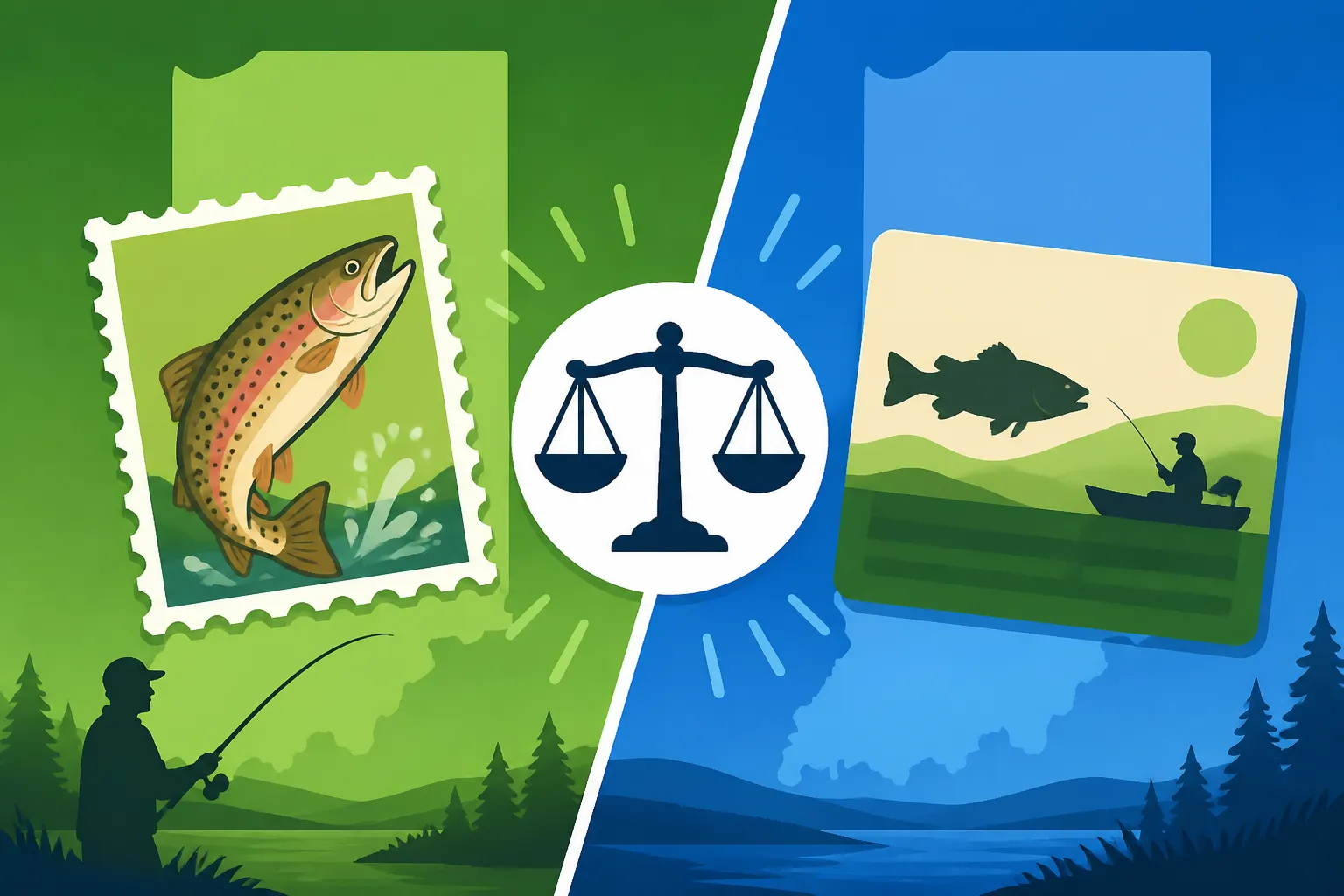
Now, let's look at the specific cost for the Trout and Salmon Stamp. This is where you add on to your base license if you plan on pursuing trout or salmon. The Indiana Trout and Salmon Stamp Cost: $11. This means that for a resident angler who wants to target these cold-water species, you're looking at an additional $11 on top of your $23 annual license.
It’s a modest investment, but one that directly supports the specialized management of these unique fisheries. Anglers who consistently target species like Chinook Salmon, Coho Salmon, Brown Trout, or Steelhead know that these fish provide some of the most thrilling battles in Indiana waters. The $11 stamp ensures these exciting opportunities continue to thrive for years to come.
The Combined Cost for Trout and Salmon Anglers
So, what's the grand total if you're an Indiana resident and want to fish for both general species and trout/salmon? It's a simple addition.
| License Type | Cost (Resident) | Purpose |
|---|---|---|
| Annual Fishing License | $23 | General freshwater fishing (bass, crappie, catfish, panfish, etc.) |
| Trout and Salmon Stamp | $11 | Required to target or keep trout and salmon |
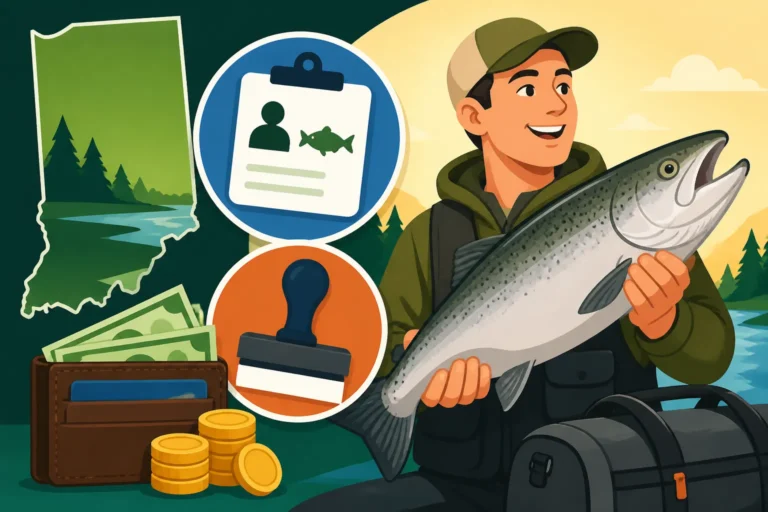
| Total Combined Cost | $34 | Full access to all species, including trout and salmon, for one year |
This means that the Total Cost of an Indiana Fishing License With the Trout Stamp is $34 for a resident angler. This is a crucial distinction for those who fish Lake Michigan or its tributaries, or any of the state's trout-stocked streams and lakes. It's an investment in your hobby and in the future of Indiana's diverse fisheries. Without this combined purchase, you could face penalties if caught with trout or salmon in your possession, or if observed actively targeting them.
Who Needs the Trout and Salmon Stamp?
This is perhaps the most critical question for many anglers. It’s easy to assume that if you have a fishing license, you’re good to go for everything. However, the DNR has specific rules for trout and salmon that require this extra endorsement.
Targeting Trout and Salmon Specifically
If your primary goal for a fishing trip is to catch trout or salmon, you absolutely need the Trout and Salmon Stamp. This includes actively fishing for them using methods or baits commonly associated with these species, or if you simply intend to keep any you catch. For instance, if you're heading to a stocked trout stream in Southern Indiana or planning a charter trip on Lake Michigan specifically for salmon, this stamp is mandatory. The regulations are pretty clear: if you are engaged in the act of fishing for or possessing trout or salmon, you need that stamp.
It's not just about keeping the fish, either. Even if you're practicing catch and release for these species, if you are targeting them, the stamp is still required. This covers species mentioned earlier, like Chinook, Coho, Steelhead, Brown Trout, and Lake Trout. The What the Indiana Trout and Salmon Stamp Covers is specific to these cold-water species and their unique habitats. Failing to have it can result in citations and fines, which nobody wants when they're out enjoying a peaceful day on the water.
Accidental Catch Considerations
What if you're fishing for bass on a lake that also has trout, and you accidentally hook a trout? This is a common scenario that can cause some confusion and worry. Generally, if you are not targeting trout or salmon, and you accidentally catch one, the rule of thumb is to immediately release it unharmed. You cannot possess that fish if you don't have the Trout and Salmon Stamp. The moment you decide to keep it or continue fishing in a way that suggests you're targeting them, you need the stamp.
It's about intent. If you're clearly set up for panfish with light tackle and corn, and a small trout bites, releasing it immediately is the correct action. However, if you're using heavy spoons or flies designed for salmon in a known salmon run, even if you claim you're fishing for "anything," you're likely to be considered targeting them by a conservation officer. Always err on the side of caution. If there's any chance you might catch and want to keep a trout or salmon, buying the $11 stamp provides peace of mind and keeps you legal.
Exemptions and Free Fishing Days
Like most regulations, there are a few exceptions to the Trout and Salmon Stamp requirement.
First, children under 18 years old do not need a fishing license or a Trout and Salmon Stamp. This is part of Indiana's effort to encourage youth participation in fishing, making it easy and accessible for the next generation of anglers. So, if you're taking your kids out to a trout stream, they can target and keep trout (within bag limits) without the stamp, as long as they are under 18.
Second, Indiana hosts several Indiana Free Fishing Days Guide throughout the year where the fishing license requirement is waived for all residents and non-residents. These days are fantastic opportunities for new anglers to try out the sport or for families to enjoy a day out without the upfront cost. However, it's important to note: while the general fishing license is waived on these days, the Trout and Salmon Stamp is also typically waived. This means that on official Free Fishing Days, you can legally target and possess trout and salmon without purchasing the stamp or the annual license. This is a rare and welcome exception, but it's crucial to confirm the specific rules for each Free Fishing Day event, as regulations can occasionally be updated. For most of these days, the answer to Can You Fish Without a License on Free Fishing Days? is a resounding yes, and that includes the stamp too.
Practical Advice for Purchasing Your Licenses
Getting your fishing license and any necessary stamps in Indiana is a straightforward process, but knowing your options can save you time and hassle. Planning ahead means more time fishing and less time worrying about paperwork.
Buying Online is Easy
In today's digital age, the most convenient way to acquire your Indiana fishing license and Trout and Salmon Stamp is online. The Indiana DNR website provides a user-friendly platform where you can purchase and print your license from the comfort of your home. You'll typically need your driver's license number, date of birth, and some basic personal information. The transaction is usually quick, and you can often get a digital copy on your phone or print a physical one right away.
This online system is a huge time-saver, especially if you suddenly decide to go fishing on a weekend and don't have time to visit a physical retailer. You can do it from your couch, your computer, or even your phone before heading out. Many anglers find the ease of purchasing their Buying a Fishing License Online in Indiana invaluable. Just make sure your printer is working or you have access to a digital version on your phone that you can show to a conservation officer if asked. This convenience means you can be out on the water faster, maximizing your angling time. You can even find fishing gear, like new lures or line, on Amazon while you're at it!
In-Person Purchase Options
If you prefer a more traditional approach, or if you don't have access to a printer or reliable internet, you can still purchase your Indiana fishing license and Trout and Salmon Stamp in person. The Indiana DNR partners with numerous local retailers across the state, including many bait and tackle shops, sporting goods stores, and even some convenience stores. These authorized vendors are equipped to process your license application and print your physical license on the spot.
This option is particularly helpful if you have questions about specific regulations, or if you just enjoy the local bait shop experience. The staff at these locations are often fellow anglers and can offer valuable advice on local fishing conditions, what's biting, and the best baits to use. Popular sporting goods chains like Bass Pro Shops or Cabela's, as well as independent tackle shops, are reliable places to pick up your license. Just search online for "where to buy a fishing license near me" to find the closest authorized vendor. These stores often carry all the necessary gear, from fishing rods to tackle boxes, and you can even find handy items like waterproof phone cases for your digital license on Amazon.
Planning Your Angling Adventures
Understanding the cost breakdown for your fishing license and stamp allows you to plan your angling adventures effectively. If you know you'll be targeting trout or salmon, factoring in that $11 for the stamp right away will prevent any last-minute scramble or, worse, a violation. Similarly, knowing the full Indiana Fishing License Costs for Residents and Nonresidents helps you budget for an entire year of fishing.
Consider your fishing habits:
- Do you primarily fish for bass and panfish in local lakes? A standard annual license is likely all you need.
- Do you make regular trips to Lake Michigan or specific trout streams? Then the Trout and Salmon Stamp is a must-have addition.
- Are you a nonresident visiting Indiana? Your costs will be different (e.g., Indiana Nonresident Annual Fishing License Cost), and you’ll still need the stamp if you’re after trout or salmon.
By having a clear picture of these requirements, you can ensure a smooth, legal, and enjoyable fishing season. Don't let a small detail like a missing stamp put a damper on your next big catch. Having everything in order before you even wet a line allows you to focus on the thrill of the catch, the beauty of Indiana's waters, and the memories you're making. You can also pick up useful items like fishing gloves or sun protection on Amazon to enhance your trip.
Disclaimer
Please note that fishing regulations, including license fees and requirements, can change. Always verify the most current information with the Indiana Department of Natural Resources (DNR) before heading out to fish. This guide is for informational purposes only and should not be considered legal advice.