Best Fishing Spots With Handicap-Accessible Piers
It can be incredibly frustrating when you're eager to get out on the water and enjoy a peaceful day of fishing, only to find that many popular spots simply aren't designed with accessibility in mind. Navigating uneven terrain, steep banks, or crowded, narrow piers can quickly turn a relaxing outing into a logistical nightmare. This guide is here to help you cut through that frustration by highlighting some of the best handicap-accessible fishing piers and spots across Indiana, ensuring everyone can enjoy the joy of a good cast.
The Heart of Accessible Fishing: Why It Matters So Much
For many, fishing isn't just a hobby; it's a way to connect with nature, find peace, and create lasting memories with family and friends. But for individuals with mobility challenges, finding suitable access can be a significant barrier. Imagine the excitement of planning a trip, only to arrive and discover that the path to the water is gravel, the pier has steps, or the restrooms are far away and not accessible. It's disheartening, to say the least.
True accessibility goes beyond just a ramp; it's about providing an equitable and enjoyable experience for everyone. When we talk about handicap-accessible fishing spots, we're talking about places where individuals using wheelchairs, walkers, or with other mobility impairments can comfortably and safely enjoy fishing without unnecessary hurdles. It’s about inclusion, pure and simple.
Breaking Down Barriers to the Water's Edge
The effort to create accessible fishing spots is a testament to the idea that nature should be for everyone. These dedicated areas allow anglers of all abilities to partake in a pastime that offers so many benefits, from stress reduction to patience building. It’s not just about catching fish; it’s about the entire experience of being outdoors, breathing fresh air, and feeling the tug of a fish on the line.
Sometimes, finding these spots requires a bit of research, as not all locations are advertised equally. That's why having a curated list of reliable, truly accessible options can make all the difference, transforming a hopeful thought into a concrete plan.
Essential Features of a Truly Accessible Fishing Pier
What exactly makes a fishing pier or spot "handicap-accessible"? It’s more than just a wide gate. A truly accessible fishing location has several thoughtful features that ensure ease of use and safety for individuals with varying mobility needs. When you're looking for a spot, these are the details you should keep an eye out for.
Safe and Smooth Access Paths
First and foremost, the path leading to the pier or fishing area needs to be smooth, stable, and wide enough for wheelchairs or walkers. We’re talking about paved trails, firm packed gravel, or boardwalks, not loose gravel or uneven dirt paths that can become treacherous after rain. There should be no steep inclines that are difficult to manage, and certainly no stairs.
Think about the journey from the parking lot to the water. Is the parking close by and clearly marked with accessible parking spaces? Are there curb cuts where needed? The entire route should feel seamless and stress-free. A slight slope is often fine, but anything that requires significant effort to traverse defeats the purpose of accessibility.
Thoughtfully Designed Piers and Platforms
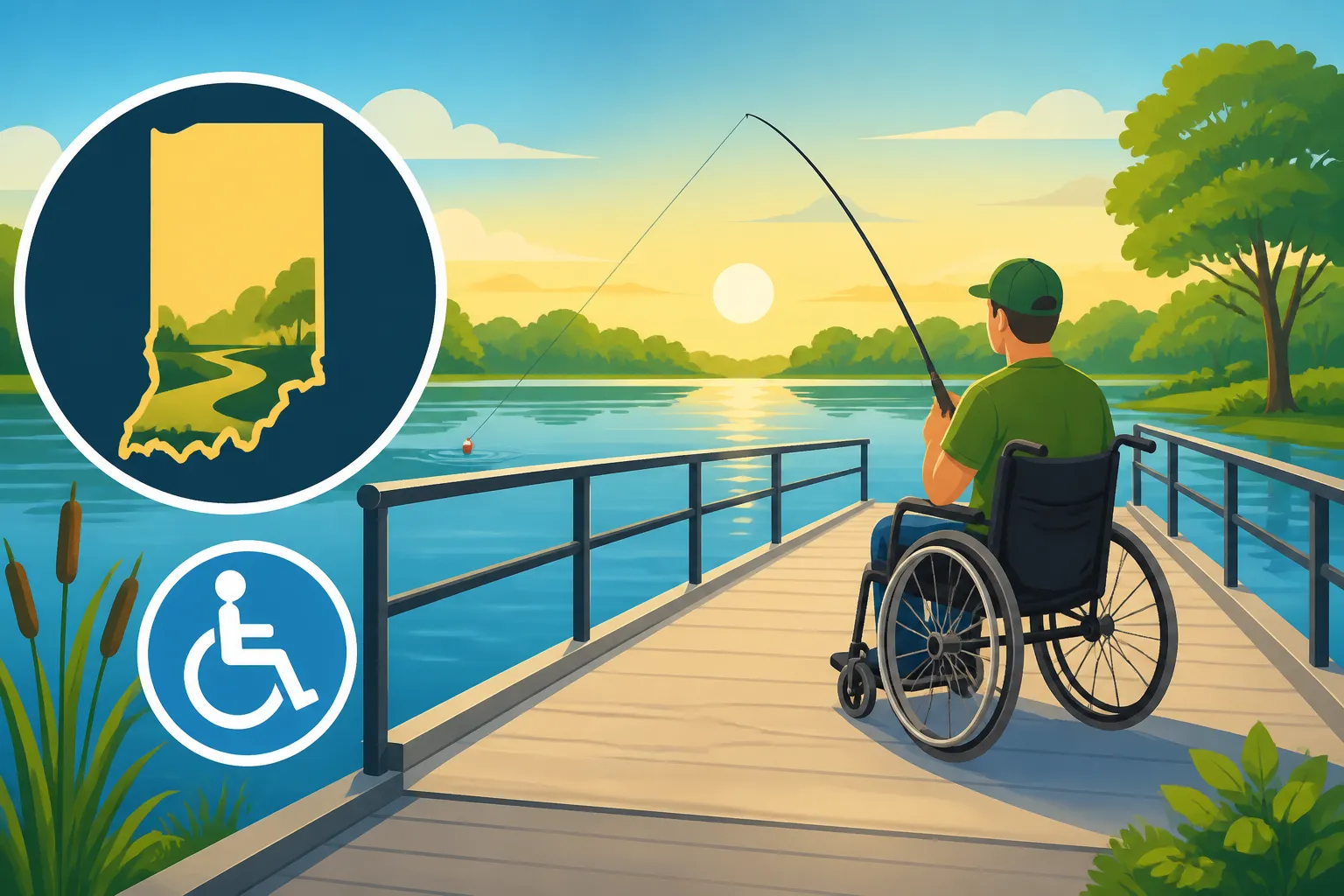
The pier itself is where the magic happens, and its design is crucial. Accessible piers typically feature wider-than-average pathways, often 4 to 6 feet wide, allowing for easy maneuverability and the ability for multiple anglers, including those in wheelchairs, to pass each other comfortably. Key features include:
- Low Railings or Cutouts: Traditional pier railings can block the view or make it difficult to cast for someone sitting in a wheelchair. Truly accessible piers often have sections with lower railings or "cutouts" at regular intervals, allowing anglers to get closer to the water and fish without obstruction.
- Non-Slip Surfaces: The decking material should be non-slip, even when wet, to prevent falls.
- Level Surface: The entire pier should be level, without any sudden changes in elevation.
- Ample Turning Space: At the end of the pier or at various points, there should be enough open space for a wheelchair to turn around easily.
- Protective Edges: A toe rail or edge protection helps prevent wheels from accidentally rolling off the pier.
Beyond the pier itself, consider the amenities. Are there accessible restrooms nearby? Is there accessible seating? These small details contribute significantly to the overall experience.
Top Handicap-Accessible Fishing Spots in Indiana
Indiana’s Department of Natural Resources (DNR) has made commendable efforts to increase accessibility at many of its state parks and recreation areas. While not every spot is perfect for every need, several locations stand out for their commitment to providing accessible fishing opportunities. Here’s a look at some of the best places across the state.
Northern Indiana Gems for Accessible Anglers
Northern Indiana, with its beautiful glacial lakes and the mighty Lake Michigan shoreline, offers some fantastic accessible options.
Potato Creek State Park, North Liberty
Potato Creek State Park is a fantastic example of a DNR property with a strong focus on accessibility. It boasts a very popular fishing pier that is designed to be wheelchair-friendly. The pier extends out into Worster Lake, a fantastic spot for panfish like bluegill and crappie, as well as bass. The path to the pier is well-maintained and smooth, and the pier itself features accessible railing sections.
Beyond the pier, Potato Creek offers accessible restrooms and even some accessible cabins for overnight stays, making it a great destination for a full weekend trip. The park is a popular choice for families and offers a serene setting for a peaceful fishing experience. Many anglers have success here targeting Indiana Panfish Guide Crappie, Bluegill, and Sunfish.
Lake Wawasee, Syracuse
While not specifically designed with a dedicated "accessible pier" in the same way some state parks are, Lake Wawasee, Indiana's largest natural lake, has some public access points that are relatively flat and easy to navigate for shore fishing. The Syracuse-Wawasee Park Foundation has improved some of its public areas, making them more friendly for those with mobility issues. The area around Syracuse Town Park might offer some flatter, paved access near the water, though dedicated pier cutouts aren't as prevalent as at Potato Creek. It's a fantastic lake for a variety of species, from muskie to bass, so it's worth exploring the public access points.
For more on this beautiful lake, check out our guide on Lake Wawasee: Indiana's Largest Natural Lake.
Lake Michigan Shoreline Piers, Northwest Indiana
Along Indiana's Lake Michigan shoreline, several public piers offer accessible routes that are generally flat and paved, making them suitable for wheelchair users. The fishing is phenomenal here, especially during the spring and fall runs for salmon and steelhead.
- Michigan City Pier: The long, paved pier at Michigan City is a prime spot. While it’s a long roll out, the surface is smooth, and many anglers in wheelchairs regularly fish here. You'll find plenty of space to set up. Remember that Lake Michigan Fishing Rules for Indiana Anglers are unique, so be sure to review them before you go.
- Portage Lakefront and Riverwalk: This area offers accessible pathways and piers with stunning views of Lake Michigan. The paved trails and flat surfaces make it a comfortable place to fish for salmon, steelhead, and other Lake Michigan species.
These piers, though sometimes busy, provide unparalleled access to big water fishing.
Central Indiana Spots for Accessible Fishing
Closer to the state's center, several reservoirs and local parks have invested in accessible infrastructure.
Geist Reservoir, Indianapolis/Fishers
Geist Reservoir, a popular spot near Indianapolis, offers a few accessible points. The most notable is the pier at Fall Creek Road Public Access, maintained by the City of Fishers. This pier is designed with wider access and lower railing sections to accommodate wheelchair users, allowing a great view and easy casting into Geist's productive waters. You can target largemouth bass, crappie, and catfish here. The parking lot is paved and accessible, making the entire journey straightforward.
Many local anglers consider Geist a fantastic spot for Best Bass Fishing Lakes in Indiana.
Eagle Creek Park, Indianapolis
As one of the largest municipal parks in the United States, Eagle Creek Park in Indianapolis has various fishing opportunities. While some areas are more rugged, the 96th Street Public Fishing Pier is generally well-regarded for its accessibility. It's often paved or on a firm, level surface leading to a sturdy pier that offers decent space. Crappie and bluegill are common catches here, making it a good spot for a relaxed afternoon.
Southern Indiana Accessible Fishing Locations
Southern Indiana's rolling hills and large reservoirs also host some excellent accessible fishing areas.
Monroe Lake, Bloomington
As Indiana's largest inland lake, Monroe Lake offers several public access points, and the DNR has invested in making some of them accessible. The Paynetown State Recreation Area is a key location, featuring an accessible fishing pier that's a favorite among local anglers. This pier is known for being wide, stable, and offering cutouts for easier fishing from a seated position. It’s a great place to target crappie, bluegill, and various bass species.
The accessible facilities at Paynetown, including restrooms and picnic areas, make it a comfortable destination for a full day of fishing. For tips on where to catch the biggest fish, check out our guide on Where to Catch Trophy Bass on Monroe Lake.
Patoka Lake, Dubois
Patoka Lake, another massive reservoir in southern Indiana, also provides excellent accessible options, particularly at Patoka Lake State Recreation Area. Their main fishing pier is designed with accessibility in mind, providing level access, wide spaces, and appropriate railing heights for wheelchair users. Patoka is renowned for its excellent bass and crappie fishing, and even offers opportunities for striped bass.
This pier is often praised for its layout and the quality of fishing it provides. If you're looking for Best Crappie Lakes in Indiana, Patoka is definitely on the list.
Planning Your Accessible Fishing Trip
Once you’ve identified a few promising spots, a little extra planning can ensure your trip is as smooth and enjoyable as possible. It's not just about getting to the water; it's about the entire experience.
Calling Ahead and Checking Conditions
Before you pack up the car, it’s always a good idea to call the park office or local DNR property manager. Ask specific questions about the accessibility features of the pier or area you plan to visit. Things to confirm:
- Current Conditions: Is the path clear? Has recent weather affected accessibility (e.g., flooding, heavy snow/ice)?
- Restroom Availability: Are accessible restrooms open and easily reachable from the fishing spot?
- Parking Proximity: How close is accessible parking to the pier?
- Amenities: Are there accessible picnic tables or shelters nearby if you plan a longer stay?
This proactive step can save you a lot of potential headaches and disappointment upon arrival.
Essential Gear for Accessible Anglers
Having the right gear can make a big difference, especially when fishing from a pier. Consider:
- Rod Holders: These are invaluable for keeping your rod steady, especially if you have limited hand mobility or are fishing multiple lines (always check Indiana Fishing Regulations and Bag Limits Guide for rod limits!). Adjustable rod holders that can be clamped to the pier railing or a wheelchair can provide a hands-free fishing experience.
- Comfortable Seating: Even if the pier has built-in benches, bringing your own comfortable, adjustable chair or ensuring your wheelchair is set up for extended sitting is key.
- Small, Mobile Tackle Box: A tackle box that can be easily attached to a wheelchair or kept close at hand prevents unnecessary reaching or struggling with heavy equipment.
- Sun Protection: Piers can be very exposed. A good wide-brimmed hat, sunglasses, and sunscreen are crucial.
- Hydration and Snacks: Keep water and snacks within easy reach.
For more general gear advice, check out Best Fishing Rods and Reels for Freshwater Fishing.
Making the Most of Your Day
Fishing is as much about the experience as it is about the catch. Take your time, enjoy the surroundings, and don't be afraid to strike up conversations with other anglers. Many people are happy to share tips or lend a hand if needed.
Consider visiting during off-peak hours if you prefer a quieter experience. Early mornings or late afternoons during weekdays can be less crowded, offering more space and tranquility.
Additional Resources for Planning
Finding truly accessible fishing spots sometimes requires a bit of digging, but there are several resources available to help you plan your perfect outing.
Indiana Department of Natural Resources (DNR)
The Indiana DNR website is your primary resource. They often have dedicated sections or filters for "accessible facilities" or "ADA compliant" locations on their park and property pages. Their interactive maps can sometimes highlight accessible features. It's always a good first stop.
Online Fishing Communities and Forums
Forums and social media groups dedicated to fishing in Indiana can be incredibly valuable. Many anglers are happy to share their experiences and recommendations for accessible spots they've discovered. A quick post asking for "wheelchair friendly fishing piers in Indiana" can yield a wealth of personal insights that official websites might miss.
Specialized Tour Operators and Guides
While less common for simple pier fishing, some fishing guides or tour operators specialize in accessible trips. Platforms like FishingBooker can sometimes help you identify guided trips that specifically cater to accessible needs, or even pinpoint accessible boat rentals at popular lakes. Always communicate your specific needs clearly when booking to ensure they can accommodate you fully. FishingBooker might also list public access points with photos that give you a better visual idea of the accessibility.
By combining official resources with community knowledge and specialized services from sites like FishingBooker, you can piece together a fantastic, frustration-free fishing adventure.
Quick Reference Table: Accessible Fishing Spots in Indiana
Here's a quick overview of some of the best accessible fishing spots in Indiana, helping you plan your next trip:
| Location | Region | Key Accessible Features | Primary Fish Species | Notes |
|---|---|---|---|---|
| Potato Creek State Park | North Central | Wheelchair-friendly pier, accessible restrooms, cabins | Bluegill, Crappie, Bass | Great for a weekend trip; serene environment. |
| Michigan City Pier | Northwest | Long, paved pier, flat access | Salmon, Steelhead, Lake Trout, Brown Trout | Big water fishing; can be windy/busy. |
| Portage Lakefront & Riverwalk | Northwest | Paved trails, flat access, fishing platforms | Salmon, Steelhead, Yellow Perch | Modern facilities, scenic views of Lake Michigan. |
| Fall Creek Road Public Access (Geist) | Central | Wide pier, lower railing cutouts, paved parking | Largemouth Bass, Crappie, Catfish | Urban fishing, close to Indianapolis. |
| 96th Street Pier (Eagle Creek Park) | Central | Generally flat access, sturdy pier | Crappie, Bluegill, Catfish | Large city park, can get busy on weekends. |
| Paynetown SRA (Monroe Lake) | South Central | Accessible fishing pier, accessible restrooms | Crappie, Bluegill, Bass | Indiana's largest inland lake, popular destination. |
| Patoka Lake SRA | Southern | Wide, accessible fishing pier, accessible facilities | Bass, Crappie, Striped Bass | Renowned for diverse fishing, beautiful scenery. |
Disclaimer
The information provided in this guide is for general informational purposes only and is subject to change. While we strive to provide accurate and up-to-date information regarding accessible fishing spots in Indiana, conditions, amenities, and regulations can vary. We strongly recommend contacting the specific park, lake, or access point directly before your visit to confirm current accessibility features, operating hours, and any specific requirements or conditions. Always prioritize your safety and check local rules, including Indiana Fishing License Requirements Explained, before fishing.