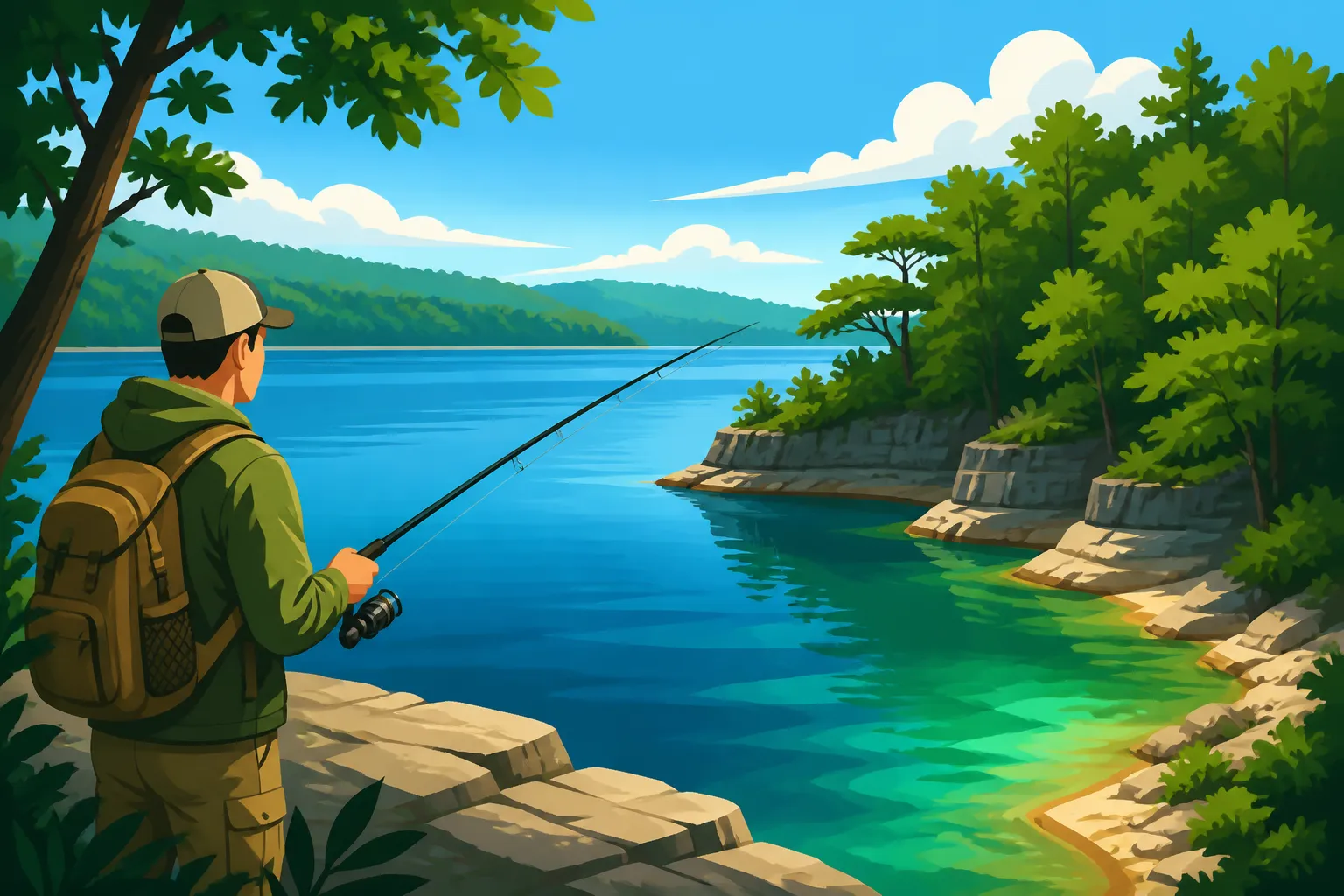
Remote Fishing Coves on Brookville Lake
We’ve all been there: you head out to your favorite fishing hole on a beautiful Indiana morning, only to find it packed with boats, jet skis, and anglers practically shoulder-to-shoulder. It can be incredibly frustrating, especially when you’re craving a peaceful day on the water and a chance to truly connect with nature. If you're tired of fighting for elbow room and spooked fish, then discovering the remote fishing coves on Brookville Lake is exactly what you need. This guide will walk you through how to find and effectively fish these secluded havens, promising a more tranquil and potentially more fruitful angling experience.
Why Seek Out Remote Coves on Brookville Lake?
Brookville Lake, with its sprawling waters and numerous arms, offers a fantastic opportunity for anglers to escape the usual hustle and bustle. While the main channels and popular access points can get crowded, a little exploration can lead you to quiet corners that feel a world away. There’s a distinct advantage to casting your line where fewer people venture, and it's about more than just peace of mind.
Escaping the Crowds and Noise
Imagine the serene quiet of a still morning, the only sounds being the chirping of birds and the gentle splash of your lure hitting the water. That's the experience awaiting you in Brookville's remote coves. The constant drone of boat engines, the laughter and chatter from other groups, or the wakes from passing speedboats can not only disrupt your focus but also put fish on high alert. By venturing into less accessible areas, you remove these distractions, allowing you to immerse yourself fully in the art of fishing. It's an opportunity to truly unwind, practice your technique without interruption, and appreciate the natural beauty of Indiana's outdoors. For many, the solitude itself is as rewarding as any catch.
Targeting Untouched Fish Populations
Fish, especially larger, more experienced ones, become incredibly wary in heavily fished areas. They learn to associate boat noise, shadows, and specific lure presentations with danger. Remote coves, by their very nature, experience less fishing pressure. This means the fish residing there are often less spooked, more active, and potentially more willing to strike a well-presented bait. You might find larger specimens that have grown old and wise by avoiding the main thoroughfares, or simply more consistent bites from fish that haven't seen every lure in the tackle shop. It’s like discovering a secret pantry for local wildlife – and for the diligent angler, a secret honey hole. These populations can offer a different kind of challenge and reward, making the effort to reach them well worth it.
Discovering Brookville's Hidden Beauty
Beyond the fishing itself, exploring remote coves on Brookville Lake is an adventure in discovery. These untouched areas often showcase the lake's raw, natural beauty, far from developed shorelines or busy recreation zones. You might encounter diverse wildlife, from deer and wild turkeys along the banks to ospreys and eagles soaring overhead. The intricate patterns of undisturbed foliage, hidden waterfalls after a good rain, or unique rock formations can make the journey as memorable as the destination. It’s a chance to see parts of Brookville Lake that many never experience, offering a sense of exploration and personal connection to the landscape that's hard to find in more popular spots. These hidden gems are what make fishing an immersive outdoor experience rather than just a hobby.
Identifying Promising Remote Coves
The key to unlocking Brookville Lake's secret fishing spots lies in understanding its unique characteristics and leveraging modern tools to pinpoint potential hotbeds. It’s not about random guessing, but about strategic exploration.
Understanding Brookville Lake's Geography
Brookville Lake is a large, man-made reservoir covering over 5,260 acres, formed by damming the East Fork of the Whitewater River. It’s characterized by its long, winding shape, numerous fingers, bays, and significant standing timber, especially in its upper reaches. The lake is fed by two primary rivers: the East Fork Whitewater River to the north and Wolf Creek, along with several smaller tributaries, creating a complex underwater landscape. This intricate geography is precisely what creates so many opportunities for secluded coves. Look at the northern sections where the rivers enter, or the numerous secondary channels that branch off the main body. These areas often feature shallower water, more natural cover, and are harder for larger boats to access, naturally leading to less fishing pressure. Understanding that the lake was carved out of rolling hills means there are often steep drop-offs, submerged creek beds, and old timber stands that serve as perfect fish habitat in these remote pockets.
Using Maps and Technology to Pinpoint Seclusion
To effectively find these remote coves, you'll need to do some homework before you even launch your boat. Start with detailed topographical maps or high-quality lake charts. Digital apps like Navionics or C-MAP are invaluable, offering contour lines that show underwater structure, depth changes, and creek channels that might lead to a hidden cove. Look for areas with tight contour lines (indicating steep drop-offs) near broader, shallower sections. These transitions are often fish magnets. Satellite imagery (like Google Maps or similar features within fishing apps) can help you identify areas with dense tree cover along the shoreline or narrow entrances that deter larger boats. Pay close attention to stretches of shoreline far from public boat ramps or popular recreational areas. These are often the first indicators of a potential secluded spot. Some anglers even prefer to consult local fishing forums or communities, though true remote spots are rarely widely shared. If you're new to the area and looking for expert local insight without a huge time investment, platforms like FishingBooker can help you find experienced local guides who know Brookville Lake like the back of their hand and can lead you directly to these less-pressured areas, offering a massive shortcut in your discovery process.
Here's a quick comparison of what to look for when scouting maps:
| Map Type / Feature | What to Look For | Why It's Important |
|---|---|---|
| Topographical Maps | Tight contour lines, submerged creek channels | Indicates structure (drop-offs, ledges), pathways for fish, and deeper pockets. |
| Satellite Imagery | Dense shoreline vegetation, narrow inlets, lack of docks | Suggests remote access, less human activity, and natural cover. |
| Depth Shading | Variations in color indicating shallow-to-deep transitions | Key areas where fish ambush prey or seek thermal refuge. |
| Navigational Aids | Buoys, markers (or lack thereof) | Absence of markers often means less boat traffic and more challenging navigation. |
Key Indicators of a Productive Remote Cove
Once you've identified potential coves on your map, there are specific features that often signal a productive fishing spot. Fish, regardless of species, are always looking for food, cover, and comfortable water conditions. In a remote cove, these often manifest as:
- Submerged Timber and Brush Piles: These provide excellent cover for baitfish and predators alike. Look for old trees or brush that have fallen into the water, particularly where they create a network of branches.
- Rock Piles and Ledges: Rocky areas offer a different kind of structure, often holding crayfish and other invertebrates that fish feed on. Ledges create depth changes that fish use for staging or ambush points.
- Creek Mouths and Inflow: Any place where a smaller creek or stream feeds into the cove can be a hot spot, especially after rain, as it brings in fresh nutrients and cooler, oxygenated water.
- Weed Lines and Aquatic Vegetation: Healthy weed beds provide cover, oxygen, and food for many species. Look for edges where the weeds meet open water or a sharp drop-off.
- Varying Depths: Coves that offer a mix of shallow flats and deeper pockets allow fish to move between feeding areas and deeper, more comfortable water based on conditions.
- Natural Bottom Transitions: Where a soft, silty bottom transitions to a harder, rocky bottom can concentrate bait and game fish.
Remember that these indicators are even more valuable in remote areas because the fish here are less accustomed to human pressure and might be more predictable in their use of these features. Learning to identify these patterns will significantly improve your chances of success.
Accessing Brookville Lake's Secluded Fishing Haunts
Reaching these hidden gems often requires a different approach than simply launching at a public ramp and heading for the main lake. Thoughtful planning for access is crucial to ensure a safe and successful trip.
Boat Types Best Suited for Remote Access
Your choice of vessel can make or break a trip to remote coves. While a full-sized bass boat might be great for covering open water quickly, it could be cumbersome or even impossible to navigate shallow, timber-filled inlets.
- Kayaks and Canoes: These are arguably the best tools for accessing truly remote coves. Their shallow draft allows them to glide over submerged timber and navigate narrow passages where other boats can't go. They're also incredibly stealthy, allowing for a quiet approach that won't spook wary fish. Many anglers find the experience of Kayak Fishing Setup Tips for Indiana Anglers to be deeply rewarding, connecting them even more closely with the environment.
- Smaller Jon Boats: Equipped with a trolling motor, a smaller jon boat (10-14 feet) can be surprisingly effective. Their flat bottoms allow for shallow-water navigation, and they offer more stability and storage than a kayak. Just be mindful of their draft and potential for getting hung up in thick cover.
- Small Aluminum V-Hull Boats: Similar to jon boats, a smaller V-hull can offer a good compromise between stability and maneuverability. They handle a bit of chop better than a jon boat but might still struggle in the very shallowest sections.
- Larger Bass Boats/Pontoons: While excellent for the main body of Brookville Lake, these are generally not ideal for remote coves. Their deeper drafts and larger turning radii limit access significantly. If you're primarily fishing from a larger vessel, you might need to park it further out and use a smaller, auxiliary craft (like a canoe or kayak) to penetrate the deepest recesses of a cove. For those with larger boats, it's about knowing when to park the big rig and venture out on foot or with a smaller craft. For general lake access, checking out resources like Best Public Boat Ramps for Lake Fishing can give you a starting point, but remember that the journey to a remote cove begins where the traditional ramps end. Consider what kind of boat is best suited for your fishing needs on the lake, perhaps looking at options like those described in Best Boats for Fishing Patoka Lake in Indiana which often share similar characteristics to what works on Brookville.
Navigating to Your Chosen Cove
Once you've picked your remote cove on the map and chosen your vessel, the actual navigation requires a mix of caution and confidence.
- Waypoint Setting: Before you leave the dock, mark waypoints on your GPS for your chosen cove, any tricky navigation points (like narrow channels or known submerged hazards), and your return path. This is especially critical in low light or foggy conditions.
- Slow and Steady: When approaching unfamiliar, remote areas, reduce your speed significantly. Submerged logs, rock piles, and shallow spots can appear out of nowhere. Use your trolling motor as much as possible for quiet and precise maneuvering.
- Depth Finder Vigilance: Keep a close eye on your fish finder or depth sounder. Not only will it tell you the water depth, but it can also reveal submerged structure that might be a hazard or a productive fishing spot. Knowing how to interpret your Best Fish Finders for Indiana Lake Fishing data is key here.
- Sun Angle: Try to approach coves with the sun at your back or to the side, allowing you to see into the water better and spot hazards or fish-holding structure. Polarized sunglasses are absolutely essential.
- Wind Awareness: Pay attention to wind direction. A strong wind can make maneuvering a small boat difficult, especially in tight quarters. Plan your approach and exit accordingly.
- Anchoring Smart: Once you're in the cove, anchor in a way that allows you to quietly fish the desired structure without drifting too much or disturbing the water directly over your target. Use a silent anchoring system if possible.
Navigating these areas safely is paramount. Getting stuck or damaging your equipment in a remote area can quickly turn a peaceful day into a stressful ordeal.
Essential Gear for Remote Cove Fishing
When you're heading off the beaten path, your gear selection needs to prioritize practicality, preparedness, and reliability. You won't have a bait shop or a quick trip back to the car if you forget something.
- Safety Gear: Always, always have your personal flotation devices (PFDs) readily accessible and ideally, worn. A basic first-aid kit, a whistle, a fully charged cell phone (in a waterproof bag), and a spare paddle (even for motorized boats) are non-negotiables. Consider a headlamp or flashlight if there's any chance you'll be out around dawn or dusk.
- Navigation Tools: Beyond your boat's GPS, carry a paper map of Brookville Lake and a compass as a backup.
- Water and Snacks: Dehydration and hunger can quickly diminish your focus and enjoyment. Pack more water and snacks than you think you'll need.
- Sun Protection: Sunscreen, a wide-brimmed hat, and polarized sunglasses are crucial for long hours on the water.
- Multi-Purpose Tackle: Since you might encounter various species, bring a versatile selection of lures and baits. Jigs, spinnerbaits, soft plastics, and a few crankbaits should cover most situations. Don't forget extra line, hooks, and sinkers. Organizing your Best Tackle Box Organizers for Anglers with diverse options will save you a lot of grief.
- Livewell/Cooler: If you plan on keeping fish, ensure you have a way to keep them fresh and legal. A cooler with ice works well for smaller boats.
- Fishing Rods & Reels: Bring a few different rod and reel setups if possible – perhaps a medium-light spinning setup for panfish and a medium-heavy baitcasting setup for bass. This versatility allows you to adapt to different conditions and targets.
Remember, the further you go, the more self-reliant you need to be. Think through every possible scenario and pack accordingly.
Prime Species and Techniques for Brookville's Remote Coves
Brookville Lake's remote coves are havens for various popular sport fish. Understanding what you're likely to find and the best ways to target them will significantly increase your success.
Targeting Largemouth and Smallmouth Bass
Bass absolutely love the cover and quiet of remote coves. Largemouth bass will often be found nestled in dense submerged timber, thick weed beds, or beneath overhanging branches, waiting to ambush unsuspecting prey. Smallmouth bass, while sometimes preferring rocky main lake points, can also be found in deeper, rockier coves, especially where a creek channel runs through.
- Techniques: For largemouth, Texas-rigged or Carolina-rigged soft plastics (worms, creature baits) are excellent for probing heavy cover without snagging. Pitching jigs with crawfish imitators into brush piles or along rock ledges can entice strikes. Spinnerbaits and chatterbaits are great for covering water and triggering reaction bites. In low light, try topwater frogs or poppers over matted vegetation. If you're interested in really upping your game, understanding Largemouth Bass Fishing in Indiana: The Complete Guide will give you an edge.
- Lure Colors: Natural colors like green pumpkin, junebug, or black and blue often work well for soft plastics and jigs. For spinnerbaits, white or chartreuse are go-to choices.
- Timing: Early morning and late evening are prime times, especially during warmer months, as bass move shallower to feed. Overcast days can also provide good fishing throughout the day.
Crappie and Panfish Opportunities
Remote coves are fantastic for crappie, bluegill, and redear sunfish, particularly if they feature abundant submerged brush, standing timber, or docks (though docks are less common in truly remote areas). These species often school up, so once you find one, you're likely to find more.
- Techniques: For crappie, vertical jigging with small curly-tail jigs or minnows under a slip bobber is incredibly effective. Target standing timber, brush piles, or the edges of weed lines. You can also cast small crankbaits or tubes. For bluegill and redear, a simple worm or cricket under a bobber is often all it takes, especially around lily pads or shallow, grassy areas. Kids often have a blast catching these panfish, and resources like Crappie and Panfish Fishing Techniques for Beginners can provide excellent starting points for anglers of all ages.
- Lure/Bait Colors: For crappie jigs, white, chartreuse, black, or combinations thereof are popular. Live minnows are hard to beat. For panfish, anything from worms and crickets to tiny pieces of corn or small artificial grubs will work.
- Timing: Crappie often bite well in spring during the spawn, moving shallower. Panfish are generally active throughout the day, especially in warmer months.
Chasing Walleye in Secluded Pockets
While walleye are often associated with deeper, open water on Brookville Lake, they can certainly be found in the deeper sections of remote coves, especially where old creek channels run through, or during low light conditions when they move shallower to feed. The East Fork and Wolf Creek arms often have deeper coves that can hold walleye.
- Techniques: Trolling small crankbaits (like Rapalas or Berkley Flicker Shads) along creek channels or over submerged points within a cove can be productive. Jigging with live bait (minnows or nightcrawlers) on a lead head jig near submerged timber or rock piles can also entice strikes. During dusk or dawn, casting a shallow-running crankbait or even a husky jerkbait can be effective as walleye move to ambush baitfish. If you're really committed to finding these elusive fish, a guide booked through FishingBooker might have specialized knowledge about walleye patterns in less-pressured areas of Brookville Lake, significantly increasing your chances of success by leveraging local expertise. For broader understanding of these elusive fish, delving into Indiana Walleye Fishing: A Complete Guide is highly recommended, and remember to double-check local regulations like Walleye Minimum Length South of State Road 26 in Indiana which applies to Brookville Lake.
- Lure Colors: Clown patterns, firetiger, or natural perch colors for crankbaits work well. Chartreuse or white jigs with a minnow are a classic walleye combo.
- Timing: Walleye are notoriously light-sensitive, so dawn, dusk, or heavily overcast days are your best bet. Night fishing can also be incredibly productive for walleye in these deeper cove sections.
Respecting the Resource and Environment
When venturing into remote areas, the responsibility to protect these pristine environments falls squarely on our shoulders. The very reason these coves are so special is because they are less disturbed, and we want to keep them that way for future generations.
Practicing Leave No Trace Principles
The philosophy of "Leave No Trace" is fundamental for anyone enjoying the outdoors, especially in sensitive, remote ecosystems. This means:
- Pack it in, Pack it out: Whatever you bring with you – food wrappers, empty bottles, broken fishing line – must leave with you. This includes organic waste like fruit peels and cores, which can take a long time to decompose and attract wildlife.
- Dispose of Waste Properly: If you must bring in live bait containers or other packaging, ensure it’s secure and won’t blow out of your boat.
- Minimize Disturbances: Avoid excessive noise, avoid trampling vegetation along the shoreline, and try to blend into the environment as much as possible. These remote areas are home to wildlife, and our presence should be as unobtrusive as possible.
- Be Careful with Fire: While unlikely to be an issue on a boat, if you are shore fishing from a remote campsite, ensure any fires are contained, thoroughly extinguished, and legal.
By adhering to these principles, you help preserve the wild character of Brookville Lake's remote coves, ensuring they remain productive and beautiful for everyone.
Catch and Release for Sustainability
Given that remote coves experience less fishing pressure, the fish populations there can be more vulnerable to overharvesting. Practicing catch and release, especially for larger breeding fish, is a responsible way to ensure the long-term health and sustainability of these hidden fisheries.
- Handle Fish Gently: Minimize the time fish are out of the water. Use wet hands to handle them, avoid squeezing them, and support their body weight properly.
- Use Barbless Hooks: Crushing the barbs on your hooks makes removal much easier and less damaging to the fish.
- Revive If Necessary: If a fish is exhausted, hold it gently in the water, facing into the current, until it regains strength and swims off on its own.
- Know When to Keep: There's nothing wrong with keeping a few fish for a meal, but be selective. Consider keeping smaller, abundant panfish and releasing the larger, trophy-sized bass or crappie that are crucial for reproduction.
A thriving fishery benefits everyone, and responsible angling in these secluded spots plays a vital role in that.
Understanding Local Regulations
Before you even think about casting a line, make sure you are fully up-to-date on all of Indiana's fishing regulations, particularly those specific to Brookville Lake. Regulations can change, and ignorance is never an excuse for non-compliance.
- Fishing Licenses: First and foremost, ensure you have a valid Indiana Fishing License Requirements Explained. Kids under 18 often fish for free, but everyone else needs a current license.
- Bag and Size Limits: Every species has specific daily bag limits and minimum (or sometimes maximum) length requirements. For example, bass often have a combined daily limit, and walleye may have specific length limits depending on the body of water. Refer to the Indiana Fishing Regulations and Bag Limits Guide for the most current information. These rules are in place to protect fish populations and ensure healthy breeding stocks.
- Special Regulations: Be aware if Brookville Lake has any unique regulations not applicable statewide. Sometimes certain areas or species have specific rules.
- Trout and Salmon Stamp: While less common in Brookville's coves, if you're targeting trout or salmon (which are primarily found in Lake Michigan tributaries or specific stocked ponds in Indiana), you would need an additional Indiana Trout and Salmon Stamp Requirements.
Always consult the official Indiana Department of Natural Resources (DNR) fishing guide or their website before your trip. Being informed not only keeps you legal but also contributes to responsible conservation efforts.
Disclaimer
Please note that fishing conditions and regulations can change. Always check the latest Indiana Department of Natural Resources (DNR) rules and advisories before heading out on the water. This guide is for informational purposes only and does not constitute professional advice. Fish responsibly and safely.