Do You Need a Boating License to Drive a Jet Ski in Indiana?
It’s a common point of confusion for so many folks who love hitting Indiana’s beautiful lakes and rivers on a jet ski or other personal watercraft (PWC): do you actually need a "boating license" to drive one? The short answer is, it's not exactly a "license" in the way you might think of a driver's license for a car. This guide will clear up the exact requirements in Indiana, helping you understand what you need to do to legally and safely enjoy your time on the water.
What Indiana Law Actually Requires for Operating a Jet Ski
When it comes to operating a personal watercraft, like a jet ski, in Indiana, the state law focuses on boater education and age, rather than a traditional "licensing" system that you have to renew annually like a fishing license. This often leads to a lot of head-scratching, especially for those new to boating or visitors from other states with different regulations. The main goal of Indiana's regulations is to ensure that anyone operating a PWC has a fundamental understanding of safety rules, navigation, and responsible boating practices. It's about knowledge and preparedness, not just having a piece of paper that says you paid a fee.
The Difference Between a "License" and a "Boater ID Card"
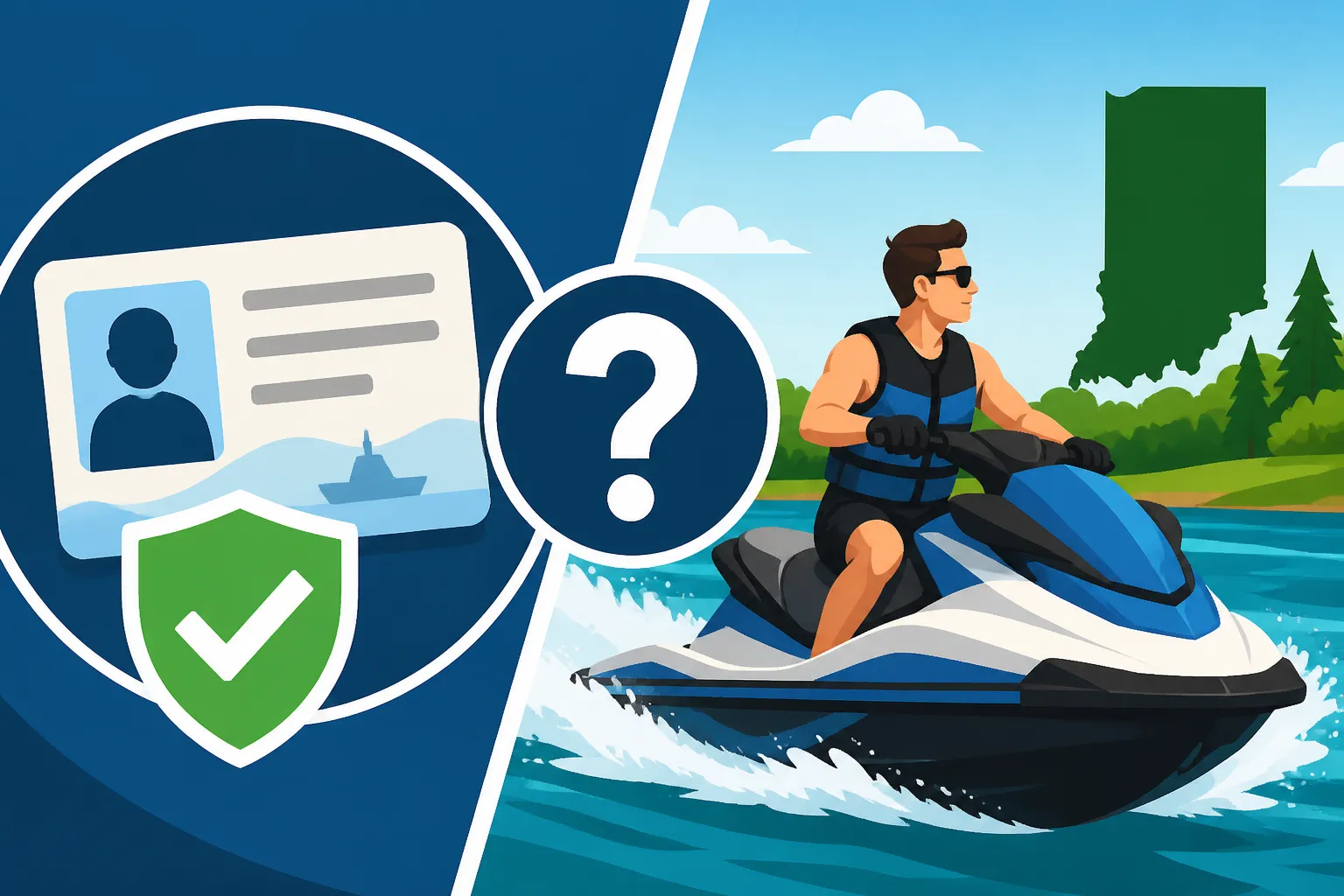
Let’s dive into the terminology because it’s where most of the misunderstanding comes from. When people ask if they need a "boating license" to drive a jet ski, they're usually thinking of something akin to a driver's license for a car, where you prove proficiency on the road and then get a credential to operate. However, in Indiana, what's required for certain age groups to operate a motorized boat (including jet skis) is a "Boater Education Card" or "Boater ID Card."
This card signifies that you've successfully completed an approved boater safety course. It’s not a license that needs regular renewal or implies a driving test on the water. Instead, it's proof of education. The state wants to make sure you know the rules of the road (or, in this case, the water) before you're out there. This distinction is crucial because it changes how you approach meeting the legal requirements. You're not applying for permission; you're demonstrating competence through education.
Boater Education is Key, Not Just an Age Requirement
While age plays a significant role in who needs this education, the underlying principle is that basic boater safety knowledge is paramount. Indiana, like many states, recognizes that operating a vessel, especially a powerful PWC, carries inherent risks. A lapse in judgment or a lack of understanding of fundamental rules can lead to serious accidents.
That's why the emphasis is squarely on education. The courses cover everything from navigation rules (like right-of-way, buoys, and markers) to environmental protection, emergency procedures, and safe operation practices. It's designed to make you a more responsible and aware boater, which ultimately makes the waterways safer for everyone. So, while you might hear people casually refer to it as a "boating license," remember that the state is really looking for evidence of your boater education. This educational requirement is a cornerstone of safe boating and helps prevent unnecessary incidents on our beautiful lakes and rivers.
Who Needs a Boater Education Card in Indiana?
Navigating the age requirements for operating a jet ski or other personal watercraft can feel a bit like reading fine print sometimes, but it's really quite straightforward once you break it down. Indiana's laws are designed to balance accessibility for younger operators with the critical need for safety and responsible boating. It's not about stopping anyone from enjoying the water, but ensuring they do so with the proper knowledge.
Age Requirements for Operating Personal Watercraft
Here’s the breakdown of who needs a Boater Education Card based on age when operating a personal watercraft in Indiana:
- Under 15 Years Old: If you are under 15 years of age, you are not permitted to operate a PWC, regardless of whether you have completed a boater education course. This is a hard-and-fast rule designed to protect younger individuals who may not have the judgment or physical capability to handle a PWC safely. It's a clear line in the sand for personal watercraft, as they are generally more powerful and require quick reflexes.
- 15 Years Old and Older: If you are 15 years of age or older, you must have successfully completed a boater education course approved by the Indiana Department of Natural Resources (IDNR) to operate a motorized boat, which includes jet skis. Once you complete the course, you'll receive a Boater Education Card. This card is your proof that you understand the rules and responsibilities of operating a PWC. Even if you're an experienced angler who has been fishing since childhood, if you're 15 or older and operating a PWC, this card is a must.
This tiered system ensures that those who are old enough to operate these powerful machines also have the foundational knowledge to do so safely. It's not about being an expert, but about understanding the basics to prevent accidents and protect yourself and others on the water.
Exemptions to the Boater Education Requirement
Now, while the rules might seem strict, there are a few situations where the Boater Education Card requirement might not apply to motorized boat operation in general, but it's important to understand how they specifically relate (or don't relate) to personal watercraft.
Let’s be clear: for personal watercraft, the 15-year-old minimum age and the education requirement for those 15 and older are pretty solid. However, for general motorized boating (not specifically PWC):
- Individuals born before January 1, 1987: If you were born before this date, you are generally exempt from the boater education requirement when operating a motorboat. This exemption acknowledges that older generations had different regulations in place and are presumed to have gained experience over time. However, this general motorboat exemption does not apply to the age restriction for operating a PWC. Even if you were born before 1987, you still must be 15 or older to operate a PWC.
- Out-of-State Visitors: If you are a nonresident visiting Indiana, and you hold a valid boater education card or certificate issued by another state or Canadian province that meets the requirements of the National Association of State Boating Law Administrators (NASBLA), Indiana will generally recognize it. This is great news for vacationers coming to enjoy our waters! Always carry your out-of-state certification with you, just as an Indiana resident would carry their state-issued card. However, just like residents, out-of-state visitors still need to meet the minimum age of 15 to operate a PWC.
- Operating on Private Waters: If you are operating a motorboat exclusively on a private lake or pond that is not connected to public waters, the boater education requirement typically doesn't apply. However, this is usually for very localized, self-contained bodies of water. Most of the popular spots for jet skis in Indiana are public waterways, where these rules absolutely apply.
The key takeaway is that for jet skis, the age limit of 15 is firm, and the education requirement for those 15 and older is also very strictly enforced. Don't assume you're exempt if you plan to jump on a PWC just because you fit another general boating exemption. Always check the latest regulations from the Indiana Department of Natural Resources to ensure you're fully compliant before heading out.
How to Get Your Indiana Boater Education Card
Getting your Indiana Boater Education Card is a pretty straightforward process, and it's well worth the time and effort. It's not just about compliance; it's about gaining valuable knowledge that makes your time on the water safer and more enjoyable. Think of it as investing in your confidence and the safety of everyone around you.
Online Courses vs. In-Person Classes
You have a couple of convenient options for completing your boater education, depending on your learning style and schedule:
- Online Courses: This is by far the most popular and flexible option for many people these days. Several online providers offer IDNR-approved courses. These courses are typically self-paced, meaning you can work through the material whenever it fits your schedule, whether that's late at night after the kids are in bed or during a quiet afternoon. The content is usually presented with interactive modules, videos, and quizzes to help reinforce the learning. It's a fantastic choice for busy individuals or those who prefer to learn at their own speed. You can often find these courses with a quick search, and reputable sites like those recommended by the Indiana DNR or linked through organizations like the BoatUS Foundation are good places to start. When looking for a course, just make sure it's certified for Indiana.
- In-Person Classes: For those who prefer a more traditional classroom setting or enjoy interacting with instructors and other students, in-person courses are also available. These are often offered by local boating clubs, marine patrols, or through community education programs. They provide a structured learning environment where you can ask questions directly and engage in discussions. The downside is they require specific scheduling and travel, but for some, the hands-on feel and direct instruction are invaluable. Keep an eye on local community center listings or contact your nearest DNR office for schedules.
Both options lead to the same outcome: an approved boater education certificate that allows you to apply for your official Boater ID Card. The choice really comes down to what works best for your personal learning preferences.
What the Boater Education Course Covers
Regardless of whether you choose an online or in-person course, the content you'll cover is comprehensive and designed to equip you with essential knowledge for safe boating. These courses aren't just a hurdle to jump; they're packed with practical information that could literally save a life.
Here's a general overview of what you can expect to learn:
- Navigation Rules (Rules of the Road): This is foundational. You'll learn about right-of-way rules, how to safely pass other vessels, and understanding navigation aids like buoys and markers. Knowing these rules helps prevent collisions, especially in crowded areas.
- Safe Boating Practices: This section delves into things like proper lookout, safe speeds, avoiding reckless operation, and what to do when encountering different types of watercraft, from large fishing boats to kayaks.
- Required Safety Equipment: You'll learn about all the gear you legally need to have on board, such as life jackets (personal flotation devices), fire extinguishers, sound-producing devices (like whistles), visual distress signals, and navigation lights. This is vital, and many people underestimate the importance of carrying the correct gear. For instance, knowing Life Jacket Rules for Personal Watercraft in Indiana is absolutely critical.
- Boating Under the Influence (BUI): Just like driving a car, operating a boat or PWC while impaired is illegal and incredibly dangerous. The course covers the serious consequences of BUI and the importance of sober operation.
- Emergency Procedures: What do you do if your engine quits, someone falls overboard, or you encounter severe weather? These courses prepare you for common emergencies and how to respond calmly and effectively.
- Environmental Responsibility: Protecting our natural resources is a big part of boating. You'll learn about preventing pollution, avoiding damage to sensitive habitats, and responsible waste disposal.
- Specific PWC Operation: Many courses will include sections specifically tailored to personal watercraft, covering their unique handling characteristics, stopping distances, and the importance of always being aware of your surroundings due to their speed and maneuverability.
These courses are thorough because the goal isn't just to pass a test; it's to foster a generation of responsible, knowledgeable boaters who can enjoy Indiana's waters safely for years to come.
Obtaining Your Official Boater ID Card
Once you've successfully completed your boater education course, whether online or in person, the next step is to officially obtain your Indiana Boater ID Card. This card is your proof of compliance and something you'll need to carry with you whenever you're operating a motorized vessel, including your jet ski.
Here’s generally how it works:
- Receive Your Certificate: After passing the final exam of your approved course, the course provider will issue you a completion certificate. This is usually a printable document if you took an online course, or a physical certificate from an in-person class.
- Apply for Your Card: With your completion certificate in hand, you'll typically need to apply to the Indiana Bureau of Motor Vehicles (BMV) for your official Boater ID Card. This isn't automatic after just passing the course. There may be a small processing fee involved. You'll often be able to do this online, mail in an application, or visit a BMV branch in person. The BMV is the state entity that issues these official cards. You can find detailed instructions on the Getting Your Boater ID Card From the Indiana BMV page, or by visiting their official website.
- Carry Your Card: Once you receive your official Boater ID Card, always make sure to carry it with you when operating a jet ski or any other motorized vessel that requires it. This is your proof of having met the boater education requirement. Just like you wouldn't drive a car without your driver's license, you shouldn't operate a PWC without your Boater ID Card (if required for your age).
Remember, the goal is not just to have the card, but to truly absorb the information from the course. That knowledge is what keeps you, your passengers, and other water users safe.
Important Safety Regulations for Jet Skis in Indiana
Getting your Boater Education Card is a huge step, but it's just one piece of the puzzle for safe and legal jet ski operation in Indiana. There are other crucial regulations you need to be aware of, all designed to ensure everyone has a good time on the water without incident. Knowing these rules is just as important as knowing how to steer!
Life Jacket Rules for Personal Watercraft
When it comes to jet skis, life jackets aren't just a suggestion; they are a non-negotiable requirement. Due to the high speeds, sudden turns, and increased likelihood of falling into the water, personal watercraft have specific and stricter rules compared to some other boats.
Here’s what you need to know:
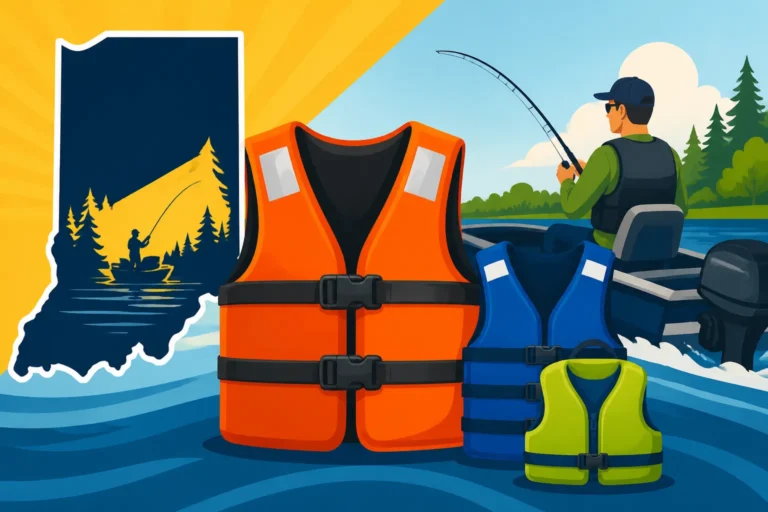
- Mandatory Wear: Every person operating or riding on a personal watercraft must wear an approved wearable personal flotation device (PFD) at all times. This isn't just about having it on board; it must be worn. This rule applies to everyone, regardless of age or swimming ability. There's no exception to this one. This is highlighted in Do PWC Riders Need Life Jackets in Indiana?.
- Approved Types: The PFD must be U.S. Coast Guard-approved and in good, serviceable condition. This means no rips, tears, or broken straps. It also needs to be the correct size for the person wearing it. Type III (Flotation Aid) PFDs are usually preferred for PWC use because they are designed for continuous wear and offer comfort and freedom of movement.
- Inflatable Life Jackets: While some inflatable life jackets are approved for general boating, they are generally not allowed for personal watercraft use. The reasoning is that they require active inflation by the wearer, which might not be possible if someone is knocked unconscious or disoriented after falling off a PWC. Always opt for a inherently buoyant (foam-filled) PFD when on a jet ski.
These life jacket rules are in place for your immediate safety. If you take a spill at speed, having your PFD securely on can prevent serious injury or drowning, allowing you to regain control of the situation quickly. You can find a great selection of Coast Guard-approved life jackets at places like Bass Pro Shops or through online retailers like Amazon.
Other Essential Safety Gear
Beyond your personal wearable life jacket, operating a jet ski also requires a few other pieces of safety equipment to ensure you're prepared for any situation. These items might seem minor, but they play a critical role in preventing accidents or summoning help when needed.
Here’s a quick checklist of what you should typically have:
- Sound-Producing Device: You must carry a sound-producing device on your PWC. This could be a whistle attached to your life jacket or a horn. Its purpose is to signal intentions to other boaters or to alert others in an emergency. For example, knowing Do You Need a Whistle or Horn on an Indiana Boat? is good common sense.
- Fire Extinguisher: While smaller PWCs might be exempt based on construction or engine compartment size, it's generally a good practice to carry a Coast Guard-approved marine fire extinguisher. Many PWCs have enclosed compartments that warrant one. Always check your specific PWC manual and current regulations.
- Backfire Flame Arrestor: All gasoline engines on motorboats (including jet skis) must be equipped with an approved backfire flame arrestor on the carburetor or fuel-injection system. This prevents engine backfires from igniting fuel vapors.
- Ventilation System: If your PWC has an enclosed engine compartment, it must be equipped with a ventilation system to remove explosive fumes.
- Engine Cut-Off Lanyard: This is a crucial safety feature for jet skis. The engine cut-off switch lanyard must be attached to the operator's wrist or PFD. If the operator falls off, the lanyard pulls out, instantly stopping the engine. This prevents the PWC from continuing unmanned and potentially injuring the fallen operator or others. It’s an absolute must-use feature.
Having all these items ready and in good working order isn't just about avoiding a ticket; it's about being a responsible boater and mitigating risks. Before every outing, it's wise to do a quick check to make sure all your gear is present and functional.
Safe Operation Practices and Prohibited Acts
Beyond licenses and gear, how you actually operate your jet ski is perhaps the most important aspect of safety. Indiana has clear rules about what constitutes safe and acceptable behavior on the water, and also what is strictly prohibited. Understanding these can help you avoid fines, accidents, and serious injuries.
Here are some key practices to follow and acts to avoid:
- No Wake Zones: Respect "no wake" zones. These are designated areas, often near marinas, docks, swimming areas, or shorelines, where you must operate your vessel at minimum headway speed, meaning the slowest speed at which you can maintain steerage and avoid creating a wake. Violating these zones can cause damage to property and erosion, and endanger swimmers or smaller boats.
- Reckless Operation: This is a broad category that covers any operation that endangers others or their property. This includes weaving through congested traffic, jumping the wake of another vessel too closely, operating at excessive speeds in restricted areas, or buzzing other boats. "Stunt driving" too close to other people or property is also considered reckless. Think of it like reckless driving on the road – it's serious.
- Distance from Other Vessels and Shore: Generally, PWC operators should maintain a safe distance from other vessels, swimmers, and the shore. While exact distances can vary by regulation or situation, a good rule of thumb is to operate defensively and give ample space to avoid collisions. Be extra careful around fishing boats, as they might not be expecting a fast-moving PWC to zoom by.
- Night Operation Restrictions: Personal watercraft are prohibited from being operated between sunset and sunrise in Indiana. This is a critical rule, as PWCs are much harder to see at night, and their speed makes them a hazard in low visibility. If you're out past sunset, your jet ski should be safely docked or trailered.
- Passenger Capacity: Don't overload your jet ski. Respect the manufacturer's stated capacity for passengers and weight. Overloading can make the PWC unstable and difficult to control.
- Following the Law: Always comply with directives from law enforcement or conservation officers. They are there to ensure safety on the water.
Operating a jet ski can be an exhilarating experience, but with that power comes great responsibility. By adhering to these safety practices and avoiding prohibited acts, you contribute to a safer, more enjoyable environment for everyone sharing Indiana's waterways.
Here's a quick summary table of Indiana's PWC operator requirements:
| Age of Operator | Boater Education Card Required? | PWC Operation Permitted? | Additional Notes |
|---|---|---|---|
| Under 15 | N/A | No | Cannot operate a PWC under any circumstances. |
| 15 and Older | Yes | Yes | Must carry valid Indiana Boater ID Card or equivalent. |
For more detailed information on specific regulations, costs, or where to take courses, check out these related articles:
- Indiana Boater Education Course Requirements
- Getting Your Boater ID Card From the Indiana BMV
- Life Jacket Rules for Personal Watercraft in Indiana
- Do PWC Riders Need Life Jackets in Indiana?
- What Horsepower Requires a License in Indiana?
- Can a 14 Year Old Drive a Boat in Indiana?
- Indiana Boater Education Course Cost
- How Long Is the Indiana Boater Safety Course
- Best Online Boater Safety Courses for Indiana Residents
- What Is a BMV Boater ID Card in Indiana?
- Do You Need a Boater ID Card if You Have a Driver's License in Indiana?
- Do You Need a Whistle or Horn on an Indiana Boat?
Disclaimer
This article is for general informational purposes only and does not constitute professional advice. Laws, prices and regulations vary by location and change over time. Consult a qualified professional for guidance on your specific situation.