Best Life Jackets for Jet Skiing on Indiana Lakes
There’s nothing quite like the thrill of jet skiing across the calm waters of an Indiana lake, feeling the wind in your hair and the spray on your face. But that incredible sense of freedom comes with a serious responsibility: keeping yourself and your passengers safe. One of the most common pitfalls people overlook is having the right life jacket – not just any life jacket, but one specifically suited for the demands of personal watercraft (PWC) and compliant with Indiana's regulations. This guide will dive deep into what makes a life jacket ideal for jet skiing on our beloved Hoosier waters, ensuring you're safe, comfortable, and legal.
Understanding Indiana's Life Jacket Requirements for Personal Watercraft (PWCs)
When you're out on an Indiana lake, whether it's the vast expanse of Monroe Lake or the lively waters of Lake Wawasee, the rules about life jackets aren't just suggestions; they're legal requirements designed to save lives. And when it comes to personal watercraft, often called jet skis, Sea-Doos, or WaveRunners, there are some very specific distinctions you absolutely need to know. Many people think "a life jacket is a life jacket," but that couldn't be further from the truth when you're hitting waves at speed on a PWC.
The Crucial Difference for PWC Riders
Unlike larger boats where you might be required to have a life jacket on board for each person, PWC operation carries a much stricter rule: every person on a personal watercraft must wear a U.S. Coast Guard-approved life jacket at all times while underway. This isn't just about being able to grab one if you fall off; it's about having that flotation securely on your body before an incident occurs. Imagine being thrown from a PWC at speed – the last thing you'd be able to do is retrieve a stowed life jacket. The impact alone could disorient you, and if you hit your head, immediate flotation is literally a lifesaver. This mandatory wear rule is in place because PWCs are inherently more dynamic and, often, faster than many other recreational vessels, leading to higher-impact falls. For a full breakdown, check out Life Jacket Rules for Personal Watercraft in Indiana.
The Indiana Department of Natural Resources (DNR) takes these regulations seriously, and for good reason. A PWC accident can happen in an instant, often without warning. Having your life jacket securely fastened not only keeps you afloat but can also help prevent serious injury by providing some padding against impacts. Think about rapid deceleration or being ejected – the vest acts as a crucial buffer. It also makes it much easier for rescue personnel to spot and retrieve you from the water, especially in choppy conditions or if you're injured. Every boater should be familiar with the comprehensive Indiana Boater Safety Gear Checklist, but PWC riders have these extra considerations.
Why Inflatable Life Jackets Are Not Allowed on Indiana PWCs
Here's a regulation that often catches people off guard and is incredibly important for PWC riders in Indiana: you cannot wear an inflatable life jacket while operating or riding a personal watercraft. While inflatable life jackets are popular for some other boating activities due to their low profile and comfort, they are explicitly prohibited for PWC use. Many casual boaters might own one for kayaking or paddleboarding and assume it's fine for their jet ski, only to find themselves in violation of the law. This isn't just an arbitrary rule; it's based on very practical safety considerations.
The primary reason for this prohibition is the risk of incapacitation. When you're ejected from a PWC, it's often a sudden and violent event. You could hit the water hard, become disoriented, or even be knocked unconscious. Inflatable life jackets typically require the wearer to manually pull a cord to deploy the CO2 cartridge that inflates the vest, or they rely on water immersion for automatic inflation. If you're stunned, unconscious, or injured, you might not be able to activate the inflation mechanism. Traditional foam-filled life jackets, on the other hand, provide instant and constant buoyancy. This crucial distinction is why Indiana, along with many other states, has this specific rule. You can learn more about this particular rule and its implications in Why Inflatable Life Jackets Are Not Allowed on Indiana PWCs.
Furthermore, the force of hitting the water during a high-speed ejection can be significant. This force could potentially damage the inflation mechanism of an inflatable vest, or even prevent it from deploying correctly when you need it most. Foam vests are designed to withstand these impacts and continue to provide reliable flotation. So, while an inflatable might feel less bulky, the safety trade-off for PWC riders is simply too great. Always choose a traditional, inherently buoyant life jacket for your jet skiing adventures on Indiana's lakes.
Key Features to Look For in a PWC Life Jacket
Choosing the right life jacket for jet skiing isn't just about compliance; it's about comfort, safety, and enhancing your overall experience on the water. A poorly fitting or inappropriate vest can be a distraction, make you uncomfortable, and most importantly, might not perform as expected in an emergency. You want a life jacket that feels like an extension of your body, allowing you to move freely while providing maximum protection.
US Coast Guard Approval and Type Ratings
The absolute first thing you must confirm is that any life jacket you consider is U.S. Coast Guard (USCG) approved. This approval means the vest has met rigorous safety standards for flotation, materials, and construction. Without this stamp of approval, it's not legal for use on regulated waterways in Indiana, and it certainly isn't reliable for personal safety. You'll typically find a label inside the vest stating its USCG approval and "Type." For PWC use, you'll almost exclusively be looking for a Type III Personal Flotation Device (PFD).
Type III PFDs, often called "flotation aids," are designed for general recreational use where a person has a reasonable chance of rescue. They offer excellent mobility and comfort for active watersports like jet skiing. While they won't typically turn an unconscious person face-up in the water (a feature of Type I and some Type II PFDs), the likelihood of immediate rescue from a PWC accident is usually high, making the mobility and comfort benefits of a Type III vest paramount. These vests are specifically chosen for their balance of safety and freedom of movement, which is critical when you're actively steering and maneuvering a PWC. When considering options, you'll find plenty of suitable Type III vests at outdoor retailers like Bass Pro Shops or through online vendors like Amazon. For a deeper dive into the different types, consider reading Indiana Life Jacket Requirements for Every Boater.
Fit, Comfort, and Mobility for Active Riding
A life jacket for jet skiing isn't like a bulky offshore vest; it needs to allow you to twist, turn, and lean without chafing or restricting your movement. A proper fit is snug but not constricting. It should not ride up above your ears when you lift your arms. To test this, put the vest on, buckle and zip it up, and then have someone gently pull up on the shoulders. If it slides up past your chin, it's too big and won't provide adequate safety. Adjustable straps on the shoulders, sides, and waist are key to achieving this custom fit.
Look for features that enhance comfort and mobility. Vests made with segmented foam panels allow the vest to flex and conform to your body, rather than feeling like a rigid block. Large armholes and cutouts are also important for unrestricted arm movement, which is essential for steering and throttle control. Material choice matters too; neoprene vests offer a comfortable, wetsuit-like feel that often fits snugly and dries quickly, reducing chafing. Nylon vests are generally more affordable and quick-drying but might not offer the same contoured fit. Remember, you'll be wearing this vest for extended periods, so investing in one that's genuinely comfortable will make your jet skiing much more enjoyable.
Durability and Safety Features
Jet skiing is an active sport, and your life jacket needs to stand up to the rigors of sun, water, and repeated use. Look for vests made from durable, fade-resistant fabrics like heavy-duty nylon or robust neoprene. Strong, corrosion-resistant zippers and multiple, sturdy buckles (often side-release plastic buckles) are essential to ensure the vest stays securely fastened, especially during an unexpected fall. Stitching should be reinforced, particularly around stress points like the armholes and where straps attach.
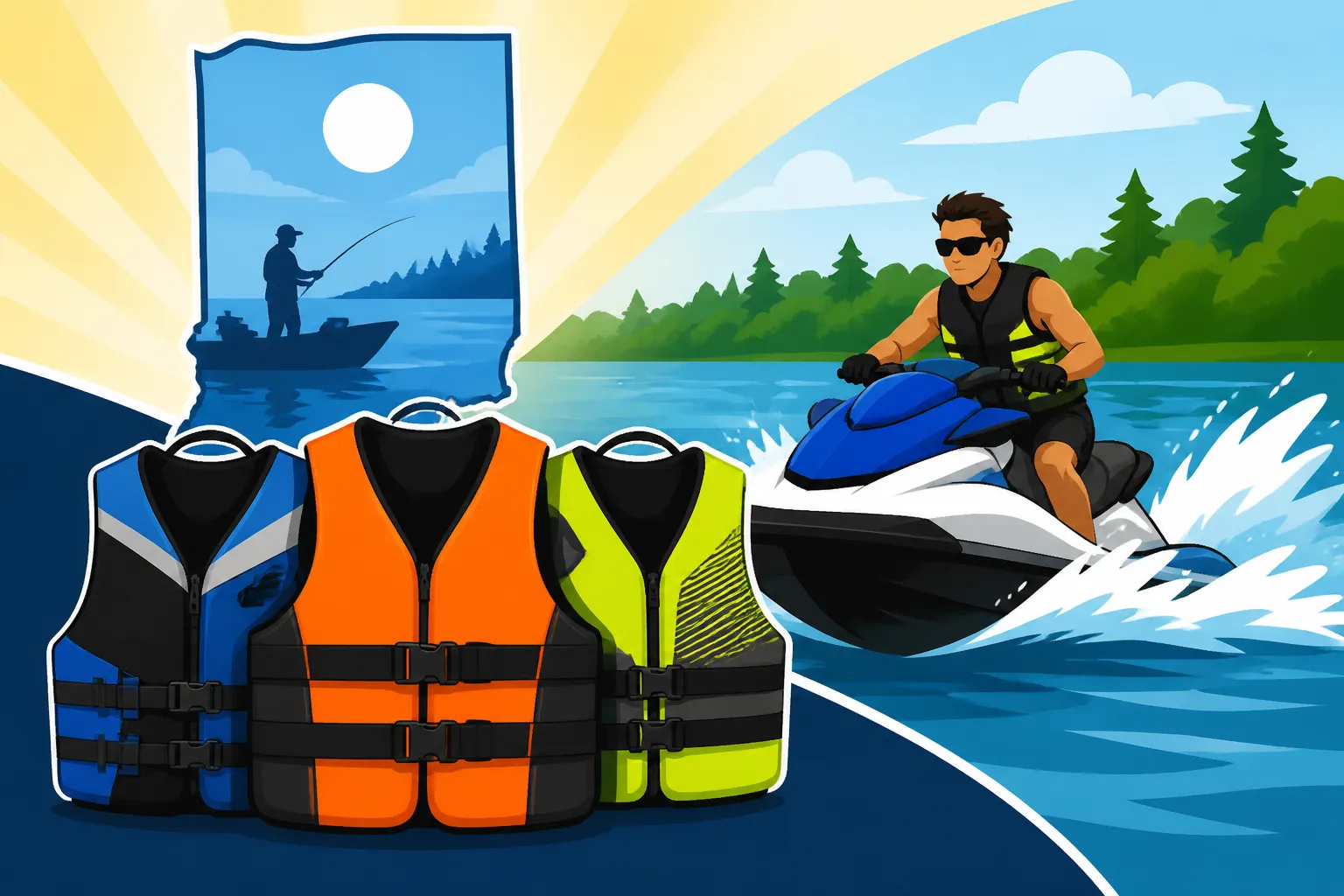
Beyond basic durability, consider additional safety features. Bright, visible colors are a huge plus. If you're in the water, a fluorescent yellow, orange, or green vest makes you much easier to spot by other boaters and potential rescuers. Some vests include reflective trim, which is invaluable if you end up in the water in low-light conditions. A whistle attached to the vest is also a smart, often overlooked, safety feature that can help you signal for help. Some higher-end vests designed for serious watersports might even include a D-ring for attaching a kill switch lanyard, which is crucial for preventing runaway PWCs. These seemingly small details can make a big difference when safety is on the line.
Top Recommendations for Jet Skiing Life Jackets
With so many options on the market, it can feel a little overwhelming trying to pick the "best" life jacket for jet skiing. The key is to balance safety compliance, performance features, and your personal comfort needs. What works for a casual rider on a calm lake might be different from what a high-performance enthusiast needs. Let's break down some common categories.
Vests Designed for High-Impact Water Sports
For those who love to push their PWC to its limits, doing jumps, sharp turns, or just riding aggressively, a standard Type III vest might not offer the ideal level of security and impact protection. Many manufacturers produce specialized vests specifically for high-impact watersports like wakeboarding, waterskiing, and jet skiing. These vests are still USCG-approved Type III PFDs, but they incorporate enhanced features.
Often, you'll find these vests feature advanced segmented foam, allowing for maximum flexibility and a body-hugging fit that reduces the chance of the vest riding up or shifting during a hard impact. They might have thicker foam in strategic areas, like the back and sides, to provide extra padding. Stronger, larger zippers and multiple heavy-duty buckles are common, ensuring the vest stays put no matter what. Some performance vests also have features like drain panels to shed water quickly, preventing waterlogging and maintaining buoyancy efficiency. Brands like O'Neill, Hyperlite, and Ronix are well-known for their watersports vests. You can find a good selection of these specialized vests at retailers like Bass Pro Shops, which often caters to performance watersports, or by browsing online retailers like Amazon for specific models. While they might be a bit pricier than basic vests, the added security and comfort for aggressive riding are well worth the investment.
Budget-Friendly Yet Compliant Options
Safety doesn't have to break the bank. There are plenty of excellent, USCG-approved Type III life jackets that are perfectly suitable for jet skiing on Indiana lakes without costing a fortune. These options prioritize the core safety requirements while offering reliable construction and a comfortable fit for most riders. The key is to stick with reputable brands and always verify the USCG approval.
Typically, budget-friendly options will be made from durable nylon rather than neoprene. Nylon vests are often lighter and can dry quickly, but they might not offer the same form-fitting comfort as neoprene. Look for vests with at least two or three adjustable buckles and a strong front zipper to ensure a snug fit. While they might not have the extra padding or highly segmented foam of premium vests, a well-fitting nylon Type III PFD from a brand like Coleman, Stearns, or Onyx will absolutely meet Indiana's requirements and provide essential flotation. Just ensure it passes the "pull test" – it shouldn't ride up over your chin when pulled from the shoulders. You can easily compare prices and features of these vests on Amazon or at local sporting goods stores.
Life Jackets for Different Rider Types (Kids, Adults, Larger Sizes)
It's absolutely critical that every rider has a life jacket that fits them properly. A child's vest that's too big is just as dangerous as an adult's vest that's too small.
- For Kids: Children's life jackets are sized by weight range, not age. Always check the label. They typically feature additional safety elements like a crotch strap (to prevent the vest from riding up over their head) and sometimes a grab handle on the back for easy retrieval from the water. Brighter colors are particularly important for children for maximum visibility. Remember, Indiana has specific rules regarding children wearing life jackets, so make sure your little ones are always safely outfitted. We have a detailed guide on Best Life Jacket Sizes for Kids Boating in Indiana that you might find helpful.
- For Adults: Adult vests are sized by chest circumference, and sometimes by weight, though weight is less critical for adults than for children. Ensure the vest fits snugly around the chest and waist, allowing for full range of motion without riding up.
- For Larger Sizes: For larger adults, finding a comfortable and properly fitting life jacket can sometimes be a challenge. Many brands offer "oversized" or "universal oversized" options. It’s important to try these on or check the exact chest measurements. Look for vests with extra-long adjustable straps and generous armholes to accommodate different body types comfortably. The goal remains the same: a snug fit that won't ride up when pulled from the shoulders. No matter the size, the USCG Type III approval is non-negotiable.
Here's a quick comparison of common life jacket types and their general suitability for PWC use:
| Life Jacket Type (USCG) | Description | Primary Use | PWC Suitability | Key Considerations |
|---|---|---|---|---|
| Type I (Off-Shore) | Most buoyant, turns unconscious wearer face-up. | Rough, remote waters where rescue may be delayed. | No | Too bulky, severely restricts movement for PWC operation. |
| Type II (Near-Shore) | Less buoyant than Type I, may turn unconscious wearer face-up. | Calm, inland waters, good chance of quick rescue. | Possible | Can be a bit bulky, less ideal for active PWC riding. |
| Type III (Flotation Aid) | Good for calm waters, comfortable for continuous wear. | Watersports, fishing, general recreational boating. | Yes | Ideal for PWC. Offers excellent mobility and comfort. |
| Type IV (Throwable) | Designed to be thrown to someone in distress. | On board boats as an additional rescue device. | No | Not worn, cannot be used as primary PWC flotation. |
| Type V (Special Use) | Specific activities, may require wearing for approval. | Kayaking, windsurfing, commercial use, inflatables. | No | Inflatables (a common Type V) are prohibited for PWC in IN. |
Always remember, for jet skiing on Indiana lakes, a USCG-approved Type III PFD is what you need.
Maintenance and Care for Your PWC Life Jacket
Your life jacket is a piece of safety equipment, and like any critical gear, it requires proper care and maintenance to ensure it performs when you need it most. Neglecting your vest can lead to reduced buoyancy, material degradation, and ultimately, a compromise in safety. A well-maintained life jacket will last longer and protect you better on the water.
Extending the Life of Your Vest
Proper care starts immediately after each use. Even if your life jacket doesn't look dirty, it's been exposed to lake water, sweat, and possibly sunscreen or bug spray.
- Rinse Thoroughly: After every outing, rinse your life jacket with fresh, clean water. This helps remove salt (if you've been on Lake Michigan), chlorine (if used in a pool), dirt, and any other contaminants that can degrade the fabric and stitching over time. Pay special attention to zippers and buckles to flush out any debris that could cause corrosion or sticking.
- Air Dry Completely: Hang your life jacket to air dry in a well-ventilated area, out of direct sunlight. Sunlight, especially prolonged exposure to UV rays, is a major enemy of life jacket materials, causing them to fade, weaken, and become brittle. Avoid using a dryer, as high heat can damage the foam and fabric. Ensure it's completely dry before storing to prevent mildew growth, which not only smells terrible but can also weaken fabrics.
- Proper Storage: Once dry, store your life jacket in a cool, dry place away from direct sunlight and extreme temperatures. Avoid compressing it under other gear, as this can permanently flatten the foam and reduce its buoyancy. Hanging it or laying it flat in a locker or large storage bin is ideal.
- Clean as Needed: For tougher grime or mildew, use a mild soap (like dish soap) and water with a soft brush or sponge. Never use harsh detergents, bleach, or solvents, as these can strip protective coatings, damage materials, and reduce the integrity of the vest.
By following these simple steps, you can significantly extend the lifespan of your PWC life jacket and ensure it's always ready for your next adventure on the water.
When to Replace Your Life Jacket
Even with the best care, life jackets don't last forever. Over time, materials degrade, and buoyancy can diminish. Knowing when to retire a vest and replace it with a new one is a crucial aspect of responsible boating safety. Regular inspection is key.
Look for these warning signs that indicate it's time for a replacement:
- Faded or Brittle Fabric: Significant fading, especially in bright spots, is a strong indicator of UV damage. If the fabric feels stiff, brittle, or tears easily, its structural integrity is compromised.
- Tears, Rips, or Holes: Any significant damage to the outer shell can expose the foam inside, allowing it to become waterlogged or damaged. Even small tears can grow larger over time.
- Weakened Straps or Broken Buckles/Zippers: If straps are frayed, buckles are cracked or don't latch securely, or zippers are corroded and won't close properly, the vest cannot be counted on to stay on in the water.
- Compressed or Hardened Foam: The foam inside should be soft, pliable, and return to its shape when squeezed. If it feels hard, lumpy, or permanently compressed, its flotation capabilities have likely been reduced. A good test is to put the vest on and jump in the shallow end of a pool to confirm it still provides adequate buoyancy. If you're struggling to stay afloat, it's definitely time for a new one.
- Mildew or Bad Odor: While some mildew can be cleaned, extensive growth often indicates that the fabric or foam has been compromised and may harbor bacteria that further degrade the material. If it smells persistently musty, it's often a sign of deep-seated mildew.
If your life jacket exhibits any of these signs, don't risk it. Retire it and invest in a new, USCG-approved Type III PFD. Think of it as an insurance policy for your life on the water – it's an investment you hope you never fully need, but when you do, it has to work perfectly. You can often find great deals on replacement vests through retailers like Amazon or your local sporting goods store. Staying safe on Indiana's beautiful lakes is paramount, and a reliable life jacket is your first line of defense.
Disclaimer
This article is for general informational purposes only and does not constitute professional advice. Laws, prices and regulations vary by location and change over time. Consult a qualified professional for guidance on your specific situation.