Do You Need a Boater ID Card if You Have a Driver’s License in Indiana?
It’s a really common question, and honestly, it’s easy to get confused. You've got your driver's license, you're a responsible adult, and you know the rules of the road. So, when you're heading out to Monroe Lake: Indiana's Largest Lake for Bass Fishing or cruising the Ohio River, you might naturally assume your standard driver's license covers you for operating a boat in Indiana. But here's the kicker: it usually doesn't. Indiana has specific requirements for operating certain watercraft, and they're separate from your road driving privileges. This guide is here to clear up that confusion and make sure you're properly equipped for safe and legal boating in the Hoosier State.
Navigating Indiana's Waterways: Why Your Driver's License Isn't Enough for Boating
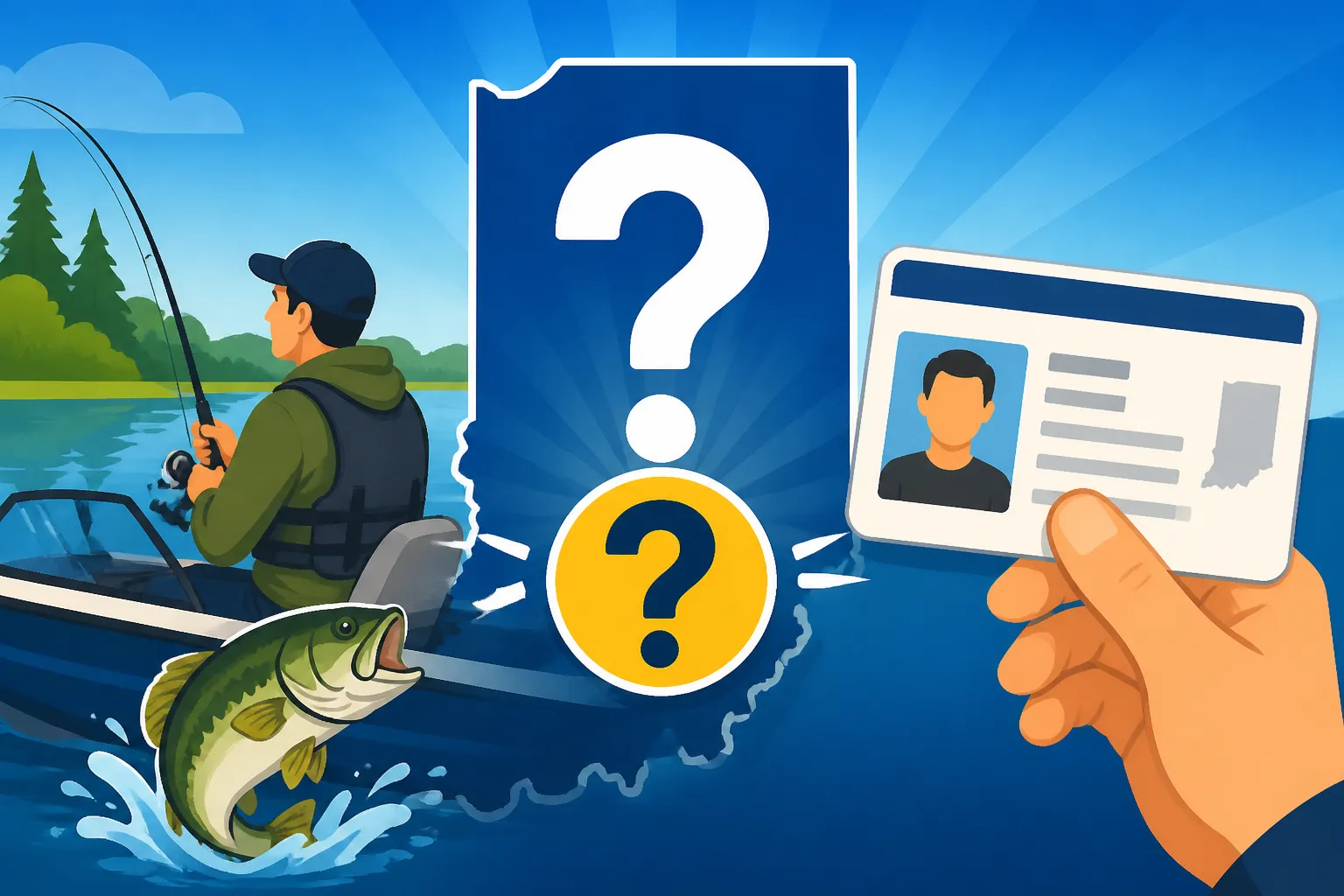
When you're out on the water, whether it's the vast expanse of Lake Michigan or a quiet local pond, the rules of the road are quite different from those you encounter while driving your car. This often leads to a genuine point of confusion for many Indiana residents and visitors alike: "Do I need a separate Boater ID Card if I already have a driver's license?" It’s a completely valid question, especially since some states do intertwine these requirements. However, in Indiana, while your driver's license is certainly a valuable form of identification, it doesn't automatically grant you the authority to operate all types of vessels under all circumstances on our public waterways. The state has a clear emphasis on specialized boater education to ensure everyone's safety.
This isn't about creating extra hoops to jump through; it's about recognizing that boating involves a distinct set of skills, knowledge, and responsibilities. From understanding navigation markers to knowing how to react in diverse weather conditions, the marine environment presents unique challenges. Your driver's license confirms your ability to operate a motor vehicle on land, adhering to traffic laws and road signs. Boating, on the other hand, demands familiarity with marine charts, right-of-way rules for vessels, proper docking procedures, and a deep understanding of water safety protocols that aren't covered in a typical driver's education course. It's a critical distinction for the safety of yourself, your passengers, and every other person enjoying Indiana’s beautiful aquatic landscapes.
The Clear Distinction: Driver's License vs. Boater ID Card
Let's cut right to the chase: in Indiana, a valid motor vehicle driver's license does not automatically qualify you to operate a motorized boat over 10 horsepower or a personal watercraft (PWC) if you fall within the age bracket of 15 to 17 years old. This is a point of frequent misunderstanding. For adults aged 18 and older, a valid driver's license does generally exempt them from the mandatory boater education card requirement. However, this exemption shouldn't be mistaken for a declaration that no additional boating knowledge is needed. It simply means the state doesn't mandate the card for adults.
The logic behind this distinction is quite sound when you think about it. Driving a car and piloting a boat are two vastly different operations. On the road, you deal with lanes, traffic lights, and predictable surfaces. On the water, you contend with currents, wakes, shifting weather, and a dynamic environment where rules of engagement are interpreted differently. For instance, the concept of "right-of-way" on the water, particularly when sailboats, fishing vessels, and larger craft are involved, is far more complex than a four-way stop. Therefore, requiring specific boater education for certain operators ensures they possess this specialized knowledge, which is crucial for preventing accidents and ensuring responsible use of our waterways, whether you're navigating Lake Wawasee: Indiana's Largest Natural Lake or a smaller fishing pond.
Who Needs to Complete Indiana's Boater Education?
The primary group targeted by Indiana's mandatory boater education law consists of younger operators. Specifically, if you are between the ages of 15 and 17, and you intend to operate a motorized boat over 10 horsepower or a personal watercraft (PWC) on Indiana's public waters, you are legally required to complete an Indiana-approved boater education course. Upon successful completion, you must carry proof of this education – either your certificate of completion or an official Boater ID Card. This ensures that our younger boaters are equipped with a foundational understanding of safe boating practices before they take the helm of more powerful vessels. It’s an investment in their safety and the safety of everyone around them.
For those under 15 years of age, the rules are even more stringent: they are strictly prohibited from operating a motorized boat over 10 horsepower or a PWC, regardless of whether they have taken a course. The only exception is if they are accompanied on board by an adult who is at least 18 years old and who themselves meets the education requirements. This allows families to enjoy boating together, but always under the watchful eye and experienced hand of a qualified adult. For adults aged 18 and over, while the Boater ID Card isn't strictly mandatory if they hold a valid driver's license, taking a boater education course is still highly recommended. It provides invaluable knowledge that even seasoned drivers might lack when transitioning to the unique challenges of the marine environment. You can explore these nuances further in Indiana Boater Education Course Requirements.
Understanding Indiana's Boater Education Law: Age, Horsepower, and Vessels
Indiana’s boating laws aren't just arbitrary rules; they are meticulously crafted to foster a safe and enjoyable environment across all our diverse waterways, from the bustling shores of Lake Michigan to the more tranquil fishing spots on the Tippecanoe River in Indiana. The goal is to ensure that every individual who takes the helm of a motorized vessel possesses the necessary knowledge and skills to do so responsibly. This isn't just about steering straight; it encompasses everything from understanding maritime navigation rules and weather patterns to correctly handling emergencies.
The law targets specific age groups and types of vessels because these represent situations where the risk of accidents is potentially higher without proper training. A high-horsepower motorboat or a fast-moving personal watercraft demands a level of operational expertise that goes beyond common sense. It involves a detailed understanding of how a boat reacts in different conditions, the potential dangers of wakes, the importance of maintaining a proper lookout, and the legal obligations of an operator. These foundational principles are precisely what boater education aims to instill, making our lakes and rivers safer for anglers, swimmers, and pleasure cruisers alike.
Age Restrictions and What They Mean for Your Kids
The age-specific regulations are a cornerstone of Indiana's boating safety efforts. If you have a child or teenager between 15 and 17 years old who is eager to take the reins of a powerboat with more than 10 horsepower or a PWC, they absolutely must complete an approved boater education course. This is not optional; it's a legal requirement that protects them and others on the water. The certificate of completion or their official Boater ID Card must be carried with them while operating the vessel. This proactive approach ensures that young operators learn crucial safety lessons early, establishing good habits from the outset. Many families find online courses convenient for this, and you can often find study materials or direct course links through well-known online retailers like Amazon, or by checking local resources at places like Bass Pro Shops for safety gear.
For children under 15, the law takes an even more protective stance. They are prohibited from operating motorized boats with engines exceeding 10 horsepower or any personal watercraft. However, they can still enjoy the thrill of being on a larger boat if an adult, 18 years or older, who has met the education requirements, is physically present and supervising them directly on board. This adult must be ready and able to take immediate control of the vessel if needed. This provision allows families to create memorable boating experiences together, ensuring that a knowledgeable and responsible individual is always in charge, upholding safety standards for everyone. For more detailed insights into age limits, check out Can a 14 Year Old Drive a Boat in Indiana?.
Vessels Requiring Boater Education: Motorboats and PWCs
It's important to clarify which types of vessels fall under Indiana's boater education requirements. The law specifically calls out "motorized boats over 10 horsepower" and "personal watercraft (PWCs)." This broad category encompasses a significant portion of recreational boating in Indiana. From your fishing boat with a powerful outboard engine designed for chasing Indiana Walleye Fishing: A Complete Guide to the speedy jet ski you take out for a thrill ride, if it meets these criteria and is operated by someone aged 15-17, boater education is a must.
This distinction is crucial because not all watercraft are treated equally under the law. Smaller, non-motorized vessels like canoes, kayaks, stand-up paddleboards, or even small rowboats with tiny electric trolling motors (typically well under 10 horsepower) are generally exempt from the boater education requirement, regardless of the operator's age. While safety equipment, like Best Life Jackets for Indiana Boaters, is still universally required and highly advisable for all water activities, the specific educational mandate focuses on vessels that introduce higher speeds, greater power, and thus, increased potential for serious incidents if not handled properly. Understanding this differentiation helps you know exactly when the Boater ID Card comes into play for your specific boating activities.
Obtaining Your Indiana Boater ID Card: The How-To
Once you've determined that you or a family member needs an Indiana Boater ID Card, the next step is to actually get it. This process is designed to be accessible and comprehensive, ensuring that new boat operators receive the vital education they need without unnecessary hurdles. It’s an investment in safety and peace of mind on the water, similar to how you invest in quality gear for a successful fishing trip.
Choosing an Approved Boater Safety Course
The foundation of getting your Boater ID Card is completing an Indiana-approved boater safety course. These courses are standardized to cover all the necessary topics for safe and legal boating. You've got options when it comes to how you complete this education, catering to different learning styles and schedules:
-
Online Courses: These have become incredibly popular due to their flexibility. You can typically complete the coursework at your own pace, from the comfort of your home, and fit it around your work or school schedule. Many online providers offer engaging content with interactive modules, videos, and practice quizzes to help reinforce learning. When choosing an online course, it is absolutely crucial to ensure it is Indiana-approved and recognized by the National Association of State Boating Law Administrators (NASBLA). A quick search online, perhaps through educational sections of sites like Bass Pro Shops, or general product searches on Amazon, can often lead you to reputable, approved course providers. These courses will delve into everything from navigation lights and sound signals to rules of the road and emergency protocols specific to Indiana waterways.
-
Classroom Courses: For those who prefer a more traditional, in-person learning experience, classroom courses are also available. These are often offered by local Indiana Department of Natural Resources (DNR) offices, community centers, yacht clubs, or other boating organizations. The benefit of a classroom setting is direct interaction with certified instructors, allowing for real-time questions and discussions. It can also be a great way to meet other boating enthusiasts in your area. Contacting your local DNR office is the best way to find out about upcoming classroom course schedules and locations. Both online and in-person formats lead to the same goal: equipping you with the knowledge to be a responsible boater. The Indiana Boater Education Course Cost can vary, so always check with the provider before enrolling.
The Exam and Receiving Your Boater ID Card
After diligently working through the course material, the final step is to pass a comprehensive exam. This test is designed to confirm that you've absorbed the critical information taught throughout the course and can apply it to various boating scenarios. While taking an exam can feel daunting, if you've paid attention and engaged with the material, you should be well-prepared. The courses are structured to equip you for success.
Upon successfully passing the exam, you will be issued a certificate of completion. This certificate is your official proof that you have met Indiana's boater education requirements. For operators aged 15-17, it's vital to keep this certificate, or the official Boater ID Card, on board whenever you're operating a regulated vessel. This document serves as your legal credential, much like your driver's license for a car. In some cases, the certificate may serve as temporary proof until you receive a more permanent Boater ID Card from the Indiana Bureau of Motor Vehicles (BMV). Always ensure you have physical proof of your certification with you when boating, just as you'd carry your fishing license when pursuing Indiana Fishing License Requirements Explained. For specific steps on how to obtain the official plastic card, refer to Getting Your Boater ID Card From the Indiana BMV.
The Importance of Boater Education: Safety and Compliance
Beyond simply fulfilling a legal obligation, taking an Indiana-approved boater education course offers profound benefits for everyone involved. It's about much more than just ticking a box; it's about fostering a culture of safety, respect, and environmental responsibility on our precious Indiana waterways. These benefits ripple out to every angler, swimmer, kayaker, and fellow boater.
Enhancing Safety for Everyone on the Water
The primary benefit of boater education is, without a doubt, enhanced safety. Accidents on the water can be catastrophic, and many are preventable with proper knowledge and adherence to safety protocols. A good boater education course covers everything from understanding weather conditions and emergency procedures to proper navigation techniques and collision avoidance. Imagine being caught in a sudden storm on Lake Michigan Fishing Rules for Indiana Anglers; knowing how to safely navigate rough waters, contact assistance, and prepare your vessel for adverse conditions can be life-saving skills taught in these courses. It’s not just about what you do, but also what you know to prevent dangerous situations from escalating.
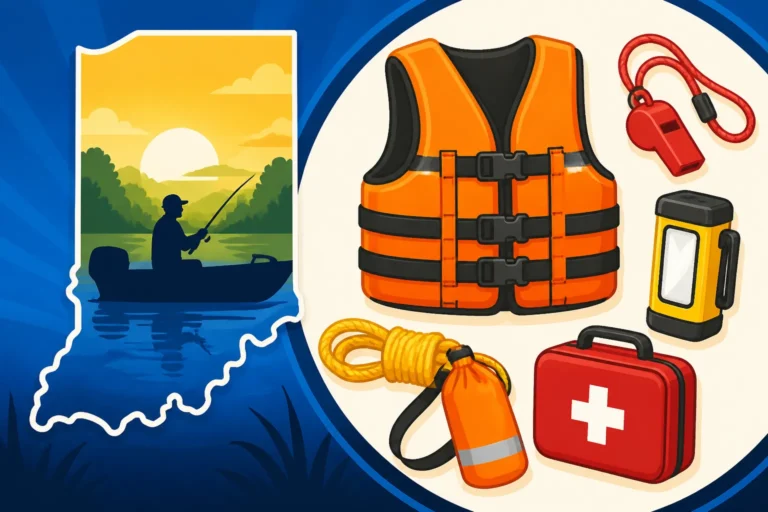
Furthermore, these courses emphasize the importance of having and properly using essential safety equipment. You'll learn not just what gear is required – like the correct type and number of Best Life Jackets for Indiana Boaters – but also how to maintain it and use it effectively in an emergency. This includes items like fire extinguishers, sound-producing devices, visual distress signals, and first-aid kits, many of which can be purchased readily at Bass Pro Shops or through online retailers like Amazon. This comprehensive approach to safety doesn't just protect you and your passengers; it creates a more secure environment for everyone enjoying Indiana's aquatic treasures, from casual outings to serious pursuits like Muskellunge Fishing in Indiana: What Anglers Need to Know.
Avoiding Penalties and Ensuring Legal Compliance
No one wants their day on the water ruined by a citation. Failing to meet Indiana's boater education requirements, particularly for those in the mandatory 15-17 age group operating restricted vessels, can lead to unwelcome penalties. While specific fines can vary, they are certainly an expense you’d rather avoid, and they can interrupt your enjoyment of the water. Enforcement officers, including the Indiana DNR Law Enforcement, regularly patrol our lakes and rivers to ensure compliance and promote safety. They have the authority to ask for proof of boater education, especially if you appear to be in the age group that requires it.
Having your Boater ID Card or certificate readily available and adhering to all boating regulations ensures peace of mind. It allows you to fully concentrate on the joy of boating, fishing, or simply relaxing, without the underlying worry of legal repercussions. This is no different from making sure your Indiana Fishing License Costs for Residents and Nonresidents is current before casting a line. Compliance isn't just about avoiding a ticket; it's about being a responsible member of the boating community. By understanding and following the rules, you contribute to the overall safety and sustainability of Indiana's waterways, preserving them for future generations to enjoy.
Comparing Boating Certification Needs in Indiana
To help consolidate all this information, here's a handy table outlining the different scenarios and whether an Indiana Boater ID Card or a standard driver's license is required for operating motorized vessels:
| Situation | Boater ID Card Required (Indiana-Approved) | Driver's License Alone Sufficient (Indiana) | Notes |
|---|---|---|---|
| Operator Age 15-17, Motorboat > 10 HP | Yes | No | Mandatory boater education is crucial for safe operation and legal compliance for this age group. |
| Operator Age 15-17, Personal Watercraft (PWC) | Yes | No | PWCs are considered high-risk due to their speed and maneuverability; specialized education is critical for young operators. |
| Operator Age 18+, Motorboat > 10 HP | No (but highly recommended) | Yes (with valid license) | While not legally required for adults 18+ with a valid driver's license, taking the course is a very smart choice for comprehensive safety and knowledge of specific boating laws. |
| Operator Age 18+, Personal Watercraft (PWC) | No (but highly recommended) | Yes (with valid license) | Similar to motorboats; an adult driver's license is technically enough, but PWC operation benefits immensely from specialized training to understand unique handling characteristics. |
| Operator Under 15, Motorboat > 10 HP / PWC | No (prohibited from operating) | No (prohibited from operating) | Must be accompanied by an adult 18+ who does meet the education requirements if operating these types of vessels. |
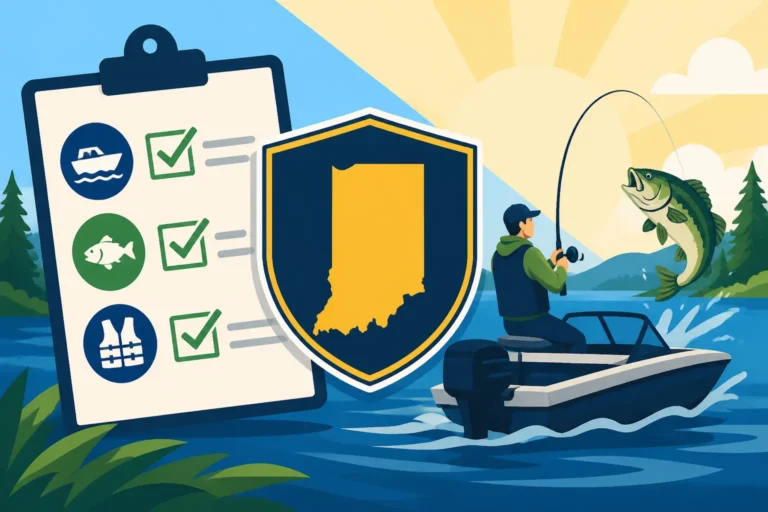
| Any Age, Non-Motorized Vessel (Kayak, Canoe) | No | No (neither needed) | Boater education is not required, but understanding general water safety, knowing Indiana Boater Safety Gear Checklist requirements, and carrying essential gear like life jackets is always paramount. |
| Out-of-State Boaters | No (if state's cert is NASBLA-approved) | Yes (if state's cert is NASBLA-approved) | If your out-of-state boater education card is NASBLA-approved, Indiana generally recognizes it as valid. Always ensure you carry physical proof of your certification with you when on Indiana waters. |
The bottom line is that for many, particularly younger boaters, a separate Boater ID Card is an essential piece of documentation. For adults, while not always legally mandated, the knowledge gained from a boater education course is invaluable. Even if you've been boating for years, refreshers are always a good idea. You can find many comprehensive guides and resources online from sources like Amazon, or in person at places like Bass Pro Shops, which can help ensure you're up-to-date on all boating regulations and safety practices.
Navigating the waters of Indiana is one of life's great pleasures, offering endless opportunities for adventure and relaxation. By understanding and adhering to the specific boater education requirements, you're not just staying on the right side of the law; you're actively contributing to a safer and more enjoyable environment for everyone who shares our beautiful lakes and rivers. So, while your driver's license is a testament to your skills on the road, make sure you've got the right credentials and knowledge for the water, too.
Disclaimer
This article is for general informational purposes only and does not constitute professional advice. Laws, prices and regulations vary by location and change over time. Consult a qualified professional for guidance on your specific situation.