190 Types of Fish: A Beginner’s Guide to Local Species Diversity
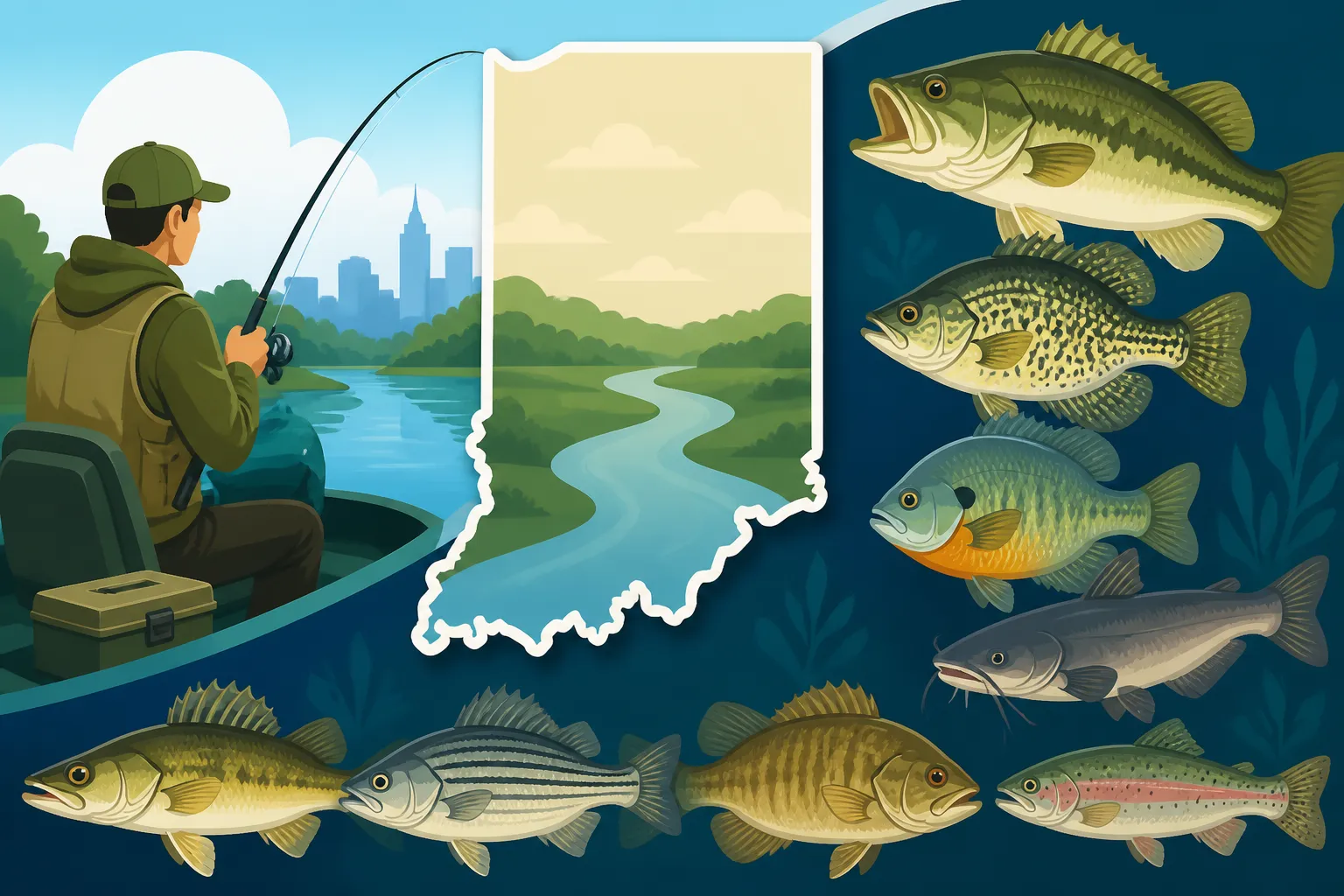
It can feel overwhelming to wrap your head around just how many different kinds of fish call Indiana's waters home, especially when you're just starting out or trying to expand your angling horizons. You might think it's just bass and bluegill, but our state is a truly rich tapestry of aquatic life, offering a surprising array of species from the smallest shiners to the biggest muskellunge. This guide is here to untangle that complexity, giving you a comprehensive look at the incredible diversity of fish species thriving across Indiana, from our smallest ponds to the mighty Lake Michigan.
Why Indiana's Waters Teem with Diverse Fish Species
Indiana might be known as the "Crossroads of America," but it's also a crossroads for a remarkable variety of fish species. This isn't just a happy accident; it's the result of a fascinating combination of geological history, extensive river systems, man-made reservoirs, and the unique influence of one of the Great Lakes. Understanding these underlying factors helps us appreciate why we have such a rich aquatic tapestry. It's more than just stocking efforts; it's about the very landscape that defines our state.
Glacial History and Diverse Habitats
Thousands of years ago, massive glaciers carved their way across much of Indiana, leaving behind a legacy that profoundly shaped our current fish habitats. As these glaciers retreated, they scraped out basins that became the natural lakes of northern Indiana, particularly in counties like Kosciusko and Steuben. These deep, clear, often spring-fed lakes created perfect environments for cold-water species that prefer cooler, well-oxygenated conditions, as well as abundant weed lines and structures for warm-water species. Think about the variety of structure you find in these lakes – from deep holes to sprawling flats and intricate channels – each catering to different fish preferences.
Beyond the lakes, the glacial meltwaters also laid down vast deposits of sand and gravel, influencing the composition of our riverbeds and creating a diverse substrate that supports different invertebrate populations, which in turn feed various fish species. This history means that even within a relatively small geographical area, you can find drastically different aquatic environments, from rocky glacial lakes to slow-moving, silty rivers, each with its own community of fish.
River Systems and Reservoir Networks
Indiana is crisscrossed by an impressive network of rivers and streams, each contributing to our state's fish diversity. The Wabash River, for instance, is a true artery of the state, hosting a wide array of species from various catfish to smallmouth bass and various panfish. Its tributaries, like the Tippecanoe and White Rivers, add even more habitat and genetic exchange, creating a dynamic system where fish can migrate and find suitable conditions throughout the year. These river systems are constantly flowing, which keeps the water oxygenated and provides crucial currents that many species thrive in, especially those adapted to moving water.
Then we have our incredible man-made reservoirs, like Monroe Lake, Patoka Lake, and Brookville Lake. These vast bodies of water were created primarily for flood control and recreation, but they've become incredible fisheries in their own right. Reservoirs often have diverse depths, flooded timber, and fluctuating water levels that create unique feeding and spawning opportunities. They're particularly known for supporting robust populations of largemouth bass, crappie, and various species of catfish. The introduction of hybrid striped bass (wipers) into many of these reservoirs has added another exciting, hard-fighting sport fish to the mix, offering anglers yet another challenge.
The Mighty Lake Michigan Influence
Last but certainly not least, we cannot talk about Indiana's fish diversity without acknowledging the tremendous influence of Lake Michigan in our state's northwest corner. This massive freshwater sea is an ecosystem unto itself, providing a habitat unlike any other in Indiana. Its deep, cold waters support a completely different suite of species, including several types of salmon and trout that are not found in significant numbers anywhere else in the state. Lake Michigan Fishing Rules for Indiana Anglers are unique, reflecting this distinct environment.
The annual fall salmon and steelhead runs into Indiana's tributary streams are legendary, drawing anglers from all over the Midwest. The lake itself holds a thriving population of lake trout, brown trout, and various species of salmon, each adapted to its immense, open-water environment. Anglers targeting these species need specialized gear and techniques, making Lake Michigan fishing a distinct experience from casting a line in a quiet pond or a slow-moving river. This diversity means that an Indiana angler truly has a smorgasbord of fishing opportunities, from small panfish to giant lake predators, all within our state's borders.
The Big Four: Indiana's Most Popular Sport Fish
When most people think about fishing in Indiana, a few key species probably jump to mind first. These are often the "marquee" fish, the ones that attract dedicated anglers and spark countless stories of triumph and challenge. We affectionately call them the "Big Four" in many circles: bass, walleye, muskie, and northern pike. Each of these fish offers a unique angling experience and holds a special place in the hearts of Indiana fishermen and women.
Largemouth and Smallmouth Bass: The Freshwater Fighters
Ah, bass! The undisputed champions of freshwater sport fishing for many anglers, and Indiana has fantastic populations of both largemouth and smallmouth bass. Whether you're a seasoned pro or just starting out, there's a bass fishing experience waiting for you.
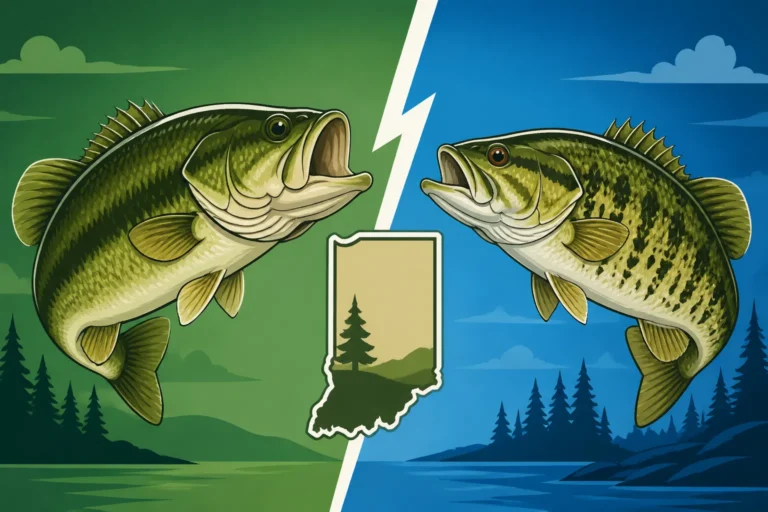
Largemouth bass are the classic bucketmouths, known for their aggressive strikes and powerful fights. You'll find them almost everywhere in Indiana, from small farm ponds and slow-moving rivers to large reservoirs like Monroe Lake and Patoka Lake. They love structure – think submerged trees, weed beds, docks, and rocky points. They’re ambush predators, often hiding and waiting for an unsuspecting baitfish or frog to swim by. Catching a trophy largemouth involves understanding their habitat and seasonal movements. In spring, they move shallow to spawn, becoming more accessible to anglers, while in summer, they often retreat to deeper, cooler waters or heavy cover during the day, coming out to feed during dawn and dusk. Lures like plastic worms, spinnerbaits, crankbaits, and topwater frogs are all excellent choices. Largemouth Bass Fishing in Indiana: The Complete Guide provides even more detailed information.
Smallmouth bass, on the other hand, are the "bronze backs" – leaner, meaner, and often found in cooler, clearer waters with rocky bottoms and current. They're common in many of Indiana's larger rivers, such as the St. Joseph, Tippecanoe, and White Rivers, as well as some of the deeper, clearer glacial lakes in the northern part of the state. Smallmouth are renowned for their acrobatic jumps and relentless fighting spirit, often making long runs and refusing to give up easily. They feed on crayfish, minnows, and aquatic insects, and can be caught on a variety of baits including small crankbaits, tube jigs, spinnerbaits, and live bait like hellgrammites or softshell crayfish. Fishing for smallmouth often involves targeting current breaks, rocky riffles, and submerged logs in rivers, or deep rocky points and ledges in lakes.
Walleye and Saugeye: Elusive Northern Gems
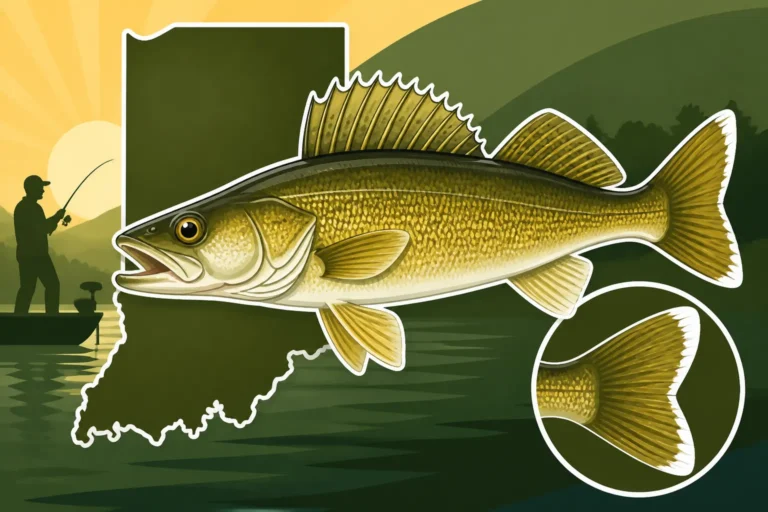
Walleye are one of Indiana's most sought-after game fish, primarily because of their delicious table fare and the challenge they present to anglers. They're often called "eyes" due to their large, light-sensitive eyes, which is why they're particularly active during low-light conditions, like dawn, dusk, and even at night. In Indiana, you'll find walleye predominantly in the northern glacial lakes, such as Lake Wawasee and Lake Webster, as well as some of our larger reservoirs like Brookville Lake and Salamonie Lake. They prefer clear, cool water and hard-bottomed areas. Indiana Walleye Fishing: A Complete Guide is a great resource if you're keen to learn more.
Catching walleye often requires a bit more finesse and patience. Trolling with crankbaits or crawler harnesses, jigging with live bait (like minnows or nightcrawlers), or casting jerkbaits are all popular and effective techniques. They have a subtle bite, sometimes feeling like just a slight tick on the line, which can make them tricky for beginners. Walleye also face specific length limits in various bodies of water to help manage their populations, so always check local regulations before keeping your catch.
Saugeye are a fascinating hybrid, a cross between a female walleye and a male sauger. These fish were created to thrive in waters that might be a bit too warm or turbid for pure walleye but still provide excellent fishing opportunities. Indiana stocks saugeye in several reservoirs, giving anglers a chance to catch a fish that combines the growth potential of a walleye with the hardiness of a sauger. They tend to grow faster than saugers and often more readily bite than pure walleye, making them a fantastic sport fish. They share many of the same preferences as walleye in terms of bait and presentation, but can often be found in slightly more diverse habitats within the reservoirs where they are stocked. Both walleye and saugeye are known for their excellent firm, white flesh, making them a prized catch for dinner.
Muskie and Northern Pike: The Apex Predators
If you're looking for an adrenaline rush and a true test of patience and skill, then muskellunge and northern pike are your fish. These are the apex predators of Indiana's freshwater systems, often referred to as "the fish of 10,000 casts" for muskie, a testament to their elusive nature.
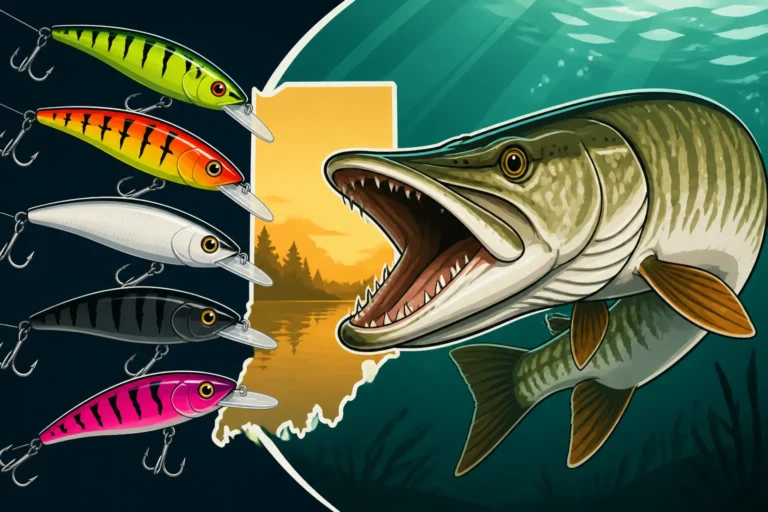
Muskellunge, or muskie, are found in a select few of Indiana's northern glacial lakes, with James Lake and Lake Webster being particularly notable. These magnificent fish are long, sleek, and packed with muscle, boasting a mouth full of razor-sharp teeth. They are solitary hunters, often lurking in heavy cover or along deep weed lines, waiting to ambush their prey. Catching a muskie is an incredible accomplishment, often requiring specialized heavy tackle, large lures (such as bucktails, jerkbaits, and large crankbaits), and a strong will. Muskellunge Fishing in Indiana: What Anglers Need to Know will give you a deeper dive into these impressive fish. The fight is legendary, characterized by explosive runs and violent head shakes. After boating a muskie, proper handling is crucial for their survival, as they are a protected and carefully managed species. Many muskie anglers practice catch and release to ensure these incredible fish continue to thrive. You might even find specialized muskie nets and release tools available on sites like Amazon to help ensure a safe release.
Northern pike, while similar in appearance to muskie, are generally smaller and more widespread in Indiana's natural lakes, particularly in the northern half of the state. They have a similar long, torpedo-shaped body and sharp teeth, but can be distinguished by their lighter spots on a darker body, compared to the muskie's darker markings on a lighter body. Pike are incredibly aggressive and will readily strike a variety of lures, including spinnerbaits, spoons, and large swimbaits. They're often found in weed-choked bays, shallow cover, and around submerged timber, always on the lookout for an easy meal. While not as large as a trophy muskie, a big northern pike still puts up an exciting fight and can be a thrilling catch for any angler. Like muskie, they require careful handling due to their sharp teeth, and a good set of pliers is essential for hook removal.
Panfish Paradise: Crappie, Bluegill, and Sunfish for Every Angler
When it comes to sheer numbers, accessibility, and pure enjoyment, you simply can't beat panfish. These are the backbone of many Indiana fishing experiences, especially for families and beginners. They're abundant, relatively easy to catch, and provide fantastic table fare. Plus, there's just something inherently satisfying about filling a bucket with these small, feisty fish.
Black and White Crappie: Schooling Delights
Crappie are undeniably one of Indiana's favorite panfish, and for good reason. We have both black crappie and white crappie, and while they look similar, they have some subtle differences in markings and preferred habitats. Black crappie tend to prefer clearer, cooler waters with more vegetation, while white crappie are often more tolerant of turbid conditions and can be found in a wider range of habitats, including many reservoirs. Both species are known for their distinctive "paper-thin" mouths, which is where they get their name ("crappie" derives from the French-Canadian word "crapet" for panfish).
These fish are schooling fish, meaning if you find one, you've likely found many! They love structure, congregating around submerged timber, brush piles, bridge pilings, and weed lines. Spring is a prime time for crappie fishing when they move into shallow waters to spawn, often in large numbers. Anglers target them with small jigs (often tipped with a minnow or a plastic grub), small spinners, or simply a bobber and a live minnow. Crappie fishing is incredibly popular in lakes like Patoka Lake, Monroe Lake, and Lake Wawasee, and many smaller ponds and rivers as well. Crappie and Panfish Fishing Techniques for Beginners can help you get started with these rewarding fish. The trick to consistent crappie success is often finding those brush piles or submerged structures where they hide.
Bluegill and Redear Sunfish: The Backyard Pond Favorites
If there's one fish that evokes nostalgic memories of childhood fishing trips, it's the bluegill. Ubiquitous across Indiana, bluegill are found in virtually every pond, lake, and slow-moving river. They are the quintessential beginner fish, eager to bite and perfect for introducing kids to the joy of angling. Their vibrant blue gill flaps give them their name, and their saucer-shaped bodies are instantly recognizable. They feed on insects, small crustaceans, and even tiny fish, and can be caught on a variety of baits, from worms and crickets to small artificial lures and flies.
Bluegill are often found near cover – lily pads, docks, submerged logs, and weed beds – where they can hide from predators and ambush their own prey. They tend to school up, especially during their spawning season in late spring and early summer when males aggressively guard their nests in shallow water. Catching a "dinner plate" sized bluegill is a badge of honor for many panfish enthusiasts.
Redear sunfish, often called "shellcrackers" due to their specialized pharyngeal teeth used to crush snails and other mollusks, are another fantastic panfish found throughout Indiana. They tend to grow larger than bluegill and offer a surprisingly strong fight for their size. Redears prefer clearer water than bluegill and often stick to deeper weed lines or areas with abundant clam and snail beds. They can be a bit more elusive than bluegill, but once you find a school, the action can be fast and furious. Worms (especially redworms or nightcrawlers) are a classic bait for redear, presented near the bottom or around submerged vegetation. Bluegill Fishing Techniques for Beginners covers a lot of the basics that apply to redear too.
Yellow Perch and Hybrid Sunfish: Diverse Panfish Options
Beyond the crappie and sunfish, Indiana offers other excellent panfish opportunities, including yellow perch and various hybrid sunfish. Yellow perch are distinct with their vertical dark bars and golden-yellow sides. They thrive in cooler, clearer waters, making them particularly popular in the natural lakes of northern Indiana and, notably, in Lake Michigan. They are schooling fish and often found in deeper water, especially as summer progresses, moving to shallower areas in spring and fall.
Yellow perch are known for their flaky, delicious meat, making them a prized catch for table fare. They respond well to small minnows, pieces of worm, and tiny jigs or ice fishing baits. Anglers often target them by drifting or slowly trolling, or through ice fishing in winter. Finding a school of feeding perch can lead to incredibly fast action.
Hybrid sunfish are a fascinating and increasingly popular panfish option in Indiana. These are typically a cross between bluegill and green sunfish, or other sunfish species. The beauty of hybrids is that they often exhibit "hybrid vigor," meaning they grow faster and larger than either parent species. They're also often quite aggressive, making them easy and fun to catch. Many smaller ponds and urban fisheries are stocked with hybrid sunfish to provide excellent angling opportunities, particularly for kids and novice anglers. They'll readily take worms, crickets, corn, or small artificial lures, and their larger size means a more substantial fight and more meat for the frying pan. These diverse panfish options ensure that no matter where you are in Indiana, or what your skill level, there's a satisfying panfish experience to be had.
The Bottom Dwellers and Hard Fighters: Catfish and Carp Species
While bass, walleye, and panfish often get the spotlight, Indiana's waters are also home to a robust population of fish that prefer to cruise the depths and stir up the bottom. These species offer a different kind of angling challenge and are often targeted by those looking for powerful fights and excellent eating.
Channel, Flathead, and Blue Catfish: River Monsters
Indiana is a fantastic state for catfish enthusiasts, boasting healthy populations of channel, flathead, and blue catfish. These three species dominate our rivers and reservoirs, each with its own characteristics and preferred habitats.
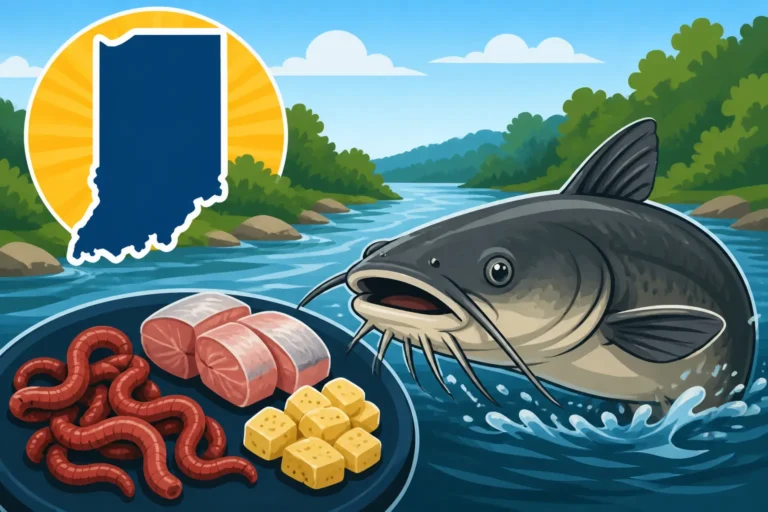
Channel catfish are the most widespread and recognizable of the three. They're found in virtually every warm-water system in Indiana, from small creeks and ponds to large rivers like the Wabash and White, and major reservoirs. They have a distinctive forked tail and scattered black spots on their bodies. Channel cats are opportunistic feeders, eating almost anything they can find, which makes them relatively easy to catch. Stink baits, cut bait, chicken livers, shrimp, and even hot dogs are all effective baits. They're often targeted using bottom fishing techniques, with a weight keeping the bait on the bottom where they patrol. Channel catfish are excellent table fare, and many anglers specifically target them for their delicious, mild-flavored meat. Channel Catfish Fishing in Indiana: The Complete Guide offers a deep dive.
Flathead catfish are the true heavyweights of Indiana's rivers. They're named for their distinctly flat, broad heads and have a square-shaped tail, unlike the forked tail of channels and blues. Flatheads are solitary, ambush predators that prefer live bait – think live bluegill, sunfish, or suckers – and are often found in deep holes, around submerged timber, or under cut banks in larger rivers. Catching a trophy flathead requires heavy tackle, a lot of patience, and often some nocturnal angling, as they are most active after dark. They put up an incredibly strong, bulldog-like fight, making them a bucket-list fish for many dedicated catfishermen. You'll find them primarily in the larger river systems like the Wabash and Ohio.
Blue catfish are the largest of Indiana's catfish species, capable of reaching truly immense sizes. While not as widespread as channel cats, their populations are growing in some of our larger reservoirs and rivers, particularly the Ohio River and its major tributaries. Blues have a steeply sloped head and a deeply forked tail, often appearing bluish-gray in color. Like flatheads, they prefer current and deeper water, and often feed on schools of baitfish, making cut bait (like shad or carp) a highly effective presentation. They are fierce fighters, known for long, powerful runs, and are another sought-after trophy fish. Anglers targeting blue cats often use heavy-duty rods and reels, sometimes searching for specialized gear on platforms like Amazon to ensure their equipment can handle these massive fish.
Common and Grass Carp: Often Overlooked, Still Abundant
Carp often get a bad rap among anglers, sometimes seen as "trash fish" or nuisances. However, they are incredibly abundant in Indiana's waters and offer a unique angling experience for those willing to give them a try. Both common carp and grass carp contribute significantly to the biomass of many aquatic systems.
Common carp are found virtually everywhere in Indiana, from muddy ponds to clear rivers and lakes. They are easily identified by their large scales, barbels around their mouth, and golden-brown coloration. Common carp are bottom feeders, using their protrusible mouths to suck up invertebrates, plant matter, and detritus. They can grow to very large sizes, and when hooked, they put up a surprisingly strong, sustained fight, making them a fun challenge on appropriate tackle. Many anglers target carp with dough balls, corn, or flavored boilies, often fishing on the bottom with heavy gear. Carp fishing has a dedicated following, with many European-style carp anglers practicing catch and release and treating these fish with respect.
Grass carp, on the other hand, were introduced to help control aquatic vegetation in many ponds and lakes. They are vegetarians, feeding primarily on weeds. They have a more torpedo-shaped body than common carp and lack the prominent barbels. While not typically targeted for sport in the same way as common carp, they are sometimes caught incidentally by anglers using baits meant for other species, or specifically targeted by bowfishermen. It's important to remember that grass carp are managed as a tool for aquatic vegetation control, and there are often regulations regarding their possession, so it's always wise to check current rules. Both carp species play an important role in the aquatic ecosystem, whether by cleaning up detritus or managing vegetation, and their sheer abundance is a testament to their adaptability in Indiana's diverse waters.
Lake Michigan's Unique Contributions: Salmon and Trout Species
Indiana's small stretch of Lake Michigan shoreline and its tributary streams offer an angling experience that is truly distinct from the rest of the state. Here, you'll find a world-class fishery for Pacific salmon and various species of trout, attracting anglers from far and wide during spectacular seasonal runs. These fish thrive in the deep, cold waters of the Great Lake and provide some of the most exciting and challenging fishing opportunities available in Indiana.
Chinook and Coho Salmon: The Fall Run Kings
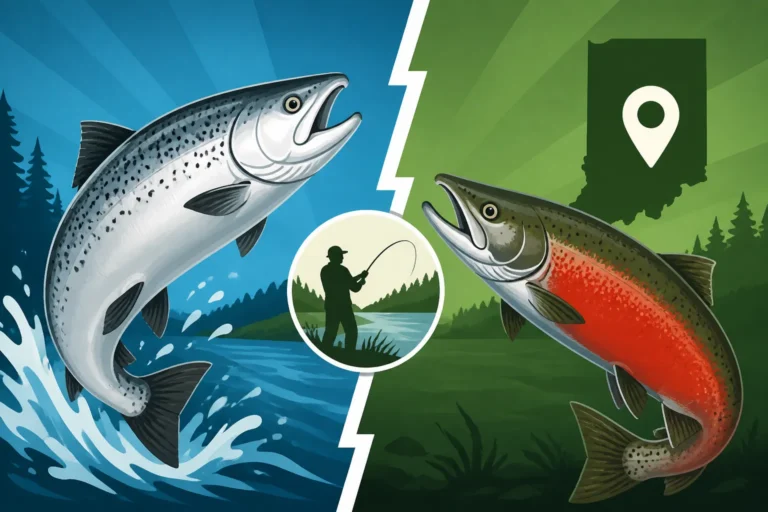
When the leaves start to turn and the air gets crisp, many Indiana anglers turn their attention to Lake Michigan for the incredible fall salmon runs. This is when Chinook salmon (often called "King salmon") and Coho salmon (or "Silver salmon") begin their migration from the open lake into tributary streams to spawn.
Chinook salmon are the largest of the Pacific salmon species found in Lake Michigan, with some individuals reaching impressive sizes. They are powerful fighters, known for their strong runs and deep dives. During the fall run, they develop a distinctive dark, often mottled appearance, though in the open lake they are silvery. Anglers target Chinook salmon by trolling in the open lake with downriggers and large spoons or flies, or by casting/drifting in the tributary streams with spawn bags, artificial eggs, or spoons as they stage near stream mouths and move upstream. The sheer power of a hooked King salmon is an unforgettable experience.
Coho salmon are typically smaller than Chinooks but are renowned for their acrobatic jumps and spirited fights. They're often found in the same areas as Chinooks during the fall run, and can also be caught trolling in the lake throughout the year. Coho tend to have a more silvery appearance, even during their spawning phase, compared to the darker Chinooks. They respond well to similar baits and lures, though sometimes prefer slightly smaller presentations. The vibrant colors and aggressive nature of Coho salmon make them a favorite target for many Lake Michigan anglers. During peak season, fishing reports can spread like wildfire, and finding the right gear, from specialized spoons to line counters, can often be done easily through online retailers.
Steelhead and Brown Trout: Lake Michigan's Other Gems
Beyond the salmon, Lake Michigan also supports fantastic populations of steelhead (rainbow trout) and brown trout, which offer year-round angling opportunities and complement the seasonal salmon runs.
Steelhead are migratory rainbow trout that spend most of their lives in Lake Michigan, growing large and powerful, before returning to tributary streams to spawn. They are incredibly strong and notoriously difficult to land, famous for their high-flying jumps and blistering runs. Like salmon, they are targeted by trolling in the lake, but the tributary stream fishing for steelhead, especially in the spring and fall, is a major draw. Anglers often drift spawn bags, beads, or small jigs under floats in the rivers, or cast spoons and spinners. Steelhead are a challenging but highly rewarding fish to pursue, offering a thrilling battle on light tackle. Steelhead Fishing in Indiana: A Fall Run Guide delves into the exciting details.
Brown trout are another highly prized species in Lake Michigan, known for their beautiful coloration, elusive nature, and excellent table quality. They are often found in cooler, near-shore waters, especially around structural features like piers, breakwalls, and river mouths. Brown trout can grow quite large, and catching a trophy brown is a significant achievement. They are often targeted by trolling with crankbaits or spoons, especially in early spring or late fall, or by casting from piers and shorelines. They are cunning fish, and their wary nature makes them a true test of an angler's skill. Lake Michigan brown trout fishing provides consistent action when other species might be less active, and their unique spots and coloring make them a beautiful catch.
Lake Trout: Deepwater Specialists
Lake trout are the largest and longest-lived trout species in Lake Michigan, and they are native to the Great Lakes. These deepwater specialists are found year-round in the cold, oxygen-rich depths of Lake Michigan, often preferring waters below the thermocline, especially during the warmer months. They are powerful, bulldog-like fighters, though they don't typically make the same acrobatic jumps as steelhead or salmon.
Anglers primarily target lake trout by deepwater trolling with downriggers, using large spoons, dodgers and flies, or various types of offshore jigs. Finding them often requires good sonar equipment and an understanding of thermal stratification in the lake. While they can be caught year-round, ice fishing for lake trout is also a unique challenge in the deeper harbors and protected bays when conditions allow. Lake trout are a vital part of the Lake Michigan ecosystem, and their presence is a testament to the health and depth of this incredible body of water. They offer a different kind of angling challenge compared to the migratory salmon and steelhead, focusing more on precise depth control and presentation in the open water.
Lesser-Known but Equally Fascinating Species
While the "Big Four" and the panfish crowd get most of the attention, Indiana's waters are home to many other fish species that, while perhaps less frequently targeted, are incredibly important to the ecosystem and can provide exciting and unique angling experiences. From hard-fighting hybrids to ancient, armor-plated fish, our diverse waters offer a lot more than meets the eye.
Striped Bass and Wipers: Reservoir Powerhouses
For anglers seeking a powerful, open-water fight in our inland reservoirs, striped bass and their hybrid counterpart, wipers, are an absolute thrill. These fish are known for their incredible strength, aggressive nature, and schooling tendencies.
True striped bass (often simply called "stripers") are primarily a saltwater species, but they have been successfully introduced into several large freshwater reservoirs across the United States, including a few in Indiana. They are long, silver-bodied fish with distinct dark horizontal stripes running along their sides. Striped bass are voracious predators, feeding on schools of baitfish, and they grow to impressive sizes. They are known for their strong, relentless runs, often stripping line off a reel with incredible speed. Anglers typically target them by trolling large crankbaits, jigging with heavy spoons or swimbaits in open water, or by using live bait like shad.
Wipers, or hybrid striped bass, are a cross between a striped bass and a white bass. They were specifically developed to thrive in freshwater reservoirs and offer a fantastic blend of the fighting prowess of a striper with the hardiness and faster growth rate of a white bass. Wipers have broken stripes, which is a key identifying feature compared to the solid stripes of a pure striper. They are incredibly aggressive and can provide non-stop action when you find a schooling group feeding on baitfish. Wipers are stocked in many of Indiana's larger reservoirs, including Monroe Lake, Brookville Lake, and Patoka Lake. They are caught using similar methods to stripers and white bass, often chasing lures like spoons, crankbaits, and spinnerbaits, or taking live shad. Landing a big wiper is a serious workout, and they are also considered excellent table fare. Hybrid Striped Bass (Wiper): Indiana's Hard-Fighting Sport Fish has more info.
Drum, Gar, and Bowfin: Native and Adaptable Species
Indiana's waters are also home to a variety of native species that showcase incredible adaptability and unique evolutionary paths. These fish might not always be the primary target of anglers, but they are often caught incidentally and represent a fascinating part of our aquatic heritage.
Freshwater drum, sometimes called "sheepshead," are a widely distributed bottom-feeding fish found in many of Indiana's large rivers and lakes, including Lake Michigan. They are a silvery-gray fish with a distinct humpback profile and large, blunt head. Drum feed on mollusks, crayfish, and insects, using their powerful pharyngeal teeth to crush shells. They are known for their surprisingly strong fight, often making deep, powerful runs that can trick anglers into thinking they've hooked a much larger game fish. They are caught on a variety of baits, typically fished on the bottom, including worms, crayfish, and cut bait. While their table quality is debated, many find the meat firm and flaky, especially from cooler waters.
Gar species, primarily longnose gar and sometimes spotted gar, are living fossils in Indiana's waters. These prehistoric-looking fish are easily recognized by their elongated bodies, hard, bony scales (ganoid scales), and long, tooth-filled snouts. They are ambush predators that lie in wait, often near the surface in still or slow-moving water, before snapping at unsuspecting baitfish. Gar are incredibly hardy and can survive in poor water conditions. They are a popular target for bowfishing due to their hard, bony mouths that make traditional hook-and-line fishing challenging. However, they can be caught with specialized techniques, such as using frayed rope lures that their teeth get tangled in. They are fierce fighters once hooked, and their unique appearance makes them an interesting catch.
Bowfin, another ancient species, are sometimes mistaken for snakeheads due to their similar appearance, but they are a native Indiana fish. They have a long, cylindrical body, a distinct, long dorsal fin that runs almost the entire length of their back, and a gular plate under their chin. Bowfin are incredibly tough and aggressive, inhabiting vegetated areas in slow-moving rivers, swamps, and lakes. They are voracious predators, feeding on fish, frogs, and crustaceans. When hooked, they put up a violent, thrashing fight, earning them the nickname "dogfish" for their tenacity. They are caught on a variety of artificial lures, including spinnerbaits, topwater plugs, and jigs, as well as live bait. While not typically eaten, their fighting spirit makes them a fun target for anglers seeking a unique challenge.
Shiners, Darters, and Other Small Fish: The Foundation of the Ecosystem
It's easy to focus on the big, flashy sport fish, but Indiana's aquatic ecosystems are built on the countless smaller fish species that form the base of the food web. These include numerous species of minnows, shiners, darters, and various small panfish that might not excite an angler looking for a trophy, but are absolutely essential for the health and diversity of our waters.
Shiners and minnows, such as the common shiner, emerald shiner, and golden shiner, are vital forage fish. They are found in nearly every body of water, swimming in schools and providing a crucial food source for everything from bass and walleye to heron and otter. Without these abundant baitfish, our sport fish populations simply couldn't thrive. While often used as live bait, these small fish are fascinating in their own right, exhibiting complex schooling behaviors and specialized feeding habits.
Darters are small, bottom-dwelling fish that are incredibly diverse in Indiana, with many different species adapted to specific microhabitats in rivers and streams. They get their name from their darting movements, as they typically rest on the bottom and make quick bursts to ambush small invertebrates. While not game fish, their presence is often an indicator of good water quality, and they are a vital part of the stream ecosystem, providing food for larger fish and aquatic predators.
Beyond these, there are countless other small fish species, from various types of suckers and chubs to lampreys and small members of the perch family, each playing its own role in the intricate web of aquatic life. Understanding that Indiana's fish diversity extends far beyond the popular game fish helps us appreciate the full scope of our state's incredible natural resources. This rich mix is why whether you're looking for Indiana's Best Lakes for Fishing or Best Fishing Spots in Indiana, there's always something new to discover.
Conservation and Management: Protecting Indiana's Aquatic Diversity
With such an incredible diversity of fish species, it becomes paramount to ensure their longevity and the health of their habitats. Indiana's Department of Natural Resources (DNR) works tirelessly to manage and protect these precious resources, and as anglers, we all have a role to play in these conservation efforts. Protecting fish diversity isn't just about ensuring there are fish to catch; it's about maintaining a balanced and resilient ecosystem for future generations.
Habitat Preservation and Stocking Programs
One of the most critical aspects of fish conservation is habitat preservation. Fish need healthy places to live, feed, and reproduce. This means protecting water quality from pollution, preventing erosion that can silt up spawning beds, and maintaining natural shoreline vegetation that provides cover and food. Indiana's DNR, along with various conservation groups, works on projects to restore degraded habitats, create artificial structures like brush piles in reservoirs, and educate landowners on best practices for stream and lake stewardship. When you see efforts to protect wetlands or riparian zones, know that these are directly benefiting the fish species we all cherish.
Beyond preservation, stocking programs play a vital role in maintaining or enhancing fish populations, especially for species that have limited natural reproduction or are heavily fished. For example, many of Indiana's walleye, muskie, and saugeye populations are supplemented through regular stocking. Similarly, Lake Michigan's salmon and trout fisheries are almost entirely dependent on stocking programs, as natural reproduction within the Great Lakes tributaries is limited. These programs involve raising fish in hatcheries and then releasing them into suitable waters at a size where they have a good chance of survival. This ensures that anglers continue to have opportunities to catch these popular species, while also relieving pressure on naturally reproducing populations.
Understanding Regulations and Bag Limits
To ensure that our diverse fish populations remain healthy and sustainable, Indiana has a comprehensive set of fishing regulations and bag limits. These aren't just arbitrary rules; they are carefully crafted based on scientific data, population assessments, and ecological understanding. They help prevent overfishing, protect spawning stocks, and allow fish to grow to a mature size before being harvested.
It is absolutely essential for every angler to understand and adhere to these rules. Regulations cover a wide array of topics, including:
- Size Limits: Minimum or maximum lengths for certain species to protect young fish or trophy breeders. For example, Indiana Walleye Length Limits by Lake can vary, so you need to know the specific rules for where you're fishing.
- Bag Limits: The maximum number of fish of a particular species an angler can keep in a single day. This prevents individuals from taking an excessive number of fish. Indiana's Statewide Bass Daily Bag Limit is one example.
- Season Dates: Specific times of the year when certain species can or cannot be harvested, often to protect them during critical spawning periods.
- Gear Restrictions: Rules about the types of tackle, number of lines, or methods (e.g., snagging, trotlines) that are allowed.
- Special Regulations: Specific rules that apply to particular bodies of water due to unique ecological conditions or management goals. For instance, Lake Michigan Fishing Regulations Are Different From the Rest of the State.
You can find all of Indiana's current fishing regulations on the Indiana DNR website or in their annual fishing guide, which is usually available at bait shops, license vendors, and even on online marketplaces. Taking the time to read and understand these regulations before you head out is a fundamental part of responsible angling. Ignoring them can lead to Penalties and Fines for Fishing Without a License or other violations, which nobody wants. By following these guidelines, practicing catch and release for fish you don't intend to eat, and being mindful of our impact on the environment, we all contribute to preserving Indiana's incredible fish diversity for generations to come.
Here's a quick reference table for some of Indiana's diverse fish species:
| Species Group | Key Identification Features | Typical Habitat in Indiana | Common Lures/Baits | Notes |
|---|---|---|---|---|
| Bass | Largemouth: Large mouth extends past eye. Smallmouth: Smaller mouth, vertical bars. | Largemouth: Ponds, lakes, slow rivers, heavy cover. Smallmouth: Rivers, clear lakes, rocky areas. | Plastic worms, spinnerbaits, crankbaits, jigs, minnows. | Aggressive fighters, popular sport fish. |
| Walleye/Saugeye | Walleye: Large, milky eyes, white tip on caudal fin. Saugeye: Dark spots on dorsal fin, often mottled. | Glacial lakes (N. IN), large reservoirs, clear rivers. | Jigs, crankbaits, crawler harnesses, minnows, nightcrawlers. | Excellent table fare, often bite at low light. |
| Muskie/Pike | Muskie: Dark marks on light body, 5-9 pores on jaw. Pike: Light spots on dark body, 4-5 pores on jaw. | Muskie: Select N. IN lakes (James, Webster). Pike: N. IN lakes, weed beds. | Large bucktails, jerkbaits, spoons, large swimbaits. | Apex predators, powerful fights, catch & release often practiced for muskie. |
| Crappie | Black: Deeper body, 7-8 dorsal spines. White: More elongated, 5-6 dorsal spines. | Reservoirs, lakes, slow rivers, brush piles, submerged timber. | Small jigs (tipped w/ minnow), minnows, small spinners. | Schooling fish, great eating, prolific in spring. |
| Bluegill/Sunfish | Bluegill: Blue gill flap, dark spot on dorsal fin. Redear: Red/orange edge on gill flap. | Ponds, lakes, slow rivers, docks, lily pads, weed beds. | Worms, crickets, small artificial lures, flies. | Perfect for beginners and kids, abundant. |
| Catfish | Channel: Forked tail, spots. Flathead: Flat head, square tail. Blue: Deeply forked tail, sloped head. | Channel: All waters. Flathead: Large rivers, deep holes. Blue: Large rivers (Ohio), big reservoirs. | Stink baits, cut bait, chicken liver, live bait (flathead, blue). | Strong fighters, varied sizes, excellent eating. |
| Salmon/Trout | Chinook: Large, strong. Coho: Acrobatic. Steelhead: Jumpy, silver. Brown: Spotted, brown/gold. Lake Trout: Deepwater, pale spots. | Lake Michigan & tributaries. | Spoons, flies, spawn bags, crankbaits, jigs. | Unique to Lake Michigan, seasonal runs, powerful fights. |
| Drum | Silvery-gray, humpback, blunt head. | Large rivers, lakes (including Lake Michigan), bottom-dweller. | Worms, crayfish, cut bait. | Strong fighter, often caught incidentally. |
| Gar/Bowfin | Gar: Long snout, bony scales. Bowfin: Long dorsal fin, gular plate. | Gar: Slow rivers, backwaters, surface. Bowfin: Vegetated rivers, swamps, lakes. | Frayed rope, live bait, spinnerbaits, topwater. | Ancient species, challenging to hook (gar), tenacious fighters (bowfin). |
Disclaimer
This article is for general informational purposes only and does not constitute professional advice. Laws, prices and regulations vary by location and change over time. Consult a qualified professional for guidance on your specific situation.