Summer Fishing Patterns for Crappie
Oh, summer crappie fishing in Indiana can be a real head-scratcher, can't it? One minute, you're catching them left and right in the shallow coves during the spring spawn, and the next, it feels like they've vanished into thin air. Many anglers get completely frustrated when the water warms up, thinking the crappie have just disappeared, but the truth is, they just change their habits dramatically. This guide is all about helping you crack the code for summer crappie patterns, so you can keep those fillets coming all season long, no matter how hot it gets.
Understanding Summer Crappie Behavior
When those Indiana lakes and reservoirs start to really heat up, crappie, much like us, look for ways to stay comfortable. They're cold-blooded, which means their body temperature is the same as the water around them. That warming water triggers some significant changes in their diet, their location, and how active they are. Forget those easy spring days; summer requires a whole new approach.
The Thermocline and Oxygen Levels
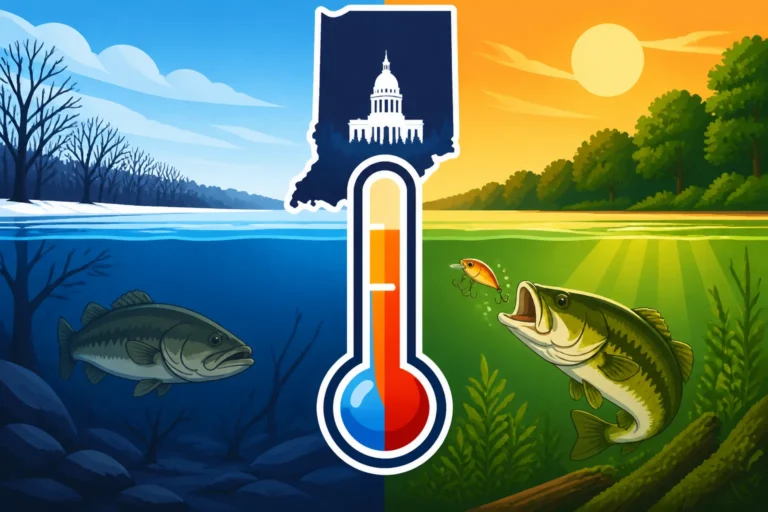
One of the biggest factors influencing summer crappie is the development of the thermocline. Imagine a lake as having different layers, like a cake. In summer, the sun warms the top layer (epilimnion), which is usually rich in oxygen. Below that, there's a distinct layer where the temperature drops rapidly (the thermocline). And beneath that, in the deepest parts (hypolimnion), the water is cold but often has very little oxygen. Crappie, being the sensible fish they are, need both cool enough water and sufficient oxygen. This usually means they'll suspend or hold just above or within the thermocline, or in areas where cooler, oxygenated water is available, like near springs or dam discharges.
It's not just about temperature; oxygen is critical. If a lake has a strong thermocline and low oxygen levels below it, those crappie aren't going to be down in the cold, oxygen-depleted zones, no matter how cool it is. They'll be forced to stay in the upper, oxygen-rich layer, but they'll still seek out cooler pockets within that layer, often around deep structure. Understanding this helps you narrow down where they can't be, which is almost as helpful as knowing where they can be.
Seasonal Diet Changes and Activity
As the water warms, the crappie's metabolism speeds up, and their diet can shift. While they'll still chase minnows and small baitfish, they might become more opportunistic, feeding on insect larvae, small crustaceans, and whatever else presents itself in their preferred thermal zones. Their activity can also change. Instead of aggressive, shallow-water feeding binges you might see during the spawn, summer crappie often feed in shorter, more predictable windows, typically around dawn, dusk, or even at night.
During the brightest, hottest parts of the day, they tend to become much more lethargic, conserving energy and holding tight to cover. This means your presentation needs to be slower and more enticing. You're not always looking for a chase; sometimes you're trying to put the bait right in front of their face and let them decide if it's worth the effort. It's a game of patience and precision, very different from the fast-paced action of spring.
Locating Crappie in Summer
Finding crappie in the summer can feel like searching for a needle in a haystack, especially on larger Indiana lakes. They've moved out from the shallows and scattered across deeper water, often suspending over structure. This is where your electronics become your best friend, allowing you to "see" the underwater world and pinpoint those subtle changes that attract fish.
Deep Water Structure and Cover
Summer crappie love to hang out around structure in deeper water. Think about anything that offers shade, cover, or acts as an ambush point. Submerged timber, brush piles, old roadbeds, creek channels, bridge pilings, and even ledges where the bottom drops off suddenly are prime targets. These features provide refuge from predators and offer a cooler, shadier spot during the intense midday sun. They might suspend right above a brush pile, or tuck themselves deep within it.
On a lake like Monroe Lake, for instance, you'll want to focus on those creek channels that wind through the lake's old basin or the deep timber in the larger coves. On Patoka Lake, look for the deep-water humps and ledges. It's not just about depth, but depth plus cover. A flat, open bottom in 20 feet of water is far less appealing than a brush pile in 20 feet, even if the temperature and oxygen are the same. These structures create microhabitats where crappie feel safe and can easily ambush passing baitfish.
Understanding Suspension Patterns
One of the trickiest things about summer crappie is their tendency to suspend. This means they're not necessarily on the bottom; they could be anywhere in the water column, often above a specific structure, rather than directly in it. They might be 10 feet down over 30 feet of water, following baitfish or just hanging out in their preferred thermal comfort zone. This makes them a challenge for bank anglers but is exactly what boat anglers with good electronics are looking for.
Your fish finder is essential for spotting these suspended schools. Look for those tell-tale arches or blobs hovering in open water, often above a visible structure on your screen. They might be tightly schooled or more spread out, depending on feeding activity. If you're marking baitfish, the crappie are often not far away, using the bait as a natural cover and a potential food source. Don't be afraid to experiment with your fishing depth until you find the sweet spot where they're actively holding. How to Find Crappie in Summer can offer more guidance here.
Where to Find Crappie in Different Lake Types
Indiana boasts a variety of lakes, and crappie patterns can differ slightly between them.
- Reservoirs (e.g., Monroe Lake, Patoka Lake): These often have extensive submerged timber, old roadbeds, and creek channels that become crappie magnets in summer. The vastness means crappie can spread out, making finding them a bit more of a hunt. Focus on areas that funnel baitfish, like points leading into deep coves or the main lake basin. The water levels can fluctuate here, exposing or submerging different structures.
- Natural Lakes (e.g., Lake Wawasee, Webster Lake): These lakes may have less standing timber but will have defined weed lines, rock piles, deep humps, and abrupt drop-offs. Crappie will often relate to the deepest weed edges or suspended over deep rock formations. Marinas and docks that extend into deep water can also hold fish, especially at night.
- Smaller Ponds and Pits: Even smaller waters will see crappie head to the deepest available water or hug shaded areas like undercut banks, fallen trees, or the deepest parts of the pond. While they won't have a distinct thermocline like larger lakes, they'll still seek out the coolest, most oxygenated water they can find.
Remember, the general rule is to look for depth and cover, but the specific type of cover will vary by the body of water.
Best Summer Crappie Techniques and Presentations
Once you've located those elusive summer crappie, the next challenge is getting them to bite. Their mood can be finicky, so having a few techniques up your sleeve is crucial. Slow and subtle is often the name of the game.
Vertical Jigging and Dropping Baits
When crappie are suspended over structure or tucked into brush piles, vertical jigging is incredibly effective. This means positioning your boat directly over the fish you've marked on your electronics and dropping your bait straight down to their level. This minimizes line twist and allows for precise depth control.
You can use small jigs (1/16 to 1/8 ounce is common) tipped with soft plastics (tubes, grubs, tiny minnow imitations) or live minnows. Drop the bait just above the fish, or if they're in dense cover, right into the middle of it. The key is minimal movement. A slight quiver of the rod tip, a slow lift and fall, or simply holding it still can be enough. Crappie might not chase aggressively; they often just inhale the bait. Setting your hook with a gentle sweep rather than a hard jerk is often more effective. This technique is especially useful on sunny days when fish are tight to cover.
Spider Rigging for Scattered Schools
If you're dealing with more scattered crappie or want to cover a wider area, spider rigging is a fantastic option. This involves deploying multiple rods (often 4-8) out from the front of your boat, like the legs of a spider, each with a different bait and often at different depths. You then slowly troll, letting your baits present a wide target zone. This is particularly effective for covering open water where crappie might be suspended over a large area or spread out along a creek channel.
Spider rigging allows you to experiment with various bait colors, sizes, and depths simultaneously until you dial in what the crappie prefer on that particular day. You'll typically use jigs tipped with minnows or soft plastics, and the slow troll mimics a natural presentation. It's a great way to search for fish if your electronics show them as more dispersed. You can find specialized rod holders for spider rigging, often available on Amazon, which make the setup much easier.
Slip Bobbers and Trolling (Controlled Depths)
For bank anglers or those in boats who prefer a more relaxed approach, slip bobbers can be quite effective, especially if you know the crappie are holding at a consistent depth around a specific piece of structure. Set your bobber stop to the depth where you're marking fish, and let your live minnow or jig suspend naturally. This can be great around docks, bridge pilings, or brush piles close enough to shore.
Trolling with small crankbaits or jigs can also work, particularly if crappie are chasing baitfish in open water. Using a crankbait that dives to a specific depth helps you consistently hit the strike zone. Many of the crappie-specific crankbaits available, like those from popular brands, can be found with varying dive depths, which helps target suspended fish. The trick here is speed: usually a very slow, almost imperceptible troll is best. Crappie Jigging Techniques for Beginners and Tightlining Techniques for Crappie provide more detailed guidance for these specific approaches.
Essential Gear for Summer Crappie Fishing
Having the right gear makes a huge difference in your summer crappie success. It’s not just about catching fish; it’s about making the process enjoyable and efficient.
Rods, Reels, and Line
For crappie, light to ultralight spinning gear is generally preferred. A 6 to 7-foot rod with a fast action tip will give you the sensitivity to feel those subtle crappie bites and enough backbone to manage a respectable fish. Pair it with a small spinning reel spooled with 4-6 pound monofilament or fluorocarbon line. Monofilament offers a bit more stretch, which can be forgiving on a crappie's soft mouth, while fluorocarbon is less visible and more sensitive. Some anglers prefer braided line for its sensitivity and strength, often adding a fluorocarbon leader.
The key is balance. You don't want a heavy rod that fatigues you or a line so thick it deters bites. Crappie have excellent eyesight, especially in clearer summer waters, so a lighter line can make a big difference. Check out your local tackle shop or browse options on Amazon for good quality ultralight combos. Best Panfish Rods for Indiana Ponds can give you an idea of suitable setups.
Baits and Lures for the Heat
While live minnows are almost always a fantastic choice for crappie, especially when they're lethargic, a good selection of artificial lures is essential.
- Jigs: Small marabou jigs, tube jigs, and tiny grub bodies in sizes 1/32 to 1/8 ounce are staples. Experiment with colors like chartreuse, white, black, or natural baitfish colors. Sometimes a bit of glitter makes all the difference.
- Hair Jigs: These classic jigs, often with bucktail or squirrel hair, offer a subtle, natural flutter in the water that crappie can't resist.
- Tiny Crankbaits: For trolling or casting, small crankbaits that mimic baitfish can be very effective. Look for models designed to run at specific depths.
- Soft Plastics: Tiny shad imitations, finesse worms, and micro-plastics on small jig heads can entice finicky fish.
Don't be afraid to tip your artificial jigs with a small piece of minnow or a crappie bite attractant to add scent. The combination of sight and smell can be irresistible to a slow-moving crappie.
Electronics and Accessories
A good fish finder is arguably the most important piece of gear for summer crappie fishing from a boat. Side imaging and down imaging technologies can help you spot brush piles, timber, and schools of baitfish or crappie that traditional 2D sonar might miss. GPS is also incredibly useful for marking productive spots, so you can return to them later.
Other essential accessories include:
- Landing Net: Crappie have delicate mouths, and a good net prevents lost fish at the boat.
- Pliers/Forceps: For easy hook removal, especially with smaller jigs.
- Cooler with Ice: To keep your catch fresh on a hot summer day.
- Sun Protection: Hat, sunglasses, and sunscreen are a must.
- Crappie Measuring Board: To ensure you're compliant with Crappie Size Limits and Regulations in Indiana.
- Anchoring System: A quiet anchor or a Spot-Lock trolling motor allows you to hold your position precisely over a school of fish.
A well-organized tackle box or bag (many good options available on Amazon) will keep your jigs, weights, and hooks accessible, allowing you to change presentations quickly when you find fish. Remember that Indiana Panfish Daily Limits by Species means you'll need to know the rules for crappie too!
Adapting to Changing Summer Conditions
Summer isn't just one static period; conditions can fluctuate wildly, from scorching heat waves to sudden cold fronts or heavy rains. Successful summer crappie anglers are always ready to adapt.
Effects of Weather Changes
A strong cold front that moves through in summer can shock crappie, making them less active. They might move deeper or become even tighter to cover. In these situations, slowing down your presentation even further and focusing on vertical presentations directly to the fish is often key. After heavy rains, water clarity can decrease, and crappie might move closer to inflowing water or areas with more current where baitfish are concentrated. Sometimes, they'll even rise in the water column if the runoff brings in cooler, oxygenated water.
Conversely, long stretches of hot, sunny weather might drive crappie to the absolute deepest, shadiest cover they can find during the day, making early morning, late evening, or night fishing even more productive. Pay attention to weather patterns, and don't be afraid to adjust your strategy. If the bite slows down, change your depth, change your bait, or move to a new location.
Night Fishing for Summer Crappie
When the sun beats down relentlessly, many anglers pack up their gear. But for summer crappie, nightfall can be prime time! As the surface water cools slightly and boat traffic dies down, crappie often become more active and will move shallower to feed. They are attracted to light, so using submersible fishing lights or hanging a lantern over the side of your boat can draw in plankton and baitfish, which in turn attract crappie.
Cast small jigs or minnows under a slip bobber around lighted areas, dock lights, or submerged structure. The cooler temperatures and reduced pressure can lead to some incredible night-time catches. Just be sure to bring all the necessary safety gear for night boating.
Table: Spring vs. Summer Crappie Fishing
To help visualize the shift, here's a quick comparison of general crappie patterns from spring to summer:
| Feature | Spring Crappie (Pre-Spawn/Spawn) | Summer Crappie (Post-Spawn/Warm Water) |
|---|---|---|
| Location | Shallow coves, spawning flats, submerged vegetation | Deeper water, suspended over structure, thermocline |
| Depth | 2-8 feet | 10-30 feet, often suspending at mid-depths |
| Cover | Bushy banks, fallen trees, docks, emergent weeds | Submerged timber, brush piles, creek channels, bridge pilings |
| Activity | Aggressive feeding, actively chasing bait | More lethargic, tighter to cover, specific feeding windows |
| Best Times | All day, especially mid-morning and late afternoon | Dawn, dusk, night, or during overcast days |
| Primary Baits | Live minnows, small jigs, spider rigging with minnows | Live minnows, small jigs, tiny crankbaits |
| Techniques | Casting, pitching, tightlining, spider rigging | Vertical jigging, spider rigging, slow trolling, slip bobbers |
| Key Gear | Ultralight rod, small jig heads | Fish finder, ultralight rod, variety of small jigs |
This table highlights just how much you need to adjust your approach once the warm Indiana sun settles in. Don't let the heat keep you from enjoying some fantastic crappie fishing! It's all about understanding their seasonal shift and being prepared to meet them where they are.
Disclaimer
This article is for general informational purposes only and does not constitute professional advice. Laws, prices and regulations vary by location and change over time. Consult a qualified professional for guidance on your specific situation.