Best Season for Catfish Fishing
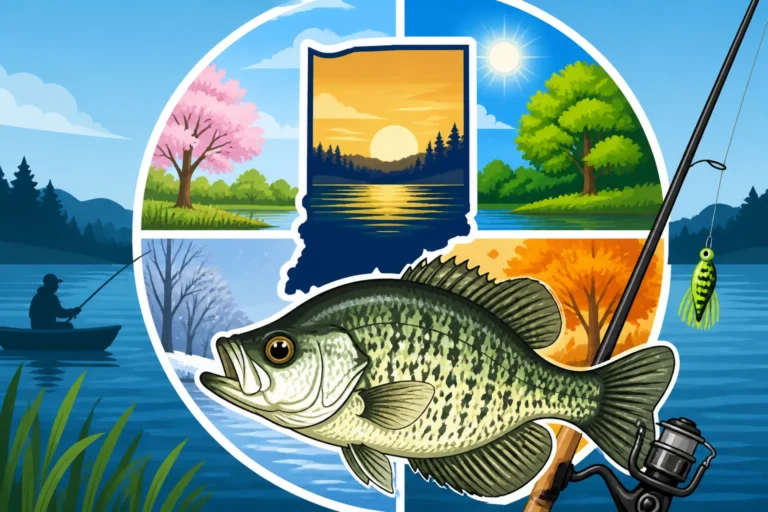
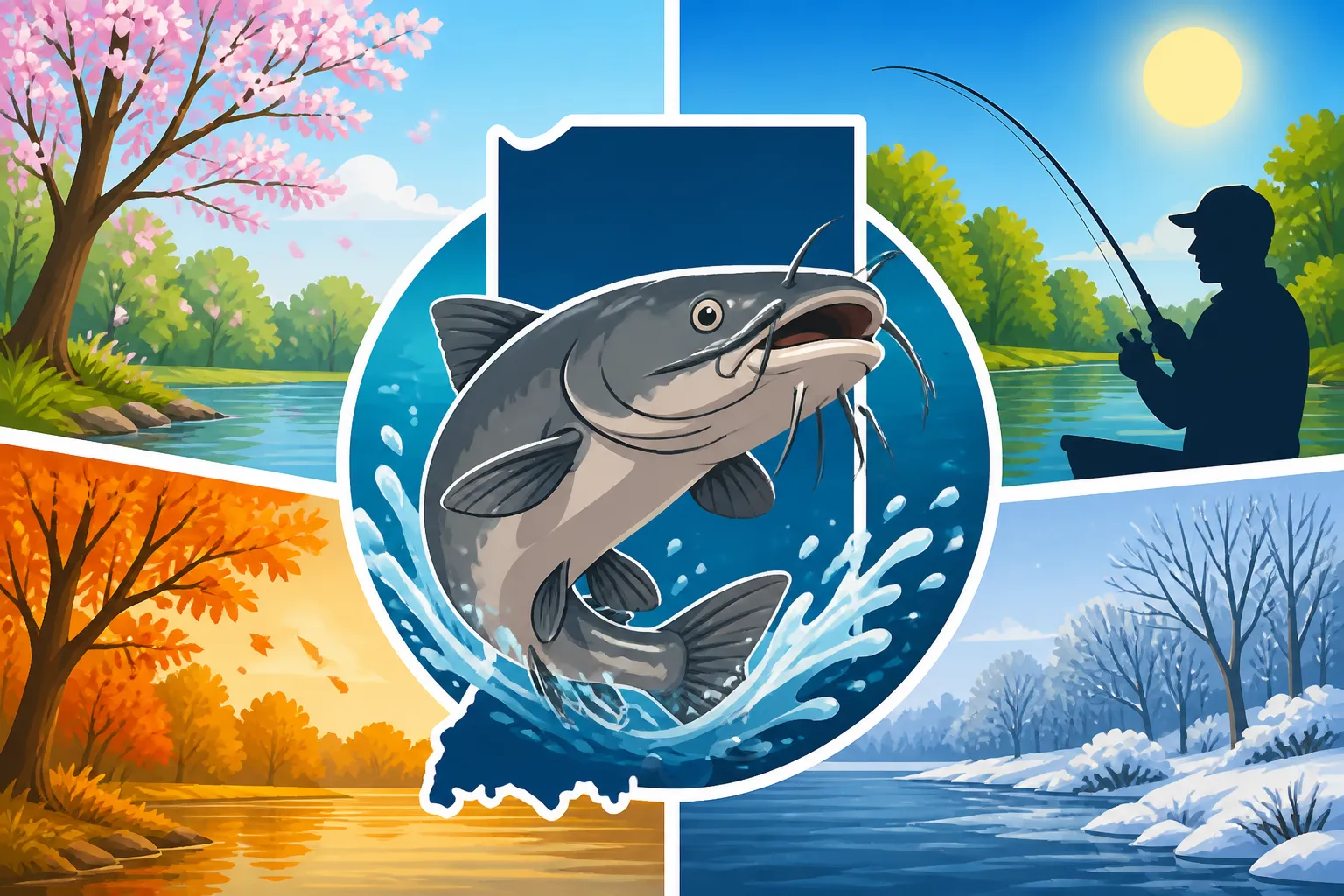
It's a question every catfish angler in Indiana has pondered: when is the absolute best time to drop a line and pull in those whiskered beauties? You might think it's a simple answer, but catfish behavior changes dramatically with the seasons, impacting where they are, what they'll eat, and even the best time of day to target them. This guide will take a deep dive into the seasonal rhythms of Indiana's catfish, helping you unlock prime fishing opportunities year-round, from the warming waters of spring to the icy depths of winter.
Understanding Catfish Behavior Through the Seasons
To truly master catfish fishing in Indiana, you've got to think like a catfish. Their metabolism, feeding habits, and location preferences are all dictated by water temperature and the annual cycle. Knowing what they're up to at different times of the year is your secret weapon.
Spring: Pre-Spawn Feast and Rising Waters
As the ice retreats and Indiana's waters begin to shake off winter's chill, usually around April and May, catfish start to stir. This is a fantastic time to target them because they're coming out of a period of low activity and are eager to feed. The water might still be a bit murky from spring rains and snowmelt, especially in our larger river systems like the Fishing the Wabash River in Indiana, which often means better daytime fishing as they're less light-sensitive.
During late spring, particularly as water temperatures climb into the 50s and low 60s Fahrenheit, catfish enter a pre-spawn phase. Think of it like they're stocking up for a big event. They're trying to put on weight, regain energy lost over winter, and build up reserves for the upcoming spawning season. This makes them incredibly aggressive feeders. You'll find them moving into shallower areas that are warming up faster, often near creek mouths, submerged timber, or rocky points where food sources are becoming more abundant. This is also when you might see increased river flow, which can push food around and concentrate catfish in current breaks or deeper scour holes.
Summer: Prime Time for Night Owls and Deep Water Drifters
Ah, summer. For many Indiana anglers, this is synonymous with peak catfish season, and for good reason. As water temperatures consistently hold in the 70s and 80s, catfish metabolism goes into overdrive. They need to eat, and they need to eat often. However, their habits shift dramatically from spring. During the hottest parts of the day, especially in clear lakes and reservoirs, catfish will often retreat to deeper, cooler waters. Look for them in submerged river channels, around deep structure like humps or ledges, or near the thermocline (the layer where warm surface water meets cooler deep water).
The real magic of summer catfish fishing, especially for channel and blue catfish, often happens after the sun goes down. Catfish are naturally nocturnal feeders, and the cover of darkness offers them cooler temperatures and a sense of security from predators and boat traffic. This is when they move into shallower flats, shorelines, and even around docks to forage. For serious summer catfish hunters, learning Night Fishing Techniques for Catfish is absolutely essential. Whether you're targeting flatheads with live bait or chunking cut bait for channels, those warm summer nights offer some of the most consistent action.
Fall: Fattening Up for Winter
As autumn paints Indiana's landscapes in vibrant hues and water temperatures begin to drop from their summer highs, catfish enter another important feeding phase. They know winter is coming, and just like in spring, they need to bulk up. This makes early to mid-fall another excellent time to catch them. The biting action can be very consistent, as fish are still active but not quite as lethargic as they will be in the dead of winter.
You'll often find them transitioning back from their deep summer haunts towards shallower to mid-depth areas during the day, following baitfish that are doing the same. As fall progresses and water temperatures dip into the 50s, catfish will start to congregate in deeper holes, channels, and humps, forming larger schools as they prepare for winter dormancy. This can make them easier to locate, but you might need to adjust your presentations to be a bit slower.
Winter: Slow and Deep, But Still Catchable
Let's be honest, winter catfish fishing in Indiana isn't for the faint of heart. When water temperatures plunge into the 30s and 40s, catfish metabolism slows drastically. They become very lethargic, moving little and feeding infrequently. However, they are absolutely still catchable, particularly if you know where to look and how to adjust your approach.
Catfish will typically seek out the deepest, most stable water available. This often means deep river channels, the deepest sections of reservoirs, or large holes. They'll stack up in these areas, conserving energy. Your strategy here needs to be one of patience and precise presentation. Forget active casting and retrieving; think still-fishing with baits directly on the bottom, in their faces. Bites will be subtle, often just a slight tap or a feeling of weight on the line. While not as productive as the warmer months, winter can surprise you with a big channel or flathead if you're willing to brave the cold. Ice fishing for catfish isn't unheard of, but it's generally less common than for other species like bluegill or crappie.
The Sweet Spot: Peak Catfish Seasons in Indiana
While you can technically catch catfish year-round in Indiana, there are definitely periods when your chances are significantly higher and the action is more robust. Understanding these peak times can help you plan your trips for maximum success.
Early Summer: The Undisputed King
If there's one "best season" for catfish fishing in Indiana, it's unequivocally late spring through early summer. We're talking late May, all of June, and into early July. This is the sweet spot when water temperatures have stabilized, fish have recovered from the spawn (which typically happens when water hits the mid-70s), and their feeding drive is at its absolute highest. They're active, strong, and widely dispersed, yet still accessible.
During this period, you can often find aggressive catfish in a variety of locations, from shallow flats early in the morning and late evening, to deeper channels and structure during the midday heat. The long daylight hours mean more time on the water, and the relatively stable weather fronts (compared to the volatility of early spring) often lead to consistent bites. Whether you're setting out Jug Fishing Techniques for Catfish on a big reservoir or patiently waiting with a Catfish Bottom Fishing Techniques setup on a river bend, early summer delivers.
Night Fishing Dominance in Warm Months
While early summer is great, the warm summer nights from June through August truly stand out. This is when catfish, particularly channel cats and smaller blue cats, become incredibly active. The water surface cools slightly, boat traffic disappears, and these nocturnal predators feel comfortable moving into shallower water to hunt.
Imagine setting up camp by a quiet lake or riverbank as dusk settles, the air still warm, and the sounds of cicadas filling the air. As the stars emerge, your rod tip starts to twitch. It's a classic Indiana summer experience, and it's often your best bet for consistent action for many catfish species. Packing a good headlamp (you can find plenty of reliable options on Amazon) is crucial for baiting hooks, handling fish, and navigating in the dark.
River vs. Lake Timing
It's also important to remember that the "best season" can vary slightly depending on whether you're fishing a large Indiana reservoir or a flowing river system.
River Systems: Rivers like the Wabash, White, and Tippecanoe tend to warm up and cool down faster than large lakes. Spring run-off and current can affect water levels and clarity, which can either improve or hinder fishing depending on conditions. In rivers, the pre-spawn bite in spring can be incredibly strong, as catfish gorge themselves in current breaks. Summer night fishing remains fantastic, but pay close attention to water levels; fluctuating flows can move fish around. Fall can be excellent as fish feed heavily before retreating to deep wintering holes.
Lakes and Reservoirs: Larger, deeper bodies of water like Monroe Lake or Patoka Lake have more stable temperatures. The spring warm-up might be a bit slower, but once it gets going, the fish are very active. Summer daytime fishing often means targeting deeper structure, while nights bring them shallow. Fall fishing can be prolonged as the large water bodies retain heat longer, offering extended opportunities for big fish bulking up. Understanding these nuances is key, no matter if you're exploring Best Catfish Fishing Spots in Indiana or sticking to a local favorite.
Gear and Techniques for Seasonal Success
Having the right gear and knowing which techniques to employ can make all the difference, especially as catfish behavior shifts throughout the year. Don't be afraid to adapt!
Spring Setups
In spring, especially with potentially higher water levels and stronger currents in rivers, you'll want to lean towards slightly heavier tackle. A medium-heavy to heavy action rod, around 7-8 feet, paired with a reliable baitcasting or spinning reel spooled with 20-40 lb test monofilament or braided line, is a solid choice. You'll likely be dealing with fish that are actively feeding and fighting hard.
For bait, traditional options like nightcrawlers, cut bait (shad, herring), or stink baits are highly effective. Catfish are using their sense of smell to locate food in often murky spring waters. A simple Carolina rig or a three-way swivel rig with an egg sinker can work wonders, keeping your bait on the bottom where the fish are rooting around. You can find sturdy catfish hooks and sinkers in various weights on platforms like Amazon, ensuring you're ready for any current.
Summer Strategies
Summer is when the variety of techniques really opens up. For daytime fishing in deeper water, a Catfish Bottom Fishing Techniques approach is standard. Use slip sinker rigs or suspend baits just off the bottom using bobbers, especially when fishing over submerged structure. If you're targeting flatheads, which prefer live bait, sturdy circle hooks and tough leader material are essential.
Night fishing often involves similar bottom rigs, but you might also explore more active methods like Jug Fishing Techniques for Catfish or Trotline Fishing Techniques for Catfish, which allow you to cover more water or set up multiple lines legally in certain areas. Remember to check local regulations for these methods! Bait is key: fresh cut bait, chicken livers, shrimp, or commercially prepared stink baits are all excellent choices. For those long summer nights, having a good portable light source, like a powerful LED lantern, can be a game-changer, and many anglers order these conveniently from Amazon.
Fall Adaptations
As fall progresses and water cools, your gear might not need a drastic overhaul, but your approach will. You'll still use medium-heavy tackle, but you might start scaling down your hook size slightly if the bites become more tentative. Focus on presenting your bait directly to where the fish are holding, which is often deeper than in summer but still accessible.
Bait choices remain similar to summer—cut bait, shad, and larger worms are still very effective as catfish seek substantial meals. Consider using a slightly lighter leader if the water becomes clearer, or downsize your sinker if current lessens. The key is to present your bait naturally and wait patiently. Fall can be a great time for trophy fish as they are at their heaviest.
Winter Persistence
Winter fishing demands patience and a more refined presentation. Your tackle can remain similar (medium-heavy), but you might switch to a more sensitive rod tip to detect those subtle winter bites. Line choice is important; braided line offers superior sensitivity, which can be critical when bites are light.
For bait, keep it compact and highly scented. Small pieces of cut bait, strong stink baits, or even a small, concentrated piece of hot dog or shrimp can entice a bite. Rig your bait directly on the bottom, often with a simple slip sinker to allow the fish to take the bait without feeling too much resistance. Many anglers will fish vertically from a boat or bank, dropping their baits directly into known deep holes. Staying warm is paramount, so investing in good cold-weather gear, from insulated boots to thermal layers, can be found readily on Amazon or at your local sporting goods store. Remember, a fish in the hand is worth the cold fingers!
Maximizing Your Catch: Tips for Each Season
Beyond just gear, understanding environmental factors and fine-tuning your approach for each season will dramatically improve your catfish success.
Reading the Water: Temperature and Current
Catfish are ectothermic, meaning their body temperature, and thus their metabolism, is directly tied to the water temperature. This is why Water Temperature and Fish Feeding Patterns are so critical to understand.
- Spring: Look for areas that are warming fastest – shallow, dark-bottomed bays, the upstream sides of shallow flats, or areas with sun exposure. In rivers, look for current breaks where fish can conserve energy while waiting for food to wash by.
- Summer: During the day, seek out cooler, deeper water. Use a fish finder to locate channel breaks, submerged timber, or deep humps. At night, target shallower flats and points where they'll venture to feed.
- Fall: As temperatures drop, fish will consolidate. Focus on channels, deeper bends in rivers, and main lake points in reservoirs. They'll still feed aggressively, but might not chase bait as far as in summer.
- Winter: Find the deepest, most stable water available. These can be the deepest holes in rivers or the main basin of a reservoir. Often, catfish will stack up in these spots, so once you find one, you might find many.
Bait Selection by Season
The type and presentation of bait can heavily influence your success as the seasons change.
- Spring: Catfish are often hungry but might still be sluggish in colder water. Scent is king. Strong-smelling stink baits, chicken livers, cut shad, or large nightcrawlers can be irresistible. Consider letting your bait soak for longer periods.
- Summer: With high metabolism, catfish will hit almost anything. Fresh cut bait (especially oily varieties like shad or skipjack), prepared baits, chicken liver, and shrimp are excellent. Live bait, such as bluegill or sunfish, is prime for targeting flatheads.
- Fall: Similar to summer, but as water cools, slightly less active baits might be preferred. Stick with hearty meals: larger pieces of cut bait, big clumps of worms, or a combination. The fish are still trying to put on weight.
- Winter: You need baits that are irresistible and stay on the hook. Strong, potent prepared baits, small pieces of cut bait, or even a single large nightcrawler can work. The key is to keep it small and concentrated, as they're not expending much energy to feed. Many specialized catfish baits can be easily purchased online via Amazon for convenience.
Best Times of Day (and Night)
While the general rule of thumb for many species is dawn and dusk, catfish have their own schedule.
- Spring: Early morning and late afternoon are often excellent as water temperatures begin to rise or before they drop too much. Overcast days can also provide good daytime action.
- Summer: Best Time of Day to Catch Catfish in Indiana during the summer is often from late evening through the overnight hours. During the day, the bite can be tough unless you're fishing deep or after a sudden storm.
- Fall: Similar to spring, early morning and late afternoon can be prime. As the weather cools, midday can also be productive, especially on sunny days when shallower waters warm up a bit.
- Winter: Focus on the warmest parts of the day, typically midday, when temperatures are at their highest. Even a slight warming trend can trigger a short feeding window. Patience is a virtue here.
By understanding how catfish adapt to Indiana's changing seasons and adjusting your approach accordingly, you'll be well on your way to catching more, and bigger, catfish throughout the year. Don't be afraid to experiment and trust your instincts—the waters of Indiana hold plenty of whiskered trophies waiting for you!
Disclaimer
This article is for general informational purposes only and does not constitute professional advice. Laws, prices and regulations vary by location and change over time. Consult a qualified professional for guidance on your specific situation.