Best Bait for Winter Fishing
Winter fishing in Indiana can be incredibly rewarding, offering peaceful solitude and some fantastic catches, but it often leaves anglers scratching their heads about what bait to use. The brutal truth is, what worked brilliantly during the warm summer months will likely get you nothing but a numb fingers and an empty stringer when the water turns frigid. Fish behavior changes dramatically in cold water, and if your bait presentation doesn't adapt, you're in for a tough day. This guide is all about cutting through that frustration, delving deep into the best baits for winter fishing in Indiana, and equipping you with the knowledge to make those frosty days on the ice or chilly banks truly pay off.
Understanding Winter Fish Behavior and Its Impact on Bait Choice
Before we even talk about specific baits, it’s crucial to understand why fish act differently when the temperatures plummet. It’s not just about them being "cold"; it's a fundamental shift in their biology and survival instincts. Ignoring these changes is like trying to convince a hibernating bear to run a marathon – it's just not going to happen.
How Cold Water Slows Everything Down
Think about how you feel on a really cold day. You probably move a bit slower, right? Fish are no different, but for them, it's a physiological necessity. As water temperatures drop, their metabolism slows down significantly. They become sluggish. Their digestive process takes longer, and they don't need to eat as frequently or as much as they do in warmer water. This means they're less likely to chase down a fast-moving lure or expend energy on a large, high-calorie meal. They're conserving every bit of energy they can.
This metabolic slowdown directly impacts their feeding windows and what they're willing to bite. A quick, aggressive strike is rare; instead, you're often looking for a subtle "thump" or just a slight tightening of your line. Your bait needs to appeal to this lethargic state, offering an easy, high-reward meal that requires minimal effort from the fish. It's not about triggering an aggressive predatory instinct as much as it is about presenting an irresistible snack right in front of their nose.
Where Fish Go When the Temperatures Drop
In the warmer months, fish might be scattered across various depths, chasing baitfish or cruising shallow weed beds. But when winter sets in, their location preferences shift dramatically. Most fish will move to deeper water where temperatures are more stable. This doesn't mean the very bottom, necessarily, but often suspended at certain depths or near structural elements like drop-offs, humps, or channels. They might congregate in large schools, a survival mechanism that also helps conserve energy.
For example, crappie often suspend in large schools over the deepest basins of lakes or near submerged brush piles, while bass might hug tight to deep rock piles or channel edges. Walleye might be found on deep breaks or relating to subtle contours that offer ambush points for passing baitfish, though their activity often picks up around dawn and dusk. Knowing these common winter holding patterns, whether you're fishing a small pond or a larger body of water like Monroe Lake, is vital. If your bait isn't where the fish are, it doesn't matter how good it is. You'll need to understand how to read your electronics or rely on local knowledge to pinpoint these deeper sanctuaries.
The Metabolism Factor: Why Less is More
Given their slowed metabolism, fish aren't looking for a buffet; they're looking for a small, easily digestible morsel. A giant crankbait that would entice a summer bass might just intimidate or be completely ignored by a winter bass. This is why smaller baits, presented slowly, are almost always more effective. They mimic the smaller, weaker baitfish or insect larvae that are easier for a cold, sluggish fish to consume.
This "less is more" philosophy extends to the bait itself. Often, live bait that provides natural movement and scent is superior because it triggers a more instinctual, opportunistic bite without requiring much effort from the fish. Think about a tiny minnow struggling just barely, or a waxworm wriggling slowly; these are easy targets. Even artificial baits need to be downsized and offer a subtle profile that doesn't scream "too much work!" It's about efficiency for the fish – getting the most calories for the least energy expenditure.
Top Bait Choices for Indiana's Winter Fish Species
Now that we understand the "why," let's dive into the "what." Certain baits consistently outperform others in cold water, appealing to the unique feeding habits of Indiana's most popular winter species.
The Best Baits for Winter Panfish (Crappie, Bluegill, Perch)
Panfish are often the unsung heroes of winter fishing, providing consistent action when other species are locked down. Their smaller mouths and preference for tiny prey make specific baits shine.
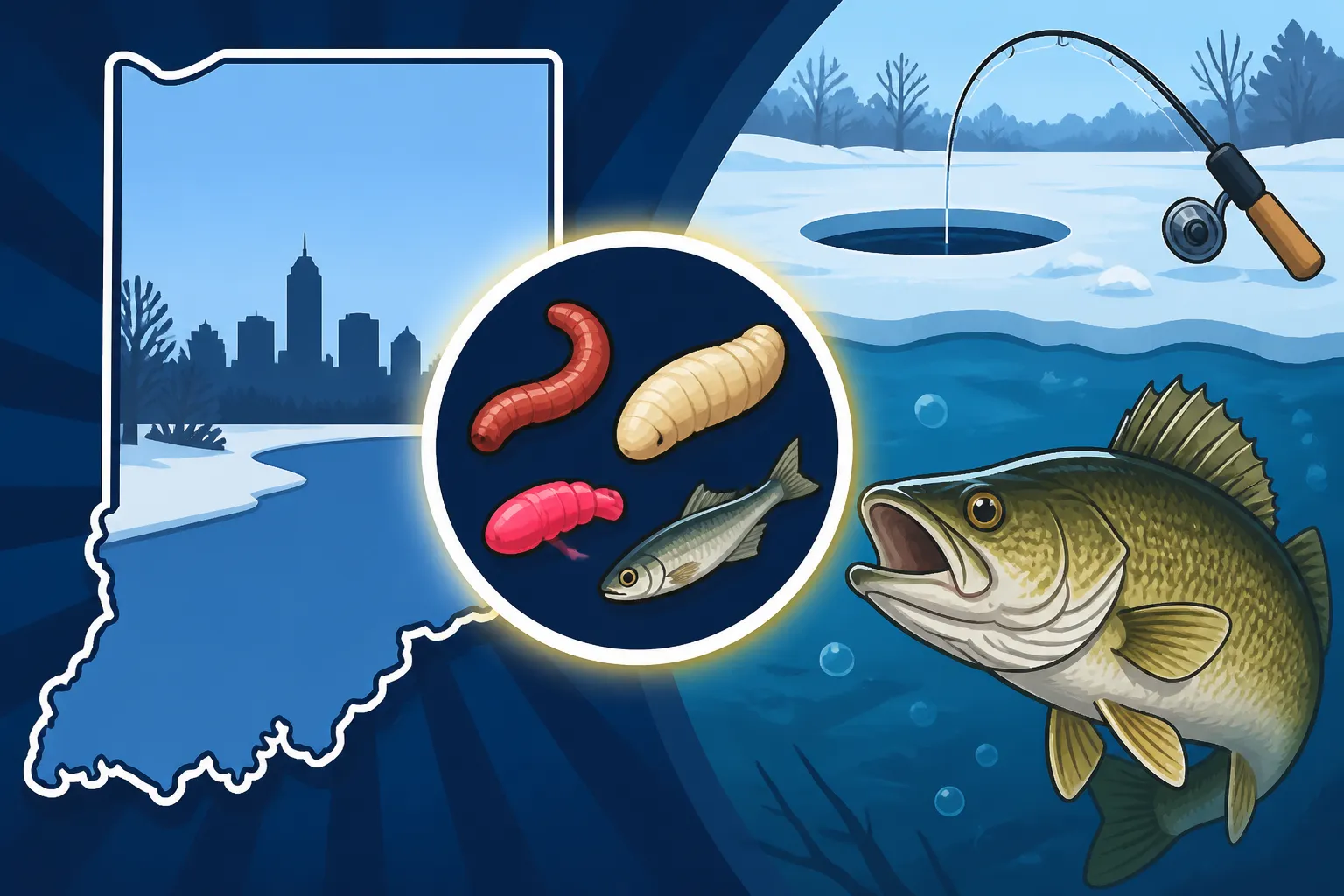
- Waxworms and Spikes: These are absolute gold for panfish through the ice or on open water when it's cold. Their natural wiggling action and small profile are irresistible. Thread one or two onto a tiny jig head, like a 1/64th or 1/32nd ounce, and jig it ever so slightly. The subtle movement is often enough to trigger a strike from even the most lethargic bluegill or crappie. You can often find these at local bait shops, or even order a bulk supply from a retailer like Amazon if you're planning several trips. They stay fresh for a long time in the fridge.
- Small Minnows (Crappie Minnows): For crappie, especially larger slabs, a small live minnow hooked through the back or lips is incredibly effective. Fished under a bobber or on a small jig, the minnow's natural struggle is often all it takes. Just remember to use smaller sizes than you might in summer; a tiny minnow is a substantial meal for a cold-water crappie. This is also a great bait if you're targeting perch, especially in the deeper waters of certain lakes.
- Tungsten Jigs with Plastics: Tungsten jigs, being denser than lead, get down to depth faster with a smaller profile. Pairing these with tiny soft plastic bodies, such as micro-grubs, tubes, or small insect imitations, can be deadly. Colors like glow-in-the-dark, chartreuse, pink, and white are often very effective, especially in stained water or low light. The key is to impart very subtle movements – a tiny quiver, a slow lift, or just letting it sit perfectly still.
Tempting Winter Bass with the Right Offerings
Bass can be challenging in winter, but they are absolutely catchable. They typically hold tight to structure in deeper water and require a patient approach.
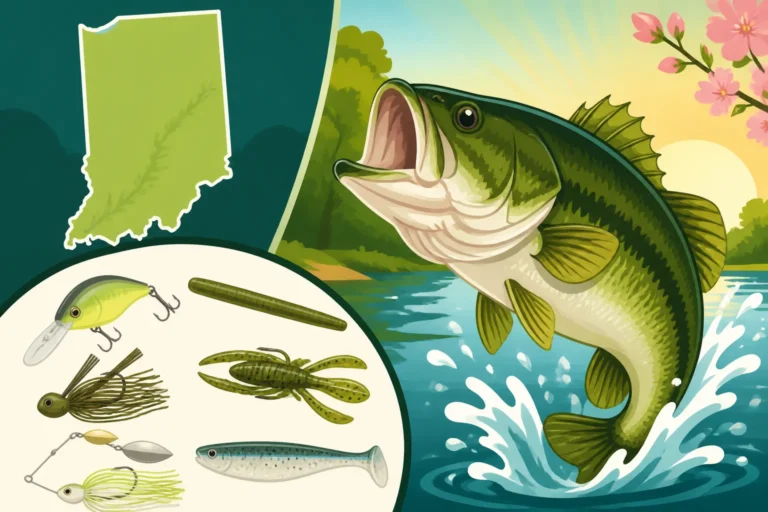
- Blade Baits: A blade bait like a Silver Buddy or a locally made equivalent can be incredibly effective for winter bass. The vibration and flash they put out, even with minimal movement, can call fish in. The trick is to vertically jig them with short, sharp lifts and then let them flutter back down on a slack line. Most bites happen on the fall. The key is to feel for that subtle "tick" as the fish inhales it. This is a great choice for when bass are holding near the bottom on deep ledges or humps.
- Jigs (Football Jigs, Finesse Jigs): A slow-crawled jig with a compact plastic trailer can be fantastic. Think dark colors like black and blue, or natural tones like green pumpkin. The jig mimics a crawfish or another bottom-dwelling creature. You’re not aggressively hopping it; instead, you’re just barely dragging it along the bottom, letting the skirt and trailer do their subtle work. Pair it with a chunk or creature bait that offers a minimal profile but a lot of subtle action. You can find a vast selection of these jigs and trailers on Amazon, allowing you to experiment with different weights and colors.
- Jerkbaits (Suspended): For slightly warmer winter days, or when bass are suspended, a suspending jerkbait can be deadly. Cast it out, reel it down to depth, and then pause it for extended periods – sometimes 10, 20, even 30 seconds. The bait hangs motionless in the water, mimicking a stunned or dying baitfish. The strike often comes on the pause, so watch your line intently.
- Live Minnows/Shiners: If artificials aren't cutting it, don't underestimate the power of a lively shiner or minnow, particularly larger ones. Fished on a Carolina rig or a simple plain hook and split shot, these natural offerings are hard for a lethargic bass to resist. Presenting these near deep structure, especially where you've marked fish on your sonar, can often provoke a bite when nothing else will.
Walleye and Pike: Cold-Water Predators and Their Prey
These toothy predators remain active in winter, often providing thrilling battles. Their feeding habits, however, still lean towards efficiency in the cold.
- Jigging Spoons: For walleye, jigging spoons are phenomenal, especially when fished vertically over deep structure or schools of baitfish. The flash and flutter as they fall can provoke a reaction strike. Use spoons in silver, gold, or vibrant colors like orange and chartreuse. Tip them with a piece of minnow or a waxworm for added scent and appeal. Walleye are often found in deeper lake areas during the cold months, making vertical presentations highly effective.
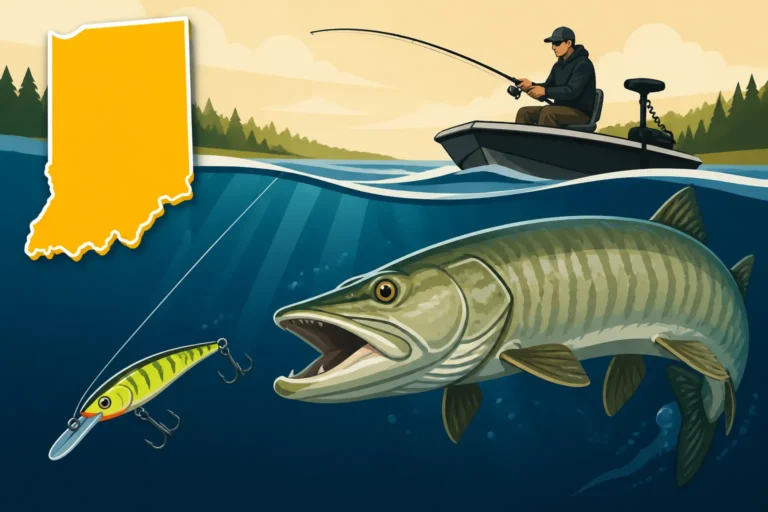
- Live Minnows (Larger Shiners, Suckers): Large live minnows, shiners, or even small suckers are probably the most consistent bait for winter walleye and pike, whether fishing through the ice or on open water. For walleye, hook a lively shiner just behind the dorsal fin or through the lips and present it near the bottom on a plain hook or a small jig. For pike, a larger sucker minnow fished under a tip-up or a stout rod is the classic choice. The natural movement and scent are paramount.
- Swimbaits (Slow Roll): For larger walleye or northern pike, a soft plastic swimbait fished with a slow, steady retrieve near the bottom can be effective. Choose natural colors that imitate common baitfish in the area. The key is the retrieve: slow, steady, and just enough to get the tail thumping. You want it to look like an easy meal struggling along. This can be particularly effective on larger bodies of water like Lake Wawasee.
- Rattling Lures (Lipless Crankbaits): While typically associated with warmer water, lipless crankbaits can work for walleye in winter, especially if they are actively feeding or you need to cover ground. The key is to jig them vertically, or make short casts and aggressively rip them off the bottom, letting them fall on a slack line. The rattle can attract attention, but the action must be tempered to the fish's metabolic state.
Presentation is Key: Techniques for Winter Bait Success
Having the best bait in your tackle box is only half the battle. How you present that bait in cold water is arguably even more critical than the bait itself. Forget those aggressive retrieves; winter fishing demands finesse and patience.
Slow and Steady Wins the Race: Finesse Presentations
In cold water, fish are rarely chasing. They're waiting for an easy meal to come to them. This means your presentation needs to be incredibly subtle, slow, and often, static. This is where the concept of finesse fishing truly shines.
When using artificial baits, think about minimal rod tip movement. Instead of big jerks, try barely twitching the rod tip, just enough to give your lure a slight quiver. For a jig, let it sit on the bottom for extended periods, sometimes 10-20 seconds, before a tiny lift. The weight of the bait itself, or the current, might be enough to impart action. This slow pace gives sluggish fish ample time to approach, investigate, and eventually commit to the strike without having to expend much energy. Even a gentle ripple on the water can cause your bait to move enough. Many successful winter anglers will "deadstick" a second rod, leaving a live bait or small jig perfectly still, letting the fish do all the work.
Jigging and Deadsticking: Mastering the Subtle Bite
These two techniques are cornerstones of winter bait presentation. They perfectly cater to the slow metabolism of cold-water fish.
- Jigging: Vertical jigging, especially through the ice or from a boat over deep structure, is incredibly effective. The key is subtle action. Don't violently rip your jig. Instead, use small lifts and falls. A typical jigging pattern might involve lifting the rod tip only an inch or two, then letting the bait fall naturally on a controlled slack line. Pause for several seconds, then repeat. Sometimes, the most effective jigging is simply holding the bait perfectly still at a certain depth and letting it hang there, occasionally giving it a tiny twitch. A quality flasher or fish finder is invaluable here, allowing you to see your bait and the fish's reaction in real time. For more tips, check out our guide on Walleye Jigging Techniques.
- Deadsticking: This technique is exactly what it sounds like – a dead stick. You rig a bait, often live bait like a minnow or a waxworm on a small jig or plain hook, and then simply let it sit motionless. This can be under a bobber on open water, or suspended at a specific depth through an ice hole. The natural movement of the live bait provides all the action needed. With artificials, deadsticking requires patience, relying on scent, the bait's profile, or accidental movement to entice a bite. It's an excellent way to cover multiple depths or simply present an irresistible, effortless meal to a fish that doesn't want to chase.
Live Bait Rigs for Maximum Appeal
Live bait offers a distinct advantage in winter because its natural scent and movement are often the most potent triggers for lethargic fish.
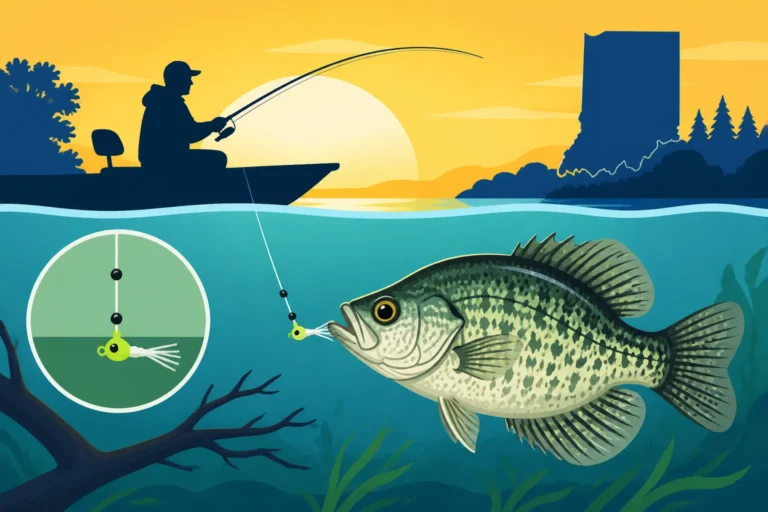
- Slip Bobber Rigs: A slip bobber allows you to easily adjust your bait's depth, which is crucial when fish are suspended at specific levels. Rig a live minnow or a few waxworms on a small hook (size 8 or 10 is usually good for panfish) with a split shot or two to get it down. Set your bobber stop at the depth where you're marking fish or suspect they are holding. The bobber will sit upright, and any subtle take will pull it down. This is particularly effective for crappie and bluegill suspended over brush piles or deep channels.
- Simple Split Shot Rigs: For bottom-hugging fish like walleye or bass, a simple split shot rig is hard to beat. Tie on a small hook, crimp a split shot a foot or two above it, and add your live minnow, shiner, or even a piece of cut bait. This allows the bait to move somewhat naturally with the current while staying in the strike zone. You can fish this by simply letting it sit on the bottom or by slowly dragging it along.
- Tip-Up and Setline Approaches: When ice fishing, tip-ups are a classic way to deadstick live bait. They allow you to cover multiple holes and present larger minnows or shiners for pike and walleye. The flag springs up when a fish takes the bait, letting you know it's time to reel in your prize. On open water, a similar principle applies with setlines, though local regulations for unattended lines vary, so always check the Indiana Fishing Regulations and Bag Limits Guide before deploying. These passive methods are incredibly effective for the cold, energy-saving fish.
Essential Gear and Cold-Weather Considerations for Bait Anglers
Winter fishing isn't just about the bait; it's also about having the right tools and staying comfortable and safe. The conditions can be harsh, so a little preparation goes a long way.
Choosing the Right Rod, Reel, and Line for Winter Bait
Your gear choices in winter should prioritize sensitivity and appropriate power for subtle bites and tough conditions.
- Rods: For panfish and finesse bass fishing, a sensitive, ultralight to light-action rod is essential. Graphite rods are excellent for transmitting those subtle "taps" that often indicate a cold-water bite. A fast action tip will help you detect bites, while a softer mid-section prevents pulling the hook from a fish's delicate mouth. For larger species like walleye or pike, a medium-light to medium-action rod provides the backbone needed for bigger fish while still offering good sensitivity. Ice fishing rods are shorter but still follow these principles, often with very sensitive tips.
- Reels: Spinning reels are typically preferred for winter fishing due to their ease of use with light lines and small baits. A smaller reel (500 to 1000 size for ultralight, 2000 to 2500 for light/medium) with a smooth drag is crucial. Frozen guides can be an issue on very cold days, so ensure your reel has a wide line lay to minimize tangles. Consider a good quality reel you can rely on, perhaps from a reputable brand you've seen on Amazon, as cheap reels often struggle in freezing temperatures.
- Line: Fluorocarbon line is an excellent choice for winter. It's nearly invisible underwater, has very low stretch for increased sensitivity, and sinks, which can be beneficial for getting small baits down. A 2-4 lb test for panfish and 6-10 lb test for bass and walleye is a good starting point. Braided line can also be used, especially for vertical jigging, but it will absorb water and freeze up more easily in severe cold. If using braid, a fluorocarbon leader is always a good idea for stealth.
| Species | Recommended Bait Type | Preferred Presentation | Typical Line Test (Fluorocarbon) |
|---|---|---|---|
| Panfish | Waxworms, Spikes, Small Minnows | Tiny Jigs (1/64-1/32 oz), Slip Bobber | 2-4 lb |
| Largemouth Bass | Blade Baits, Finesse Jigs, Shiners | Vertical Jigging, Slow Dragging, Deadsticking | 6-10 lb |
| Walleye | Jigging Spoons, Live Minnows, Swimebaits | Vertical Jigging, Deadsticking, Slow Roll | 6-10 lb |
| Northern Pike | Large Live Minnows (Suckers), Spoons | Tip-Ups, Slow Jigging | 10-20 lb (with wire leader) |
Keeping Your Live Bait Alive in the Cold
Live bait is often the most effective winter offering, but keeping it alive and lively in freezing temperatures can be a challenge. If your bait is sluggish or dead, it loses much of its appeal.
First, invest in a good insulated bait bucket. Many models come with aerators that keep the water oxygenated, which is vital for minnow health. In extremely cold weather, you might even consider adding a small hand warmer (the kind you put in your gloves) to the outside of the bait bucket (never in the water) to prevent the water from freezing or getting too cold too quickly. When buying bait, inspect it carefully. Healthy bait will be lively and show no signs of distress. Avoid overcrowding your bait bucket, as this quickly depletes oxygen.
If you're out on the ice, keep your bait bucket inside your shanty or tucked into a heated shelter. If fishing from a boat, keep it covered and out of direct wind. Remember to change the water periodically if it becomes dirty or if the bait looks stressed. You can find quality insulated bait buckets and aerators on Amazon, or at any local bait and tackle shop across Indiana. Healthy, active bait is your best friend when fish are lethargic.
Safety First: Staying Warm and Prepared
Winter fishing, especially ice fishing, comes with inherent risks. Your safety and comfort should always be your top priority.
- Layer Up: Dress in multiple layers of warm, moisture-wicking clothing. Start with a base layer, add insulating layers (fleece, down), and finish with a waterproof and windproof outer shell. Don't forget a warm hat, gloves or mittens (often waterproof), and insulated boots. Frostbite is a serious risk in Indiana's winter conditions.
- Ice Safety: If ice fishing, never go alone and always check ice thickness. A minimum of 4 inches of clear, solid ice is generally recommended for walking, and more for ATVs or vehicles. Be wary of inconsistent ice, areas near inlets/outlets, or places with current, as ice can be thinner there. Carry ice picks and know how to use them. For a deeper dive into cold-weather considerations, our article on Winter Fishing Patterns on Indiana Lakes has more useful information.
- Open Water Safety: If fishing from a boat on cold open water, always wear a U.S. Coast Guard-approved life jacket. Cold water shock can be deadly, and a life jacket is your best chance of survival if you unexpectedly go overboard. Ensure your boat is properly equipped with all required safety gear. Tell someone where you're going and when you expect to return. Always have a fully charged phone and consider carrying a portable power bank.
By understanding how fish react to the cold, selecting the right baits, mastering subtle presentation techniques, and prioritizing your safety, you can turn those challenging winter fishing days into some of your most memorable and successful trips on Indiana's beautiful waters.
Disclaimer
This article is for general informational purposes only and does not constitute professional advice. Laws, prices and regulations vary by location and change over time. Consult a qualified professional for guidance on your specific situation.