Best Lures for Fishing After a Cold Front
There's nothing quite as frustrating for an angler as heading out to your favorite fishing spot after a beautiful few days, only to find the fish have completely shut down. That sudden drop in temperature, often accompanied by clear skies and a high-pressure system, signals a cold front, and it can turn once-active fish into lethargic, finicky creatures. This guide is here to help you navigate those tricky post-cold front conditions, focusing on the best lures and techniques to coax those stubborn fish into biting, giving you a fighting chance even when nature throws a curveball.
Understanding How Cold Fronts Impact Fish Behavior
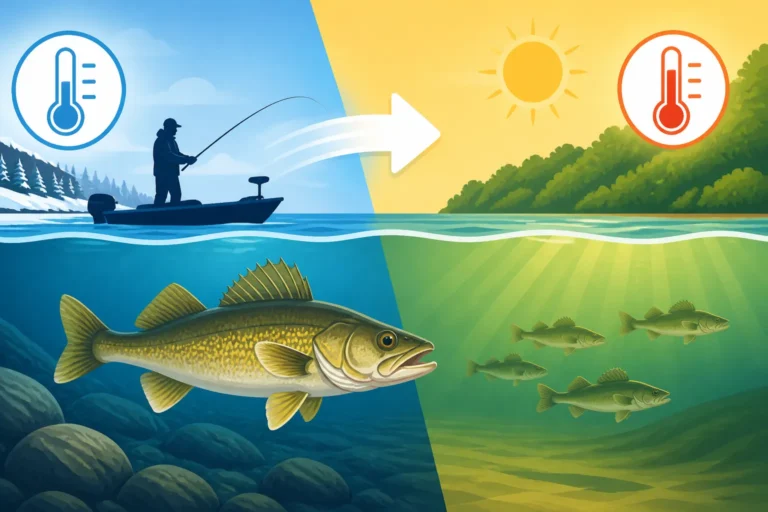
When a cold front rolls through, it’s like someone flipped a switch in the underwater world. Fish, being cold-blooded creatures, are incredibly sensitive to changes in their environment, especially water temperature and barometric pressure. Ignoring these shifts is a surefire way to come home empty-handed.
The Immediate Shock and Metabolic Slowdown
Imagine going from a comfortable, warm room to suddenly being in a chilly, air-conditioned space. That’s a bit like what fish experience. The dramatic shift in barometric pressure that often precedes and accompanies a cold front can cause an immediate discomfort for fish, much like humans might feel a headache before a storm. This isn't just a minor annoyance for them; it's a significant physiological event. Their swim bladder, which helps them maintain buoyancy, has to adjust to these pressure changes, often driving them deeper where the pressure is more stable.
Once the front passes and the air turns colder, the water temperature begins to drop, particularly in shallower areas. This cooling effect directly impacts their metabolism, causing it to slow down significantly. Think of it like trying to run a marathon on a freezing winter day – your body just isn't as efficient. Fish become less active, their digestion slows, and their need to feed aggressively diminishes. They're not necessarily "off the bite" entirely, but they're certainly not chasing down every fast-moving meal that comes their way. This is why those flashy, fast-retrieved lures that worked so well yesterday might get absolutely no attention today. They're conserving energy, and any meal they consider needs to be easy to catch and not require much effort.
Where Fish Seek Refuge After a Cold Front
As the water cools and the fish become more sluggish, they tend to move to specific areas that offer stability and security. Their primary goal is often thermal refuge – finding water that maintains a more consistent temperature. This usually means migrating to deeper water where the temperature fluctuations are less severe. You’ll often find them hunkered down on deep breaks, channel swings, or along the sides of underwater humps and ledges.
Beyond depth, dense cover becomes even more critical. Submerged brush piles, thick weed lines that haven't died off, rock piles, or even standing timber can provide excellent shelter. This cover not only offers protection from predators but also a sense of security while they recuperate from the environmental shock. Shallow, exposed flats or shorelines that were buzzing with activity before the front can become veritable ghost towns. While bright sunshine might warm the surface later in the day, don't expect fish to rush back into those areas. They'll remain spooky and tucked away, preferring the sanctuary of deeper, darker, or more sheltered spots. Understanding How Weather Affects Fish Feeding Patterns is crucial here, as even subtle changes can dictate where fish choose to hide.
Lures for Subtle Presentations: Tempting Finicky Fish
After a cold front, fish aren't looking for a sprint; they're looking for a leisurely stroll of a meal. This is where finesse presentations truly shine. It's all about making your lure irresistible without being overly aggressive or threatening.
Downsizing and Slowing Down: The Art of Finesse Baits
When fish are in a post-cold front funk, the golden rule is often to downsize your baits and slow down your retrieve. This means putting away the giant swimbaits and fast-moving spinnerbaits in favor of more subtle offerings. Finesse fishing is designed to tempt inactive fish, making them believe your lure is an easy, non-threatening meal that requires minimal energy to consume. Think about mimicking dying baitfish or crawfish that are barely moving.
Drop shot rigs are absolute champions in these conditions. By presenting a small soft plastic (like a 3-4 inch worm or minnow imitation) a foot or two above a weight, you can keep the bait suspended directly in the fish's strike zone. A tiny quiver of the rod tip is all it takes to make the bait dance enticingly without moving it horizontally too much. The Ned rig, with its small mushroom-shaped jig head and short, buoyant worm, is another fantastic option. It stands straight up off the bottom, presenting a defiant, easy target. Slowly dragging or making tiny hops with a Ned rig along the bottom can elicit bites from even the most lethargic bass or walleye. Shaky head jigs, paired with a straight-tail worm, allow you to subtly shake the bait in place while maintaining bottom contact. These lures, often found in a wide array of options on Amazon, are crucial for adapting to tough conditions. When considering your overall strategy, remember how Water Temperature and Fish Feeding Patterns dictates fish activity, and colder water almost always means slower presentations.
The Power of Jigs: Mimicking Bottom Forage
Jigs are perennial favorites for a reason, and after a cold front, they become indispensable. Whether you're tossing a football jig, a casting jig, or a finesse jig, their ability to stay in the strike zone longer and imitate bottom-dwelling forage is unmatched. A jig can perfectly mimic a crawfish scurrying for cover or a creature bait rooting around on the bottom, which is often where sluggish fish are looking for their next meal.
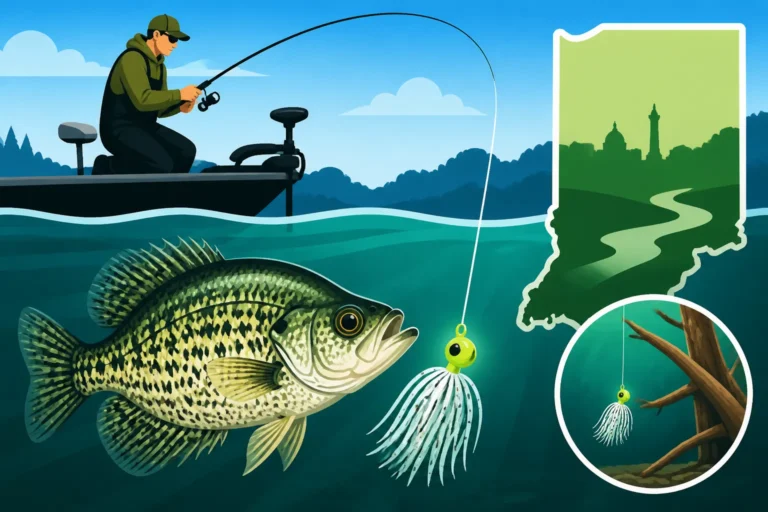
For bass, a black and blue or green pumpkin jig with a subtle trailer (like a small craw or chunk) can be incredibly effective. The key is a slow, methodical retrieve. Instead of hopping it aggressively, try long, slow drags along the bottom, pausing frequently. Let the jig sit for several seconds, allowing the skirt and trailer to subtly undulate, mimicking a wounded or dying critter. Sometimes, just a slight shake of the rod tip while the jig is stationary is enough to trigger a strike. For walleye, lighter jigs tipped with a minnow or a scented soft plastic grub can be deadly, especially when vertically jigged over deeper structure. The slow, deliberate fall and subtle movements are exactly what a finicky fish needs to commit. You might even find success with this technique when practicing Crappie Jigging Techniques for Beginners for those smaller, but equally challenging, panfish.
Reaching Deeper with the Right Lures
While finesse is often the name of the game, there are times when you need to cover more water or trigger a different kind of bite, especially when fish are holding tight to deeper structure. These lures are designed to get down to where the fish are and sometimes provoke a reaction even when they aren't actively feeding.
Deep-Diving Crankbaits and Jerkbaits: Triggering Reaction Bites
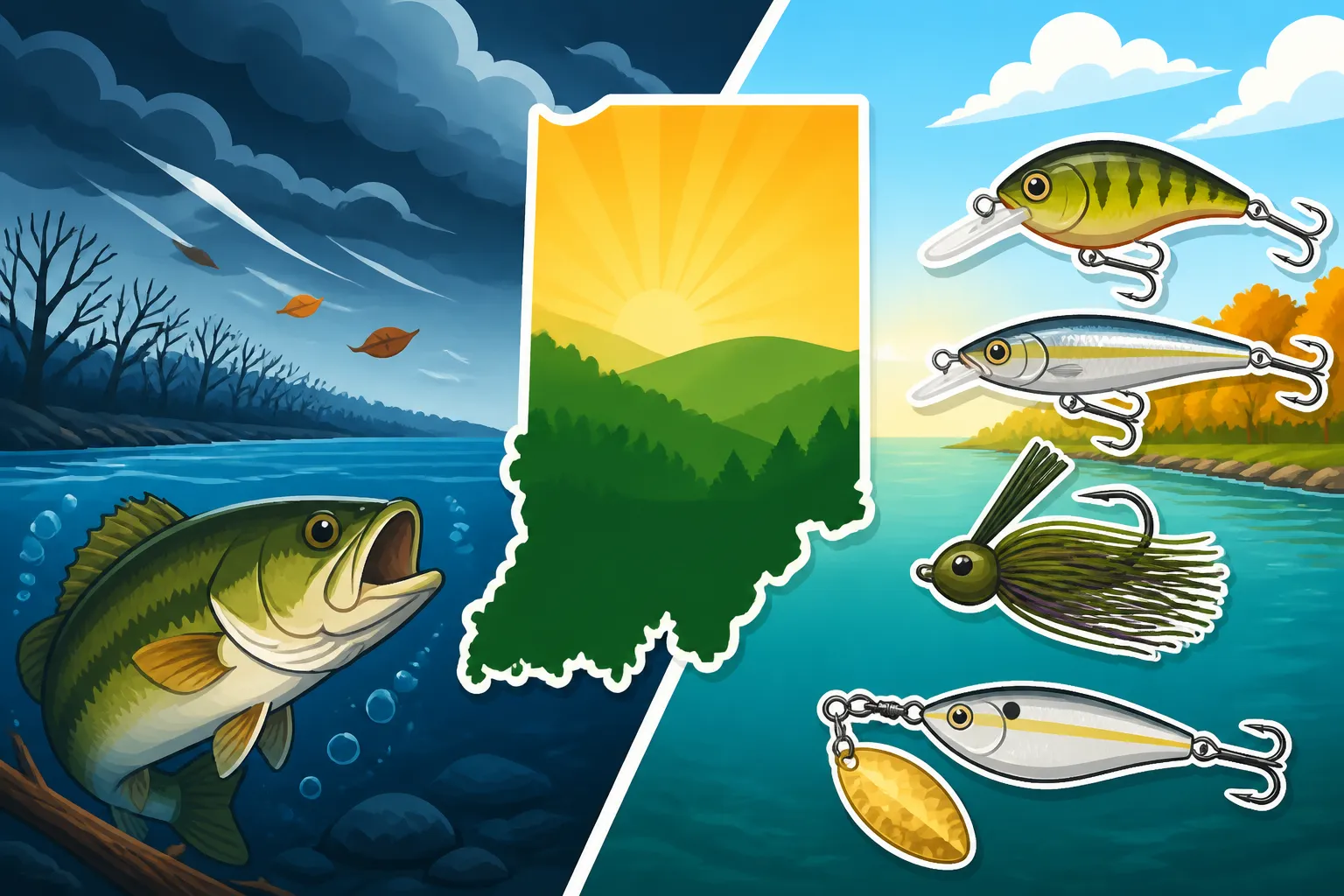
Even when fish are sluggish, they can sometimes be provoked into a reaction strike. This is where deep-diving crankbaits and jerkbaits come into play. A deep-diving crankbait can quickly reach significant depths, allowing you to "crash" it into submerged timber, rock piles, or ledges where cold front fish are hiding. The deflection off the cover, followed by a momentary pause, can often trigger an impulsive bite from a territorial or startled fish. Look for natural baitfish patterns or crawfish colors, and focus on a slow, grinding retrieve that keeps the bait in contact with the bottom or structure as much as possible.
Jerkbaits are another excellent choice for covering water while still maintaining a slow presentation. After a cold front, fish are often suspended in the water column or holding tightly to vertical cover. A suspending jerkbait, when retrieved with a "twitch, twitch, pause" rhythm, can hang motionless in the water during those long pauses, right in front of a fish's face. The key is to make those pauses long – sometimes 10-20 seconds or more in very cold water. This suspended action often irritates or tempts a fish into striking simply because the easy meal is just sitting there. Many anglers swear by these for Best Lures for Indiana Walleye Fishing, especially when trying to coax a bite from finicky fish. You can find a vast selection of these on retailers like Amazon, offering different diving depths and suspending characteristics.
Blade Baits and Spoons: Vertical Fishing for Suspended Fish
When fish are tightly schooled in deeper water, or suspended off the bottom, vertical presentations become incredibly effective. Blade baits and jigging spoons are perfect for this scenario, especially if you have good electronics to mark individual fish or schools. These lures are designed to be dropped directly down to the fish's depth and then worked with a rhythmic lift-and-drop motion.
A blade bait, with its vibrating action on the lift and fluttering fall, perfectly mimics a dying baitfish. The vibration can also help call in fish from a distance, even when they're not actively moving. Jigging spoons, on the other hand, have a more erratic, wounded-baitfish flutter on the fall. For both, the technique involves lifting the rod tip sharply a foot or two, then immediately letting it fall back on a semi-slack line, allowing the lure to flutter naturally. Strikes often occur on the fall, so it's critical to watch your line for any subtle twitch or pause. These lures are particularly effective for species like walleye, crappie, and even suspended bass in deeper reservoirs. Having reliable Best Fish Finders for Indiana Lake Fishing can greatly enhance your success with these vertical techniques by showing you exactly where the fish are holding.
Essential Considerations for Cold Front Lure Success
Beyond just the type of lure, a few other critical factors can make or break your post-cold front fishing trip. Ignoring these details can be the difference between a productive day and one spent wondering what went wrong.
Color, Scent, and Size: The Details That Matter
After a cold front, fish often become less reliant on their sight and more on other senses, making color, scent, and size more important than ever. When it comes to color, natural and muted tones generally outperform bright, flashy colors. Think about shades of green pumpkin, brown, black, and blue. These colors blend in better with the natural forage and don't appear as threatening to a spooked fish. Clear or translucent colors can also be effective in clear, cold water, as they present a very subtle profile.
Scent can be a game-changer. When fish are lethargic, they might mouth a bait without fully committing. Adding a strong scent to your soft plastics or using baits that are infused with attractants (like garlic, crawfish, or baitfish scents) can encourage a fish to hold onto the lure longer, giving you more time to feel the bite and set the hook. This small detail can significantly increase your hook-up ratio. A quick search on Amazon for "fishing attractant" will show you a huge variety of options to choose from. Finally, always default to downsizing your lures. A smaller, less intimidating meal is much more appealing to a fish that's conserving energy. A 3-inch grub is often more effective than a 6-inch one in these conditions. This is a contrast to what you might choose for Best Lures for Summer Fishing, where larger, more aggressive presentations often work.
Location, Location, Location: Finding Those Holding Fish
You can have the absolute best cold front lure tied on, but if you're not putting it in front of the fish, it's completely useless. Post-cold front fishing is arguably more about location than anything else. Fish will congregate in specific areas, and finding those zones is paramount. Focus on primary and secondary points leading to deeper water, creek channel bends, submerged humps, and steep drop-offs where fish can easily move from shallow to deep water. Look for the deepest, thickest cover available – brush piles, rock gardens, standing timber, or the deepest parts of healthy weed lines.
Don't be afraid to use your boat's electronics to their fullest potential. Side imaging and down imaging can help you locate subtle changes in bottom composition or find those hidden brush piles where fish are stacked up. Spend time idling and scanning until you mark fish. Once you find a productive area, dissect it thoroughly with slow, deliberate presentations. Sometimes, moving just a few yards can make a world of difference. It often takes patience and persistence to locate these elusive fish, but once you do, you can often catch multiple fish from the same small area. This strategy is also key to success in Indiana Walleye Fishing: A Complete Guide, as walleye are notoriously structure-oriented. For a broader overview of spots, checking out Best Fishing Lakes in Indiana by Region can give you ideas on where to start your search for those deeper, more stable waters.
Strategies for the Post-Front Recovery
The immediate aftermath of a cold front is always the toughest, but conditions can gradually improve. As the days progress and stable weather returns, fish might start to become a bit more active, though they'll still be more cautious than before the front.
| Lure Type | Best for Fish Behavior | Ideal Presentation | Target Species (Examples) |
|---|---|---|---|
| Ned Rig | Finicky, lethargic | Slow drag, subtle hop | Bass, Panfish, Walleye |
| Drop Shot | Suspended, neutral | Subtle shake, dead stick | Bass, Walleye, Crappie |
| Jig (Football/Casting) | Bottom-hugging, craw-eating | Slow drag, hop, long pauses | Bass, Walleye, Catfish |
| Jerkbait | Neutral, reaction bite | Twitch, twitch, long pause | Bass, Walleye, Pike |
| Blade Bait | Vertical, reaction bite | Sharp lift & soft fall | Walleye, Crappie, Bass |
| Jigging Spoon | Vertical, reaction bite | Erratic lift & flutter fall | Walleye, Crappie, Lake Trout |
| Finesse Worm | Extremely picky | Weightless, soft plastic on light line | Bass, Panfish |
Understanding this slow recovery is part of the challenge. Don't immediately switch back to your power fishing baits just because the sun came out. Continue with slower presentations, but perhaps allow for slightly more movement or a bit more flash. The fish might still be hugging cover, but they could be willing to move a little further to intercept a meal. This is a prime time to keep experimenting with your approach. Remember that techniques like those for Bass Post-Spawn Patterns in Indiana share similarities with cold front fishing, as fish are often recovering and require a more gentle approach. Don't be afraid to try some Best Bait Choices for Spring Fishing if those early season approaches for cold water are usually effective for you.
Ultimately, successfully fishing after a cold front is a test of patience, adaptability, and understanding fish behavior. It’s about slowing down, thinking small, and being persistent in those deeper, more stable areas. With the right lures and a focused approach, you can still have a rewarding day on the water, even when the fish seem determined to keep their mouths shut. It's truly about knowing How to Fish After a Cold Front and having the confidence to stick with your game plan. Don't give up! Even a few bites on a tough day can feel like a trophy.
Disclaimer
This article is for general informational purposes only and does not constitute professional advice. Laws, prices and regulations vary by location and change over time. Consult a qualified professional for guidance on your specific situation.